
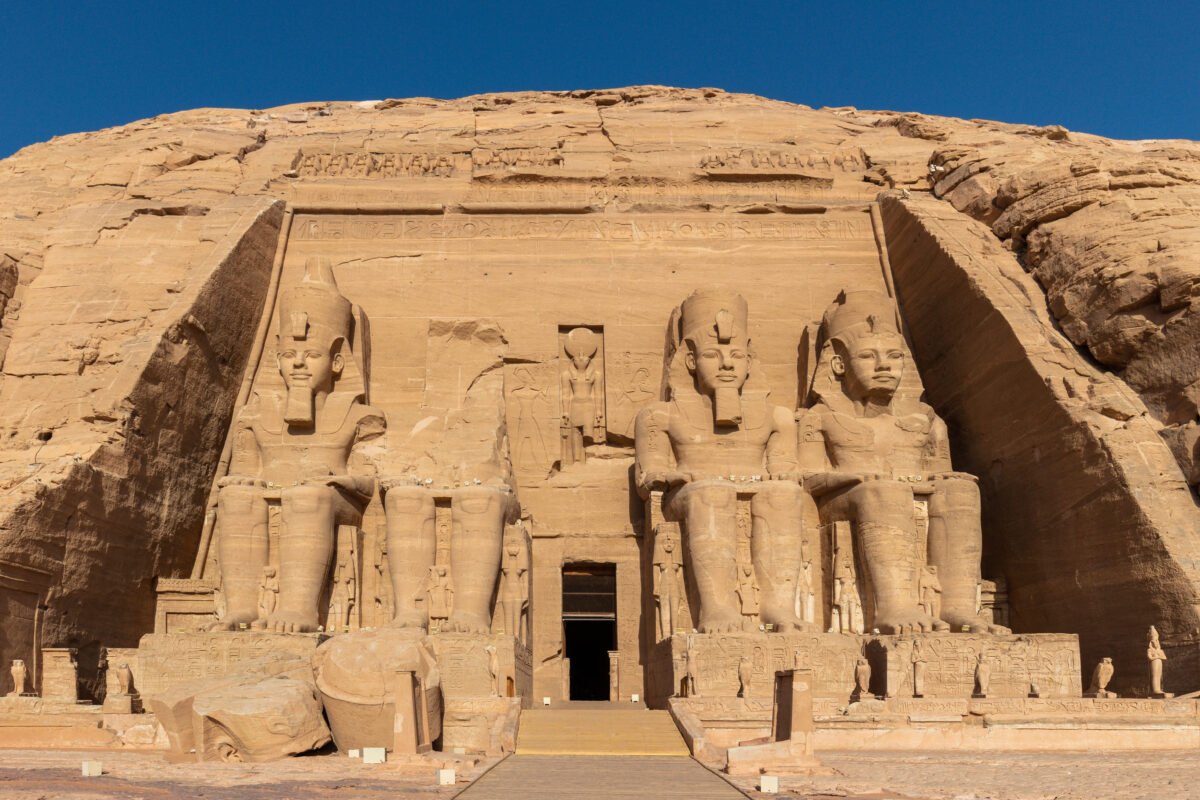
Rock-cut temple complex · Abu Simbel, Lake Nasser
Abu Simbel Temples
Abu Simbel combines Ramesses II’s monumental royal programme with one of the twentieth century’s most extraordinary international heritage-rescue projects.
Read the site guide →Temple complexes, tomb landscapes, museums, historic quarters and Nile sites explained with the depth of an Egyptologist and the clarity of a travel magazine.
Each guide has one canonical URL and is reused across the tours and journeys that visit that place—giving you deeper context without duplicated monument copy.
Abu Simbel combines Ramesses II’s monumental royal programme with one of the twentieth century’s most extraordinary international heritage-rescue projects.
Read the site guide →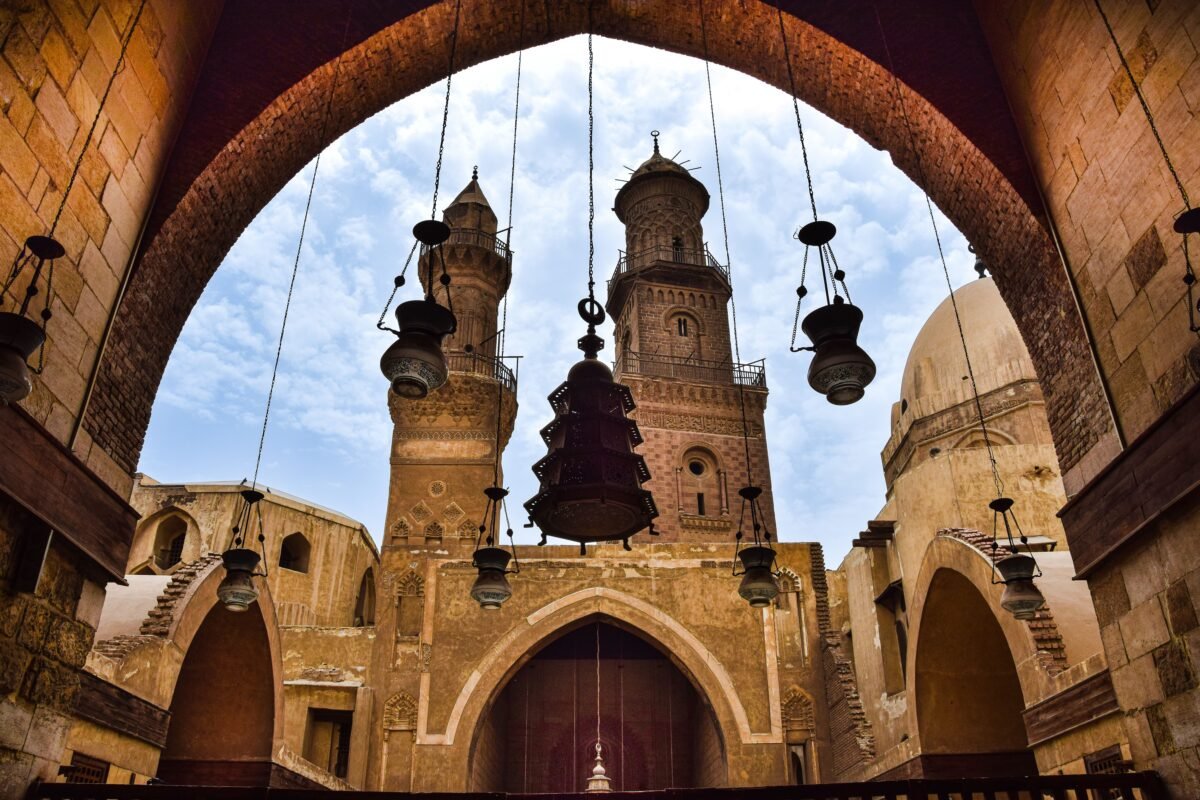
Al-Muizz Street is one of Cairo’s richest concentrations of medieval architecture, where monuments and everyday city life share the same urban corridor.
Read the site guide →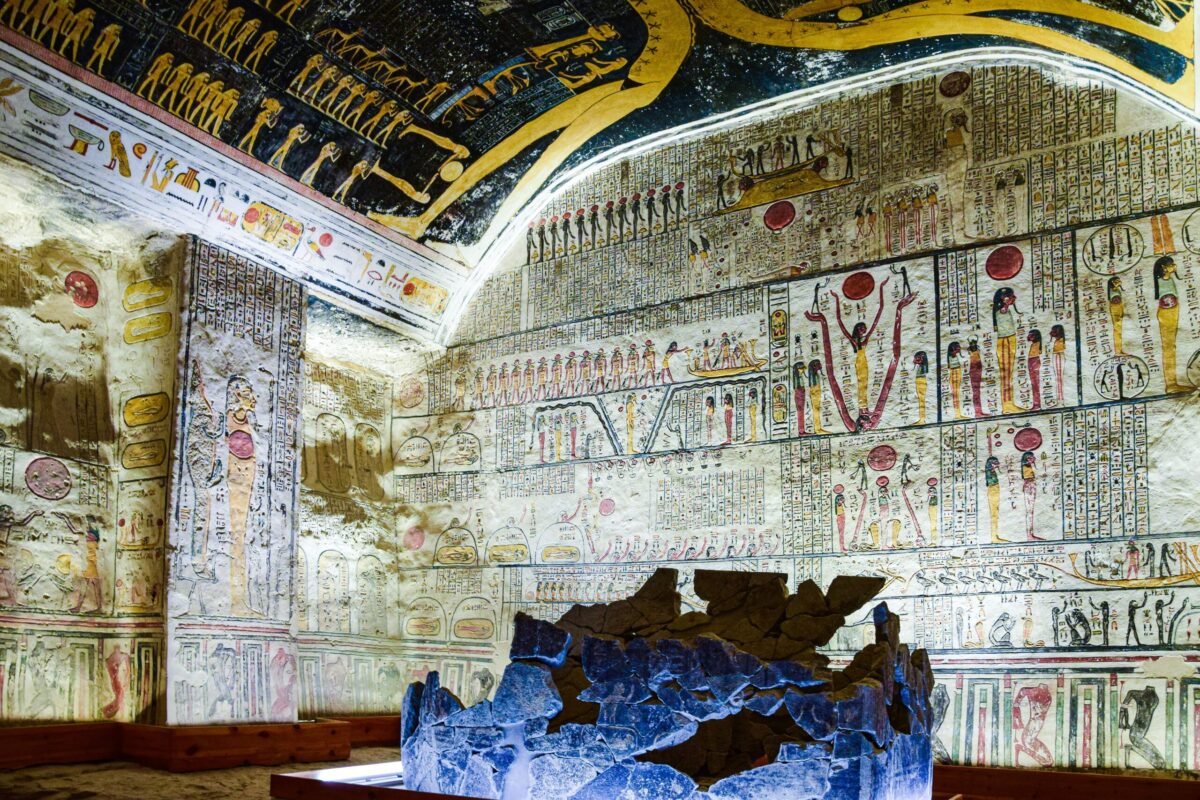
Amarna preserves the short-lived capital founded by Akhenaten, where city planning, royal art and Aten-focused religion can be studied within the landscape that shaped the experiment.
Read the site guide →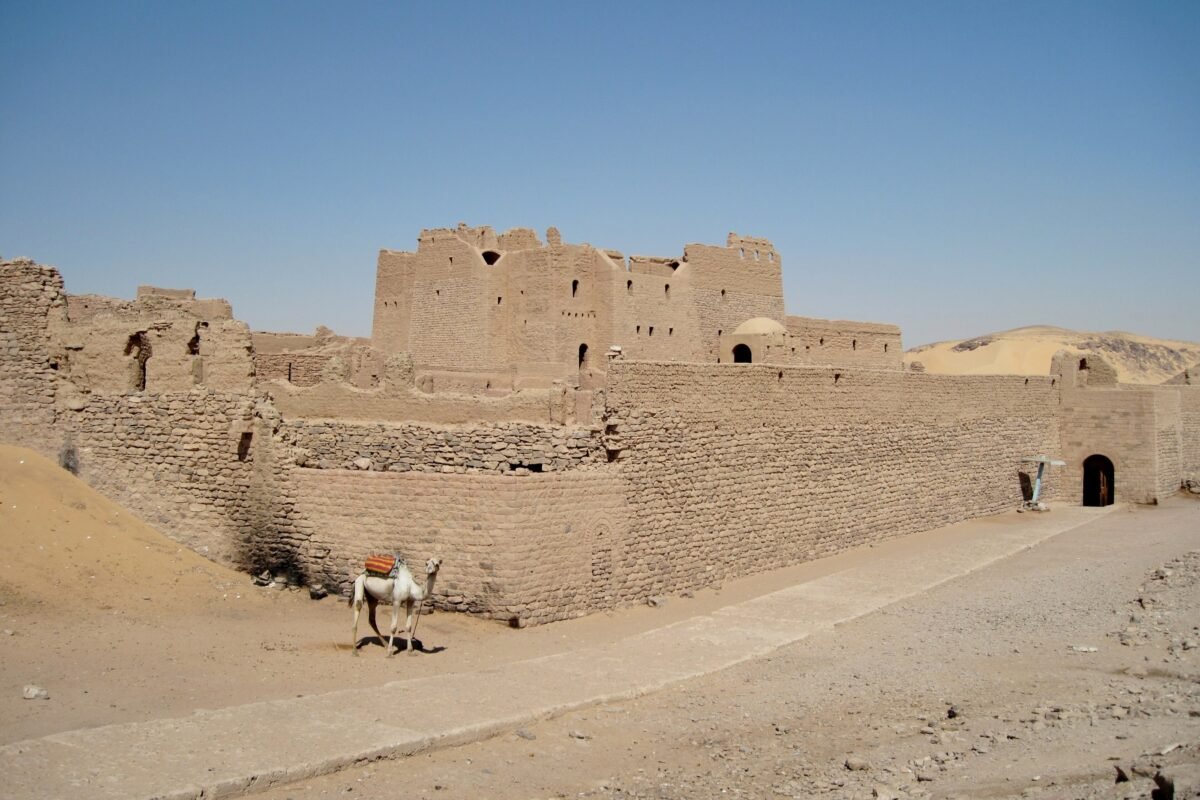
Anba Hadra, often called the Monastery of St Simeon, preserves one of Aswan’s most important early Christian monastic landscapes between the Nile and western desert.
Read the site guide →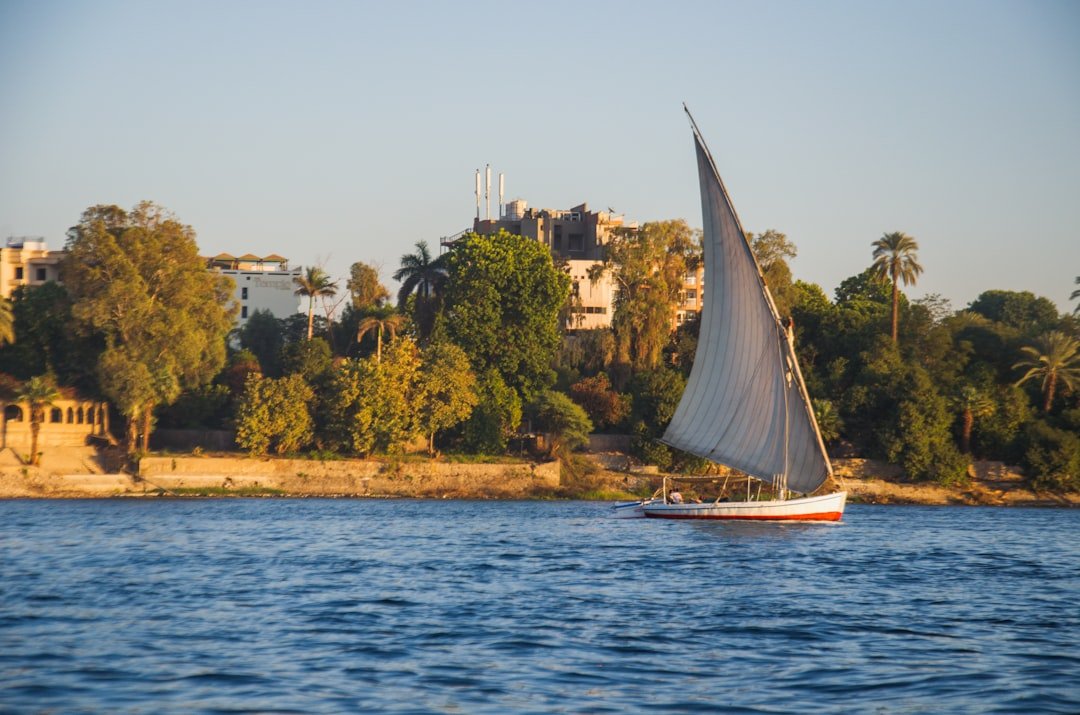
Aswan Botanical Garden offers a slower island chapter on the First Cataract, combining planted landscape, river movement and views across Aswan.
Read the site guide →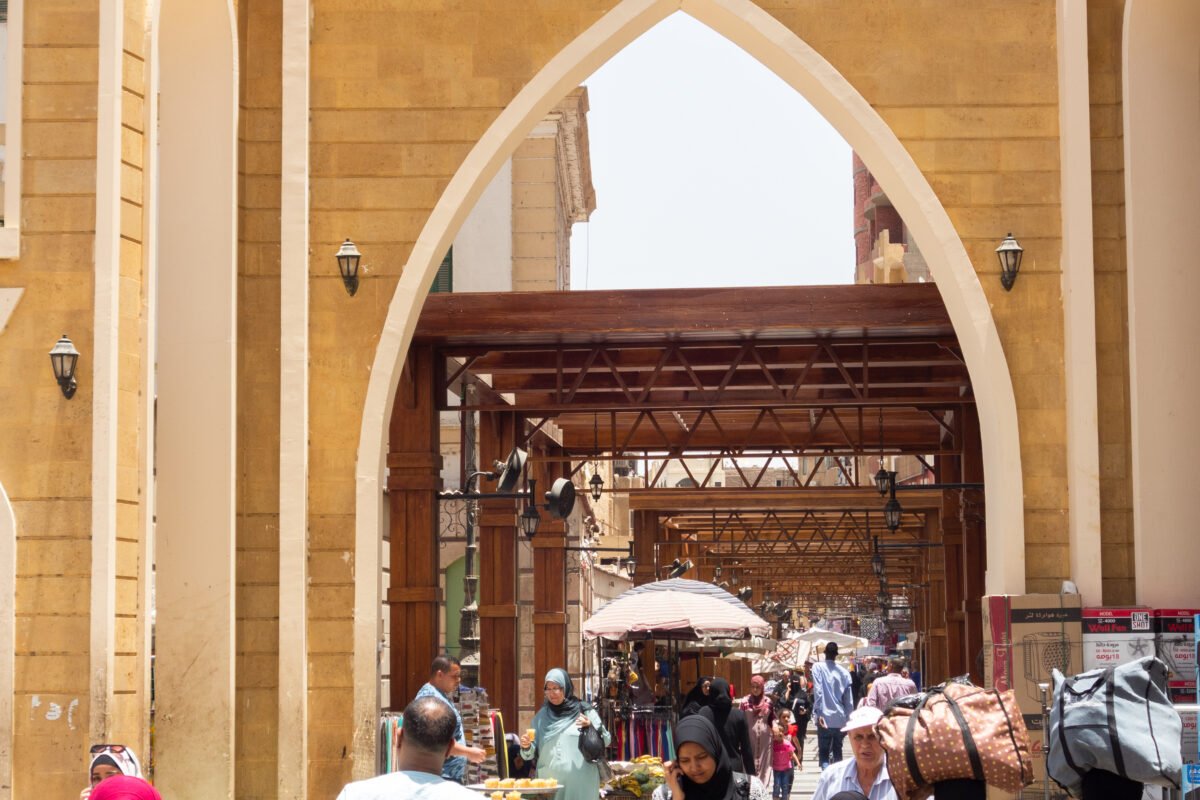
Aswan’s souq is a living commercial street where spices, household goods, textiles and local rhythms make the modern southern city visible beyond archaeology.
Read the site guide →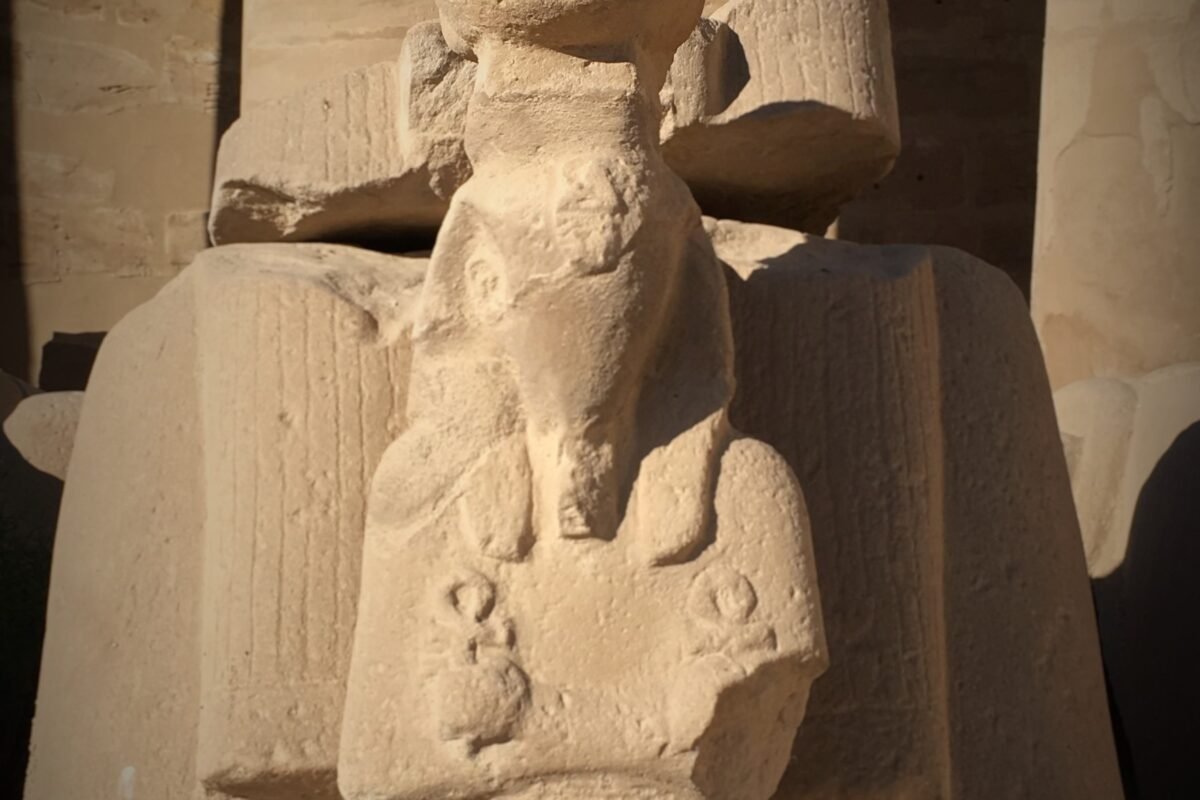
The Avenue of Sphinxes makes the ritual relationship between Karnak and Luxor Temple physically visible across the modern city.
Read the site guide →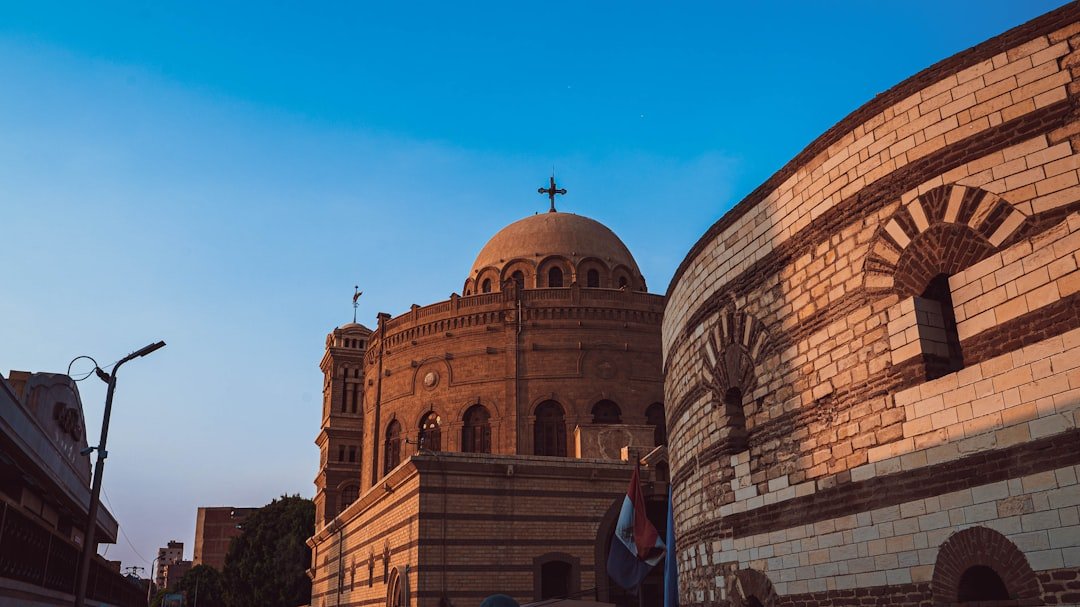
Ben Ezra Synagogue adds an essential Jewish chapter to the layered religious history of Old Cairo, subject to current visitor access.
Read the site guide →Beni Hassan preserves Middle Kingdom rock-cut tombs whose architecture and painted scenes illuminate provincial power, administration, warfare, sport and elite identity.
Read the site guide →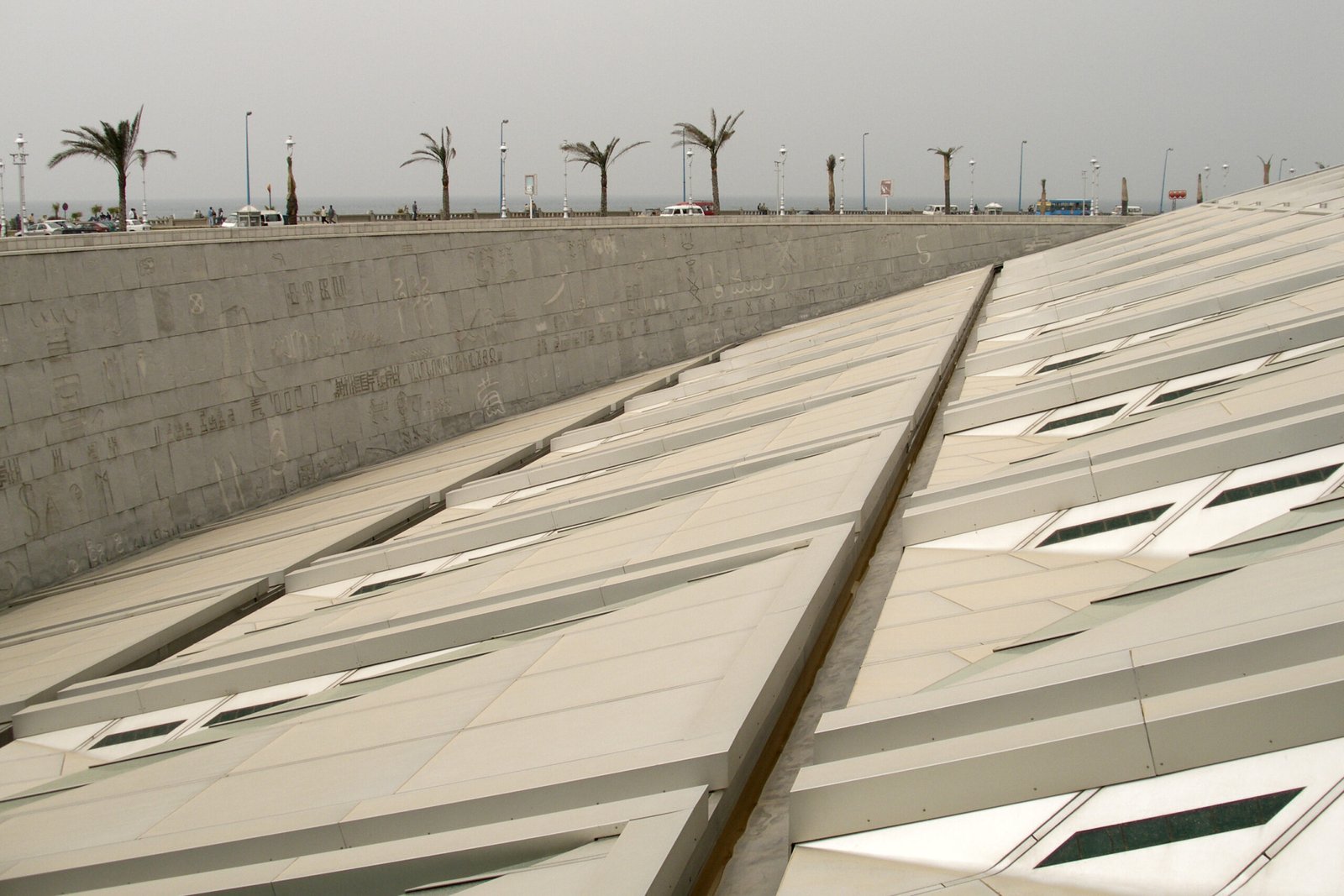
The modern Bibliotheca Alexandrina is a cultural institution inspired by Alexandria’s ancient intellectual reputation, not a surviving fragment of the ancient library.
Read the site guide →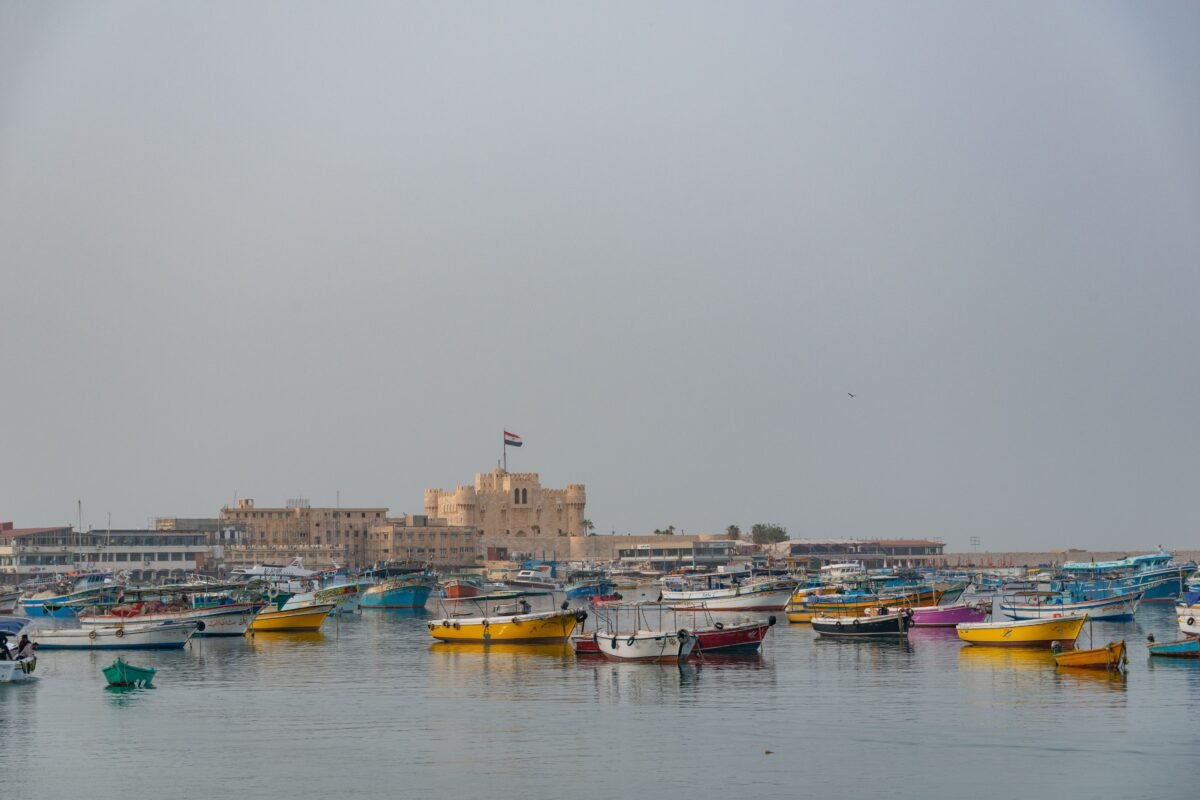
The Catacombs of Kom el-Shoqafa reveal Alexandria’s cultural mixture through burial architecture and imagery combining Egyptian, Greek and Roman traditions.
Read the site guide →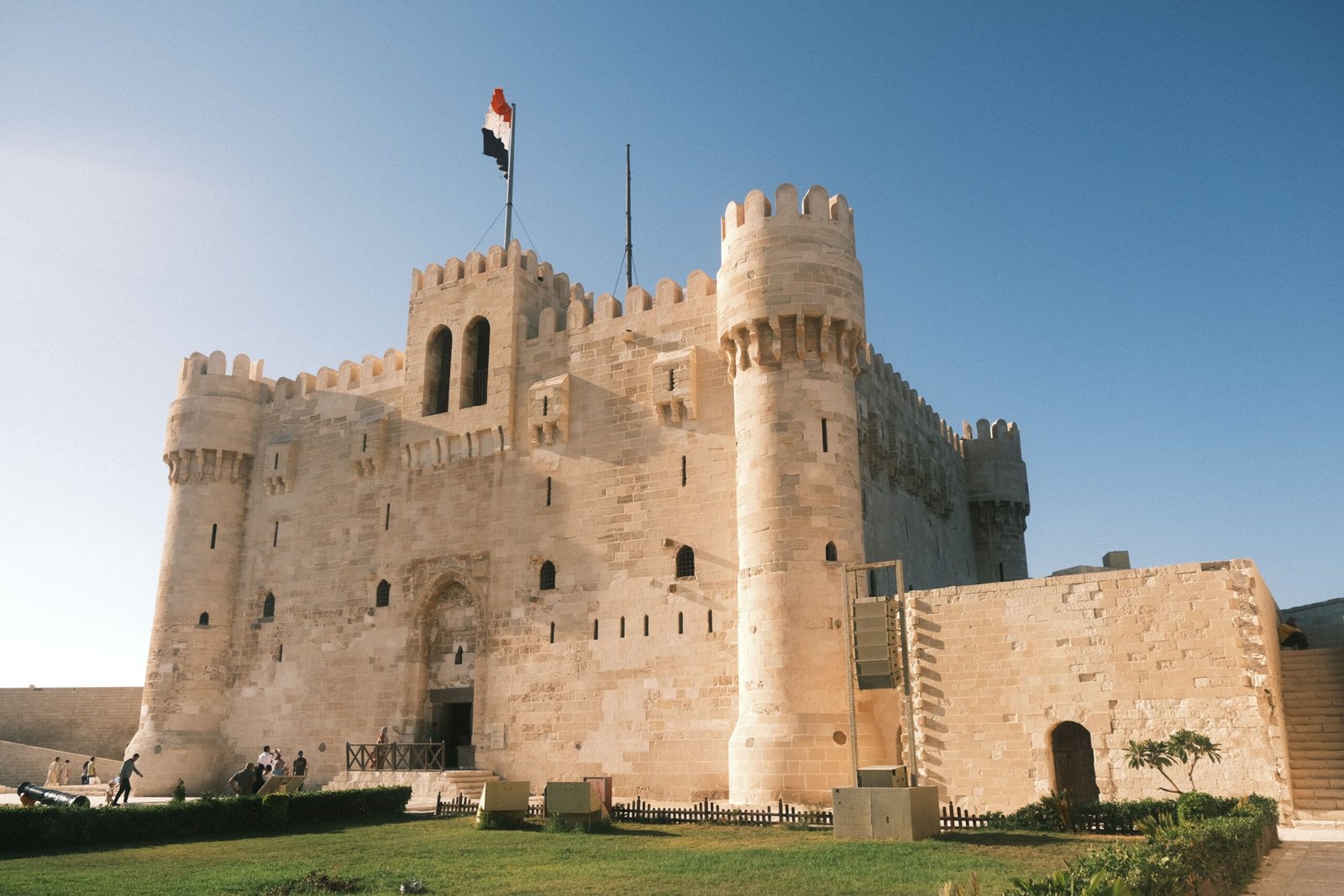
Qaitbay Citadel anchors Alexandria’s medieval history at the entrance to the Eastern Harbour, close to the traditional location of the ancient Pharos lighthouse.
Read the site guide →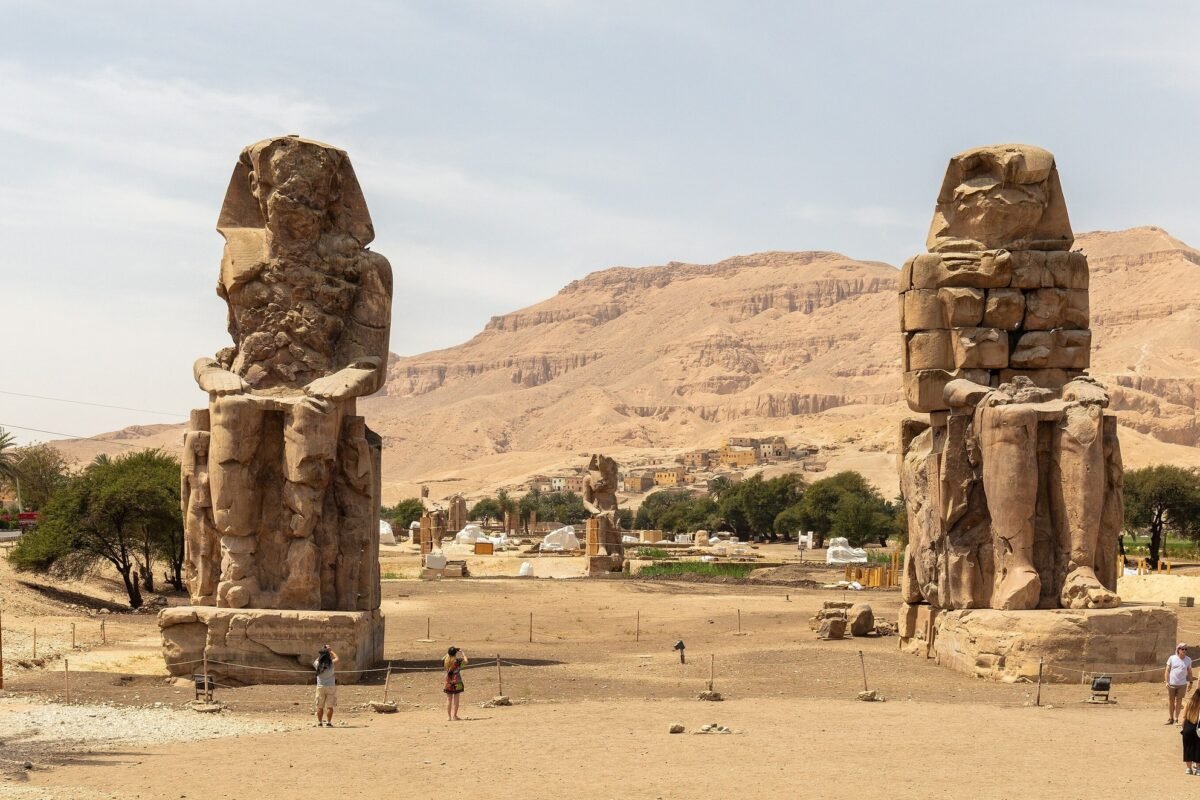
The Colossi of Memnon are the surviving monumental guardians of Amenhotep III’s vast memorial temple, once one of the largest complexes on the Theban West Bank.
Read the site guide →Coptic Cairo concentrates layers of Roman, Christian and later Cairene history in a compact district of churches, archaeology and living religious heritage.
Read the site guide →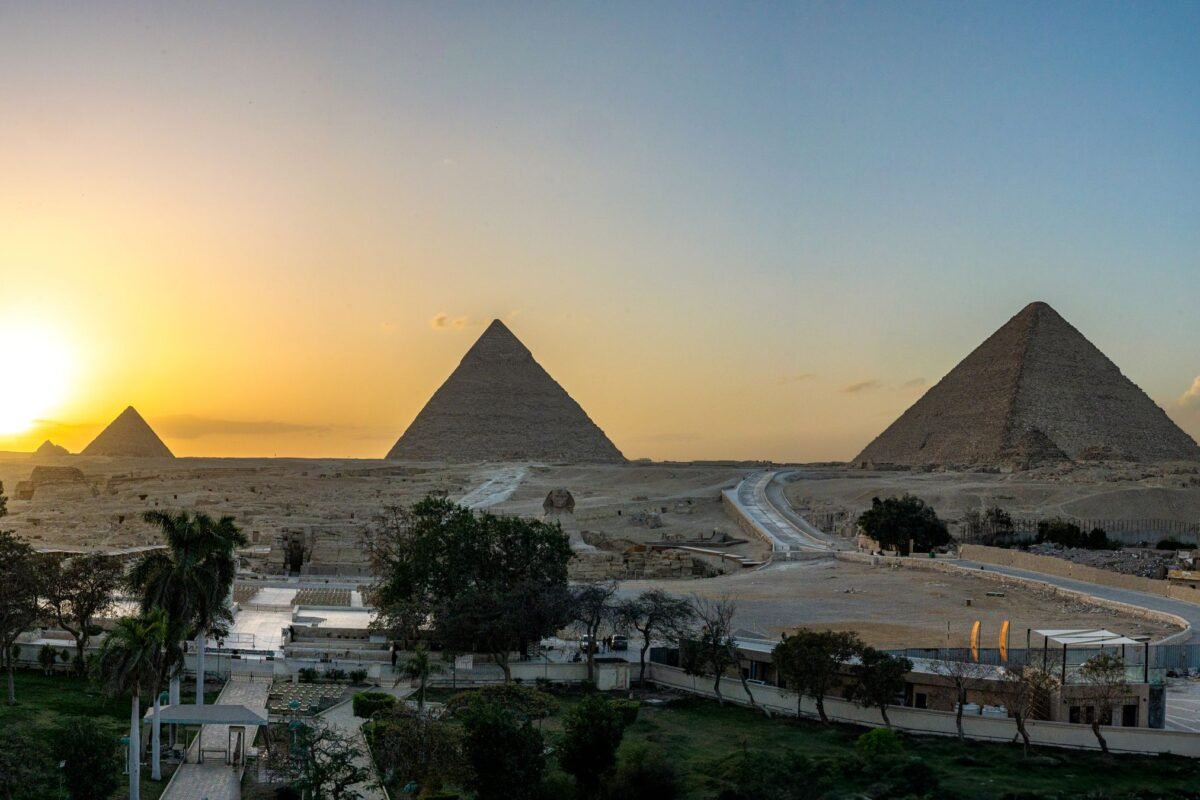
Dahshur makes pyramid experimentation visible through the Bent Pyramid, Red Pyramid and a quieter desert landscape south of Saqqara.
Read the site guide →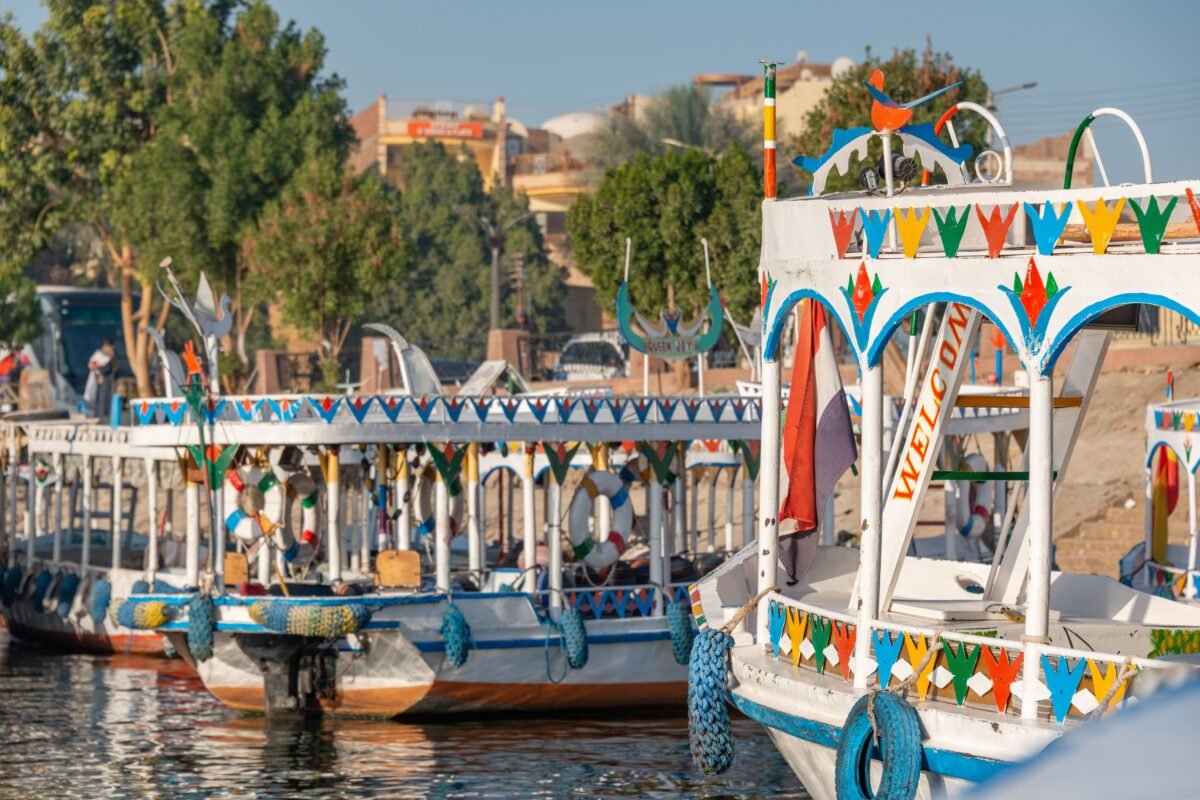
Daraw offers a living Upper Egyptian market-town context where trade, agriculture and movement along the Nile can be discussed beside the archaeological itinerary.
Read the site guide →Deir el-Medina preserves the community associated with building and decorating royal tombs, offering unusually rich evidence for work, family, religion and village life in New Kingdom Thebes.
Read the site guide →Elephantine Island is one of Aswan’s most important archaeological landscapes, revealing settlement, frontier administration and sacred life at the First Cataract.
Read the site guide →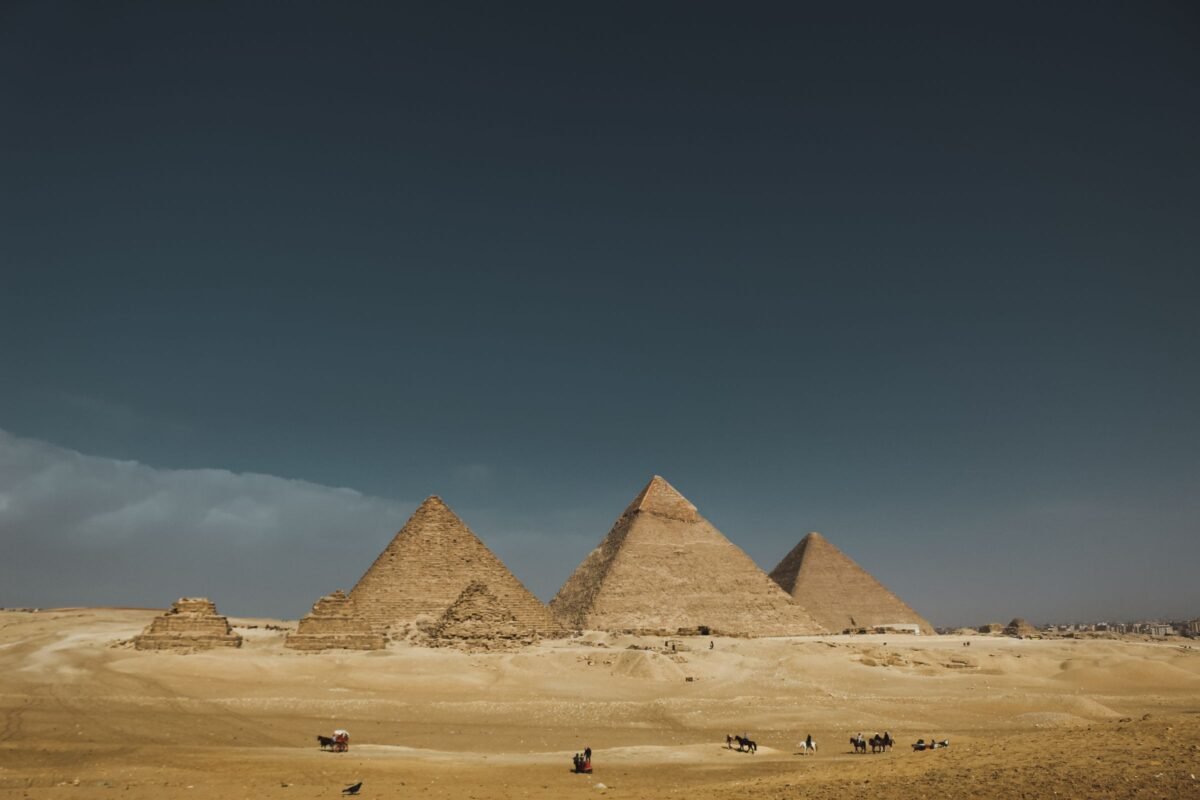
A visitor’s guide to the Grand Egyptian Museum, using its collections to connect objects, kingship, craftsmanship and the monumental landscape of Giza.
Read the site guide →An Egyptologist-led guide to the Great Pyramid of Khufu: royal monument, engineering achievement and the centre of a much larger Giza landscape.
Read the site guide →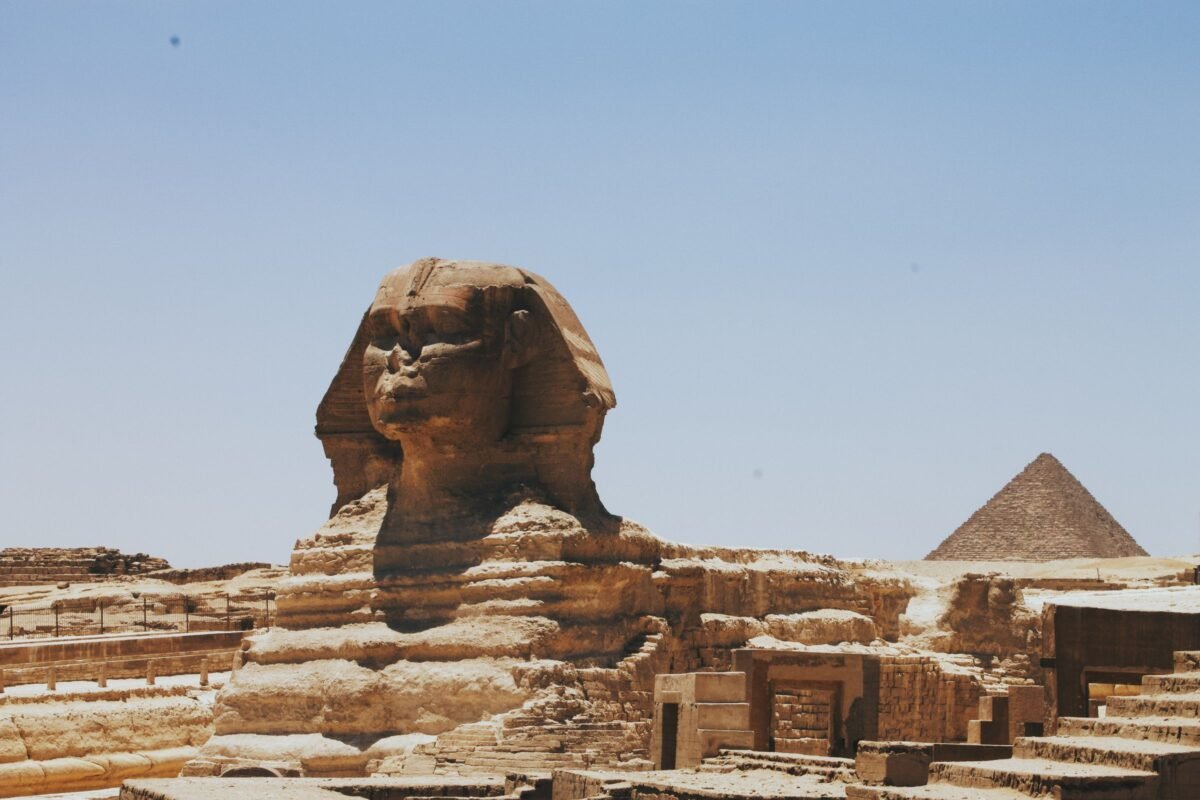
Read the Great Sphinx as part of the Giza royal landscape, where colossal image, quarry, temple architecture and kingship meet.
Read the site guide →Hermopolis Magna was a major centre of the god Thoth and a regional capital whose archaeology helps connect religion, administration and the wider sacred landscape of Middle Egypt.
Read the site guide →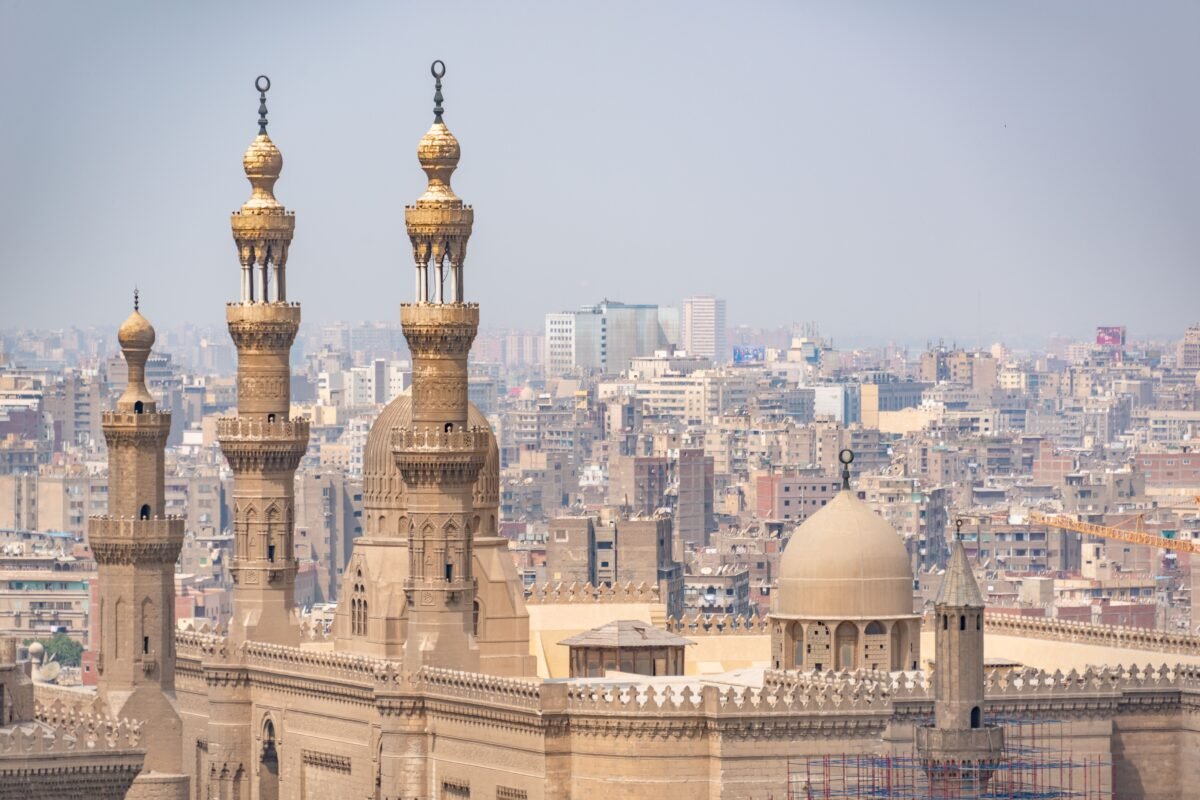
Islamic Cairo is a living historic city of mosques, madrasas, markets, houses and streets shaped by successive dynasties and institutions.
Read the site guide →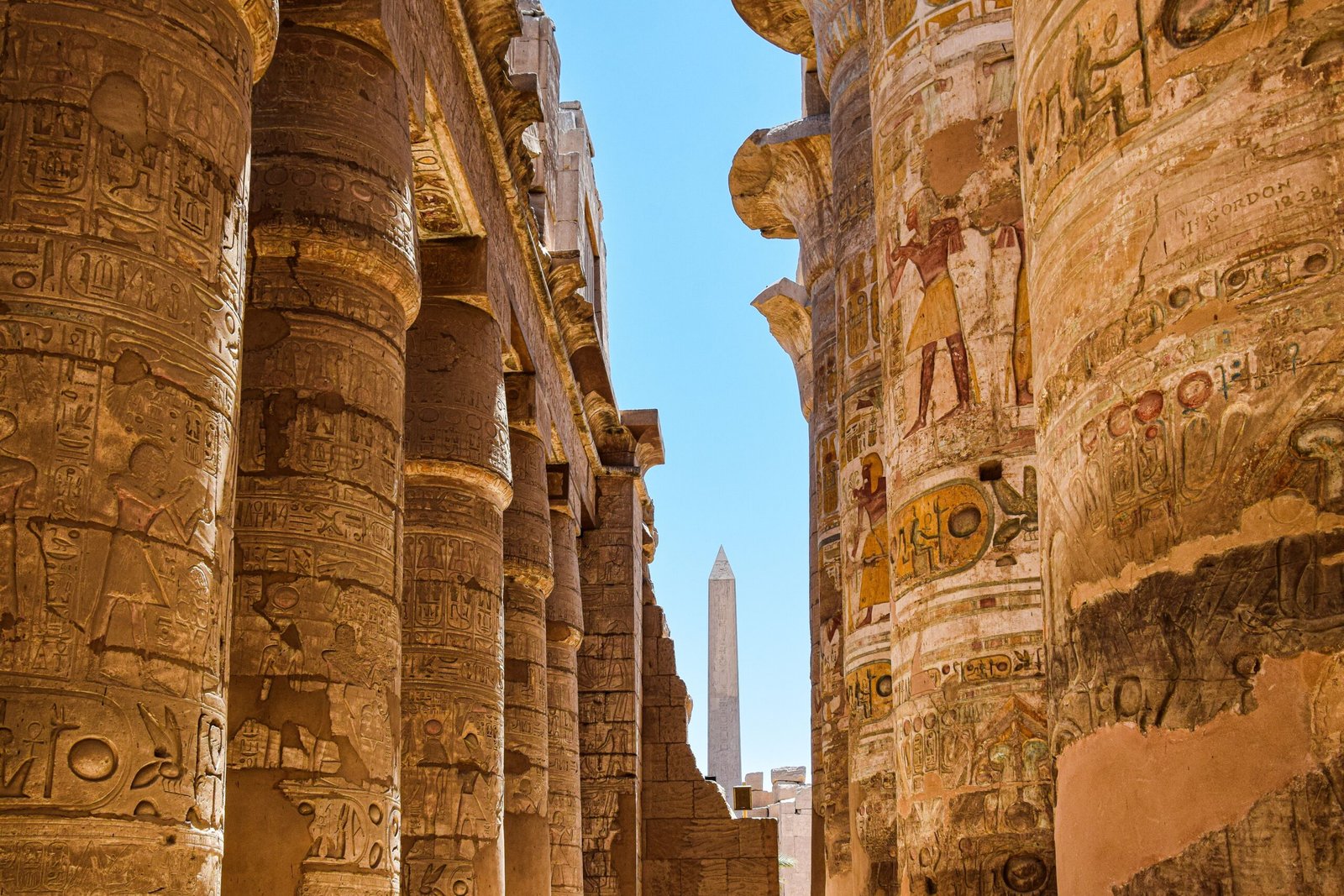
Karnak is a vast sacred complex built and rebuilt by generations of rulers, best understood through selected themes rather than sheer scale alone.
Read the site guide →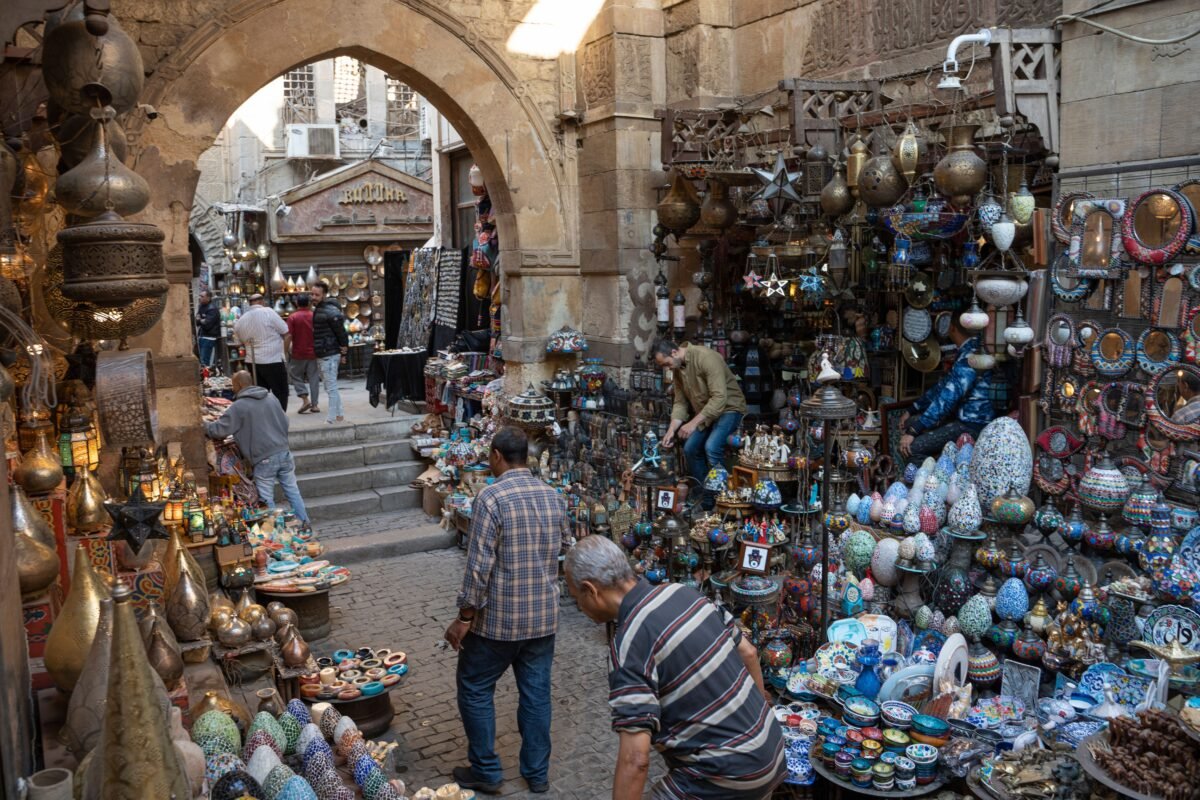
Explore Khan el-Khalili as a living market district within Historic Cairo—not merely a souvenir stop.
Read the site guide →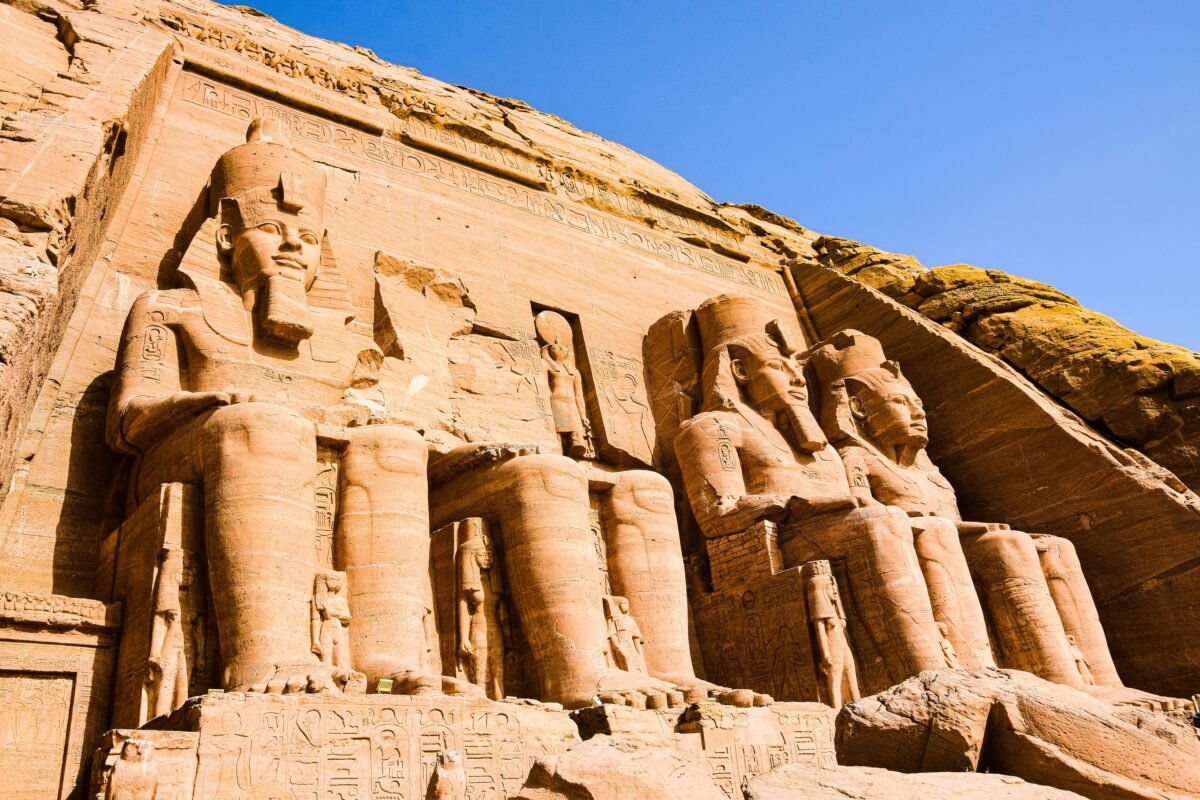
Lake Nasser is a modern reservoir whose creation transformed the landscape of Nubia and triggered one of the world’s largest archaeological rescue campaigns.
Read the site guide →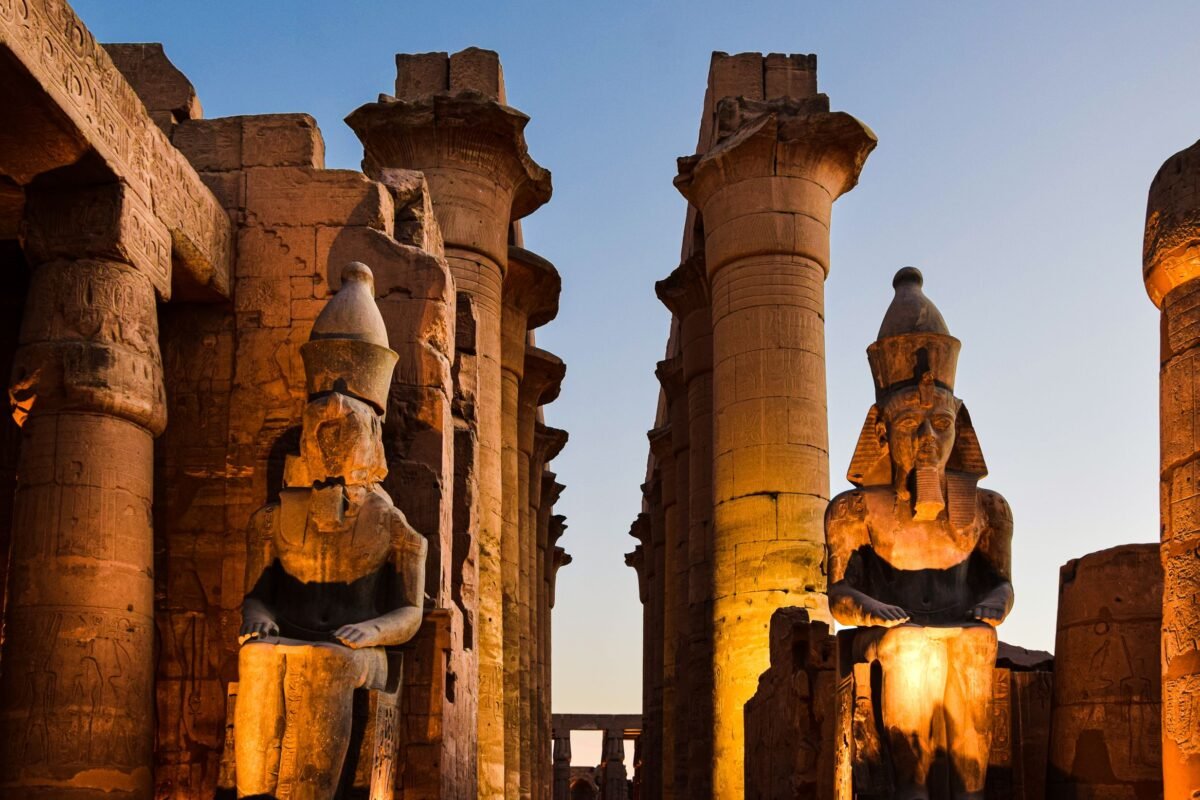
Luxor Temple sits in the heart of the modern city and is central to understanding royal renewal, procession and the sacred geography linking it with Karnak.
Read the site guide →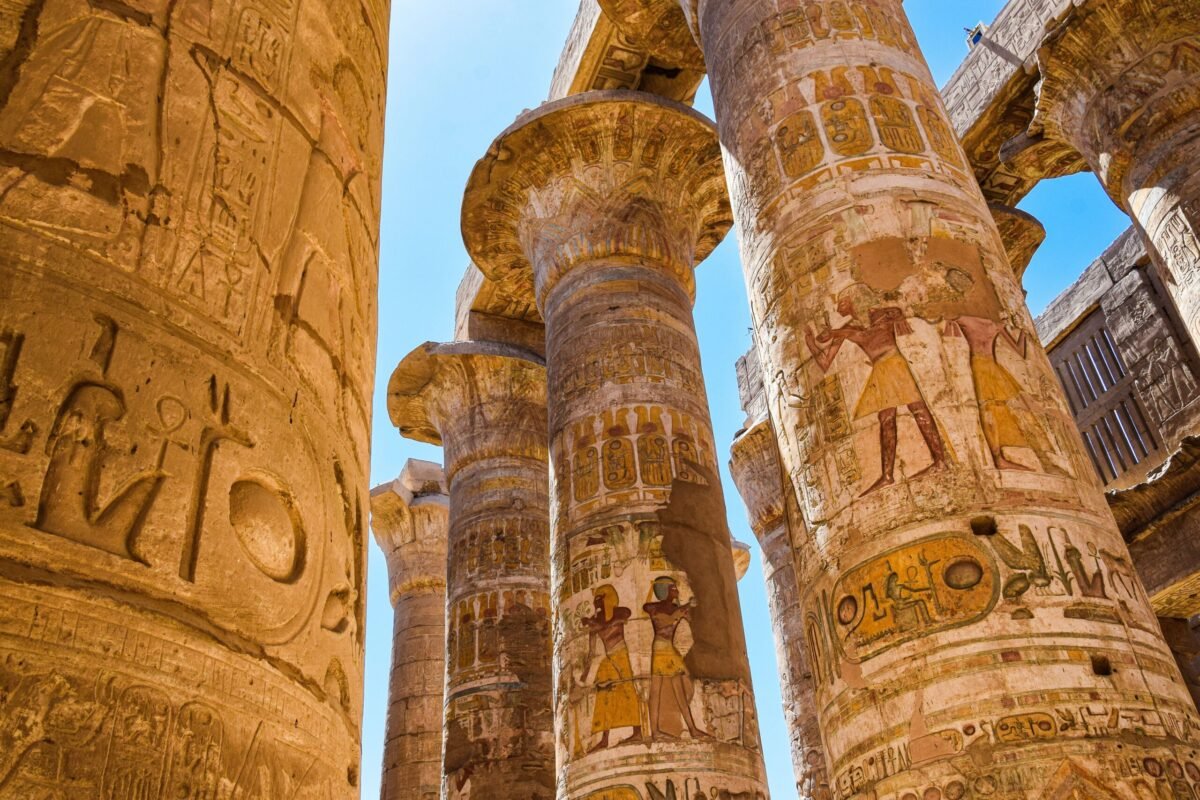
Medinet Habu preserves the monumental memorial temple of Ramesses III within a broader sacred and administrative complex on the Theban West Bank.
Read the site guide →Ancient Memphis helps explain the political geography behind the pyramid fields from Saqqara to Giza and Dahshur.
Read the site guide →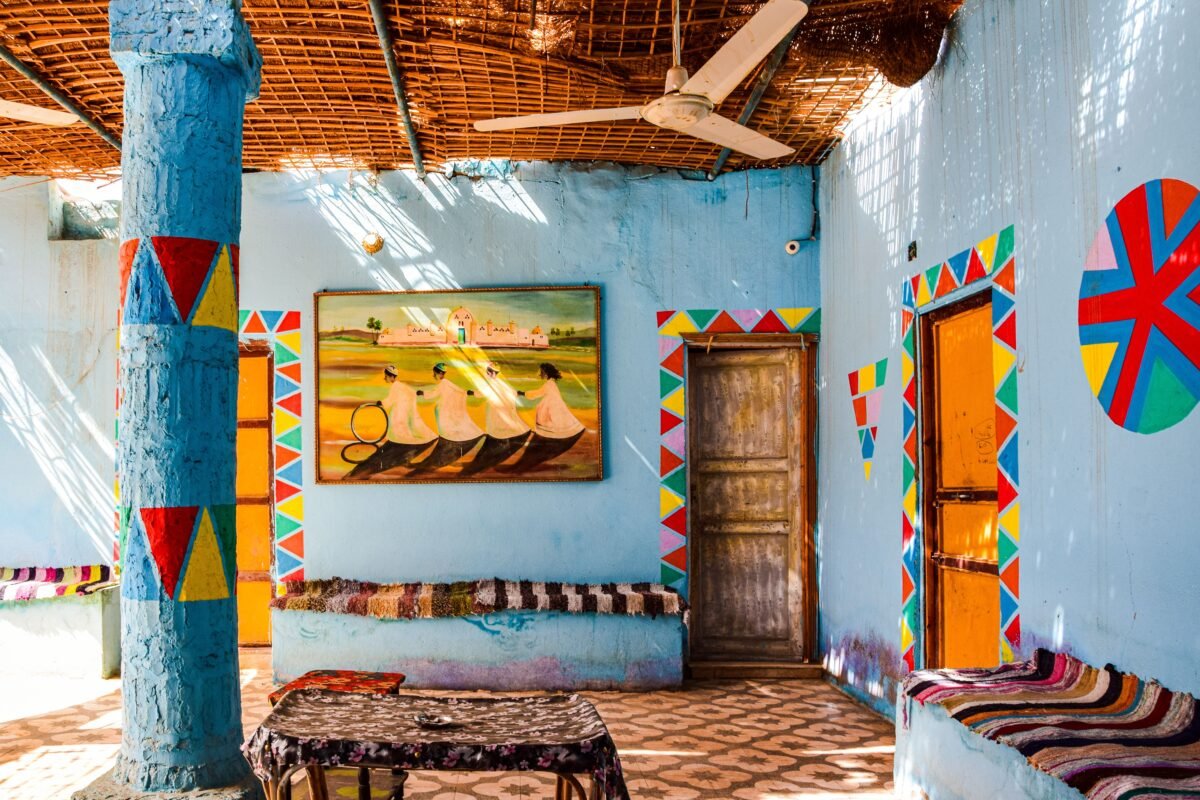
The Nubian Museum gives essential historical depth to Nubian culture, archaeology, language and the communities transformed by the creation of Lake Nasser.
Read the site guide →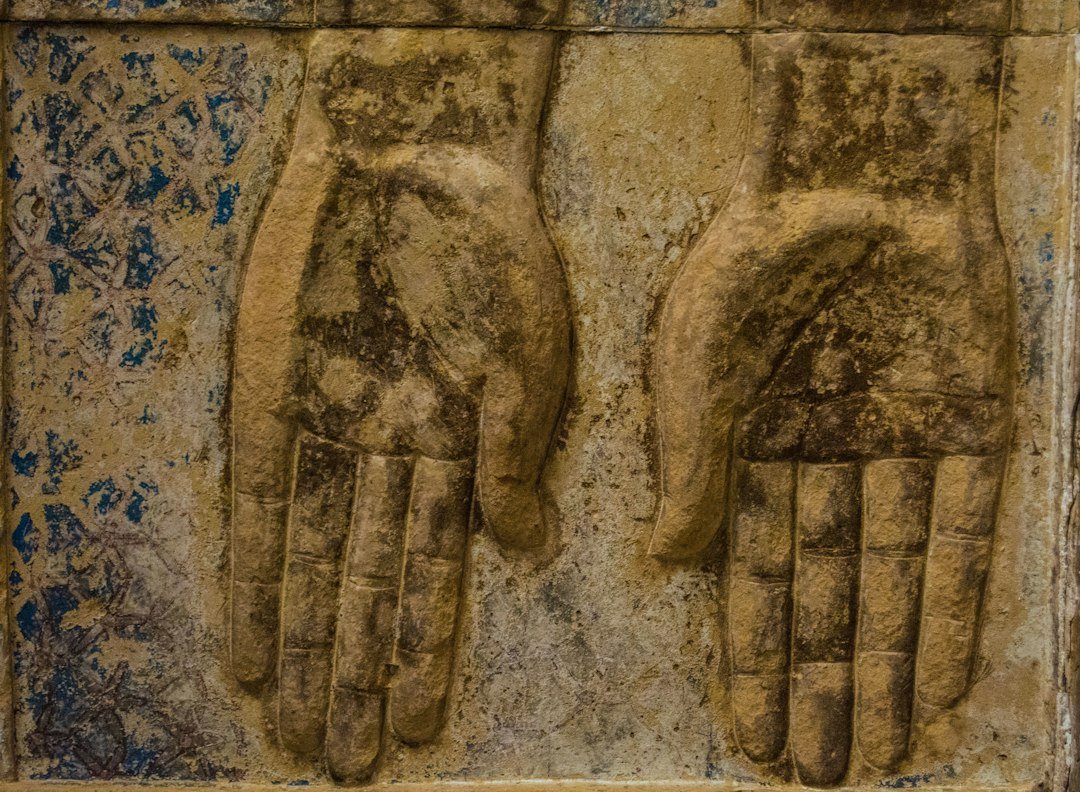
The Osireion is an enigmatic monument behind the Temple of Seti I, best understood within the Osirian sacred landscape of Abydos rather than through modern mystery claims.
Read the site guide →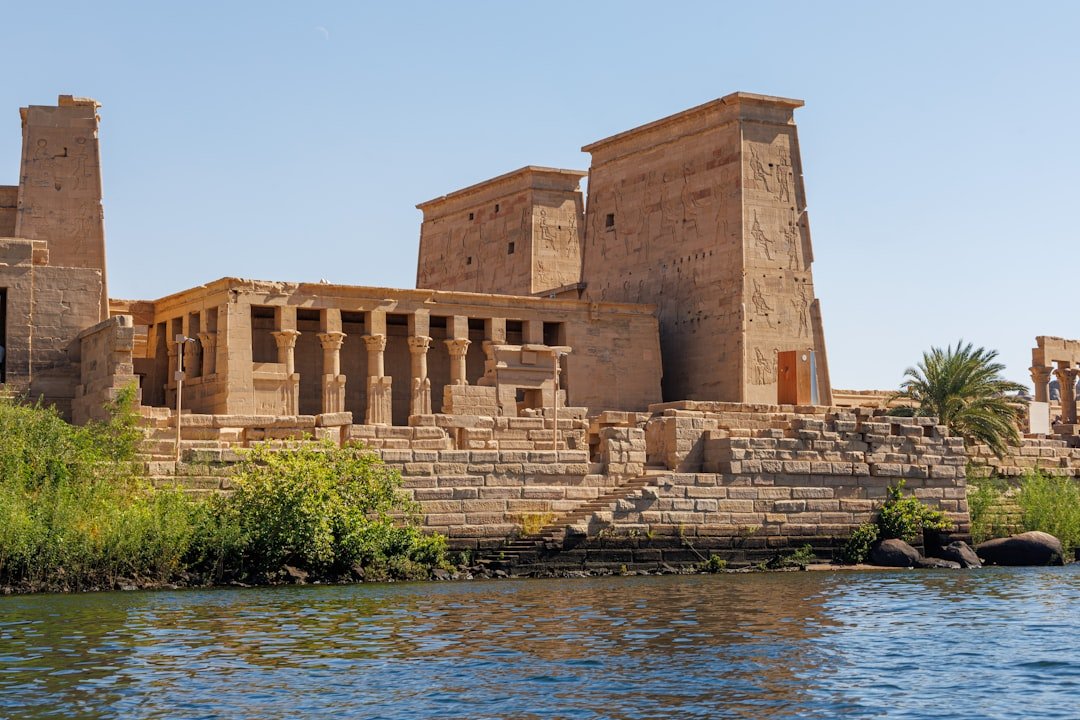
Philae is a sacred island temple complex centred on Isis, combining late Egyptian religion, dramatic Nile setting and the modern story of monument relocation.
Read the site guide →Saqqara is a vast archaeological landscape where pyramid architecture, elite tombs, sacred animal cults and thousands of years of reuse can be read together.
Read the site guide →The Step Pyramid complex of Djoser is one of the key turning points in Egyptian architecture, royal burial and large-scale stone construction.
Read the site guide →Dendera’s Temple of Hathor is one of Egypt’s best-preserved temple complexes, rich in ritual architecture, astronomical imagery and late Egyptian religious tradition.
Read the site guide →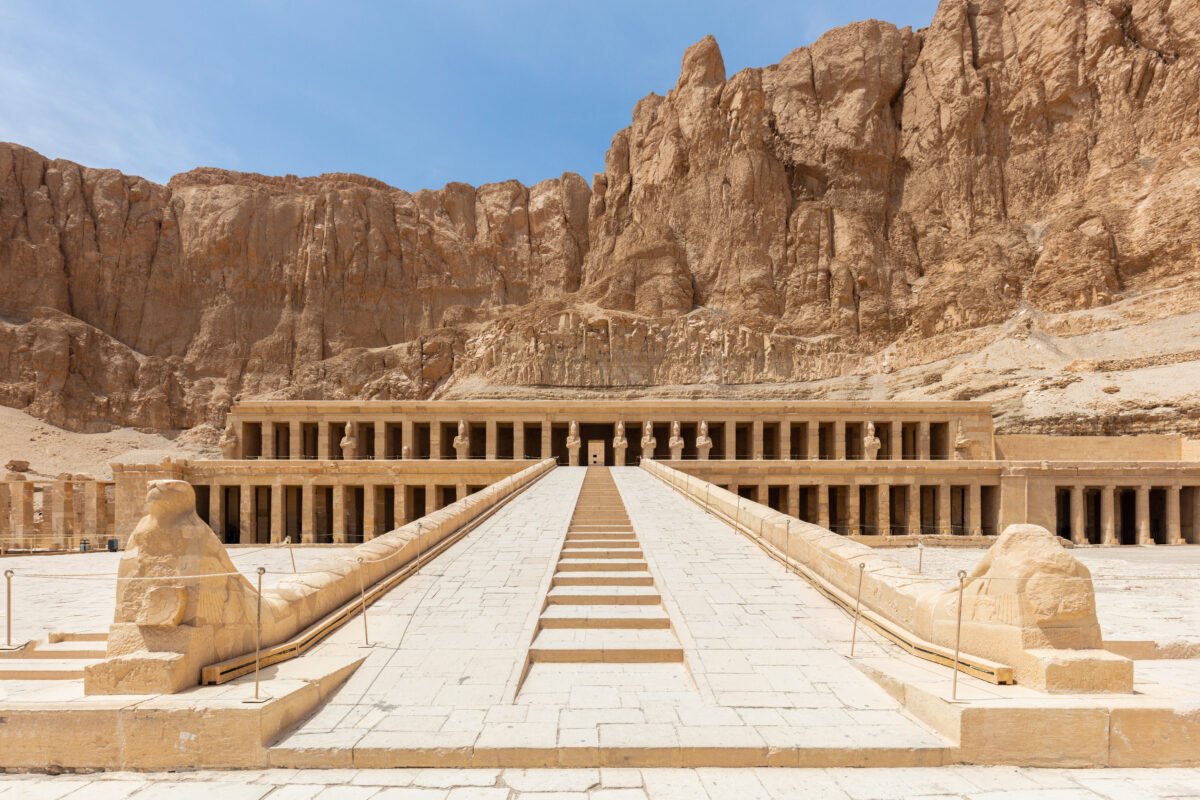
Hatshepsut’s terraced temple at Deir el-Bahari combines royal ideology, ritual and landscape in one of ancient Thebes’ most distinctive architectural compositions.
Read the site guide →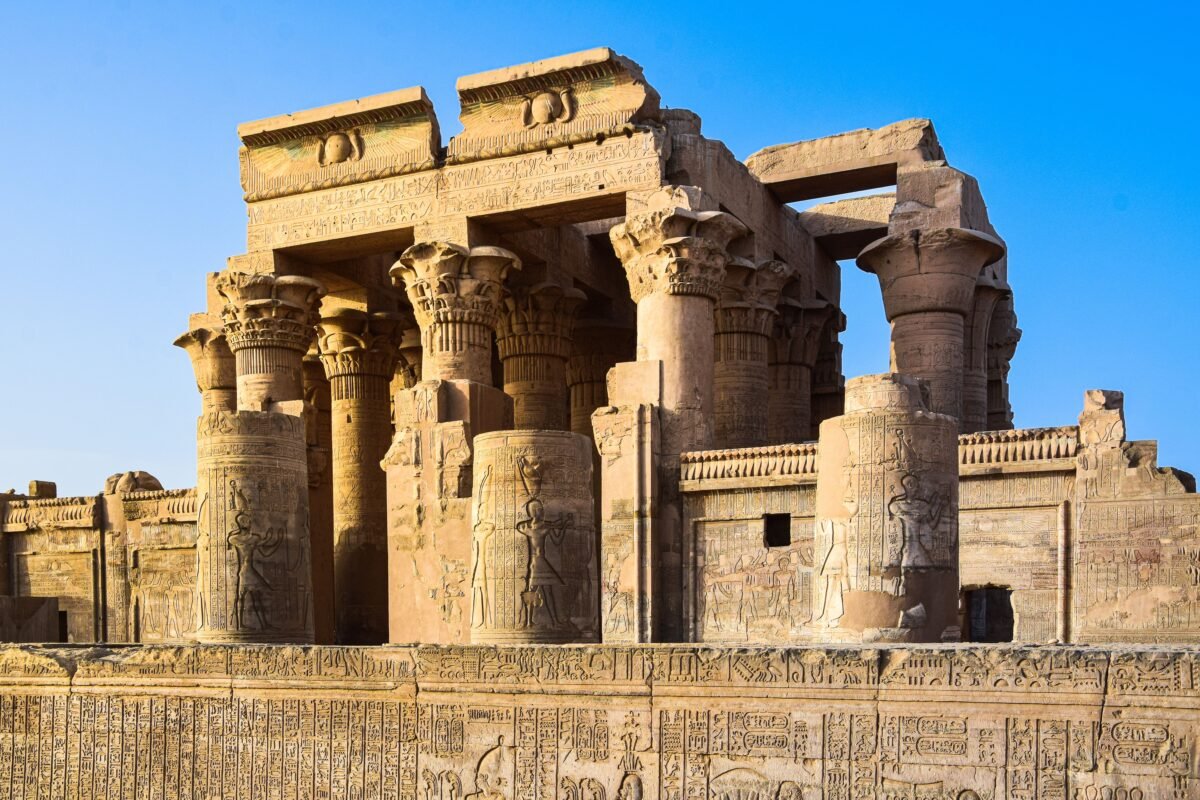
Edfu is one of Egypt’s most complete surviving temples, a Ptolemaic monument whose inscriptions and architecture preserve unusually detailed evidence for ritual and temple mythology.
Read the site guide →Kalabsha combines a substantial Roman-period Nubian temple with the modern history of monument rescue around Lake Nasser.
Read the site guide →Kom Ombo’s riverside temple is unusual for its paired architectural arrangement and cults associated with Sobek and Haroeris.
Read the site guide →The Temple of Seti I at Abydos is a major monument of royal memory and Osirian sacred geography, famous for refined relief and an unusual multi-sanctuary plan.
Read the site guide →The Hanging Church is one of Cairo’s best-known Coptic monuments, named for its position above part of the Roman fortress of Babylon.
Read the site guide →The Theban Tombs of the Nobles preserve the funerary worlds of officials, priests and elite families, revealing a different side of New Kingdom society from the royal tombs.
Read the site guide →Tuna el-Gebel is a complex necropolis associated with Hermopolis, combining elite tombs, sacred-animal burials and evidence for late Egyptian and Greco-Roman religious life.
Read the site guide →Explore the Valley of the Kings as a planned royal burial landscape of New Kingdom Thebes, where tomb architecture and funerary texts map ideas of death and rebirth.
Read the site guide →We will connect them into the right private experience or complete Egypt journey without forcing unrelated stops into the itinerary.
Start Planning