
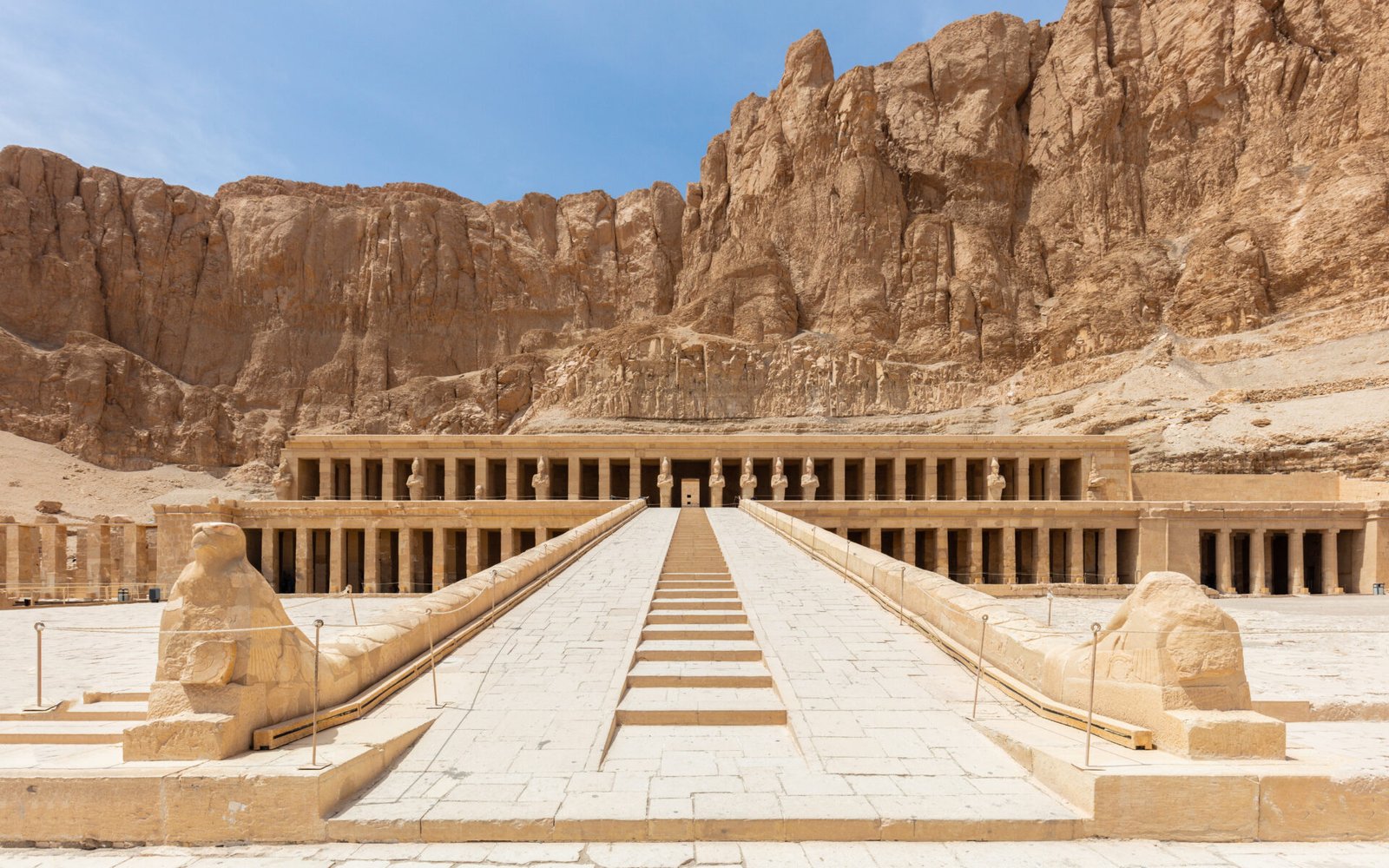
Temple of Hatshepsut at Deir el-Bahari
Hatshepsut’s terraced temple at Deir el-Bahari combines royal ideology, ritual and landscape in one of ancient Thebes’ most distinctive architectural compositions.
Read the monument as part of a larger Egyptian story
The building is inseparable from the cliffs behind it. Terraces, ramps, colonnades and sanctuaries create a controlled ascent from the cultivated valley toward the western mountains, while reliefs communicate kingship, divine legitimacy and ritual memory.
Historical context
The temple was built for the Eighteenth Dynasty ruler Hatshepsut and designed within a sacred landscape already associated with earlier royal monuments and the cult of Hathor. Later alterations and damage are part of its long history.
Details that help the site make sense
These are interpretive features to notice, not a promise of a fixed walking order or permanent access to every area.
Terraced architecture
The geometry of ramps and colonnades responds dramatically to the cliffs.
Punt reliefs
Famous expedition scenes should be read as royal representation as well as historical evidence.
Divine birth and kingship
Reliefs helped frame Hatshepsut’s authority through theology and royal ideology.
The detail that changes how you see the place
The temple rewards distance and close reading. From afar, architecture and landscape merge; up close, the reliefs reveal how Hatshepsut’s rule was explained and legitimised.
What an expert eye notices
Cliff alignment
Step back and compare the temple’s horizontal terraces with vertical geology.
Colour traces
Surviving pigment helps reconstruct the original visual intensity.
Erased and restored names
Damage and restoration tell part of the monument’s later political history.
Questions travellers ask about Temple of Hatshepsut at Deir el-Bahari
Historical context stays stable; operating details are confirmed for your date because access and visitor rules can change.
Why is Hatshepsut famous?
She ruled as pharaoh in the Eighteenth Dynasty and left a major architectural and inscriptional record.
Was her temple a tomb?
No. It was a royal memorial or mortuary temple; her burial was in the royal necropolis.
Why does the temple look so modern?
Its strong terraces and clean geometry feel modern to contemporary eyes, but they belong to an ancient Egyptian ritual and landscape design.
Tours and journeys that include Temple of Hatshepsut at Deir el-Bahari
The same canonical site guide can belong to several experiences. Each tour explains why the place matters to that particular story.
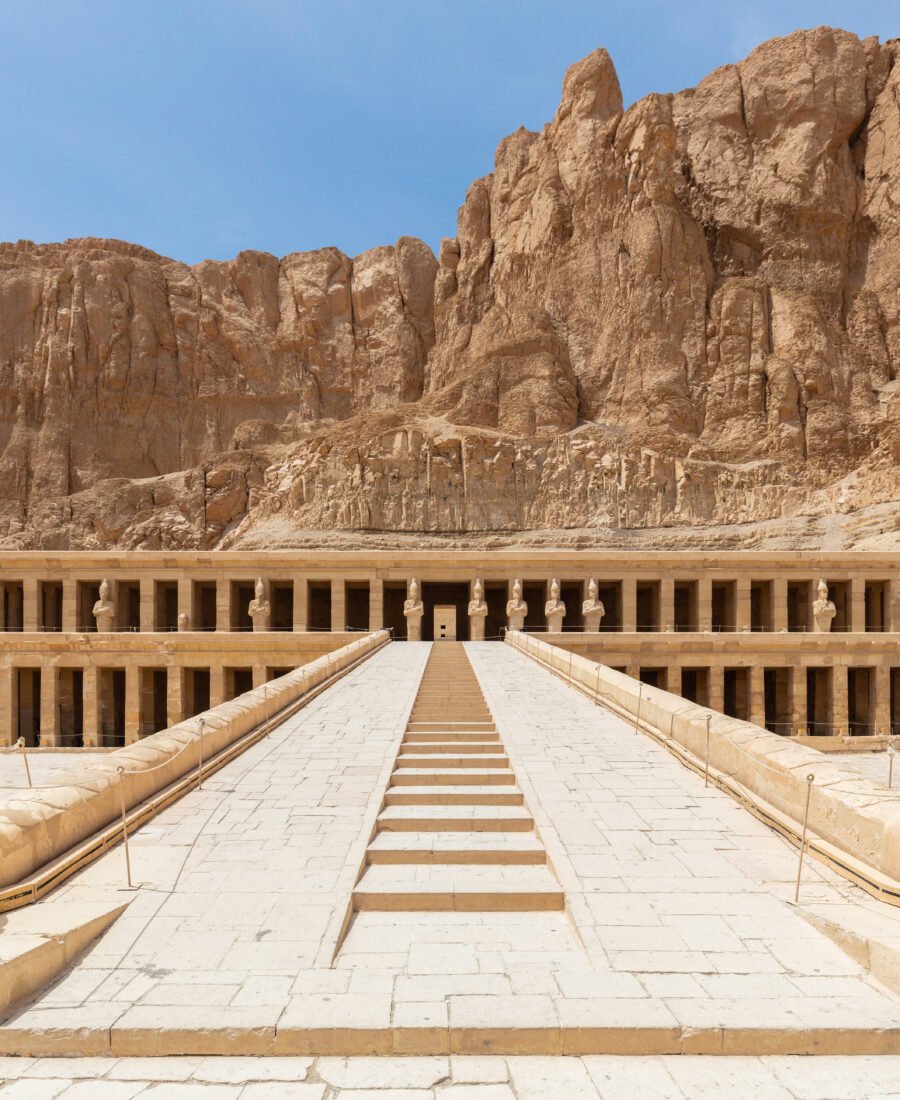
Royal West Bank
Enter the royal and funerary landscape of ancient Egypt.
Request current rateExplore →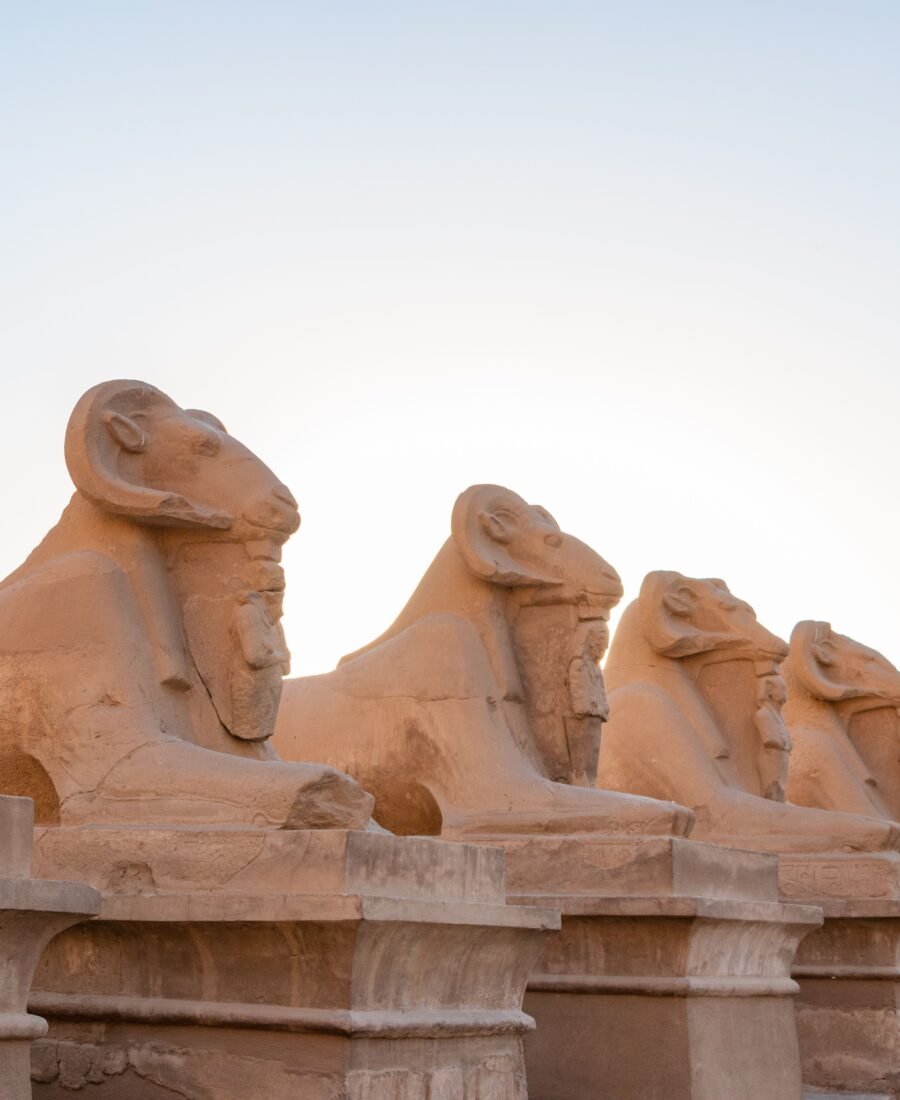
Thebes Essential
Walk through the ceremonial heart of ancient Egypt.
Request current rateExplore →This field guide is maintained against authoritative heritage and institutional references where available. Current operations are verified separately.
See Temple of Hatshepsut at Deir el-Bahari with context, not as another checklist stop
Tell us the places and historical themes that interest you. We will build the touring day around a coherent story and the conditions for your travel date.
Start Planning