
Ancient city · Middle Egypt
Hermopolis Magna
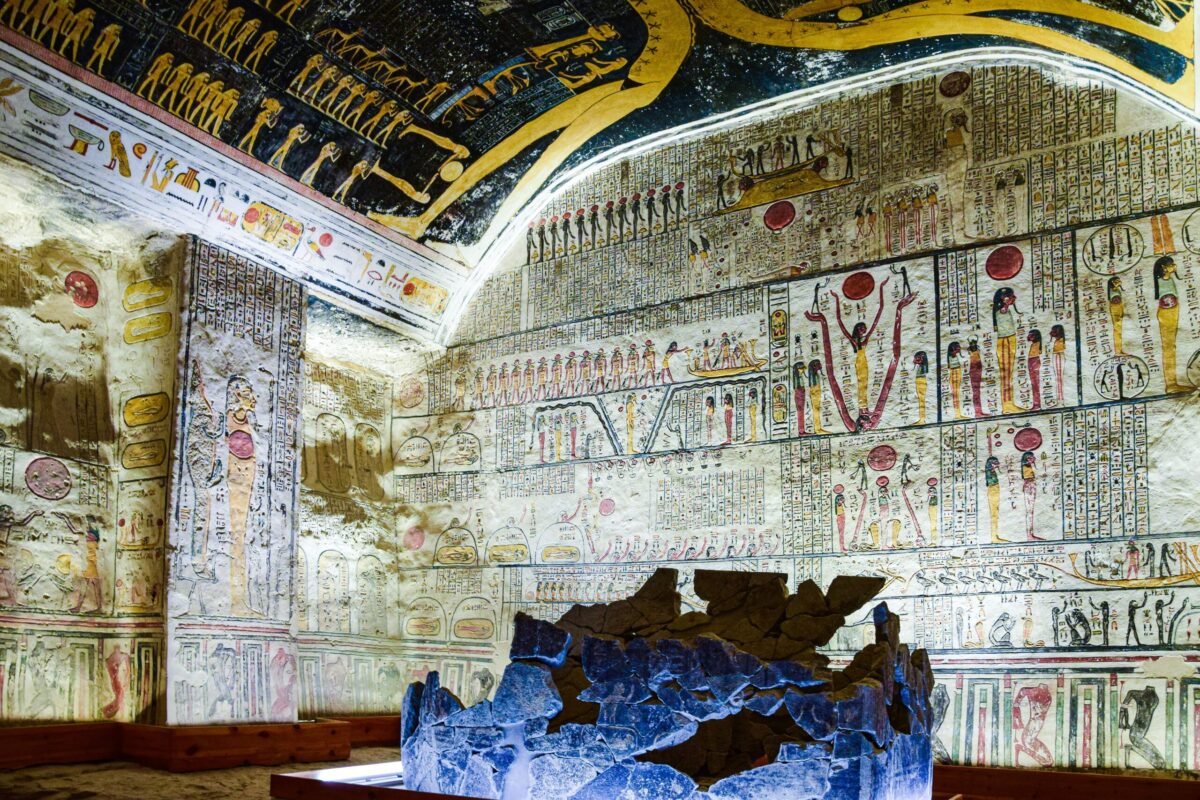
Hermopolis Magna was a major centre of the god Thoth and a regional capital whose archaeology helps connect religion, administration and the wider sacred…
Read the site guide →Archaeology, the Nile, living culture and practical travel intelligence—edited like a travel magazine, written to make the journey richer.
Dedicated field guides connect history, archaeology and the details an Egyptologist wants you to notice—then link directly to the tours and journeys that include each place.
Hermopolis Magna was a major centre of the god Thoth and a regional capital whose archaeology helps connect religion, administration and the wider sacred…
Read the site guide →Tuna el-Gebel is a complex necropolis associated with Hermopolis, combining elite tombs, sacred-animal burials and evidence for late Egyptian and Greco-Roman religious life.
Read the site guide →Beni Hassan preserves Middle Kingdom rock-cut tombs whose architecture and painted scenes illuminate provincial power, administration, warfare, sport and elite identity.
Read the site guide →Amarna preserves the short-lived capital founded by Akhenaten, where city planning, royal art and Aten-focused religion can be studied within the landscape that shaped…
Read the site guide →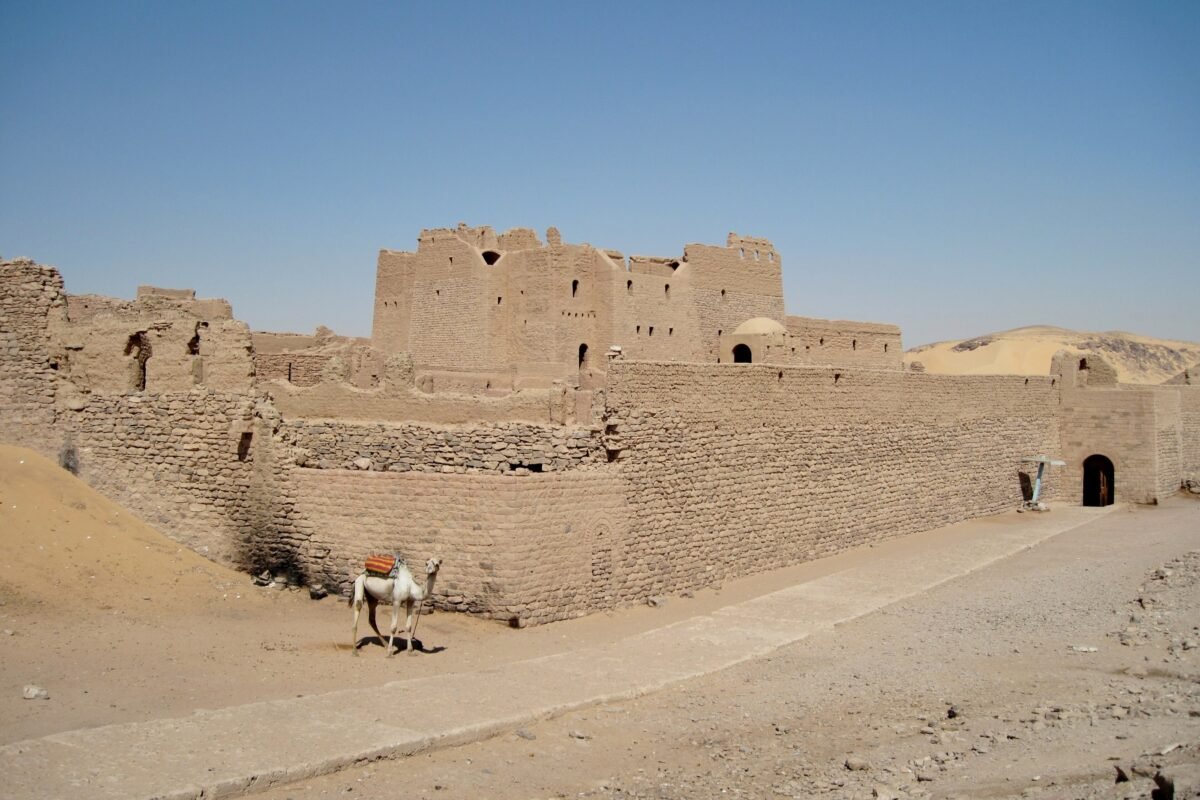
Anba Hadra, often called the Monastery of St Simeon, preserves one of Aswan’s most important early Christian monastic landscapes between the Nile and western…
Read the site guide →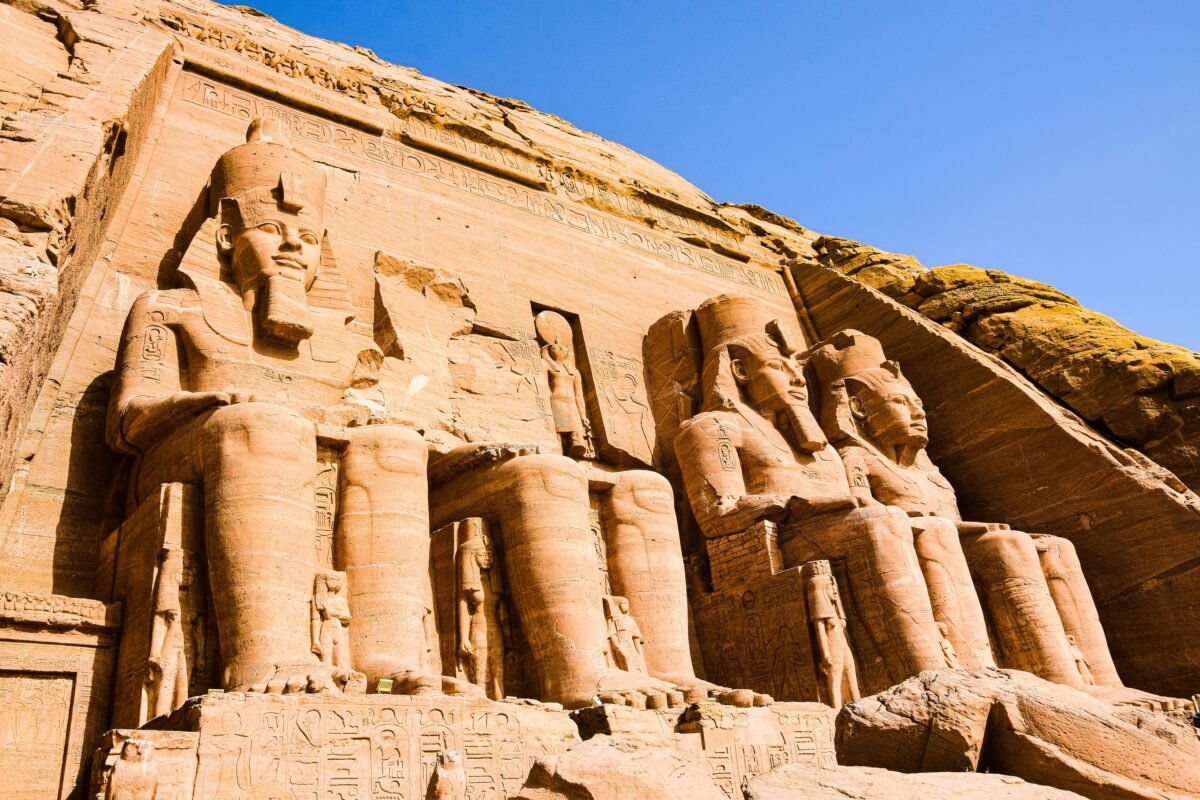
Lake Nasser is a modern reservoir whose creation transformed the landscape of Nubia and triggered one of the world’s largest archaeological rescue campaigns.
Read the site guide →“Egypt Through Egyptian Eyes” only matters if it changes the way a journey is designed. It should mean that interpretation is shaped locally, that Egyptian professionals are visible in the…
Read story →Private travel should mean more than having a vehicle to yourself. The real benefit is decision quality: pacing, interpretation, route logic and the ability to spend time where curiosity is…
Read story →Egypt’s history was shaped by a narrow inhabited corridor, so the landscape between famous monuments is part of the explanation. Fields, canals, villages, cliffs and river bends help make sense…
Read story →Abu Simbel is important enough to deserve deliberate planning, but it should not reduce Aswan to the place where you sleep before an early departure. The two experiences answer different…
Read story →Ancient sites are not isolated from the modern landscape that surrounds them. Agriculture, river crossings, market towns, food, family life and contemporary religious practice can help visitors understand how geography…
Read story →Cairo, Luxor and Aswan should not feel like three versions of the same sightseeing day. Cairo provides the broad chronological frame: pyramid landscapes, major collections, historic religious quarters and the…
Read story →There is no single correct length for Egypt because the answer depends on what you are trying to understand. A short journey can work when its geographic scope is deliberately…
Read story →The most important difference is not simply vessel size. It is rhythm. A smaller sailing journey can make the river visible as part of the experience rather than turning it…
Read story →An Egyptian temple becomes easier to understand when you stop thinking of it as one enormous decorated building. The architecture usually creates a progression from an outer, more accessible world…
Read story →A useful Egypt itinerary begins with geography, not with a list of famous names. Cairo and the pyramid fields establish the formation of the Egyptian state and the scale of…
Read story →The two banks of Luxor are often described too simply as the land of the living and the land of the dead. That contrast is useful, but incomplete. Temples, royal…
Read story →You do not need to design the itinerary first. Dates, number of travellers, interests, preferred comfort level and pace are enough for a specialist to start. The useful planning work…
Read story →