
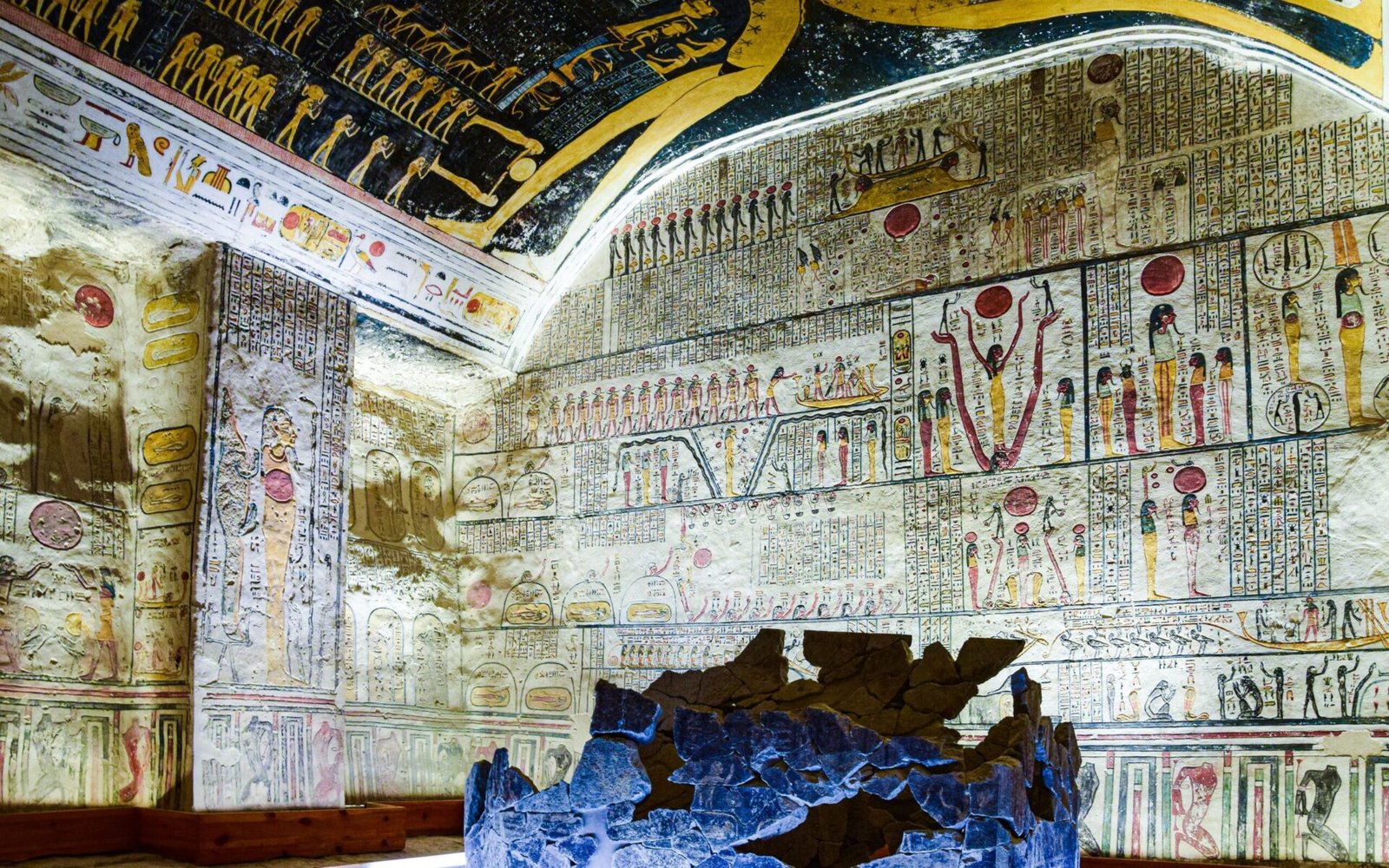
Beni Hassan
Beni Hassan preserves Middle Kingdom rock-cut tombs whose architecture and painted scenes illuminate provincial power, administration, warfare, sport and elite identity.
Read the monument as part of a larger Egyptian story
The tombs belong to regional governors and officials rather than kings, making the site important for understanding how authority operated outside the royal court. Painted scenes are rich evidence, but like all funerary art they combine observation with ideal representation.
Historical context
The principal tombs date largely to the Middle Kingdom and are cut into cliffs overlooking the Nile Valley. Their location and decoration reflect the importance of provincial elites during a period of strong regional identities.
Details that help the site make sense
These are interpretive features to notice, not a promise of a fixed walking order or permanent access to every area.
Cliff setting
The elevated tombs dominate the agricultural valley below.
Provincial officials
Biographical inscriptions and titles reveal local administration and power.
Painted activity scenes
Wrestling, craft and movement are famous, but must be understood within funerary representation.
The detail that changes how you see the place
Beni Hassan is valuable because it shifts attention from pharaohs to provincial elites and from monumental stone to painted private tombs with unusually dynamic imagery.
What an expert eye notices
Wrestling sequences
The repeated poses create one of ancient Egypt’s most remarkable studies of movement.
Caravan imagery
Foreign groups and trade scenes need careful historical context, not ethnic stereotyping.
Architecture cut into rock
Columns and façades translate architectural forms into the cliff itself.
Questions travellers ask about Beni Hassan
Historical context stays stable; operating details are confirmed for your date because access and visitor rules can change.
Who was buried at Beni Hassan?
Regional governors and elite officials, especially during the Middle Kingdom.
Are the paintings literal daily-life records?
They provide valuable evidence but are funerary images shaped by status, ideals and ritual purpose.
Why include Beni Hassan in Middle Egypt?
It reveals provincial administration and elite culture that Cairo-and-Luxor itineraries often miss.
Tours and journeys that include Beni Hassan
The same canonical site guide can belong to several experiences. Each tour explains why the place matters to that particular story.
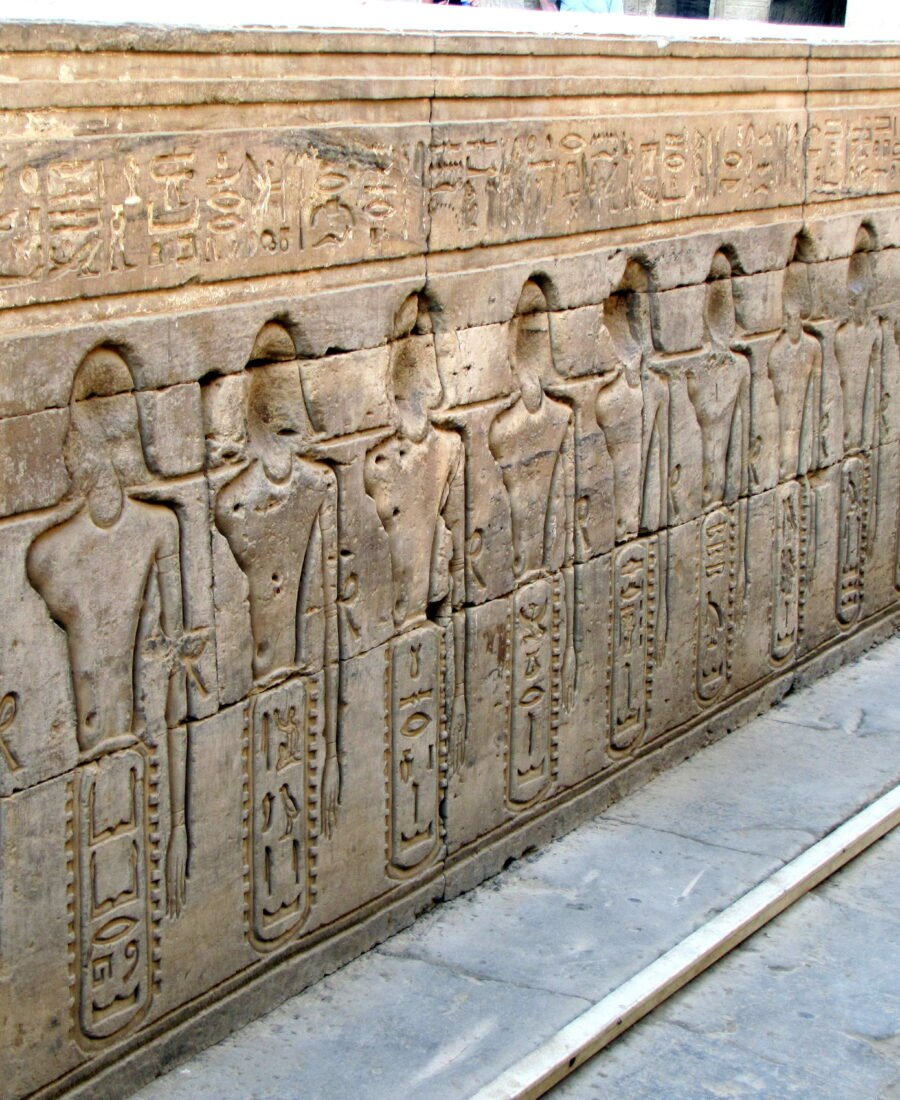
The Sacred Middle Egypt Journey
Travel through one of Egypt’s most overlooked historical landscapes.
Request current rateExplore →This field guide is maintained against authoritative heritage and institutional references where available. Current operations are verified separately.
See Beni Hassan with context, not as another checklist stop
Tell us the places and historical themes that interest you. We will build the touring day around a coherent story and the conditions for your travel date.
Start Planning