
Provincial power
Look for evidence that important officials and local institutions could command substantial resources outside the royal capitals.
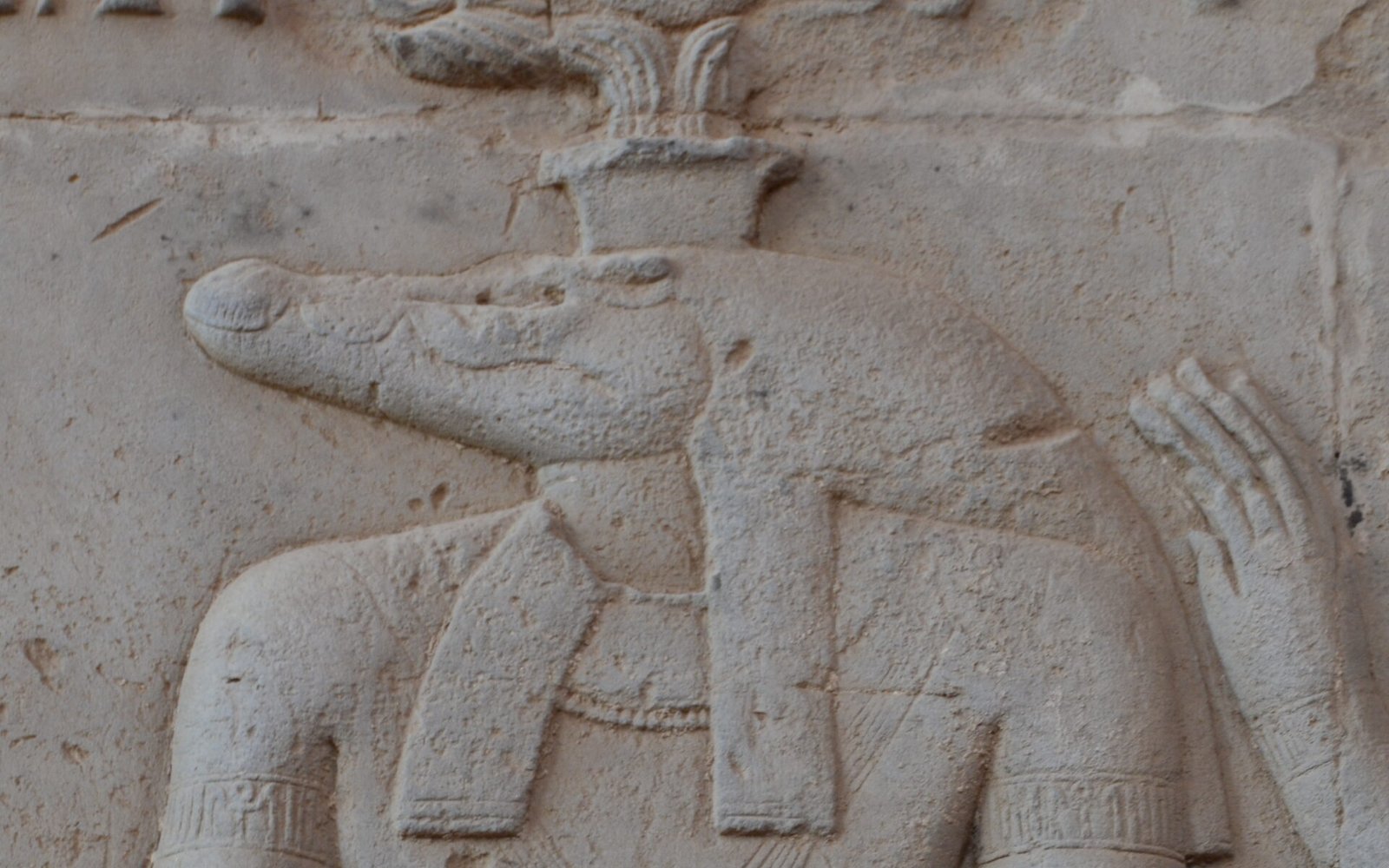
Travel through one of Egypt’s most overlooked historical landscapes.
Middle Egypt contains sacred and archaeological landscapes that are often bypassed between Cairo and Luxor. This four- to six-day specialist journey is designed to connect selected sites through geography and chronology, while the final route is confirmed only after current access, road conditions and practical support have been checked for your dates.
The collection exists to make Middle Egypt a destination rather than a corridor. Extended time creates room for temples, cities, local landscapes and historical periods that do not fit comfortably into standard north-south itineraries.
The journey is organised around historical questions and landscapes, not around adding stops for their own sake.
Middle Egypt is often passed at speed between Cairo and Luxor, yet historically it contained important provincial centres, local cults, elite cemeteries, agricultural estates and routes linking the Nile with desert corridors. A multi-day journey here allows the traveller to study Egypt outside the major royal capitals and to see how regional elites participated in—and sometimes negotiated with—central power. Because site access and routing require careful date-specific planning, the journey is defined first by historical questions: provincial administration, local gods, landscape, burial traditions and the changing relationship between centre and region.
Look for evidence that important officials and local institutions could command substantial resources outside the royal capitals.
Religious life varied regionally; sacred geography cannot be reconstructed from Thebes and Memphis alone.
The width of cultivation, desert edge and routes into the eastern and western deserts shaped settlement and wealth.
Many sites are less monumental, so interpretation relies on context, inscriptions and landscape rather than spectacle.
Start with the defining experiences, then explore the journey frame and confirmed detail at the pace that suits you.
Give the region enough time to be experienced as a destination rather than a transfer zone.
Connect selected temples and religious centres through their regional settings.
Prioritise evidence and context at sites that receive far fewer conventional visitors.
The defining places and themes are established; your final sequence is prepared around your dates, pace and confirmed logistics.
The collection exists to make Middle Egypt a destination rather than a corridor. Extended time creates room for temples, cities, local landscapes and historical periods that do not fit comfortably into standard north-south itineraries.
These are thematic chapters, not an invented operating sequence. Your confirmed itinerary determines the actual day-by-day order.
Study how local elites, administrations and cults related to royal authority beyond the best-known capitals.
Connect cemeteries, settlements, cultivation and desert routes to the regional economy and religious geography.
Use the region to understand movement between north and south rather than treating it as empty space between Cairo and Luxor.
Your proposal confirms the exact version that applies to your dates and chosen accommodation.
These are approved places in the experience. The cards are intentionally unnumbered because their display order does not imply an operating sequence.
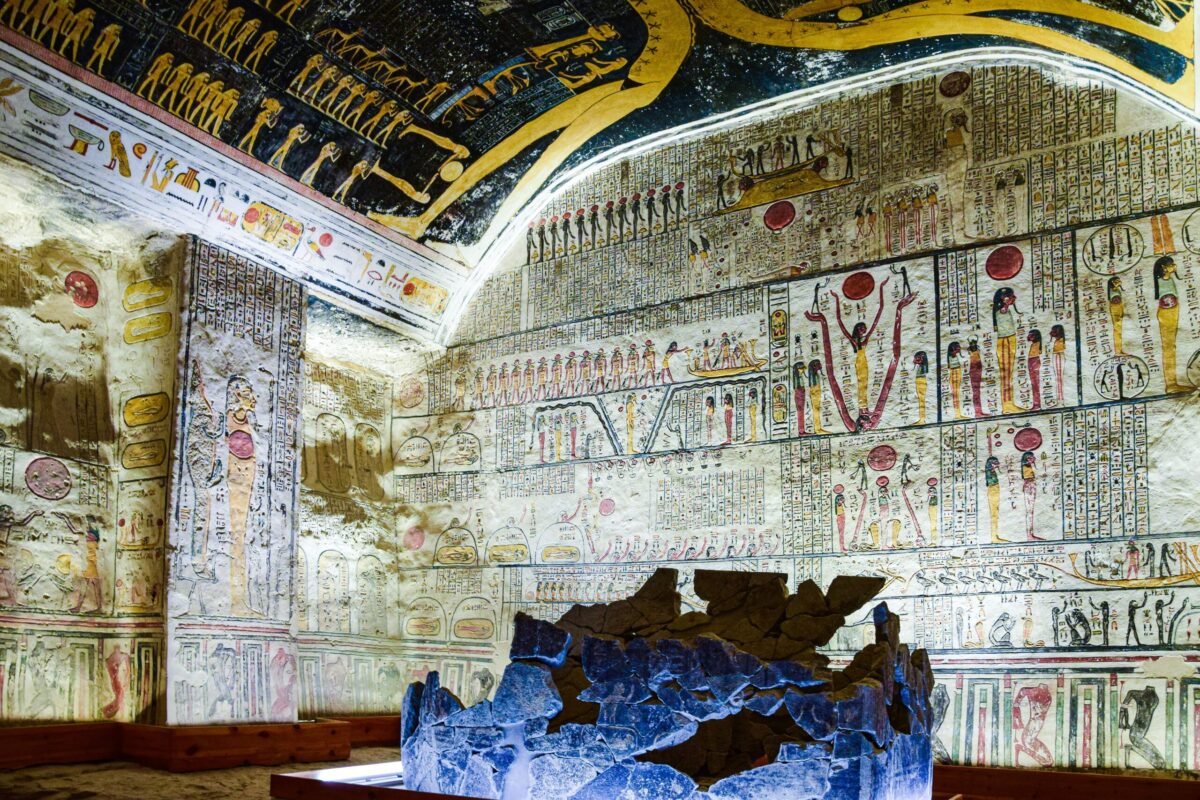
Beni Hassan preserves Middle Kingdom rock-cut tombs whose architecture and painted scenes illuminate provincial power, administration, warfare, sport and elite identity.
Read the site guide →Tuna el-Gebel is a complex necropolis associated with Hermopolis, combining elite tombs, sacred-animal burials and evidence for late Egyptian and Greco-Roman religious life.
Read the site guide →Hermopolis Magna was a major centre of the god Thoth and a regional capital whose archaeology helps connect religion, administration and the wider sacred landscape of Middle Egypt.
Read the site guide →Amarna preserves the short-lived capital founded by Akhenaten, where city planning, royal art and Aten-focused religion can be studied within the landscape that shaped the experiment.
Read the site guide →The journey keeps its 4–6 Days identity and core experiences. Your complete day-by-day plan, stays and timings are prepared personally once your dates, pace and accommodation preferences are confirmed.
The journey asks how royal authority reached local communities and how regional elites expressed their own identities.
Middle Egypt was not isolated; it connected river agriculture with roads, quarries and wider networks.
Middle Egypt is valuable precisely because it complicates familiar narratives. Regional centres, religious traditions and political changes show how power and belief were distributed beyond the best-known capitals.
Begin with a coherent journey, then adjust the pace, stays and experiences around the way you like to travel.
We will advise whether it strengthens the route for your dates and interests.
We will advise whether it strengthens the route for your dates and interests.
We will advise whether it strengthens the route for your dates and interests.
We will advise whether it strengthens the route for your dates and interests.
Customisation should strengthen the journey, not turn it into an exhausting list of additions.
Tell us how you like to travel →Photograph landscape as evidence: village, cultivation, desert escarpment and site relationship often explain more than a close-up monument. Some interiors may be dim or access-controlled, so current rules determine equipment and photography.
This is for travellers comfortable with specialist, sometimes visually understated archaeology and longer overland travel. It is not a substitute for a first visit to Cairo or Luxor’s major monuments.
Road conditions, site access, accommodation and the final selection of places require specialist planning. Your written programme gives the day-by-day order once the route has been checked for your dates.
Repeat visitors, serious archaeology travellers and Sacred Egypt guests who want to explore beyond the standard Cairo–Luxor–Aswan axis.
The exact list is confirmed after current access, road conditions and practical support have been checked for your dates. Your proposal states clearly which sites are included before you commit.
The defining places and historical focus are established, while the operating order is confirmed around current access, opening conditions, local logistics and your pace. Your final programme states the sequence clearly before travel.
Modern tourism routes often move quickly between Cairo and Luxor, while many regional sites require more road logistics and do not have the same monumental scale as Giza or Karnak.
They show how administration, religion, economy and elite identity worked outside the main royal capitals, giving a more complete picture of Egyptian society.
Not every departure should be forced into the same list. Your final programme confirms the actual sequence after access and route conditions have been checked.
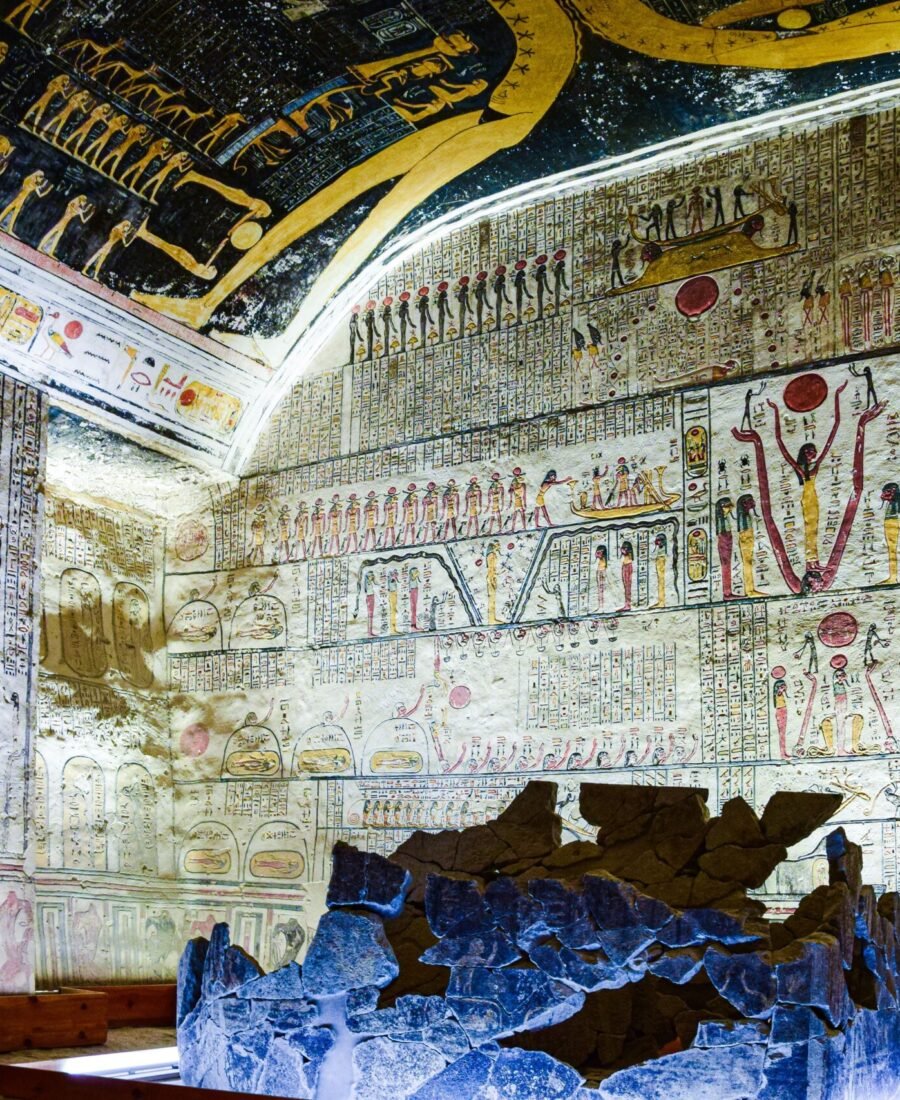
Explore the city that challenged thousands of years of Egyptian religious tradition.
Request current rateExplore →
Walk through the sacred landscapes where ancient Egyptians sought eternity.
Request current rateExplore →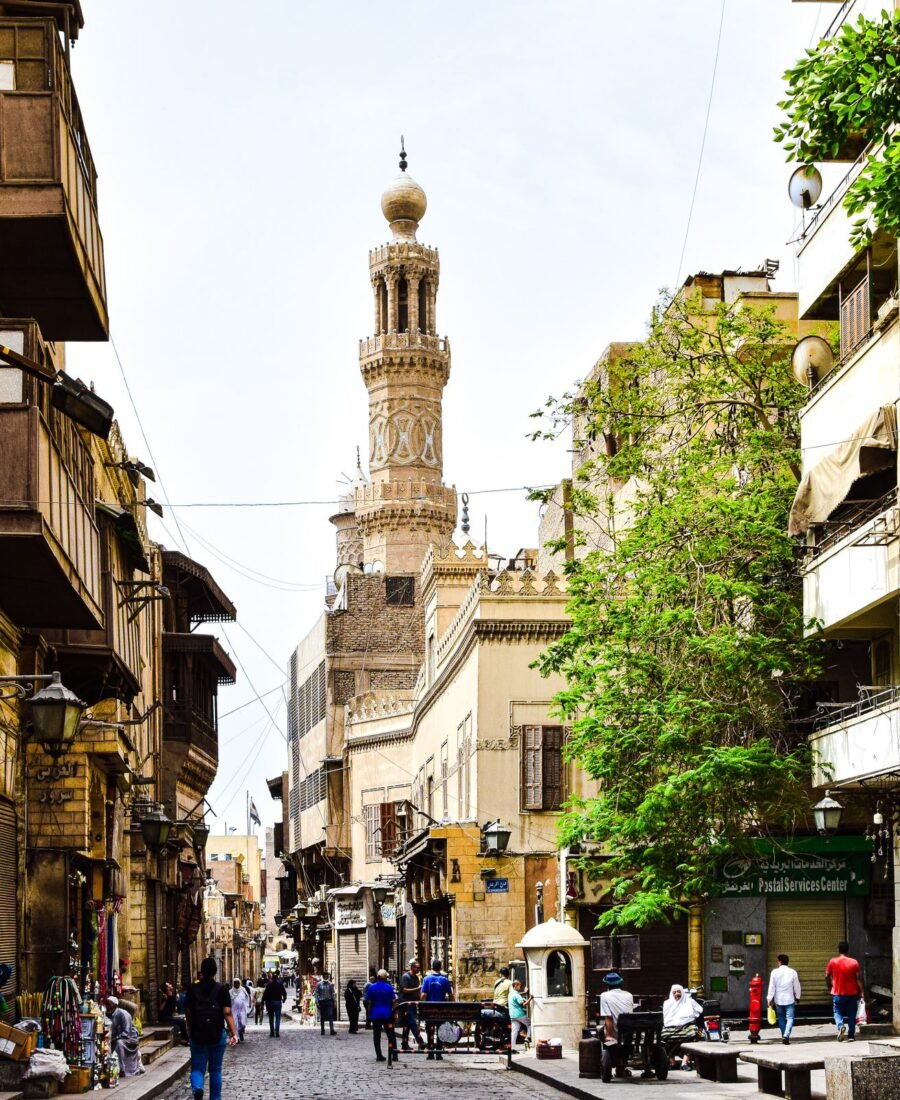
Explore the spiritual landscapes that shaped early Christianity and monasticism.
Request current rateExplore →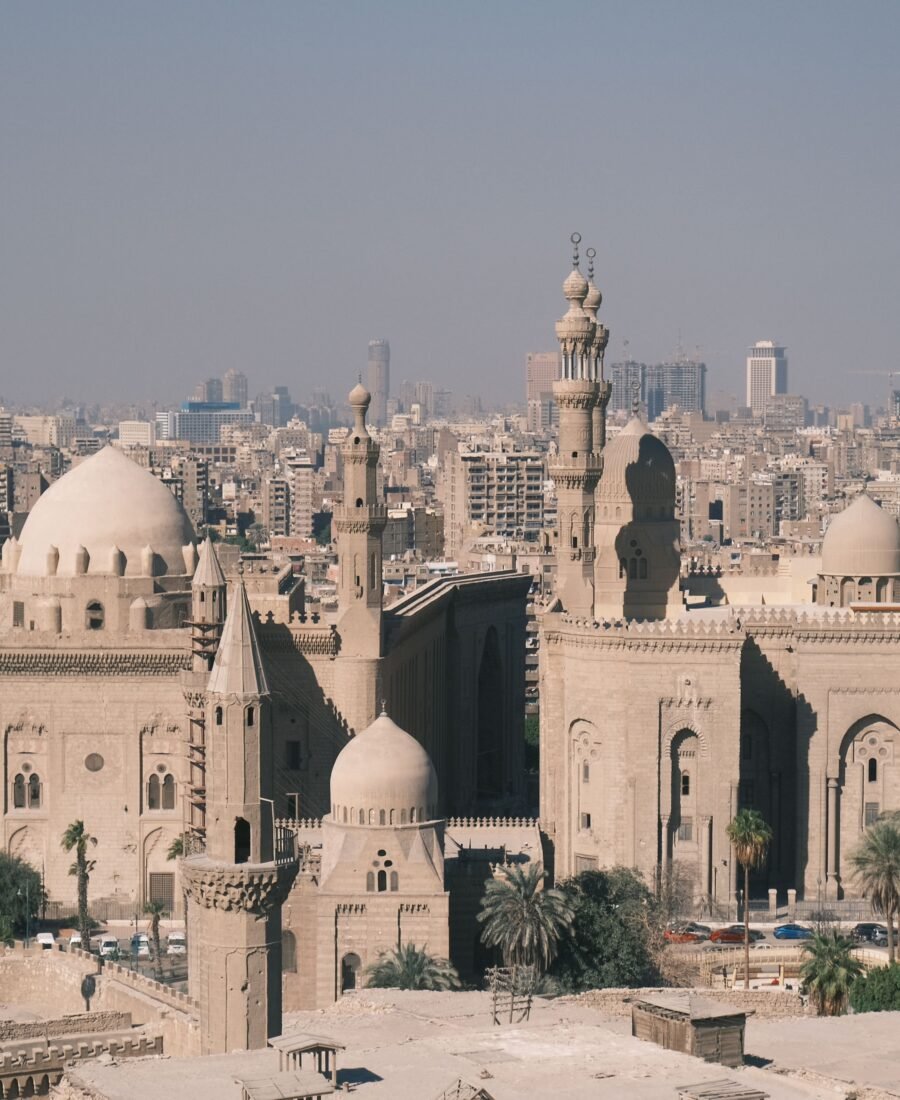
Discover the artistic, intellectual and spiritual heritage of Islamic Egypt.
Request current rateExplore →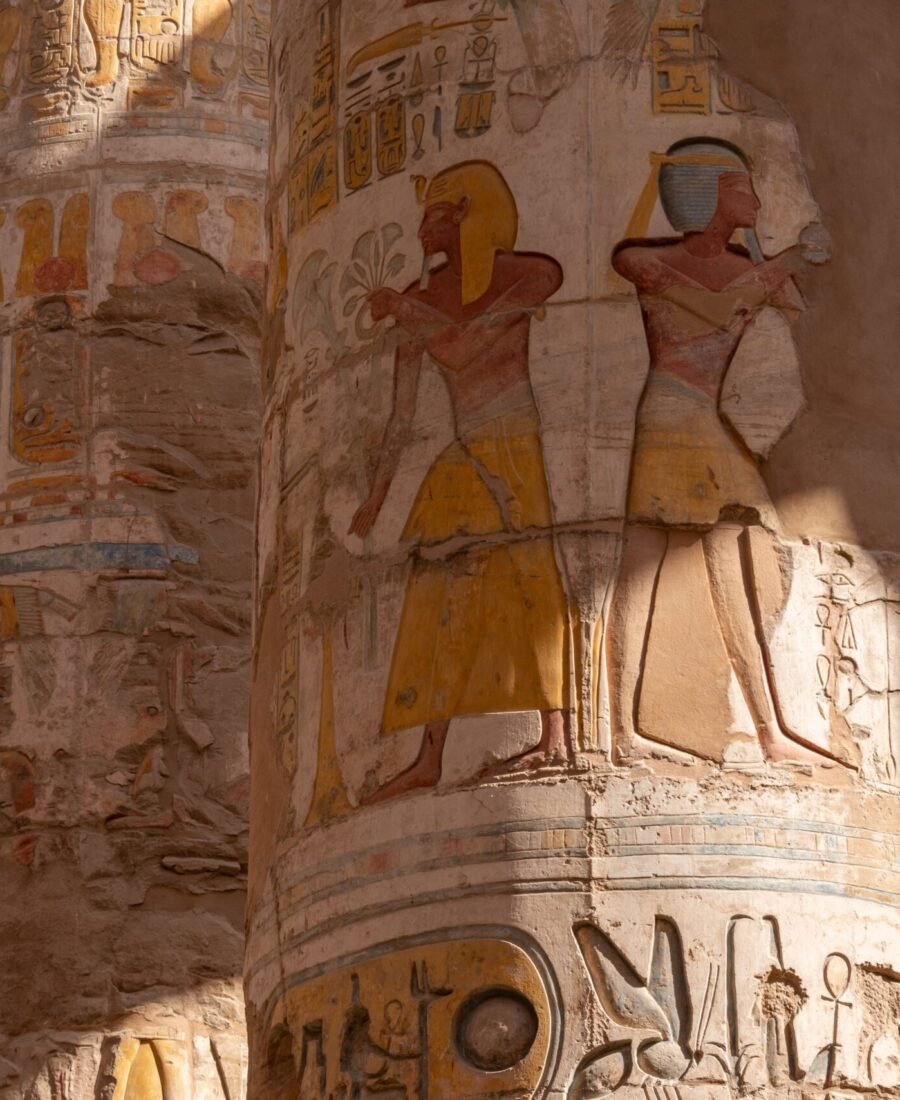
Explore the symbolic universe, beliefs and ideas that shaped ancient Egyptian civilization.
Request current rateExplore →