
Monasticism as organised life
Early asceticism included solitary practice, but large communities developed rules, work patterns, worship and economic systems.
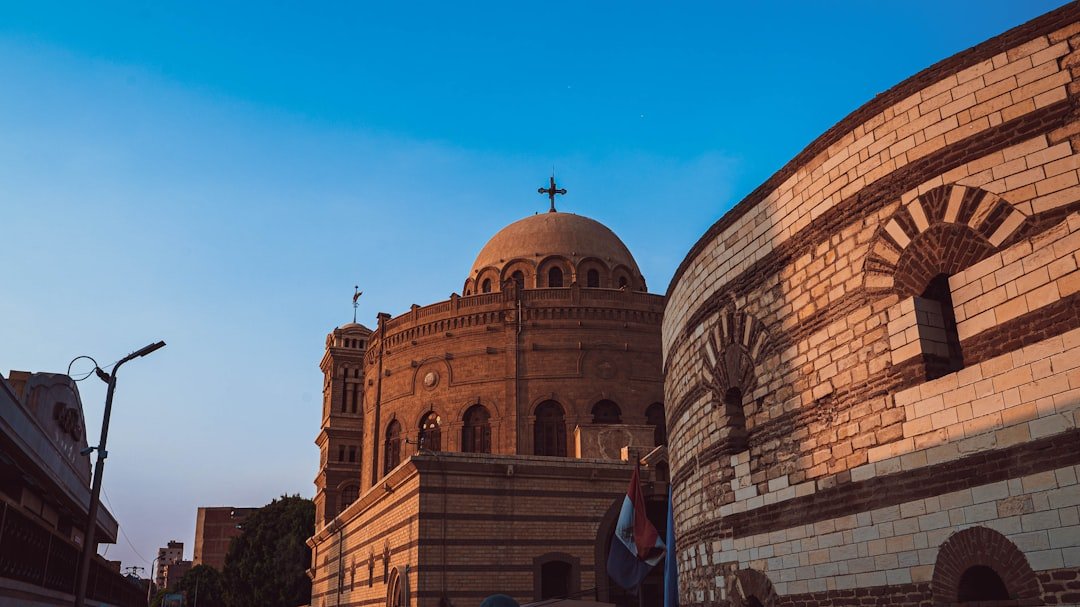
Explore the spiritual landscapes that shaped early Christianity and monasticism.
Christian Egypt traces the country’s Christian history through selected churches, monasteries, landscapes and communities over five to eight days. The story is not limited to one Cairo district; the route is shaped around the periods and traditions most relevant to you, with access to living religious sites confirmed respectfully for your dates.
A multi-day framework allows Christian history to be treated as a major chapter of Egypt rather than a brief add-on between pharaonic sites. Architecture, monasticism, pilgrimage, community history and changing political contexts can be explored together.
The journey is organised around historical questions and landscapes, not around adding stops for their own sake.
Christian Egypt is inseparable from the history of early monasticism, Coptic language and art, pilgrimage, church communities and the long negotiation between Christianity and earlier Egyptian landscapes. Egyptian monastic traditions became highly influential far beyond the country, while churches and monasteries developed distinctive liturgical spaces, artistic traditions and community roles. A serious journey also acknowledges continuity into the present: Coptic Christianity is a living faith, so monasteries and churches cannot be treated only as archaeological monuments.
Early asceticism included solitary practice, but large communities developed rules, work patterns, worship and economic systems.
Icons, textiles, manuscripts and church decoration belong to Christian traditions with their own theology and historical development.
Worship, pilgrimage and monastic communities continue, changing how visitors should move, dress and photograph.
Desert and remote settings often carried spiritual meaning while still depending on practical supply and community networks.
Start with the defining experiences, then explore the journey frame and confirmed detail at the pace that suits you.
Explore the long history of Egyptian Christianity through selected monuments and communities.
Use desert and river-edge monastic settings to understand the development of communal religious life.
Visit active places respectfully while keeping historical and archaeological context clear.
The defining places and themes are established; your final sequence is prepared around your dates, pace and confirmed logistics.
A multi-day framework allows Christian history to be treated as a major chapter of Egypt rather than a brief add-on between pharaonic sites. Architecture, monasticism, pilgrimage, community history and changing political contexts can be explored together.
These are thematic chapters, not an invented operating sequence. Your confirmed itinerary determines the actual day-by-day order.
Introduce the development of Egyptian Christianity within cities and regions already carrying older sacred histories.
Move from ascetic ideals to the practical architecture, work and worship of monastic settlements.
End with continuity into present-day worship and community, keeping heritage interpretation respectful of living faith.
Your proposal confirms the exact version that applies to your dates and chosen accommodation.
The journey keeps its 5–8 Days identity and core experiences. Your complete day-by-day plan, stays and timings are prepared personally once your dates, pace and accommodation preferences are confirmed.
Christian communities inherited an Egyptian geography already filled with older sacred places, but reinterpreted it through distinctly Christian traditions.
The journey balances archaeology and art history with respect for communities practising the religion today.
Many sites remain active religious places, so historical interpretation and respectful conduct are equally important. An evidence-led approach also separates documented tradition from later devotional or popular claims where necessary.
Begin with a coherent journey, then adjust the pace, stays and experiences around the way you like to travel.
We will advise whether it strengthens the route for your dates and interests.
We will advise whether it strengthens the route for your dates and interests.
We will advise whether it strengthens the route for your dates and interests.
We will advise whether it strengthens the route for your dates and interests.
Customisation should strengthen the journey, not turn it into an exhausting list of additions.
Tell us how you like to travel →Photography in active churches and monasteries is always secondary to worship and community rules. Architectural exteriors, desert setting, icon screens and textile or manuscript details can be visually rich where photography is permitted.
Travellers seeking only ancient Egyptian religion should choose another Sacred Egypt route. This journey requires comfort with living religious spaces and with historical periods often absent from standard pharaonic itineraries.
Church and monastery access can change with services, feast days, community schedules and local conditions. Dress, photography and visiting expectations are confirmed for the selected route; no special access is assumed.
Travellers interested in Coptic history, monasticism, religious architecture and the long Christian heritage of Egypt.
No. Access can depend on community rules, services and current conditions. The confirmed itinerary uses only places that can be responsibly visited on your dates.
The defining places and historical focus are established, while the operating order is confirmed around current access, opening conditions, local logistics and your pace. Your final programme states the sequence clearly before travel.
Egyptian ascetic and communal monastic traditions became highly influential in the development of Christian monastic practice across the wider Mediterranean and Near East.
Many are both heritage monuments and active sacred spaces. Visiting practice must respect their current religious function.
No. There are historical continuities of language, place and material culture, but Christianity has its own theology, institutions and artistic traditions.
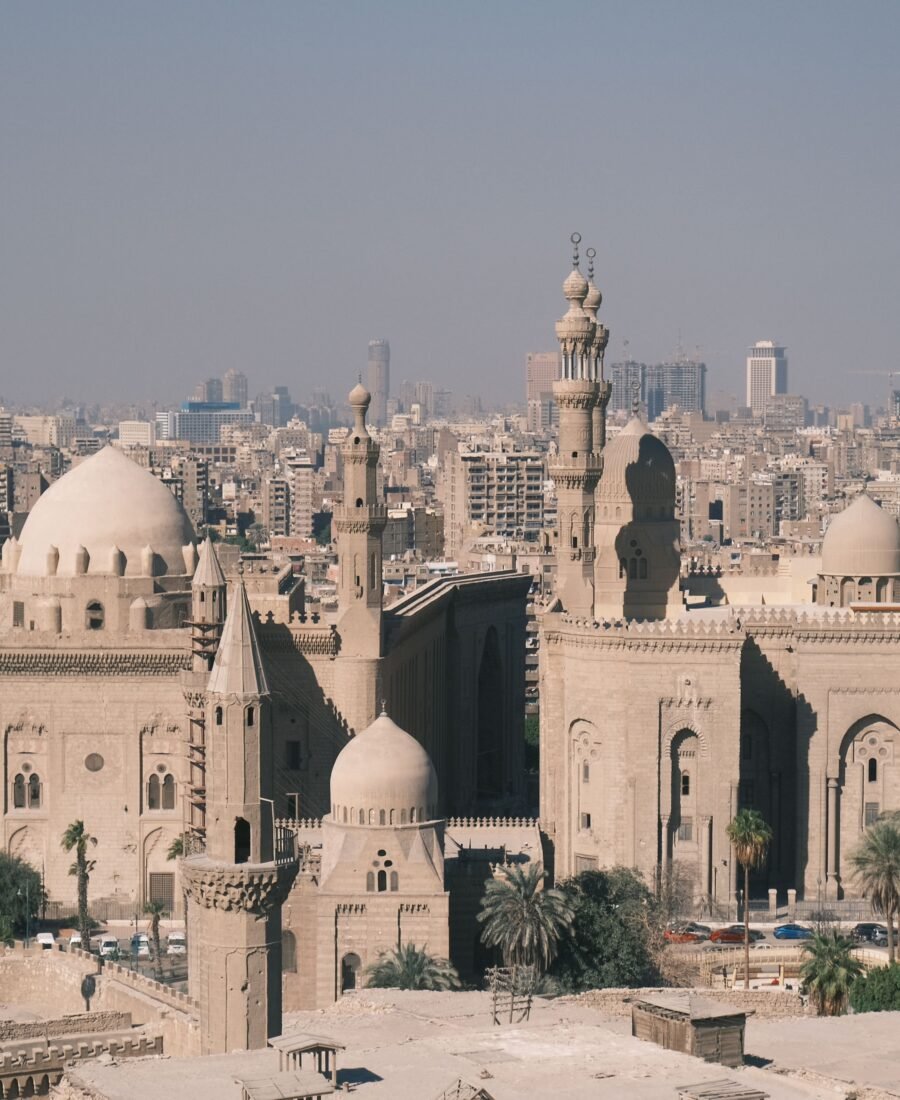
Discover the artistic, intellectual and spiritual heritage of Islamic Egypt.
Request current rateExplore →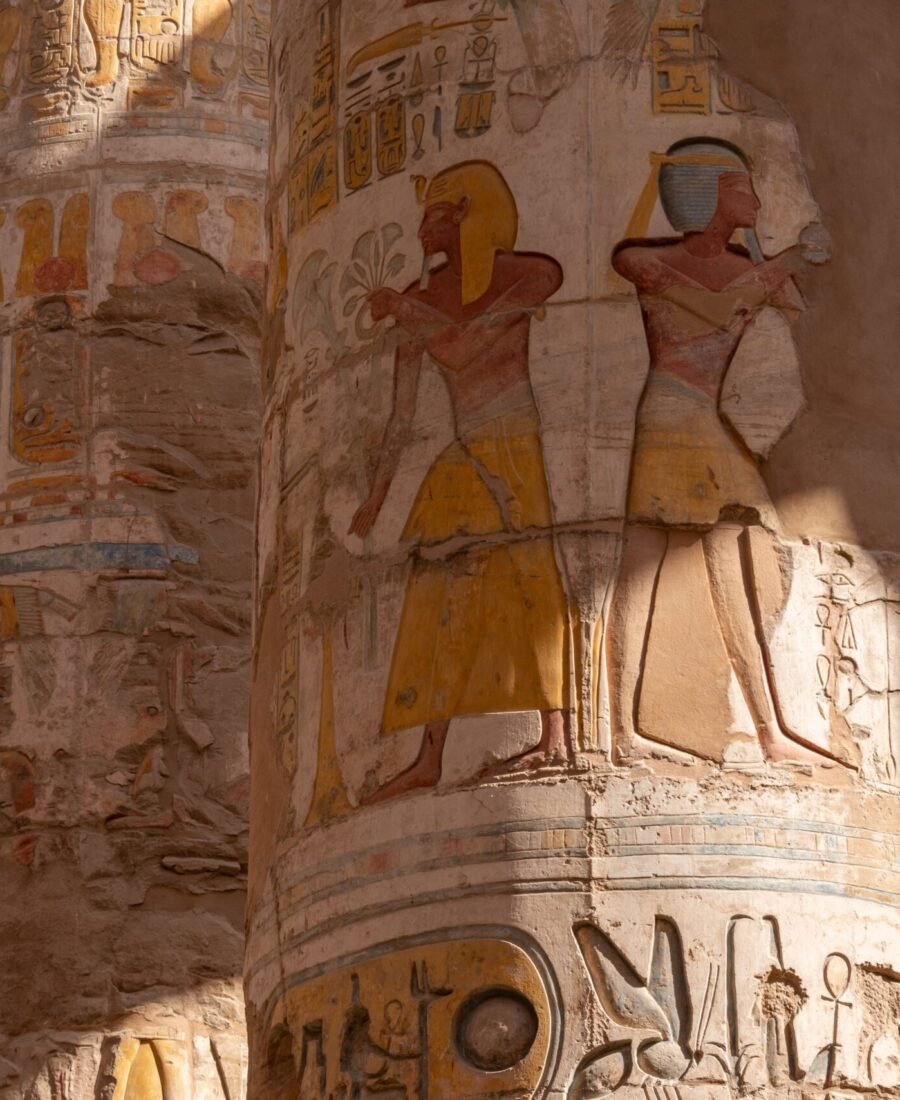
Explore the symbolic universe, beliefs and ideas that shaped ancient Egyptian civilization.
Request current rateExplore →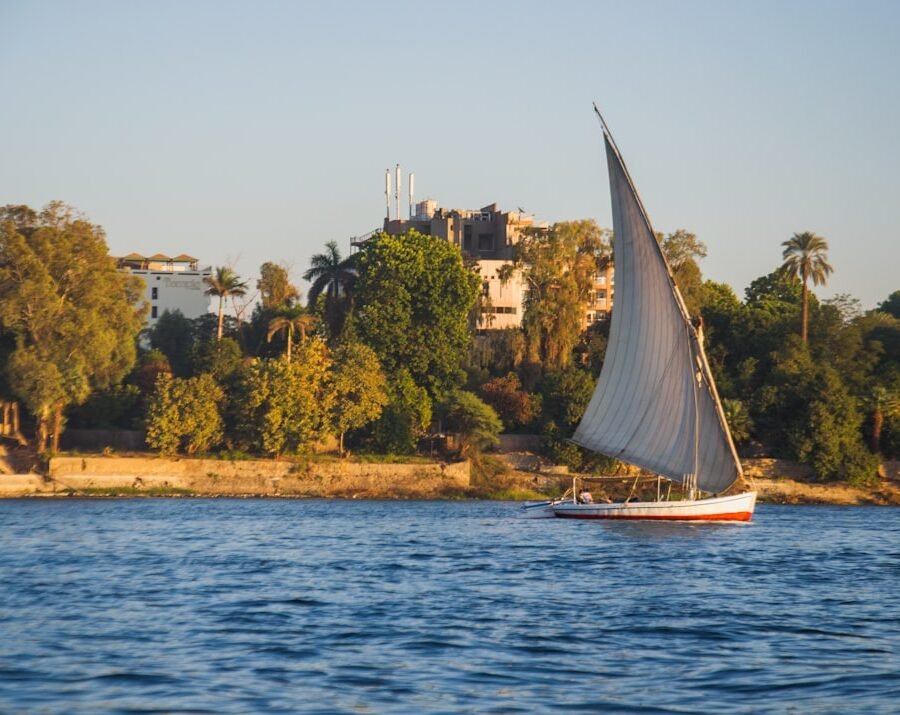
A focused first journey through Cairo and the Nile, designed to make Egypt feel connected rather than fragmented.
Request current rateExplore →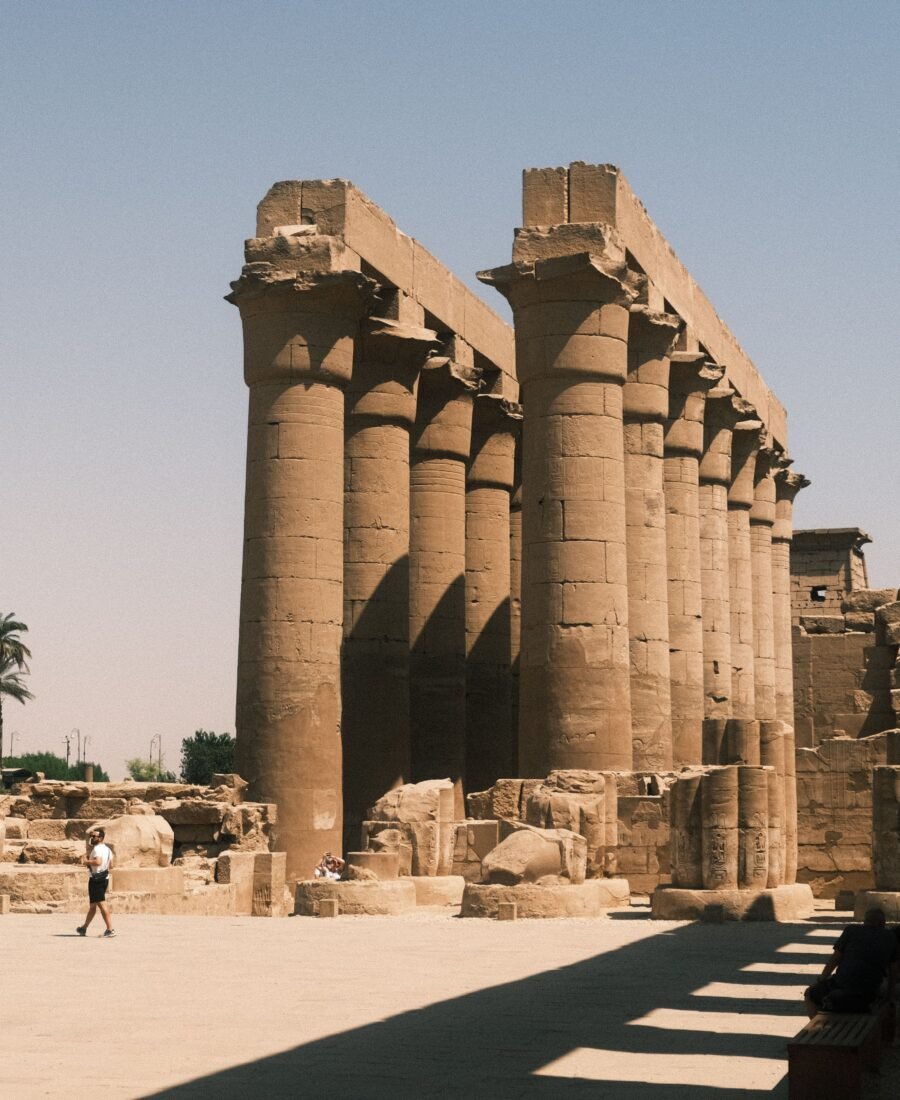
Experience Egypt not as a tourist, but through the history, culture and people who know it as home.
Request current rateExplore →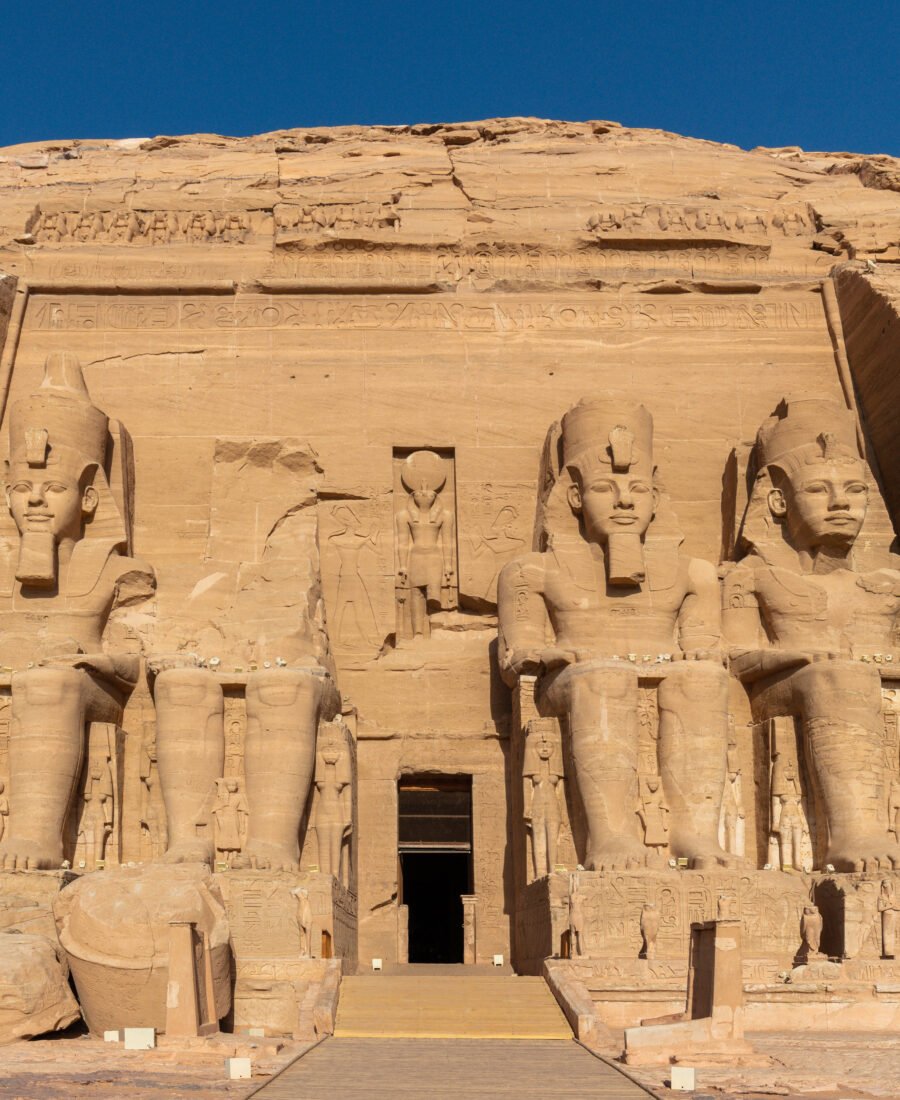
A broader, slower journey for travellers who want the major historical landscapes and enough time to understand how they fit together.
Request current rateExplore →