
Ask how Egyptians used the past
Later rulers repeatedly restored, copied or reinterpreted earlier monuments; history in Egypt is full of conscious memory.
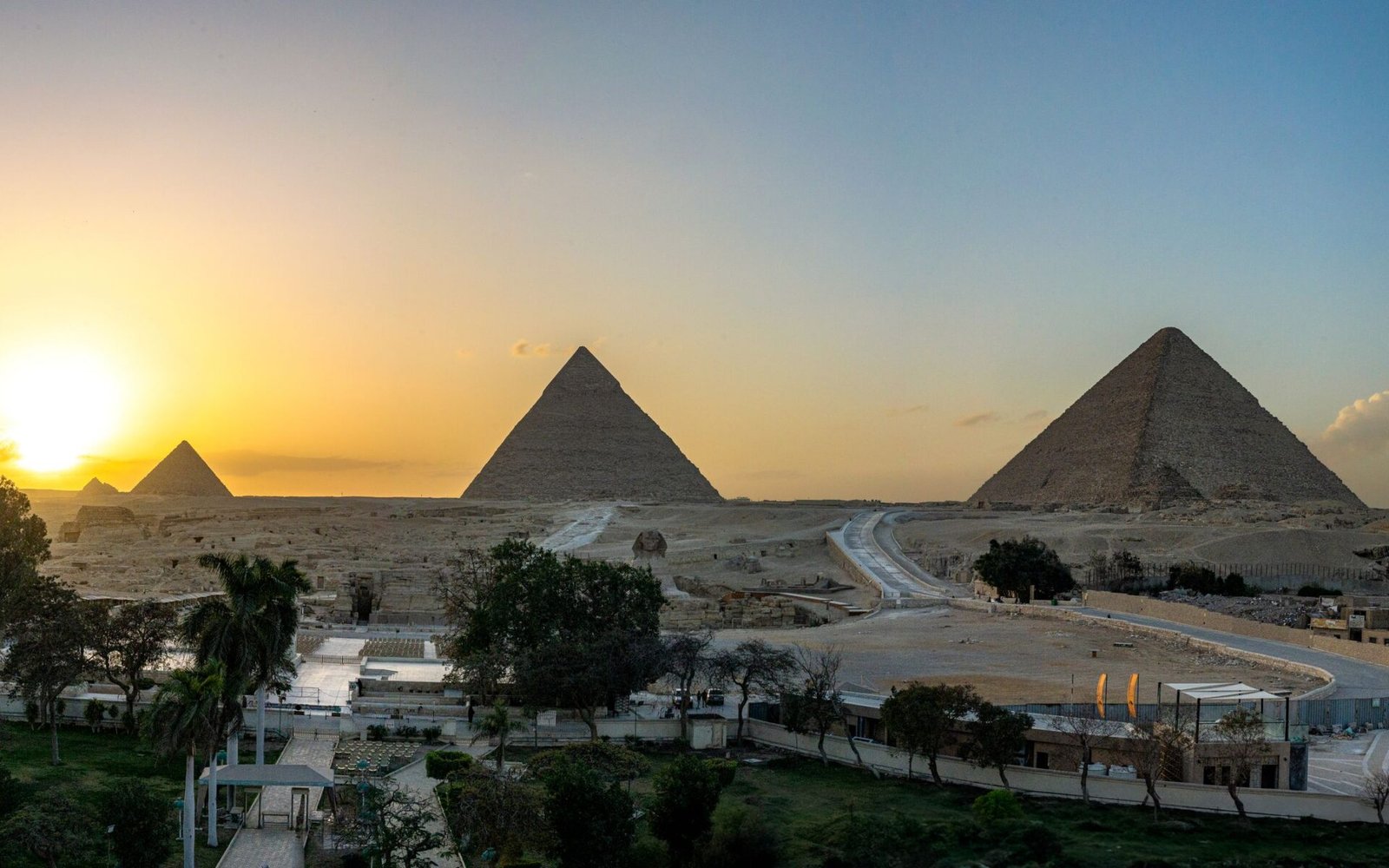
Experience Egypt not as a tourist, but through the history, culture and people who know it as home.
This is the defining Nile Experience idea: the great monuments remain central, but they are understood alongside modern streets, river life, food, landscapes and personal hosting. The goal is not simply to see Egypt, but to understand how ancient and modern identities continue to meet.
A complete journey should develop as one story. Cairo establishes context, Upper Egypt deepens the ancient narrative, and the Nile changes the pace. Dates, accommodation and practical arrangements are then shaped personally around that coherent route.
The journey is organised around historical questions and landscapes, not around adding stops for their own sake.
Egypt Through Egyptian Eyes is built around interpretation rather than simple route ownership. The historical monuments matter, but so do the choices about how they are explained: local geography, Egyptian scholarship, contemporary communities and the practical realities of travelling between regions. Over thirteen days there is enough time to compare periods and landscapes without pretending that “ancient Egypt” was a single unchanging civilisation. The journey is intended to feel cumulative—each new place should complicate and deepen what the traveller thought they understood at the previous one.
Later rulers repeatedly restored, copied or reinterpreted earlier monuments; history in Egypt is full of conscious memory.
Cairo, Luxor and Aswan do not express one culture in the same way; geology, politics and local cults shaped different landscapes.
Language, food, agriculture and city life are contemporary, not “survivals”, but they help travellers understand the country beyond archaeological tourism.
A good Egyptologist explains uncertainty, competing interpretations and gaps in evidence instead of replacing them with confident myths.
Start with the defining experiences, then explore the journey frame and confirmed detail at the pace that suits you.
Use Cairo, Upper Egypt and the Nile as chapters rather than disconnected stops.
Place monuments within geography, belief, politics and living culture.
Build room for river landscapes and slower observation where they strengthen the journey.
Adapt pace and confirmed logistics around the travellers without losing route coherence.
The defining places and themes are established; your final sequence is prepared around your dates, pace and confirmed logistics.
A complete journey should develop as one story. Cairo establishes context, Upper Egypt deepens the ancient narrative, and the Nile changes the pace. Dates, accommodation and practical arrangements are then shaped personally around that coherent route.
These are thematic chapters, not an invented operating sequence. Your confirmed itinerary determines the actual day-by-day order.
Early monuments establish how kingship, state organisation and sacred landscape developed.
Royal tombs and temples reveal a mature system of kingship, divine cult and administration.
Aswan reframes Egypt through frontier history, granite, islands and long interaction with Nubia.
Throughout the route, contemporary Egypt is treated as the present layer of the same geography, not as decoration between monuments.
Your proposal confirms the exact version that applies to your dates and chosen accommodation.
The journey keeps its 13 Days / 12 Nights identity and core experiences. Your complete day-by-day plan, stays and timings are prepared personally once your dates, pace and accommodation preferences are confirmed.
The journey combines archaeological evidence with Egyptian interpretation and present-day context.
The value of thirteen days is not more stops; it is the ability to compare, revisit ideas and understand change over time.
Egypt becomes clearer when places are connected rather than isolated. Archaeology, geography, daily life and the river constantly explain one another; the journey is designed to make those relationships visible.
Begin with a coherent journey, then adjust the pace, stays and experiences around the way you like to travel.
We will advise whether it strengthens the route for your dates and interests.
We will advise whether it strengthens the route for your dates and interests.
We will advise whether it strengthens the route for your dates and interests.
We will advise whether it strengthens the route for your dates and interests.
We will advise whether it strengthens the route for your dates and interests.
Customisation should strengthen the journey, not turn it into an exhausting list of additions.
Tell us how you like to travel →Build a visual diary around themes—kingship, river, craft, sacred space, daily life—rather than around destination labels alone. Repeated visual motifs make the journey feel connected and reduce the temptation to photograph only façades.
Travellers wanting a conventional escorted-tour checklist with fixed narration may find the questioning, comparison and slower interpretation more demanding. This is designed for curiosity, not passive sightseeing.
Hotels, exact rooming, domestic flights, Nile inventory and access can vary by date. These details are confirmed personally in your proposal before anything is booked.
No. The journey has a clear identity, while dates, accommodation and operating details are confirmed around you and current conditions.
Hotels, rooming, domestic travel and Nile arrangements can materially change the final quotation, so your price is prepared for the exact dates and arrangements you choose.
Yes, when it fits the approved journey design and live vessel inventory.
Yes. Pacing can be adapted without turning the journey into an exhausting list of additions.
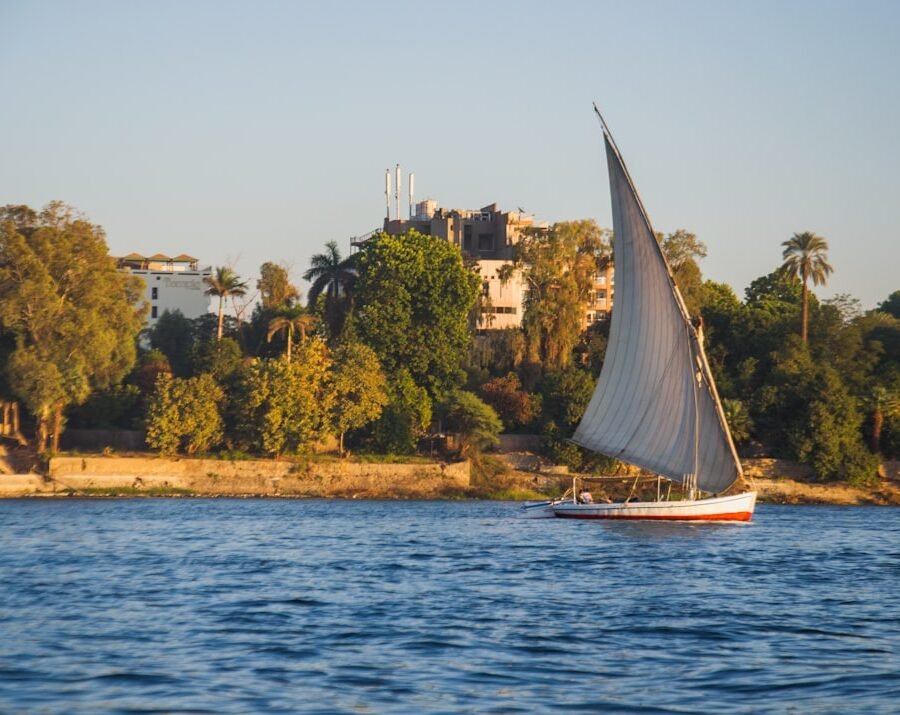
A focused first journey through Cairo and the Nile, designed to make Egypt feel connected rather than fragmented.
Request current rateExplore →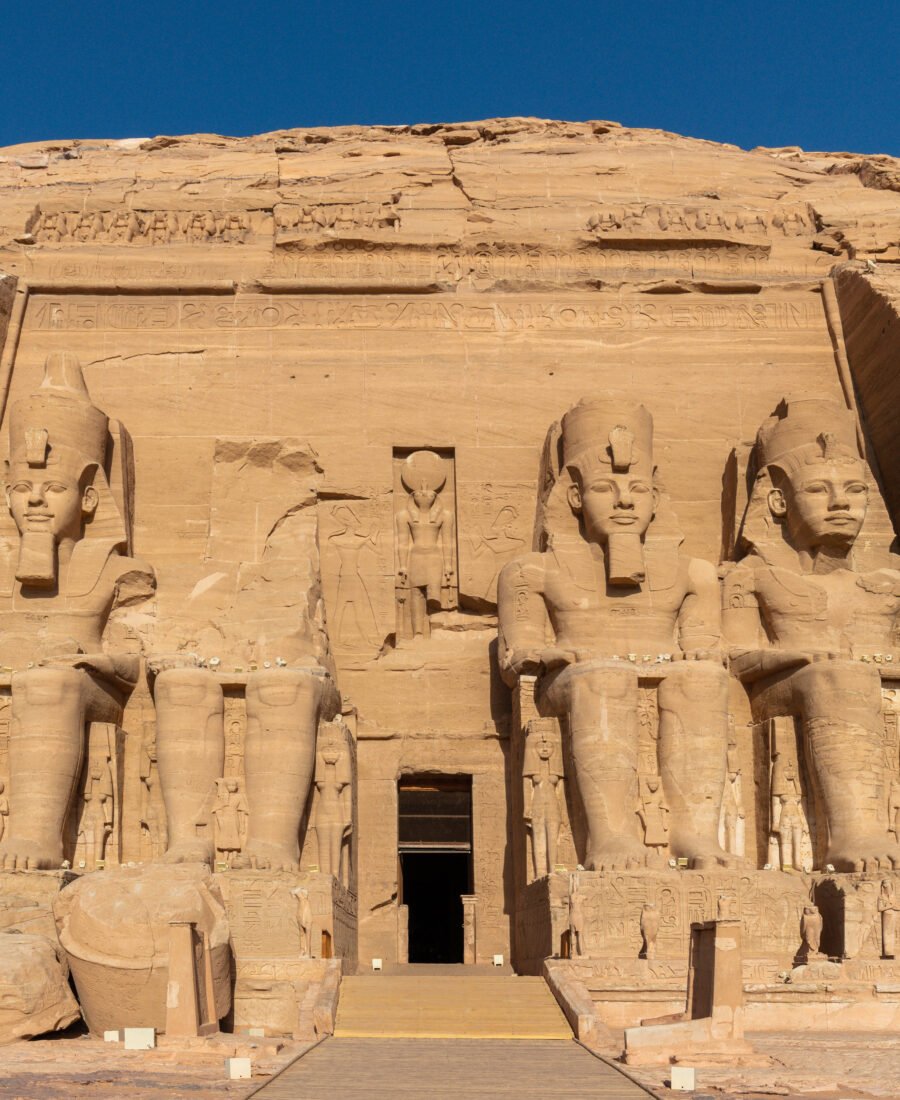
A broader, slower journey for travellers who want the major historical landscapes and enough time to understand how they fit together.
Request current rateExplore →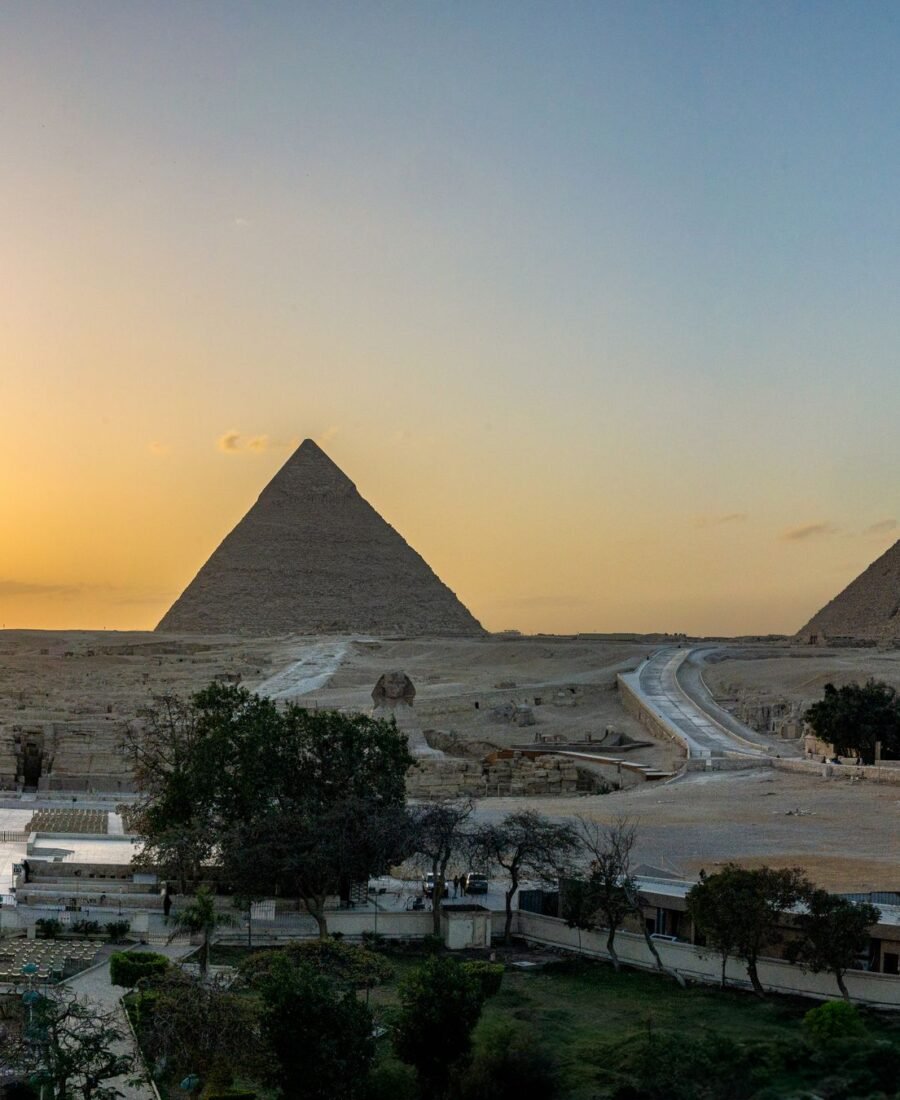
Combine Egypt’s archaeological heart with restorative time by the Red Sea.
Request current rateExplore →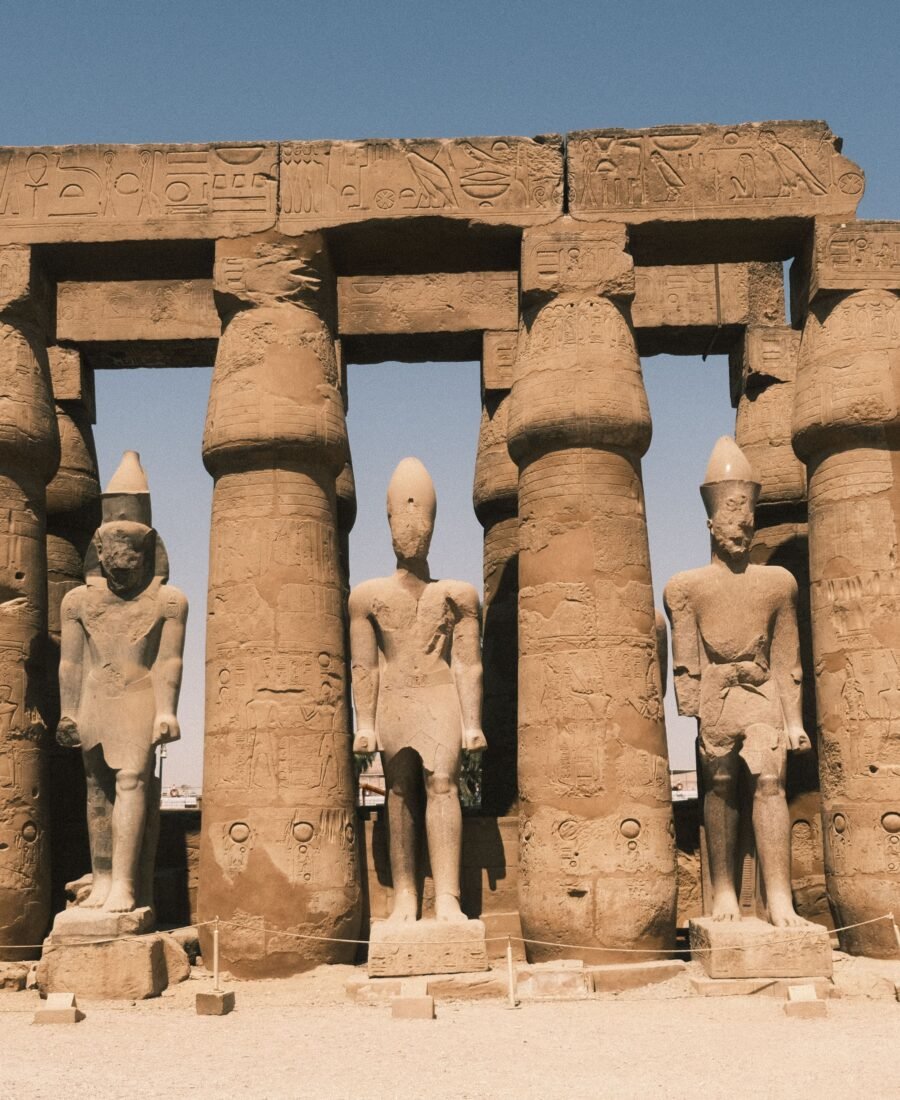
Follow Egypt’s sacred landscapes, temple ideas and Nile geography through an Egyptologist-led journey.
Request current rateExplore →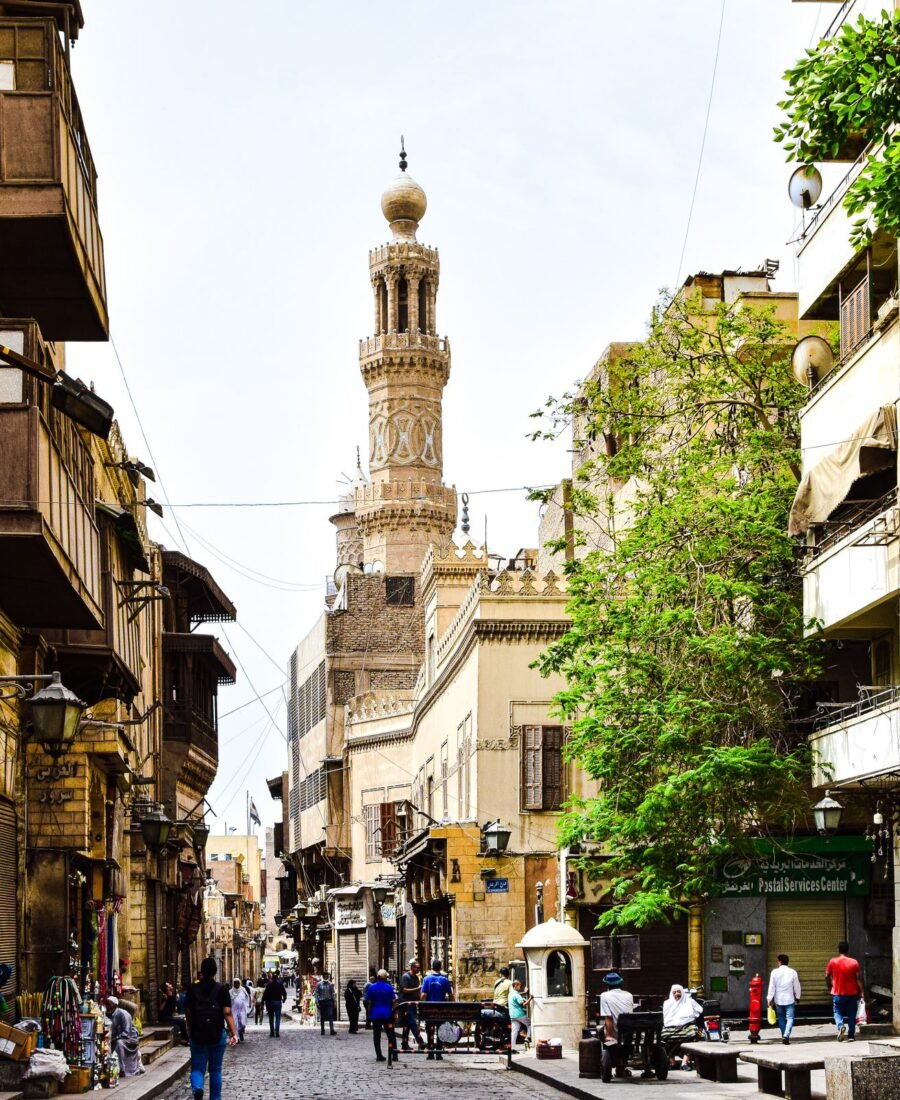
Explore the spiritual landscapes that shaped early Christianity and monasticism.
Request current rateExplore →