
Return to themes
Kingship, cult, trade and landscape should reappear in different periods so the traveller can see continuity and change.
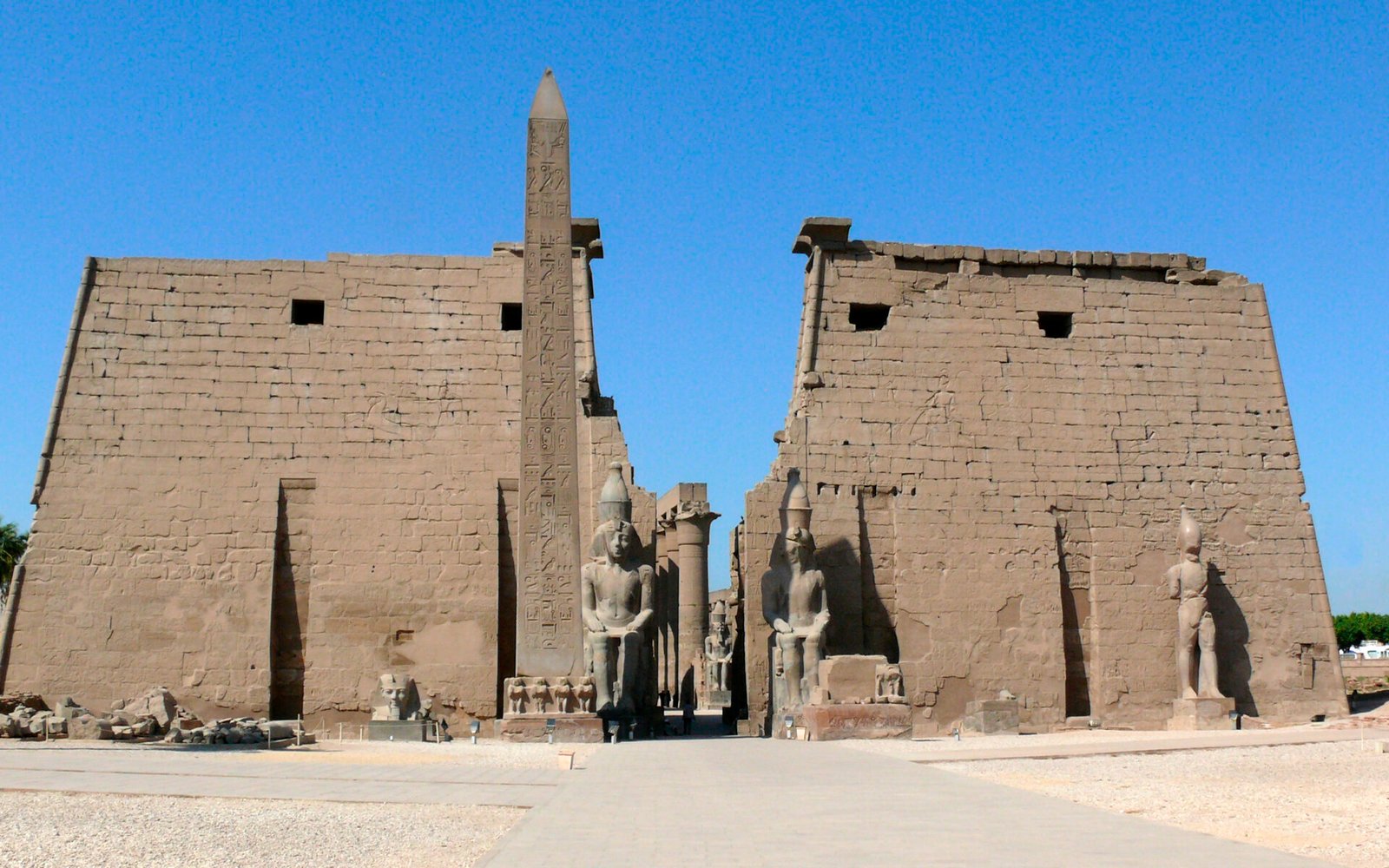
A broader, slower journey for travellers who want the major historical landscapes and enough time to understand how they fit together.
The Grand Egypt Journey uses sixteen days to widen the historical and geographic frame without making the itinerary frantic. The extra time creates room for deeper archaeology, regional contrast and slower transitions; the final route and stays are then shaped around your dates and the places that genuinely add to the story.
Extra days are valuable only when they add a new chapter or improve the pace. This journey is for travellers who prefer depth, specialist visits and breathing room over a compressed greatest-hits circuit.
The journey is organised around historical questions and landscapes, not around adding stops for their own sake.
Sixteen days allow Egypt’s historical geography to widen without sacrificing interpretation. The Grand Egypt Journey is not simply a shorter itinerary plus extra stops; its purpose is to create room for regional comparison, less compressed travel and a stronger sense of chronological change. Additional landscapes belong only when they contribute a genuine historical chapter. Time itself becomes an interpretive tool: slower days, repeated themes and opportunities to compare monumental centres with quieter evidence for communities, trade and environment.
Kingship, cult, trade and landscape should reappear in different periods so the traveller can see continuity and change.
The major capitals do not represent all of Egypt. A longer journey makes space for landscapes that complicate the standard Cairo–Luxor–Aswan story.
Long road and river movements show how large the country is and why control of transport routes mattered.
A slower day is not lost time if it keeps the next major site meaningful rather than exhausting.
Start with the defining experiences, then explore the journey frame and confirmed detail at the pace that suits you.
Allow additional time for specialist interpretation where it adds genuine historical value.
Reduce the pressure to compress major sites into short windows.
Use the longer duration to make Egypt's different landscapes and periods distinct.
Shape the final version around interests, dates and accommodation once live arrangements are known.
The defining places and themes are established; your final sequence is prepared around your dates, pace and confirmed logistics.
Extra days are valuable only when they add a new chapter or improve the pace. This journey is for travellers who prefer depth, specialist visits and breathing room over a compressed greatest-hits circuit.
These are thematic chapters, not an invented operating sequence. Your confirmed itinerary determines the actual day-by-day order.
Cairo and the Nile provide the main chronological and geographic framework.
Additional landscapes deepen the story by introducing different local histories and environments.
Longer pacing creates time to revisit ideas rather than consuming one site after another.
Your proposal confirms the exact version that applies to your dates and chosen accommodation.
The journey keeps its 16 Days / 15 Nights identity and core experiences. Your complete day-by-day plan, stays and timings are prepared personally once your dates, pace and accommodation preferences are confirmed.
The journey expands only when a new region adds a distinct historical argument.
Royal architecture is balanced with the archaeology of communities, movement and landscape wherever the route allows.
Egypt rewards comparison across periods and landscapes. A longer private journey can connect early state formation, New Kingdom power, Nubian history, sacred geography and living communities while allowing each chapter to retain its own identity.
Begin with a coherent journey, then adjust the pace, stays and experiences around the way you like to travel.
We will advise whether it strengthens the route for your dates and interests.
We will advise whether it strengthens the route for your dates and interests.
We will advise whether it strengthens the route for your dates and interests.
We will advise whether it strengthens the route for your dates and interests.
Customisation should strengthen the journey, not turn it into an exhausting list of additions.
Tell us how you like to travel →A longer journey benefits from visual restraint. Create thematic series—doorways, stone types, river crossings, inscriptions, working streets—so the photographs record comparison across regions rather than becoming a catalogue of identical monument views.
Sixteen days is a significant commitment and best for travellers who enjoy context and slower travel. Anyone wanting only the most famous sites may be happier with Essential Egypt.
The sixteen-day framework allows considerable depth, but hotels, flights, train or road sectors, Nile arrangements and day-by-day order are confirmed in your written proposal. Availability and price are prepared for the real dates and accommodation choices.
History-focused travellers, repeat visitors and first-time guests who want a deeper private Egypt journey without rushing.
No. The purpose of the extra time is depth and better pacing. A longer itinerary should not become an excuse to fill every hour with additional stops.
The defining places and historical focus are established, while the operating order is confirmed around current access, opening conditions, local logistics and your pace. Your final programme states the sequence clearly before travel.
The extra time is used for comparison, regional breadth and a more measured pace, not for filling every day with additional stops.
No. A destination belongs only when it adds a distinct historical or geographical chapter. The aim is depth and connection, not collecting place names.
Because interpretation requires attention. Fatigue turns even exceptional monuments into visual repetition, so pacing is part of content quality.
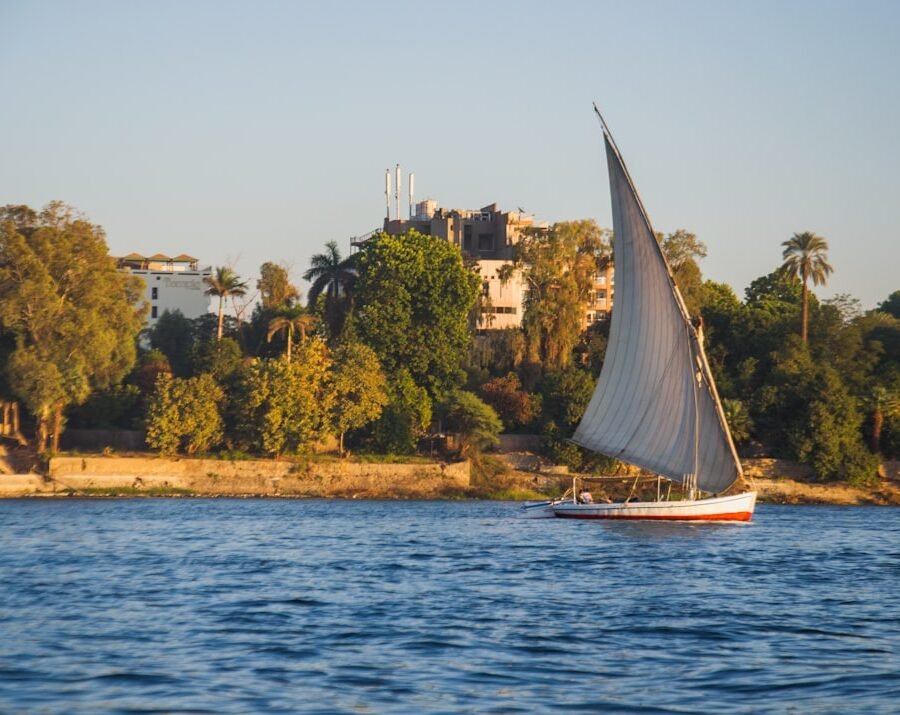
A focused first journey through Cairo and the Nile, designed to make Egypt feel connected rather than fragmented.
Request current rateExplore →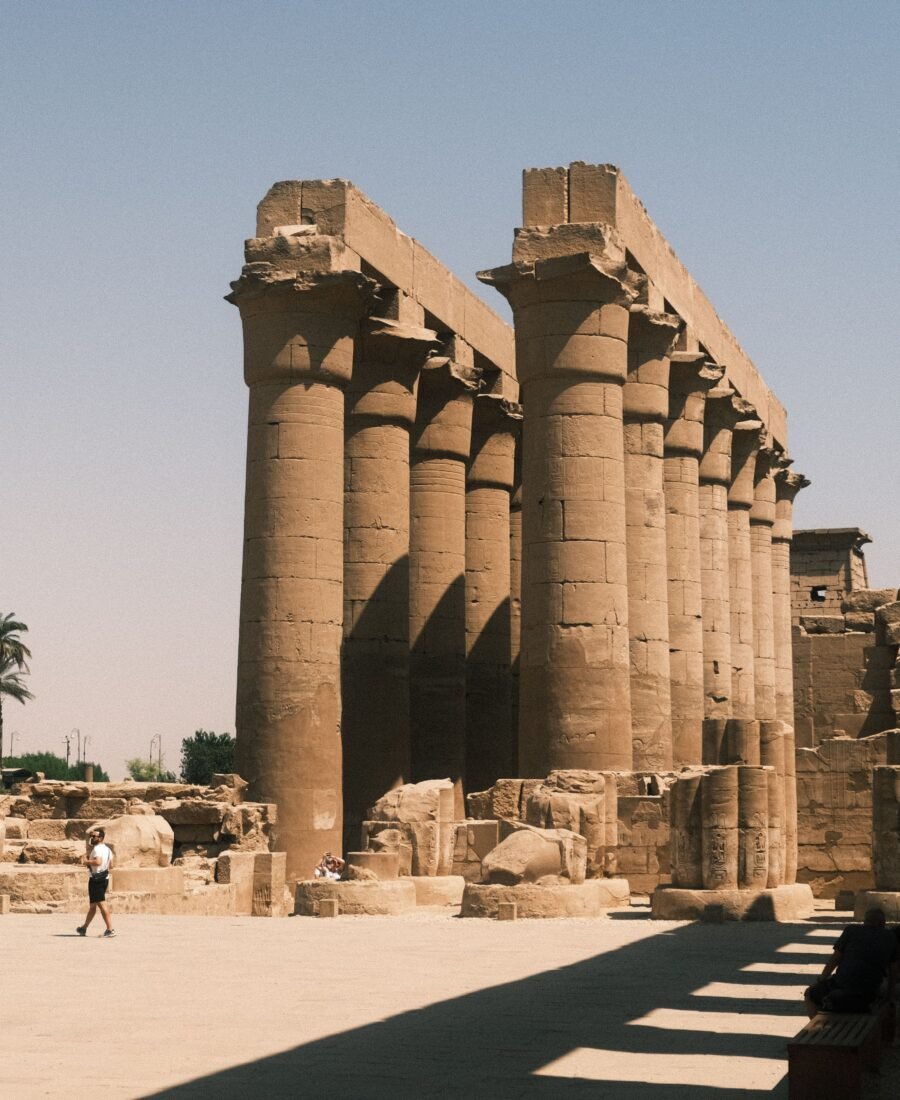
Experience Egypt not as a tourist, but through the history, culture and people who know it as home.
Request current rateExplore →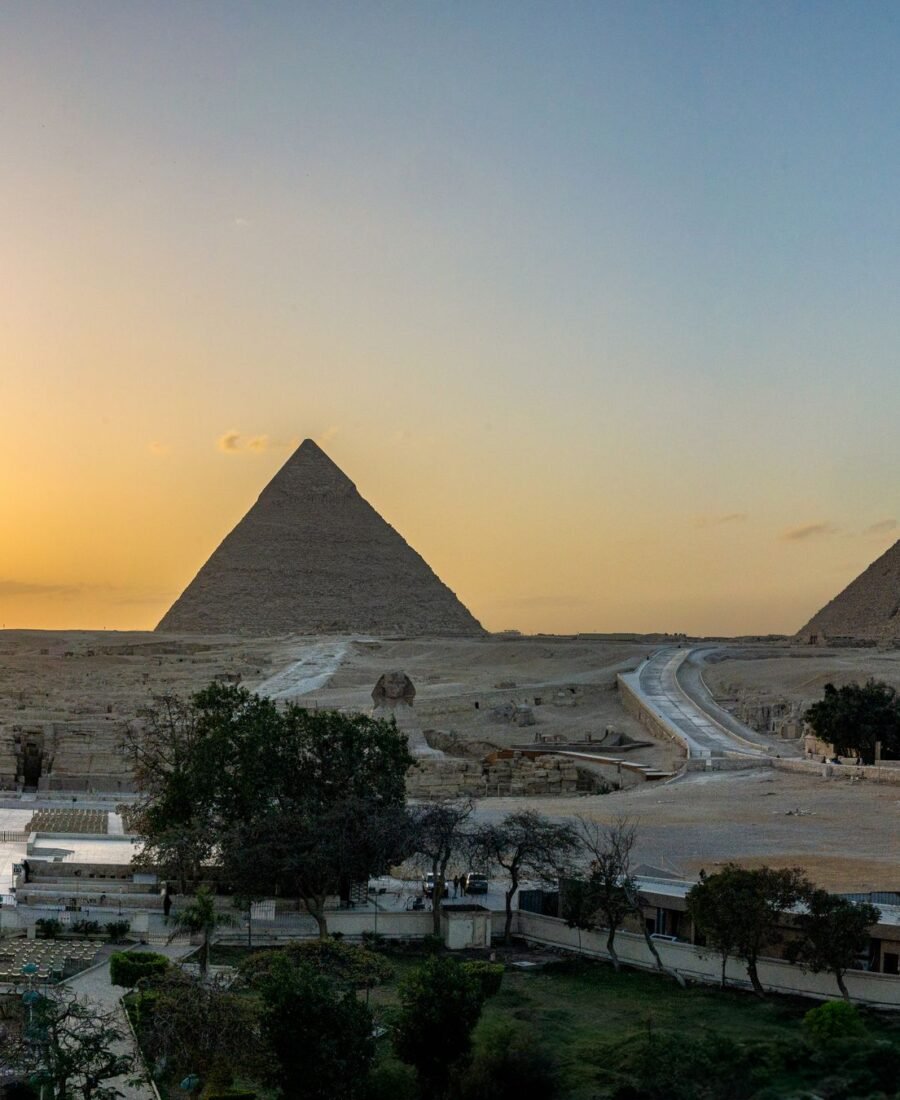
Combine Egypt’s archaeological heart with restorative time by the Red Sea.
Request current rateExplore →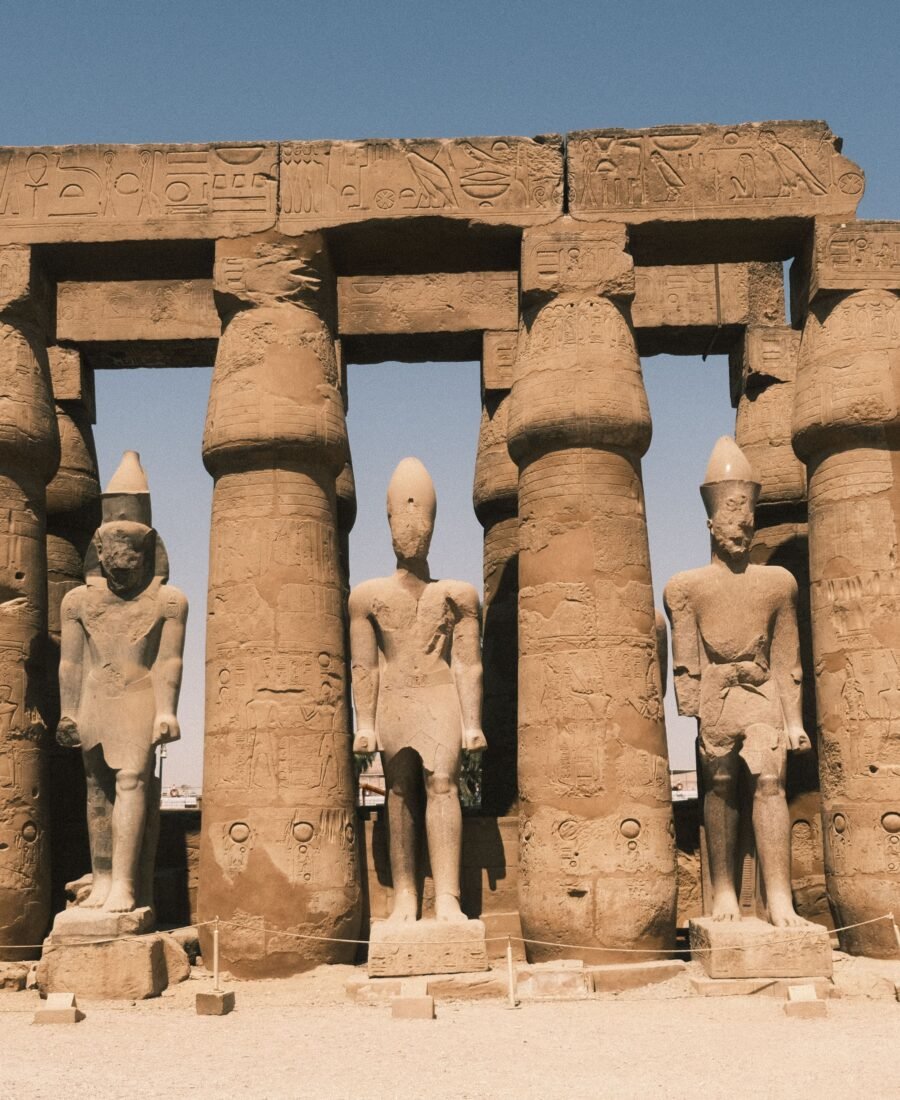
Follow Egypt’s sacred landscapes, temple ideas and Nile geography through an Egyptologist-led journey.
Request current rateExplore →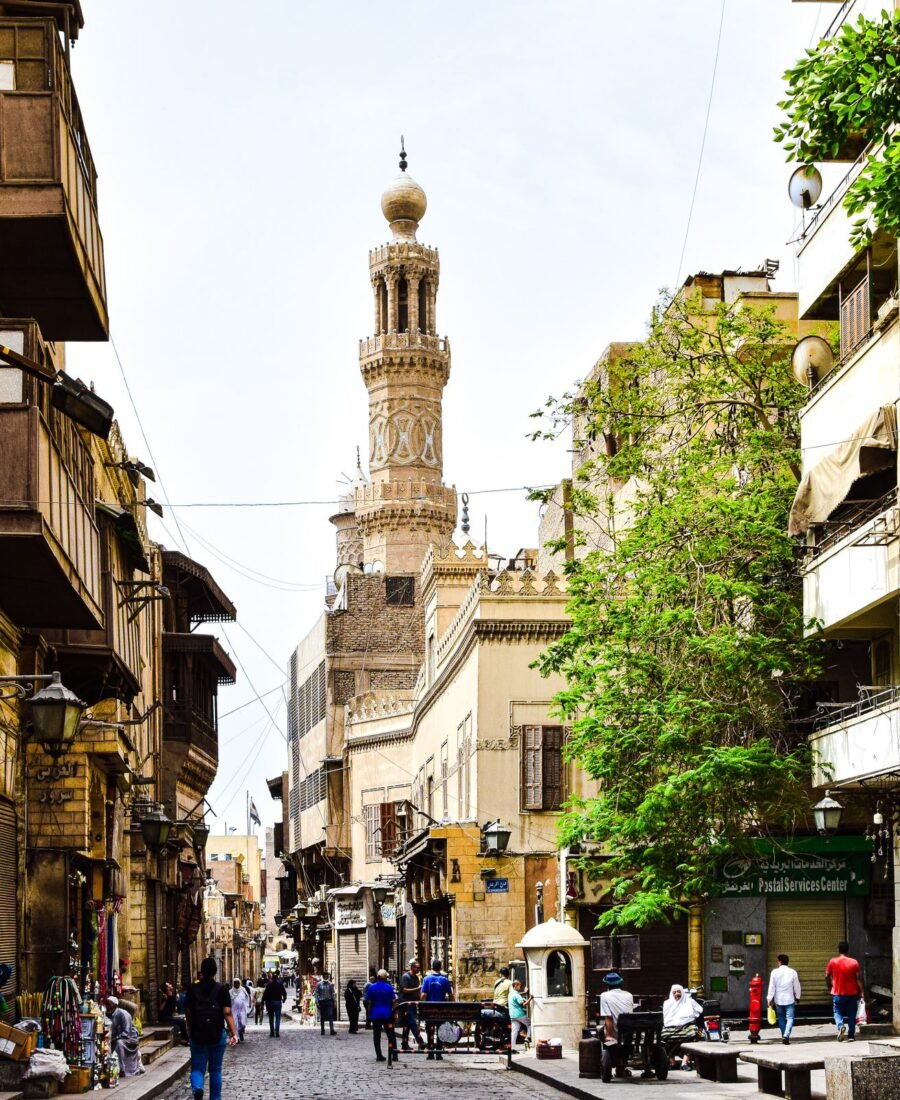
Explore the spiritual landscapes that shaped early Christianity and monasticism.
Request current rateExplore →