
Notice the environmental change
The shift from Nile cultivation to arid mountains and open sea is one of the strongest geographical transitions in the country.
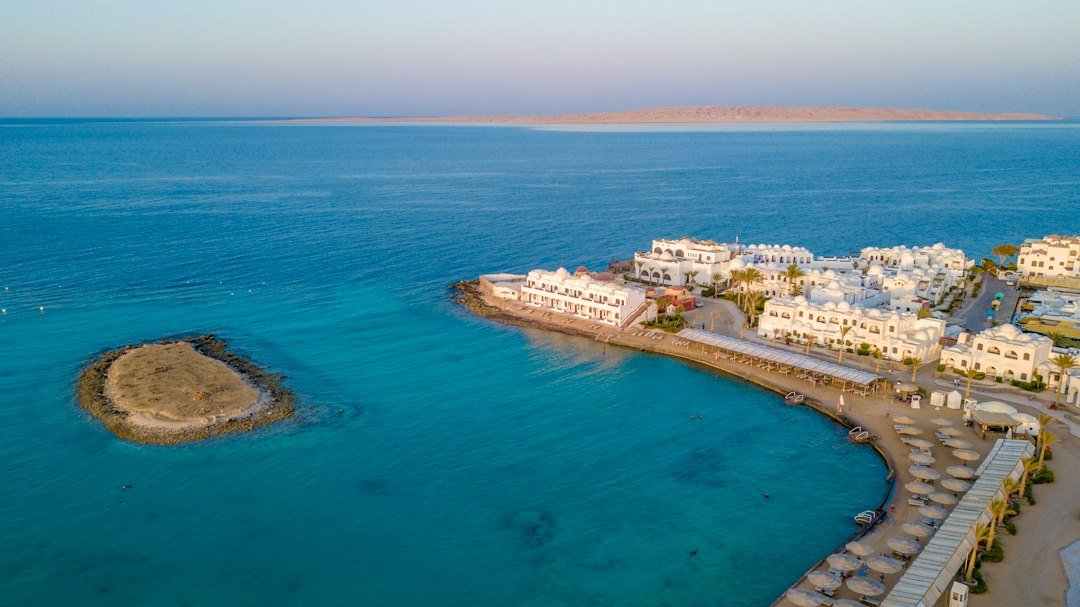
Combine Egypt’s archaeological heart with restorative time by the Red Sea.
Egypt & the Red Sea combines cultural travel with a coastal chapter, using fourteen days to separate intensive archaeological touring from genuine recovery or marine time. The Red Sea is included because it changes the rhythm of the journey, not simply because another resort can be added.
The contrast is deliberate. After the archaeological chapters of Cairo and the Nile Valley, the coast introduces a different landscape and pace, allowing the journey to finish with both geographical contrast and genuine rest.
The journey is organised around historical questions and landscapes, not around adding stops for their own sake.
Egypt & the Red Sea is built on contrast. The archaeological chapters explain how river agriculture, desert routes and royal institutions shaped the Nile Valley; the coastal chapter introduces a radically different environment where mountains, coral sea and maritime movement dominate. The Red Sea should not feel like a holiday attached to the end of a history tour. Its landscape has long been connected to trade, pilgrimage and routes across the Eastern Desert, even when the final days are deliberately restful. How much historical interpretation is included on the coast depends on the final route and your interests.
The shift from Nile cultivation to arid mountains and open sea is one of the strongest geographical transitions in the country.
A slower coastal chapter lets the journey end with space to absorb what came before rather than adding more monuments.
Egyptian history includes maritime and desert movement as well as the Nile, even when the beach stay itself is contemporary.
Treat reefs as fragile ecosystems requiring the same respect given to archaeological sites.
Start with the defining experiences, then explore the journey frame and confirmed detail at the pace that suits you.
Protect the archaeological and historical purpose of the main Egypt route.
Add genuine coast or marine time rather than another fast hotel change.
Use the shift from touring to coast to create recovery within the journey.
Choose the final resort and transport only after dates, preferences and live availability are known.
The defining places and themes are established; your final sequence is prepared around your dates, pace and confirmed logistics.
The contrast is deliberate. After the archaeological chapters of Cairo and the Nile Valley, the coast introduces a different landscape and pace, allowing the journey to finish with both geographical contrast and genuine rest.
These are thematic chapters, not an invented operating sequence. Your confirmed itinerary determines the actual day-by-day order.
The cultural core establishes Egypt’s major historical landscapes.
Travel toward the Red Sea reveals the Eastern Desert and a different geography of movement.
The final chapter deliberately changes pace, using the sea as contrast and recovery rather than another checklist.
Your proposal confirms the exact version that applies to your dates and chosen accommodation.
The journey keeps its 14 Days / 13 Nights identity and core experiences. Your complete day-by-day plan, stays and timings are prepared personally once your dates, pace and accommodation preferences are confirmed.
The journey deliberately compares Egypt’s best-known river corridor with a second environment that shaped movement and exchange.
The itinerary uses contrast in pace as well as geography: concentrated interpretation followed by restorative time.
Egypt is not only the Nile Valley. A well-chosen Red Sea extension adds coastal geography and modern leisure context while allowing the archaeological chapters to remain focused rather than diluted.
Begin with a coherent journey, then adjust the pace, stays and experiences around the way you like to travel.
We will advise whether it strengthens the route for your dates and interests.
We will advise whether it strengthens the route for your dates and interests.
We will advise whether it strengthens the route for your dates and interests.
We will advise whether it strengthens the route for your dates and interests.
Customisation should strengthen the journey, not turn it into an exhausting list of additions.
Tell us how you like to travel →Underwater or coastal photography should prioritise environmental care: no touching coral, chasing wildlife or damaging reefs for a better image. On land, desert mountains meeting the sea create the strongest sense of place.
Travellers who want every day to be archaeology-heavy may find the Red Sea chapter too relaxed. Those who value a balanced cultural journey with genuine recovery time are the intended audience.
The exact Red Sea destination, hotel, transfer route and number of coastal nights are confirmed in your proposal. Seasonal weather, room availability and transport make this a date-specific quotation.
Couples, families and first-time travellers who want serious cultural touring followed by a restorative Red Sea chapter.
The selected Red Sea destination, hotel and room category are confirmed in your proposal according to your dates, preferred travel style and the route that fits the wider journey.
The defining places and historical focus are established, while the operating order is confirmed around current access, opening conditions, local logistics and your pace. Your final programme states the sequence clearly before travel.
Rest is an important purpose, but the wider landscape can also open discussion of maritime routes, Eastern Desert geography and environmental heritage when that suits your final itinerary.
Because sustained interpretation is demanding. A well-designed pause can improve the quality of the entire trip rather than reduce it.
By following local conservation rules, avoiding contact with coral or wildlife and choosing operators whose practices protect the reef environment.
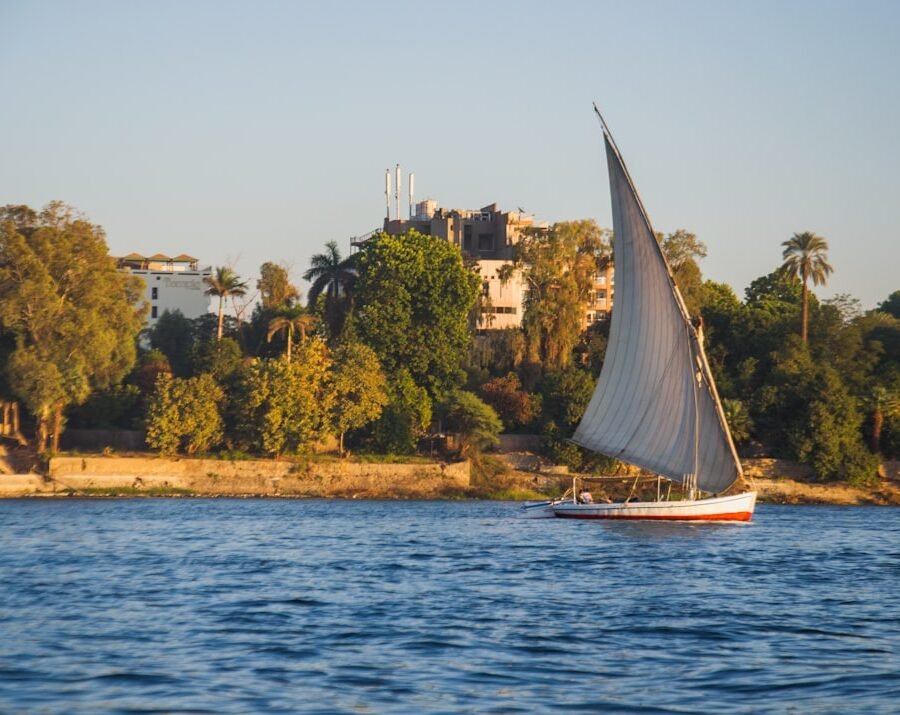
A focused first journey through Cairo and the Nile, designed to make Egypt feel connected rather than fragmented.
Request current rateExplore →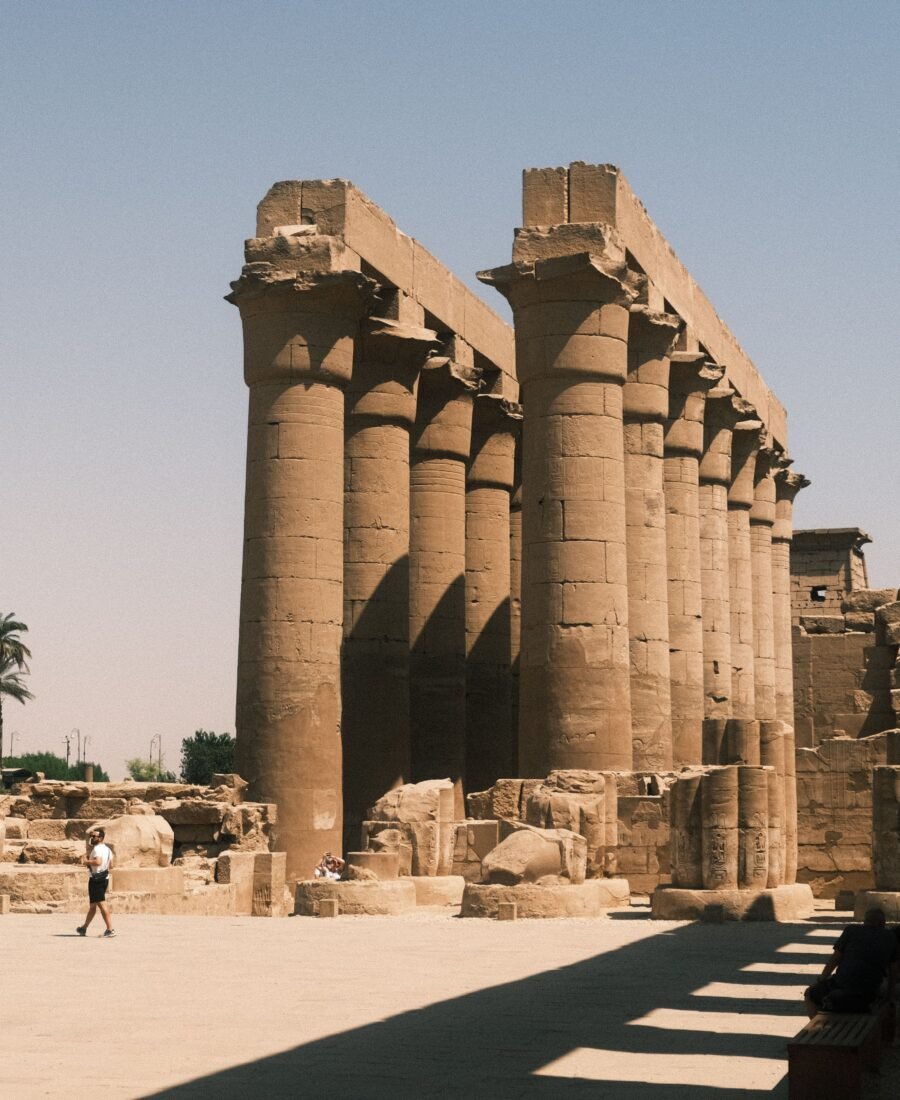
Experience Egypt not as a tourist, but through the history, culture and people who know it as home.
Request current rateExplore →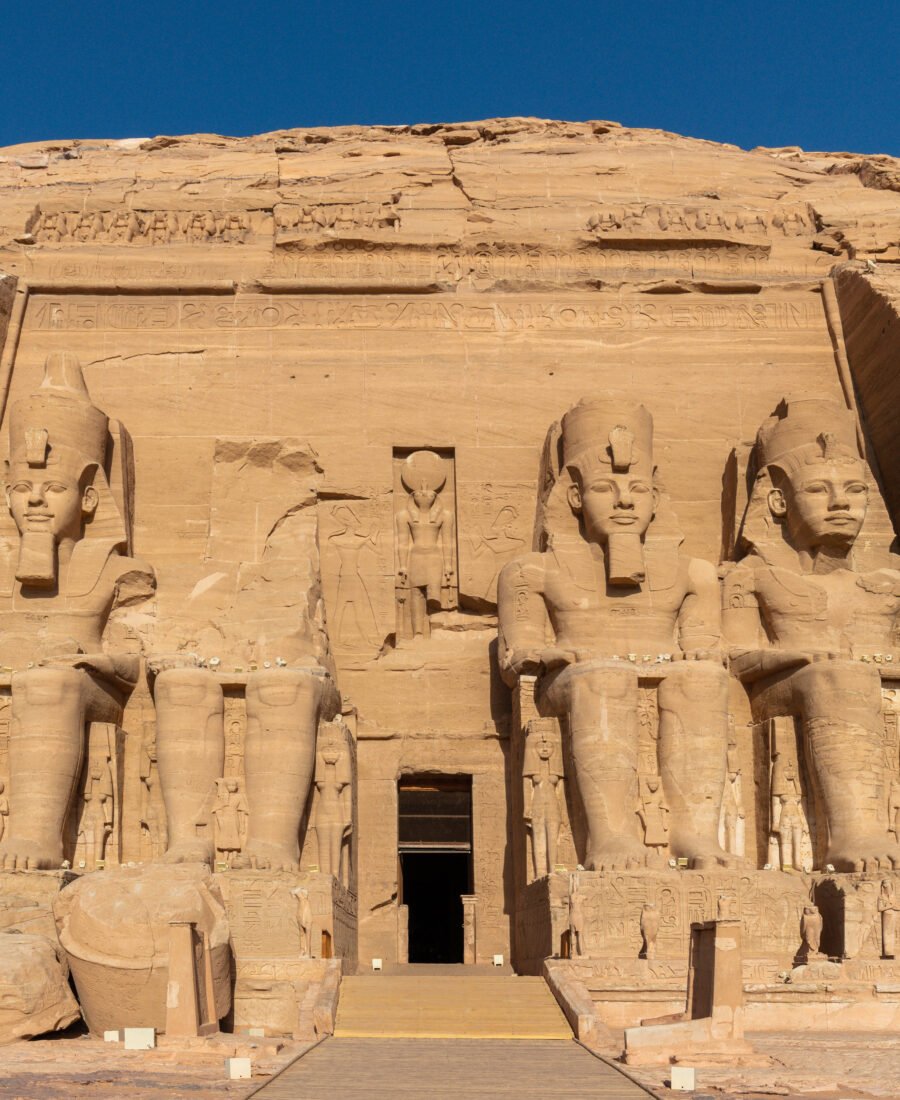
A broader, slower journey for travellers who want the major historical landscapes and enough time to understand how they fit together.
Request current rateExplore →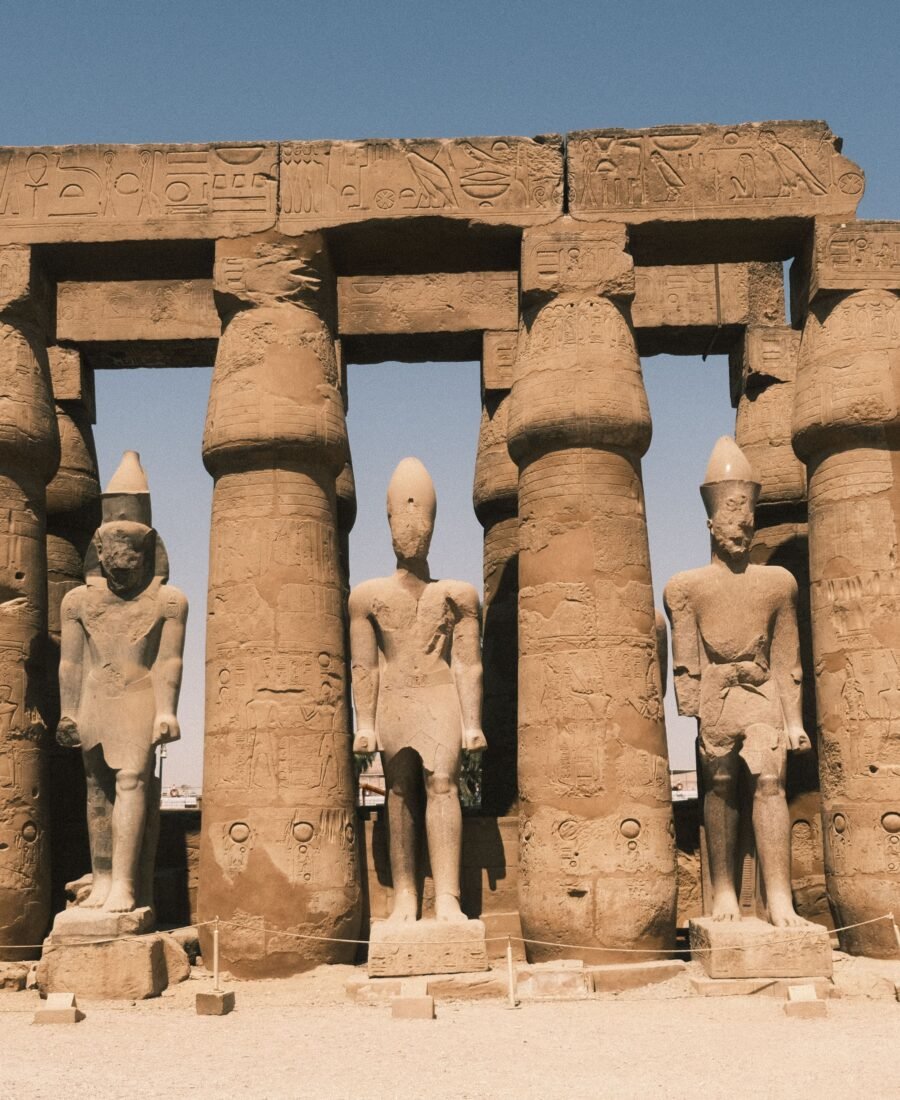
Follow Egypt’s sacred landscapes, temple ideas and Nile geography through an Egyptologist-led journey.
Request current rateExplore →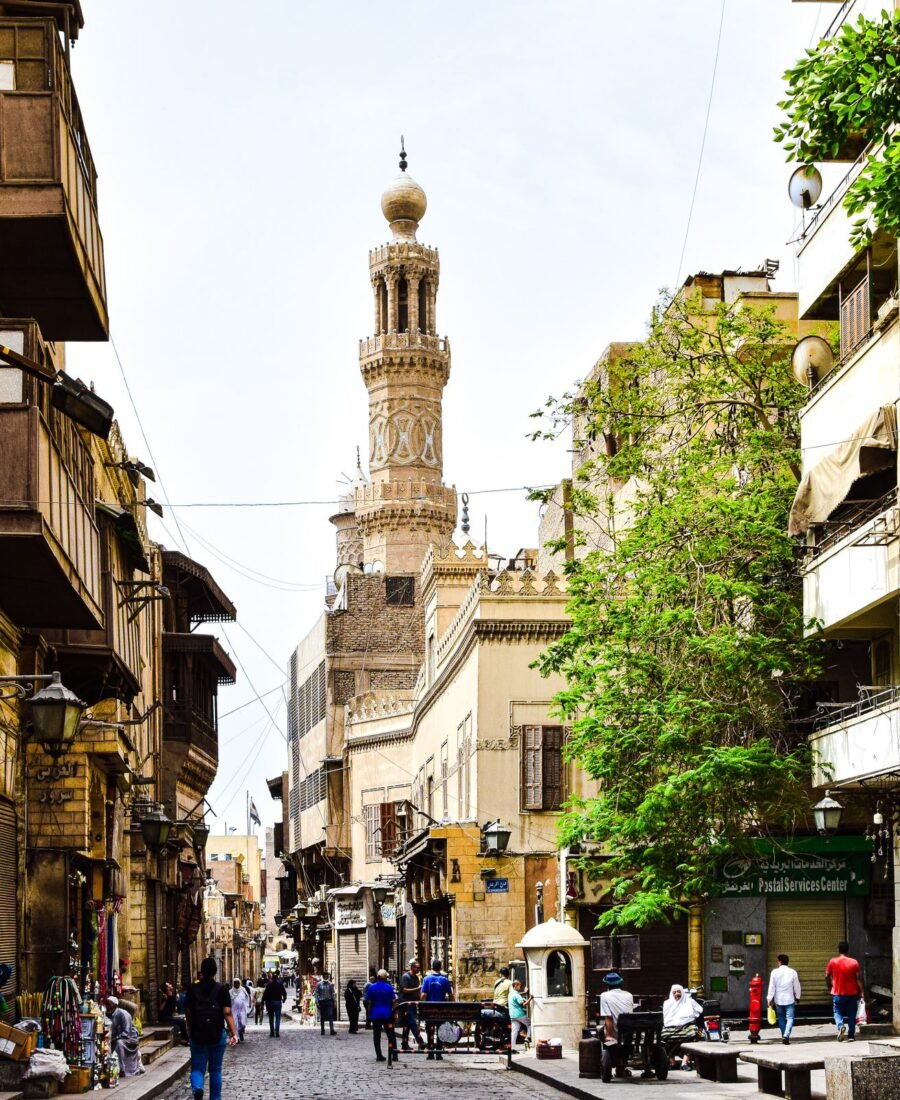
Explore the spiritual landscapes that shaped early Christianity and monasticism.
Request current rateExplore →