
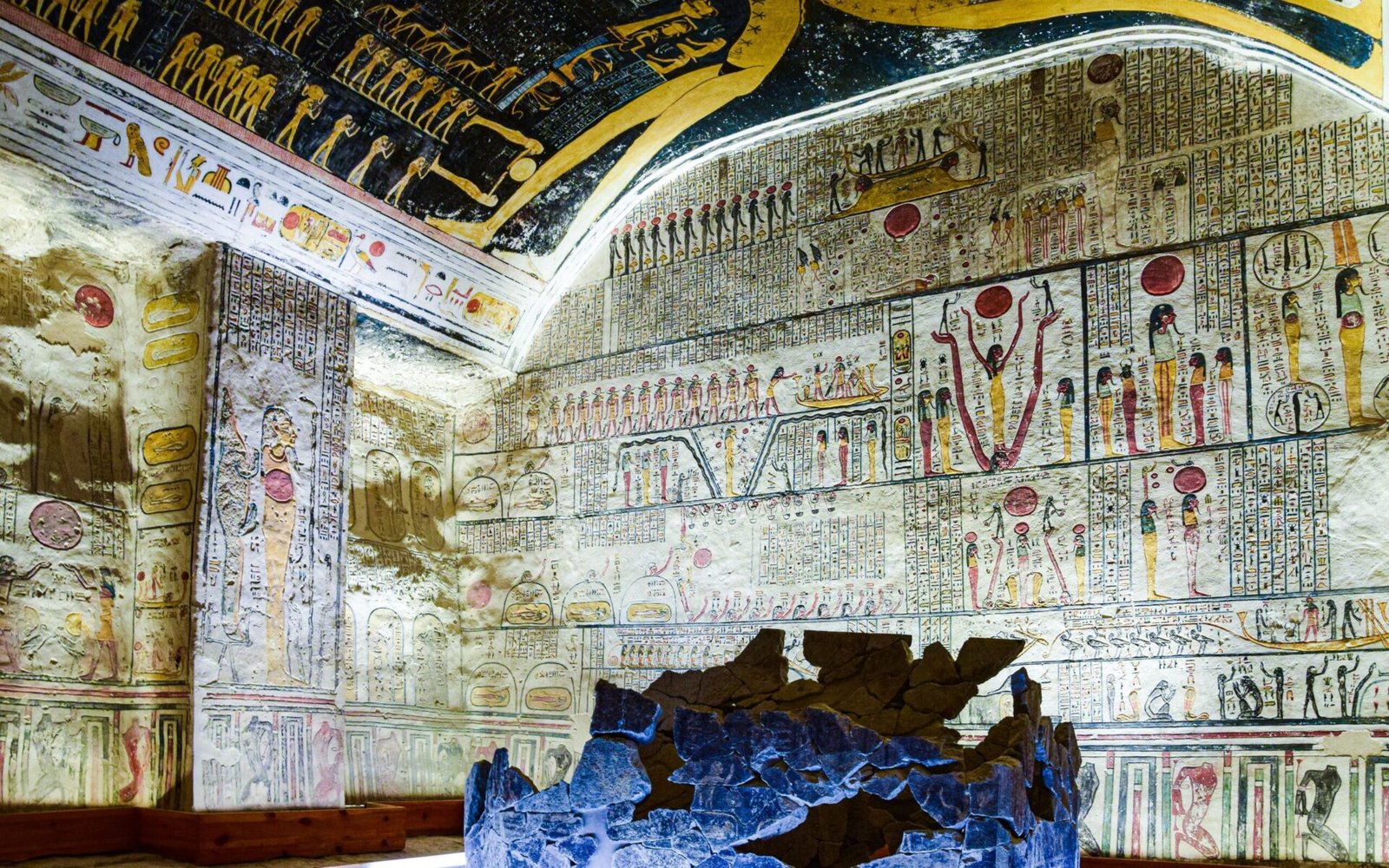
Amarna
Amarna preserves the short-lived capital founded by Akhenaten, where city planning, royal art and Aten-focused religion can be studied within the landscape that shaped the experiment.
Read the monument as part of a larger Egyptian story
The site is not a single temple or tomb but the remains of an entire royal city spread across the desert plain. Boundary stelae, elite tombs, palaces, temples and settlement archaeology allow the reign to be studied through both ideology and urban life.
Historical context
Akhenaten established Akhetaten in the Eighteenth Dynasty as a new capital associated with the Aten. The city was occupied for a relatively short period, which gives archaeologists an unusually concentrated view of one reign and its aftermath.
Details that help the site make sense
These are interpretive features to notice, not a promise of a fixed walking order or permanent access to every area.
Desert plan
The relationship between cliffs, boundary stelae and city zone is central to Akhenaten’s foundation ideology.
Royal and elite tombs
Decoration presents the royal family and Aten-focused religious programme in distinctive ways.
Settlement archaeology
Houses and work areas complicate a story often told only through royal art.
The detail that changes how you see the place
Amarna is most useful when it is freed from sensational labels. Religious innovation was real, but the city also had administration, households, labour and practical problems like any capital.
What an expert eye notices
Sun rays and hands
Aten imagery is highly distinctive but should be read within specific ritual scenes.
Royal family representation
Unusual proportions and intimacy reflect Amarna-period artistic choices and ideology.
Landscape horizon
The cliffs and sunrise axis mattered to the city’s symbolic geography.
Questions travellers ask about Amarna
Historical context stays stable; operating details are confirmed for your date because access and visitor rules can change.
Why did Akhenaten build Amarna?
He founded a new royal capital closely associated with the Aten and his religious-political programme.
Was Amarna abandoned quickly?
The city lost its capital status soon after Akhenaten’s reign and was largely abandoned, though its archaeological history is complex.
Is the site easy to visit?
Amarna is extensive and access/logistics require specialist planning; exact routes should be confirmed for the travel date.
Tours and journeys that include Amarna
The same canonical site guide can belong to several experiences. Each tour explains why the place matters to that particular story.
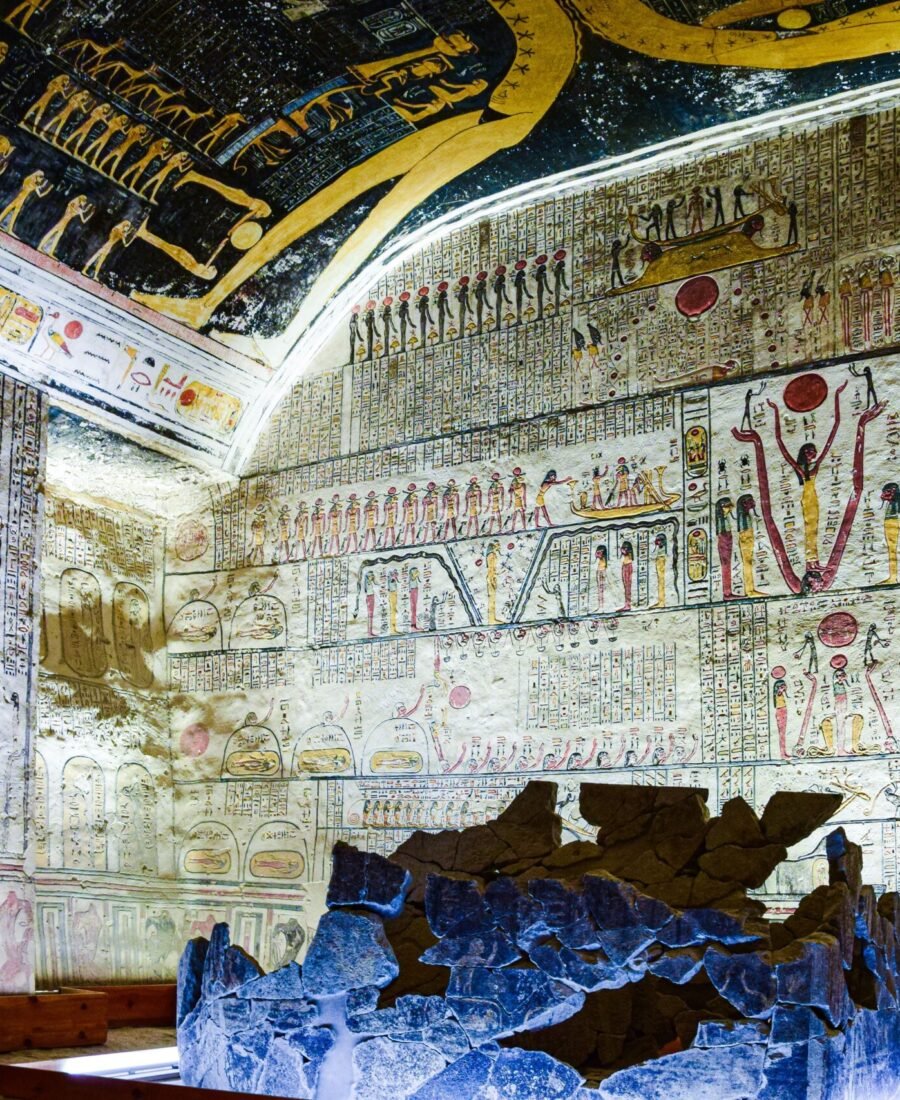
The Lost Capital: Amarna
Explore the city that challenged thousands of years of Egyptian religious tradition.
Request current rateExplore →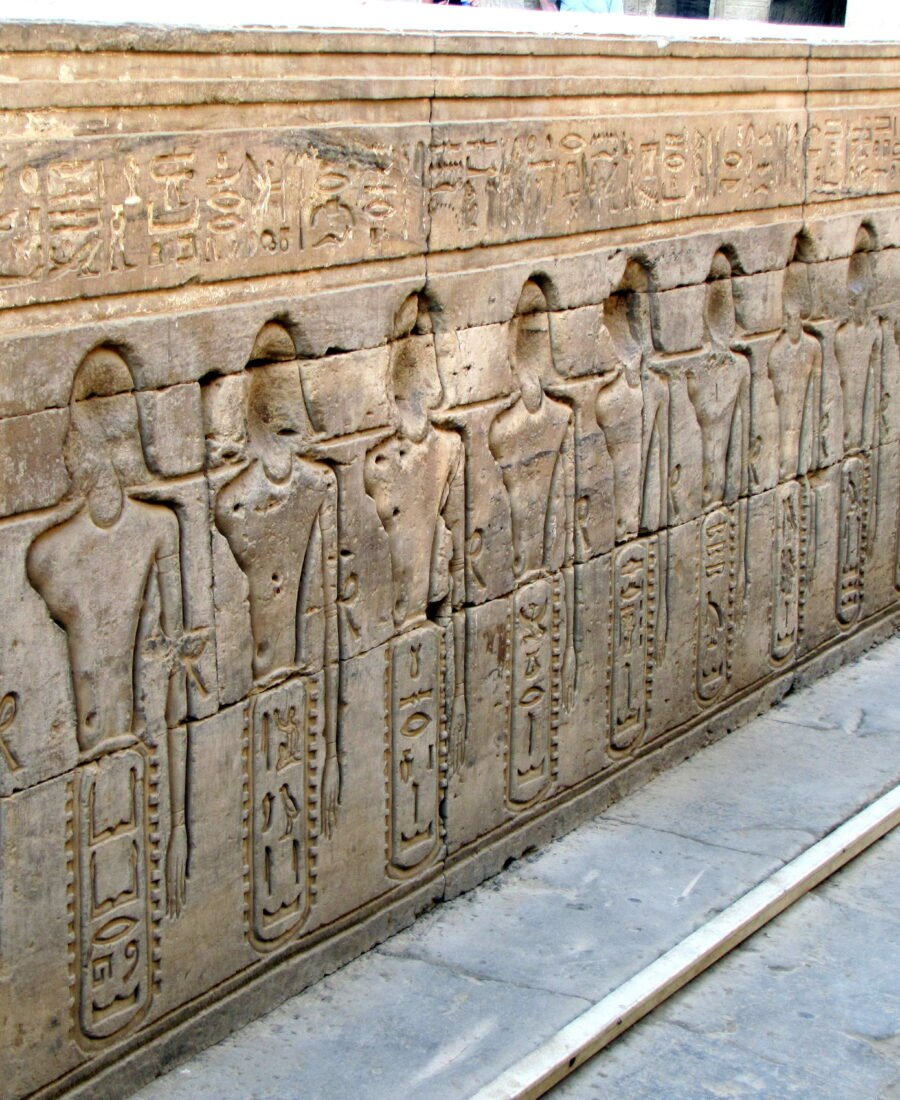
The Sacred Middle Egypt Journey
Travel through one of Egypt’s most overlooked historical landscapes.
Request current rateExplore →This field guide is maintained against authoritative heritage and institutional references where available. Current operations are verified separately.
See Amarna with context, not as another checklist stop
Tell us the places and historical themes that interest you. We will build the touring day around a coherent story and the conditions for your travel date.
Start Planning