
Tombs are texts in architecture
In the Valley of the Kings, follow how passages, chambers and painted compositions create a ritual journey rather than treating decoration as wallpaper.
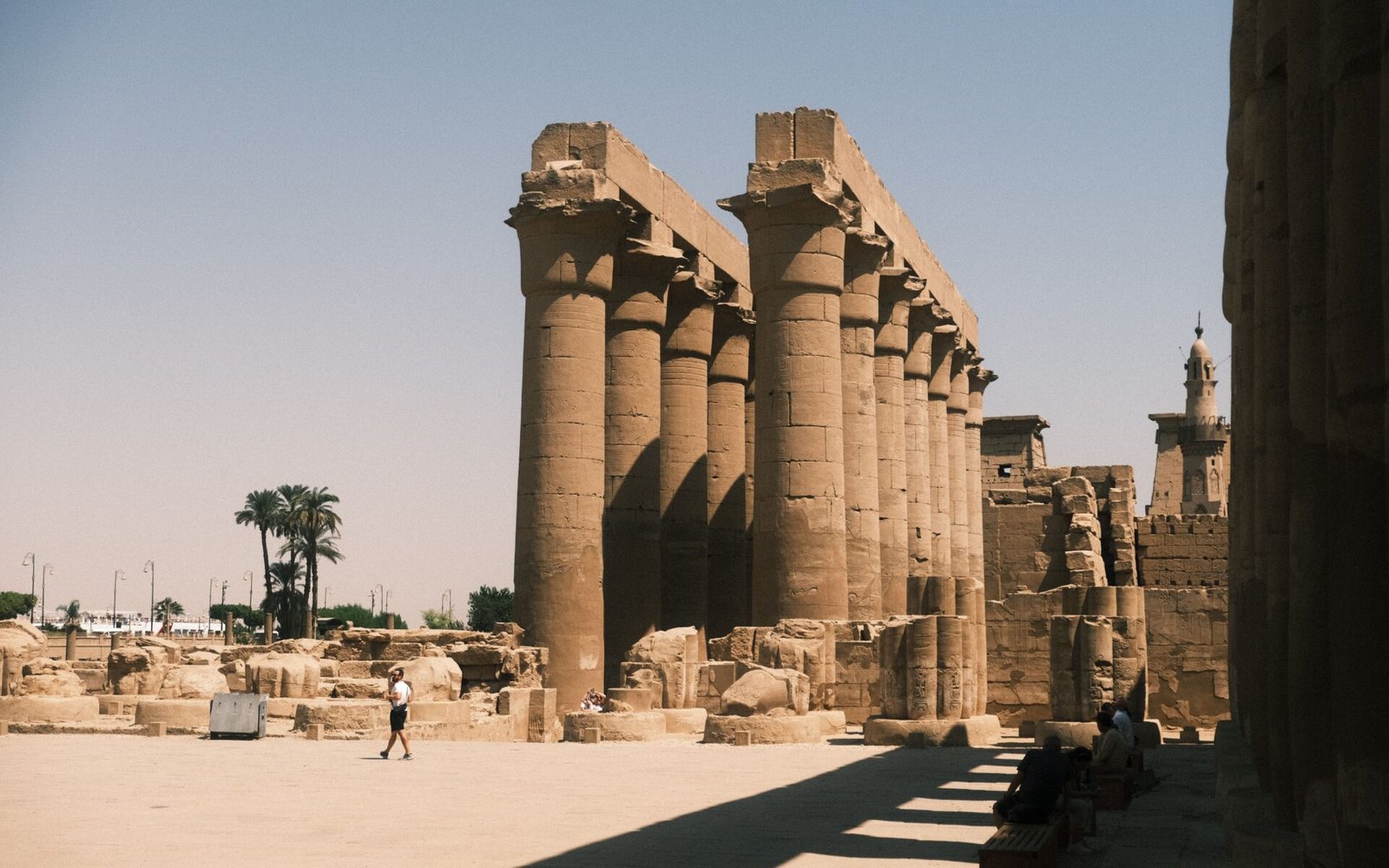
Walk through the ceremonial heart of ancient Egypt.
Luxor was conceived as one magnificent sacred landscape, where temples, royal tombs and ceremonial monuments together expressed power, belief and the eternal legacy of the pharaohs. This private day connects the royal West Bank with the monumental temple complexes of the East Bank so that ancient Thebes can be understood as one city rather than a checklist of sites.
The sequence begins with the landscape of death and rebirth on the West Bank before crossing into the ceremonial world of Karnak and Luxor Temple. A local lunch creates a natural pause between the two halves of the story.
Interpretation stays close to archaeology, text, landscape and what the evidence can actually support.
Ancient Thebes was organised around the Nile and around a powerful religious geography. On the West Bank, royal tombs and memorial temples addressed death, regeneration and the cult of deceased kings. On the East Bank, Karnak and Luxor Temple served the living cult of Amun and major royal rituals. The West Bank → lunch → East Bank order therefore follows an intellectual movement as well as a practical route: from the hidden royal afterlife in the desert, through memorial architecture, to the public ceremonial city of the gods and the king.
In the Valley of the Kings, follow how passages, chambers and painted compositions create a ritual journey rather than treating decoration as wallpaper.
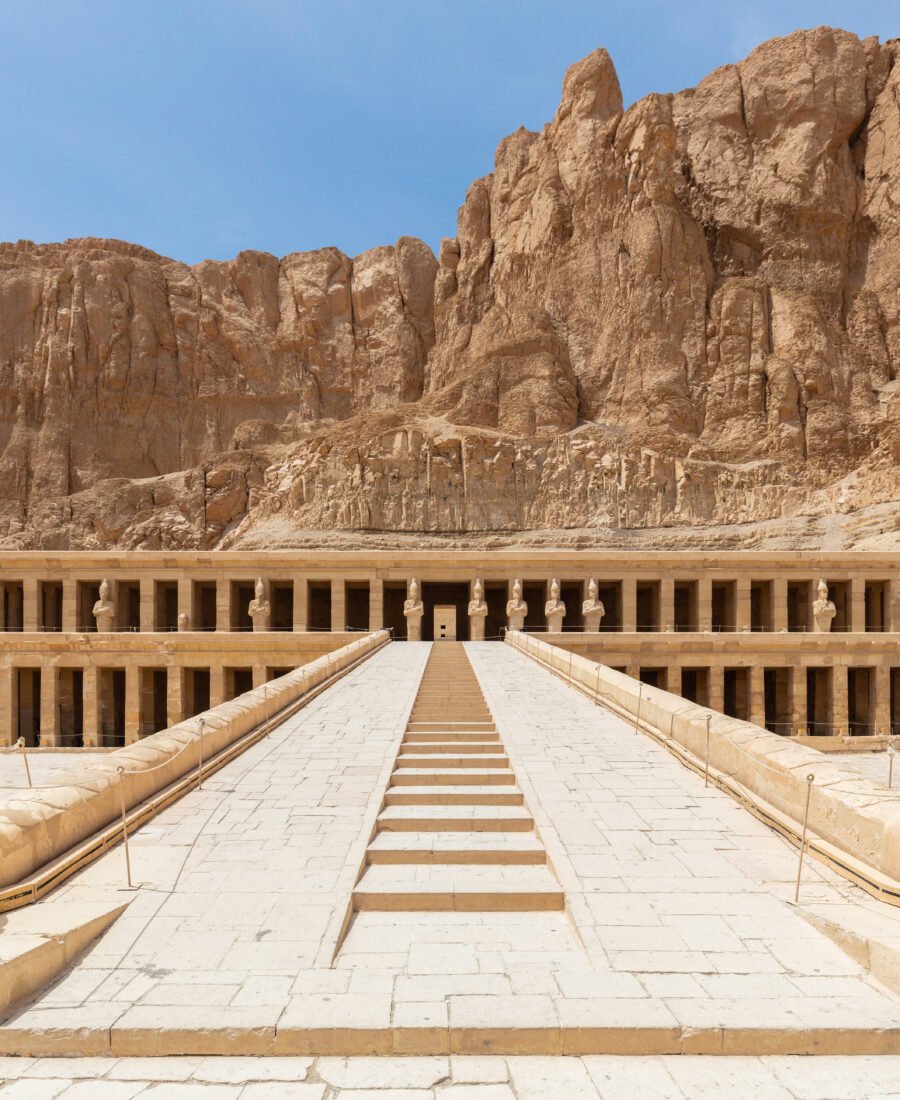
Notice how the terraces of Deir el-Bahari use the cliffs themselves as part of the monument’s visual and sacred design.
The Colossi of Memnon are only the monumental survivors of Amenhotep III’s once-enormous memorial complex.
Different rulers added pylons, courts, halls and monuments over centuries, so the temple complex preserves political history in stone.
Look for how the temple’s processional relationship with Karnak helps explain royal renewal and festival rather than seeing it as a smaller duplicate of Karnak.
A few defining moments reveal the character of the experience before you explore the full experience.
Explore the royal burial landscape beneath the Theban Hills.
Read architecture, kingship and political memory at Deir el-Bahari.
See the sanctuary as a record of belief, power and architectural ambition.
Connect the funerary landscape with the ceremonial temples of the living city.
Create breathing space between the two halves of the story.
Leave room for questions, observation and photography.
These are approved places in the experience. The cards are intentionally unnumbered because their display order does not imply an operating sequence.
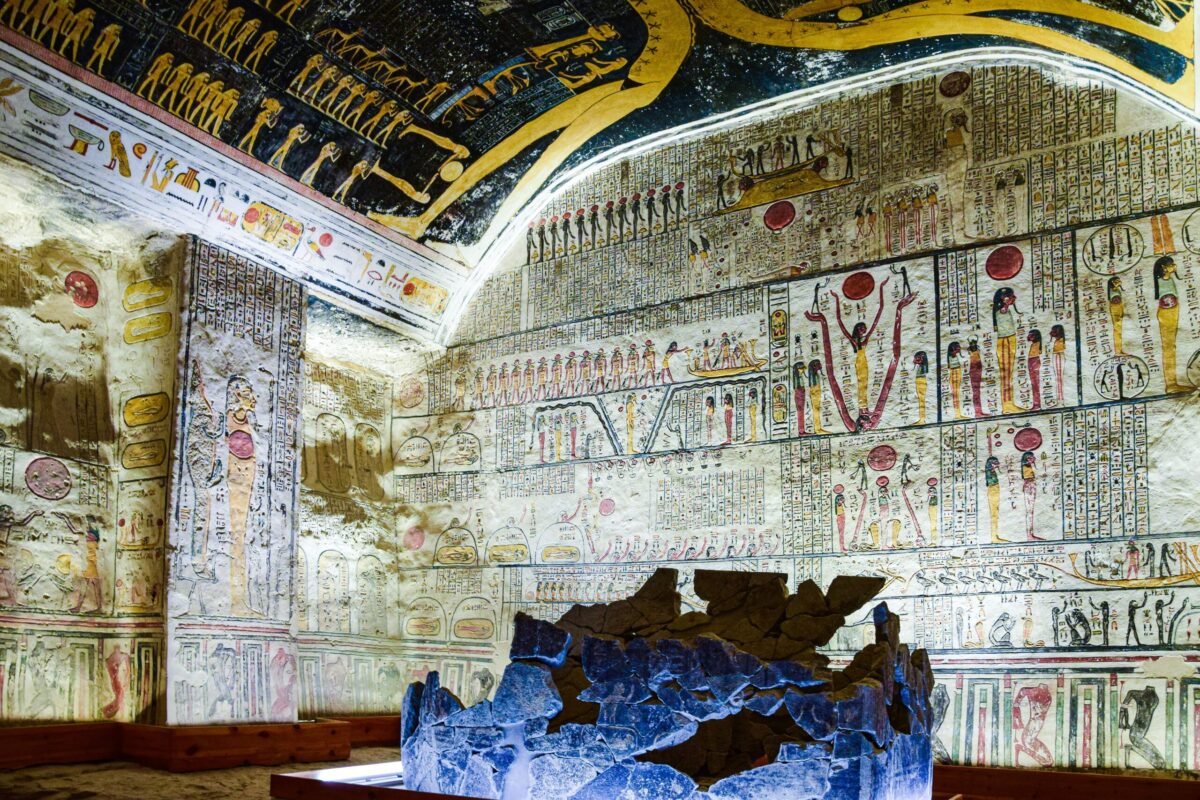
Begin with the royal tomb landscape and the changing ideas of kingship and afterlife represented there.
Read the site guide →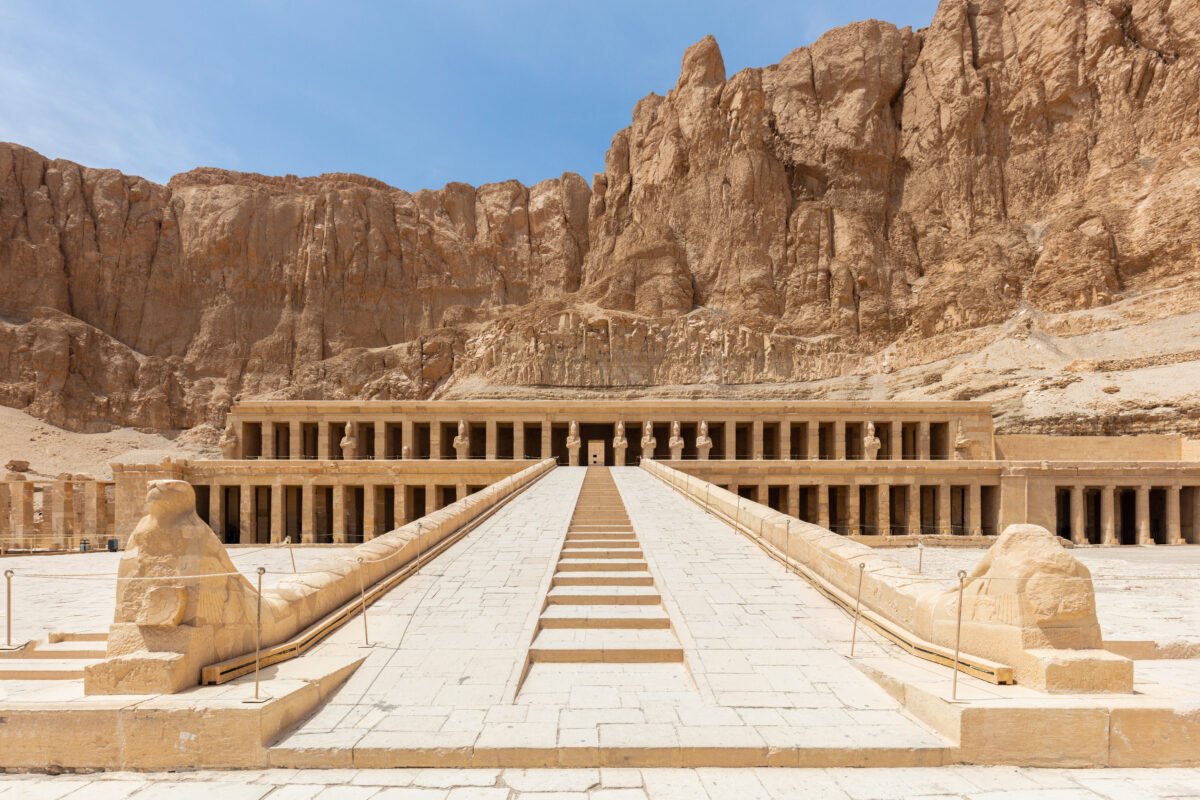
Place Hatshepsut's memorial temple within the cliffs and the broader royal landscape of Deir el-Bahari.
Read the site guide →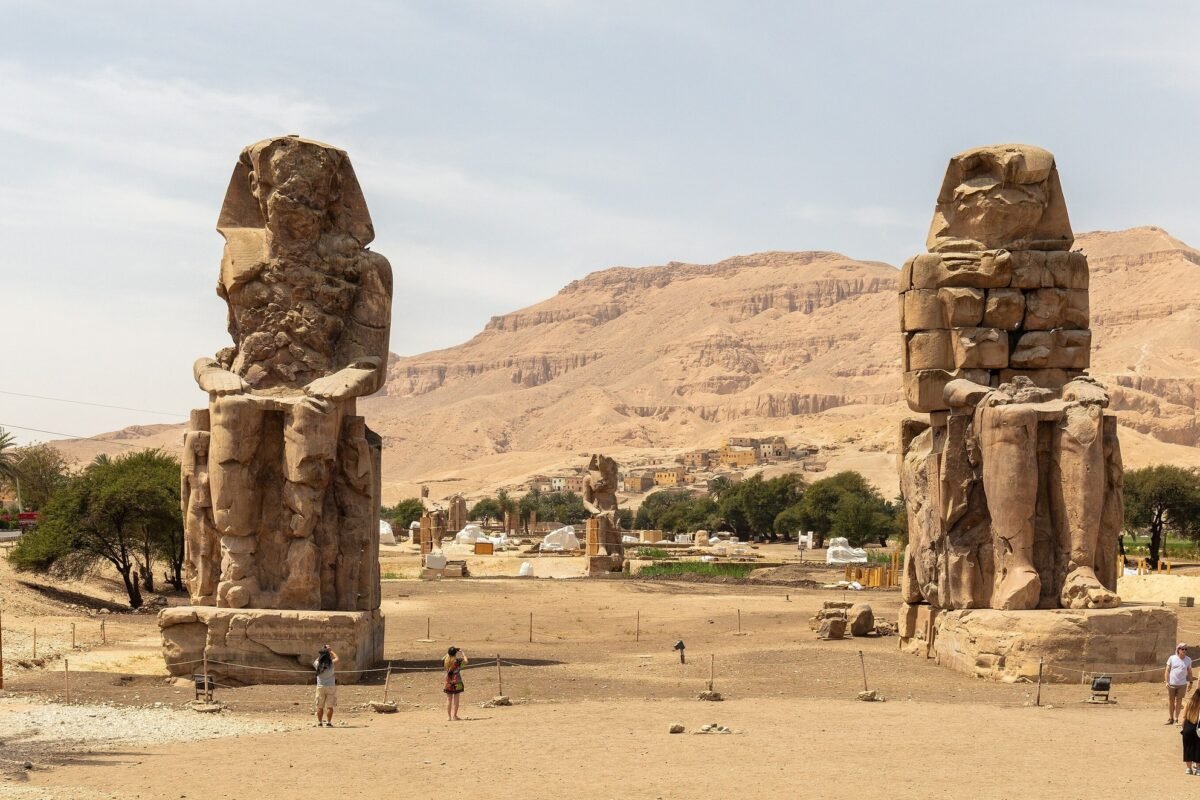
Use the surviving statues to evoke the scale of Amenhotep III's once-vast memorial complex.
Read the site guide →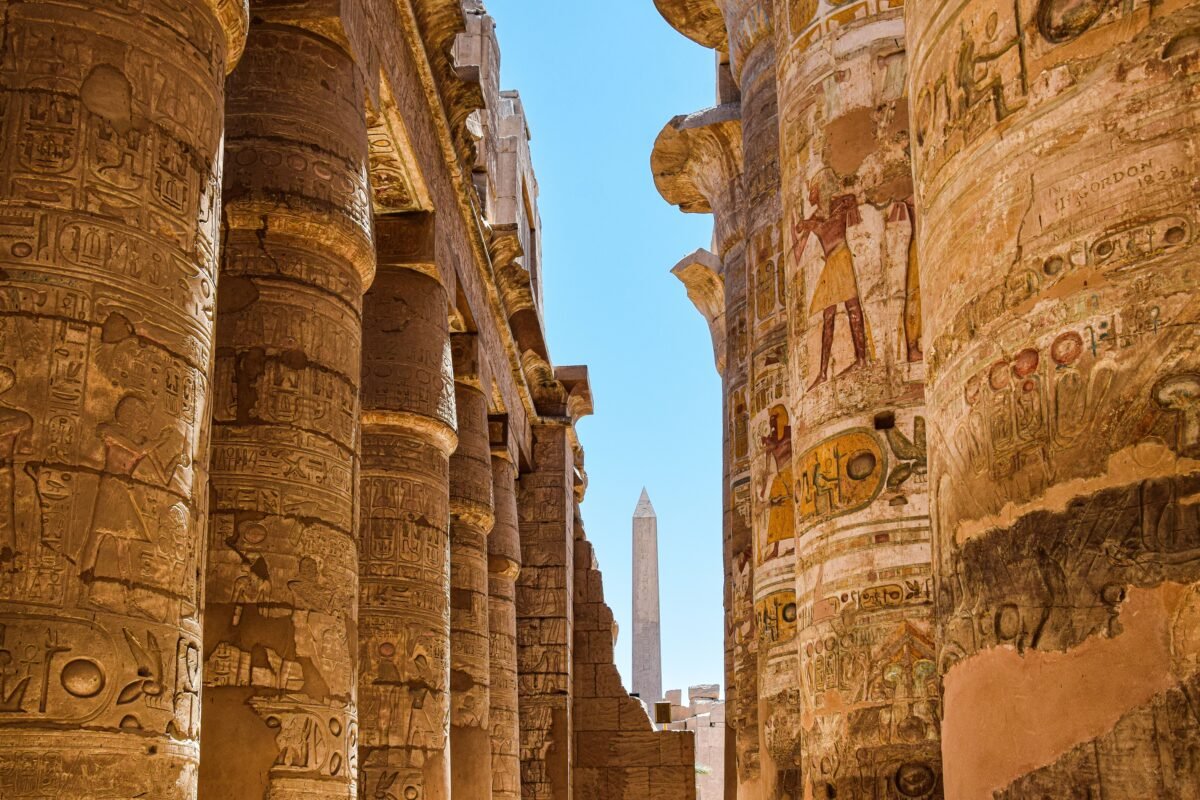
Enter the vast state temple through selected themes of architecture, cult, kingship and festival.
Read the site guide →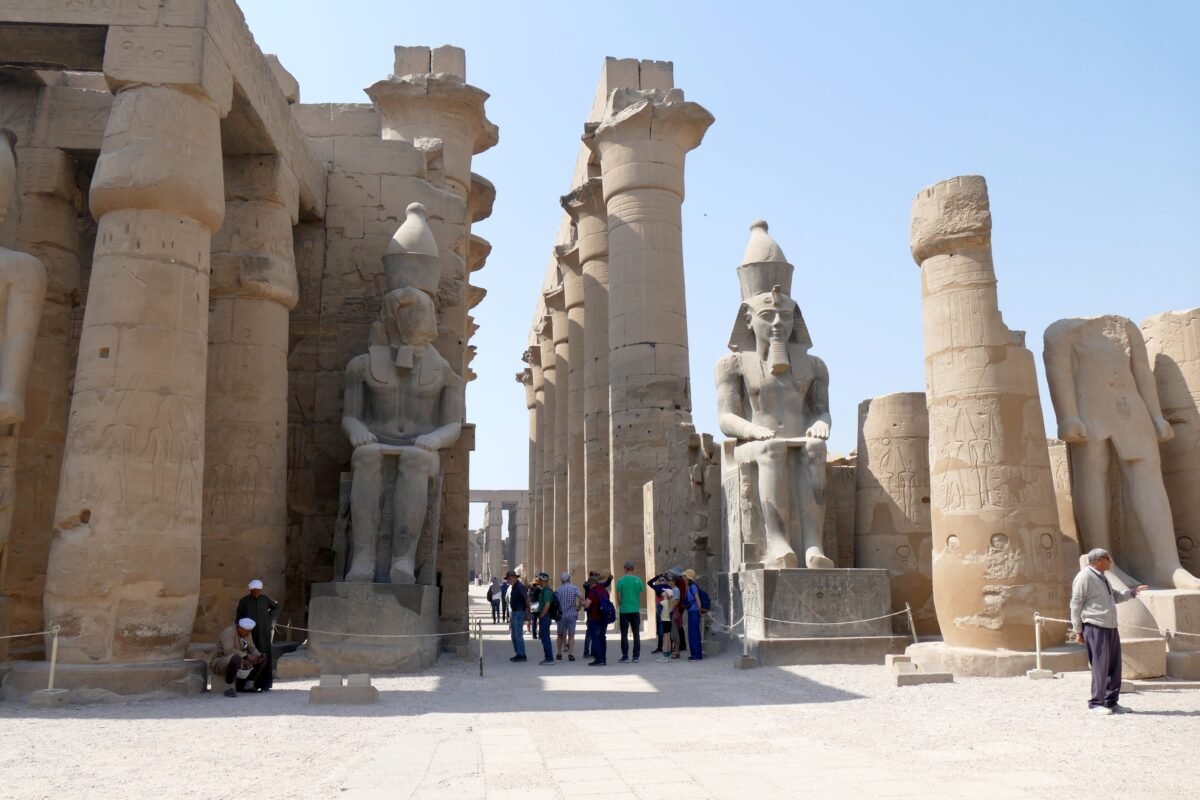
Finish with a temple closely tied to royal renewal and the processional landscape linking Luxor with Karnak.
Read the site guide →The two banks represent related but different ritual worlds: funerary and memorial landscapes in the west, active divine cult and royal ceremony in the east.
Royal legitimacy depended on relationships with the gods; temple ritual and royal burial are two sides of the same political and religious system.
Desert cliffs, cultivated land, river crossings and processional routes were part of how Thebes communicated sacred meaning.
The most important difference is context. The Valley of the Kings, Hatshepsut’s temple, Karnak and Luxor Temple were created for different purposes, yet all belong to the same Theban religious and political landscape. Your Egyptologist connects those relationships as the day unfolds.
Your Egyptologist can spend more time where your curiosity is strongest and move more lightly through what matters less, while keeping the day coherent and well paced.
Tell us how you like to travel →Ask us whether this addition fits your date, pace and route.
Ask us whether this addition fits your date, pace and route.
Ask us whether this addition fits your date, pace and route.
Ask us whether this addition fits your date, pace and route.
When an approved public rate is available, the calculator shows the relevant private-party basis. Otherwise, we prepare a personal quotation after checking the date, party and operating arrangements.
The West Bank rewards close detail in tomb paintings and strong landscape compositions at Deir el-Bahari; the East Bank rewards architectural perspective, especially long axes through pylons and columns. Tomb photography rules can vary and some chambers restrict equipment, so current site regulations take priority.
This is a genuinely full day. Travellers who want longer, slower time in individual tombs or temples should consider Royal West Bank plus Sacred Heart of Thebes on separate days, or the two-day Complete Thebes Experience.
The day includes archaeological walking, uneven surfaces and open sun. Your exact pickup time is confirmed around the season and where you are staying.
Yes. Thebes Essential is structured as a private Egyptologist-led experience.
Yes, a local lunch is included in the current master content.
Special-entry tombs are optional unless specifically added to your confirmed proposal.
Yes. Pacing and optional additions can be discussed around your interests and local conditions while keeping the day coherent.
Enter the royal and funerary landscape of ancient Egypt.
Request current rateExplore →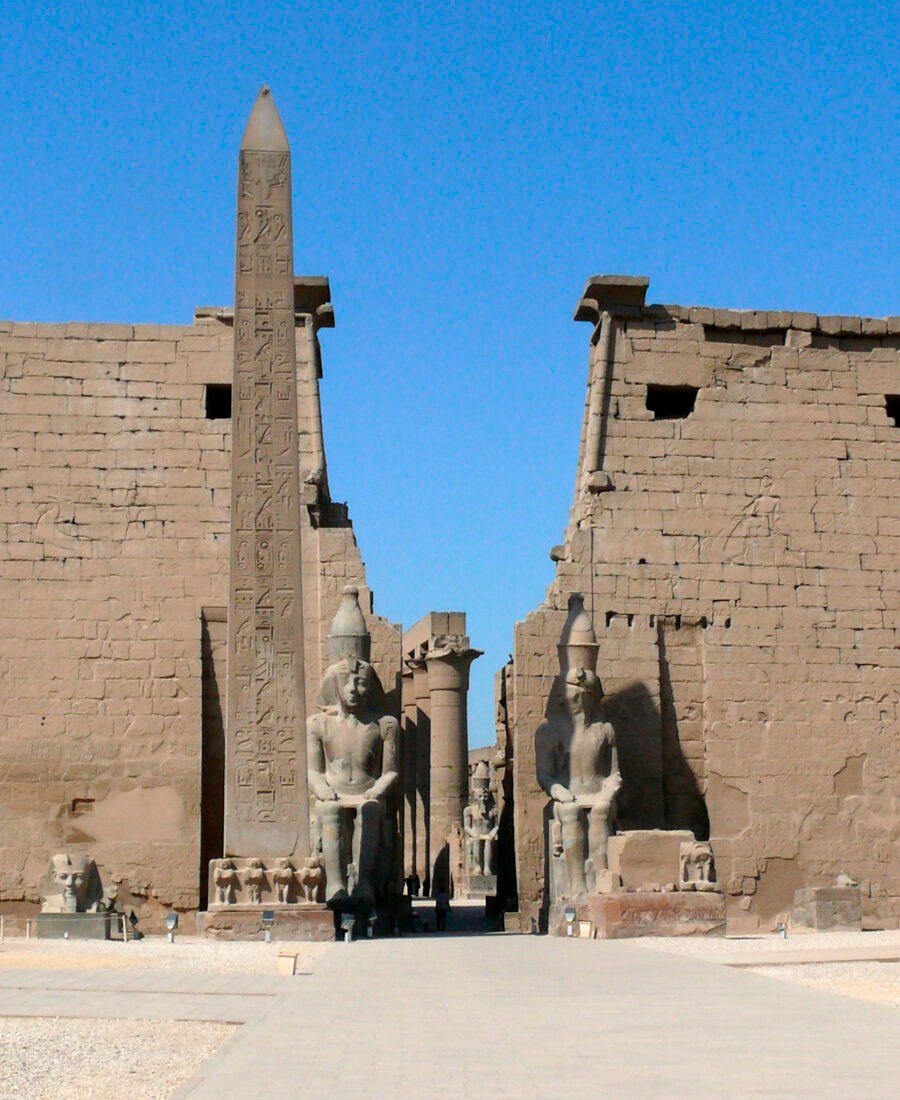
Explore the monumental and ritual heart of ancient Thebes on the East Bank.
Request current rateExplore →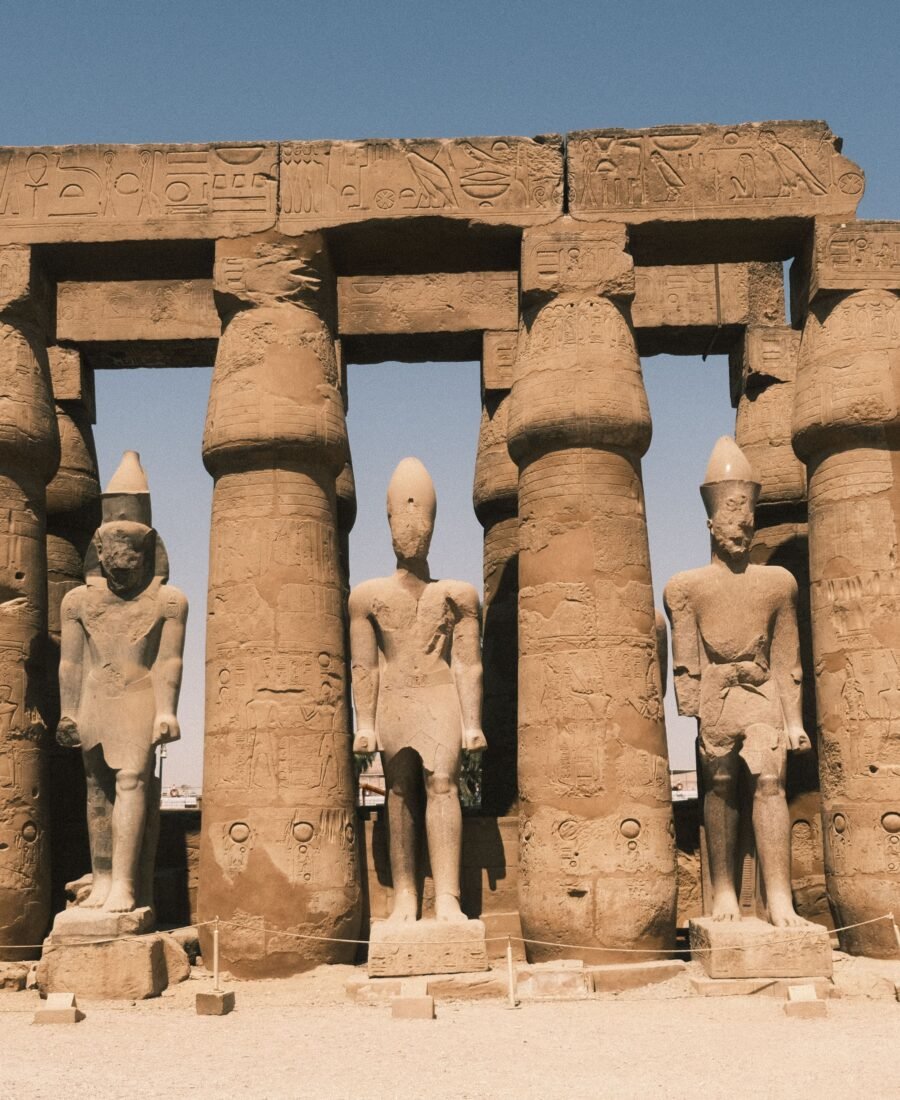
Experience Thebes beyond the highlights, with time to connect its royal, sacred and human landscapes.
Request current rateExplore →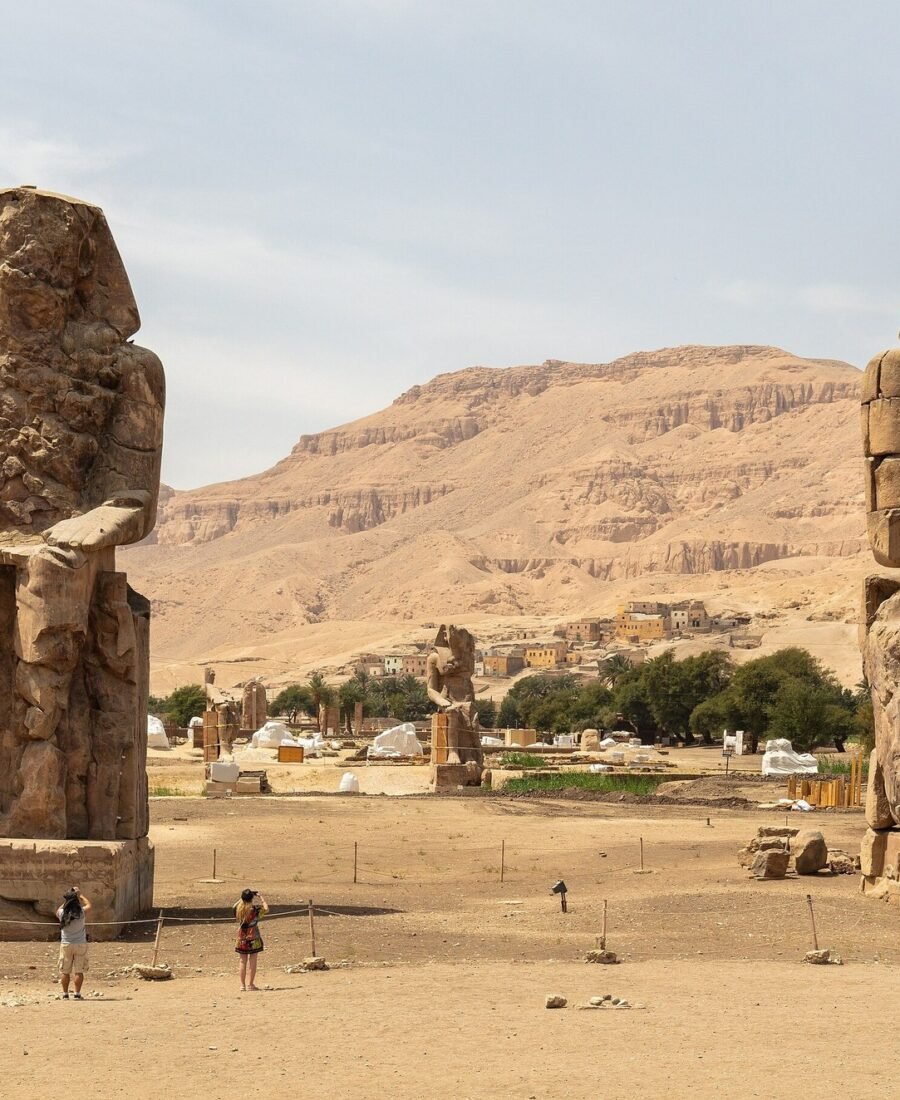
Step beyond the best-known monuments into the quieter archaeological landscape of western Thebes.
Request current rateExplore →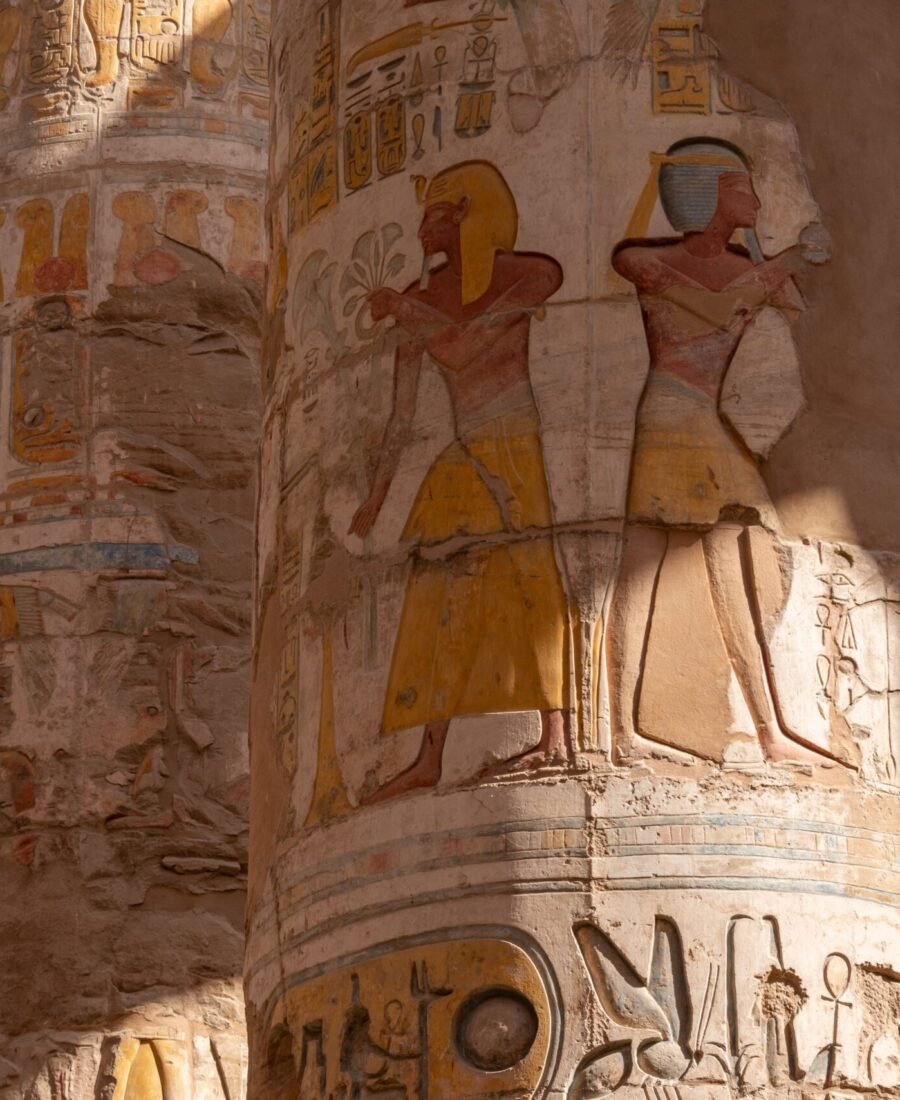
Travel into the spiritual heart of ancient Egyptian religion.
Request current rateExplore →