
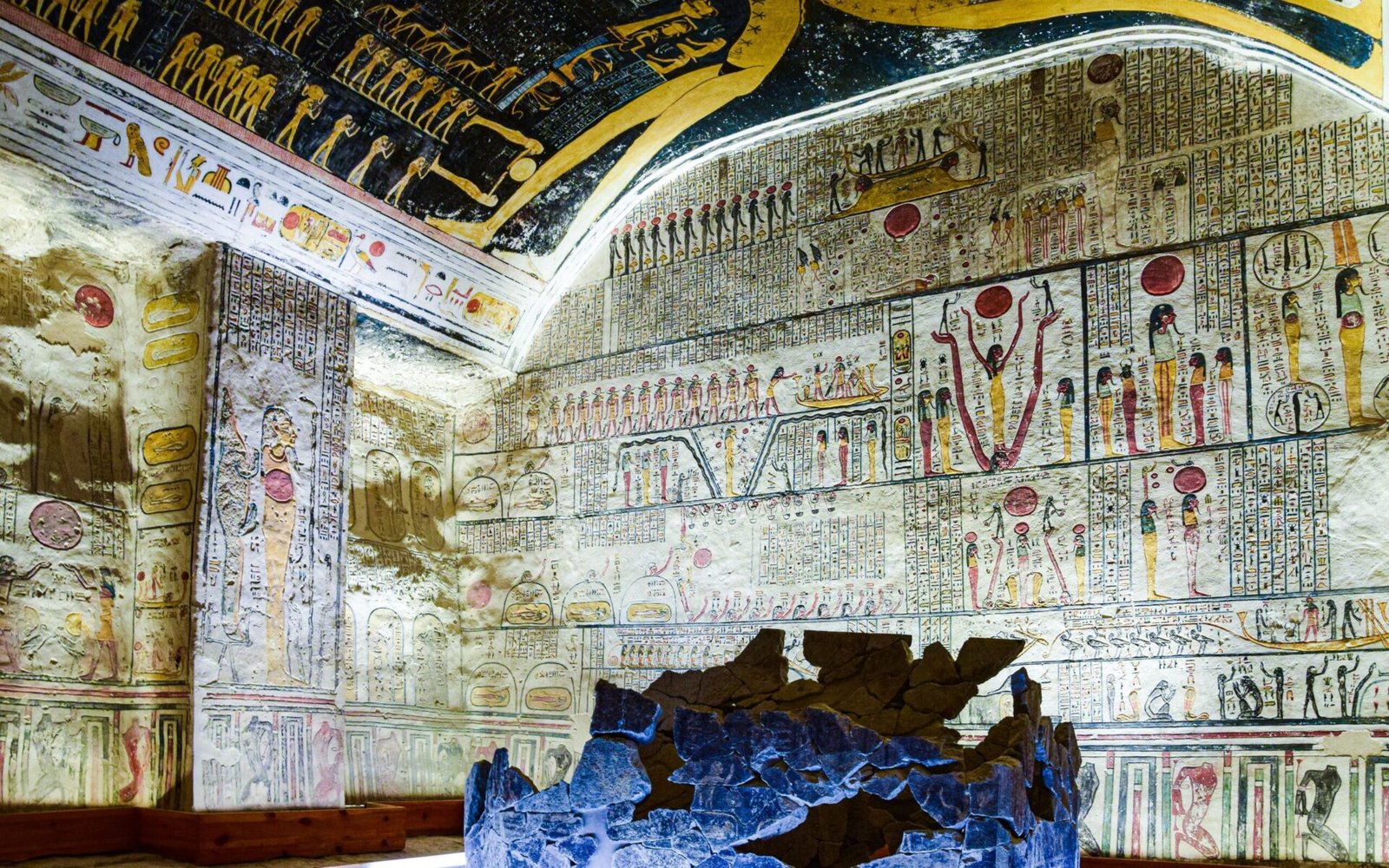
Valley of the Kings
Explore the Valley of the Kings as a planned royal burial landscape of New Kingdom Thebes, where tomb architecture and funerary texts map ideas of death and rebirth.
Read the monument as part of a larger Egyptian story
The Valley is far more than the tomb of Tutankhamun. Different royal tombs reveal changing architecture, artistic programmes and underworld texts across the New Kingdom. Because open tombs can rotate, the strongest visit focuses on how to read whatever is accessible rather than promising one fixed set.
Historical context
Rulers of the Eighteenth, Nineteenth and Twentieth Dynasties were buried in the valleys west of Thebes. The location, desert geology and western horizon all contributed to a landscape strongly associated with royal death and regeneration.
Details that help the site make sense
These are interpretive features to notice, not a promise of a fixed walking order or permanent access to every area.
Tomb architecture
Corridors, chambers and changing axes organise the king’s journey through the tomb.
Funerary texts
Books of the underworld and solar imagery place royal rebirth within a cosmic cycle.
Landscape
The isolated valley and western cliffs are part of the funerary logic, not just a backdrop.
The detail that changes how you see the place
A royal tomb should be read as architecture plus text plus image. The most beautiful chamber is not necessarily the most informative; small details can reveal how Egyptians imagined time, danger and transformation after death.
What an expert eye notices
Ceiling astronomy
Stars and celestial imagery turn chambers into a cosmic environment.
Directional change
Compare straight and bent tomb plans across different reigns.
Damage and preservation
Notice unfinished or damaged areas that reveal how tombs were made and altered.
Questions travellers ask about Valley of the Kings
Historical context stays stable; operating details are confirmed for your date because access and visitor rules can change.
Which tombs will we enter?
The standard ticket and open tombs can change, so exact selection is confirmed for the visit date.
Is Tutankhamun’s tomb included?
It often requires a separate ticket; it should only be promised when specifically included.
Why are the tombs on the West Bank?
The western horizon had strong funerary associations, and the valley also offered a secluded desert setting for royal burials.
Tours and journeys that include Valley of the Kings
The same canonical site guide can belong to several experiences. Each tour explains why the place matters to that particular story.
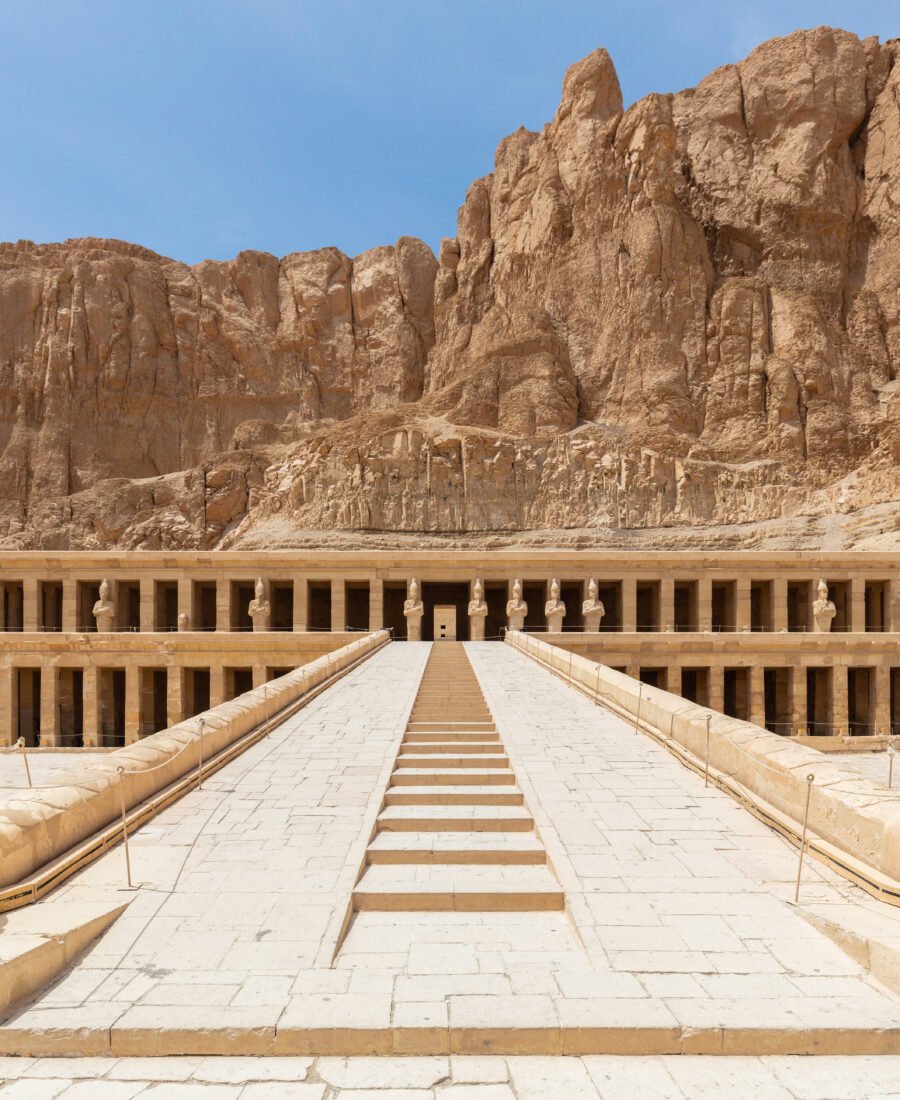
Royal West Bank
Enter the royal and funerary landscape of ancient Egypt.
Request current rateExplore →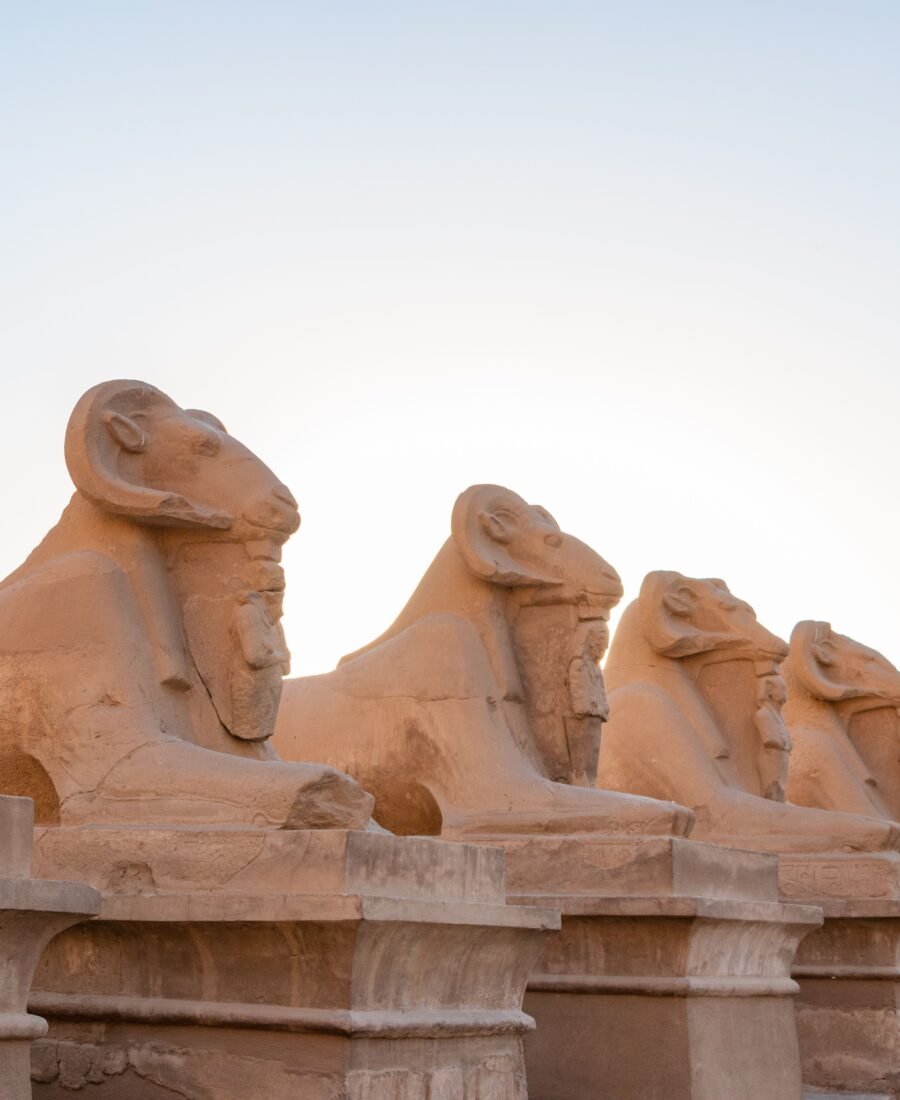
Thebes Essential
Walk through the ceremonial heart of ancient Egypt.
Request current rateExplore →This field guide is maintained against authoritative heritage and institutional references where available. Current operations are verified separately.
See Valley of the Kings with context, not as another checklist stop
Tell us the places and historical themes that interest you. We will build the touring day around a coherent story and the conditions for your travel date.
Start Planning