
Karnak as a historical archive
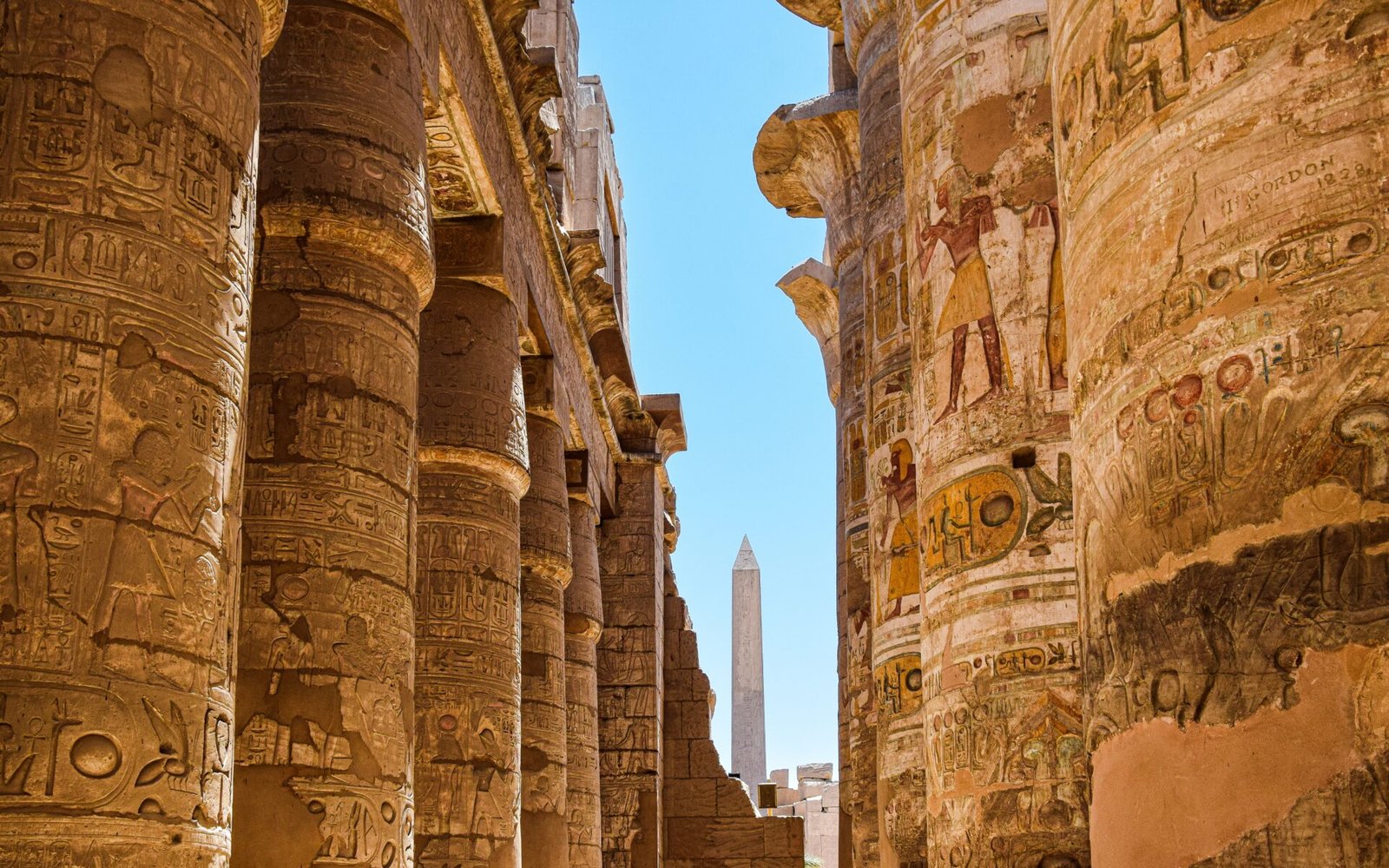
Changes in axis, masonry, relief and reused blocks reveal centuries of royal building and political memory.
Explore the monumental and ritual heart of ancient Thebes on the East Bank.
Karnak, Luxor Temple and the Avenue of Sphinxes form the ceremonial heart of ancient Thebes. This focused East Bank experience is for travellers who want to understand temple architecture, divine cult and festival movement without combining them with a full West Bank day.
The two great temples are more powerful when read as parts of a shared ritual landscape. The avenue and the Opet-festival context explain why the relationship between Karnak and Luxor Temple matters as much as either monument alone.
Interpretation stays close to archaeology, text, landscape and what the evidence can actually support.
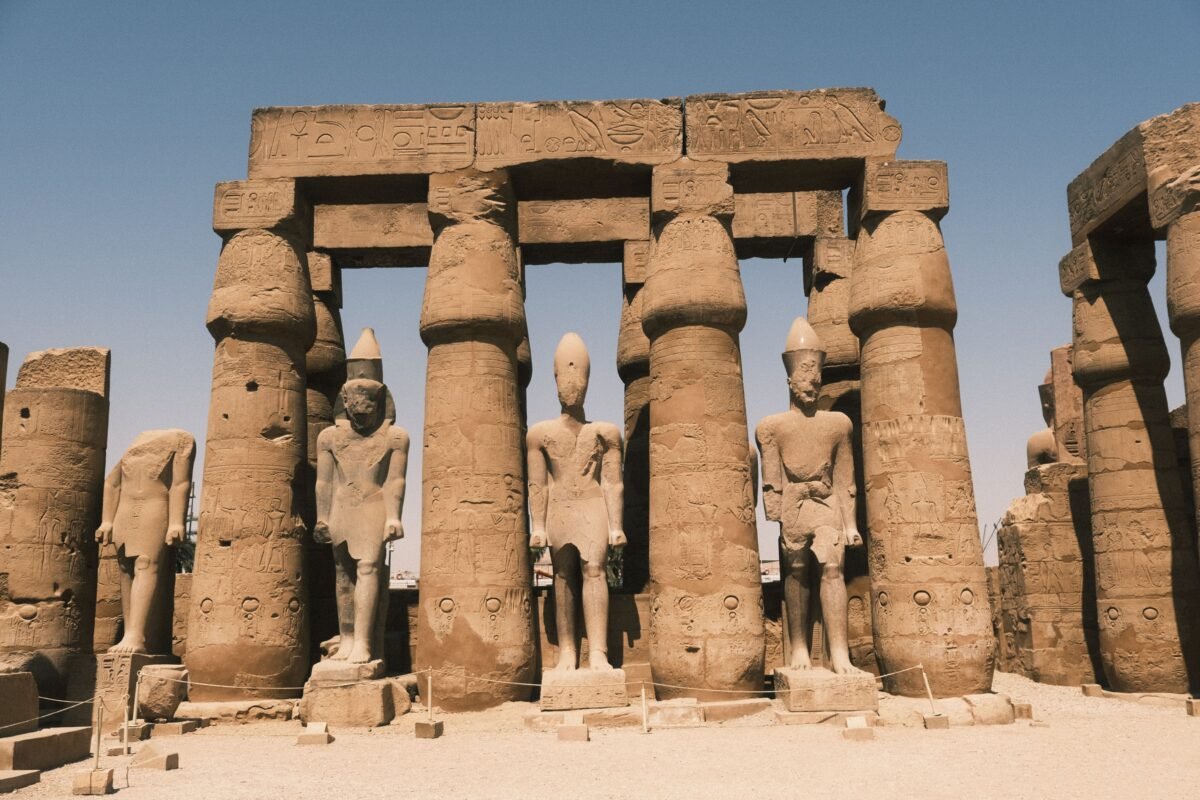
Karnak and Luxor Temple formed the ceremonial core of Thebes, but they did not serve identical purposes. Karnak developed over many centuries as the principal cult centre of Amun, with successive rulers adding architecture, inscriptions and monuments to an already sacred place. Luxor Temple was closely connected with royal renewal and with festival processions linking it to Karnak. The Avenue of Sphinxes makes that relationship visible in the modern city and helps restore the idea of Thebes as a connected ritual landscape rather than two unrelated temple visits.
Changes in axis, masonry, relief and reused blocks reveal centuries of royal building and political memory.
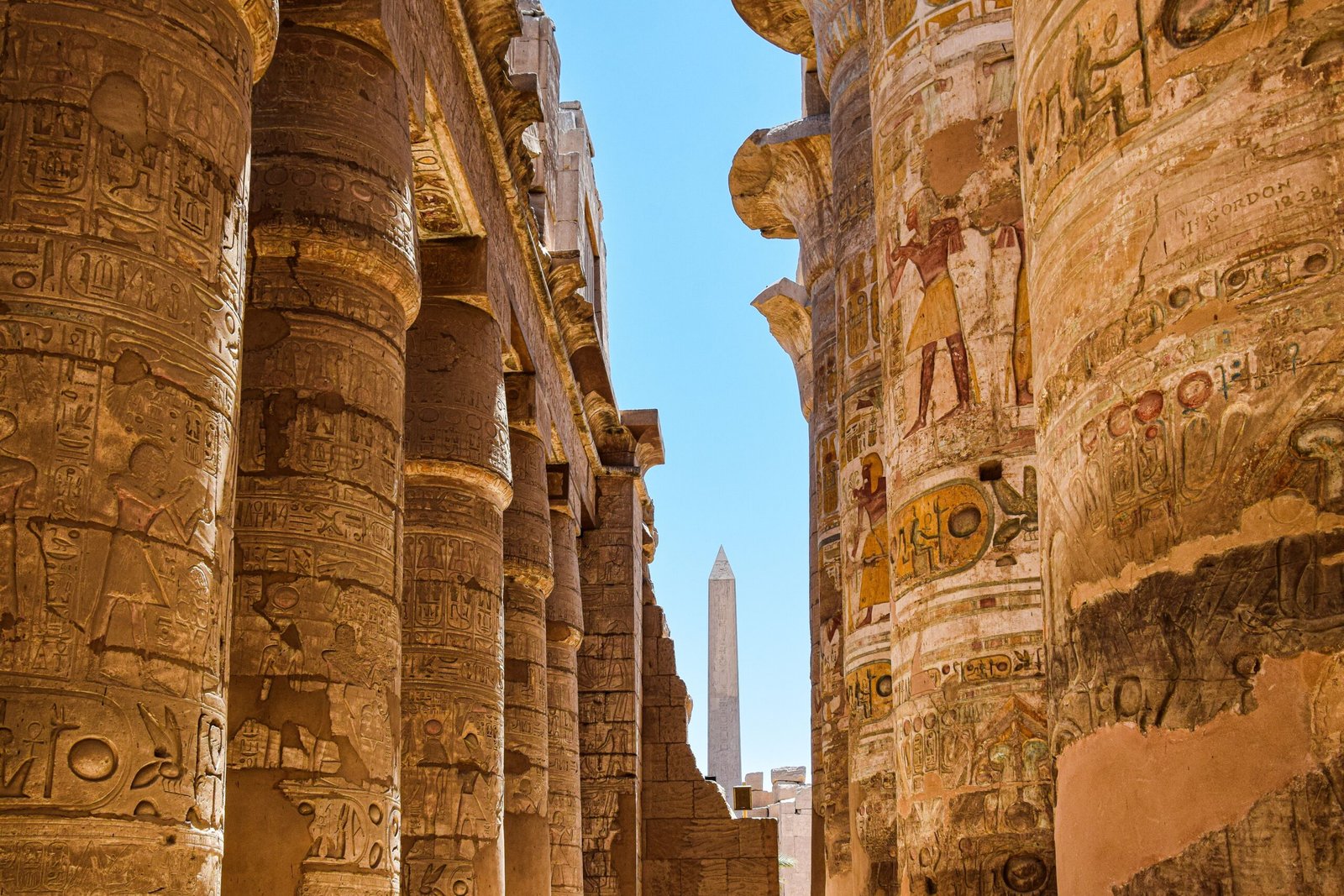
In the Great Hypostyle Hall, scale, light and dense inscriptions create a controlled sacred environment.
At Luxor Temple, think about how statues, bark shrines and festival movement animated spaces that now appear static.
The Avenue of Sphinxes reminds us that ritual took place through urban space, not only inside temple walls.
These are approved places in the experience. The cards are intentionally unnumbered because their display order does not imply an operating sequence.
Read selected parts of the immense complex through cult, architecture and royal building history.
Read the site guide →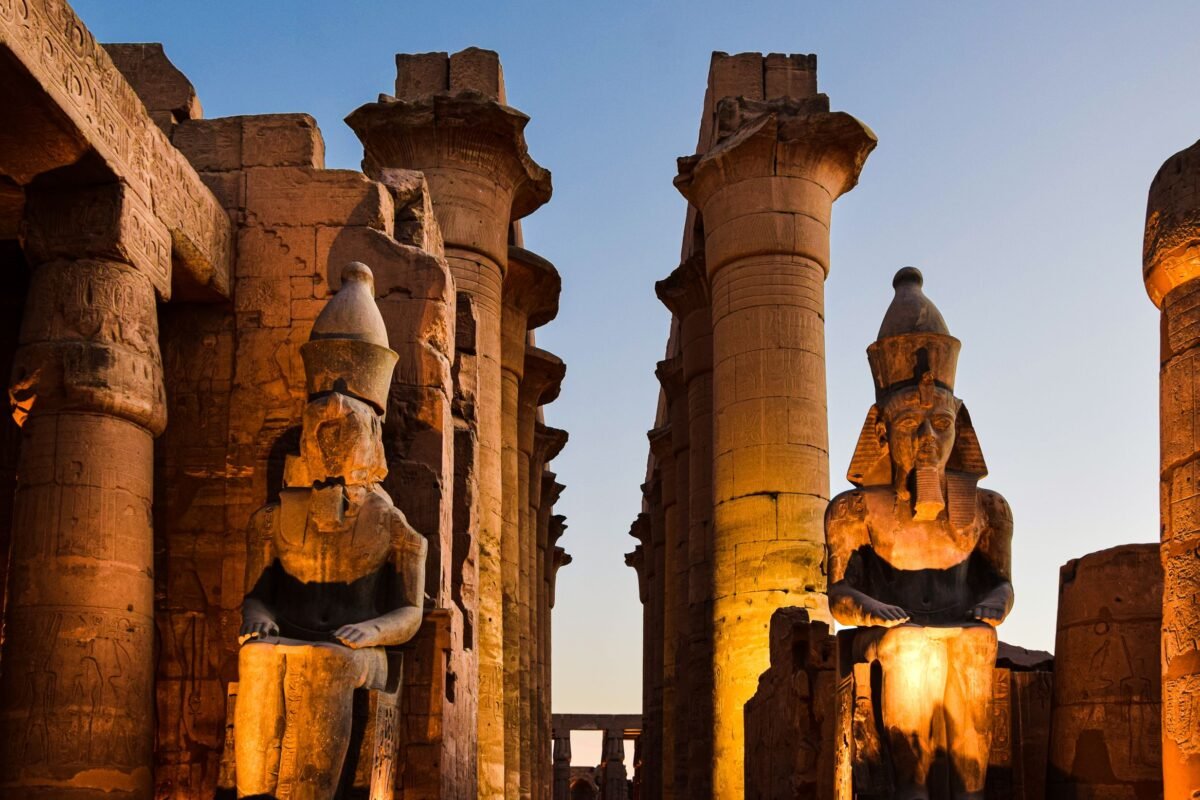
Explore a temple whose meaning is closely tied to kingship, renewal and festival.
Read the site guide →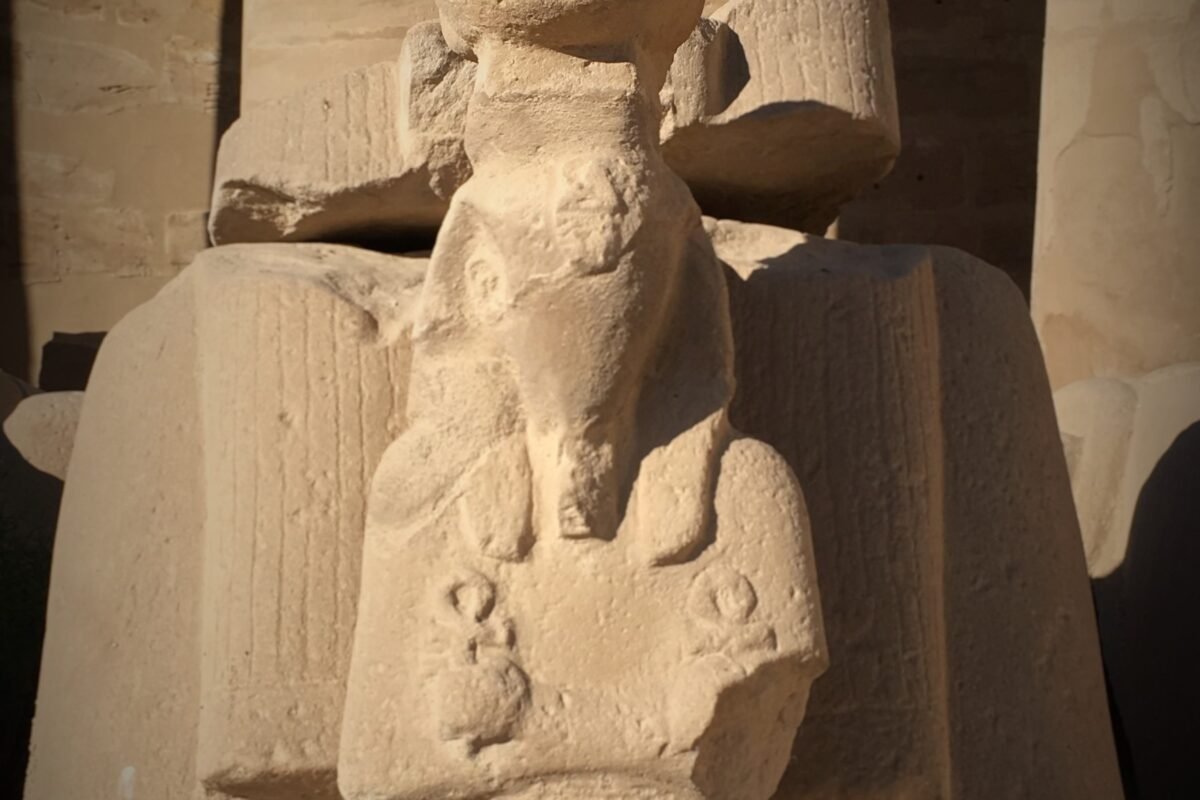
Use the processional connection to understand how the two temple worlds were ritually linked.
Read the site guide →Royal authority was repeatedly expressed through the king’s relationship with Amun.
Architecture became meaningful through movement, offerings and procession; the buildings were active ritual machines, not silent museums.
Temple walls, processional routes and building phases reveal how Egyptian kings connected political legitimacy with divine order. Your Egyptologist selects a few architectural and inscriptional themes so the complexes remain legible rather than overwhelming.
Your Egyptologist can spend more time where your curiosity is strongest and move more lightly through what matters less, while keeping the day coherent and well paced.
Tell us how you like to travel →Ask us whether this addition fits your date, pace and route.
Ask us whether this addition fits your date, pace and route.
Ask us whether this addition fits your date, pace and route.
Ask us whether this addition fits your date, pace and route.
When an approved public rate is available, the calculator shows the relevant private-party basis. Otherwise, we prepare a personal quotation after checking the date, party and operating arrangements.
Both temples are excellent for architectural perspective. At Karnak, long axial views and column details work well; at Luxor Temple, lower-angle light can reveal relief and stone texture. Crowds can change quickly, so your guide can help find angles that explain the architecture rather than simply avoiding people.
This experience is temple-intensive and involves substantial walking on stone surfaces. Travellers primarily interested in tombs and funerary belief should choose Royal West Bank or combine both in Thebes Essential.
Large temple precincts require walking and offer limited shade in parts. The exact order and time of day are confirmed around opening conditions, heat and your wider Luxor programme; an evening visit may be considered only when operationally appropriate.
Travellers interested in temples, religion, architecture, inscriptions and the ceremonial life of ancient Thebes.
No. Architecture is the framework, but the interpretation also covers cult, kingship, festival, inscriptions and how the temples functioned within the city.
The defining places and historical focus are established, while the operating order is confirmed around current access, opening conditions, local logistics and your pace. Your final programme states the sequence clearly before travel.
Karnak accumulated additions over many reigns and included multiple sacred precincts. Luxor Temple had a different, more focused ritual role within the same Theban religious landscape.
It formed a processional connection between the temple zones, helping ritual movement link Karnak, Luxor Temple and the city between them.
It is one of the most visually impressive areas, but an Egyptologist-led visit also explains the temple’s axes, sanctuaries, pylons and changing building history so the hall is not isolated from its context.
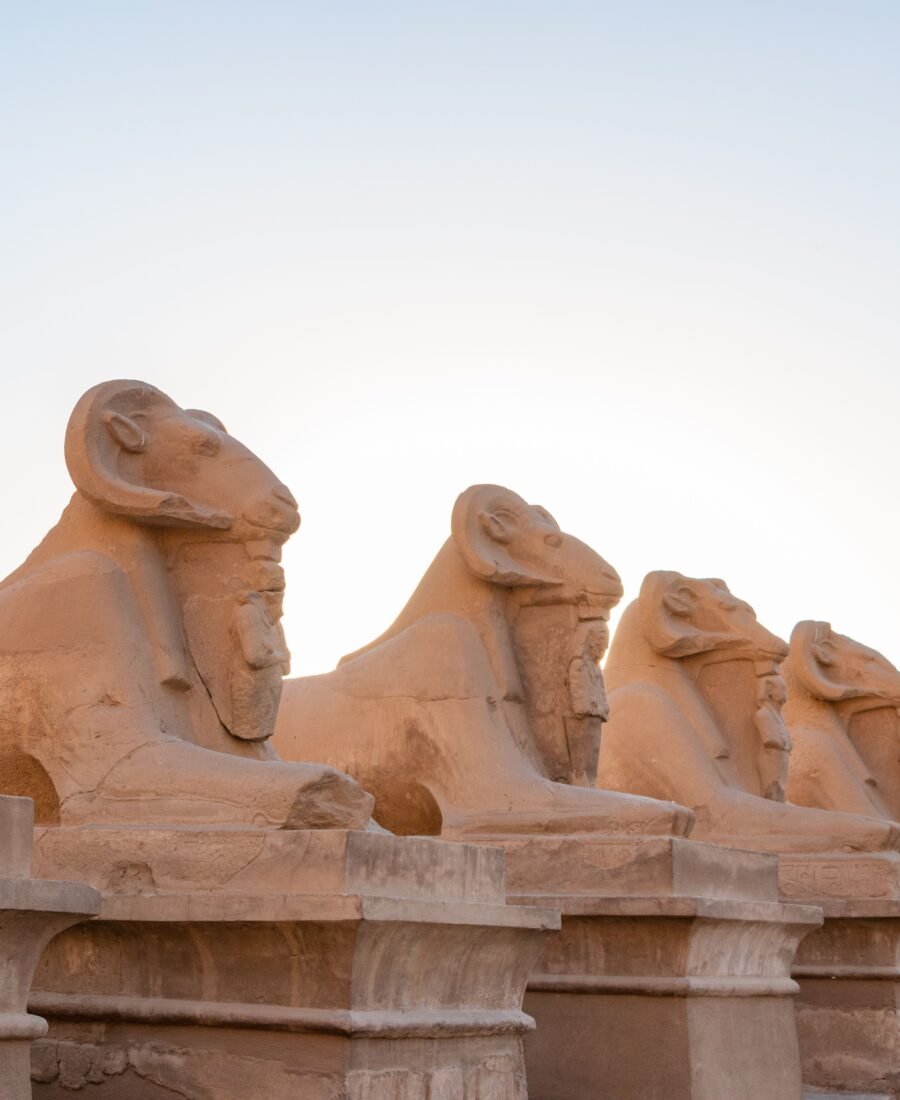
Walk through the ceremonial heart of ancient Egypt.
Request current rateExplore →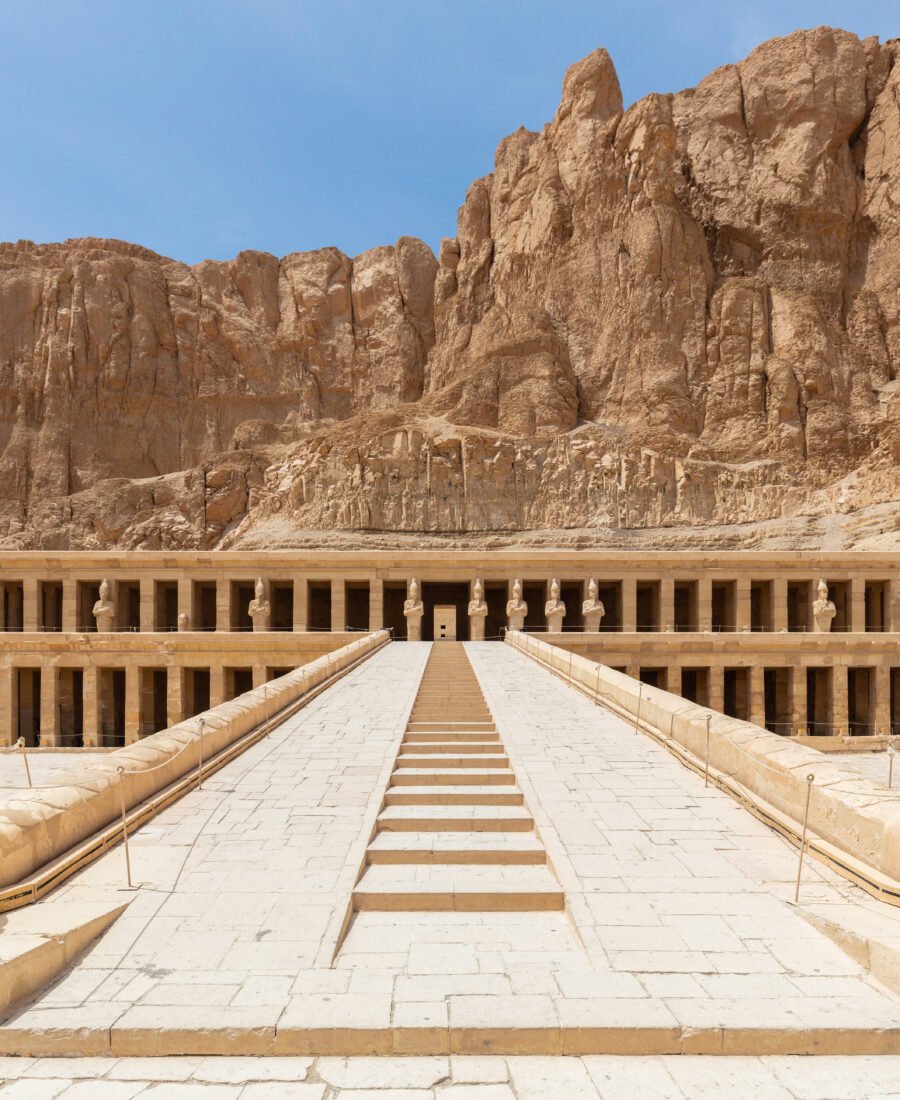
Enter the royal and funerary landscape of ancient Egypt.
Request current rateExplore →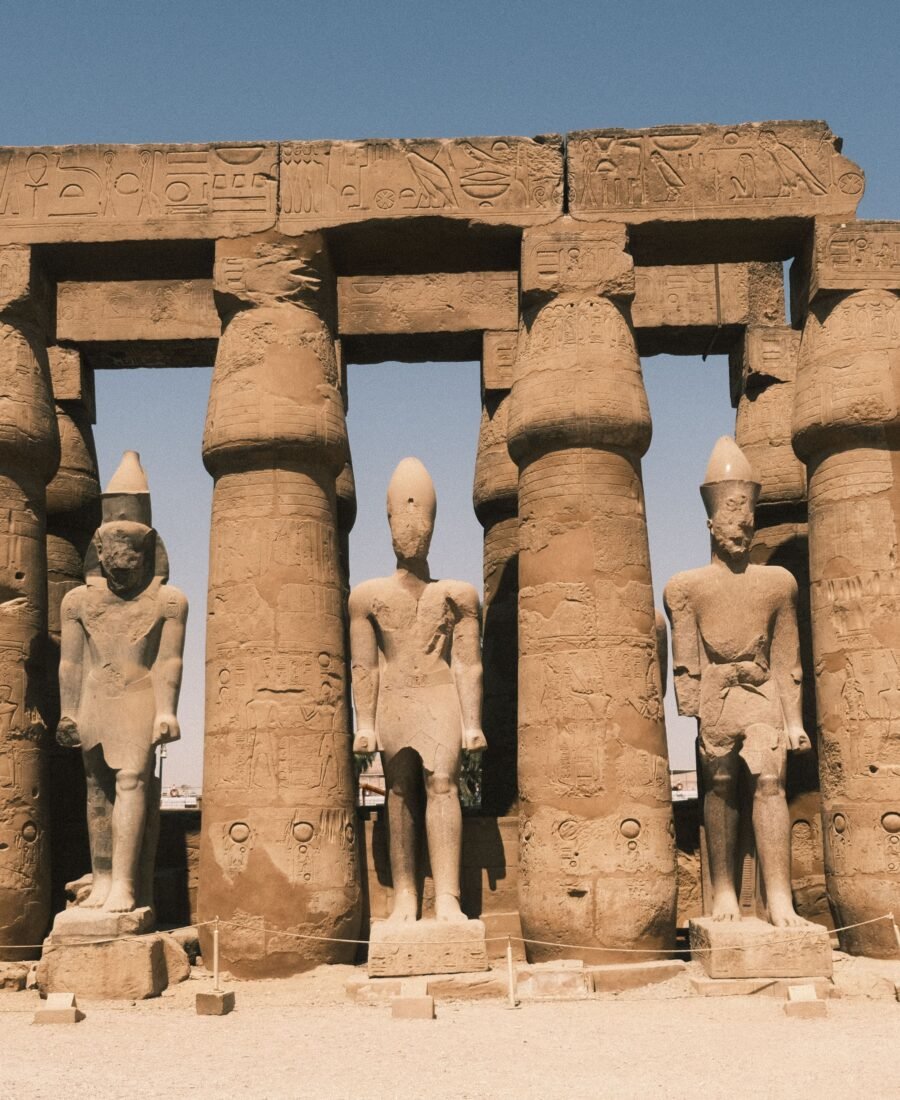
Experience Thebes beyond the highlights, with time to connect its royal, sacred and human landscapes.
Request current rateExplore →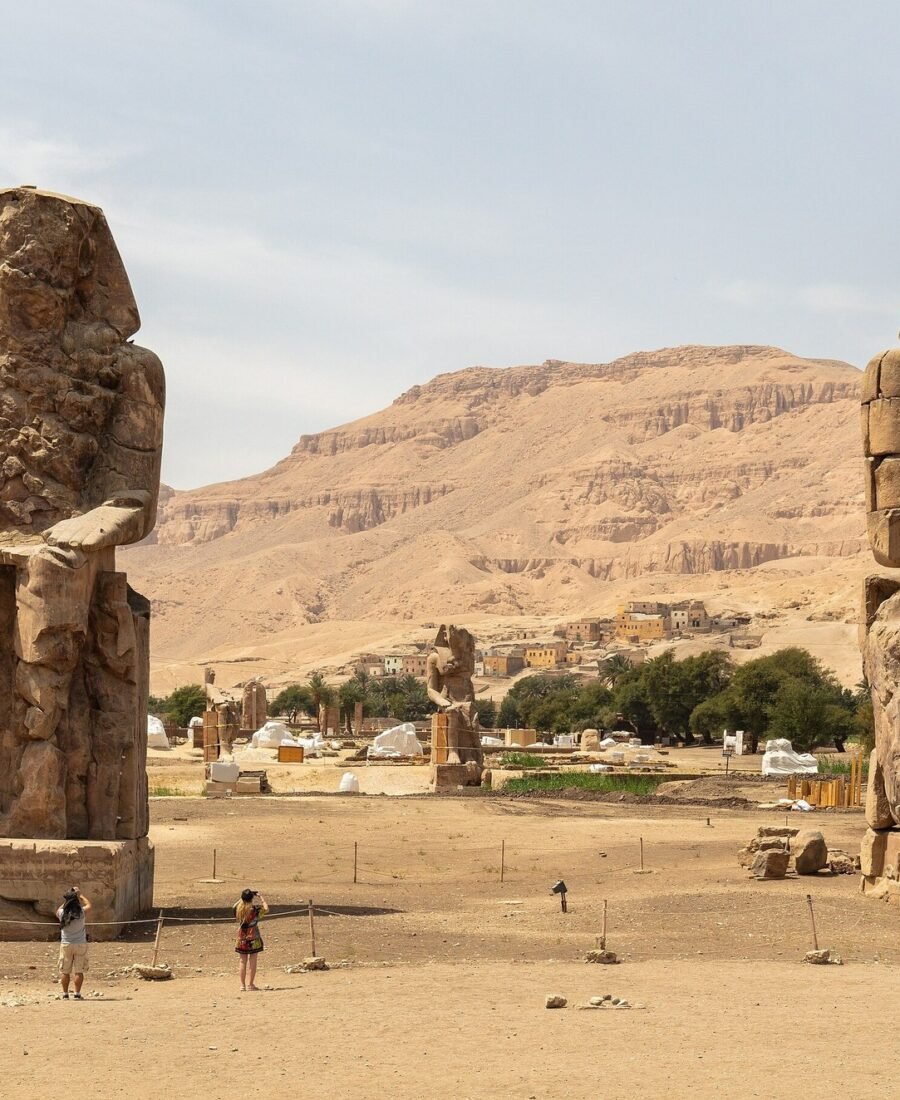
Step beyond the best-known monuments into the quieter archaeological landscape of western Thebes.
Request current rateExplore →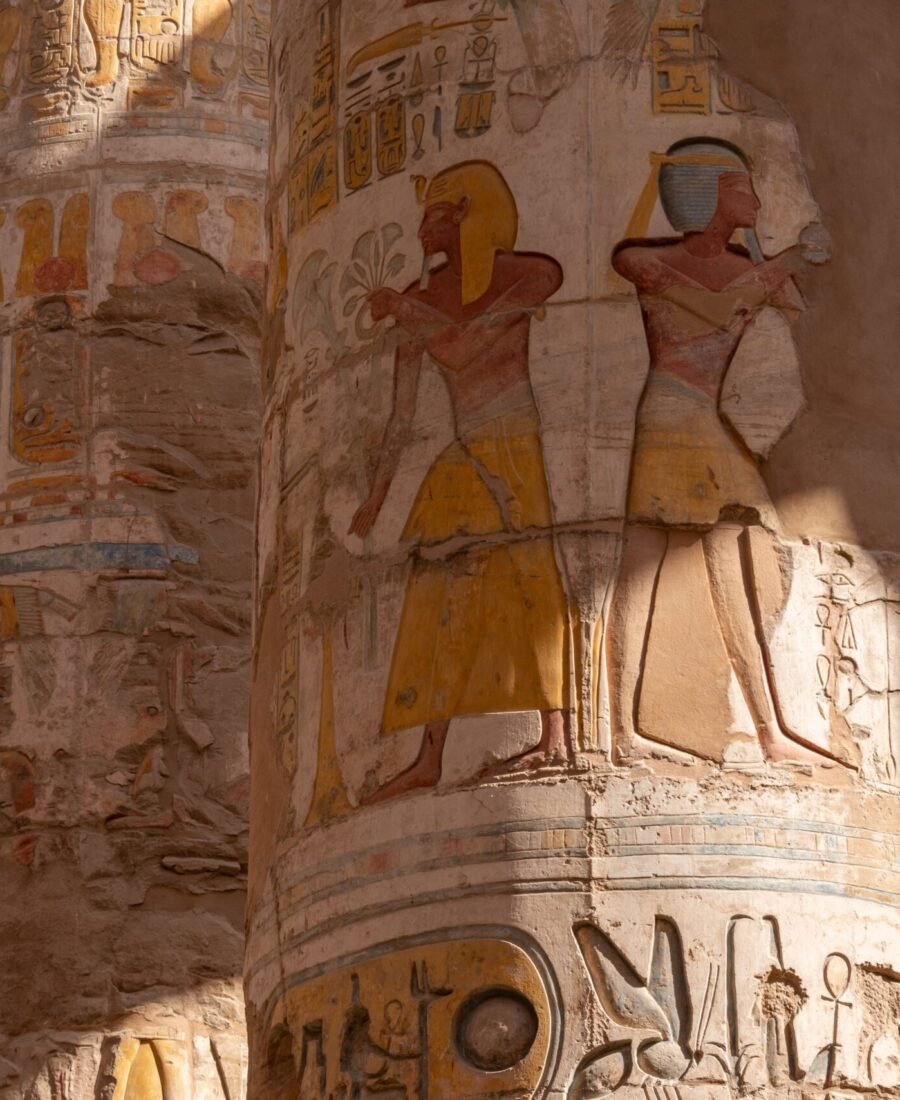
Travel into the spiritual heart of ancient Egyptian religion.
Request current rateExplore →