
Seti I’s relief style
At Abydos, study the modelling and precision of selected reliefs rather than rushing only to famous king lists.
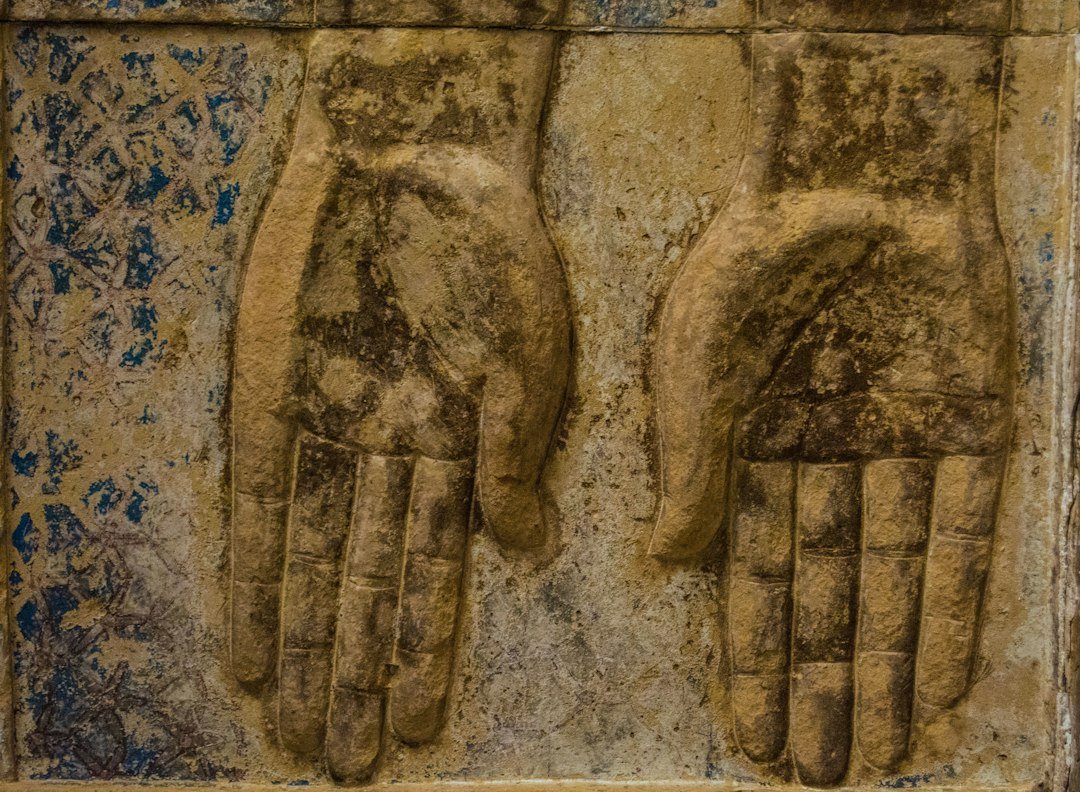
Travel into the spiritual heart of ancient Egyptian religion.
Abydos and Dendera open two very different sacred worlds. Abydos is inseparable from Osiris, royal memory and pilgrimage; Dendera preserves the Hathoric temple environment with its own ritual, astronomical and architectural language. The two temples are the intellectual core of the day, while road timing and practical stops are confirmed around current conditions.
The journey is valuable because comparison sharpens understanding. Rather than treating two distant temples as a long excursion, an Egyptologist uses their different cults and sacred geographies to explain how local traditions operated within the wider Egyptian religious system.
Interpretation stays close to archaeology, text, landscape and what the evidence can actually support.
Abydos and Dendera are among the strongest places in Upper Egypt for studying how sacred meaning was built into architecture. Abydos was closely associated with Osiris and with pilgrimage, memory and royal legitimacy; the Temple of Seti I preserves an unusually complex programme of chapels and relief. Dendera, dedicated principally to Hathor, presents a later temple environment in which ritual, procession, astronomy, festival and divine mythology are expressed through dense inscriptions and architectural symbolism. Visiting both encourages comparison rather than treating “Egyptian religion” as one unchanging system.
At Abydos, study the modelling and precision of selected reliefs rather than rushing only to famous king lists.
The arrangement of multiple chapels helps explain how a temple could accommodate several divine cults within one ritual programme.
Crypts, stairways, roof spaces and ceilings—where accessible—show that sacred meaning extended vertically through the building.
Notice the repeated face, sistrum and celestial associations of Hathor and how they are integrated into architecture.
These are approved places in the experience. The cards are intentionally unnumbered because their display order does not imply an operating sequence.
Explore royal memory, ritual and some of Abydos's most important sacred imagery.
Read the site guide →Discuss the enigmatic monument in its Abydos context, subject to current access.
Read the site guide →Enter Dendera's exceptionally preserved ritual world and its Hathoric theology.
Read the site guide →Abydos centres on death, renewal and sacred memory.
Dendera opens a complementary world of music, joy, sky, festival and divine motherhood.
The two sites belong to different periods and local cult traditions, making comparison more useful than searching for one universal “temple code”.
Ancient Egyptian religion was not one uniform set of stories. Local theology, royal ideology, festival and pilgrimage created distinct sacred landscapes. Abydos and Dendera are ideal places to see those differences while still recognising common ritual structures.
Your Egyptologist can spend more time where your curiosity is strongest and move more lightly through what matters less, while keeping the day coherent and well paced.
Tell us how you like to travel →Ask us whether this addition fits your date, pace and route.
Ask us whether this addition fits your date, pace and route.
Ask us whether this addition fits your date, pace and route.
Ask us whether this addition fits your date, pace and route.
When an approved public rate is available, the calculator shows the relevant private-party basis. Otherwise, we prepare a personal quotation after checking the date, party and operating arrangements.
Temple interiors reward detail photography because relief and surviving colour can be exceptional. Wider exterior shots help show how each monument sits in a very different landscape. Some roof, crypt or special areas may have separate access rules; current tickets and permissions determine what can be photographed.
This is a long road day from Luxor and is best for travellers genuinely interested in religion, relief and temple symbolism. Those wanting only the standard Luxor highlights may find the travel time disproportionate.
This is a long road day from Luxor with significant temple walking and open sun. Current access, road conditions and any special areas are confirmed for the date. The public page does not promise extra access or a detailed pickup-to-return sequence before operations approves it.
Archaeology lovers, Sacred Egypt travellers, repeat visitors and anyone interested in religion, symbolism and temple interpretation.
No specific special-access area should be assumed permanently available. Current access is checked for your date and the confirmed programme states what is included.
The defining places and historical focus are established, while the operating order is confirmed around current access, opening conditions, local logistics and your pace. Your final programme states the sequence clearly before travel.
Because their cults, periods and architectural programmes are different. Comparison reveals the diversity of Egyptian religion far better than treating temples as interchangeable.
It is important, but the temple is much richer than one list. Relief quality, chapel arrangement, Osirian theology and royal ritual deserve equal attention.
Its dense later inscriptions, ceilings, stairways and ritual spaces preserve a sophisticated sacred programme that can be read closely when interpretation stays grounded in the texts and architecture.
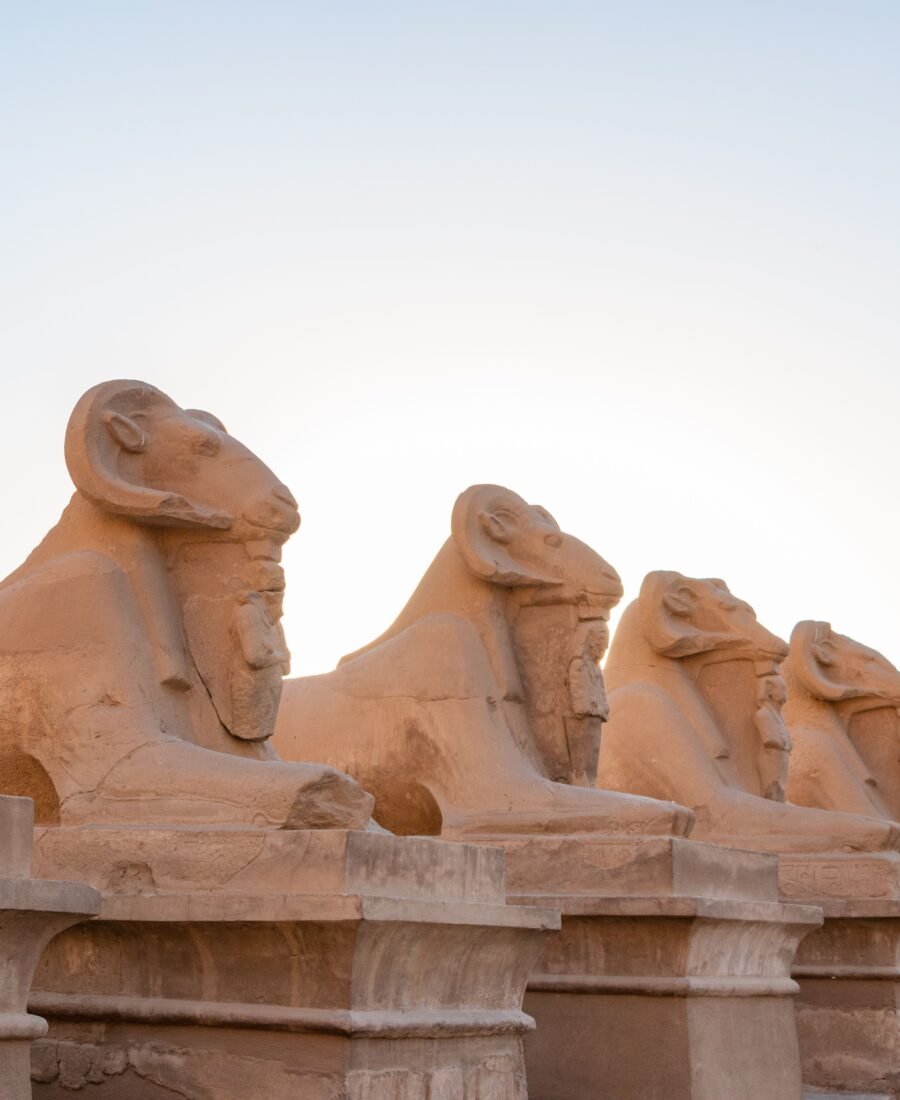
Walk through the ceremonial heart of ancient Egypt.
Request current rateExplore →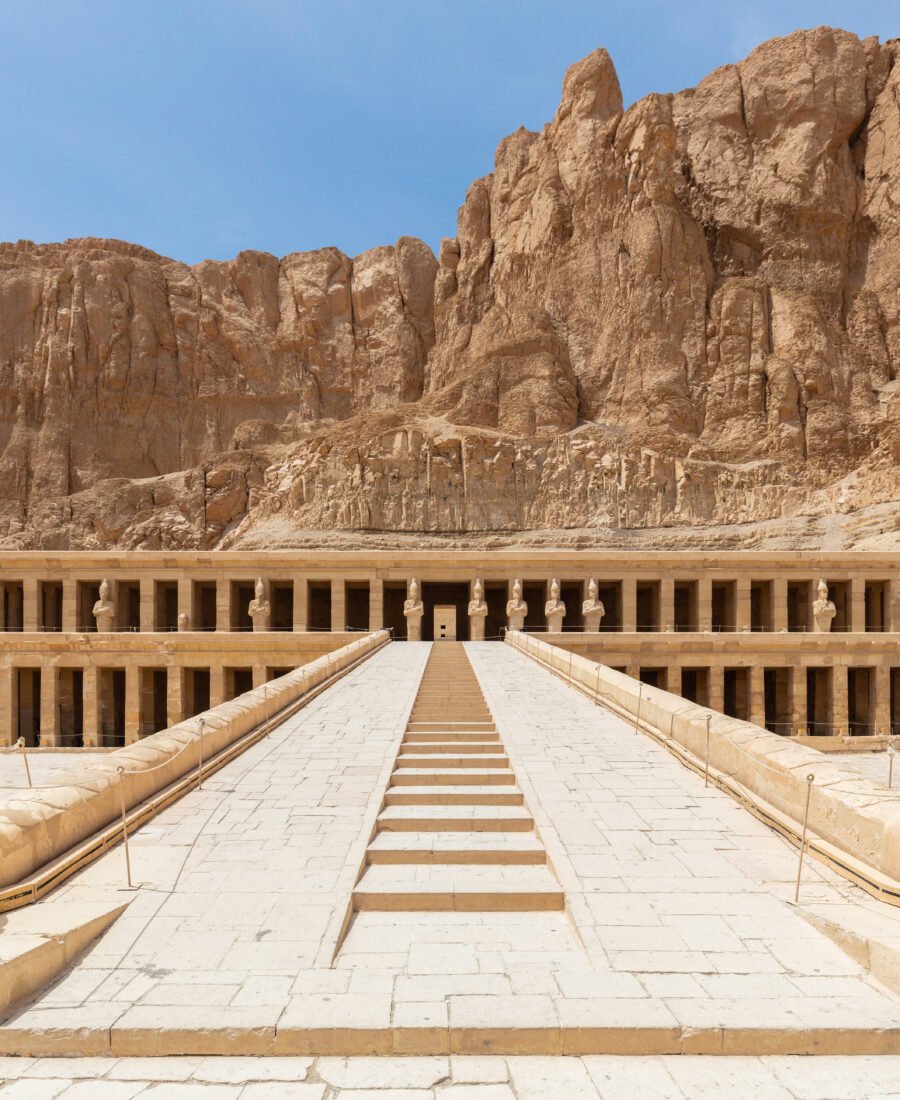
Enter the royal and funerary landscape of ancient Egypt.
Request current rateExplore →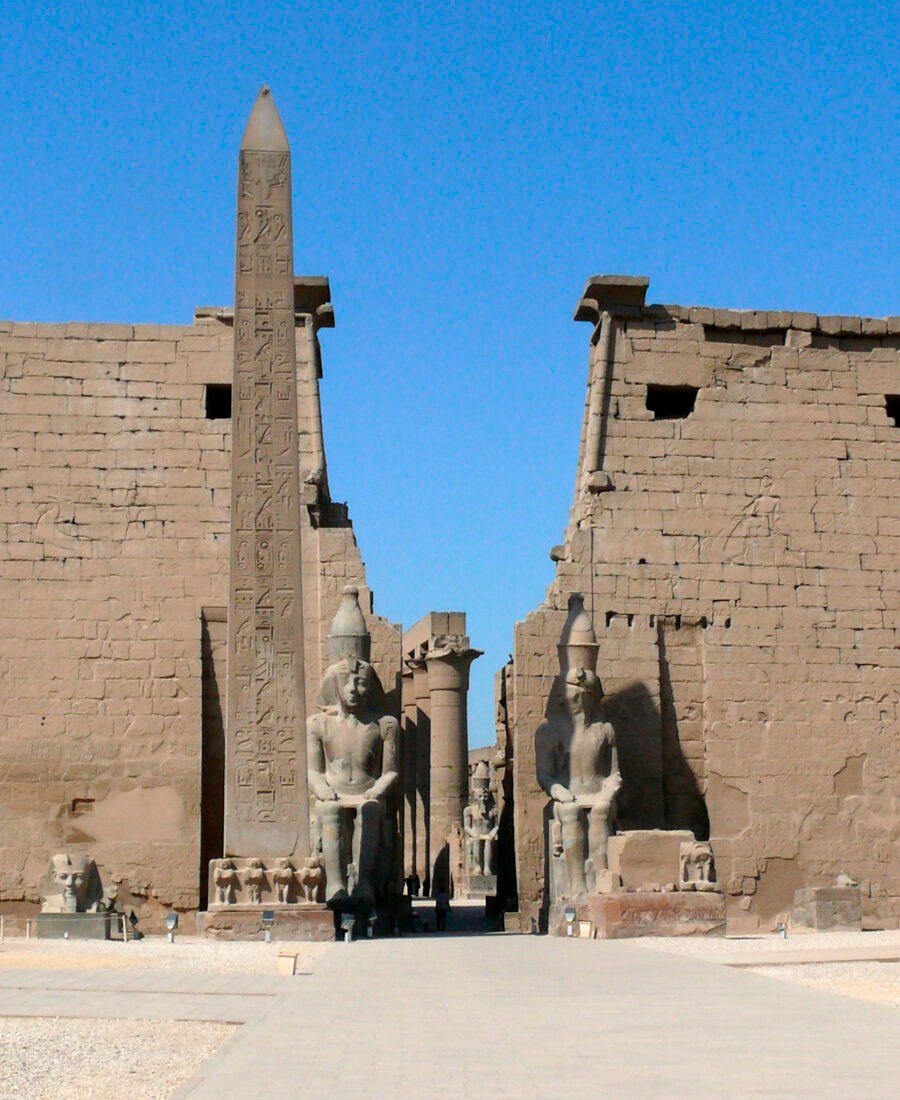
Explore the monumental and ritual heart of ancient Thebes on the East Bank.
Request current rateExplore →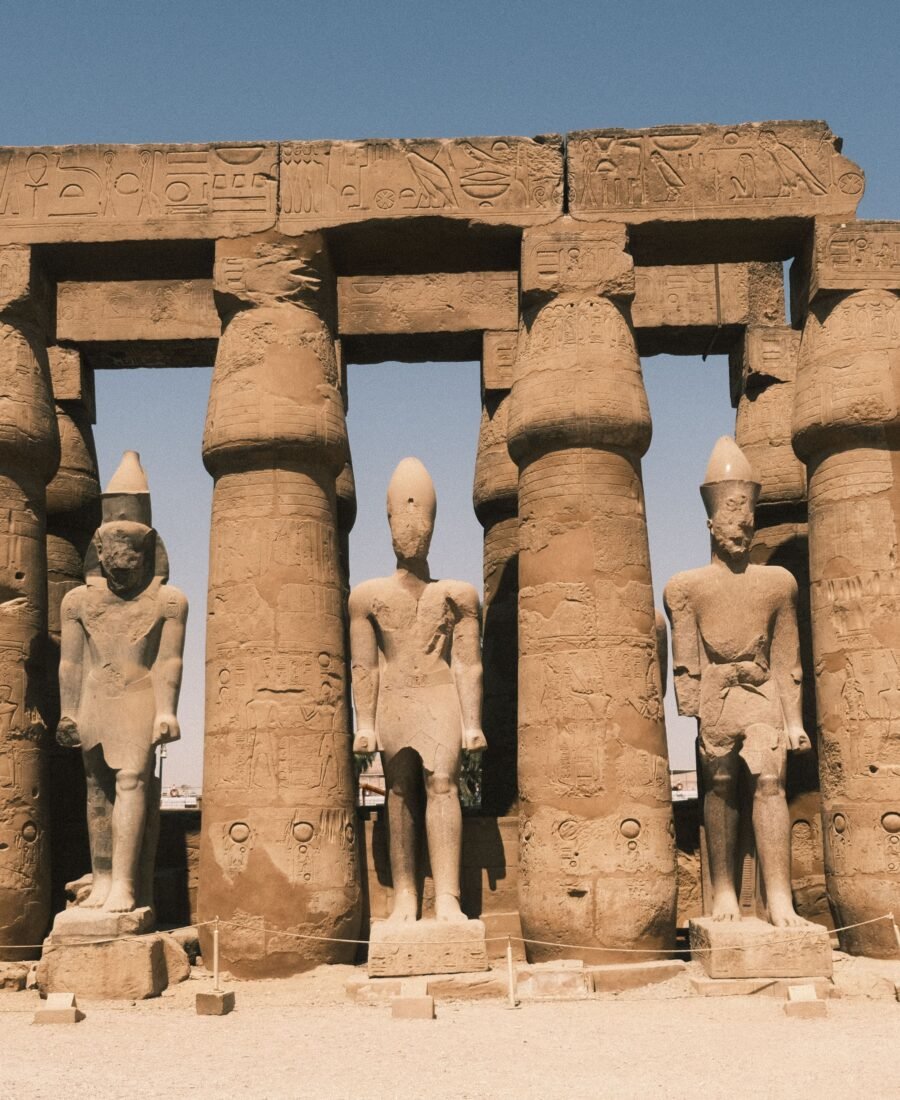
Experience Thebes beyond the highlights, with time to connect its royal, sacred and human landscapes.
Request current rateExplore →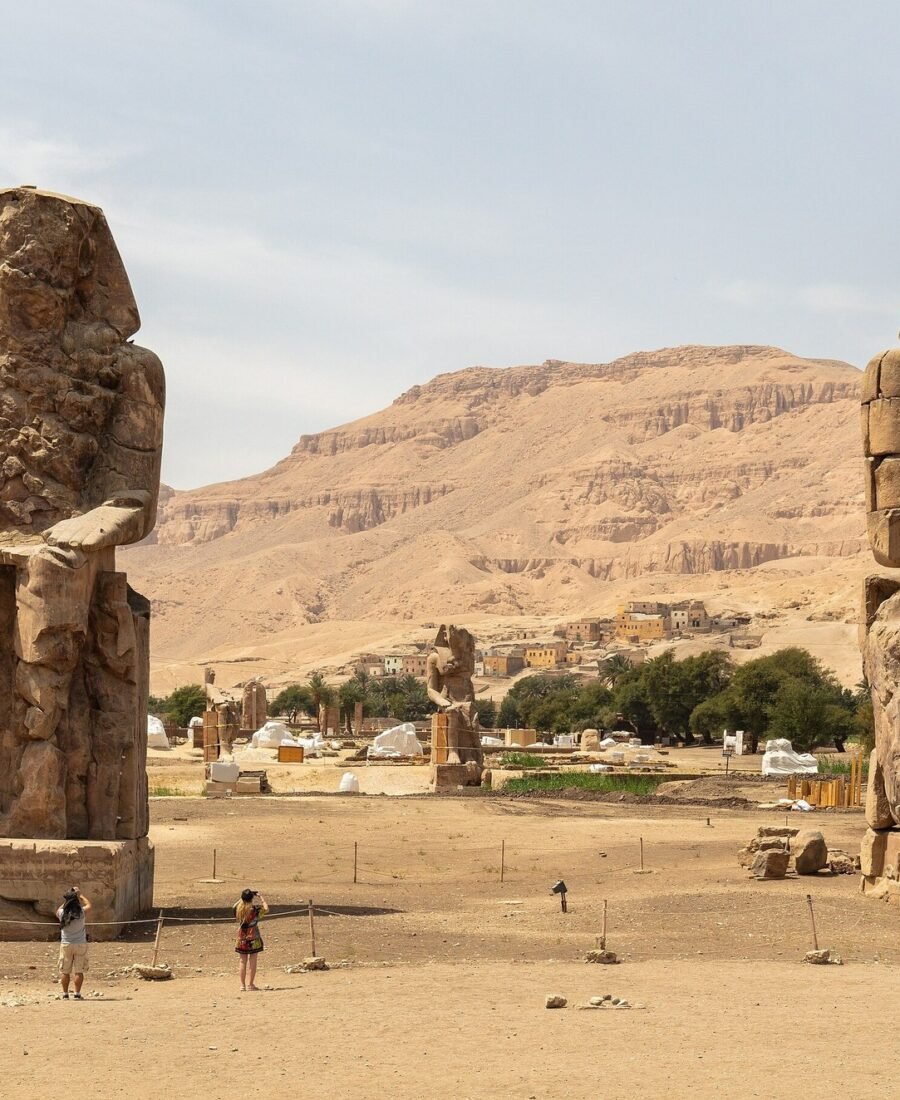
Step beyond the best-known monuments into the quieter archaeological landscape of western Thebes.
Request current rateExplore →