
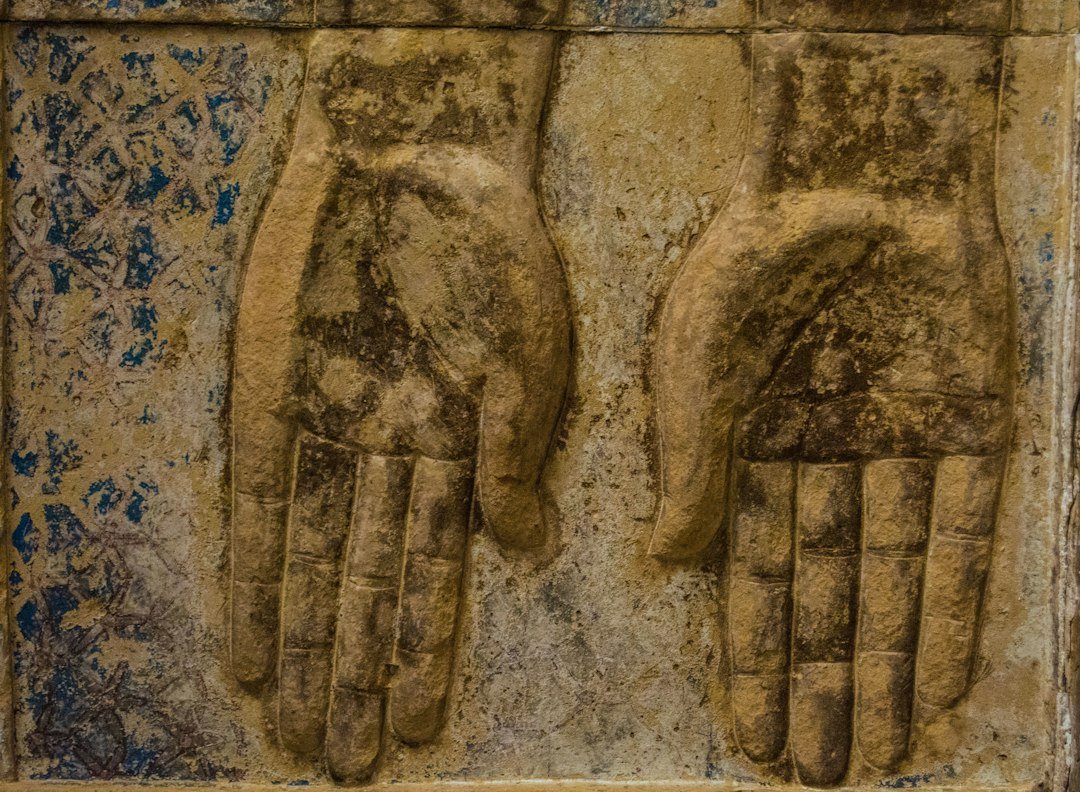
Temple of Hathor at Dendera
Dendera’s Temple of Hathor is one of Egypt’s best-preserved temple complexes, rich in ritual architecture, astronomical imagery and late Egyptian religious tradition.
Read the monument as part of a larger Egyptian story
The temple is especially valuable for learning how to read an Egyptian temple: approach, pylon-like façade, hypostyle spaces, sanctuaries, crypts, roof chapels and ritual images all contribute to a carefully ordered sacred environment.
Historical context
Most of the standing temple dates to the Ptolemaic and Roman periods, although Dendera was sacred much earlier. Hathor’s cult, festival traditions and the temple’s elaborate astronomical and ritual imagery make it a key monument for understanding later Egyptian religion.
Details that help the site make sense
These are interpretive features to notice, not a promise of a fixed walking order or permanent access to every area.
Hypostyle hall
Hathor-headed capitals and richly decorated ceilings create one of the most distinctive interiors in Egypt.
Roof chapels
Upper spaces were linked with important ritual cycles and offer a different spatial experience.
Crypts and sanctuaries
Restricted spaces reveal how sacred objects and ritual movement were organised.
The detail that changes how you see the place
Dendera is perfect for teaching temple literacy. Instead of hunting individual “mystery symbols,” follow how architecture, inscription and ritual function work together from public threshold to restricted sanctuary.
What an expert eye notices
Ceiling restoration
Cleaned sections reveal vivid astronomical colour while darker areas show the effect of centuries of deposits.
Processional stairs
The route itself was part of ritual performance.
Cleopatra relief
Famous images should be placed within the wider Roman-period temple programme rather than treated as isolated celebrity portraits.
Questions travellers ask about Temple of Hathor at Dendera
Historical context stays stable; operating details are confirmed for your date because access and visitor rules can change.
Who was Hathor?
A major goddess associated with music, joy, motherhood, sexuality, kingship and other roles that varied by context.
Is the Dendera zodiac still in the temple?
The original circular zodiac is in the Louvre; a copy occupies its former position.
Why is Dendera so well preserved?
The main temple survives to an exceptional height and retains extensive relief, though conservation history also shapes what visitors see today.
Tours and journeys that include Temple of Hathor at Dendera
The same canonical site guide can belong to several experiences. Each tour explains why the place matters to that particular story.
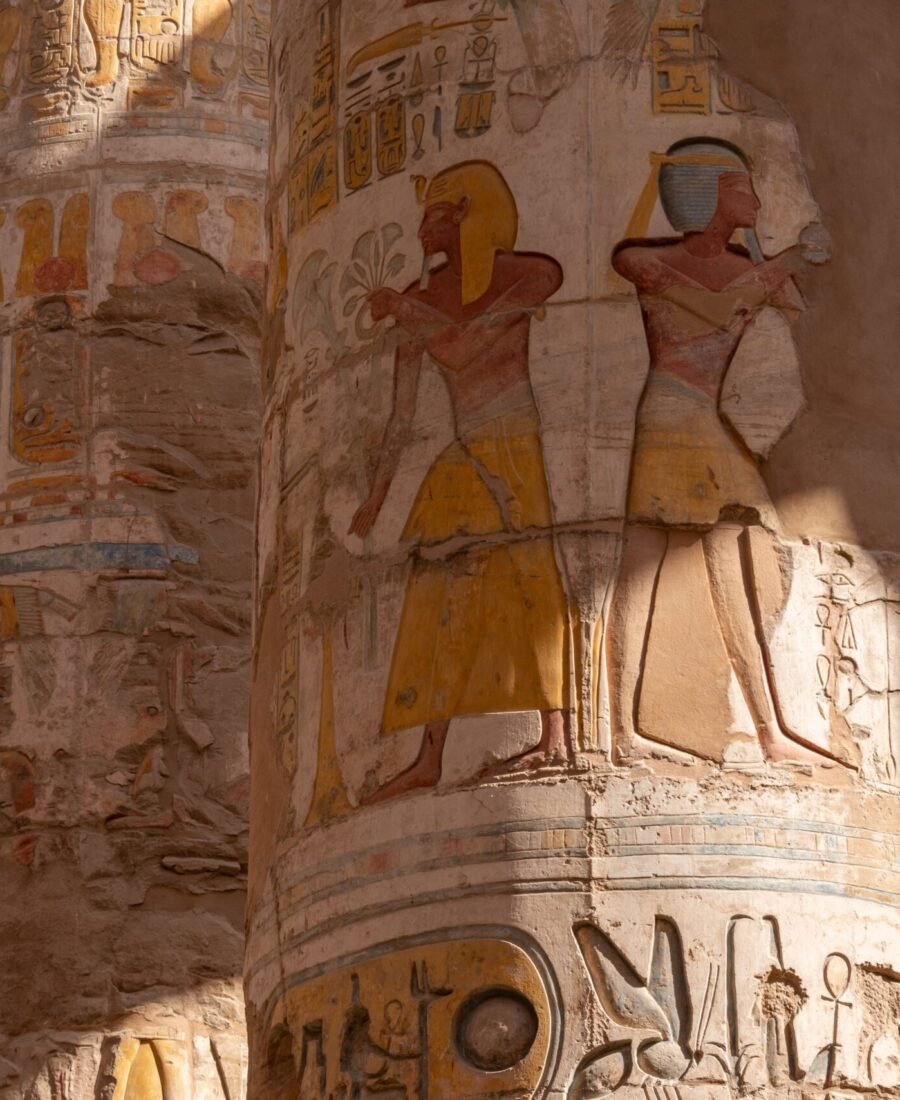
Sacred Egypt: Abydos & Dendera
Travel into the spiritual heart of ancient Egyptian religion.
Request current rateExplore →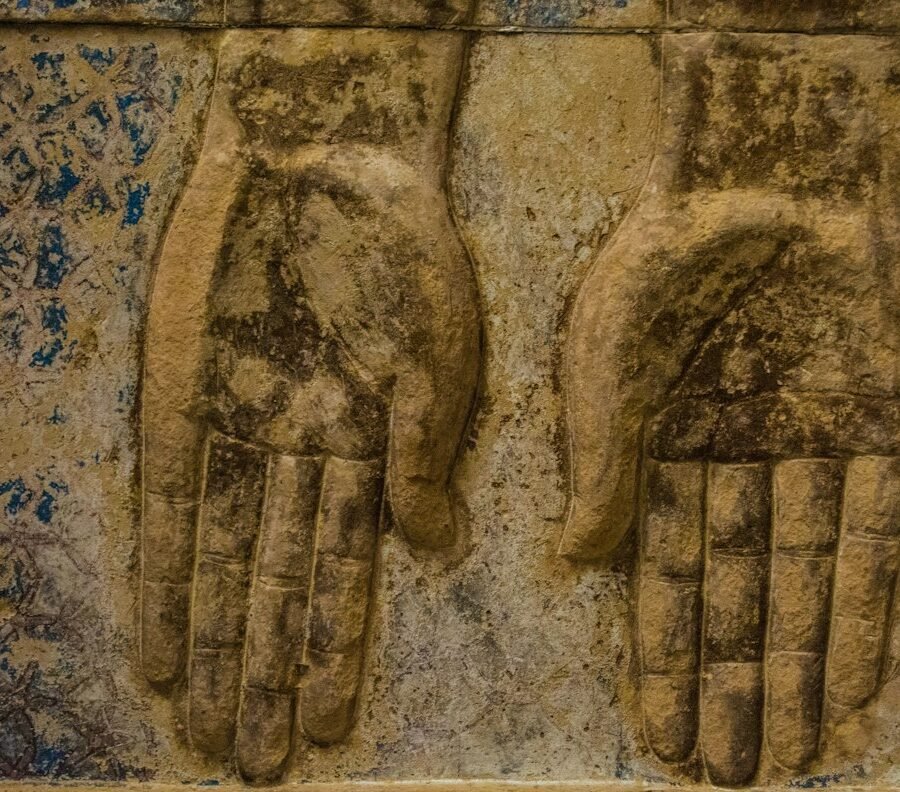
Sacred Egypt: Abydos & Dendera
Walk through the sacred landscapes where ancient Egyptians sought eternity.
Request current rateExplore →This field guide is maintained against authoritative heritage and institutional references where available. Current operations are verified separately.
See Temple of Hathor at Dendera with context, not as another checklist stop
Tell us the places and historical themes that interest you. We will build the touring day around a coherent story and the conditions for your travel date.
Start Planning