
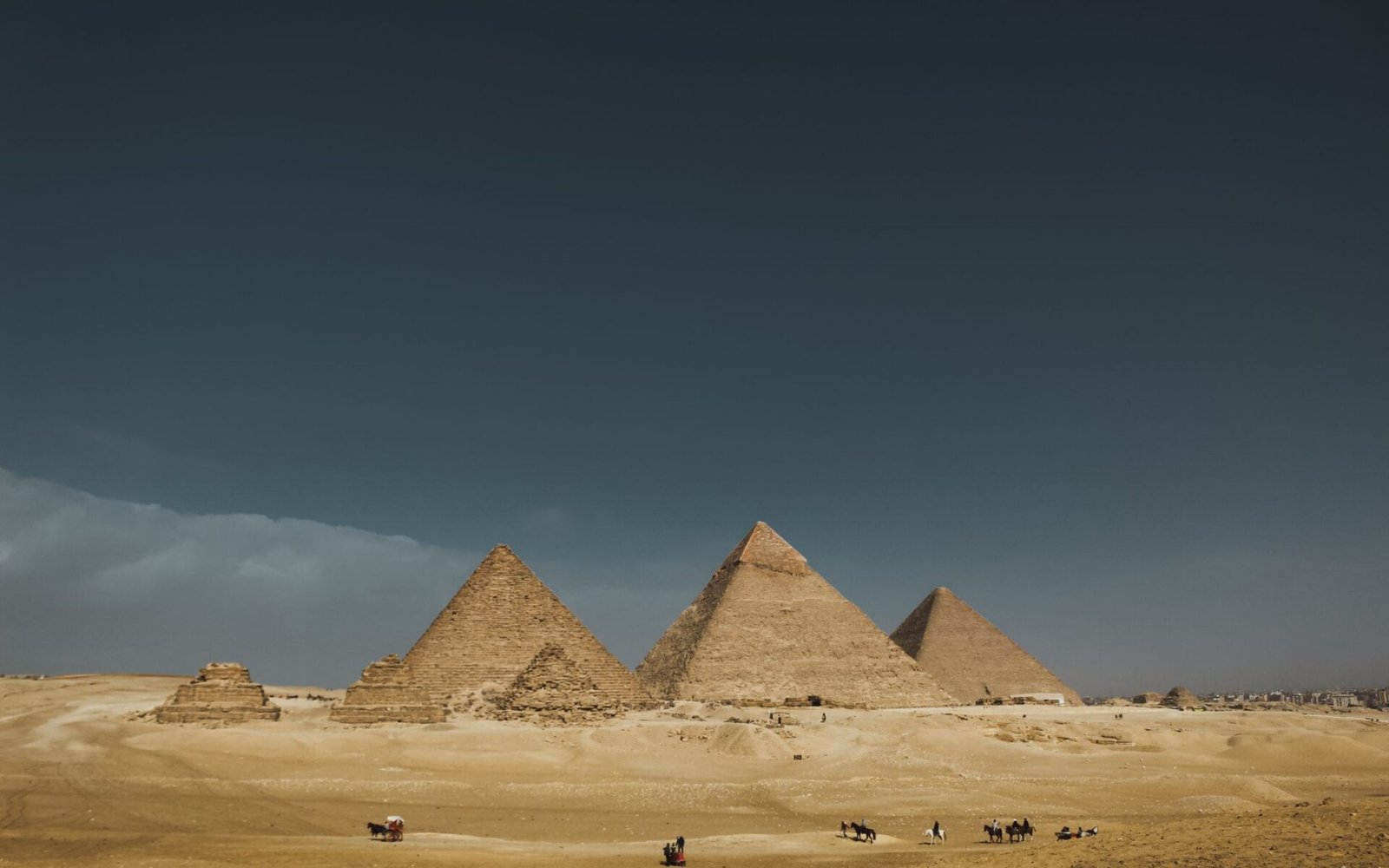
Great Pyramid of Giza
An Egyptologist-led guide to the Great Pyramid of Khufu: royal monument, engineering achievement and the centre of a much larger Giza landscape.
Read the monument as part of a larger Egyptian story
The Great Pyramid is most rewarding when it is read as part of a royal complex rather than as an isolated geometric object. Causeways, temples, subsidiary monuments, cemeteries and the edge of the desert all help explain how royal burial, ritual, labour and landscape were brought together at Giza.
Historical context
Built for Khufu in Egypt’s Fourth Dynasty, the Great Pyramid became the largest pyramid ever constructed in Egypt. Its scale is extraordinary, but the historical importance lies equally in the organisation of people, stone, transport and ritual that made the complex possible. Later monuments at Giza deliberately positioned themselves in relation to it.
Details that help the site make sense
These are interpretive features to notice, not a promise of a fixed walking order or permanent access to every area.
Royal complex
Look beyond the pyramid itself to the wider funerary complex and its relationship with nearby monuments.
Stone and surface
Notice the contrast between core masonry and surviving traces of fine casing that once changed the monument’s appearance.
Landscape
Read the desert edge, Nile valley and neighbouring pyramid complexes as one deliberately organised setting.
The detail that changes how you see the place
For an Egyptologist, the important question is not simply “how was it built?” but what kind of state, belief system and royal institution could coordinate a monument on this scale—and why a pyramid was the chosen form.
What an expert eye notices
The surviving casing
Small areas of smoother stone help you reconstruct the original finished surface.
Orientation
The monument’s precise geometry becomes more meaningful when compared with the surrounding complex.
Human scale
Move close enough to the masonry to understand just how large individual blocks are compared with the overall form.
Questions travellers ask about Great Pyramid of Giza
Historical context stays stable; operating details are confirmed for your date because access and visitor rules can change.
Is the Great Pyramid the tomb of Khufu?
It is overwhelmingly understood as Khufu’s royal funerary monument within his Fourth Dynasty complex.
Is the inside always included?
Interior access is a separate operational matter and should only be promised when the relevant ticket and access are confirmed.
Why visit with an Egyptologist?
Context connects engineering, kingship, archaeology and the wider plateau instead of reducing the visit to measurements and photographs.
Tours and journeys that include Great Pyramid of Giza
The same canonical site guide can belong to several experiences. Each tour explains why the place matters to that particular story.
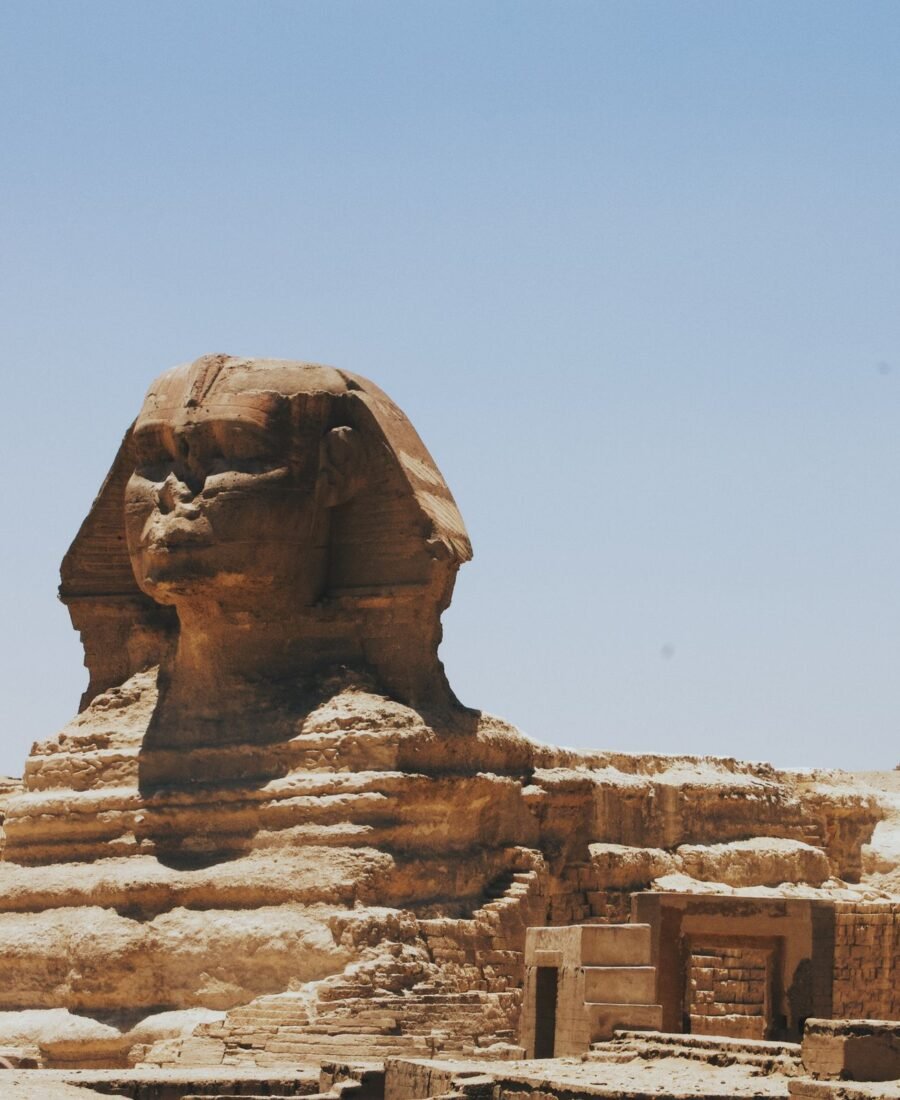
Cairo First Encounter
The essential introduction to Egypt’s greatest icons.
Request current rateExplore →This field guide is maintained against authoritative heritage and institutional references where available. Current operations are verified separately.
See Great Pyramid of Giza with context, not as another checklist stop
Tell us the places and historical themes that interest you. We will build the touring day around a coherent story and the conditions for your travel date.
Start Planning