
Read the whole plateau
Notice how pyramids, temples, causeways and desert edge relate to one another instead of treating each monument as a separate photo stop.
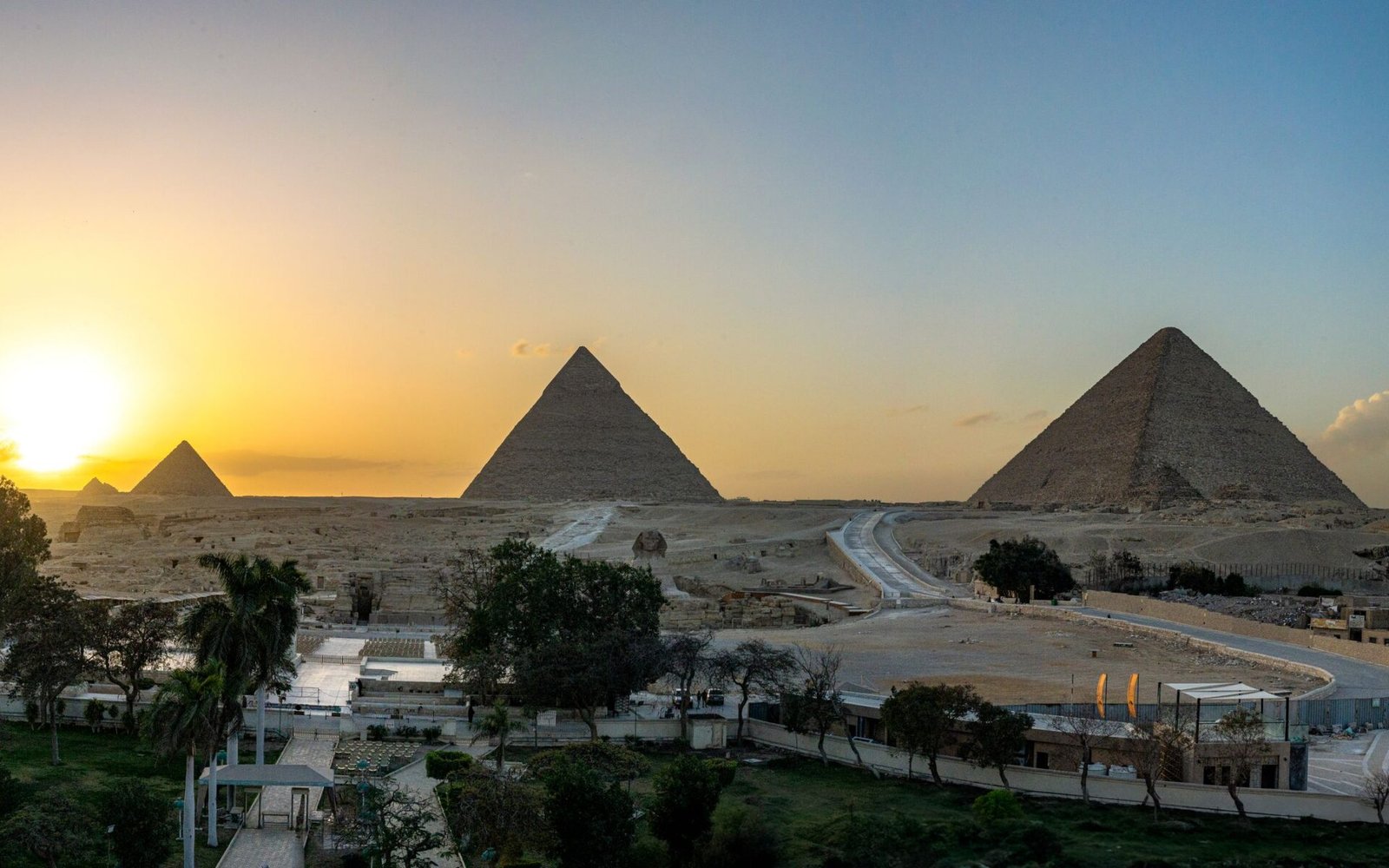
The essential introduction to Egypt’s greatest icons.
Giza and the Grand Egyptian Museum belong to the same story: the creation of royal monuments and the objects, people and ideas that help us read them today. This private day gives a first-time visitor the scale of the pyramid landscape without reducing Cairo to a photograph stop, then uses museum context to deepen what was seen on the plateau.
The day works because monument and museum inform one another. Instead of rushing through unrelated highlights, your Egyptologist builds a clear introduction to kingship, monumental building and the way ancient Egypt is interpreted in modern Cairo.
Interpretation stays close to archaeology, text, landscape and what the evidence can actually support.
Giza is best read as a royal necropolis rather than three isolated pyramids. The great pyramids formed parts of larger complexes that included temples, processional routes and spaces serving the royal cult. Their scale reflects not only engineering skill but the administrative capacity of the Old Kingdom state. The Sphinx belongs to this same monumental landscape, where royal image, solar associations and topography were deliberately brought together. The Grand Egyptian Museum adds a different kind of evidence: objects, tools, sculpture and royal material culture allow the day to move from architecture at landscape scale to craftsmanship at human scale.
Notice how pyramids, temples, causeways and desert edge relate to one another instead of treating each monument as a separate photo stop.
Look for surviving casing stone and the contrast with the rougher core masonry; it makes the original finished surfaces easier to imagine.
Study the relationship between the colossal royal image, the nearby temple architecture and the quarry-cut landscape.
In the museum, use individual objects to ask who made, administered and ritualised the world represented by the monuments.
These are approved places in the experience. The cards are intentionally unnumbered because their display order does not imply an operating sequence.
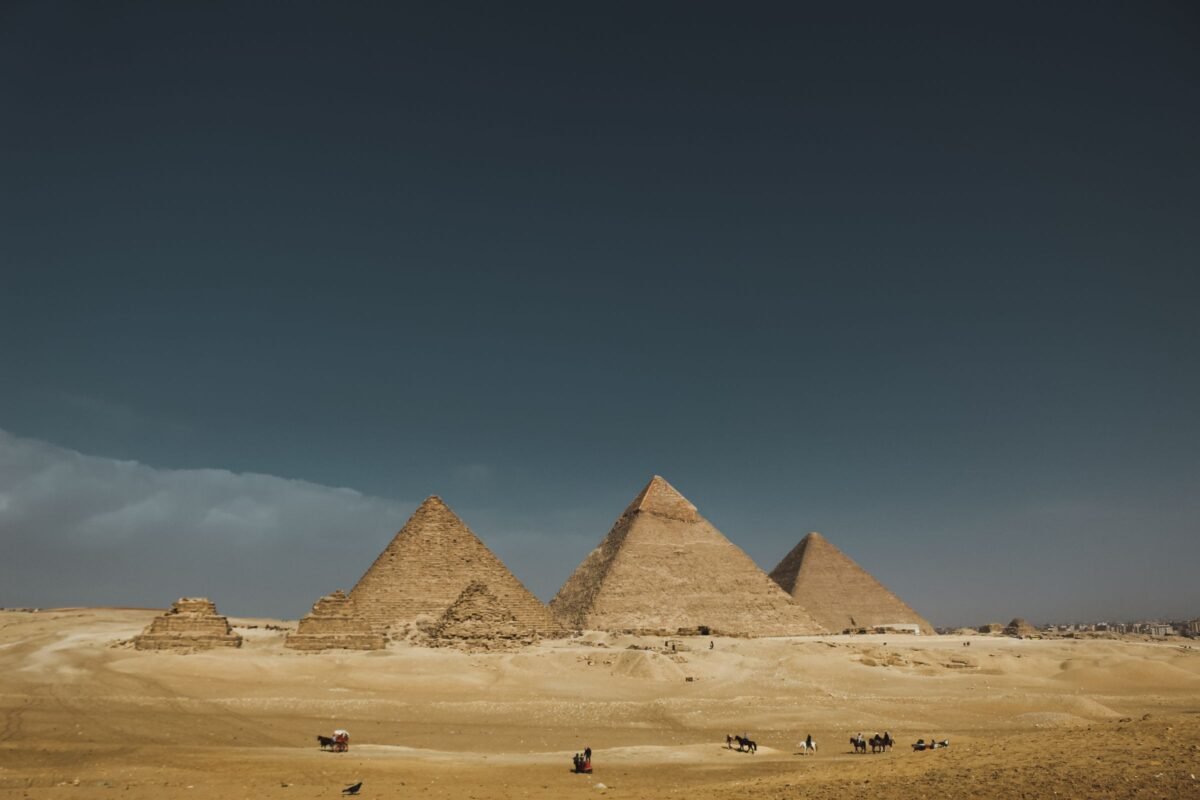
Read the Great Pyramid within the wider royal complex and the engineering, labour and ritual questions it raises.
Read the site guide →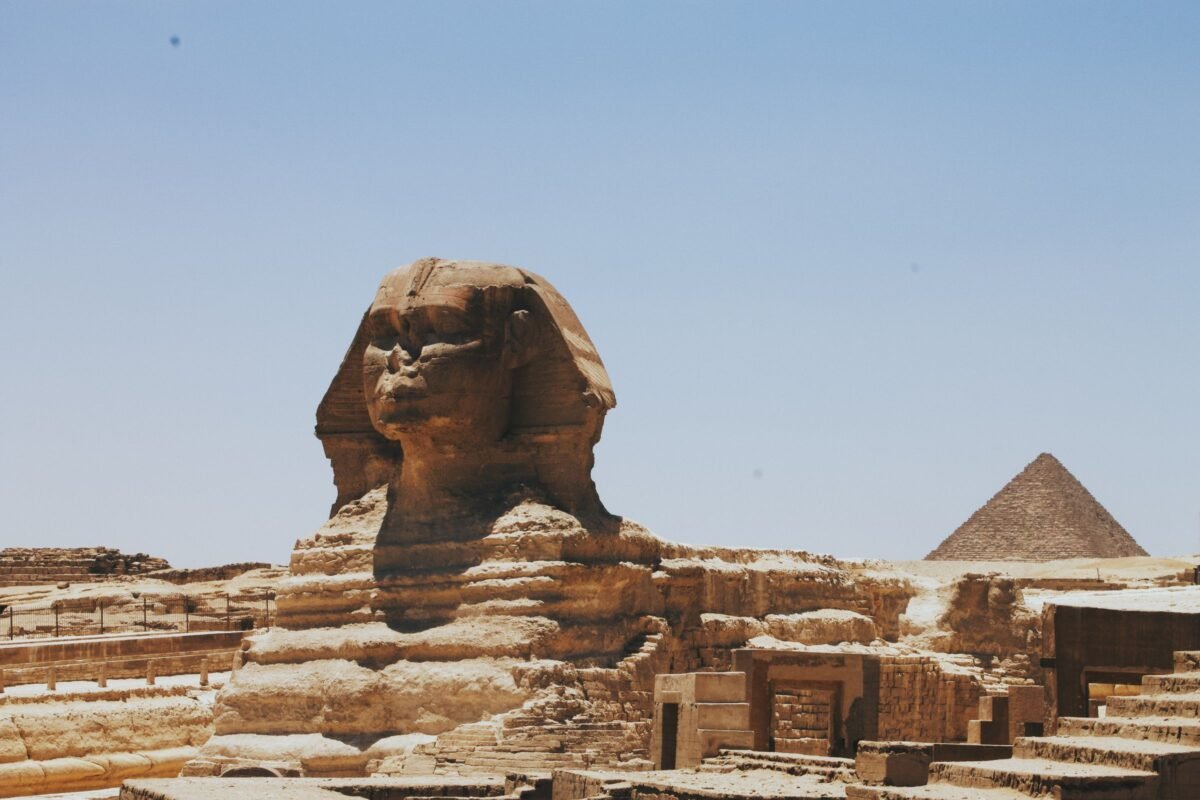
Place the Sphinx within the Giza landscape rather than treating it as a separate photo stop.
Read the site guide →Use the collections to connect monumental architecture with objects, craftsmanship and royal life.
Read the site guide →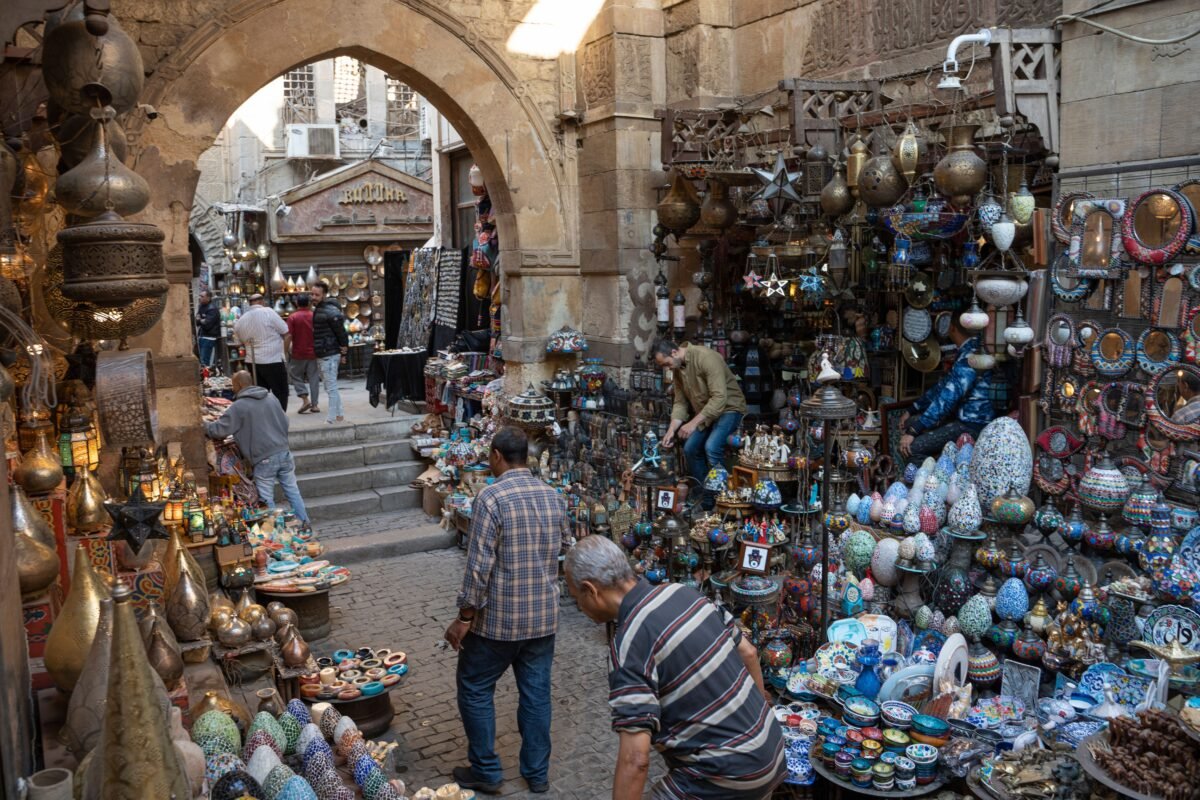
Where the confirmed programme allows, finish with a glimpse of living Cairo rather than ending the day inside archaeology alone.
Read the site guide →The architecture makes royal ideology visible on the desert edge; the museum makes the institutions and people behind that ideology more tangible.
A pyramid is an enormous statement of power, while a small tool, vessel or statue can reveal the practical and ritual systems that made that statement possible.
The pyramids make more sense when they are read as parts of a wider royal landscape rather than isolated geometric forms. Objects in the museum can then be used to connect architecture with ritual, craftsmanship, administration and daily life.
Your Egyptologist can spend more time where your curiosity is strongest and move more lightly through what matters less, while keeping the day coherent and well paced.
Tell us how you like to travel →Ask us whether this addition fits your date, pace and route.
Ask us whether this addition fits your date, pace and route.
Ask us whether this addition fits your date, pace and route.
Ask us whether this addition fits your date, pace and route.
When an approved public rate is available, the calculator shows the relevant private-party basis. Otherwise, we prepare a personal quotation after checking the date, party and operating arrangements.
For the strongest visual story, use wide plateau views to establish scale, then tighter details of stone, sculpture and the Sphinx. Harsh midday light can flatten relief and texture, so side-lighting is more revealing when conditions allow. Museum photography rules can vary by gallery and exhibition; follow current on-site guidance rather than assuming every object may be photographed.
Travellers wanting quiet, less-visited archaeology may prefer Journey to the Origins. This day is deliberately focused on Egypt's most famous monuments and a major museum, so expect significant visitor numbers and substantial walking.
Expect a substantial day with open sun at Giza and significant walking inside the museum. Pyramid-interior tickets, special exhibitions and exact access are handled separately where required; the confirmed programme states what applies to your date.
First-time visitors, families, couples and travellers who want a strong historical foundation in Cairo.
Special-entry pyramid tickets are separate unless your confirmation explicitly includes them. Tell us if an interior visit is important so availability and pacing can be planned around it.
The defining places and historical focus are established, while the operating order is confirmed around current access, opening conditions, local logistics and your pace. Your final programme states the sequence clearly before travel.
Because the two experiences answer different questions. Giza gives scale, landscape and royal architecture; museum objects give craftsmanship, administration, ritual and individual detail.
Yes, but responsibly. Your Egyptologist can explain the archaeological evidence for quarrying, transport, labour organisation and construction while distinguishing evidence from popular speculation.
Its precise interpretation remains debated in scholarship. The tour presents the principal archaeological context without turning an uncertain attribution into a certainty.
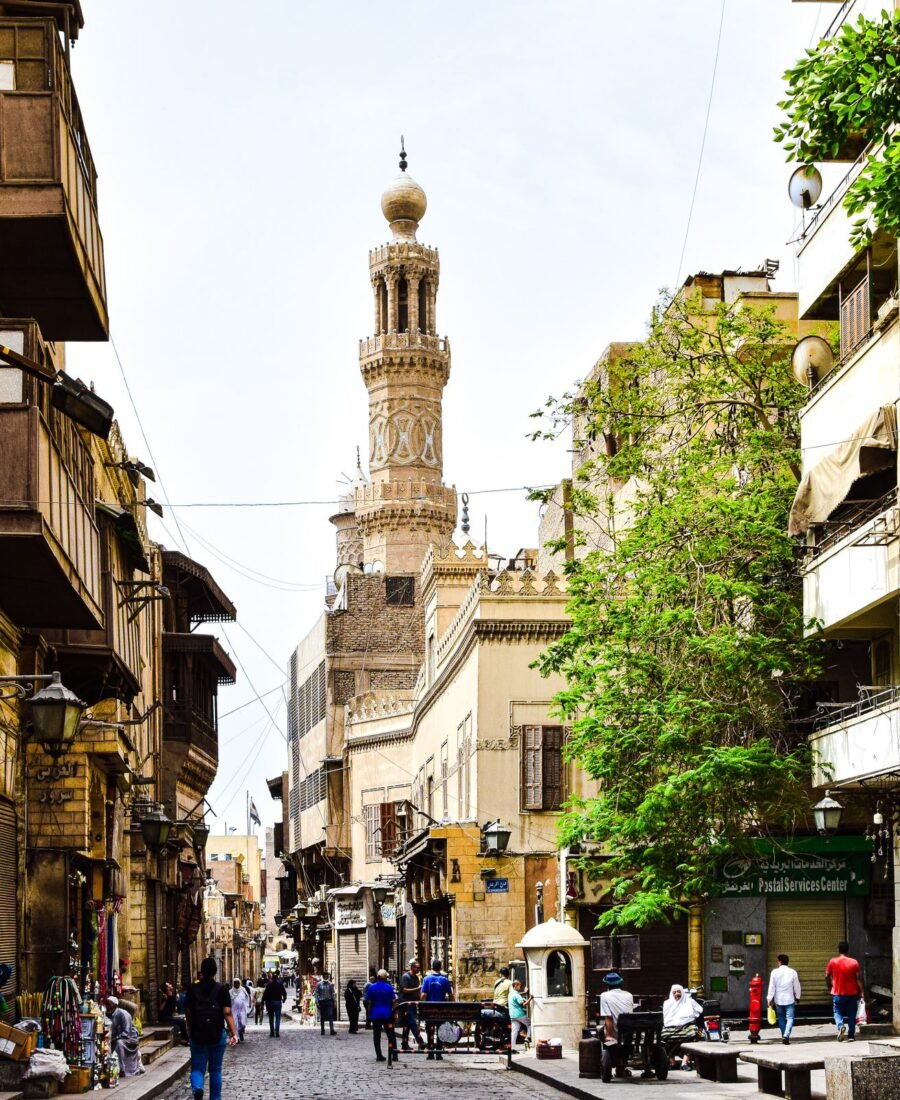
Discover the birthplace of pyramid civilization.
Request current rateExplore →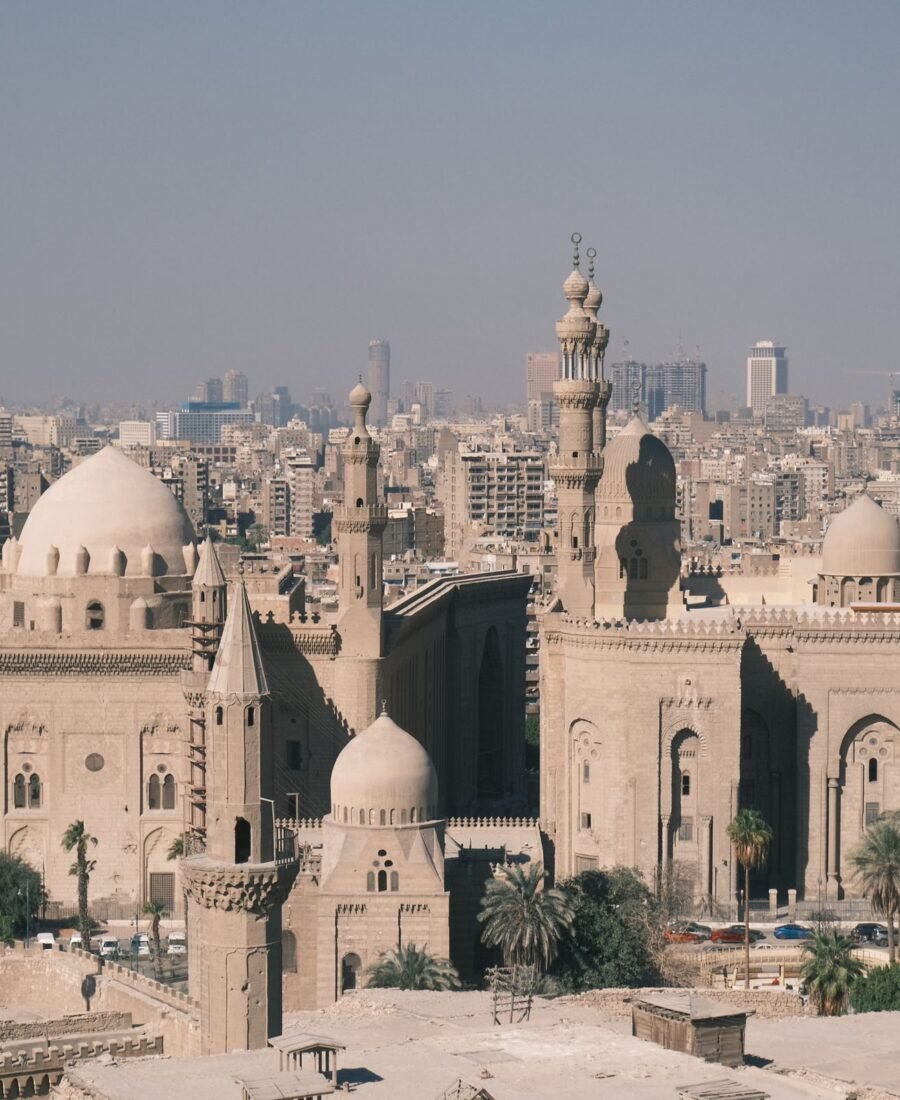
Read Cairo as a layered capital, from the ancient world to the historic city.
Request current rateExplore →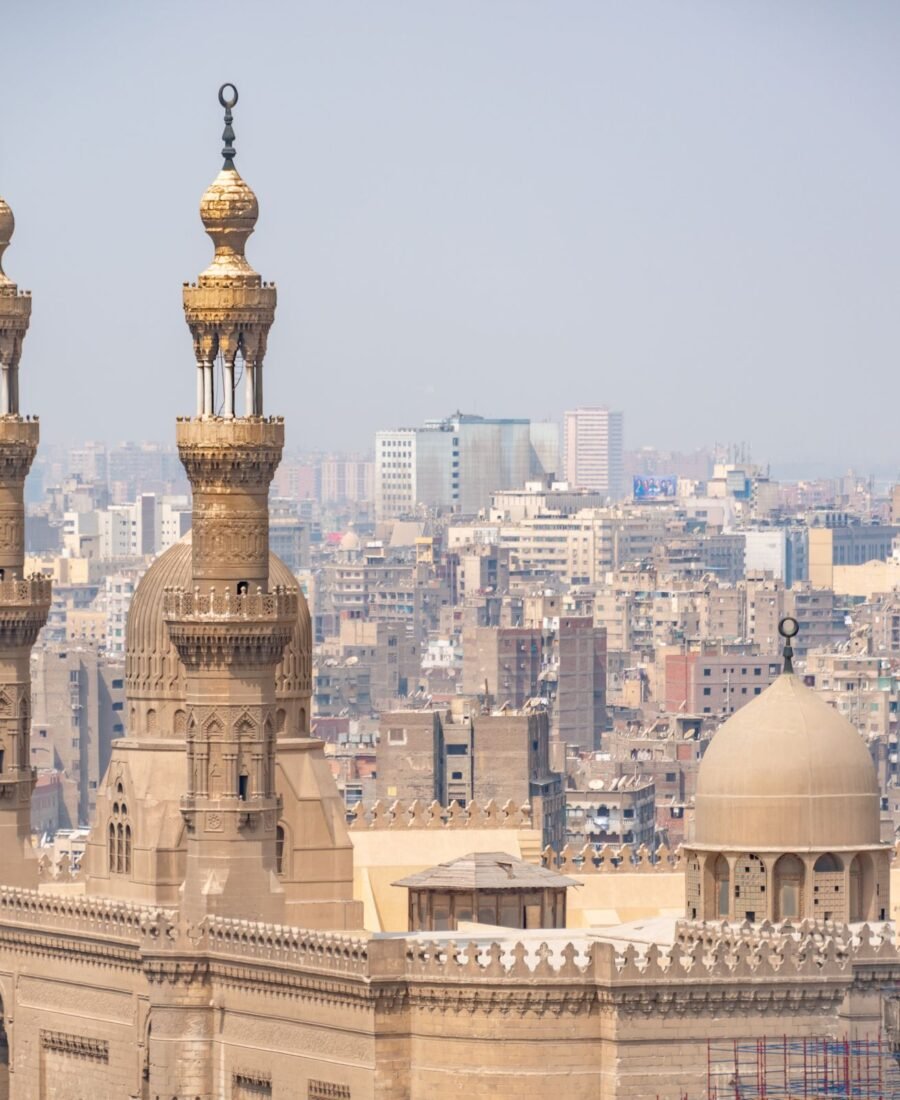
Explore two thousand years of religious history.
Request current rateExplore →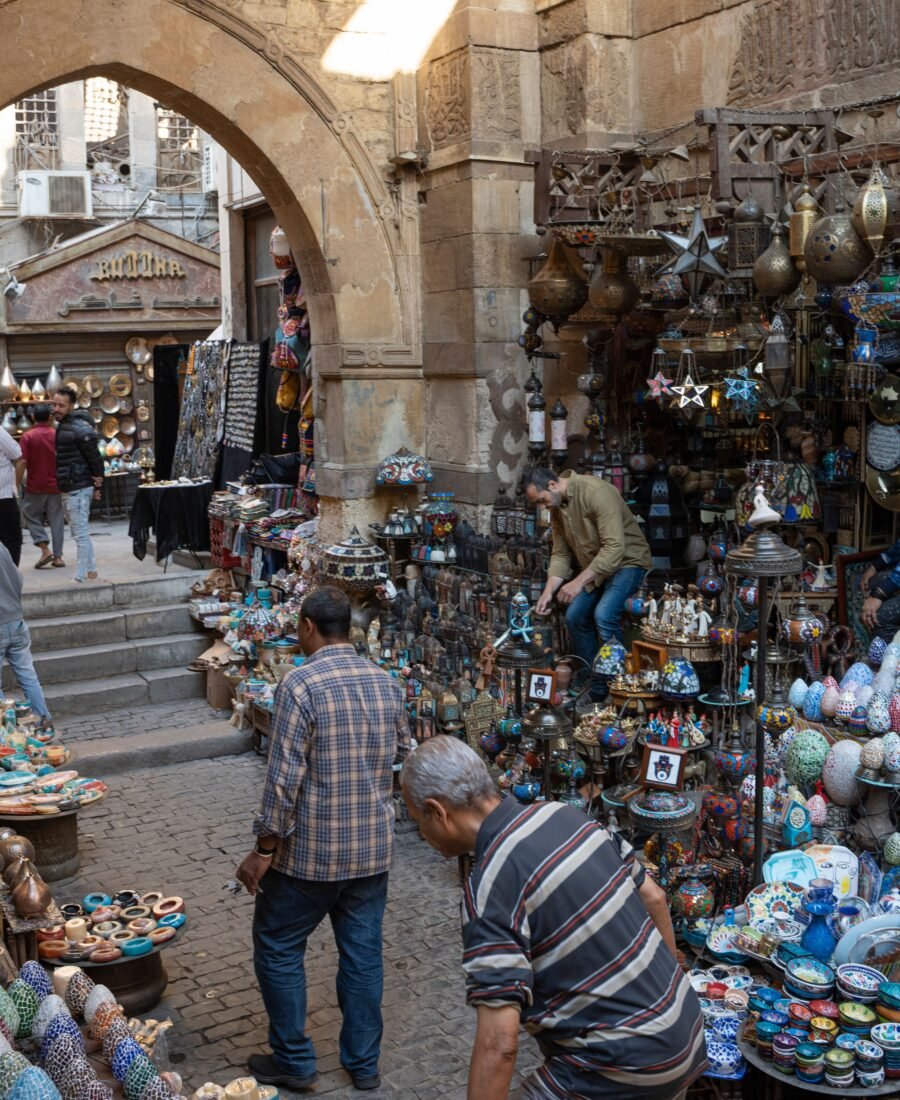
Experience Cairo through its lights, flavours and stories.
Request current rateExplore →
Discover Egypt’s Mediterranean soul.
Request current rateExplore →