
Changes of scale
Move between museum objects, monumental architecture and ordinary streets; each scale preserves a different kind of historical evidence.
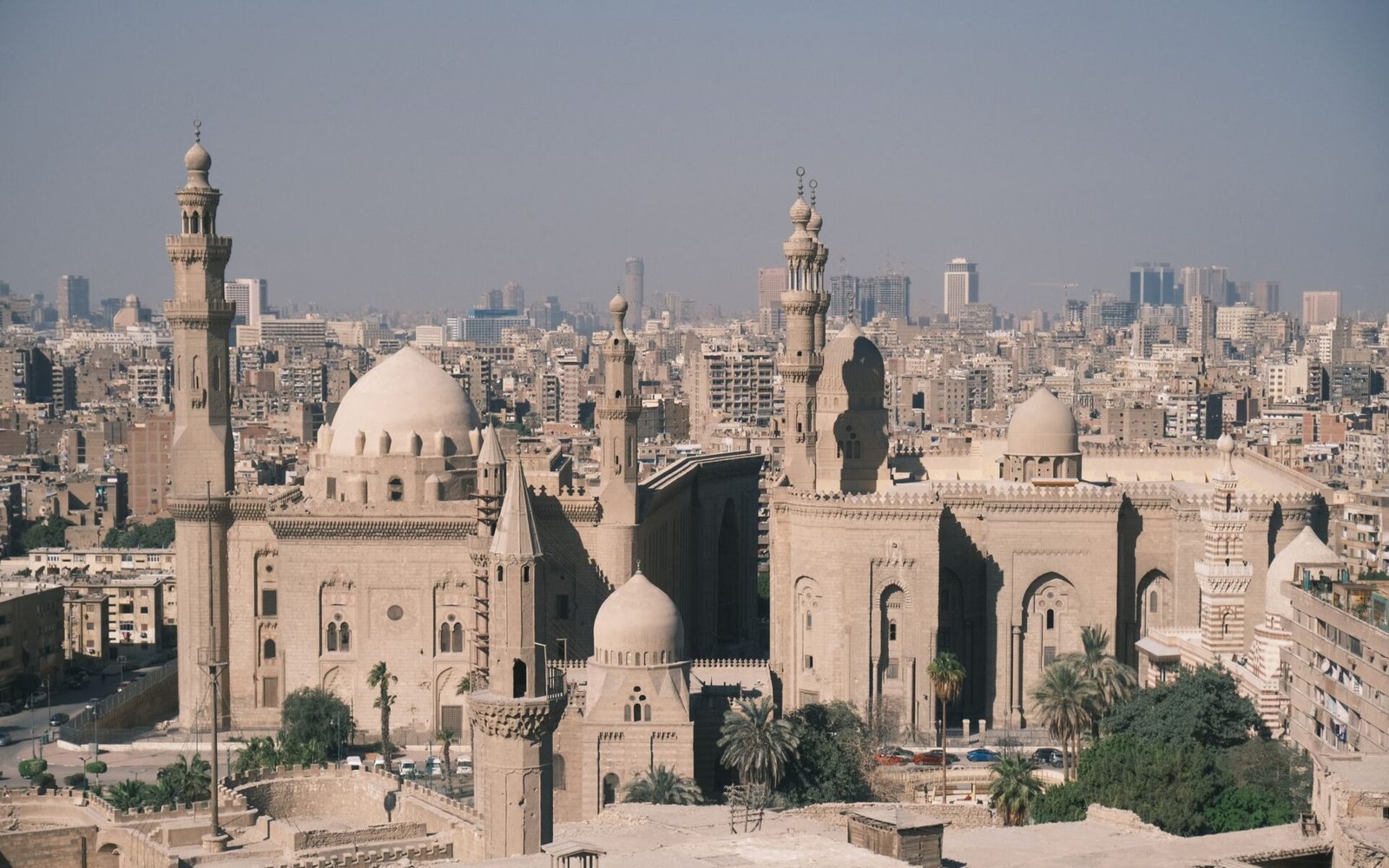
Read Cairo as a layered capital, from the ancient world to the historic city.
Cairo is a city built by successive worlds rather than one historical period. This private day is designed to move between selected museum or ancient context, major Islamic monuments and the living capital so the city reads as a continuum instead of separate sightseeing districts.
The purpose is comparison across periods. By choosing representative places rather than trying to cover all of Cairo, the day shows how political power, religion, architecture and urban life repeatedly reshaped the same city.
Interpretation stays close to archaeology, text, landscape and what the evidence can actually support.
Cairo cannot be reduced to one founding date or one dynasty. The modern metropolis sits beside and over earlier settlements, while its historic districts preserve layers created under changing rulers, communities and institutions. The experience therefore treats the city as an urban document: museum material can anchor chronology, streets reveal patterns of trade and worship, and architecture shows how political power repeatedly reshaped the capital. Rather than forcing every period into a checklist, the day concentrates on how Egyptians inherited, reused and lived beside the past.
Move between museum objects, monumental architecture and ordinary streets; each scale preserves a different kind of historical evidence.
Notice where historic routes, markets and religious buildings still organise movement through the city.
Look for buildings and spaces that changed function over time rather than imagining the historic city as frozen in one period.
Traffic, shops, worship and neighbourhood life are not distractions from history; they are the newest layer of the city.
A few defining moments reveal the character of the experience before you explore the full experience.
Set a chronological foundation before moving into later chapters of the capital.
Use a carefully chosen collection to connect objects with the historical periods explored outside.
Walk where architecture, worship, trade and urban life remain layered together.
Leave room for contemporary Cairo so the capital is experienced as a place, not only a heritage zone.
These are the places and themes that define the experience. Your confirmed programme arranges them in the best order for your date, pace and current access.
Set a chronological foundation before moving into later chapters of the capital.
Use a carefully chosen collection to connect objects with the historical periods explored outside.
Walk where architecture, worship, trade and urban life remain layered together.
Leave room for contemporary Cairo so the capital is experienced as a place, not only a heritage zone.
Museum chronology becomes more meaningful when it is connected to the urban spaces in which later Egyptian history unfolded.
Cairo’s identity grew through successive political centres and communities; the day is about continuity and transformation rather than one golden age.
Cairo rewards travellers who notice reuse, continuity and change. Medieval religious architecture, later royal projects and modern streets all sit within a much older geographic story centred on the Nile and the capital region.
Your Egyptologist can spend more time where your curiosity is strongest and move more lightly through what matters less, while keeping the day coherent and well paced.
Tell us how you like to travel →Ask us whether this addition fits your date, pace and route.
Ask us whether this addition fits your date, pace and route.
Ask us whether this addition fits your date, pace and route.
Ask us whether this addition fits your date, pace and route.
When an approved public rate is available, the calculator shows the relevant private-party basis. Otherwise, we prepare a personal quotation after checking the date, party and operating arrangements.
Street photography works best when it records architecture and daily life without turning residents into props. Ask before making close portraits. Interior rules vary by museum and monument, and some religious spaces restrict photography. Wide street perspectives are especially useful for showing how monuments sit inside the living city.
This is not a monument-maximising day. Travellers whose priority is a single archaeological period may prefer a more focused Giza, Saqqara or faith-heritage experience.
Traffic and opening conditions strongly influence the best order, so exact timing is confirmed for the date. The day involves walking in historic districts and may include mosque visits, where respectful dress and local access rules apply.
Culture lovers, repeat visitors, photographers and first-time travellers who want more than the pyramids.
The exact museum is confirmed in your programme because collections, opening conditions and the purpose of the day can vary. We choose it to support the historical story rather than adding a museum automatically.
The defining places and historical focus are established, while the operating order is confirmed around current access, opening conditions, local logistics and your pace. Your final programme states the sequence clearly before travel.
It means reading the city through successive historical layers rather than trying to see every major sight. The emphasis is on how political, religious and urban life changed over time.
No. Museum context is useful, but the experience is designed to move between objects, architecture, streets and the living city.
No. The emphasis follows the confirmed programme and your interests; the aim is coherence, not equal minutes for every century.
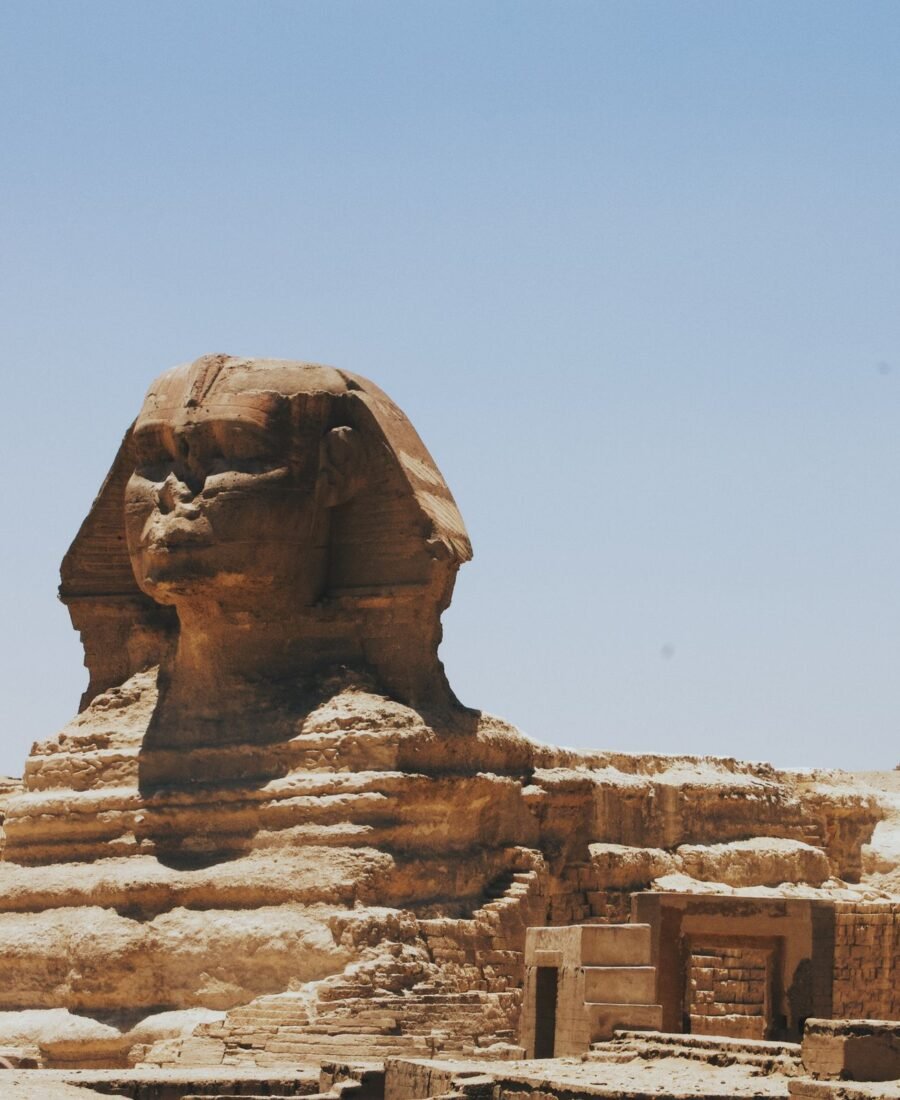
The essential introduction to Egypt’s greatest icons.
Request current rateExplore →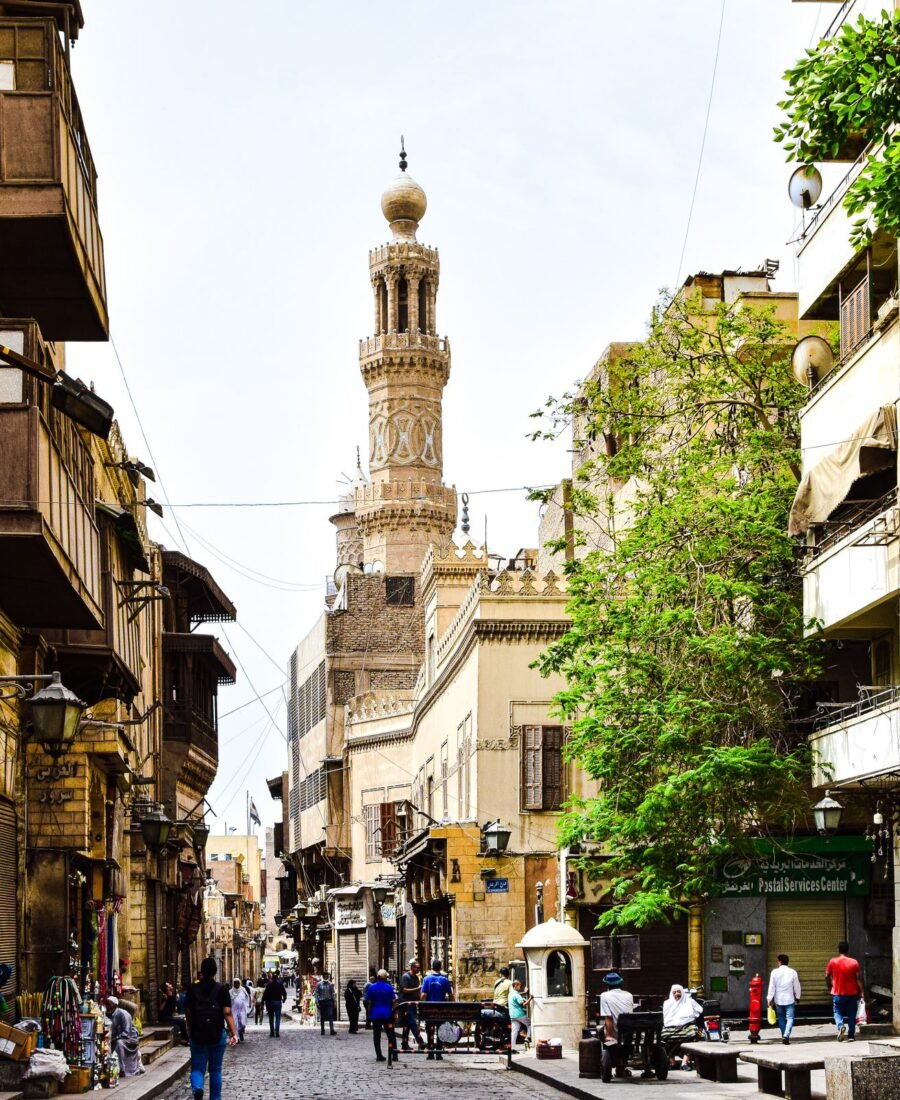
Discover the birthplace of pyramid civilization.
Request current rateExplore →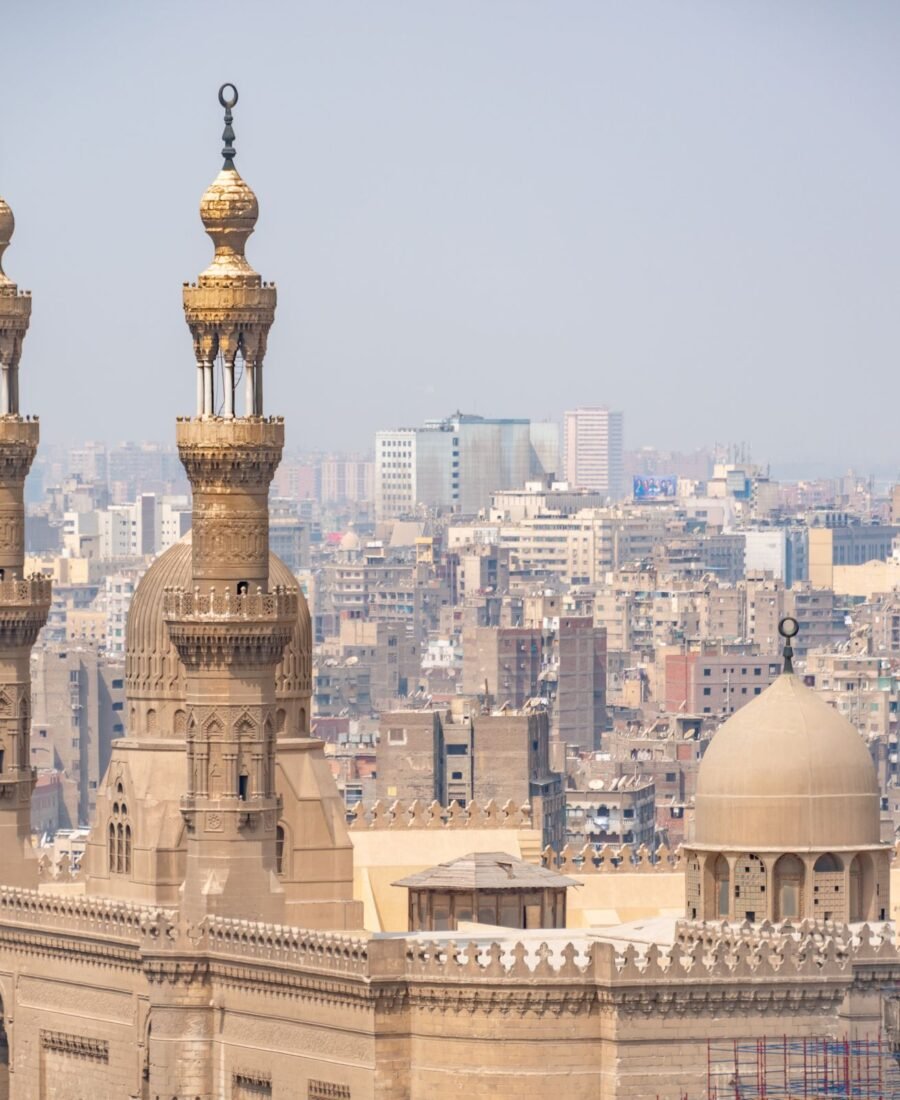
Explore two thousand years of religious history.
Request current rateExplore →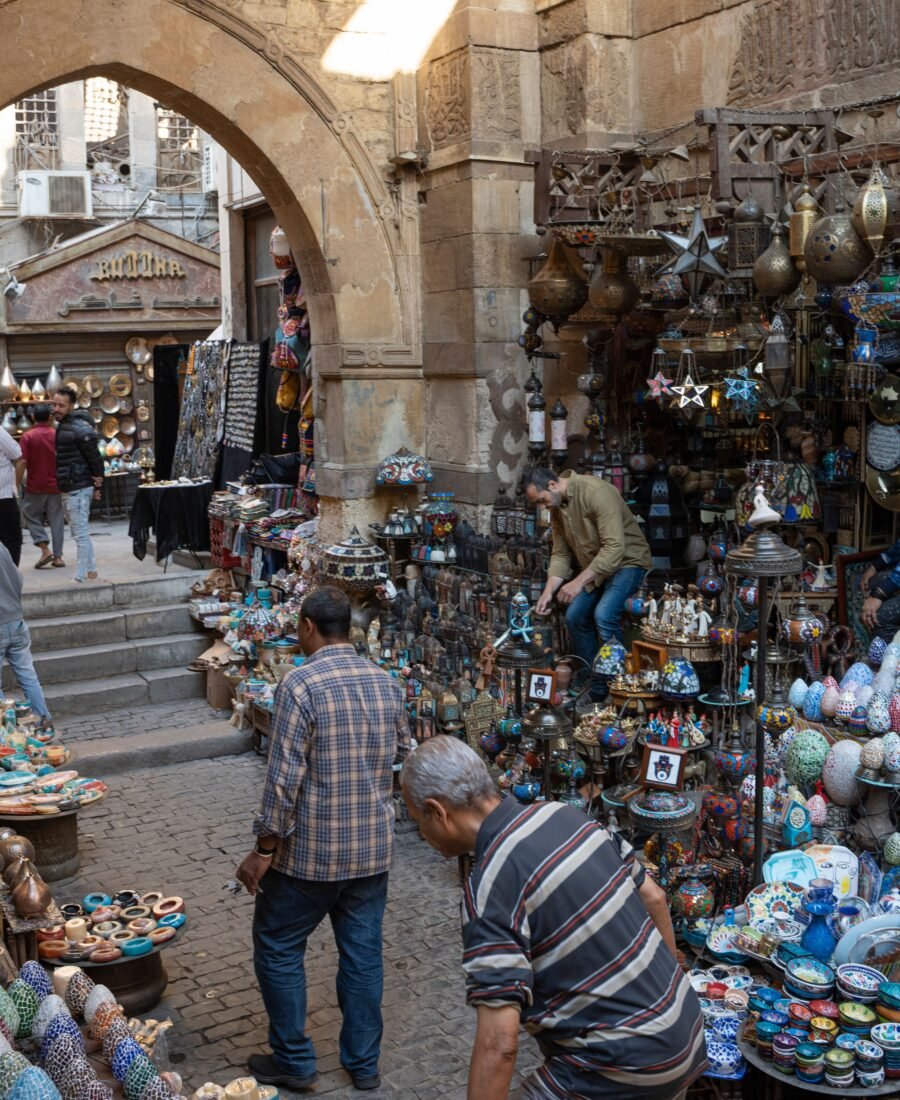
Experience Cairo through its lights, flavours and stories.
Request current rateExplore →
Discover Egypt’s Mediterranean soul.
Request current rateExplore →