
Street as historical space
Notice how monuments open directly onto commercial streets instead of sitting in isolated archaeological parks.
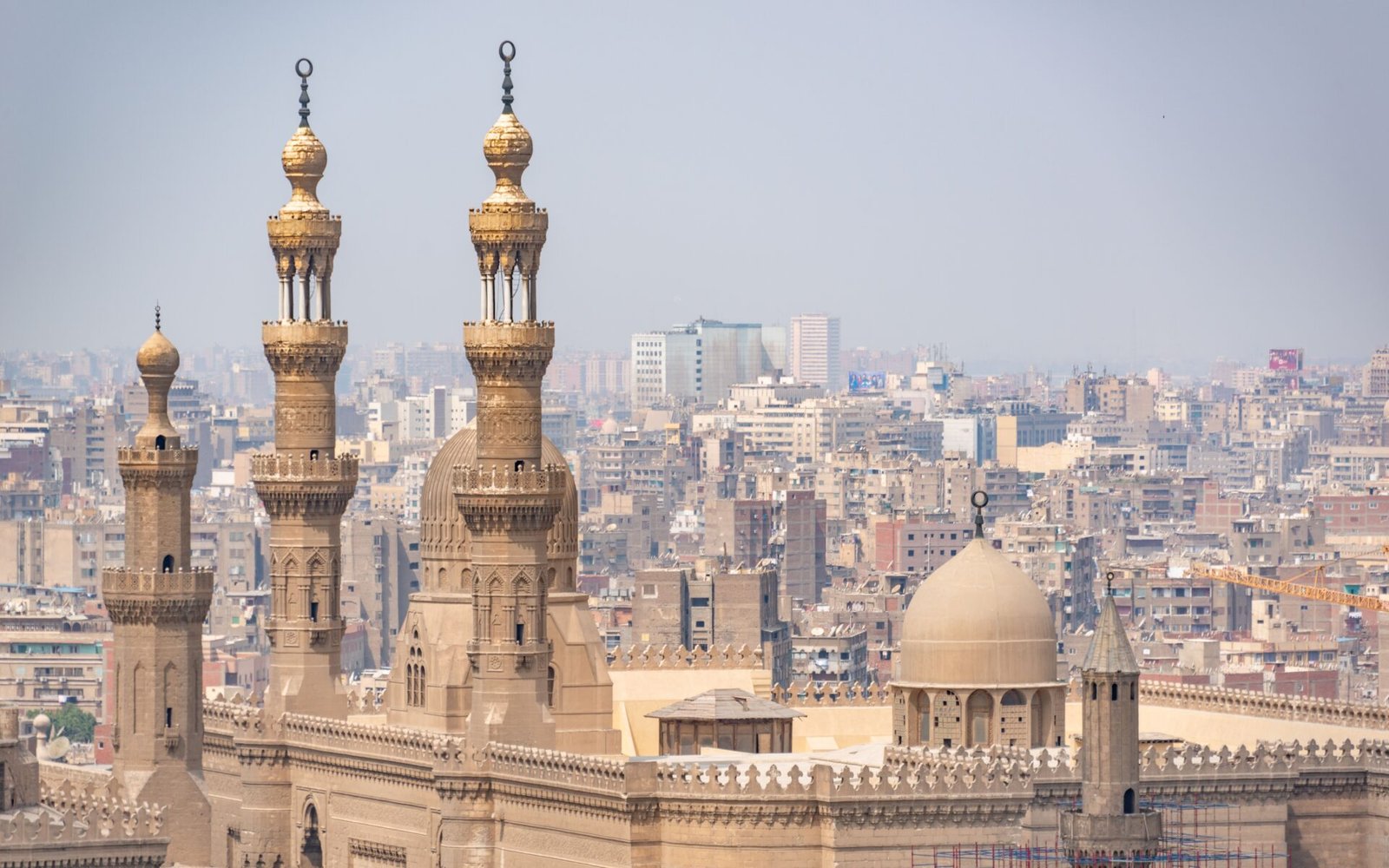
Experience Cairo through its lights, flavours and stories.
After sunset, historic Cairo changes pace. This evening uses walking, architecture, cafés, food and conversation to experience the city when its streets become more social and the monuments of Al-Muizz and the market district take on a different atmosphere.
The evening is designed as local-life context rather than a shopping excursion. Historic fabric, everyday trade and food help reveal a Cairo that daytime monument touring rarely captures.
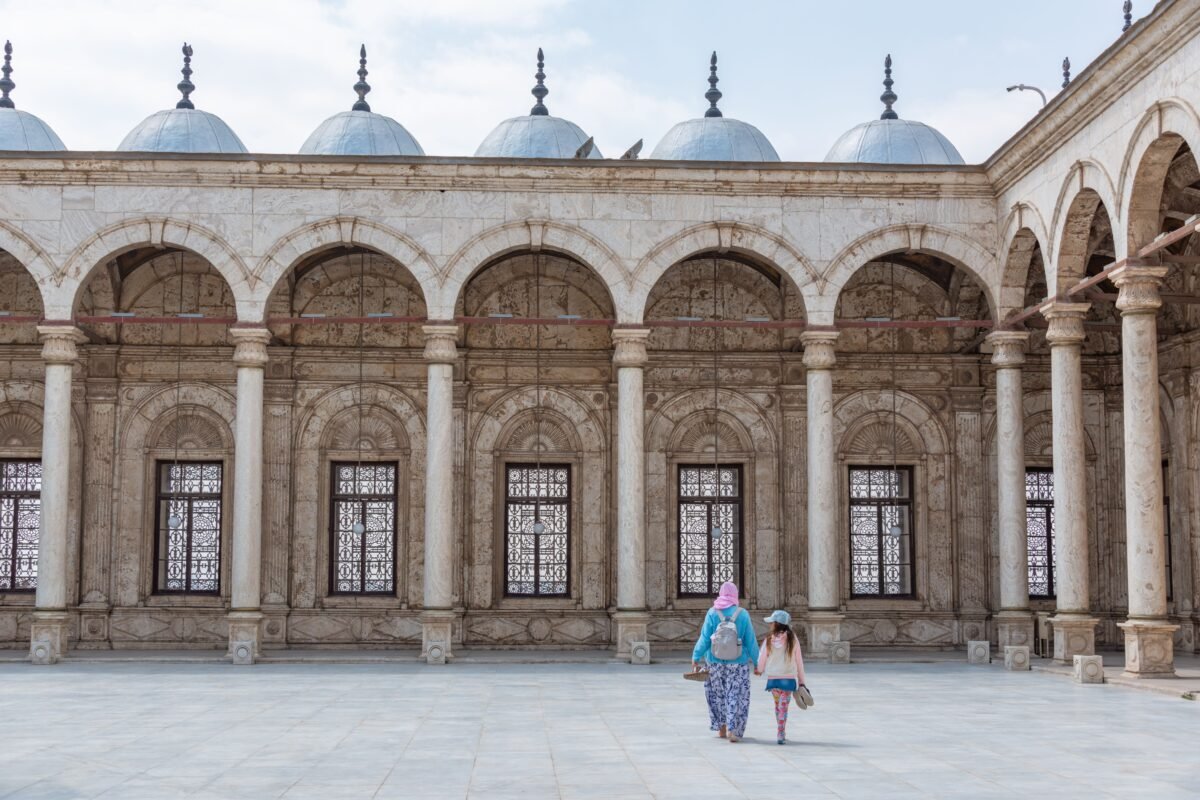
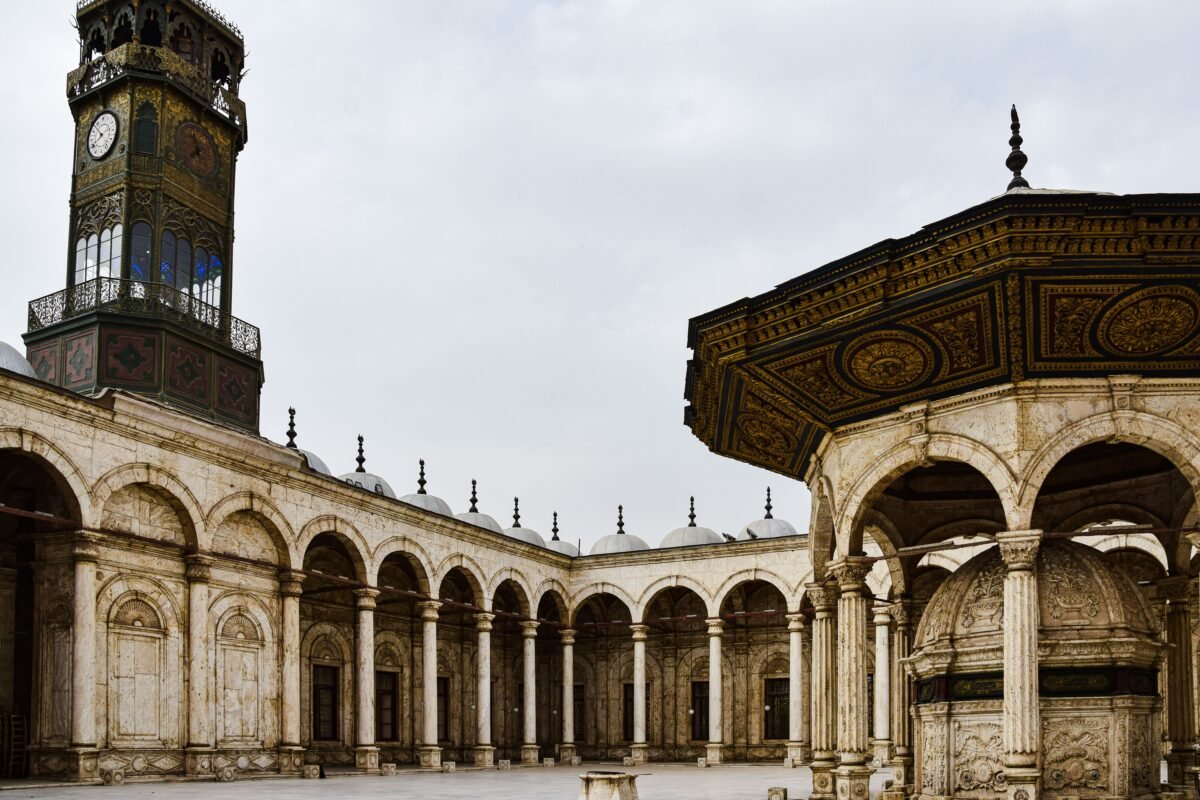
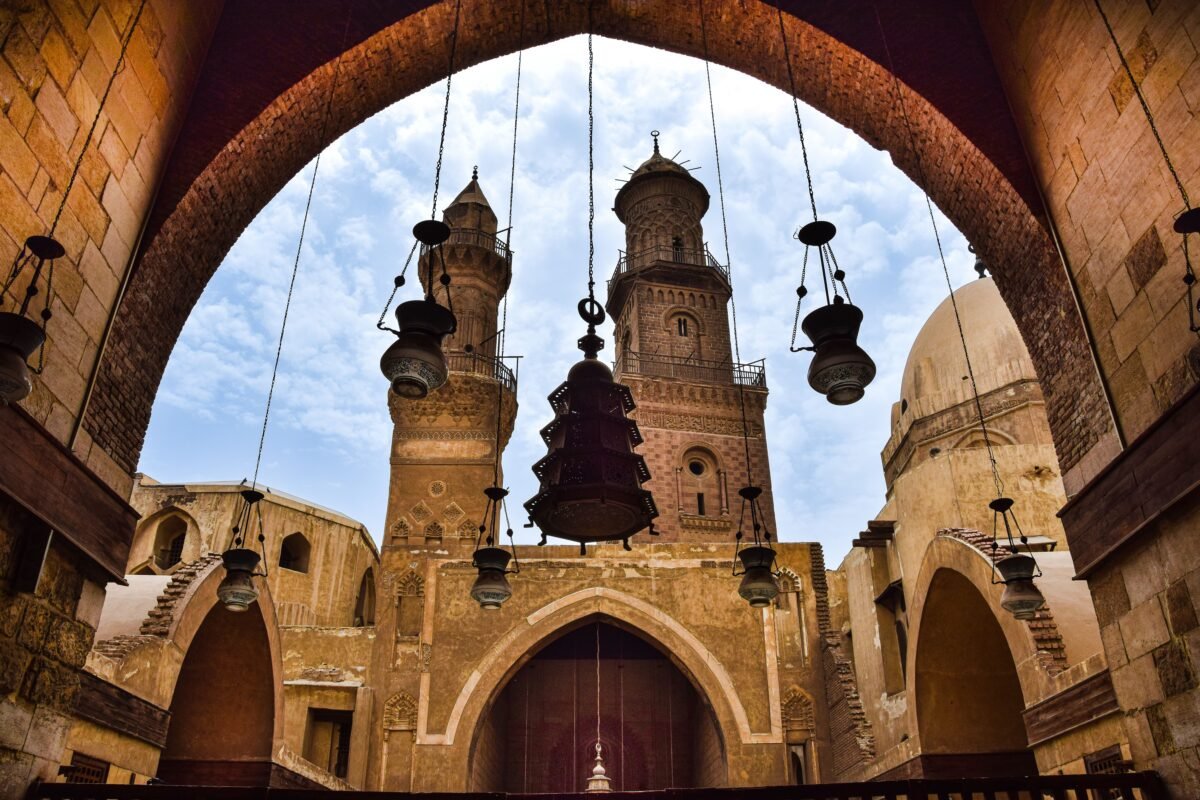
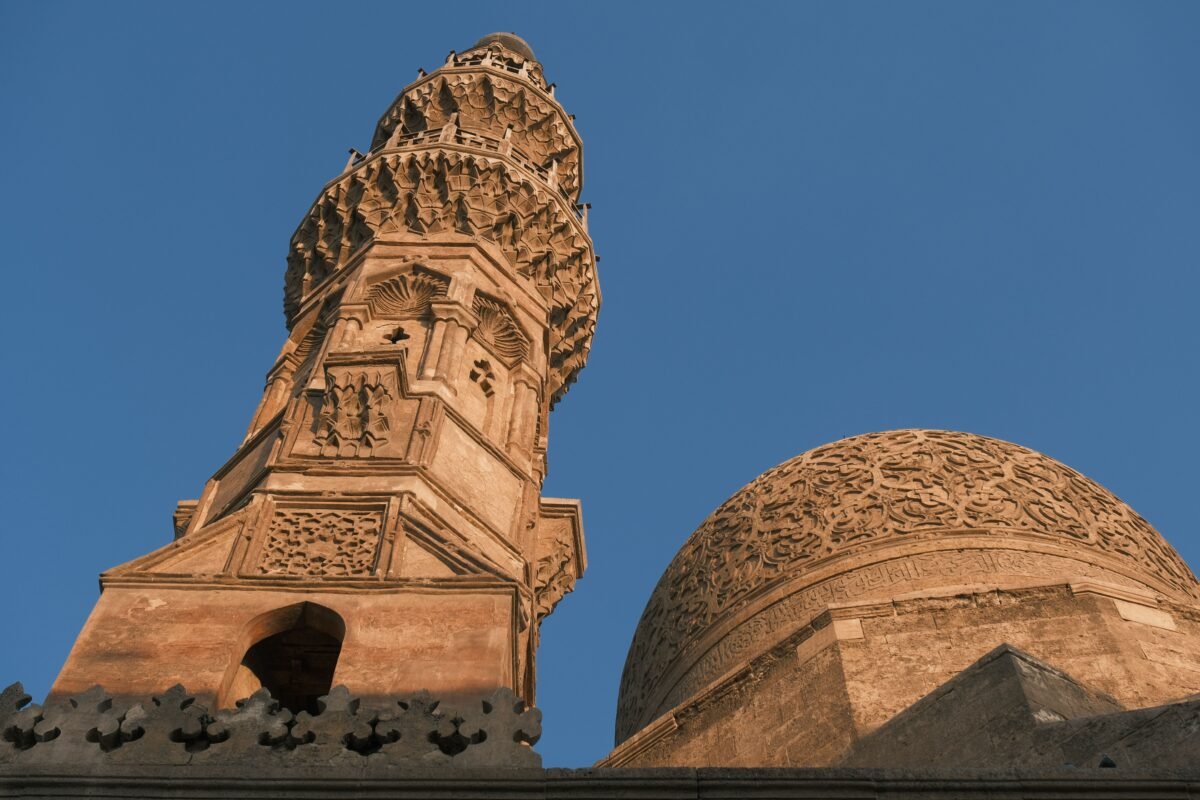
Interpretation stays close to archaeology, text, landscape and what the evidence can actually support.
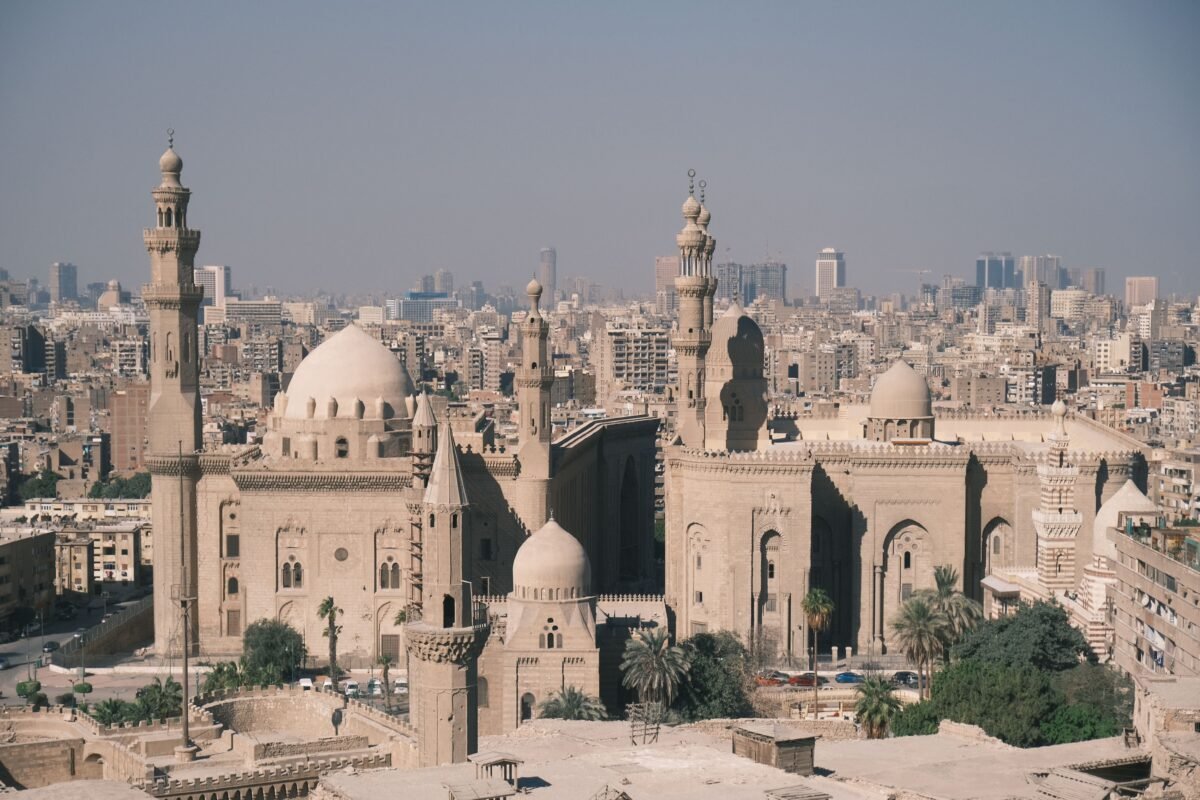
Historic Cairo after sunset is less about “nightlife” than about the continued social life of streets that have served merchants, worshippers, craftsmen and residents for centuries. The Al-Muizz corridor and the Khan el-Khalili area preserve dense historic fabric where architecture, commerce and public life remain closely interwoven. Evening light changes the way stone façades, minarets, shopfronts and narrow streets are read, while cafés and food traditions offer a human-scale counterpoint to daytime monument touring.
Notice how monuments open directly onto commercial streets instead of sitting in isolated archaeological parks.
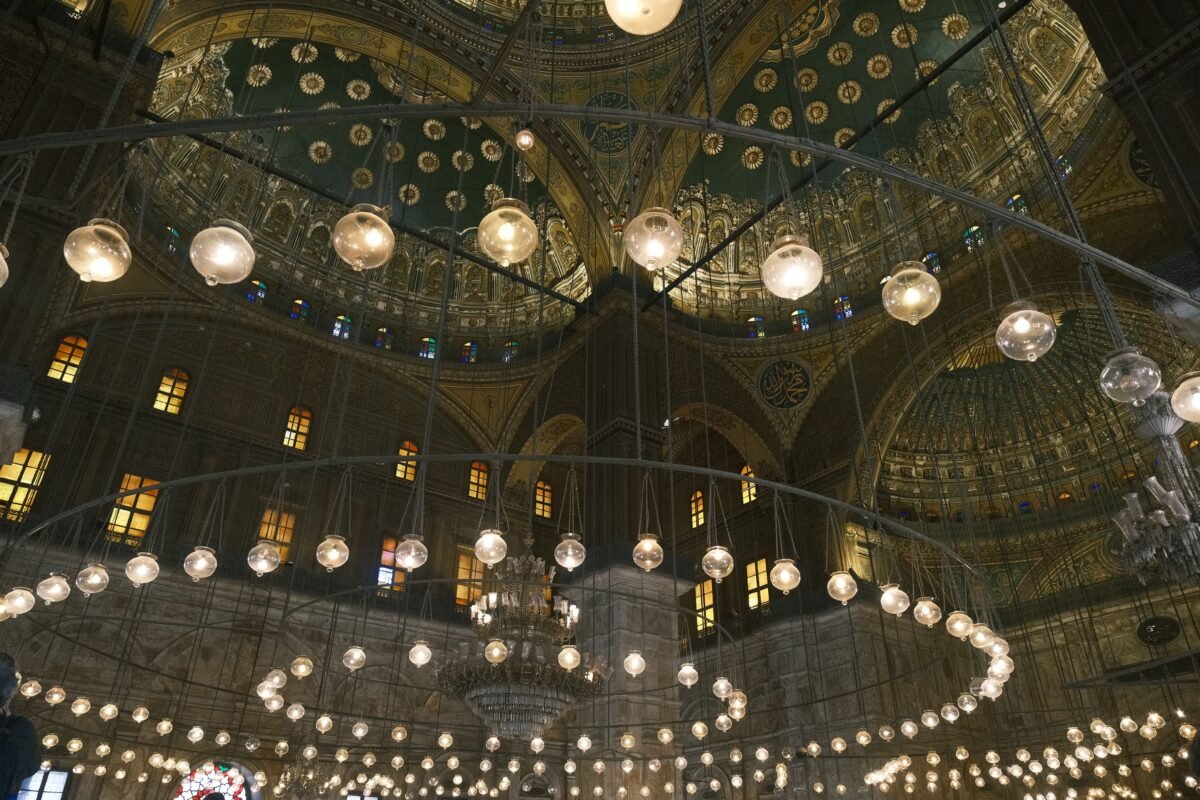
Artificial light can make carved stone, projecting windows and layered façades easier to notice than under flat midday sun.
Treat shops and workshops as part of the district’s economic history, not as compulsory shopping opportunities.
A pause in a local café helps explain how public social space works in the historic city today.
A few defining moments reveal the character of the experience before you explore the full experience.
Experience the market district as part of Cairo's urban life, not as a forced shopping stop.
Walk through one of the richest concentrations of historic architecture in the city.
Pause where conversation and street life are part of the evening rhythm.
Where included, use food as a window into everyday Cairo rather than a staged tasting circuit.
See how lighting, evening activity and architecture change the feeling of the old city.
These are approved places in the experience. The cards are intentionally unnumbered because their display order does not imply an operating sequence.
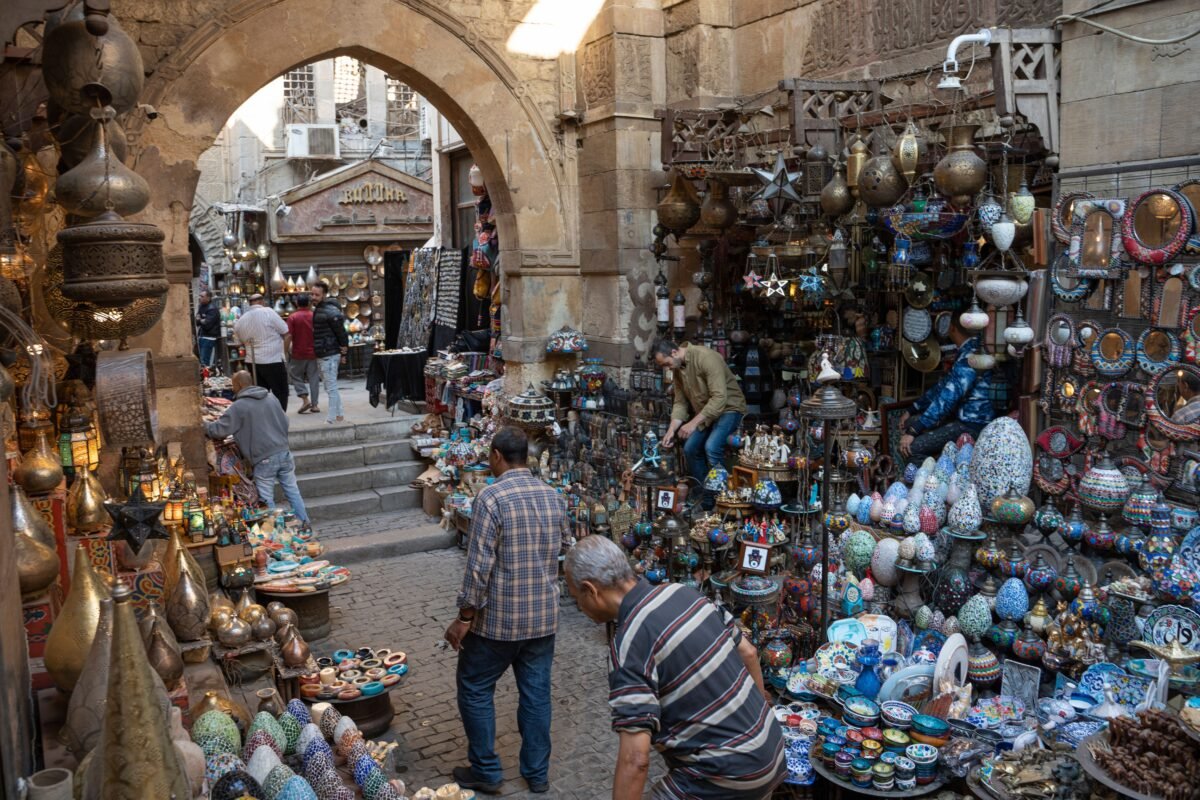
Experience the market district as part of Cairo's urban life, not as a forced shopping stop.
Read the site guide →Walk through one of the richest concentrations of historic architecture in the city.
Read the site guide →Trade helped sustain the urban districts around religious and civic architecture; the two histories cannot be fully separated.
The value of the evening is seeing historic fabric still functioning as a contemporary city rather than as a museum set.
Markets are part of urban history, but they are also working social spaces. The best interpretation avoids romanticising them and instead notices how streets, crafts, cafés, worship and commerce continue to share the same historic fabric.
Your Egyptologist can spend more time where your curiosity is strongest and move more lightly through what matters less, while keeping the day coherent and well paced.
Tell us how you like to travel →Ask us whether this addition fits your date, pace and route.
Ask us whether this addition fits your date, pace and route.
Ask us whether this addition fits your date, pace and route.
Ask us whether this addition fits your date, pace and route.
When an approved public rate is available, the calculator shows the relevant private-party basis. Otherwise, we prepare a personal quotation after checking the date, party and operating arrangements.
Evening streets offer strong available-light photography, but they also require respect. Use smaller cameras or phones discreetly, ask before close portraits, and avoid blocking working shops or pedestrians. Contrast between warm shop lighting and dark stone can be visually striking without needing staged scenes.
This is a walking, atmosphere-led experience rather than a formal archaeological lecture. Travellers who prefer quiet monuments, little street activity or a fixed seated dinner programme may prefer another evening option.
This is primarily a walking evening in busy public streets. Food or tea stops depend on the confirmed version of the experience, and exact access to monuments or venues can vary by date and opening hours.
Couples, families with older children, photographers, food-curious travellers and anyone wanting a living-Cairo evening.
Shopping is not the purpose of the experience. You can browse if you wish, but the evening is built around streets, architecture, stories, food and local atmosphere.
The defining places and historical focus are established, while the operating order is confirmed around current access, opening conditions, local logistics and your pace. Your final programme states the sequence clearly before travel.
No. Shopping is optional. The historical value comes from the relationship between streets, architecture, commerce, cafés and contemporary urban life.
Only where the confirmed programme and current opening conditions allow. The experience does not promise access that has not been verified for your date.
No. Food can add cultural context where included, but the core experience is the historic city and its evening social rhythm.
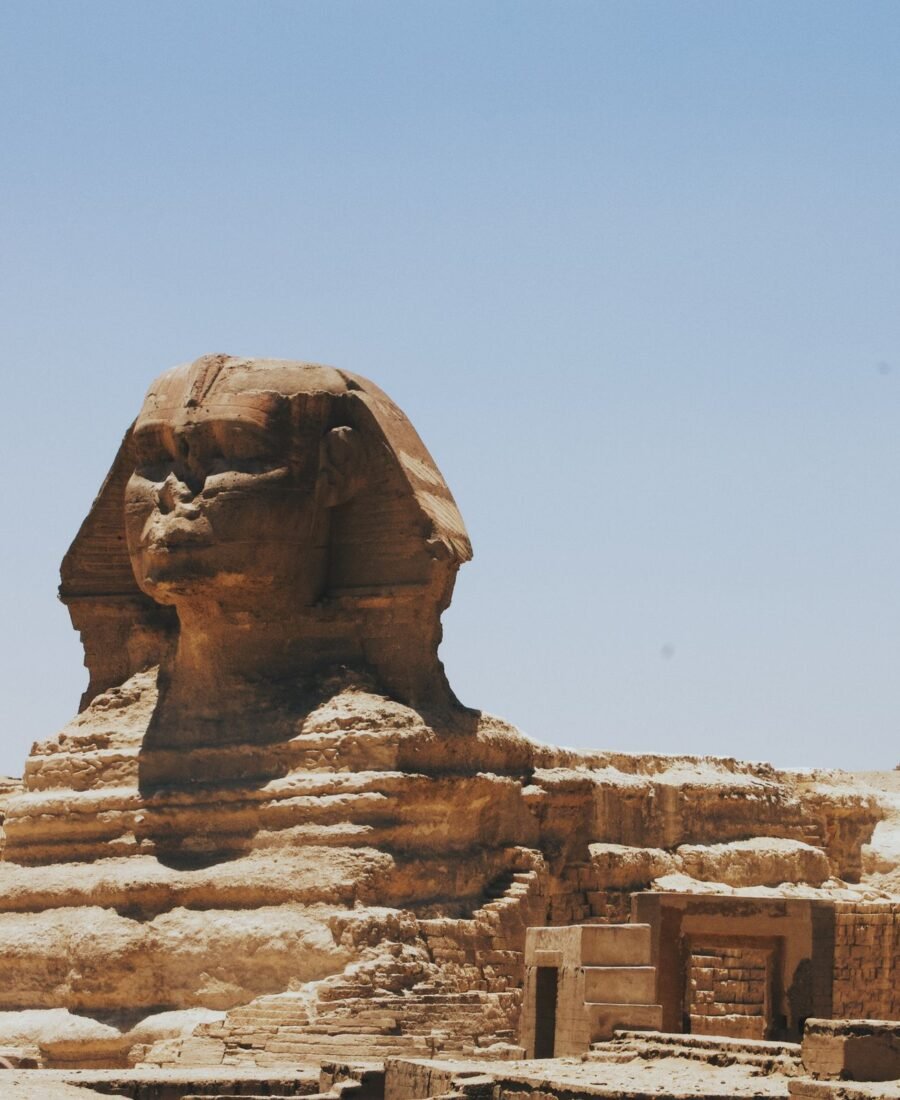
The essential introduction to Egypt’s greatest icons.
Request current rateExplore →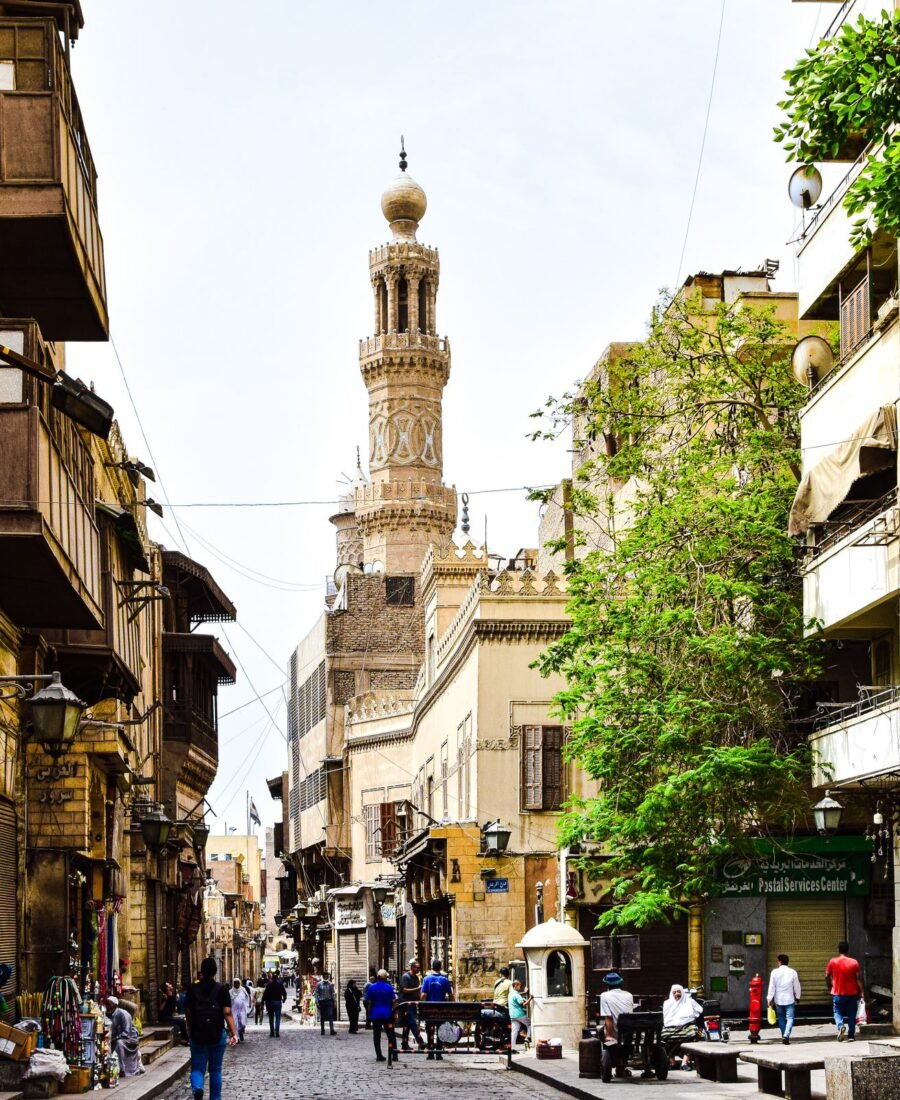
Discover the birthplace of pyramid civilization.
Request current rateExplore →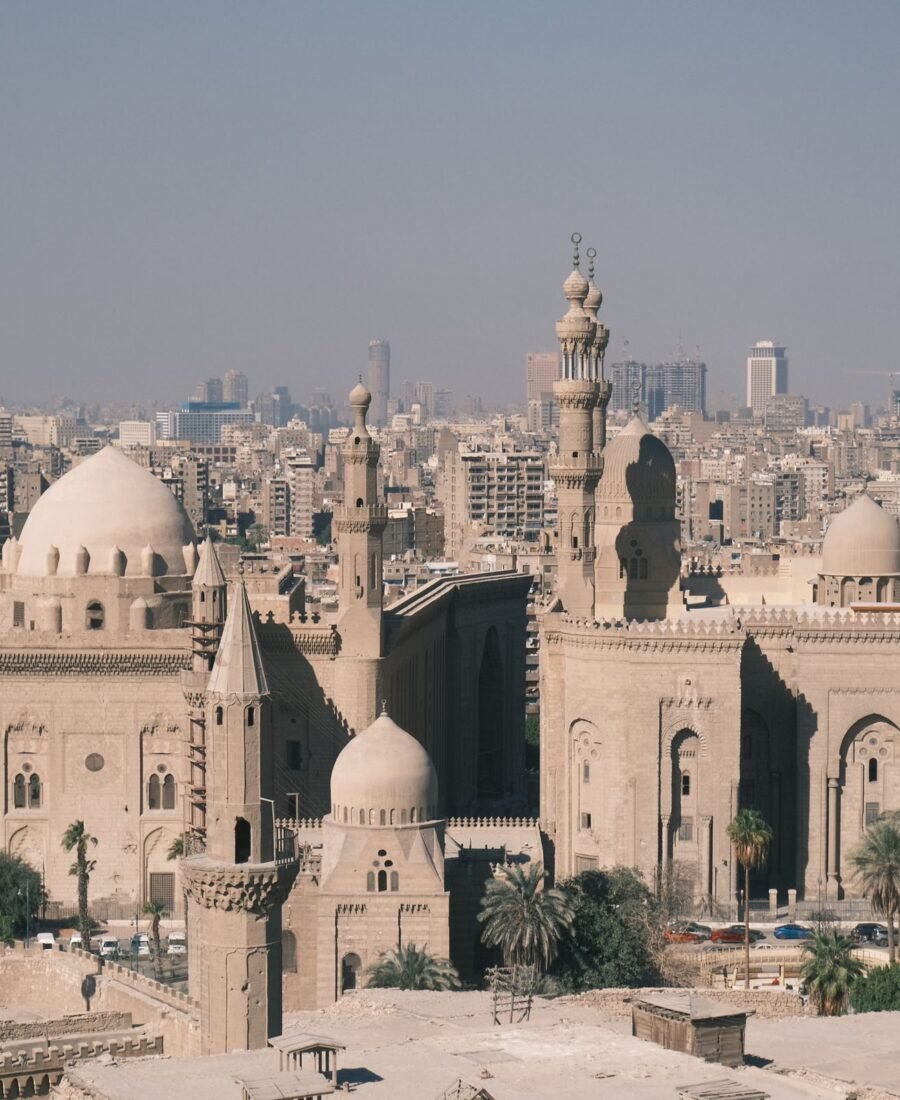
Read Cairo as a layered capital, from the ancient world to the historic city.
Request current rateExplore →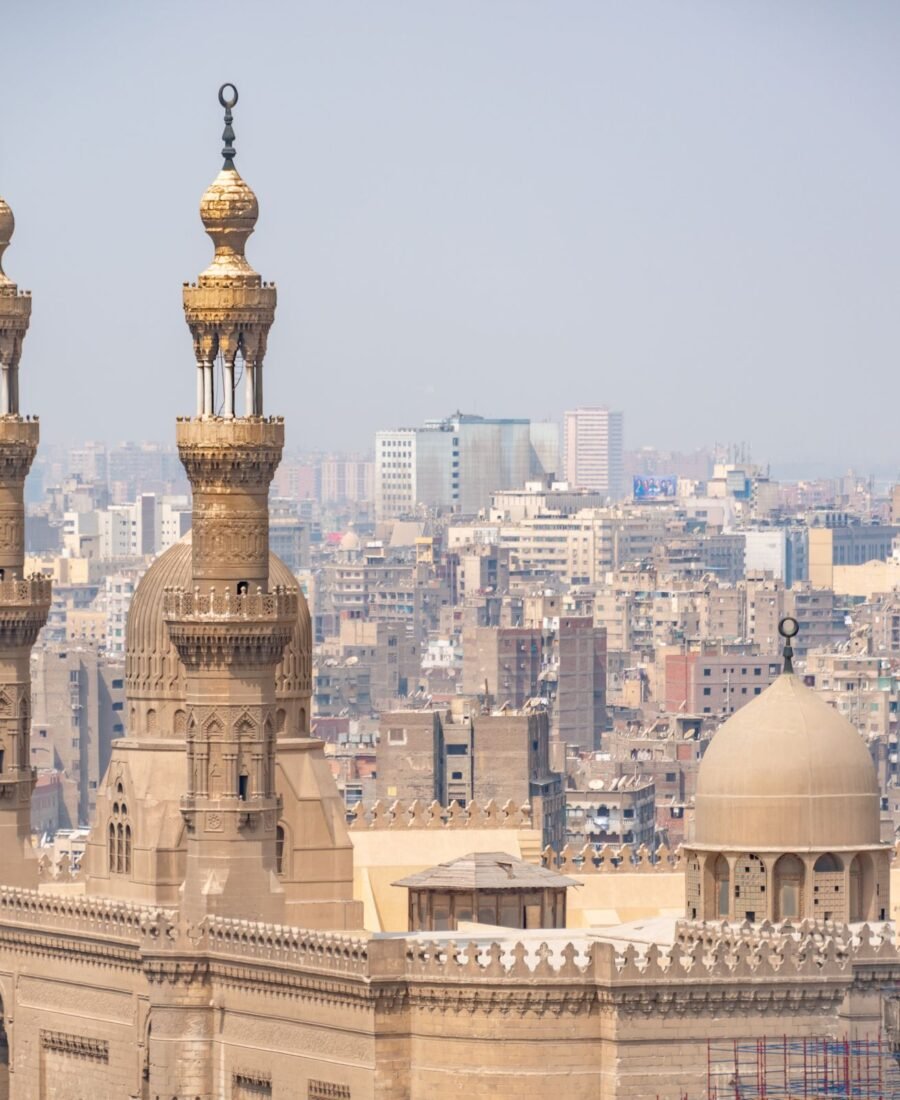
Explore two thousand years of religious history.
Request current rateExplore →
Discover Egypt’s Mediterranean soul.
Request current rateExplore →