
Stone learning to imitate earlier materials
At Djoser’s complex, architectural forms in stone often preserve memories of timber, reed and palace-facade traditions.
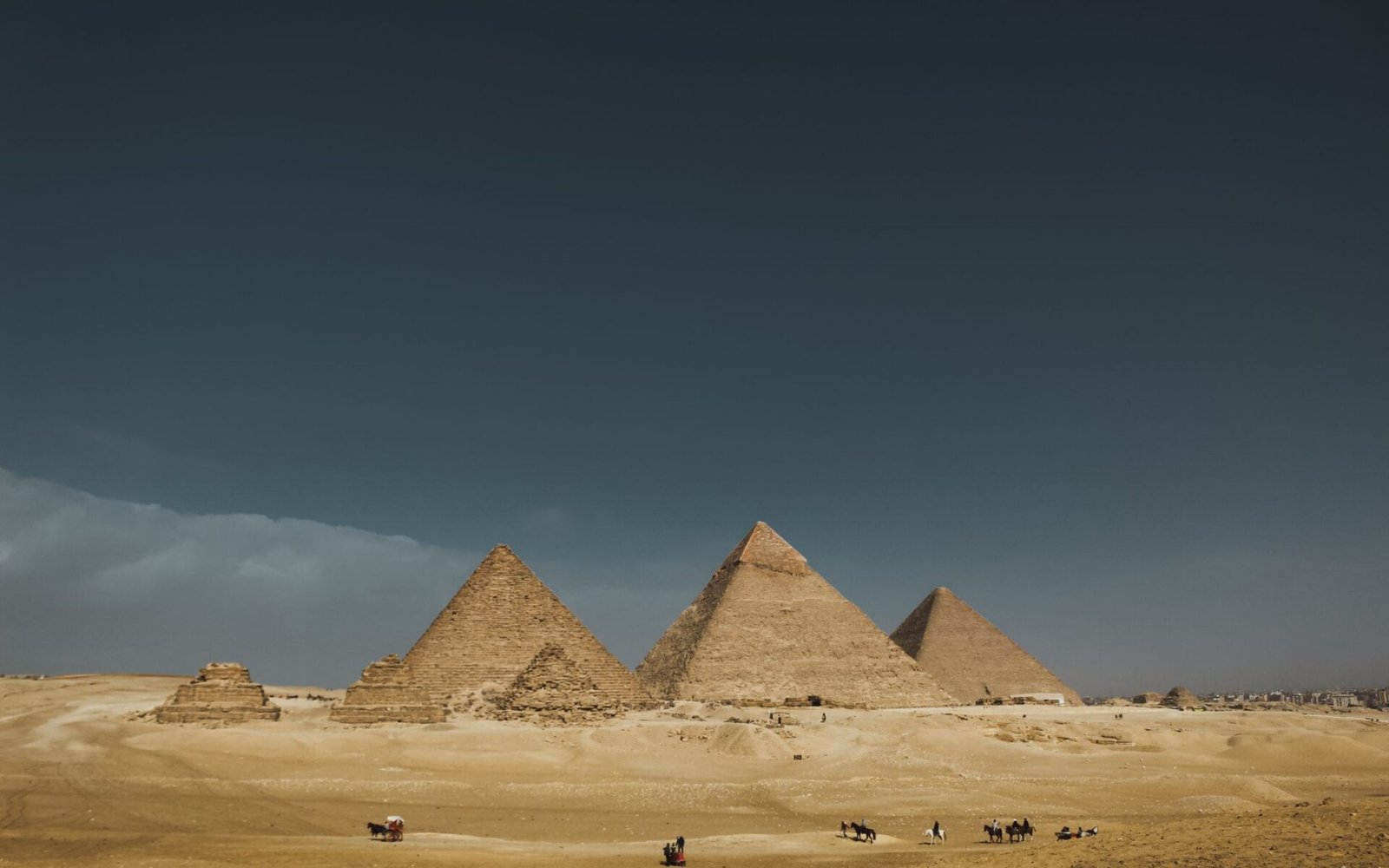
Discover the birthplace of pyramid civilization.
Saqqara, Memphis and Dahshur reveal the experiments that came before Giza. This is the day for travellers who want to understand how royal tomb design, stone construction and state power developed rather than seeing pyramids as a single finished idea.
The value is chronological. Early royal landscapes and the Step Pyramid lead into the experiments at Dahshur, turning several archaeological zones into one argument about how monumental architecture evolved.
Interpretation stays close to archaeology, text, landscape and what the evidence can actually support.
Saqqara, Memphis and Dahshur allow the pyramid age to be followed as a process rather than presented as a finished achievement. At Saqqara, Djoser's Step Pyramid complex shows a decisive move toward monumental construction in stone while still echoing forms familiar from earlier architecture. Dahshur preserves major experiments in true-pyramid design associated with the reign of Sneferu, making architectural problem-solving visible in the monuments themselves. Memphis provides the political and geographical frame: the royal necropolises were connected to a capital region from which kingship, administration and cult were organised.
At Djoser’s complex, architectural forms in stone often preserve memories of timber, reed and palace-facade traditions.
At Dahshur, compare changing pyramid profiles and ask what they reveal about engineering decisions rather than seeing them as imperfect versions of Giza.
Saqqara contains evidence from many periods; notice how later Egyptians continued to reuse and reinterpret an already ancient sacred landscape.
Keep Memphis and the pyramid fields mentally connected: political centre and royal burial zone were parts of the same system.
These are approved places in the experience. The cards are intentionally unnumbered because their display order does not imply an operating sequence.
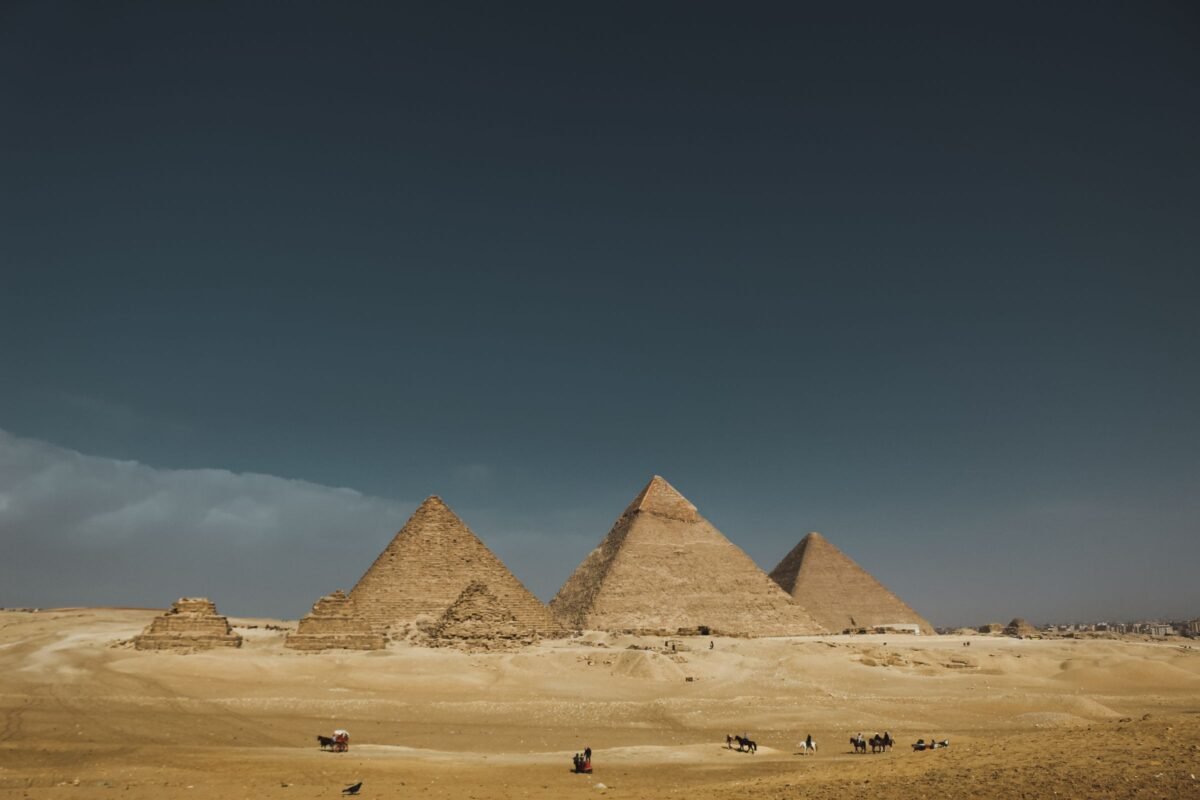
Begin in one of Egypt's richest archaeological landscapes, where long-term royal and private burial traditions can be read together.
Read the site guide →Use Djoser's complex to understand a decisive shift toward monumental stone architecture.
Read the site guide →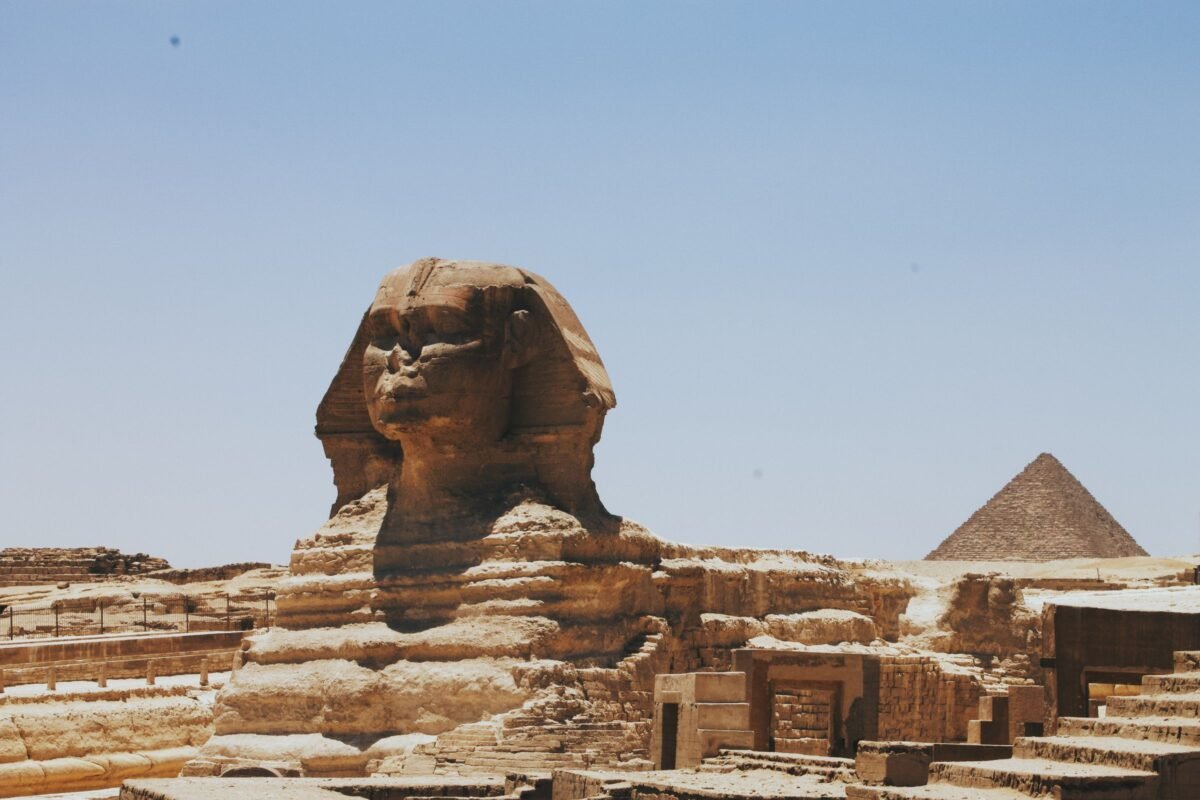
Add the political and geographic context of the ancient capital rather than treating the pyramid fields in isolation.
Read the site guide →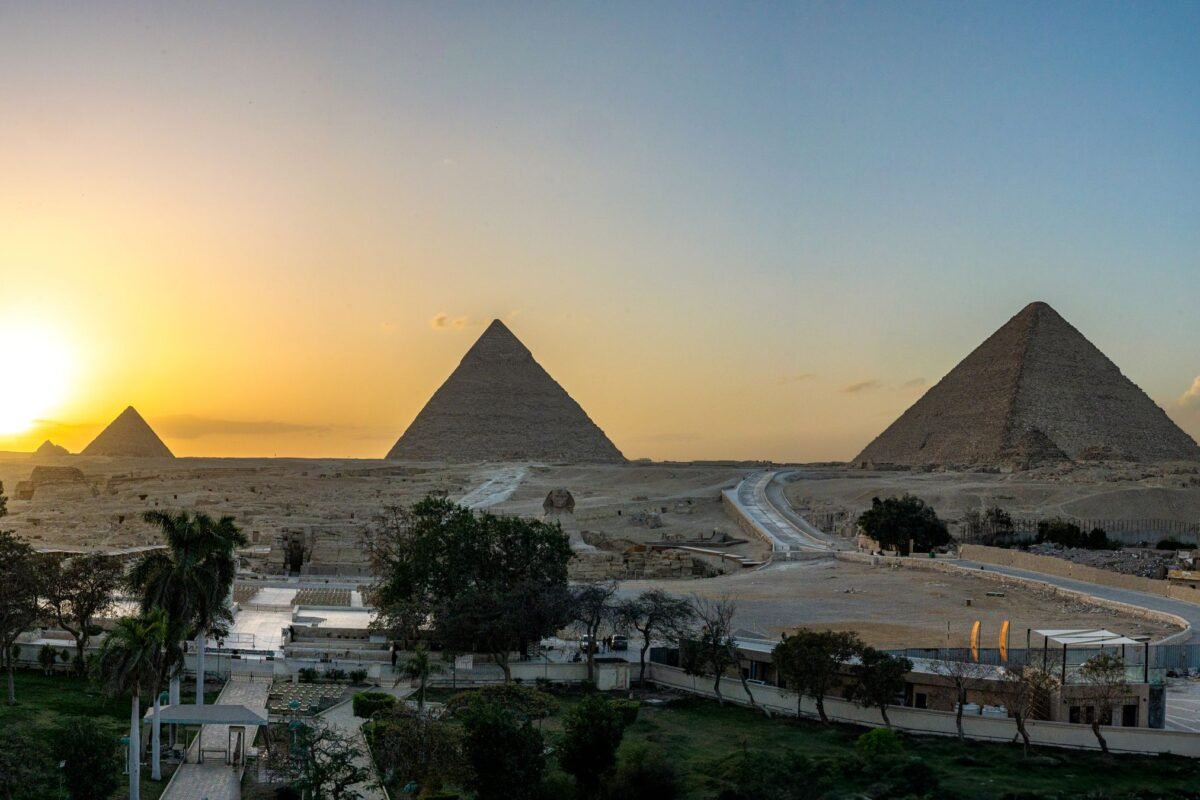
Compare the experiments that led toward the true pyramid form and make architectural development visible.
Read the site guide →The day makes architectural development visible, showing that the Great Pyramid was the result of generations of accumulated knowledge.
Monumental building, labour organisation, royal cult and capital administration belong to the same historical process.
A pyramid field is evidence of institutions as much as engineering. The changing forms allow discussion of kingship, labour, landscape, ritual and the political confidence required to build at such scale.
Your Egyptologist can spend more time where your curiosity is strongest and move more lightly through what matters less, while keeping the day coherent and well paced.
Tell us how you like to travel →Ask us whether this addition fits your date, pace and route.
Ask us whether this addition fits your date, pace and route.
Ask us whether this addition fits your date, pace and route.
Ask us whether this addition fits your date, pace and route.
When an approved public rate is available, the calculator shows the relevant private-party basis. Otherwise, we prepare a personal quotation after checking the date, party and operating arrangements.
Long views are useful at Dahshur because the pyramid profiles themselves are the subject. At Saqqara, architectural details and repeating colonnades reward tighter compositions. Desert glare can be intense, and interior photography rules vary, so plan around current access rather than assuming every chamber can be photographed.
This is more archaeology-heavy and less iconic than a first Giza day. Travellers with limited tolerance for open sun, uneven ground or multiple site transitions may prefer a shorter, more concentrated experience.
This is an archaeology-heavy day with uneven ground, open sun and multiple site transitions. Exact tomb or pyramid interiors are selected only when access, tickets and the confirmed pace make sense.
Archaeology lovers, repeat visitors, families with strong historical interest and travellers curious about how the pyramid age developed.
It can be. Saqqara and Dahshur reward travellers who want chronology, architectural development and quieter archaeological discussion rather than only Egypt's best-known icons.
The defining places and historical focus are established, while the operating order is confirmed around current access, opening conditions, local logistics and your pace. Your final programme states the sequence clearly before travel.
It belongs to a turning point when royal funerary architecture was translated into an unprecedented monumental stone complex, making it fundamental to understanding later pyramid development.
Dahshur lets you see experimentation. The changing forms make engineering decisions and the development of the true pyramid easier to discuss.
The value is broader than a single display. Memphis supplies the political geography that helps explain why the nearby pyramid fields mattered to the early Egyptian state.
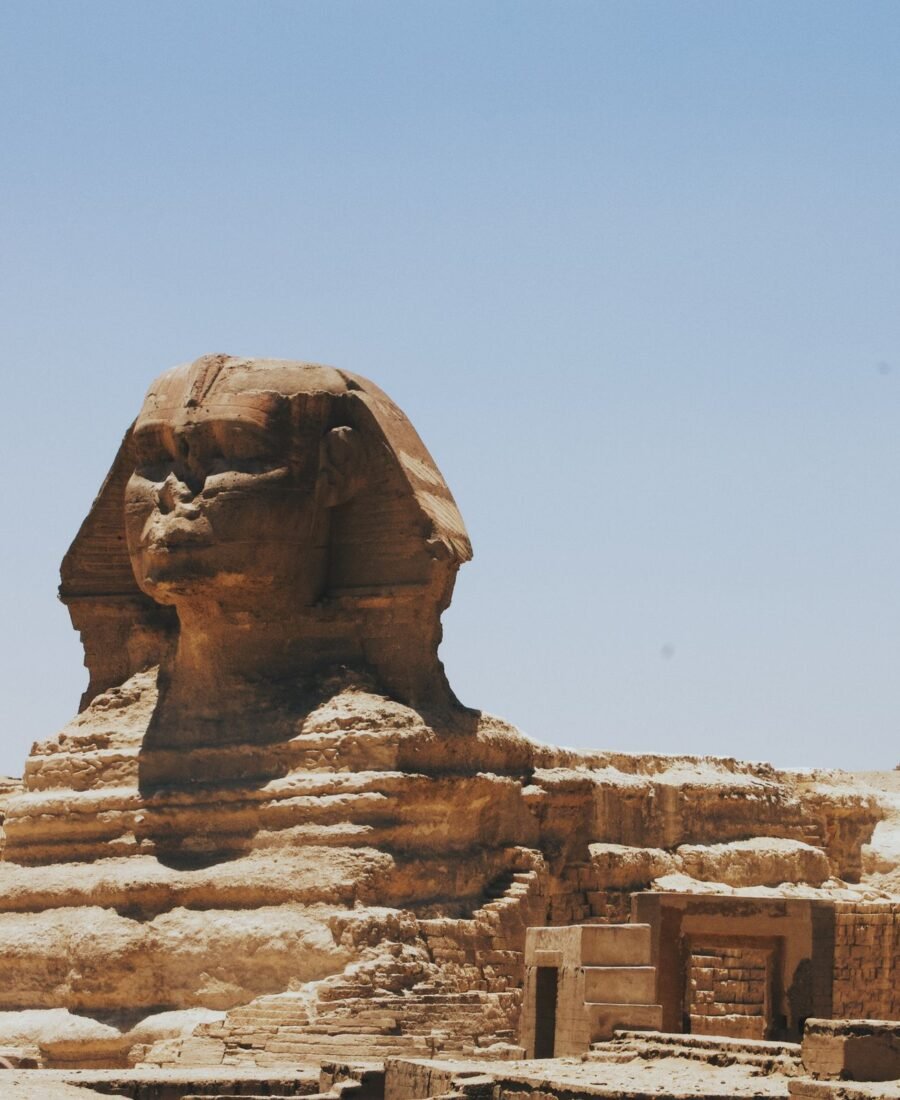
The essential introduction to Egypt’s greatest icons.
Request current rateExplore →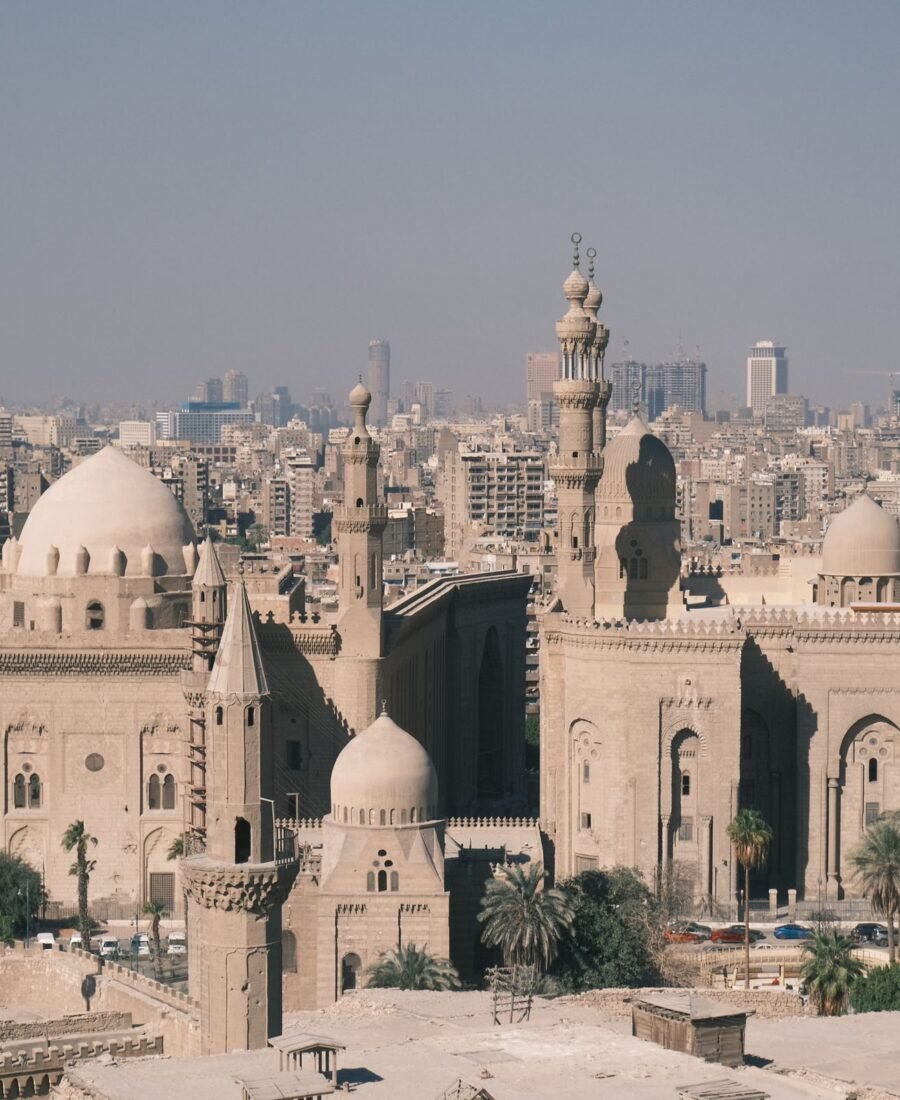
Read Cairo as a layered capital, from the ancient world to the historic city.
Request current rateExplore →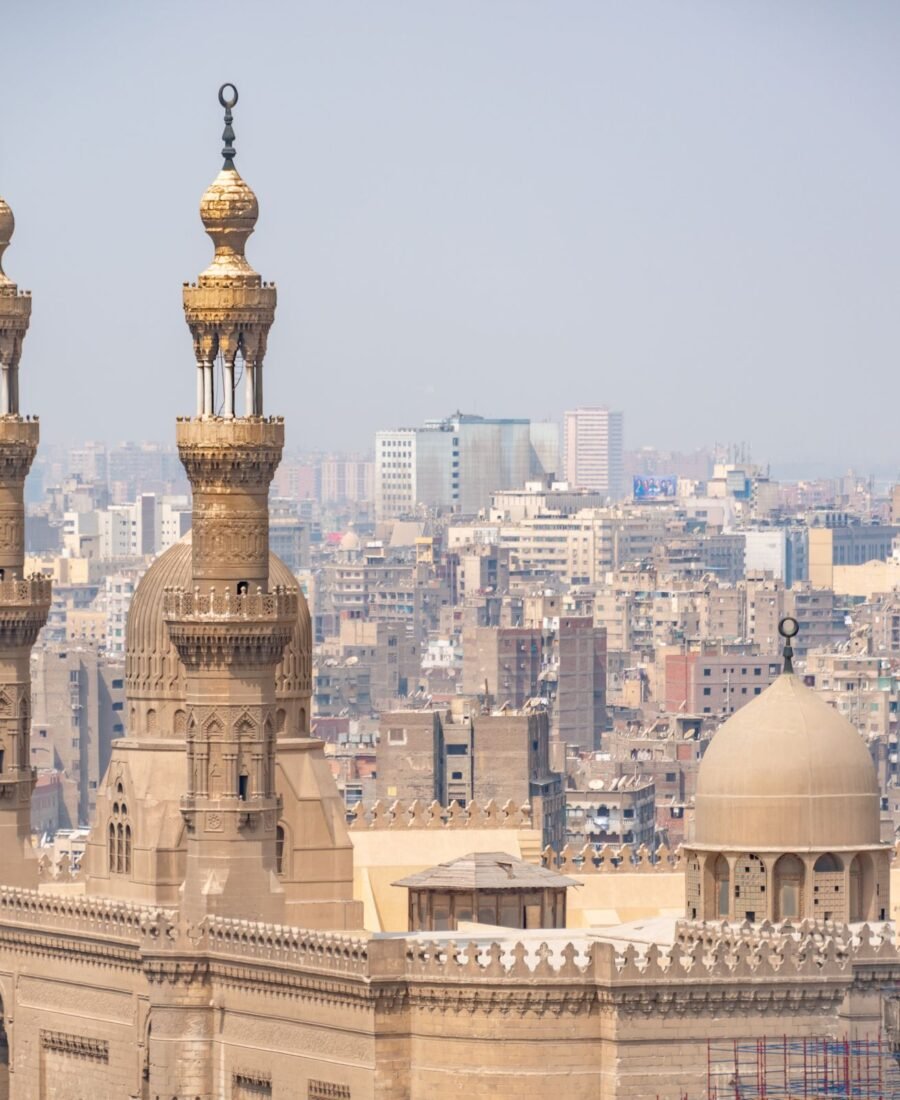
Explore two thousand years of religious history.
Request current rateExplore →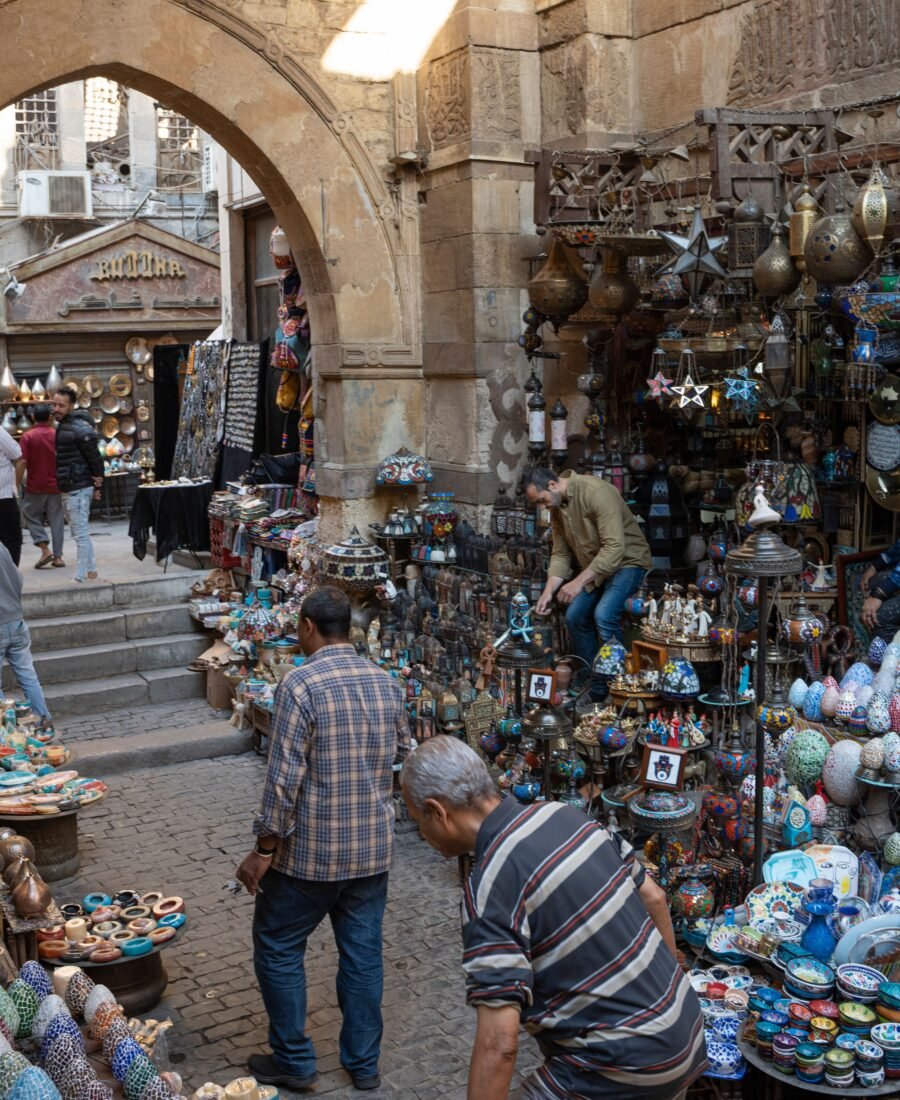
Experience Cairo through its lights, flavours and stories.
Request current rateExplore →
Discover Egypt’s Mediterranean soul.
Request current rateExplore →