
Mixed visual language
At Kom el-Shoqafa, look for Egyptian religious imagery expressed alongside Greek and Roman architectural forms.
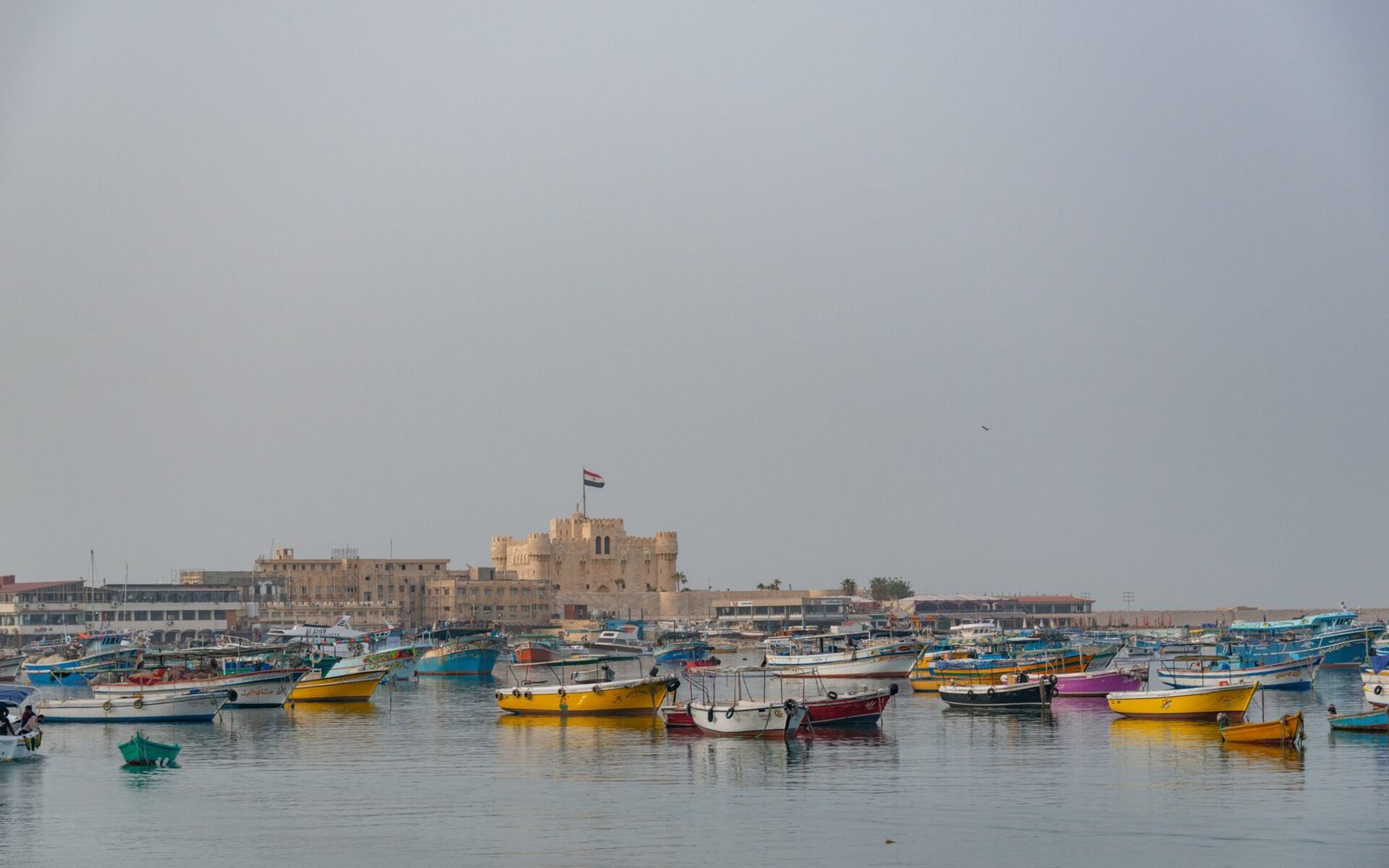
Discover Egypt’s Mediterranean soul.
Alexandria adds a Mediterranean chapter that Cairo and Upper Egypt cannot provide. A well-paced day focuses on the city's Greco-Roman layers, its relationship with the sea and selected modern cultural landmarks rather than trying to recreate a vanished ancient city through a long checklist.
The contrast with the Nile Valley is the point. Alexandria introduces a different geography, a different imperial history and a coastal urban identity that broadens the story of Egypt.
Interpretation stays close to archaeology, text, landscape and what the evidence can actually support.
Alexandria was founded in the Hellenistic period and became one of the Mediterranean world’s great intellectual, commercial and political centres. Much of the ancient city lies beneath modern Alexandria or under the waters of the eastern harbour, so interpretation depends on surviving fragments and urban geography as much as on monumental ruins. The Catacombs of Kom el-Shoqafa demonstrate the cultural mixing of Roman-period Alexandria, while the harbour setting around Qaitbay recalls the strategic importance of the coast. The modern Bibliotheca Alexandrina adds a contemporary chapter to the city’s long association with learning.
At Kom el-Shoqafa, look for Egyptian religious imagery expressed alongside Greek and Roman architectural forms.
Stand at the waterfront and use geography to understand why Alexandria became a Mediterranean rather than purely Nile-oriented city.
Notice how often interpretation depends on reconstruction, excavation history and underwater archaeology because the ancient street plan is largely hidden.
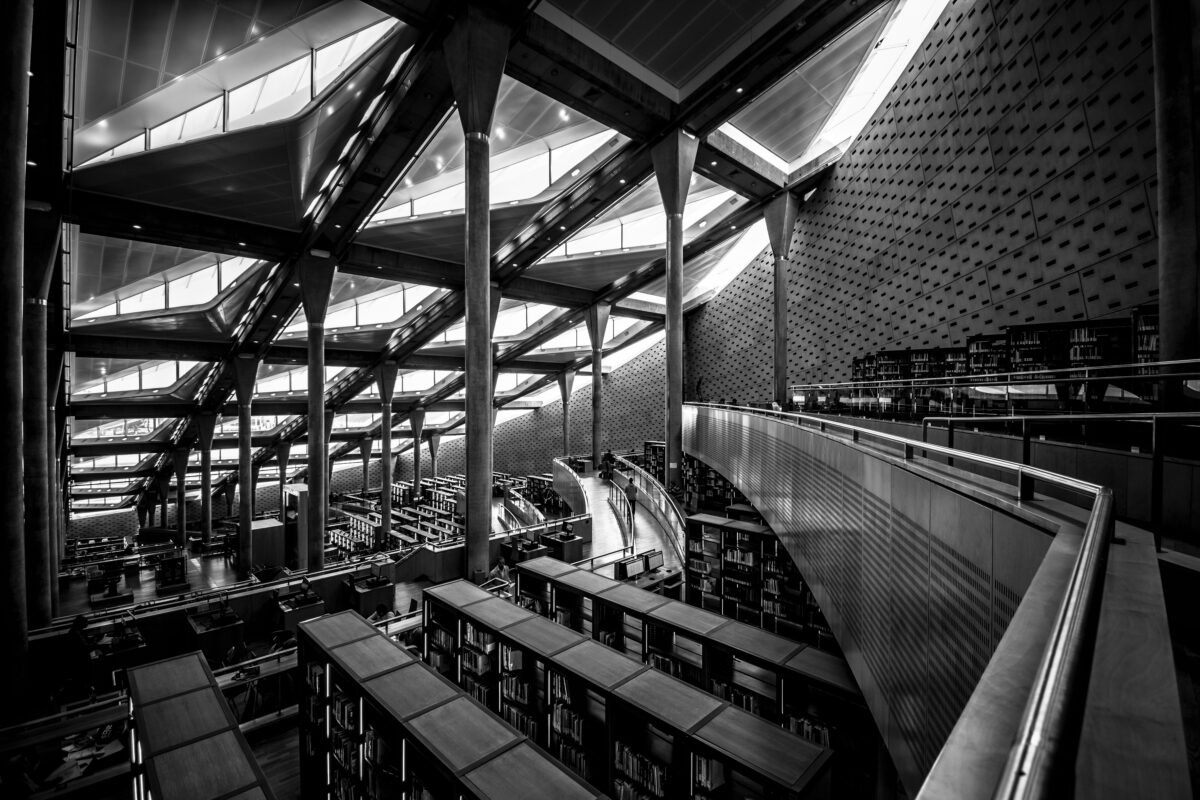
Treat the Bibliotheca Alexandrina as a modern cultural institution engaging with the memory of ancient Alexandria, not as a reconstruction of the ancient library.
These are approved places in the experience. The cards are intentionally unnumbered because their display order does not imply an operating sequence.
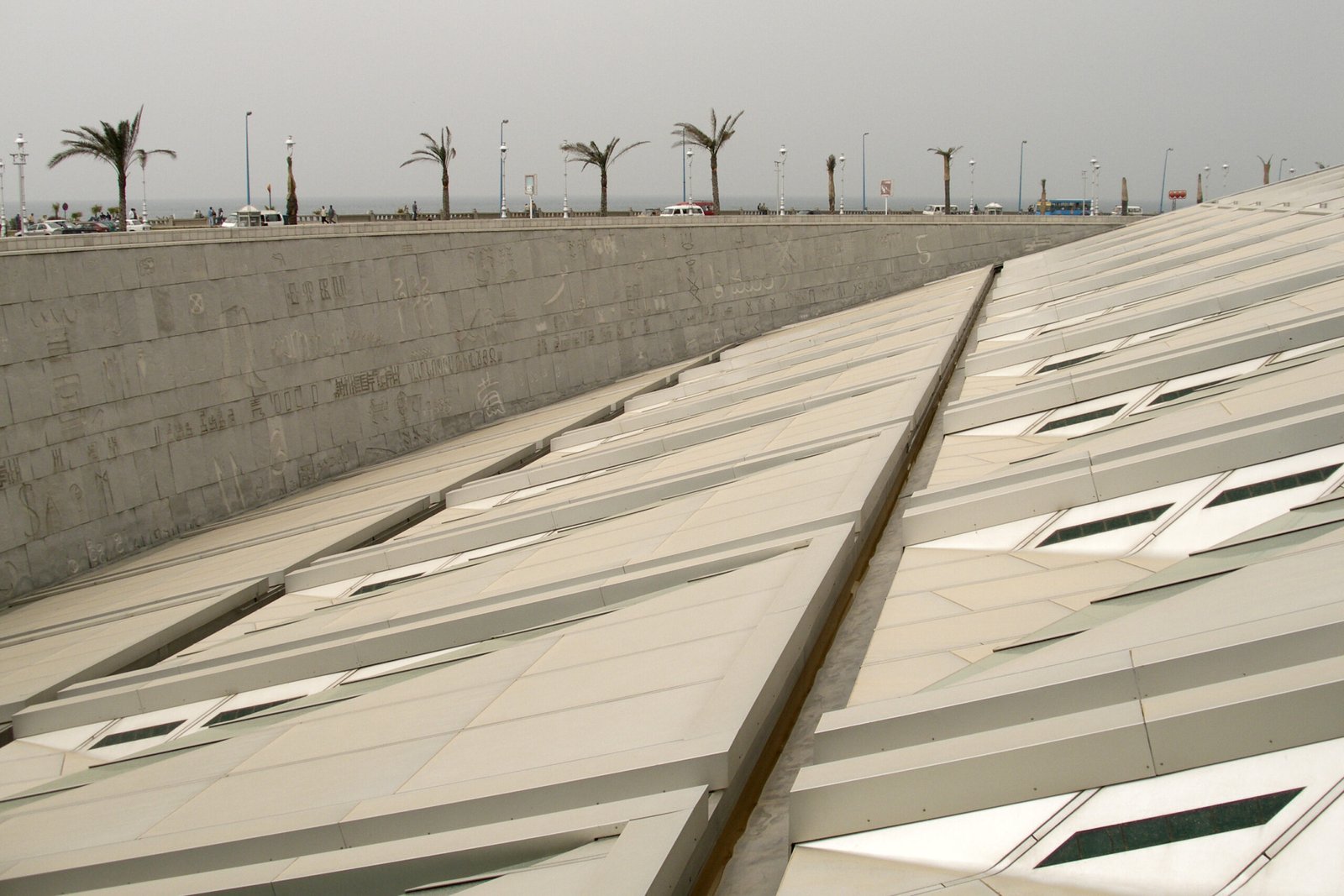
Use the modern library and its setting to discuss Alexandria's intellectual identity without pretending it is the ancient library itself.
Read the site guide →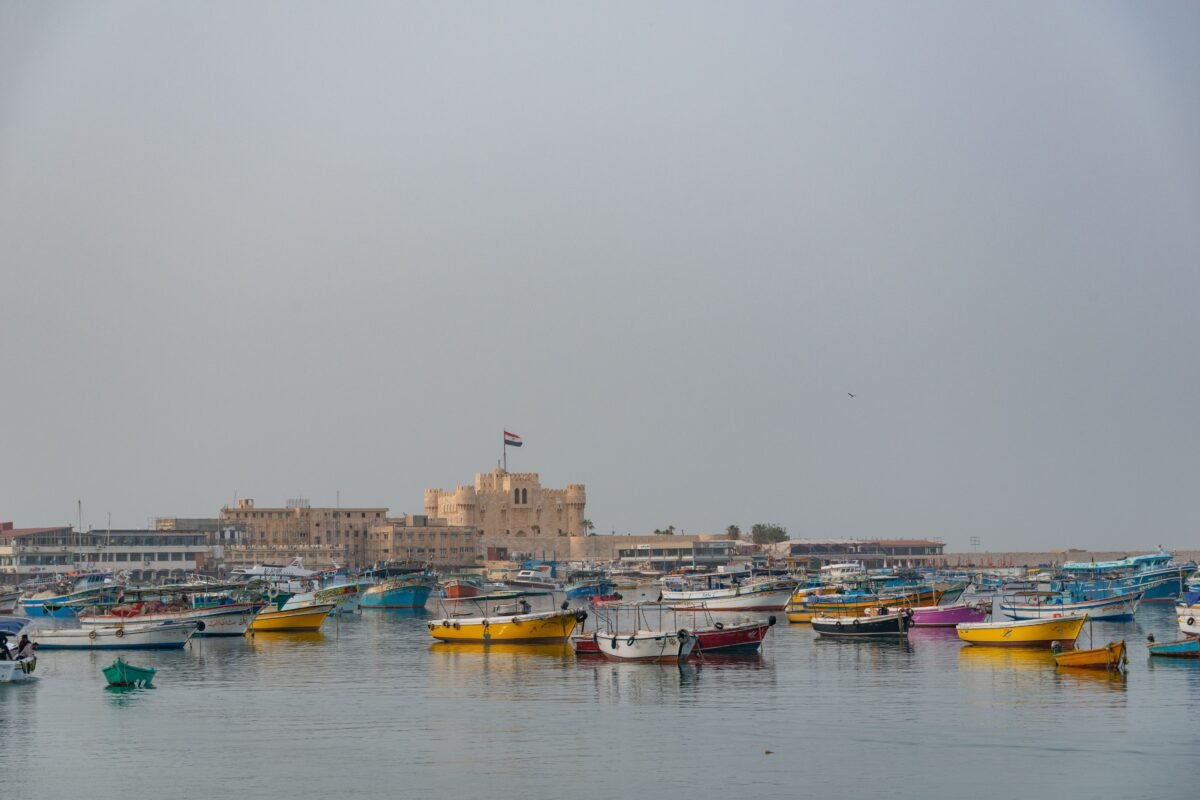
Explore a burial complex where Egyptian, Greek and Roman visual traditions meet.
Read the site guide →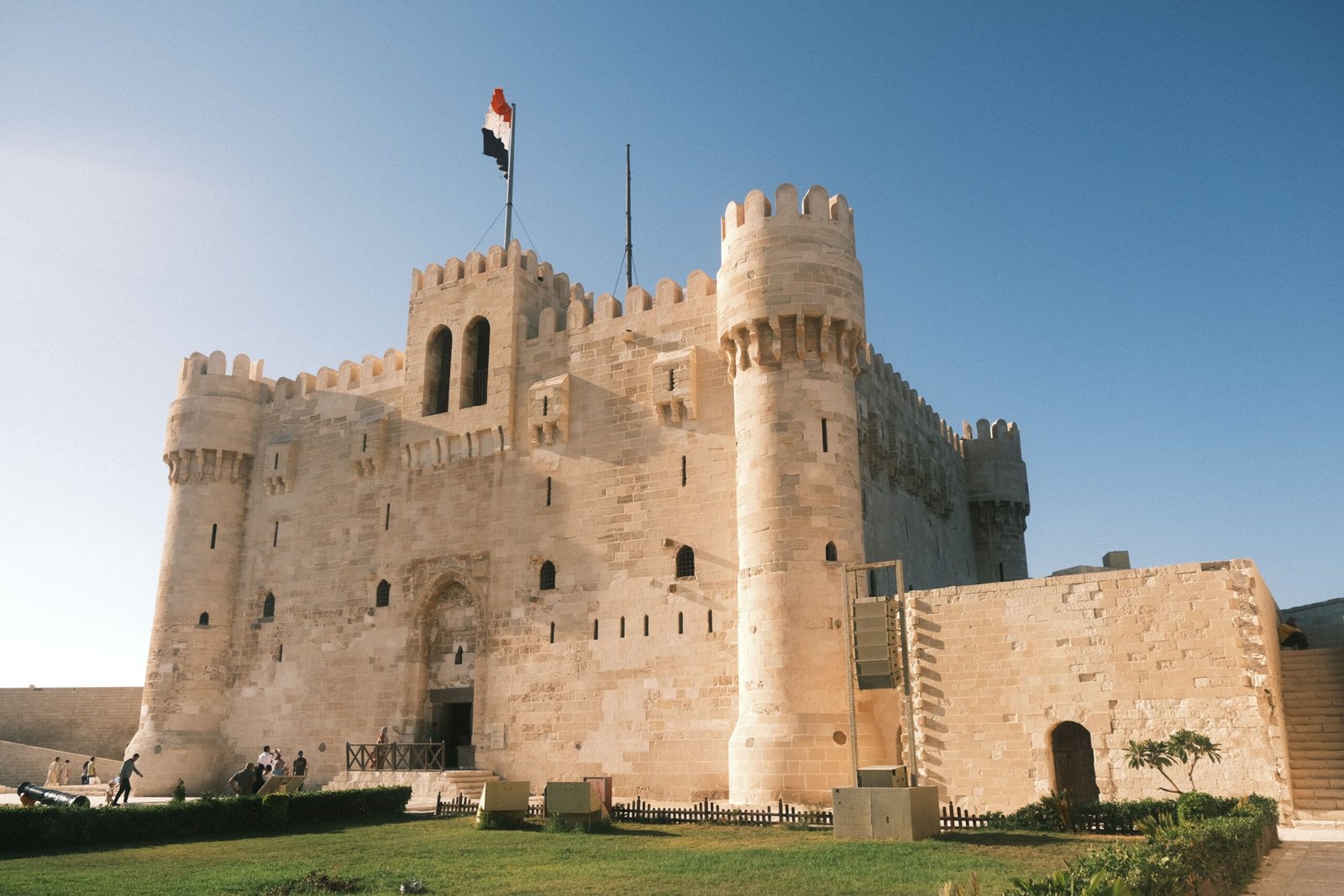
Stand at the eastern harbour and connect later fortification with the long strategic history of the waterfront.
Read the site guide →Alexandria complicates any idea of Egypt as culturally isolated; its history is inseparable from Mediterranean exchange.
The city teaches an important archaeological lesson: absence of standing monuments does not mean absence of historical importance.
Much of ancient Alexandria lies beneath the modern city or the sea, so interpretation depends on context as much as surviving monuments. The city is best understood through fragments, landscape and the historical importance of its Mediterranean connections.
Your Egyptologist can spend more time where your curiosity is strongest and move more lightly through what matters less, while keeping the day coherent and well paced.
Tell us how you like to travel →Ask us whether this addition fits your date, pace and route.
Ask us whether this addition fits your date, pace and route.
Ask us whether this addition fits your date, pace and route.
Ask us whether this addition fits your date, pace and route.
When an approved public rate is available, the calculator shows the relevant private-party basis. Otherwise, we prepare a personal quotation after checking the date, party and operating arrangements.
Coastal light changes quickly and can be hazy. Wide harbour views work well for the city’s Mediterranean identity, while the catacombs require careful low-light photography where permitted. Do not use flash in sensitive interiors unless explicitly allowed.
A same-day trip from Cairo includes substantial road time. Travellers wanting a deep archaeological treatment of Alexandria may prefer an overnight stay rather than compressing the city into one day.
A same-day journey from Cairo involves significant road time. The final order depends on traffic and opening conditions; coastal weather can also change the feel of the day, especially outside summer.
Travellers interested in Greco-Roman Egypt, Mediterranean history, archaeology and a contrasting city beyond Cairo.
Yes, but it is a long day with substantial road travel. If Alexandria is a major interest, an overnight can create a more relaxed experience.
The defining places and historical focus are established, while the operating order is confirmed around current access, opening conditions, local logistics and your pace. Your final programme states the sequence clearly before travel.
Much of ancient Alexandria lies beneath the modern city or the harbour. Archaeologists often work from excavated fragments, submerged remains and historical reconstruction.
They preserve a striking mixture of Egyptian, Greek and Roman forms, making them an excellent place to discuss the city’s multicultural Roman-period identity.
No. It is a modern cultural institution whose location and mission consciously engage with the memory of Alexandria’s ancient intellectual reputation.
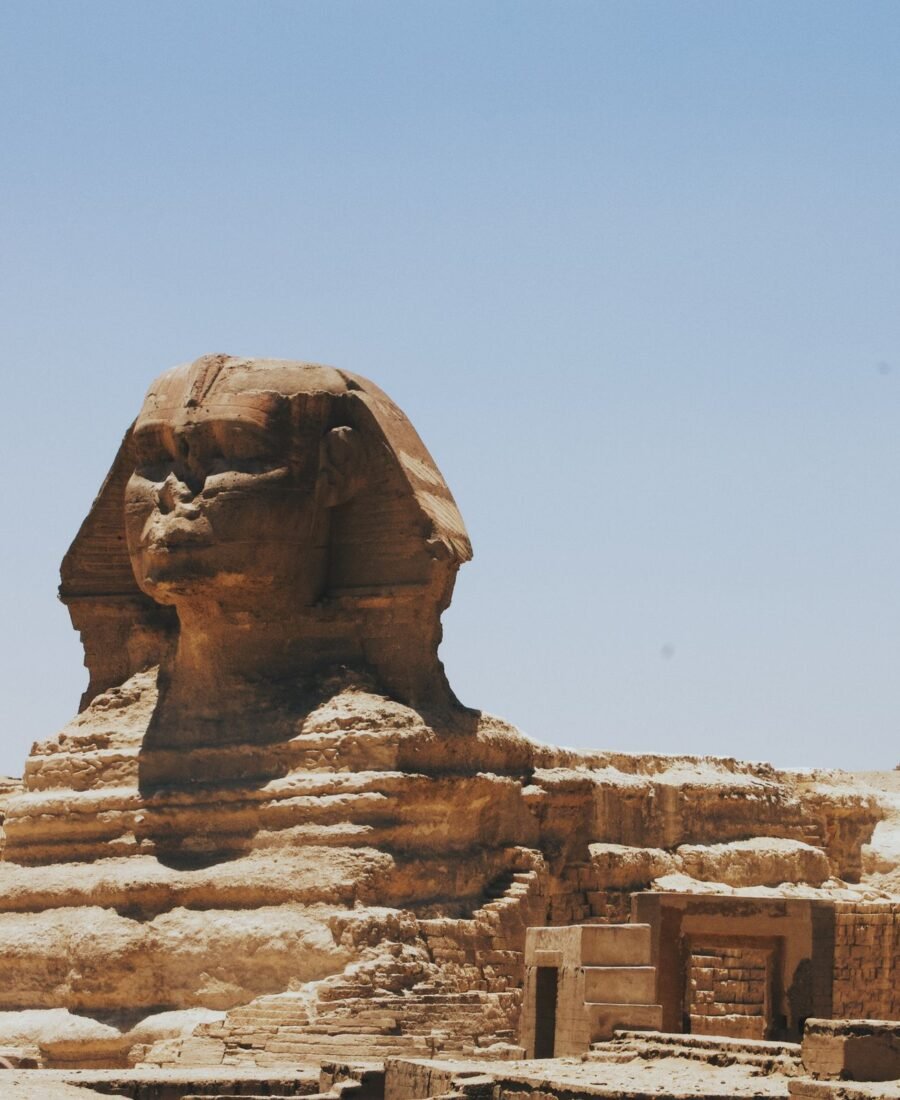
The essential introduction to Egypt’s greatest icons.
Request current rateExplore →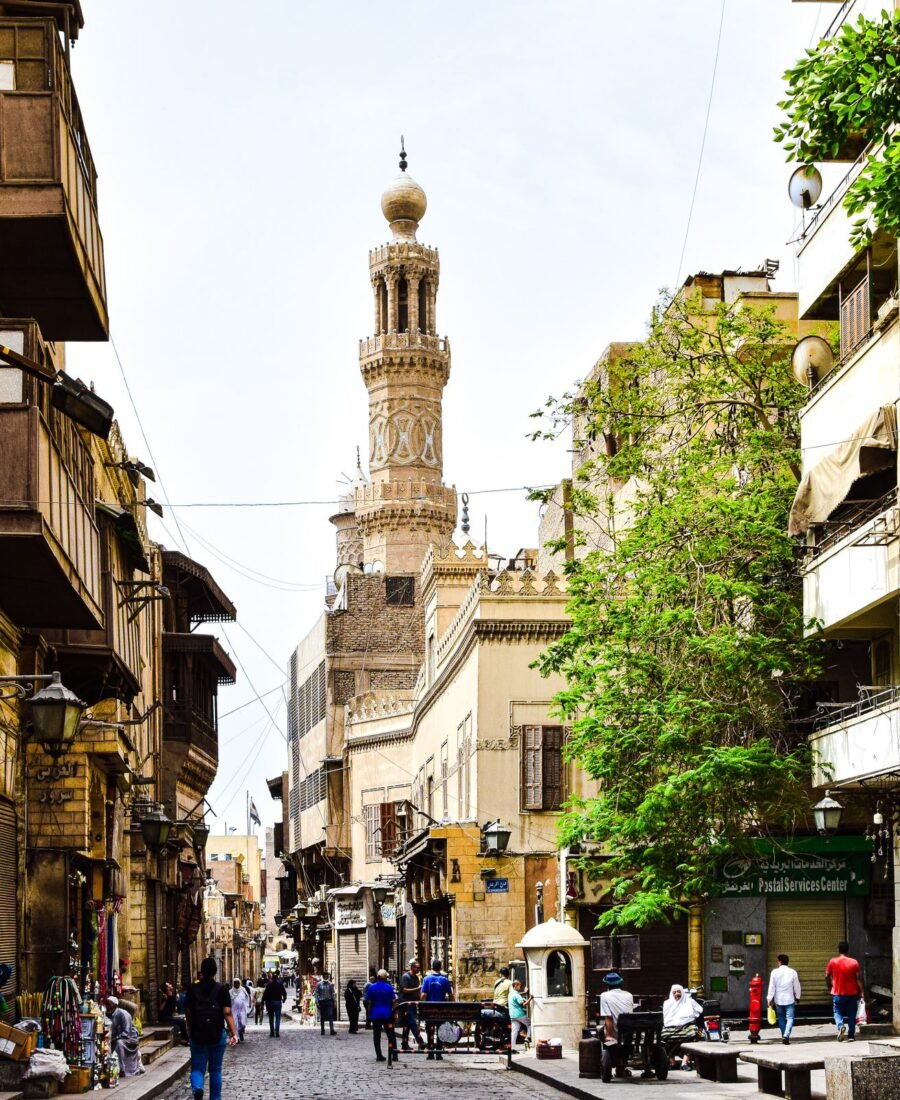
Discover the birthplace of pyramid civilization.
Request current rateExplore →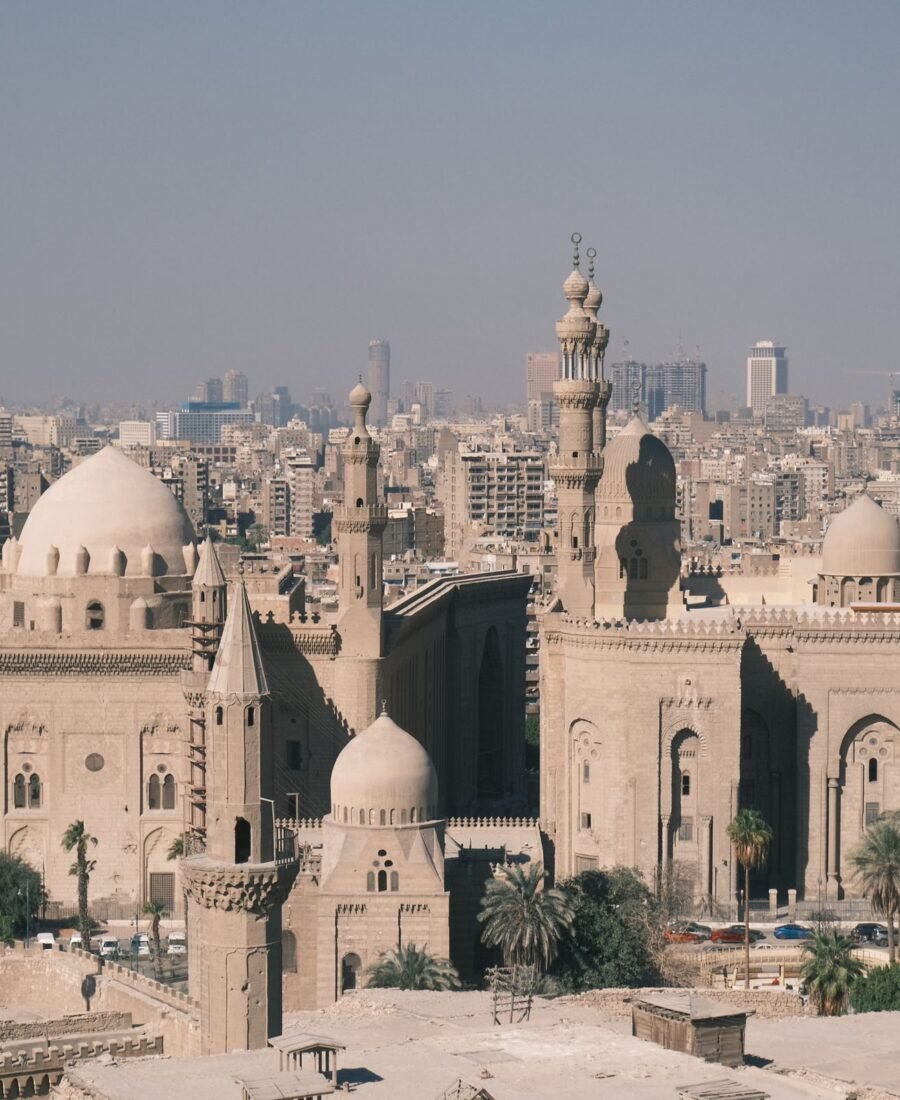
Read Cairo as a layered capital, from the ancient world to the historic city.
Request current rateExplore →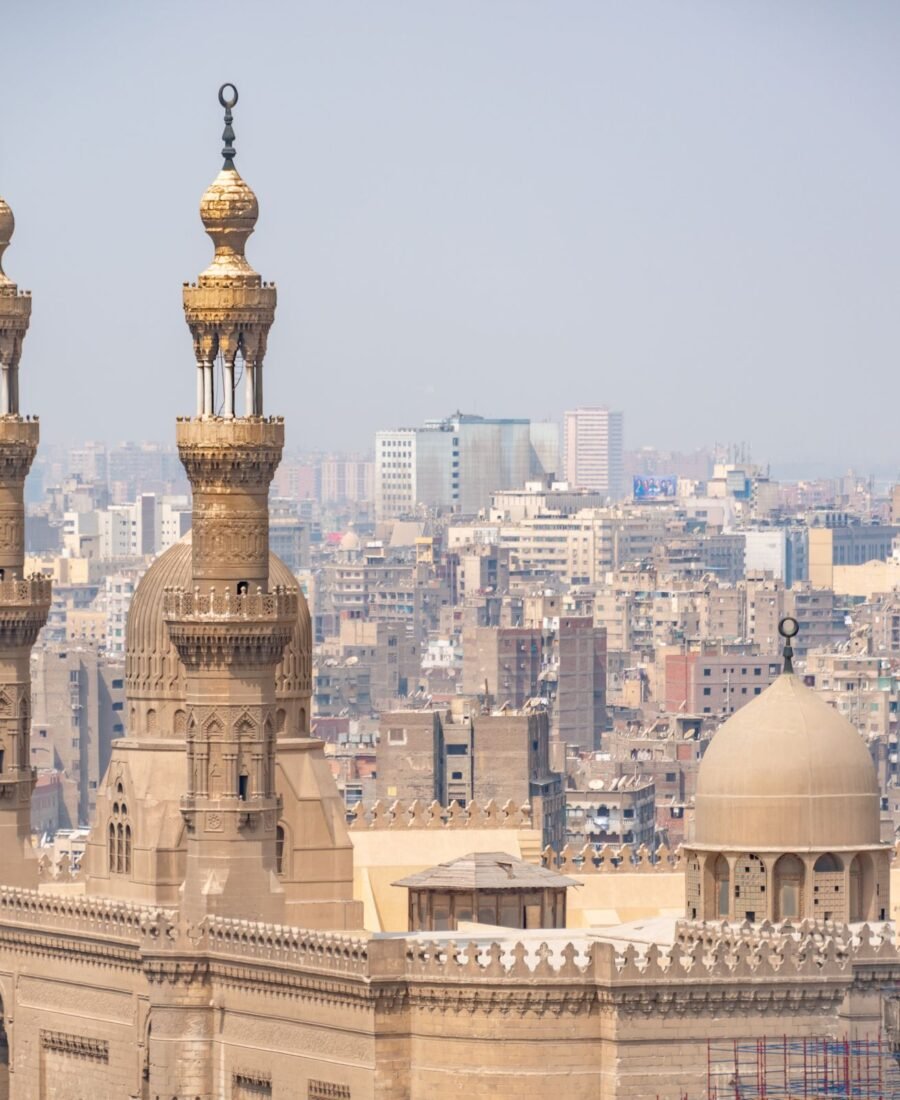
Explore two thousand years of religious history.
Request current rateExplore →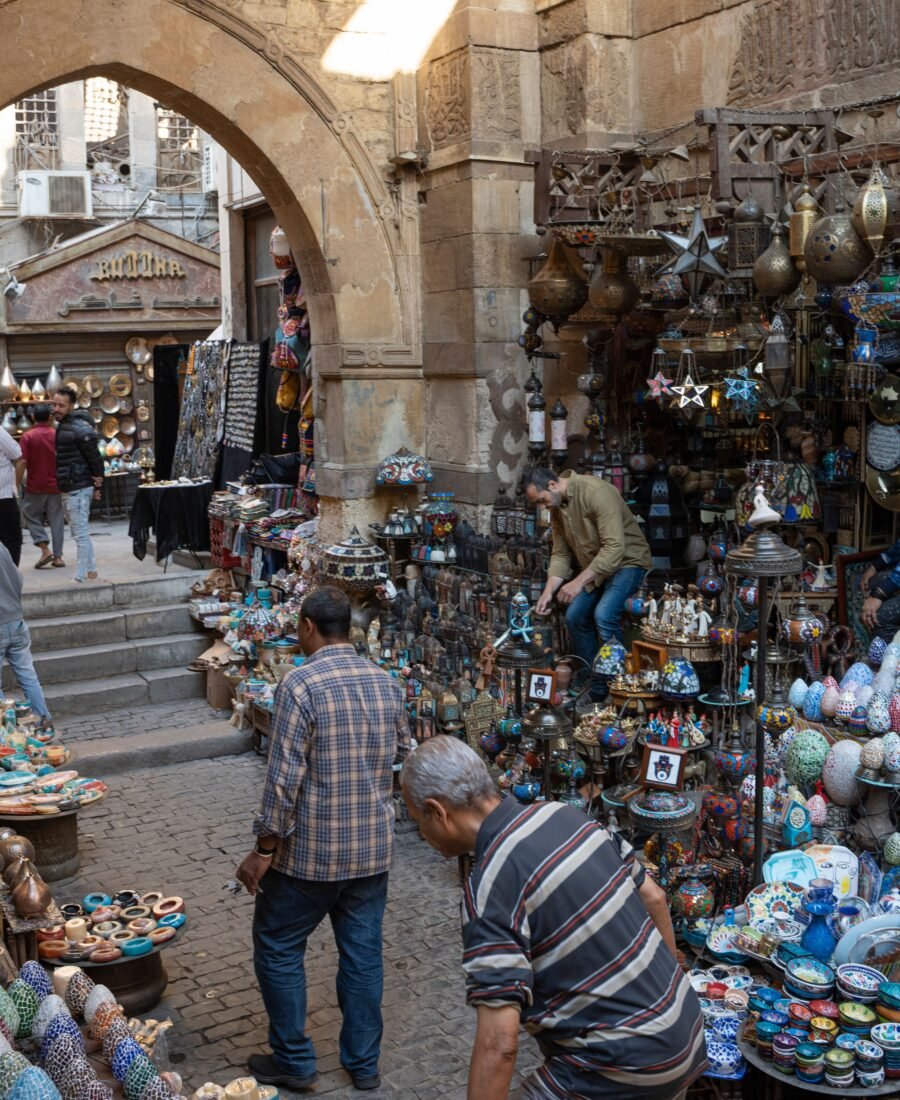
Experience Cairo through its lights, flavours and stories.
Request current rateExplore →