
Tombs of the Nobles, Luxor
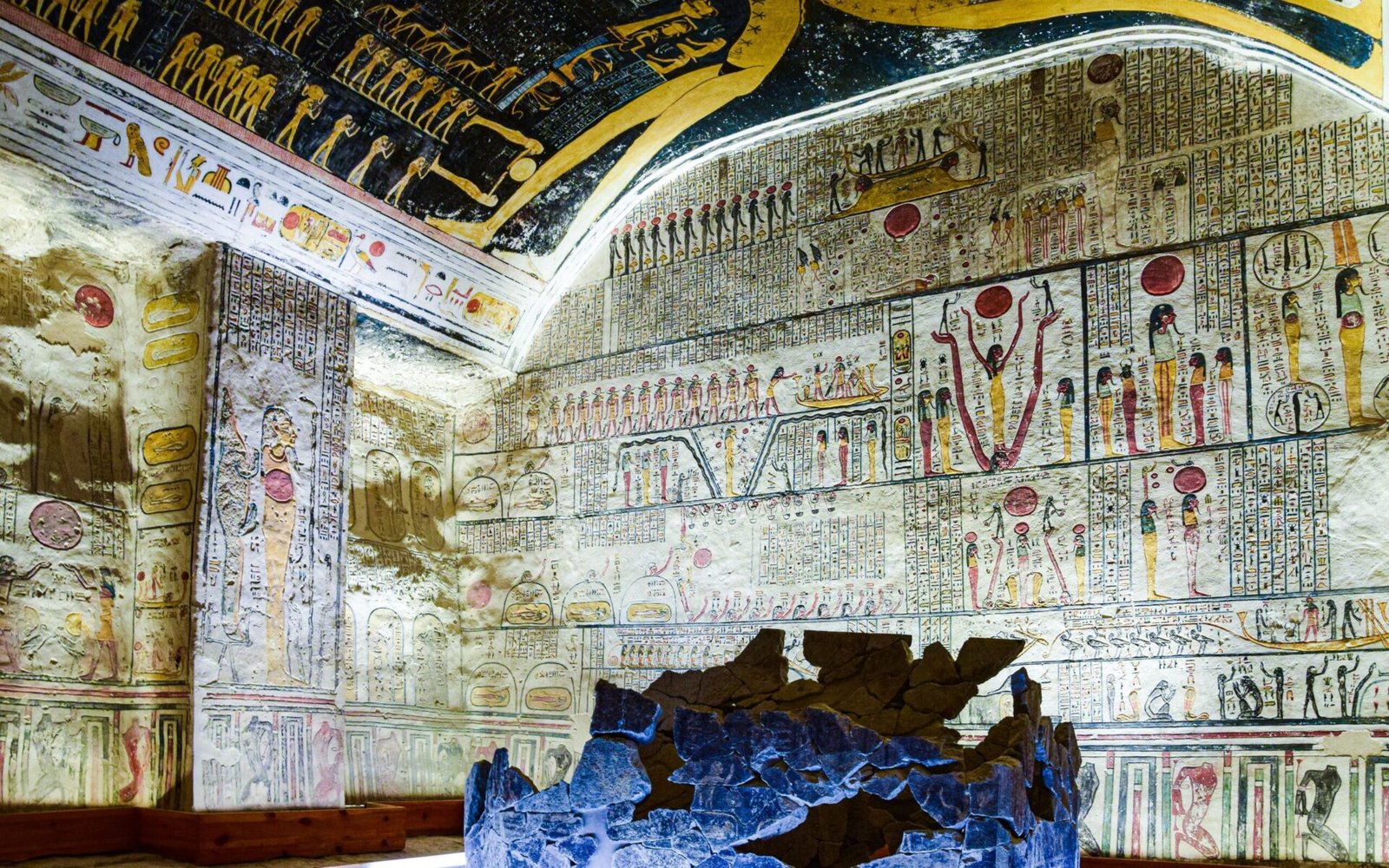
The Theban Tombs of the Nobles preserve the funerary worlds of officials, priests and elite families, revealing a different side of New Kingdom society from the royal tombs.
Read the monument as part of a larger Egyptian story
Private tombs can show professions, family identity, banqueting, agriculture, workshops and ritual, but their scenes are not simple photographs of everyday life. They are carefully constructed funerary images shaped by status, ideals and the needs of the afterlife.
Historical context
The term “Tombs of the Nobles” covers numerous private tombs spread across the Theban necropolis. Different tombs and owners belong to different periods, and public access changes, so responsible tour copy should not promise a permanent list of named tombs unless specifically approved.
Details that help the site make sense
These are interpretive features to notice, not a promise of a fixed walking order or permanent access to every area.
Officials and titles
Inscriptions identify careers and social position within the state and temple institutions.
Family and funerary identity
Spouses, relatives and ritual relationships are central to many decorative programmes.
Work and abundance
Agriculture and craft scenes express both status and ideal provision for eternity.
The detail that changes how you see the place
These tombs are where the limits of “daily life” interpretation matter most. The scenes are invaluable evidence, but they present idealised and ritualised identities as well as lived experience.
What an expert eye notices
Scale of tombs
Private monuments can be intimate compared with royal tombs, making decoration easier to study closely.
Clothing and objects
Material details reveal status and craft while remaining part of funerary representation.
Text beside image
Titles and captions often clarify what scenes are meant to communicate.
Questions travellers ask about Tombs of the Nobles, Luxor
Historical context stays stable; operating details are confirmed for your date because access and visitor rules can change.
Which noble tombs are included?
The canonical Hidden West Bank product does not promise a permanent list; exact open tombs are confirmed for the visit date.
Are these tombs for “ordinary people”?
No. They generally belonged to elite officials and families, so their evidence should not be generalised to all Egyptians.
How are they different from the Valley of the Kings?
They express private elite identity and funerary ideals rather than royal burial and kingship.
Tours and journeys that include Tombs of the Nobles, Luxor
The same canonical site guide can belong to several experiences. Each tour explains why the place matters to that particular story.
Hidden West Bank
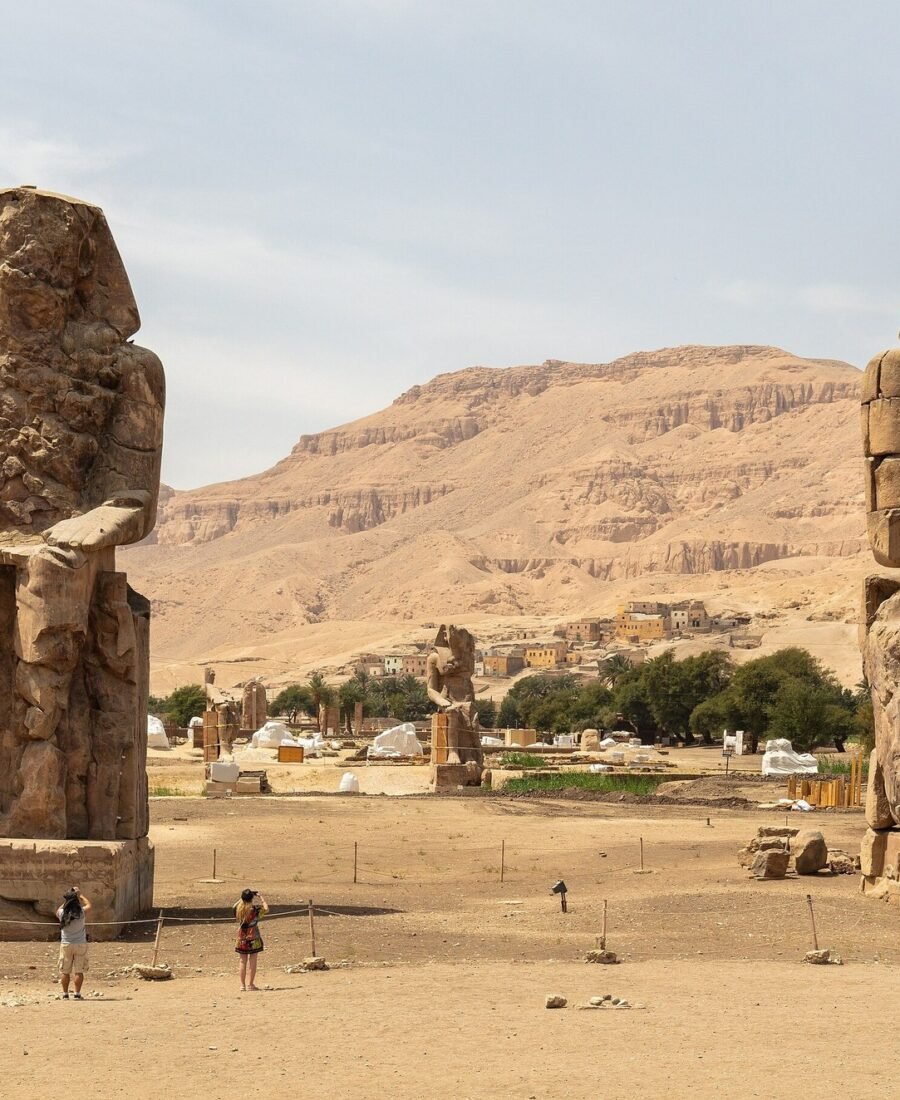
Step beyond the best-known monuments into the quieter archaeological landscape of western Thebes.
Request current rateExplore →This field guide is maintained against authoritative heritage and institutional references where available. Current operations are verified separately.
See Tombs of the Nobles, Luxor with context, not as another checklist stop
Tell us the places and historical themes that interest you. We will build the touring day around a coherent story and the conditions for your travel date.
Start Planning