
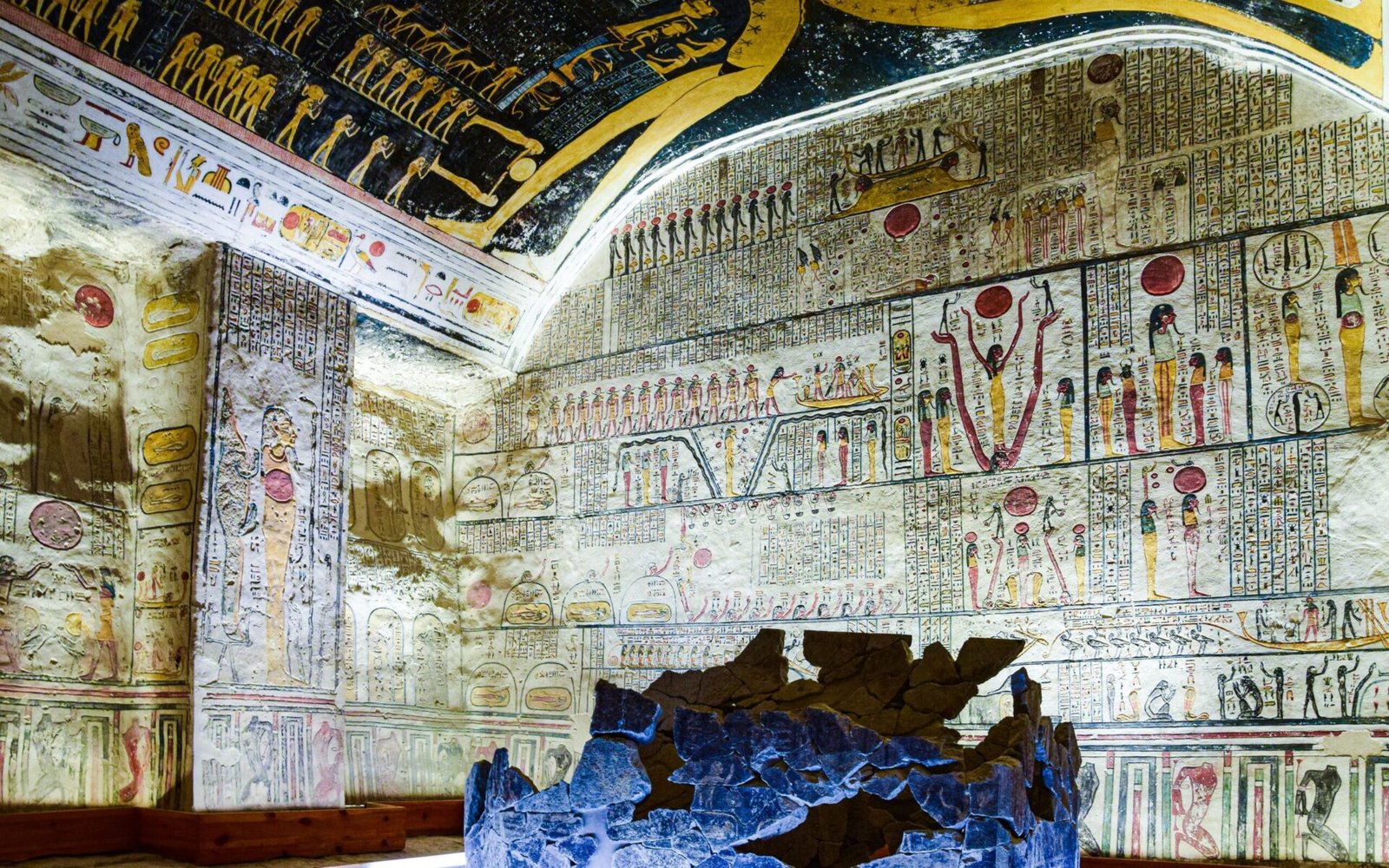
Deir el-Medina
Deir el-Medina preserves the community associated with building and decorating royal tombs, offering unusually rich evidence for work, family, religion and village life in New Kingdom Thebes.
Read the monument as part of a larger Egyptian story
The settlement is exceptional because archaeology is reinforced by a large documentary record: ostraca, papyri and inscriptions illuminate labour organisation, disputes, worship, literacy and family relationships. It should not be simplified into “how ordinary Egyptians lived,” because this was a specialised and comparatively privileged community.
Historical context
The village housed skilled workers connected with royal tomb construction during much of the New Kingdom. Houses, chapels, tombs and written records together create one of the most detailed social archives from ancient Egypt.
Details that help the site make sense
These are interpretive features to notice, not a promise of a fixed walking order or permanent access to every area.
Village houses
Domestic spaces make scale and neighbourhood organisation tangible.
Workers’ tombs
Where access is confirmed, decoration shows how non-royal individuals adapted funerary beliefs and imagery.
Written evidence
Texts reveal work schedules, complaints, legal matters and personal relationships with unusual immediacy.
The detail that changes how you see the place
Deir el-Medina is where an Egyptologist can move from kings to named people. The documentary evidence is extraordinary, but it must be interpreted with care because this was a special community tied to the royal necropolis.
What an expert eye notices
House plans
Small rooms and compact plots reveal a different architectural scale from temples.
Personal deities
Domestic and local religious evidence complements official state cults.
Names and occupations
Individual identities survive in texts, making the archaeological community unusually personal.
Questions travellers ask about Deir el-Medina
Historical context stays stable; operating details are confirmed for your date because access and visitor rules can change.
Who lived at Deir el-Medina?
Skilled workers and their families associated with royal tomb construction and decoration.
Can specific workers’ tombs be promised?
No. Exact tomb access should be confirmed for the visit date and only named when approved in the itinerary.
Why is the site important?
Its combination of settlement archaeology and written records provides rare detail about work and community life.
Tours and journeys that include Deir el-Medina
The same canonical site guide can belong to several experiences. Each tour explains why the place matters to that particular story.
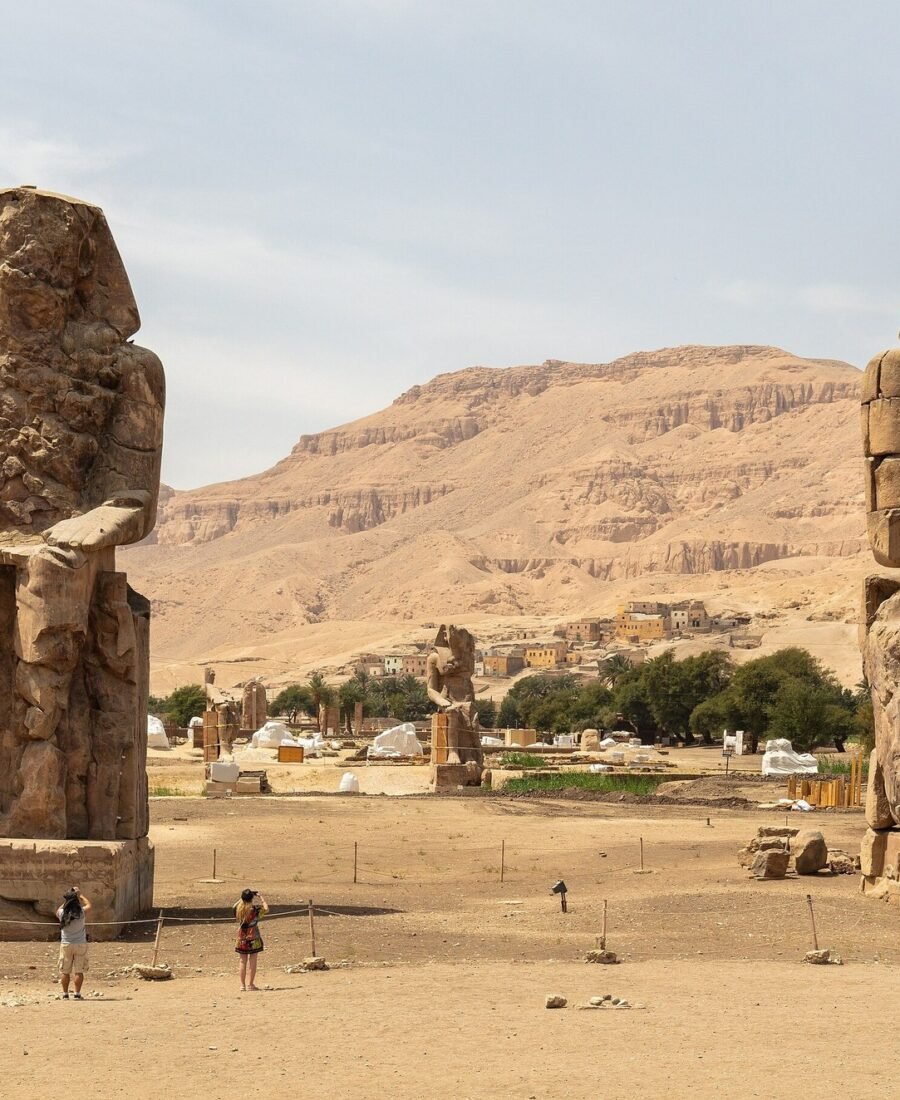
Hidden West Bank
Step beyond the best-known monuments into the quieter archaeological landscape of western Thebes.
Request current rateExplore →This field guide is maintained against authoritative heritage and institutional references where available. Current operations are verified separately.
See Deir el-Medina with context, not as another checklist stop
Tell us the places and historical themes that interest you. We will build the touring day around a coherent story and the conditions for your travel date.
Start Planning