
Tomb plan changes over time
Compare bends, axes and chamber arrangements; royal tomb architecture evolved rather than following one permanent design.
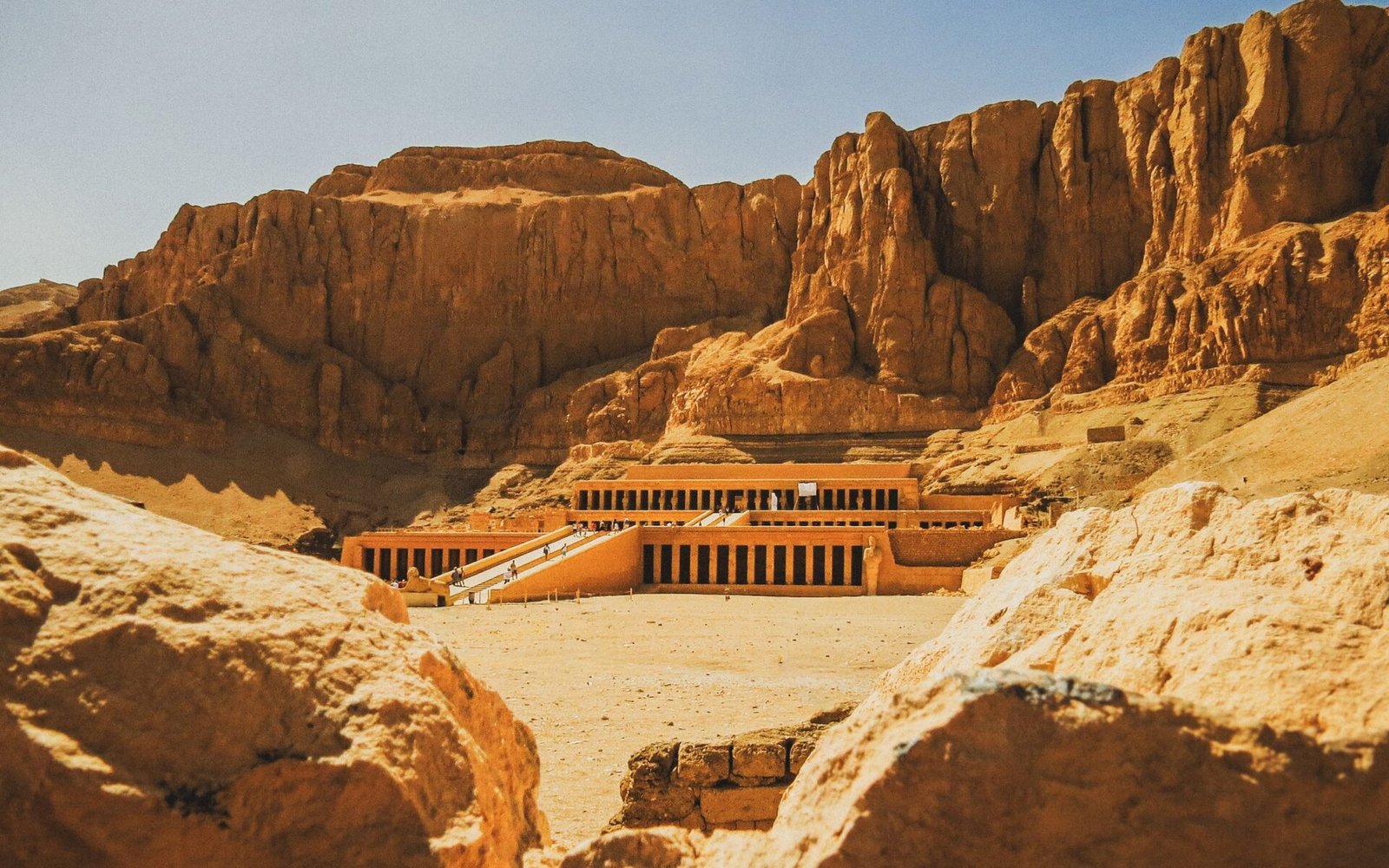
Enter the royal and funerary landscape of ancient Egypt.
Royal West Bank concentrates on the places where New Kingdom rulers prepared for eternity. The experience brings together the Valley of the Kings, Hatshepsut's memorial temple and the monumental remains of Amenhotep III, but the exact operating order remains deliberately flexible until the travel date is confirmed.
A half day works when the focus stays clear: royal burial, memorial architecture and the landscape that bound them together. It is a stronger choice than a full Luxor circuit for travellers who want depth on the West Bank without adding the East Bank.
Interpretation stays close to archaeology, text, landscape and what the evidence can actually support.
The West Bank of Thebes was a carefully constructed royal landscape. New Kingdom rulers hid their tombs in desert valleys while building separate memorial temples closer to the cultivated edge, allowing burial and continuing cult to operate in different places. The Valley of the Kings preserves changing tomb plans and religious compositions across generations, while Hatshepsut’s monument at Deir el-Bahari turns the cliff face into a statement about kingship, divine legitimacy and memory. The Colossi of Memnon then hint at the scale of Amenhotep III’s largely lost memorial complex.
Compare bends, axes and chamber arrangements; royal tomb architecture evolved rather than following one permanent design.
Painted scenes can belong to different funerary compositions. Their placement helps explain how the tomb was imagined as a ritual environment.
The monument’s terraces, ramps and cliffs work together; the landscape is part of the architecture.
Use the Colossi to reconstruct mentally a memorial complex that once extended far beyond the surviving statues.
These are approved places in the experience. The cards are intentionally unnumbered because their display order does not imply an operating sequence.
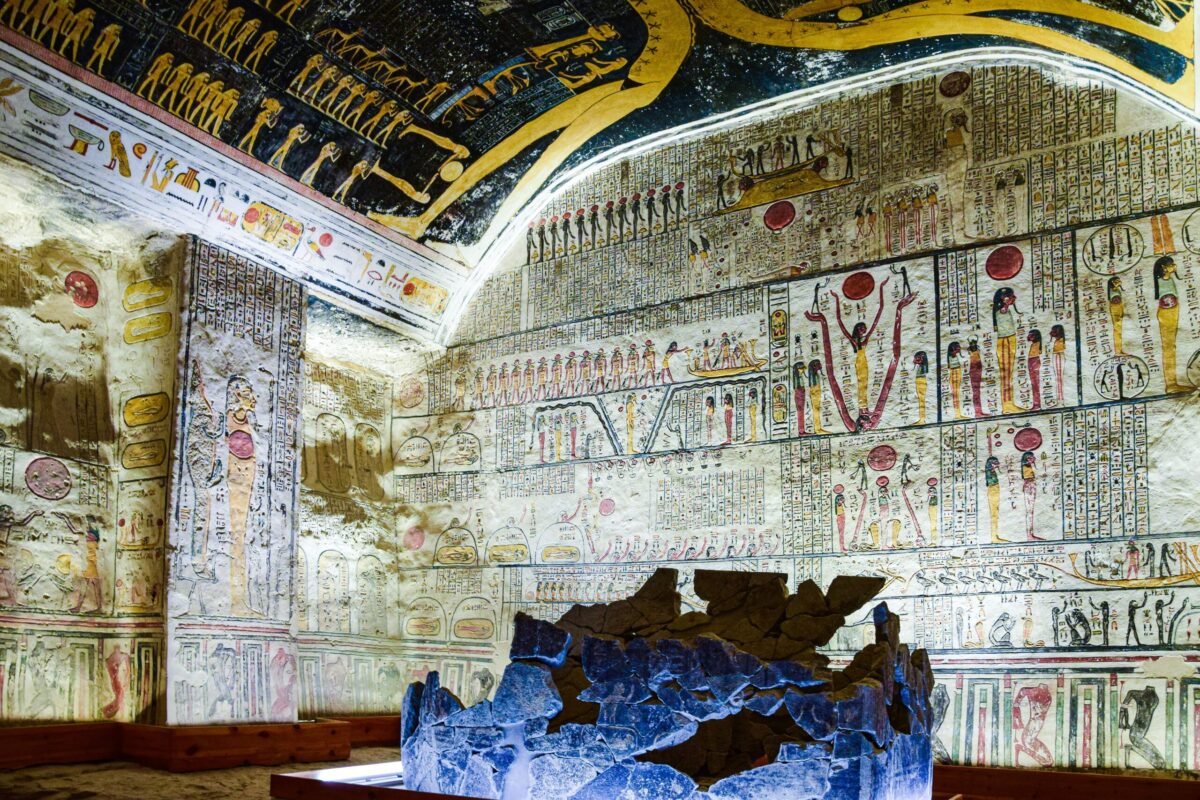
Explore the royal necropolis through selected tombs and the changing language of royal burial.
Read the site guide →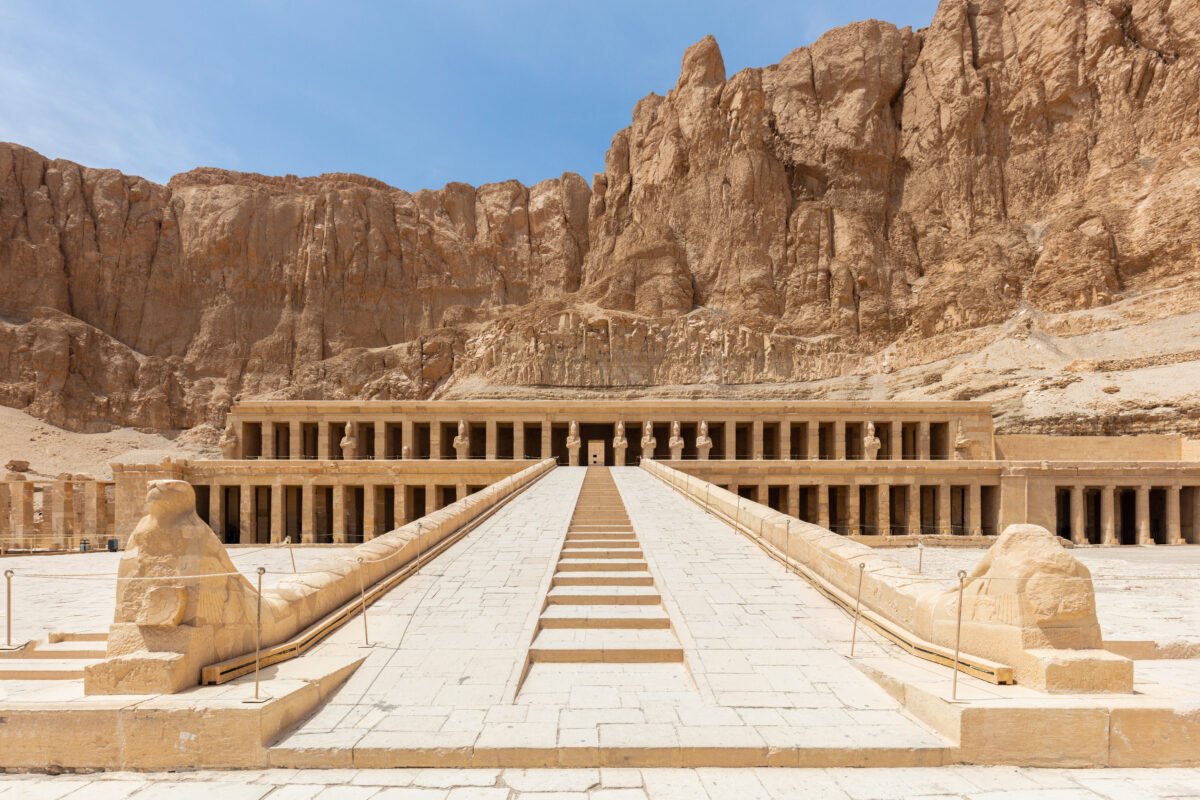
Understand the memorial temple as architecture, royal statement and part of the Deir el-Bahari landscape.
Read the site guide →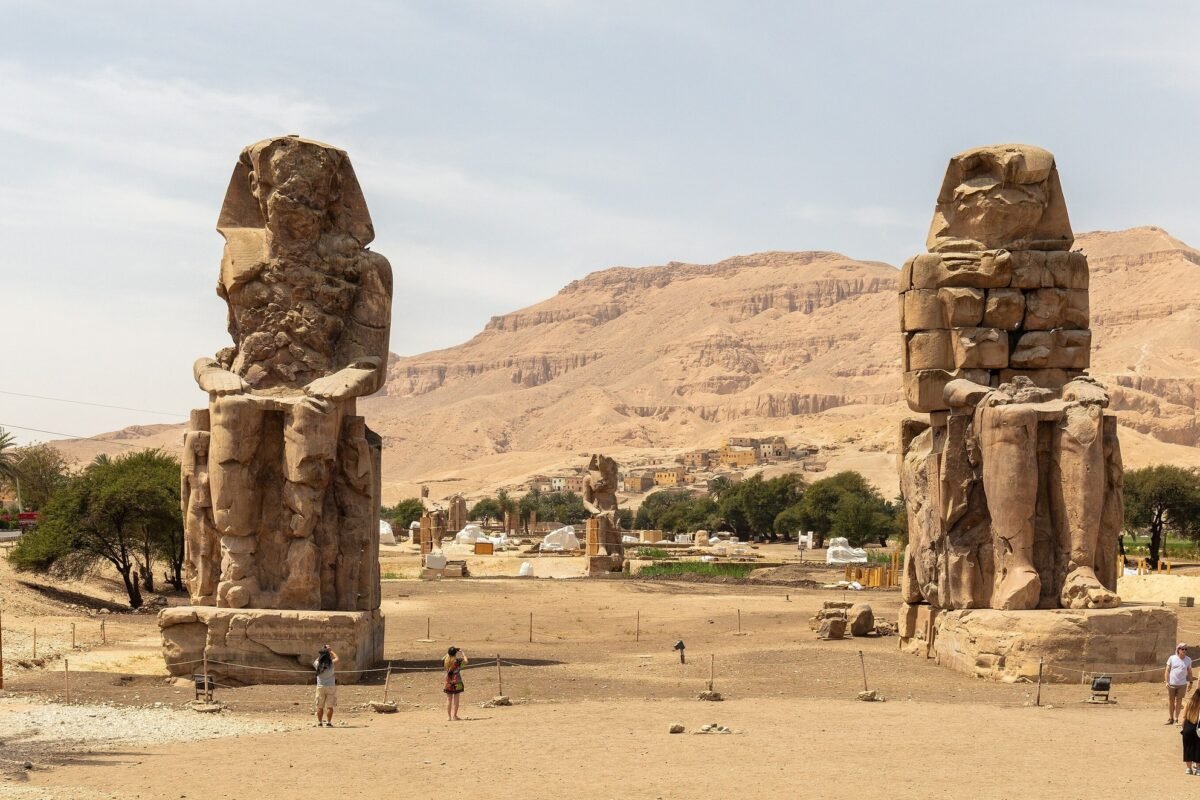
Pause at the surviving guardians of Amenhotep III's memorial complex and discuss what once stood behind them.
Read the site guide →Royal burial was concealed in the desert while memorial cult could remain active closer to the edge of cultivation.
Tomb texts, temple ritual and royal image all worked to transform and sustain the deceased ruler.
The royal tombs were part of a larger sacred geography that included temples, desert cliffs, workmen and ritual routes. Looking beyond individual tomb decoration helps explain why this side of Thebes became the principal royal funerary landscape.
Your Egyptologist can spend more time where your curiosity is strongest and move more lightly through what matters less, while keeping the day coherent and well paced.
Tell us how you like to travel →Ask us whether this addition fits your date, pace and route.
Ask us whether this addition fits your date, pace and route.
Ask us whether this addition fits your date, pace and route.
Ask us whether this addition fits your date, pace and route.
When an approved public rate is available, the calculator shows the relevant private-party basis. Otherwise, we prepare a personal quotation after checking the date, party and operating arrangements.
Royal tombs reward detail photography, but low light and regulations vary by tomb. Outside, Deir el-Bahari is strongest when the terraces and cliffs are photographed together. The desert is bright and reflective, so protecting both camera equipment and yourself from dust and heat matters.
This half day is concentrated on royal and funerary history. Travellers more interested in temple ritual and monumental architecture may prefer Sacred Heart of Thebes; those wanting social history should consider Hidden West Bank.
Expect heat, uneven surfaces and steps inside tombs. Which tombs are open and which require supplementary tickets can change; the final programme confirms the accessible selection and does not guarantee any particular extra tomb unless listed.
History lovers, first-time visitors with limited time and travellers who want a focused West Bank experience.
The open tomb roster and supplementary-ticket options can change. Your confirmed programme identifies the appropriate selection for the day and your interests.
The defining places and historical focus are established, while the operating order is confirmed around current access, opening conditions, local logistics and your pace. Your final programme states the sequence clearly before travel.
By the New Kingdom, burial places were hidden in desert valleys while memorial cult buildings stood elsewhere, separating the concealed tomb from the place where ritual remembrance continued.
No. Plans, decoration and surviving condition vary greatly, which is one reason a guided comparison is more useful than treating every tomb as interchangeable.
Because the statues provide scale and a point of entry into reconstructing Amenhotep III’s enormous memorial landscape, much of which survives only archaeologically.
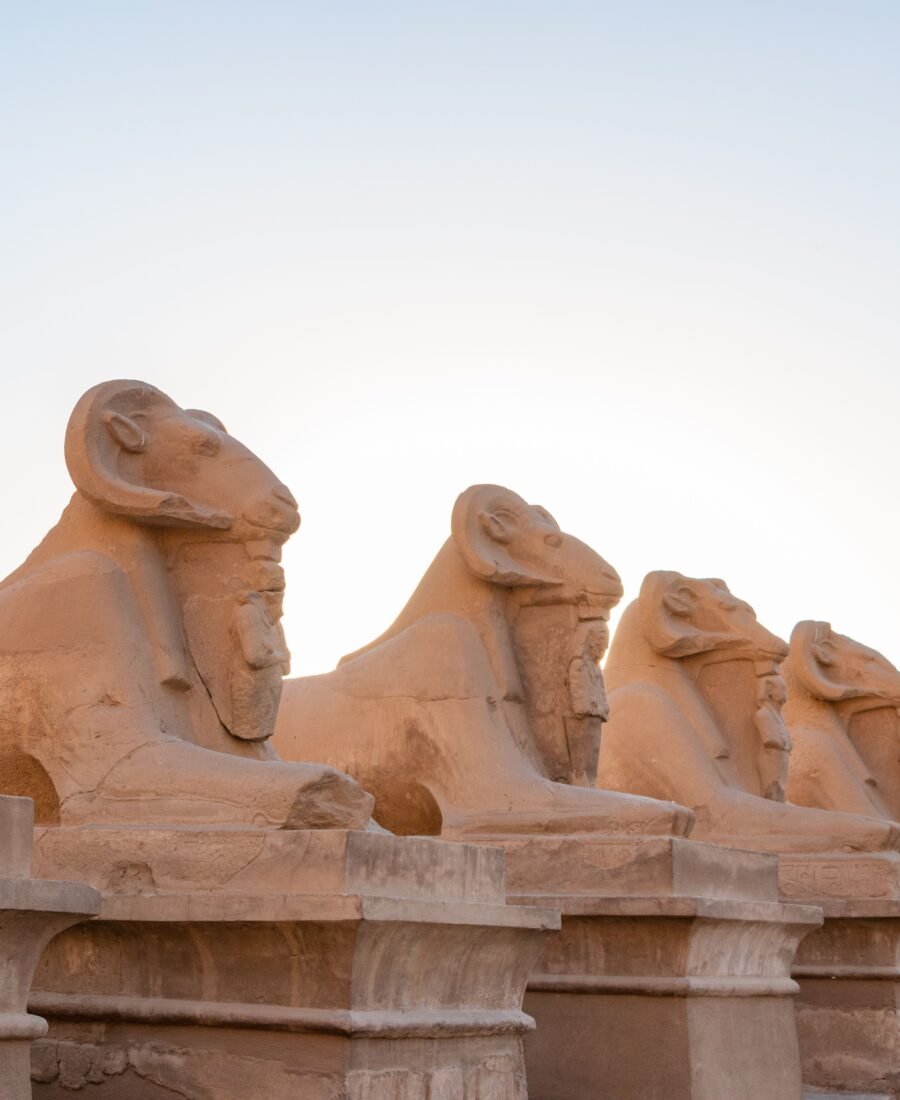
Walk through the ceremonial heart of ancient Egypt.
Request current rateExplore →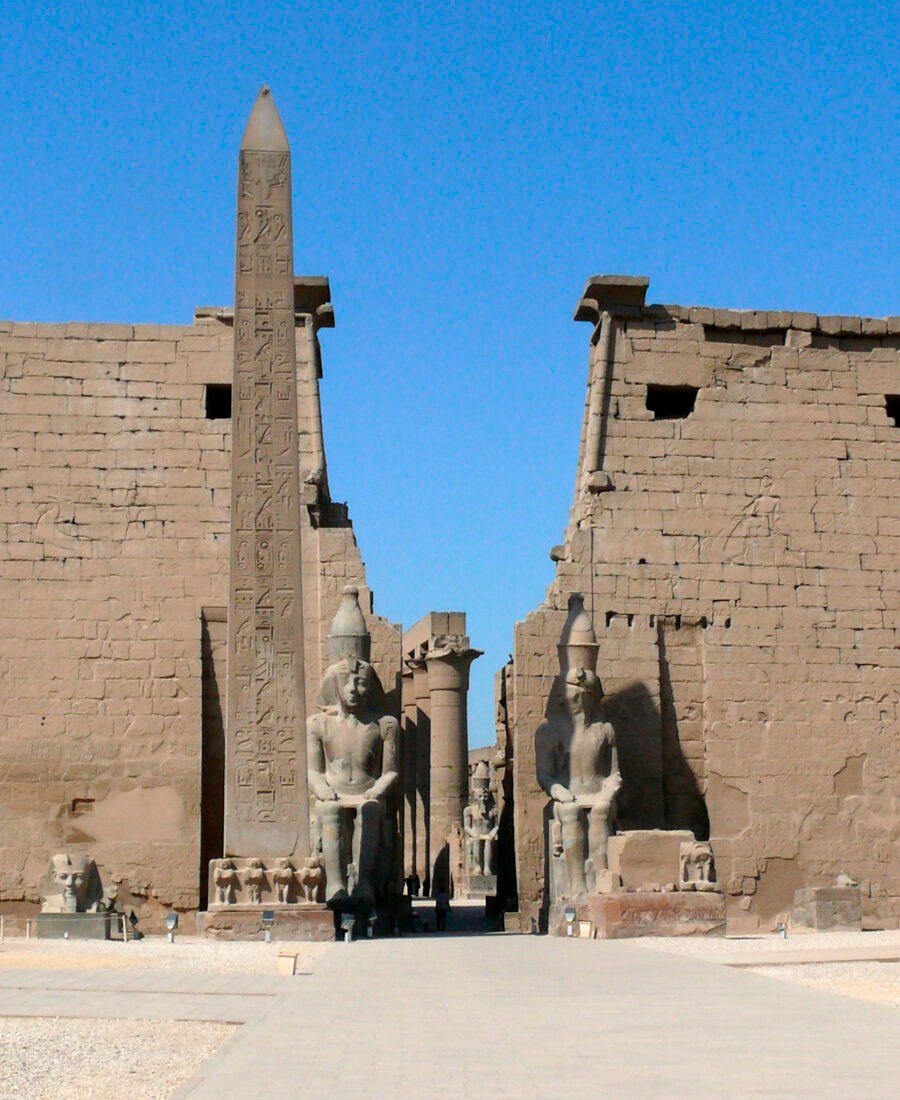
Explore the monumental and ritual heart of ancient Thebes on the East Bank.
Request current rateExplore →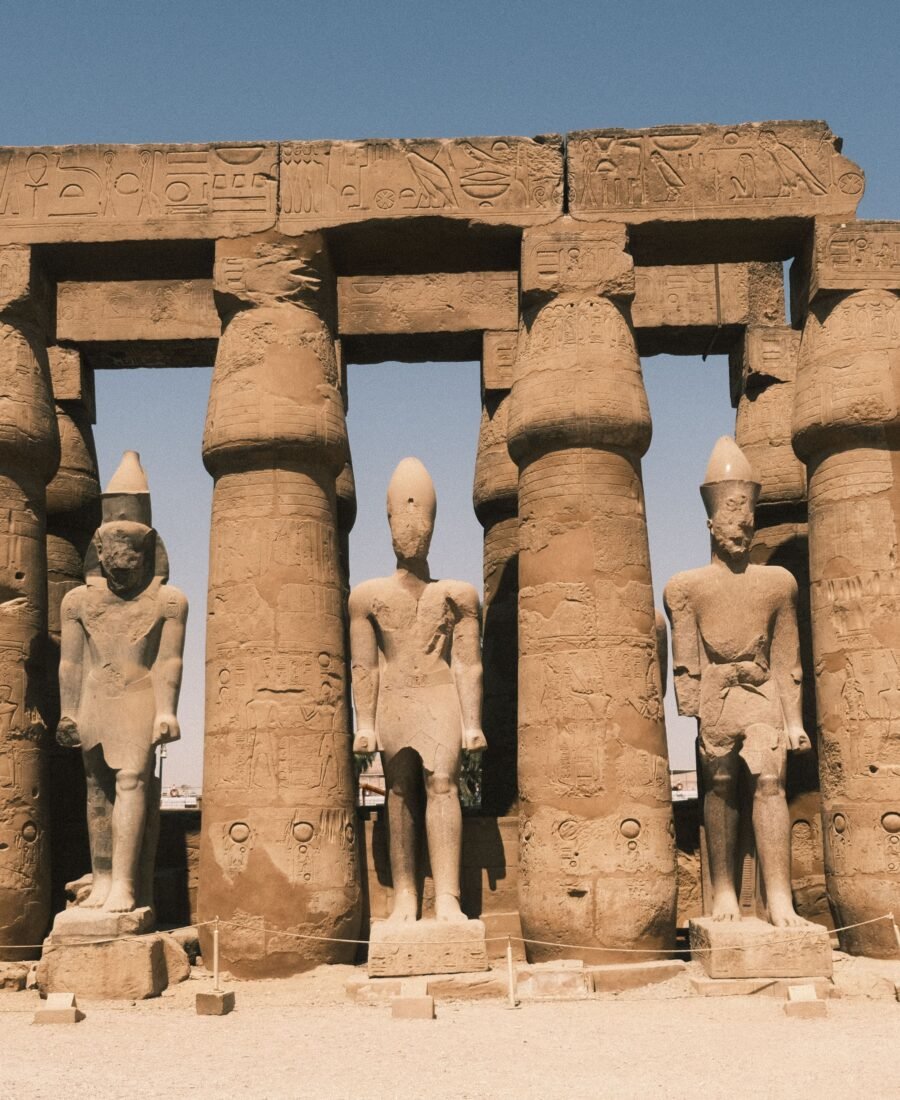
Experience Thebes beyond the highlights, with time to connect its royal, sacred and human landscapes.
Request current rateExplore →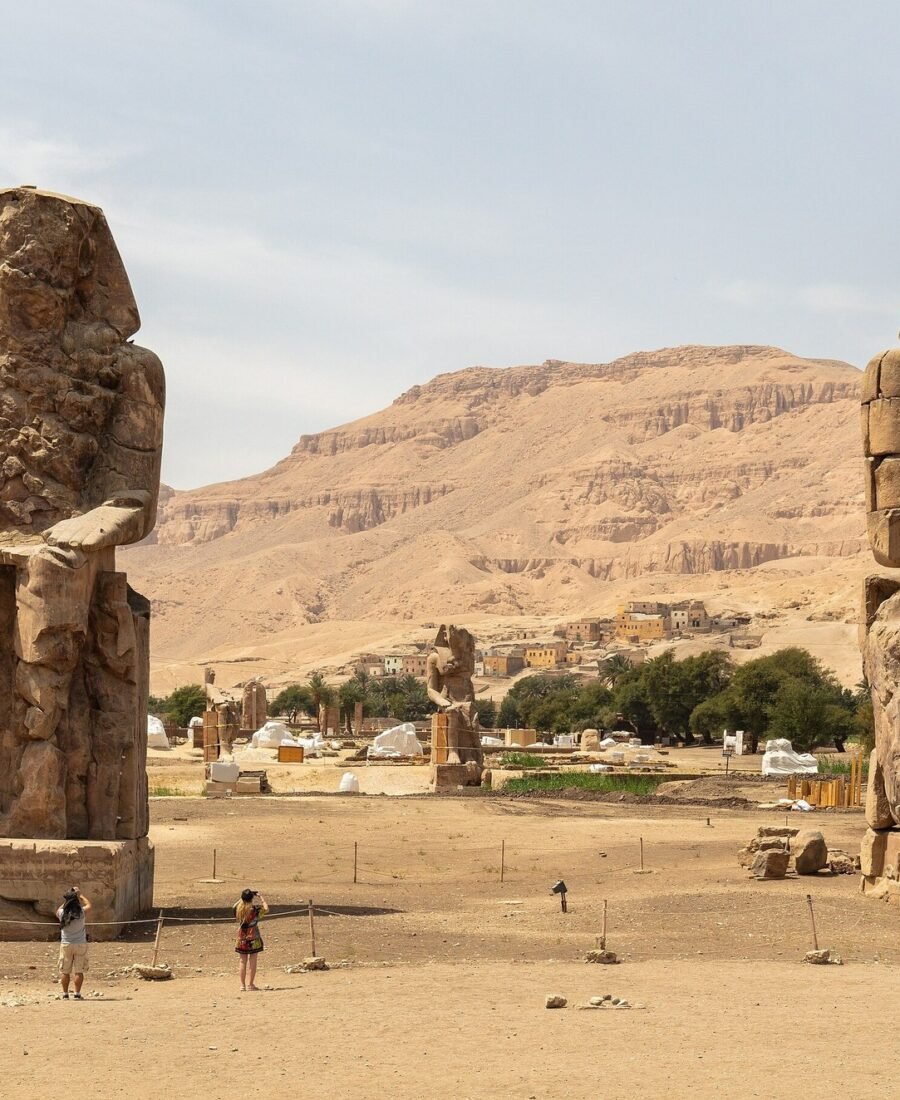
Step beyond the best-known monuments into the quieter archaeological landscape of western Thebes.
Request current rateExplore →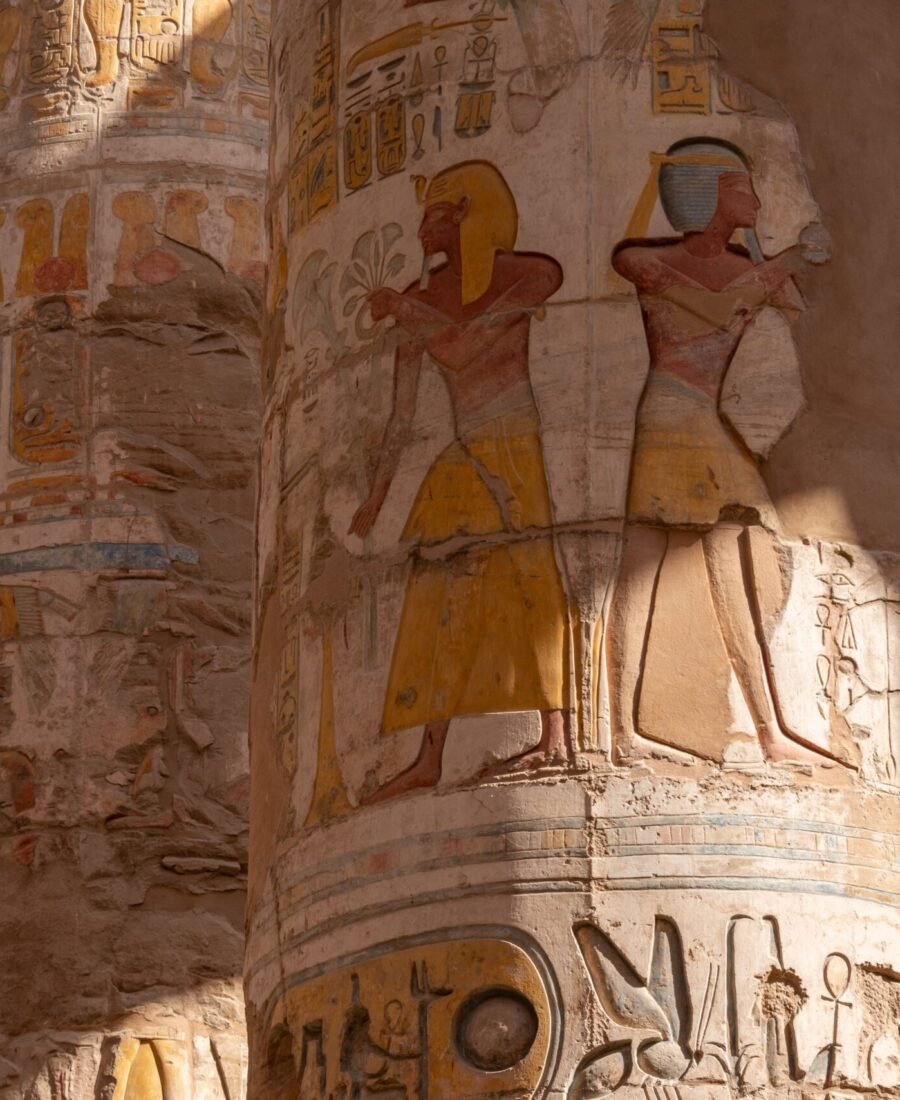
Travel into the spiritual heart of ancient Egyptian religion.
Request current rateExplore →