
Workmen as historical actors
Evidence from the craftsmen’s community reveals literacy, labour organisation, disputes, family life and religious practice on an unusually human scale.
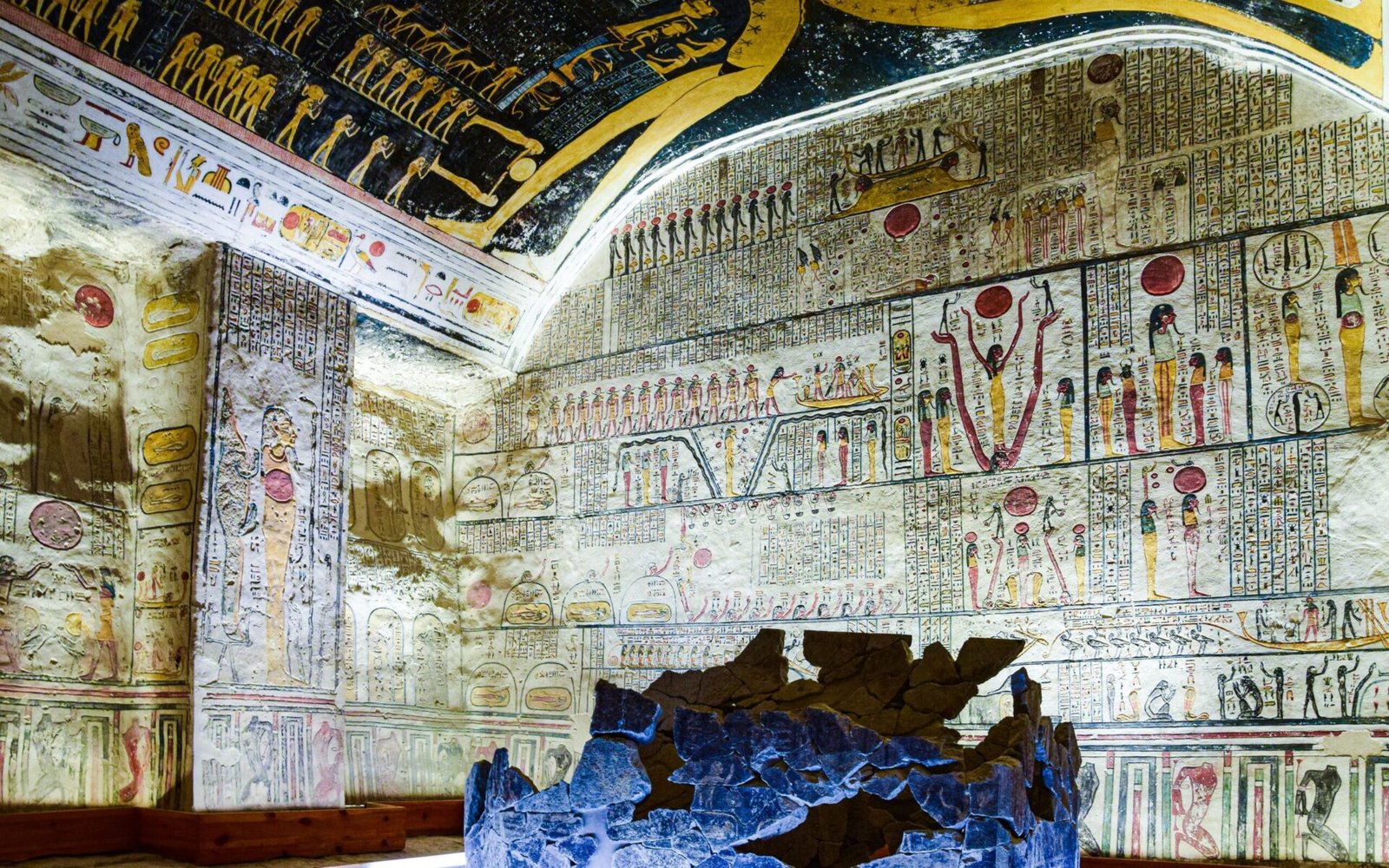
Step beyond the best-known monuments into the quieter archaeological landscape of western Thebes.
Hidden West Bank turns away from the headline royal circuit and toward the people and places that explain how Thebes actually functioned. Deir el-Medina, Medinet Habu and private or officials' tombs provide a more human archaeological scale, while the exact order remains flexible until access is confirmed.
This is the West Bank for travellers who have seen—or deliberately want to look beyond—the famous royal tombs. Workers, artists, officials and later royal monuments reveal different voices within the same Theban landscape.
Interpretation stays close to archaeology, text, landscape and what the evidence can actually support.
The quieter monuments of western Thebes often preserve the most immediate evidence for the people who made royal culture possible. Deir el-Medina, private tombs and monuments such as Medinet Habu shift attention from the king alone toward craftsmen, officials, households, work organisation and local religious practice. Because access to individual tombs can change, the experience is defined by these historical questions rather than by promising one fixed roster of interiors.
Evidence from the craftsmen’s community reveals literacy, labour organisation, disputes, family life and religious practice on an unusually human scale.
Officials used tomb decoration to present careers, households, offerings and idealised daily life alongside funerary belief.
Large-scale battle scenes are important, but so are temple economy, later occupation and the monument’s place in the West Bank landscape.
Tool marks, incomplete decoration and corrections can reveal process rather than only finished art.
A few defining moments reveal the character of the experience before you explore the full experience.
Move beyond the standard royal circuit into places chosen for historical depth.
Use private and non-royal tombs to explore art, professions, belief and daily life.
Connect villages, temples and tomb areas so the West Bank is understood as an inhabited working landscape.
These are approved places in the experience. The cards are intentionally unnumbered because their display order does not imply an operating sequence.
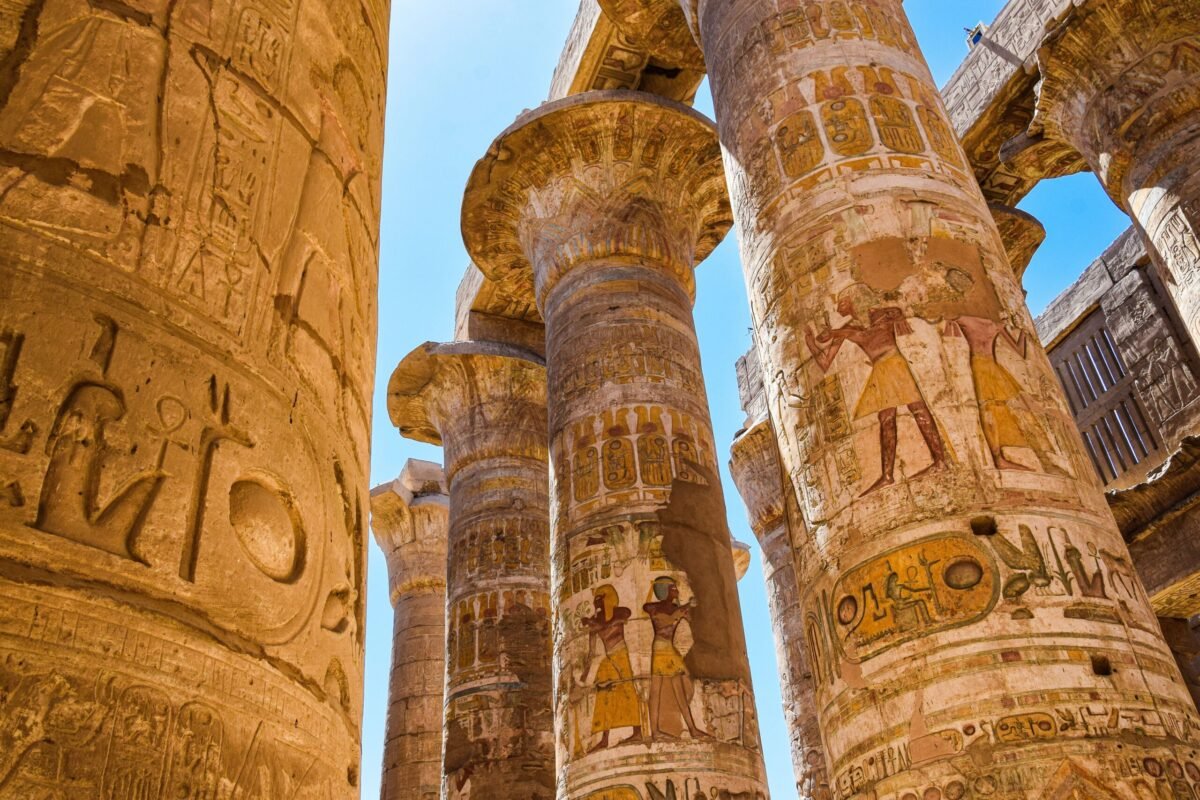
Royal and institutional context on the West Bank: Ramesses III’s memorial complex reveals the monumental world that supported and framed life around royal Thebes.
Read the site guide →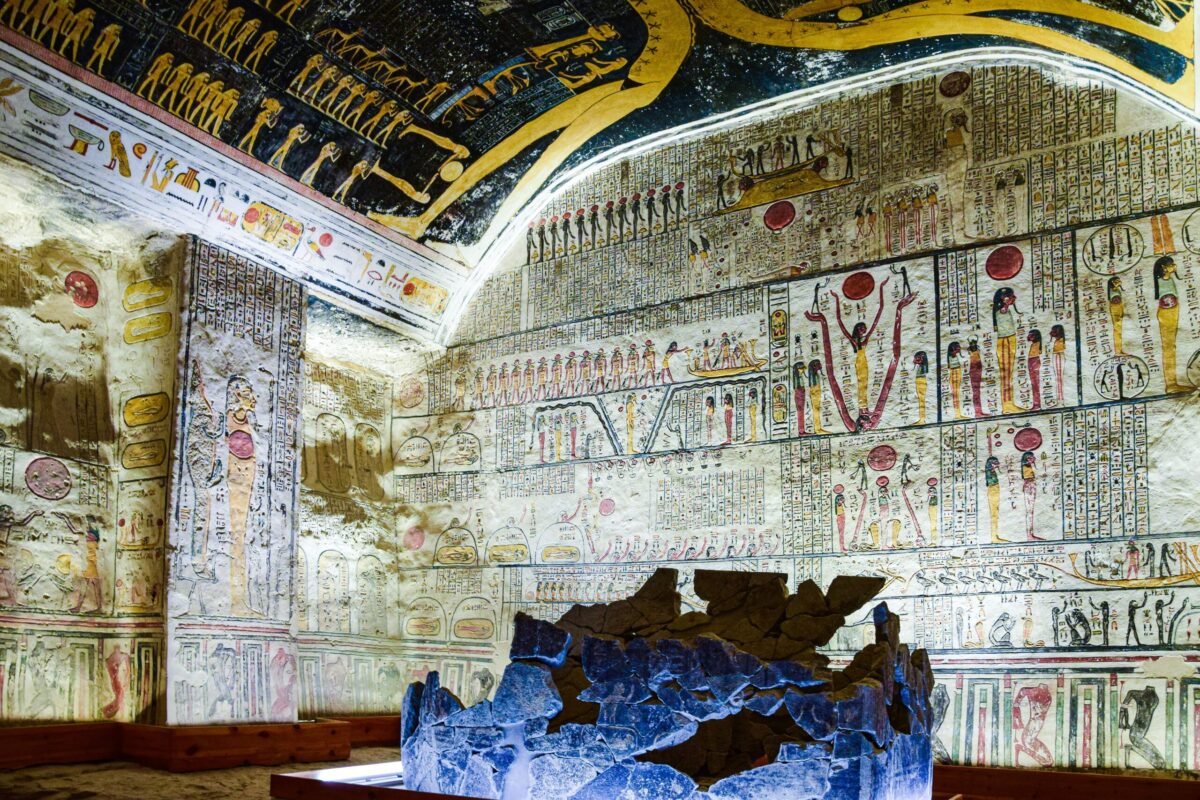
The settlement of the skilled community associated with royal-tomb work adds named people, households, documents and working life to the story of Thebes.
Read the site guide →Private Theban tombs shift attention from kings toward officials, families, professions and funerary identity outside the royal necropolis.
Read the site guide →Royal tombs depended on highly skilled communities; Hidden West Bank makes those communities part of the main story.
Daily life and afterlife belief are not separate categories in the evidence; tombs and settlements show them constantly overlapping.
Private tombs and workers' communities preserve evidence about professions, family life, craftsmanship and religious practice that complements the royal ideology seen in the Valley of the Kings. The quieter scale also rewards close looking.
Your Egyptologist can spend more time where your curiosity is strongest and move more lightly through what matters less, while keeping the day coherent and well paced.
Tell us how you like to travel →Ask us whether this addition fits your date, pace and route.
Ask us whether this addition fits your date, pace and route.
Ask us whether this addition fits your date, pace and route.
Ask us whether this addition fits your date, pace and route.
When an approved public rate is available, the calculator shows the relevant private-party basis. Otherwise, we prepare a personal quotation after checking the date, party and operating arrangements.
Smaller tombs often preserve excellent colour but can be tight and dim. Use compact equipment and follow site rules. Exterior village-and-desert compositions help show the environmental setting, while close details of unfinished work or painted scenes often communicate the specialist character of the tour.
Visitors who have only one half day in Luxor usually prioritise Royal West Bank. Hidden West Bank is strongest for repeat visitors, archaeologically curious travellers and anyone interested in social history rather than headline monuments.
Access to individual private tombs can change, and some sites involve steps, uneven surfaces and little shade. The final selection and order are confirmed for your date rather than promising a fixed tomb roster online.
Repeat Luxor visitors, archaeology enthusiasts and travellers curious about the people behind royal monuments.
It can be, but most first-time visitors prioritise Thebes Essential or Royal West Bank. Hidden West Bank is especially rewarding for repeat visitors and travellers who prefer social history and specialist archaeology.
The defining places and historical focus are established, while the operating order is confirmed around current access, opening conditions, local logistics and your pace. Your final programme states the sequence clearly before travel.
They preserve information about careers, households, status, work and ritual that complements the royal ideology of the Valley of the Kings.
They fit the intellectual identity of the experience, but the final site selection is confirmed for your date because access, restoration and route decisions can vary.
Not less important—different. Royal tombs explain kingship; workers’ and officials’ evidence helps explain the society that produced and maintained royal culture.
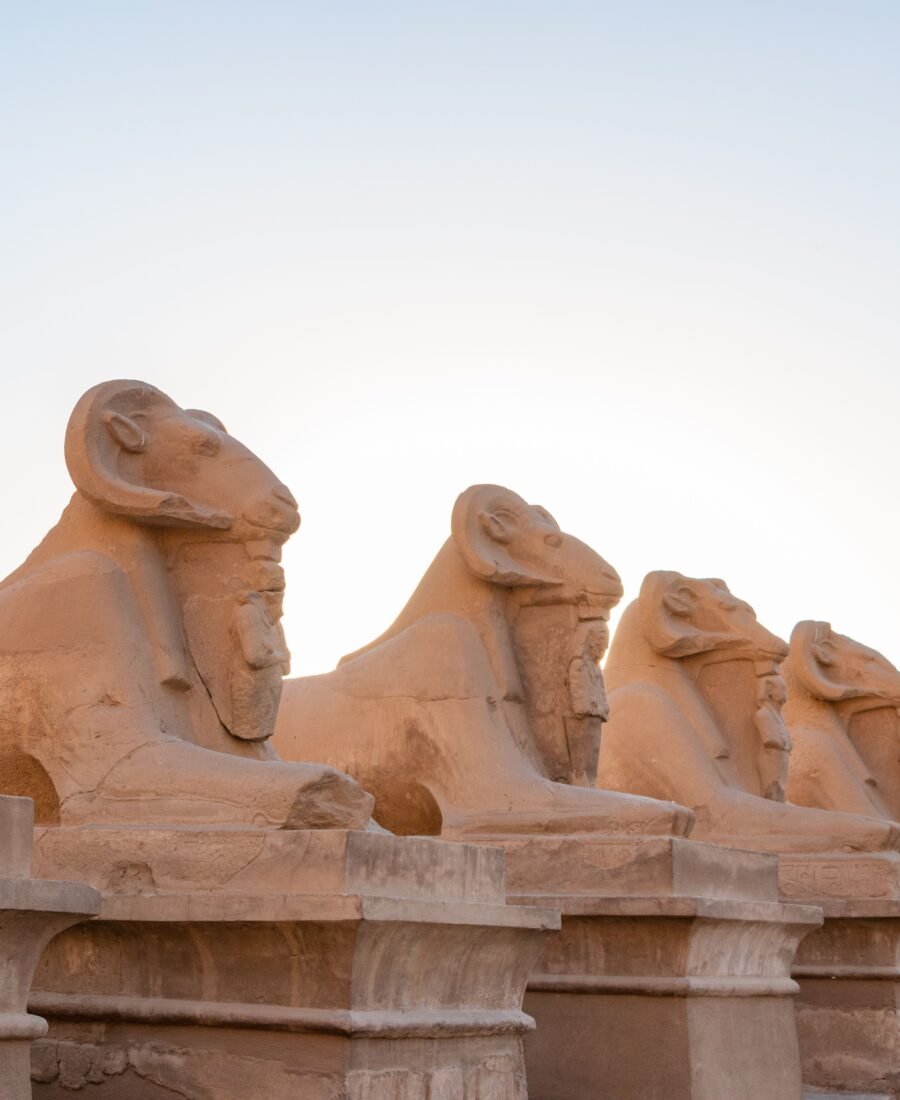
Walk through the ceremonial heart of ancient Egypt.
Request current rateExplore →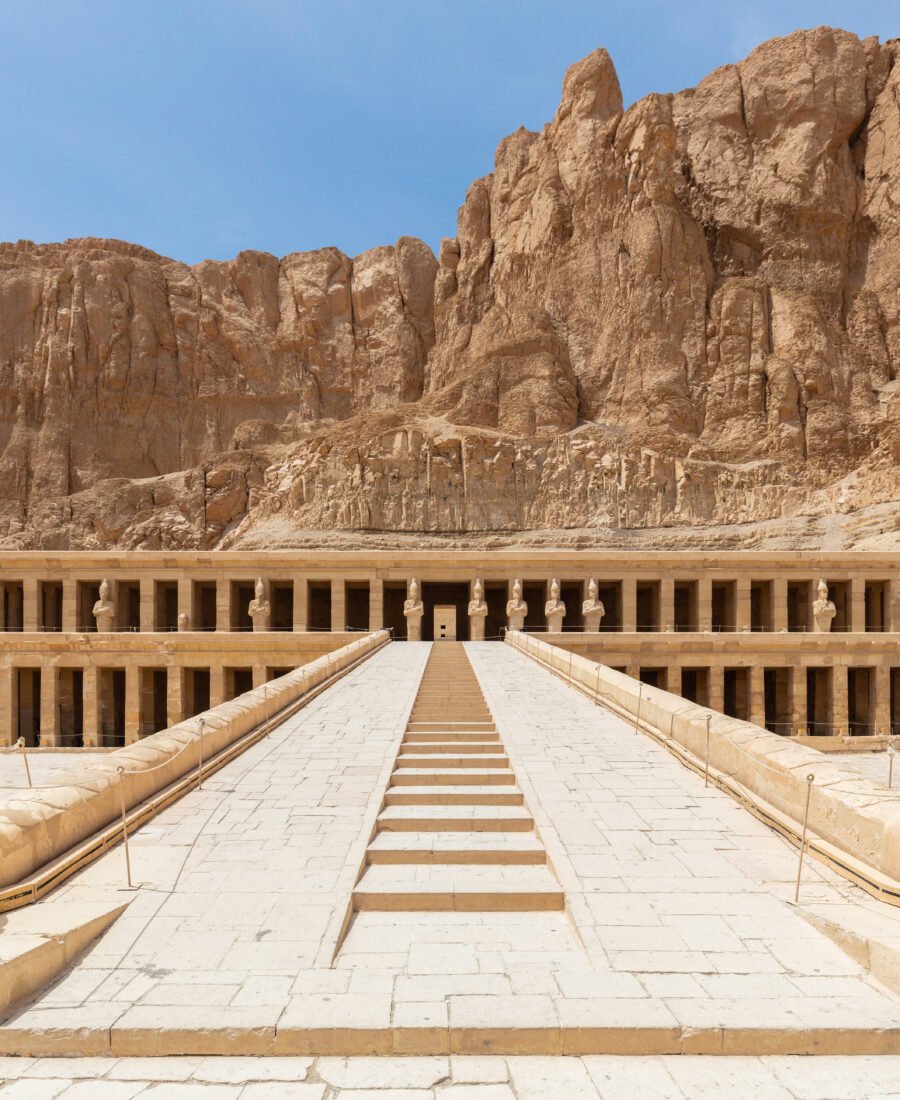
Enter the royal and funerary landscape of ancient Egypt.
Request current rateExplore →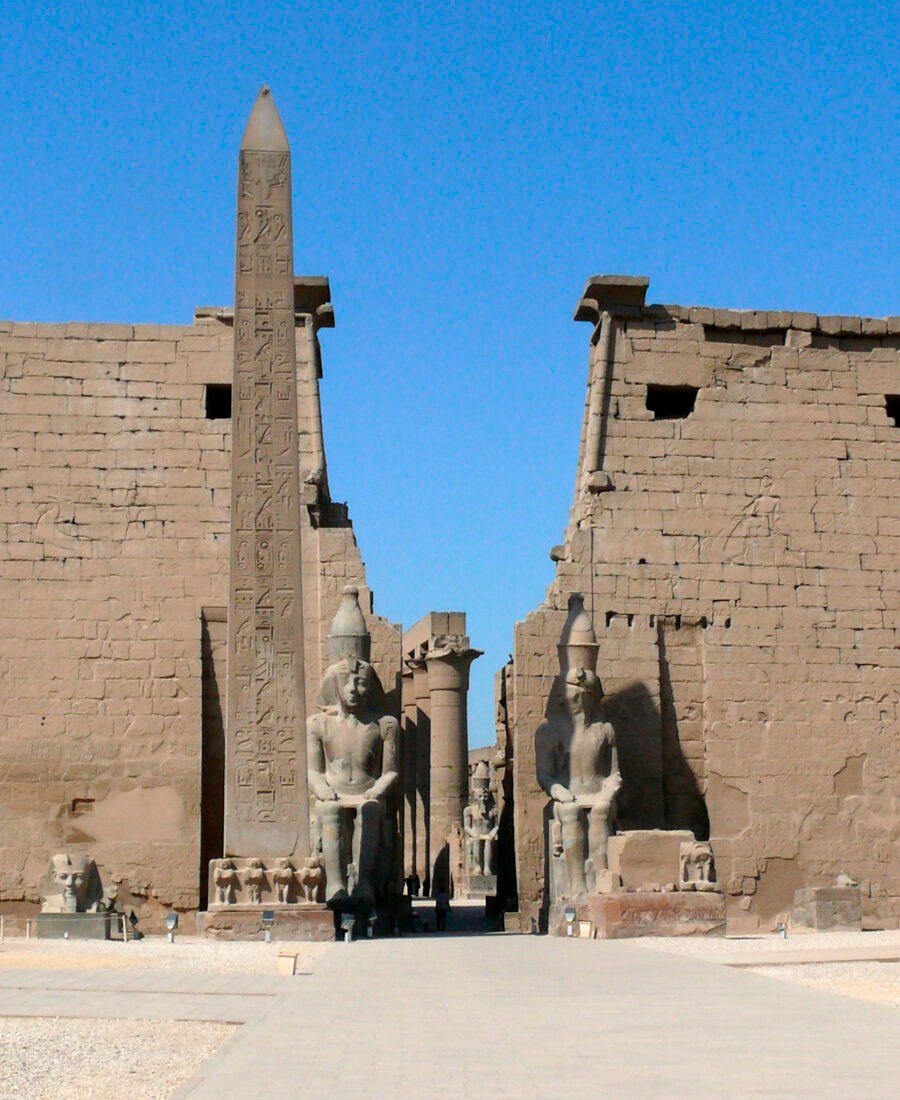
Explore the monumental and ritual heart of ancient Thebes on the East Bank.
Request current rateExplore →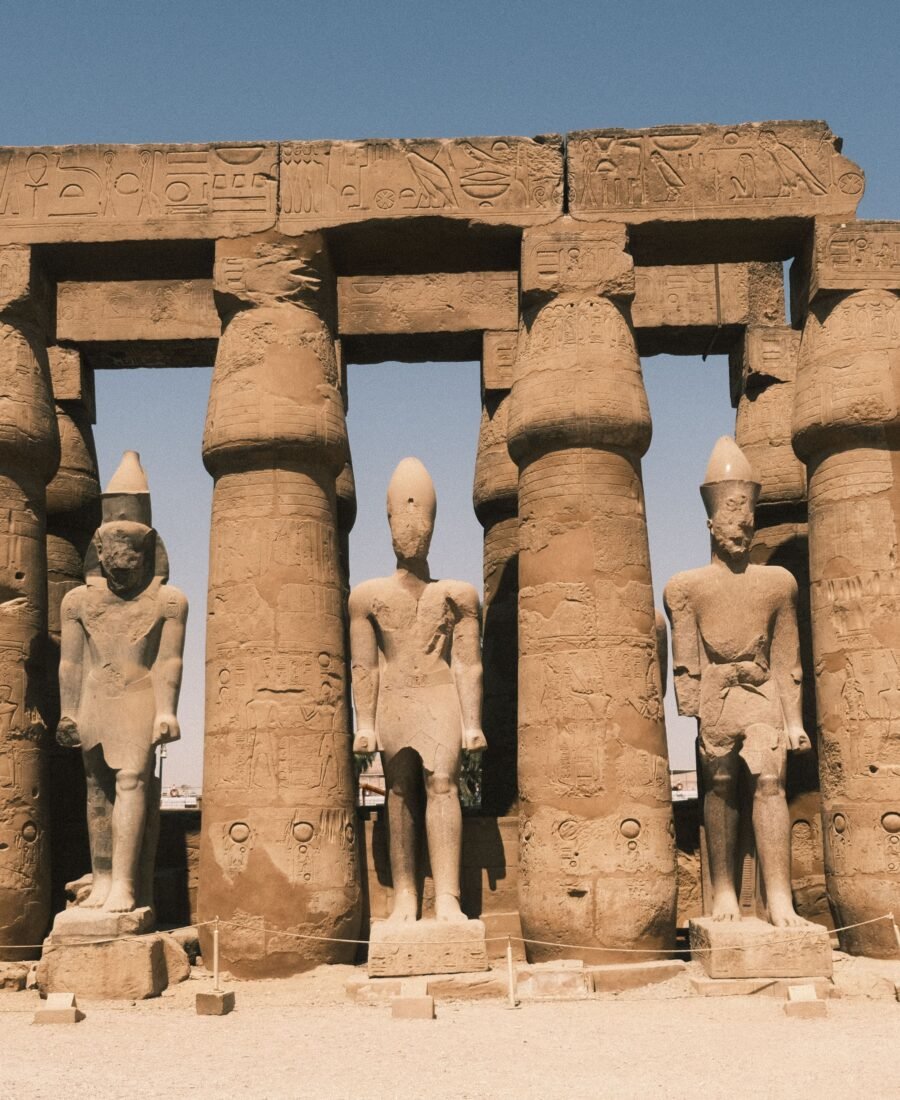
Experience Thebes beyond the highlights, with time to connect its royal, sacred and human landscapes.
Request current rateExplore →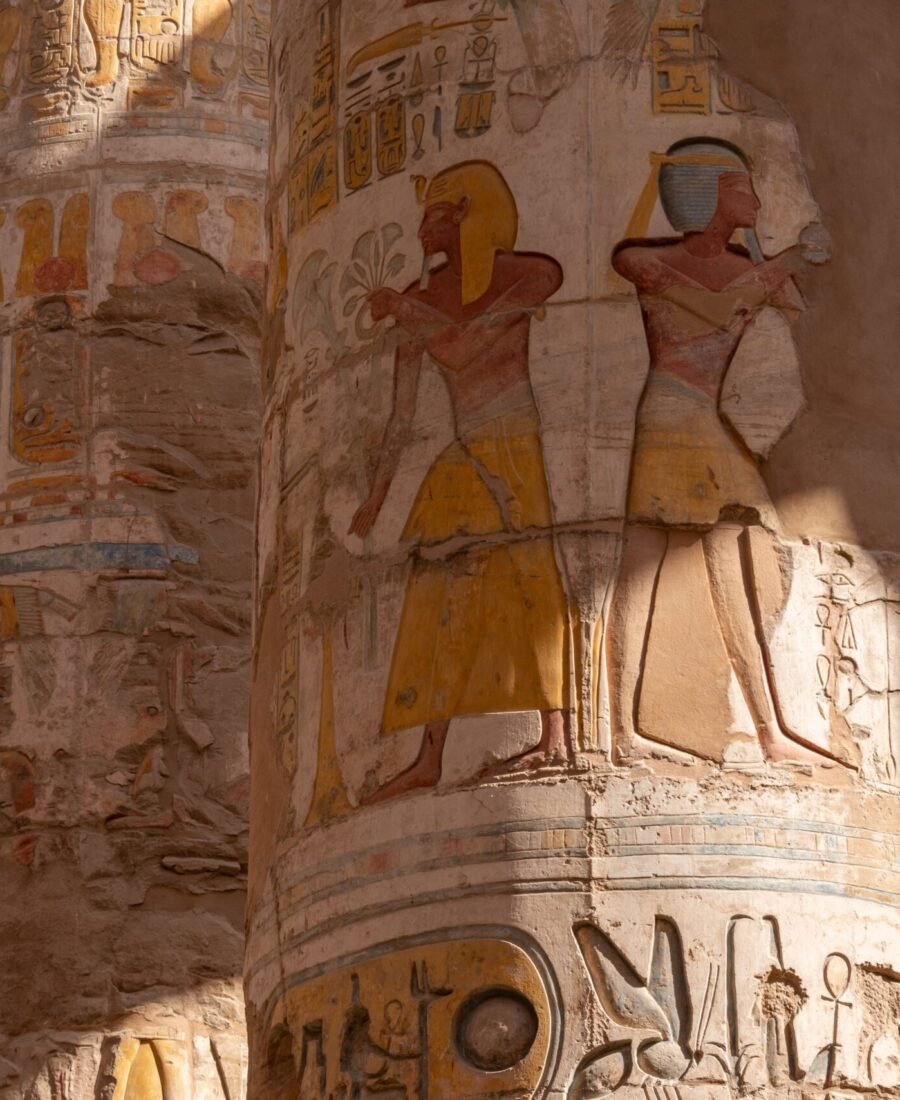
Travel into the spiritual heart of ancient Egyptian religion.
Request current rateExplore →