
Architecture serving worship
Look beyond decoration to plan, orientation, screens, courtyards and circulation: sacred buildings were designed for specific forms of communal use.
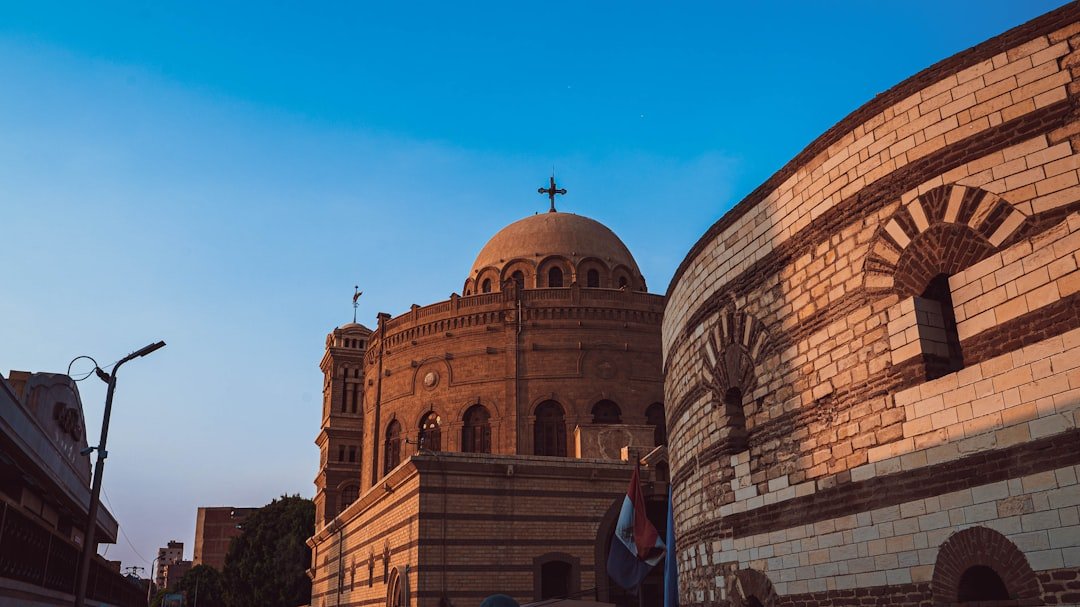
Explore two thousand years of religious history.
Cairo's religious history is visible in churches, synagogues, mosques, schools and neighbourhoods that grew over many centuries. This day approaches those traditions through architecture, community history and urban context, with care for the fact that many places remain active sacred spaces.
Placing Coptic, Jewish and Islamic heritage within one city reveals both difference and continuity. The goal is not to collapse distinct faiths into one story, but to understand how communities, rulers and institutions shaped Cairo over time.
Interpretation stays close to archaeology, text, landscape and what the evidence can actually support.
Old Cairo and Islamic Cairo reveal religious history through places that were—and in many cases remain—used by communities of faith. Around the Roman fortress area, Christian institutions developed into one of the most important historic Coptic districts in the city, while Jewish heritage forms part of the same complex urban memory. Farther into historic Cairo, mosques, schools, charitable foundations and markets record the patronage of successive Islamic dynasties. The purpose is not to blur distinct traditions together, but to understand how sacred architecture, community life and political power shared the same evolving city.
Look beyond decoration to plan, orientation, screens, courtyards and circulation: sacred buildings were designed for specific forms of communal use.
Old Cairo preserves Roman, Christian, Jewish and later urban histories in unusually close proximity.
In Islamic monuments, inscriptions, scale and building type can reveal who commissioned a monument and what social role it was intended to serve.
Notice what changes when a heritage monument is still used for worship; respectful behaviour becomes part of understanding the place.
These are approved places in the experience. The cards are intentionally unnumbered because their display order does not imply an operating sequence.
Explore a historic Christian district through churches, community memory and the city's changing religious geography.
Read the site guide →Read one of Cairo's best-known Coptic landmarks within the wider district rather than as an isolated stop.
Read the site guide →Place Jewish heritage within the multi-layered history of Old Cairo, subject to current access.
Read the site guide →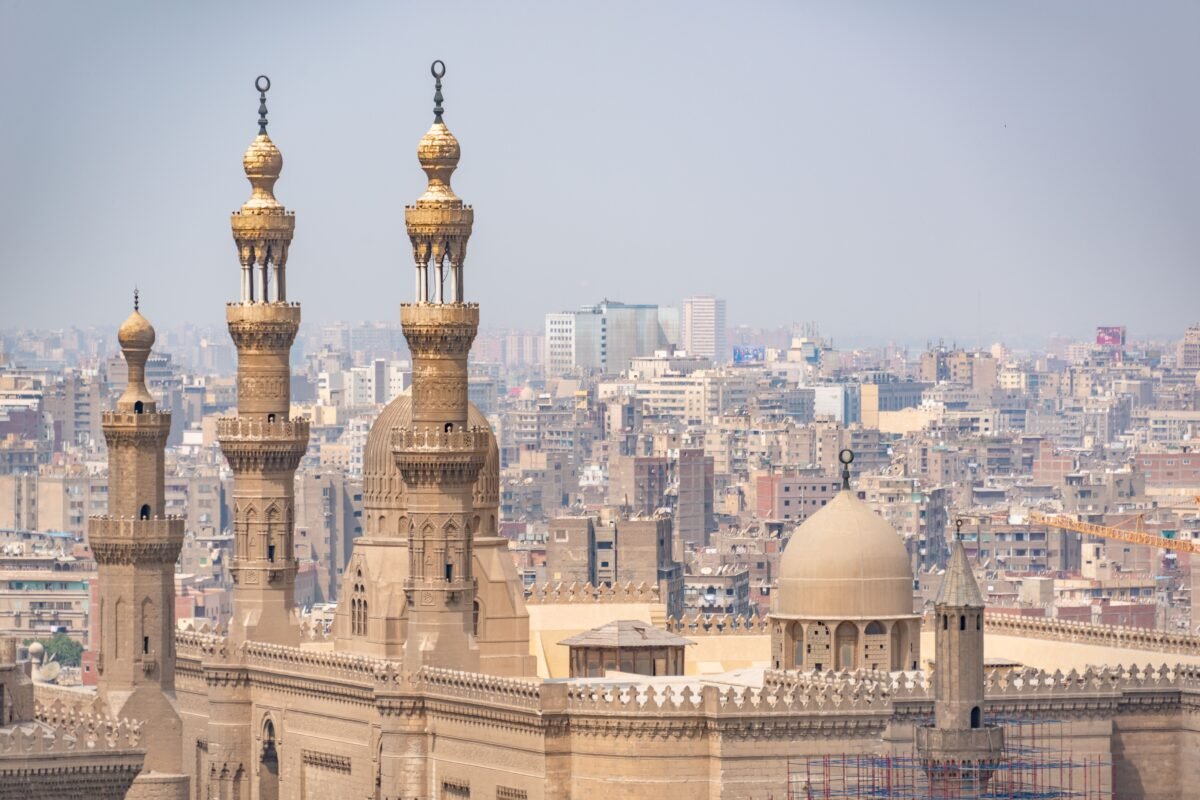
Move into the monumental urban world created by successive Islamic dynasties.
Read the site guide →The traditions are historically distinct, yet their communities developed within the same city and often inherited the same urban geography.
Religious architecture can also document political legitimacy, education, charity and social organisation.
Religious monuments communicate through layout, patronage, decoration and use. Your guide helps distinguish historical evidence from devotional interpretation while respecting the living character of the sites.
Your Egyptologist can spend more time where your curiosity is strongest and move more lightly through what matters less, while keeping the day coherent and well paced.
Tell us how you like to travel →Ask us whether this addition fits your date, pace and route.
Ask us whether this addition fits your date, pace and route.
Ask us whether this addition fits your date, pace and route.
Ask us whether this addition fits your date, pace and route.
When an approved public rate is available, the calculator shows the relevant private-party basis. Otherwise, we prepare a personal quotation after checking the date, party and operating arrangements.
Modest dress and discreet photography matter because several sites are active sacred spaces. Avoid photographing worshippers closely without permission. Architectural details—woodwork, stone carving, calligraphy, screens and layered courtyards—often tell the story better than a wide room photograph.
Travellers seeking a purely archaeological day may prefer Giza or Saqqara. This experience rewards interest in religion, architecture and community history and requires comfort with active places of worship.
Modest dress is important for active religious sites, and access can vary with services, prayer times or current conditions. Expect walking and some uneven historic streets; exact stops are confirmed for your date.
Travellers interested in religion, architecture, community history and the layered identity of Cairo.
For active churches and mosques, respectful modest clothing is appropriate. Your final programme includes any site-specific guidance that matters for the planned visits.
The defining places and historical focus are established, while the operating order is confirmed around current access, opening conditions, local logistics and your pace. Your final programme states the sequence clearly before travel.
No. Each tradition is explained in its own historical context. The value comes from understanding how distinct communities occupied and shaped the same city over time.
Plan, orientation, decoration and patronage reveal how a sacred building functioned and what role it played in community life.
Follow your guide’s advice on dress, shoes, photography and movement. Respect for current worship is part of visiting the monument responsibly.
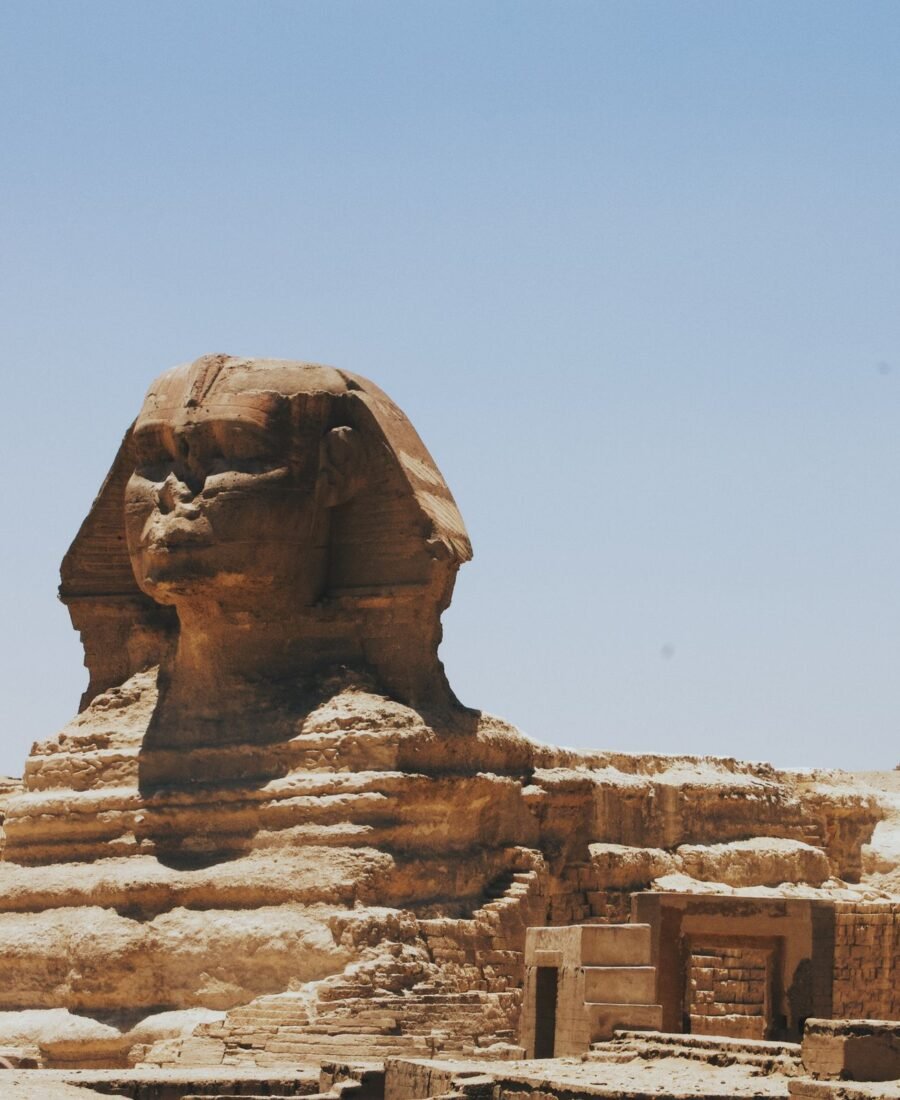
The essential introduction to Egypt’s greatest icons.
Request current rateExplore →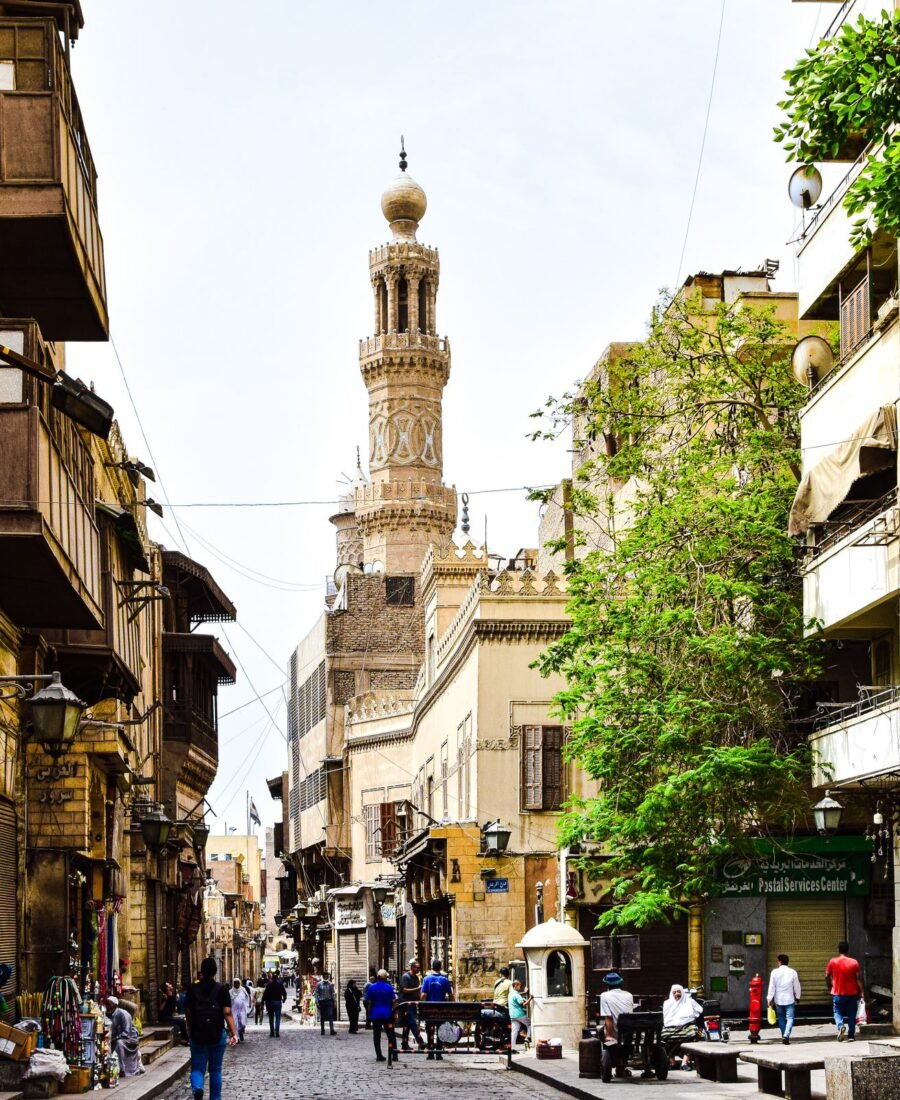
Discover the birthplace of pyramid civilization.
Request current rateExplore →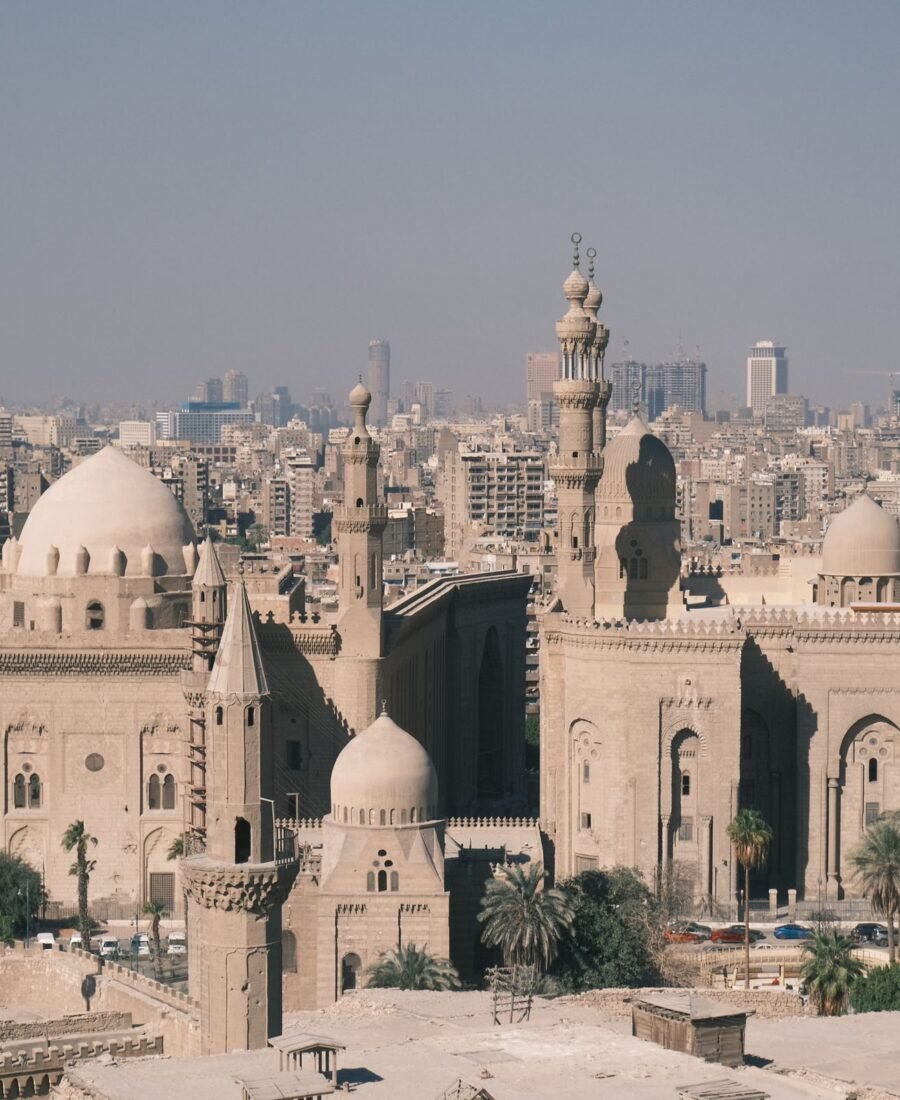
Read Cairo as a layered capital, from the ancient world to the historic city.
Request current rateExplore →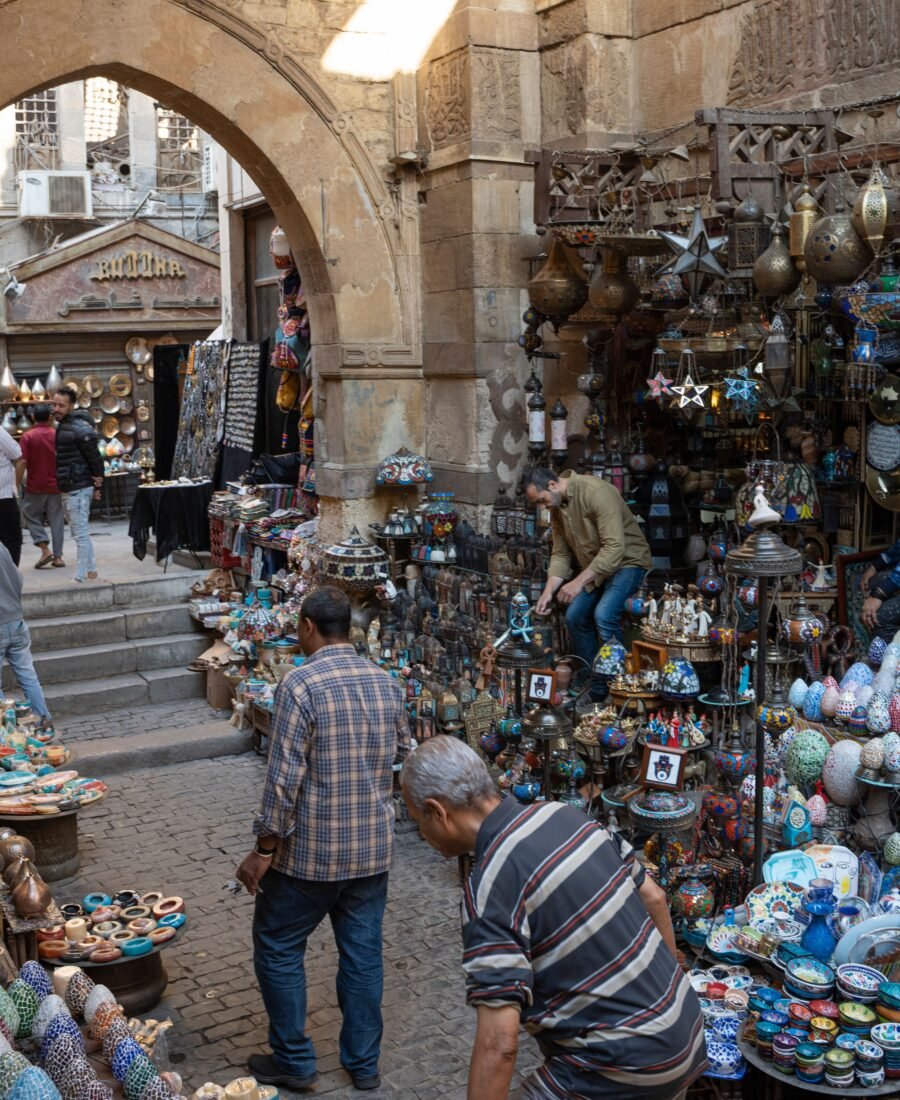
Experience Cairo through its lights, flavours and stories.
Request current rateExplore →
Discover Egypt’s Mediterranean soul.
Request current rateExplore →