
Ritual before symbolism
Ask what a room, image or text did within ceremony before asking what it “means” in isolation.
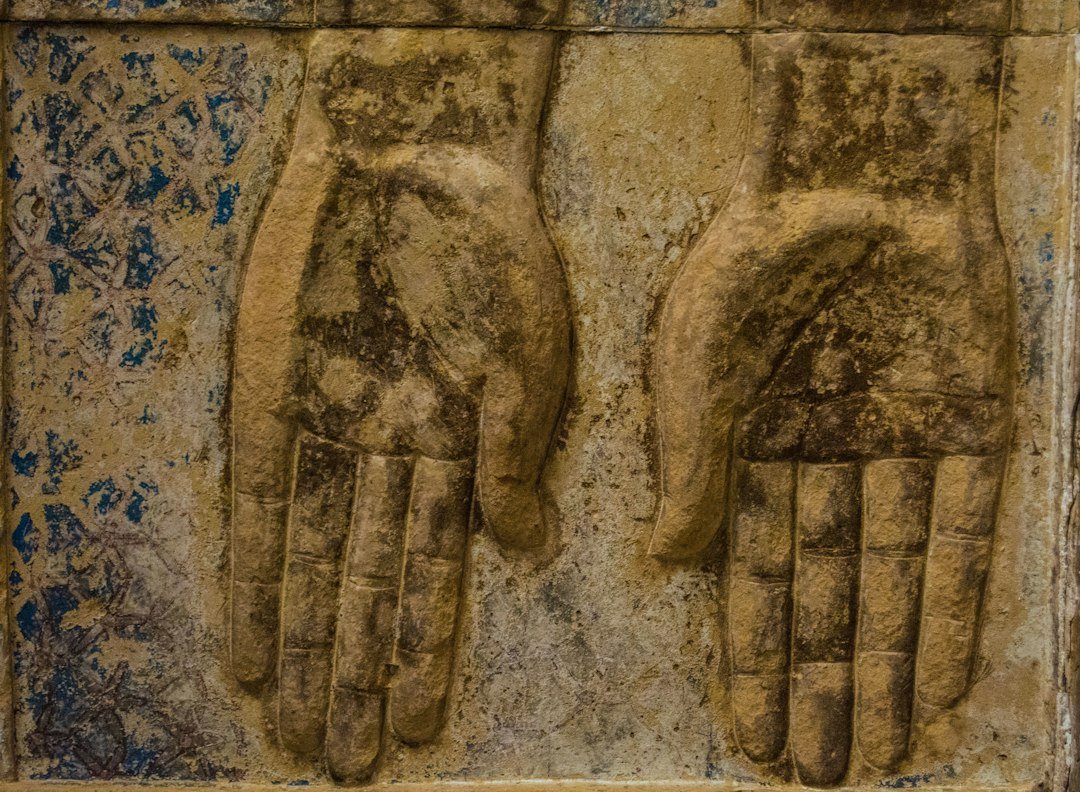
Follow Egypt’s sacred landscapes, temple ideas and Nile geography through an Egyptologist-led journey.
Sacred Egypt & the Nile is a thirteen-day specialist framework for travellers who want belief, ritual and sacred geography to shape the journey rather than sit as occasional commentary beside a conventional itinerary. The Nile remains the physical connector, while the exact sites and daily order are confirmed for your dates and interests.
The journey brings together sacred landscapes across regions so religious ideas can be compared over time and place. It is designed for depth of interpretation rather than a generic 'mystical Egypt' narrative.
The journey is organised around historical questions and landscapes, not around adding stops for their own sake.
Sacred Egypt & the Nile uses religion as a historical question rather than as a collection of mystical claims. Temples, tombs, processional routes and sacred landscapes are read through what they were designed to do: house divine presence, renew kingship, sustain the dead, organise festivals and connect communities with local gods. The Nile provides the geographic framework because sacred centres developed within a river landscape whose seasons, agriculture and movement shaped Egyptian life. The journey can go deep into symbolism while remaining disciplined about the difference between ancient evidence, scholarly interpretation and modern spiritual projection.
Ask what a room, image or text did within ceremony before asking what it “means” in isolation.
Egyptian religion was not one uniform system; deities and myths changed emphasis from city to city.
Architecture often controls progression from public courts to increasingly restricted sacred space.
Funerary monuments are important, but divine cult, festival, fertility and kingship are equally central.
Start with the defining experiences, then explore the journey frame and confirmed detail at the pace that suits you.
Connect temples, landscapes and pilgrimage traditions through their real regional settings.
Use the river as the geographic thread linking major sacred landscapes.
Separate historical and archaeological evidence from later speculation.
Shape the exact route around confirmed access and the periods that interest you most.
The defining places and themes are established; your final sequence is prepared around your dates, pace and confirmed logistics.
The journey brings together sacred landscapes across regions so religious ideas can be compared over time and place. It is designed for depth of interpretation rather than a generic 'mystical Egypt' narrative.
These are thematic chapters, not an invented operating sequence. Your confirmed itinerary determines the actual day-by-day order.
Temples introduce cult, offerings, priesthood and royal participation in maintaining cosmic order.
Tombs and funerary landscapes explore transformation of the dead without reducing Egyptian religion to a cult of death.
The journey connects local cult centres through the river and landscape that made them possible.
Your proposal confirms the exact version that applies to your dates and chosen accommodation.
The journey keeps its 13 Days / 12 Nights identity and core experiences. Your complete day-by-day plan, stays and timings are prepared personally once your dates, pace and accommodation preferences are confirmed.
The Nile links temples physically while local landscapes give each cult centre its own identity.
Religious stories were expressed through powerful temple institutions, priesthoods and royal patronage, not only through private belief.
Ancient Egyptian religion, later Christian traditions and other sacred histories require evidence, local context and careful distinction between historical sources and modern speculation. The journey is strongest when symbolism is explained through real monuments, texts and geography.
Begin with a coherent journey, then adjust the pace, stays and experiences around the way you like to travel.
We will advise whether it strengthens the route for your dates and interests.
We will advise whether it strengthens the route for your dates and interests.
We will advise whether it strengthens the route for your dates and interests.
We will advise whether it strengthens the route for your dates and interests.
Customisation should strengthen the journey, not turn it into an exhausting list of additions.
Tell us how you like to travel →Use photography to record ritual architecture: axes, thresholds, ceiling symbolism, surviving colour and relationships between temple and landscape. Avoid reducing the journey to isolated “mystical” details without context.
This journey is unsuitable for guests seeking confirmation of modern esoteric theories as ancient fact. It welcomes spiritual curiosity, but interpretation remains archaeological, textual and historically responsible.
The specialist framework is established, while exact daily order, hotels and access-sensitive visits are confirmed for your travel dates. Special access and current religious-site conditions are never assumed.
Travellers interested in religion, mythology, sacred geography, archaeology and evidence-led specialist interpretation.
Not by default. It is a specialist historical and archaeological journey focused on religion, ritual, sacred landscape and belief systems. Any contemplative element would be discussed separately and never replaces evidence-based interpretation.
The defining places and historical focus are established, while the operating order is confirmed around current access, opening conditions, local logistics and your pace. Your final programme states the sequence clearly before travel.
It is an Egyptologist-led historical journey focused on religion, ritual and sacred landscape. Personal reflection is welcome, but claims about ancient belief remain evidence-led.
By explaining context, sources and scholarly uncertainty rather than presenting one modern reading as certain ancient truth.
Because settlement, agriculture, travel and temple geography were inseparable from the river. Sacred landscapes were physical landscapes too.
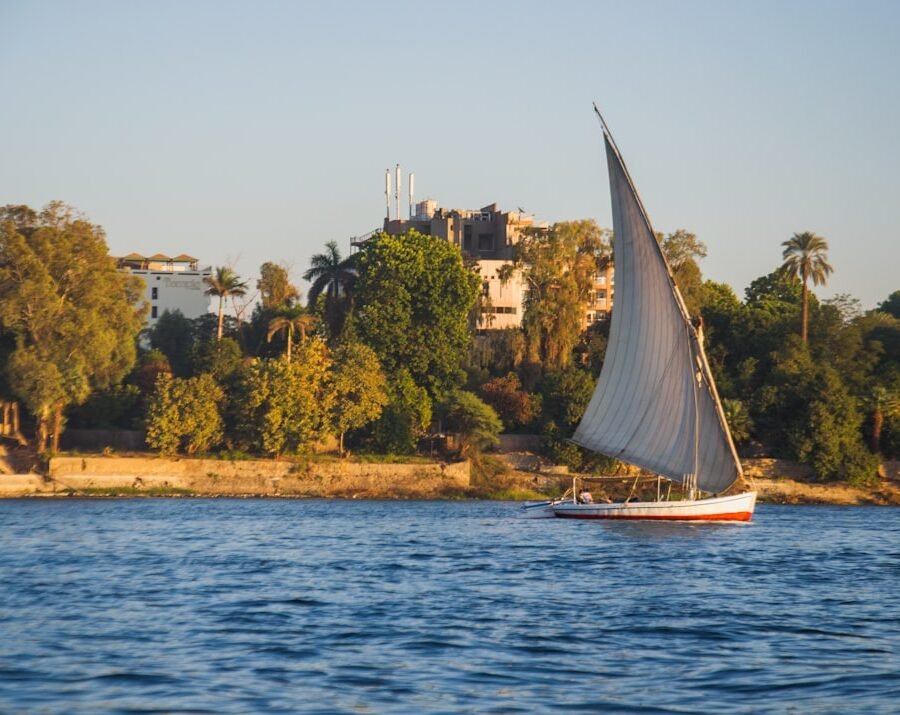
A focused first journey through Cairo and the Nile, designed to make Egypt feel connected rather than fragmented.
Request current rateExplore →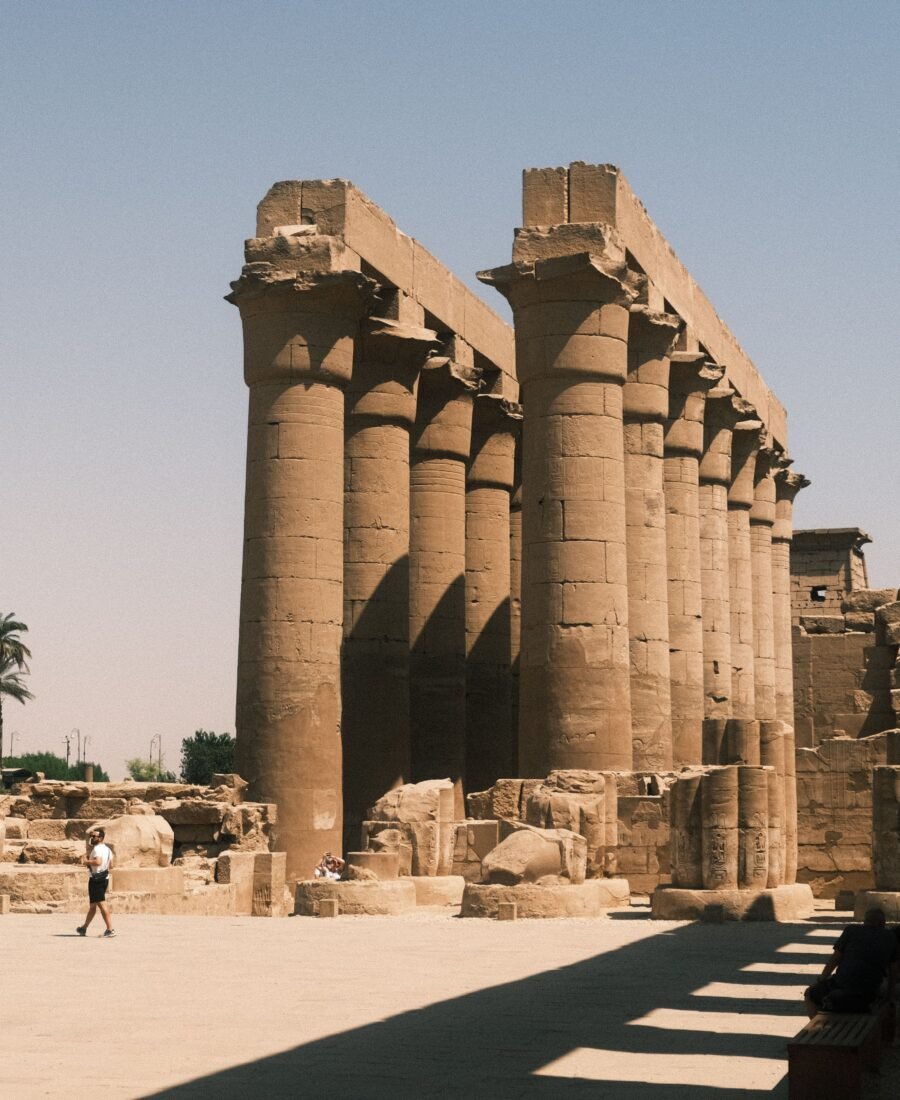
Experience Egypt not as a tourist, but through the history, culture and people who know it as home.
Request current rateExplore →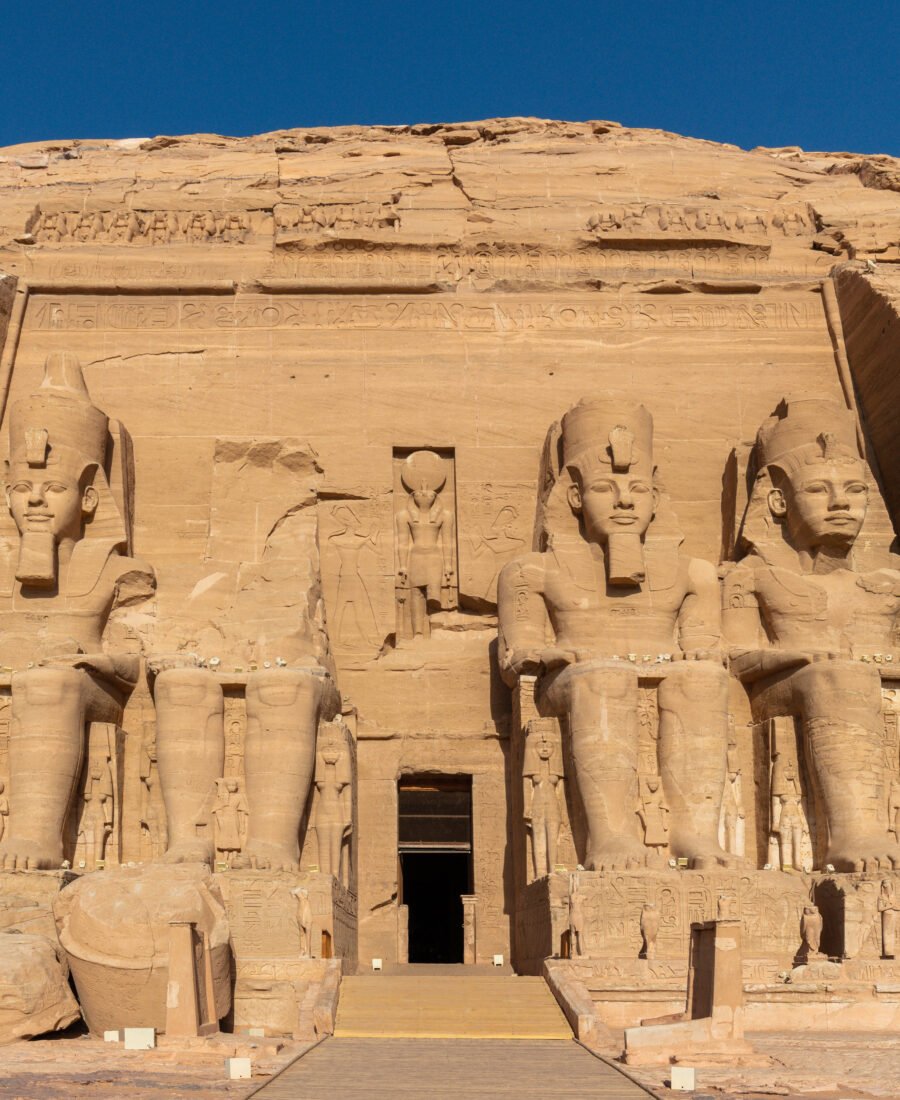
A broader, slower journey for travellers who want the major historical landscapes and enough time to understand how they fit together.
Request current rateExplore →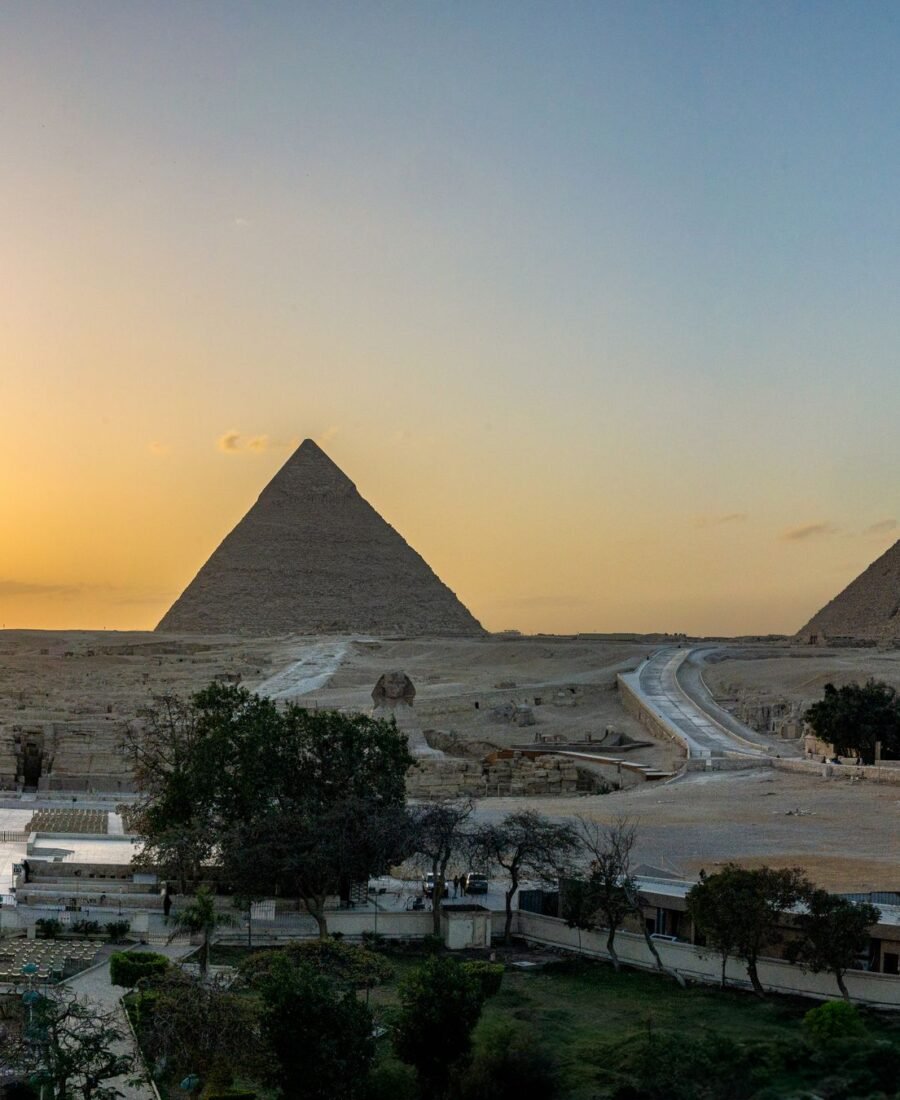
Combine Egypt’s archaeological heart with restorative time by the Red Sea.
Request current rateExplore →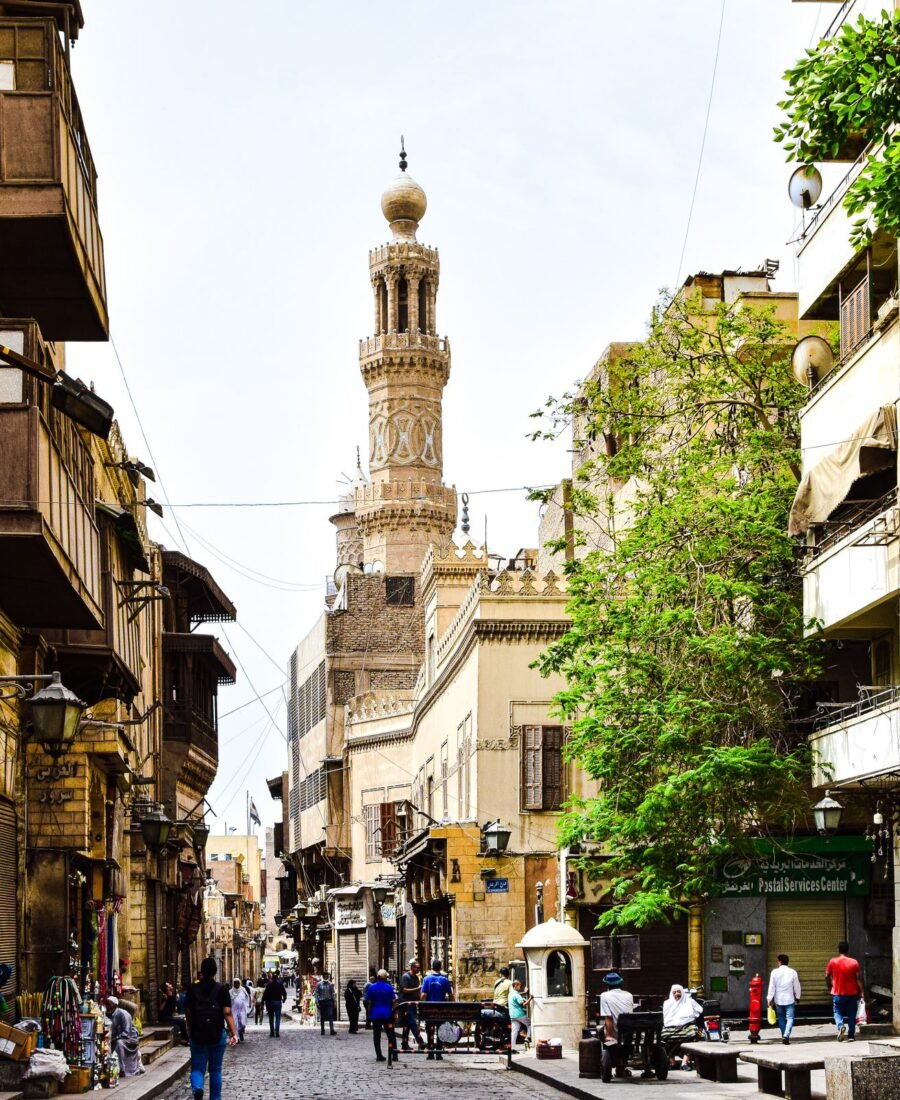
Explore the spiritual landscapes that shaped early Christianity and monasticism.
Request current rateExplore →