
Chronology before checklist
Use each major stop to answer a different historical question rather than repeating generic “ancient Egypt” explanations.
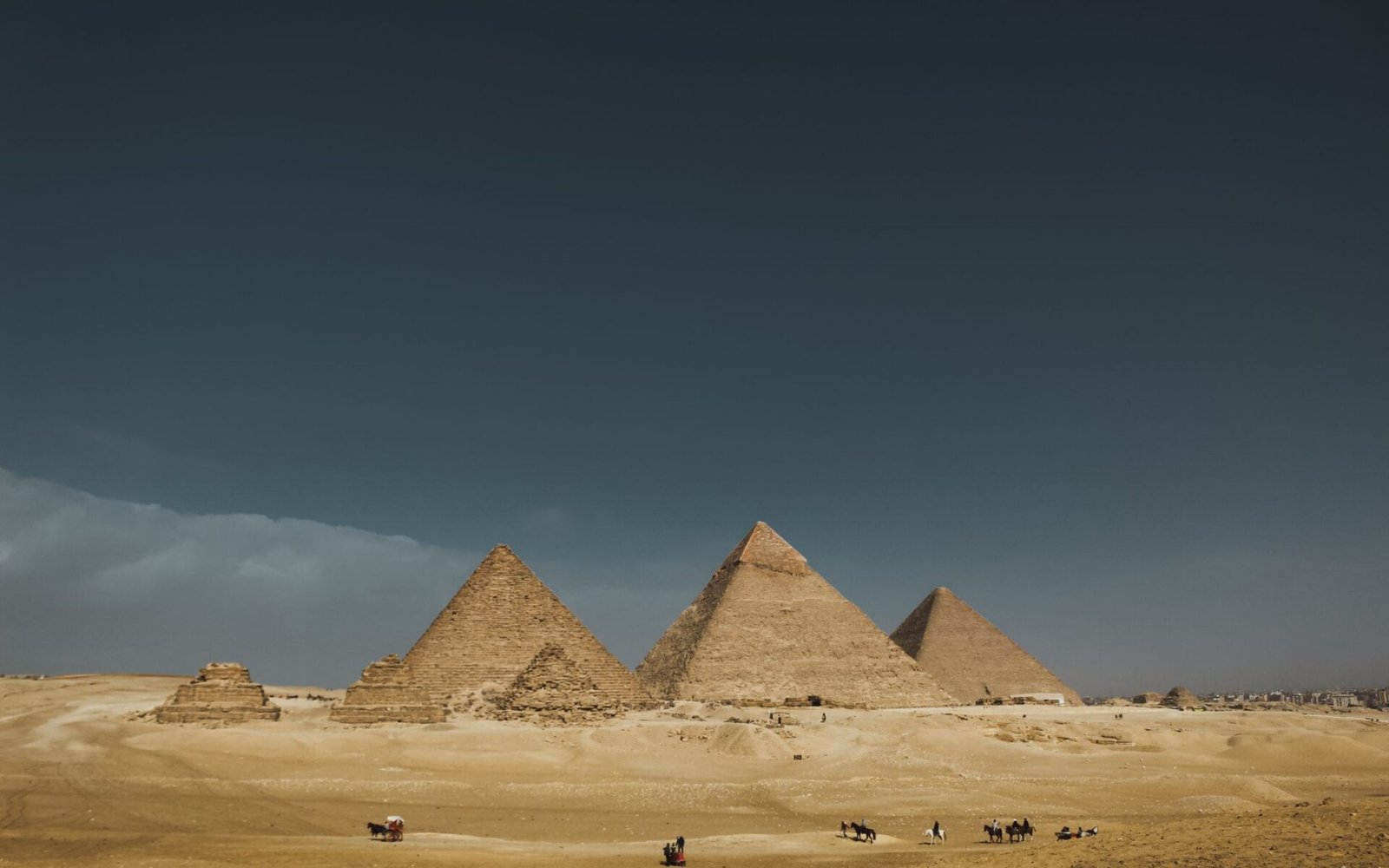
A focused first journey through Cairo and the Nile, designed to make Egypt feel connected rather than fragmented.
Essential Egypt is a disciplined first journey for travellers who want Cairo and the Nile within ten days without pretending that every major region can be explored in depth. The route is shaped around the major historical chapters, while hotels, domestic transport and day-by-day timing are confirmed for your actual travel dates.
Ten days requires careful editing. The value comes from choosing the chapters that establish Egypt clearly and allowing them enough space, rather than adding side trips until every day becomes a transfer.
The journey is organised around historical questions and landscapes, not around adding stops for their own sake.
A first journey through Egypt works best when chronology and geography reinforce one another. Cairo introduces the state-forming world of the pyramid age and the long history of the capital region; the Nile then shifts the focus toward temple culture, royal burial, agricultural landscape and southern connections. The purpose of a ten-day framework is discipline: enough breadth to understand the major historical chapters without creating a daily race. The exact day order is confirmed in your programme, while the intellectual structure remains clear—origins, kingship, sacred landscape and the Nile as the thread connecting them.
Use each major stop to answer a different historical question rather than repeating generic “ancient Egypt” explanations.
In Cairo it can feel distant from desert monuments; in Upper Egypt it becomes the organising geography of settlement, temples and travel.
Old Kingdom pyramid kingship and New Kingdom temple/tomb culture expressed authority differently.
Markets, food, local guides and river life prevent the journey from ending at the archaeological fence.
Start with the defining experiences, then explore the journey frame and confirmed detail at the pace that suits you.
Begin with the capital region and the formative world of royal power and pyramid building.
Shift into the monumental and religious landscapes of the Nile Valley.
Use the river as connective geography rather than simply transport.
Keep one expert narrative running through the journey rather than treating each city as a separate package.
The defining places and themes are established; your final sequence is prepared around your dates, pace and confirmed logistics.
Ten days requires careful editing. The value comes from choosing the chapters that establish Egypt clearly and allowing them enough space, rather than adding side trips until every day becomes a transfer.
These are thematic chapters, not an invented operating sequence. Your confirmed itinerary determines the actual day-by-day order.
Cairo and the pyramid landscapes establish the foundations of monumental kingship.
Upper Egypt introduces temple institutions, royal burial and the mature New Kingdom state.
Aswan and the southern Nile broaden the story toward Nubia, frontier exchange and a different river landscape.
Your proposal confirms the exact version that applies to your dates and chosen accommodation.
The journey keeps its 10 Days / 9 Nights identity and core experiences. Your complete day-by-day plan, stays and timings are prepared personally once your dates, pace and accommodation preferences are confirmed.
The journey moves conceptually from the formation of centralised kingship toward the temple and funerary landscapes of Upper Egypt.
Objects, architecture and local context are used together so the traveller meets institutions and people, not only rulers.
A coherent first journey should progress historically and geographically. Cairo establishes origins and the scale of the capital; Upper Egypt and the Nile then shift the story toward temples, royal landscapes and river geography.
Begin with a coherent journey, then adjust the pace, stays and experiences around the way you like to travel.
We will advise whether it strengthens the route for your dates and interests.
We will advise whether it strengthens the route for your dates and interests.
We will advise whether it strengthens the route for your dates and interests.
We will advise whether it strengthens the route for your dates and interests.
Customisation should strengthen the journey, not turn it into an exhausting list of additions.
Tell us how you like to travel →Photographically, treat the journey as a sequence of visual chapters rather than collecting the same wide temple shot repeatedly: desert geometry in Cairo, relief and tomb colour in Luxor, water and granite in Aswan, and human-scale daily life between them.
Travellers who want specialist archaeology, slower regional travel or substantial time beyond Cairo and the Nile may find ten days too compressed and should consider Egypt Through Egyptian Eyes or the Grand Egypt Journey.
This is a planning framework, not an instant package. Hotels, room categories, domestic transport, Nile arrangements and exact daily order are confirmed in your proposal. The internal planning benchmark is never a public guaranteed rate.
First-time visitors who want a focused private Egypt journey with Cairo and the Nile at its core.
Your final day-by-day programme is confirmed around your travel dates, accommodation and transport. The public journey page explains the historical structure without pretending that every departure must operate identically.
The defining places and historical focus are established, while the operating order is confirmed around current access, opening conditions, local logistics and your pace. Your final programme states the sequence clearly before travel.
Each major destination is used for a different historical purpose, and the Egyptologist interpretation explicitly connects them instead of treating them as unrelated stops.
Enough for a strong foundation, not for completeness. The itinerary is intentionally selective so important places receive explanation rather than being rushed.
Because settlement, agriculture, transport, sacred geography and political control all depended on it. The river connects the historical chapters physically and conceptually.
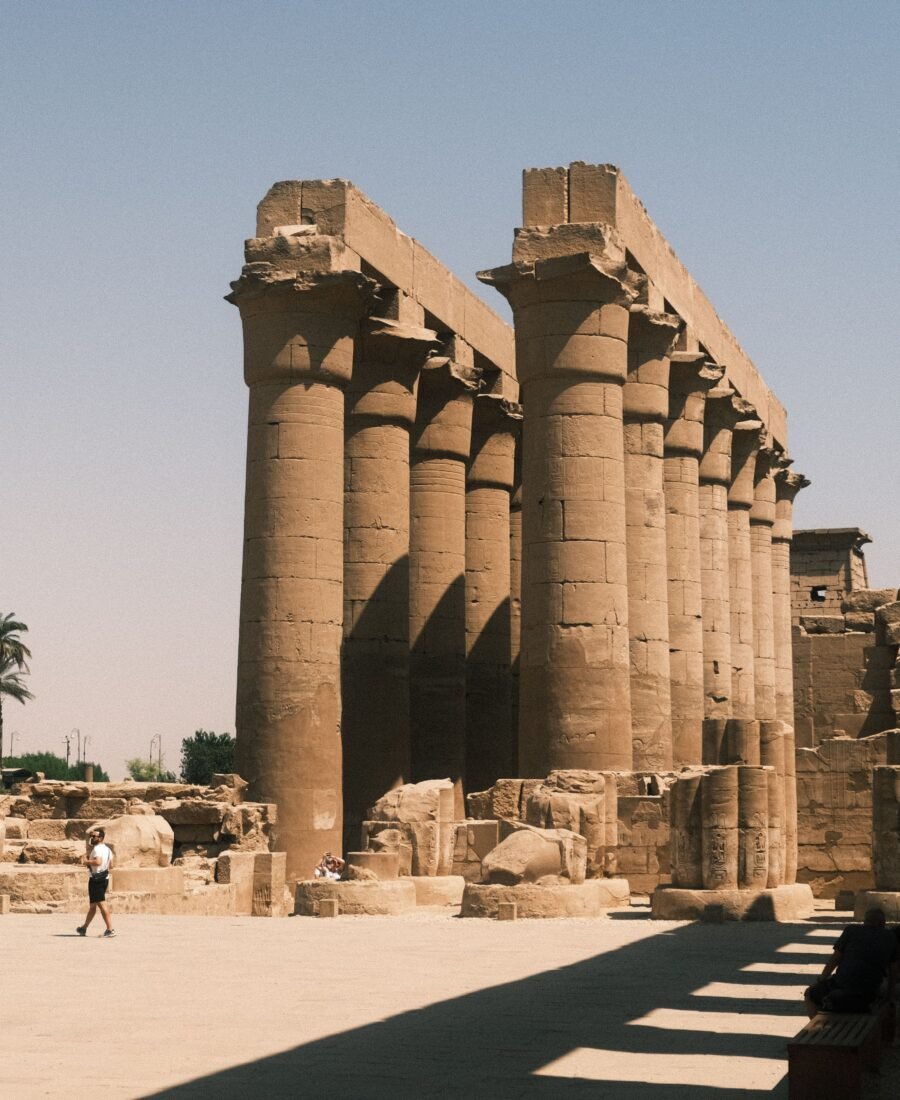
Experience Egypt not as a tourist, but through the history, culture and people who know it as home.
Request current rateExplore →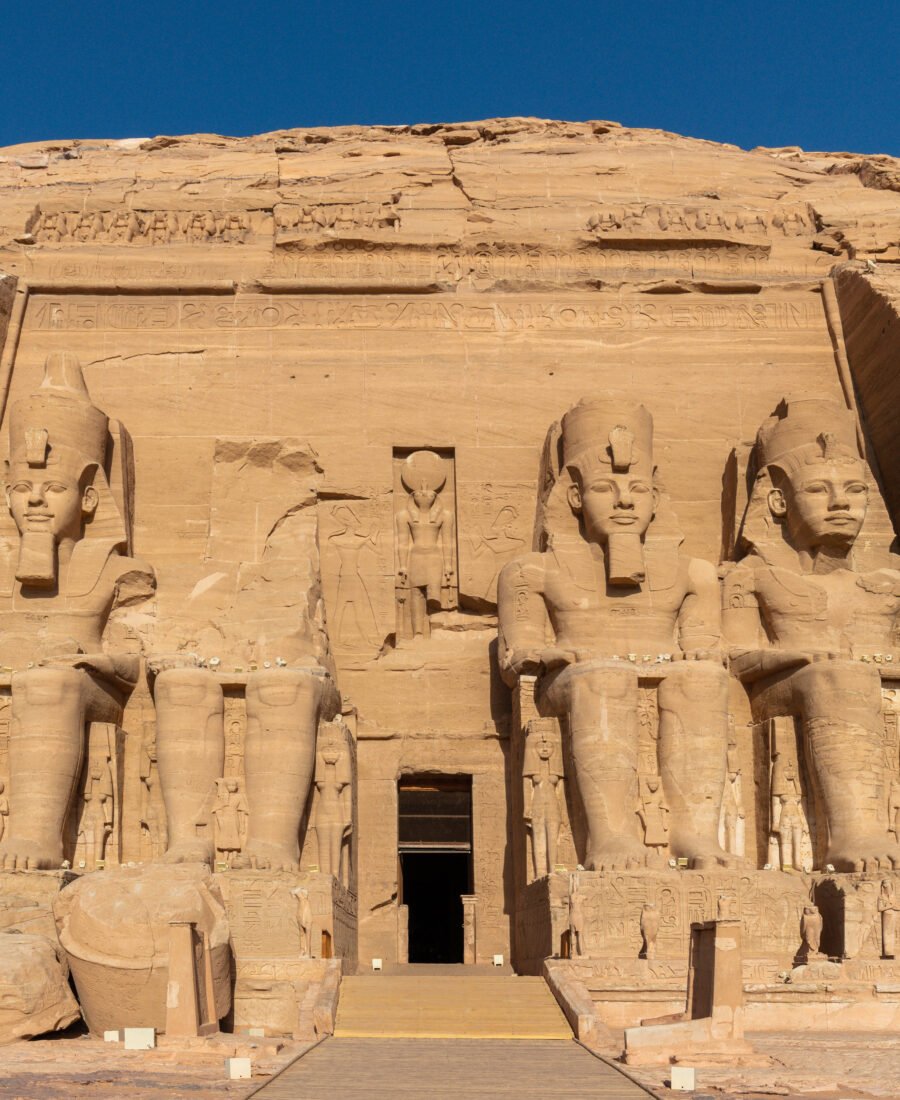
A broader, slower journey for travellers who want the major historical landscapes and enough time to understand how they fit together.
Request current rateExplore →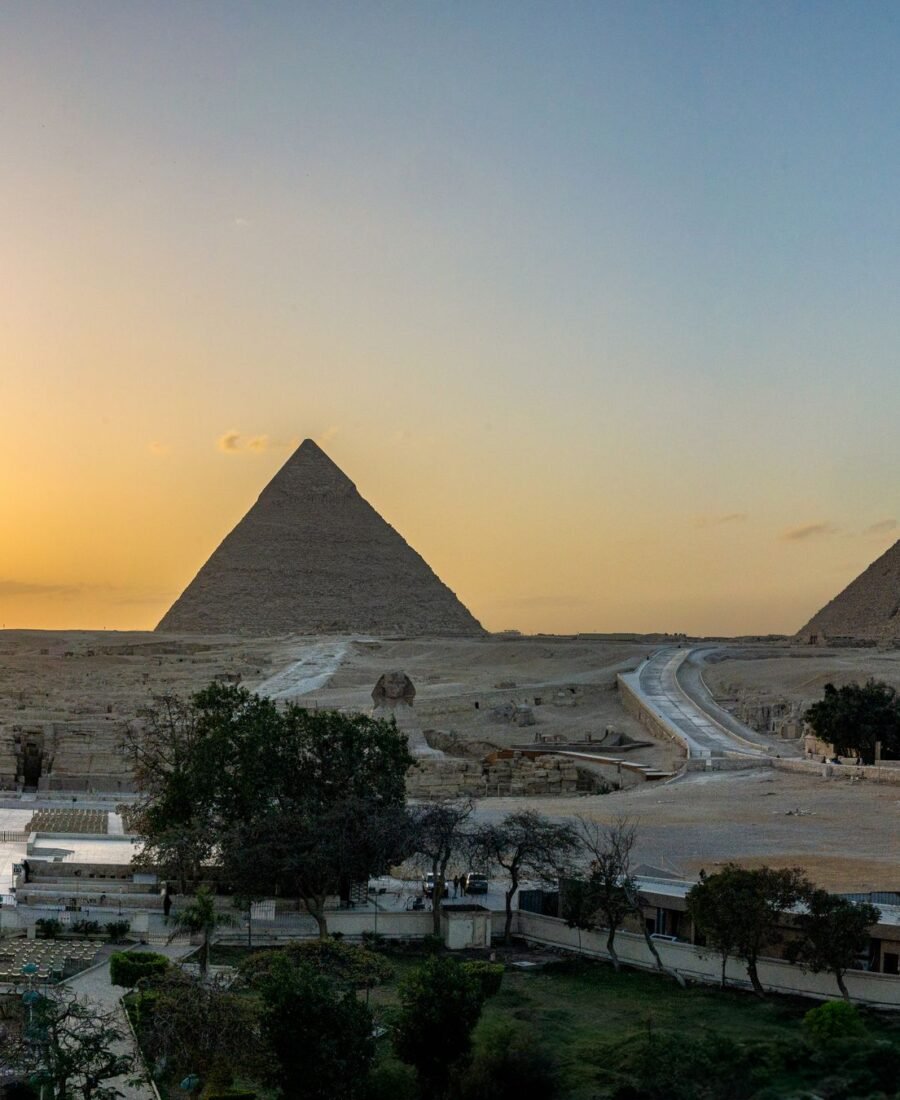
Combine Egypt’s archaeological heart with restorative time by the Red Sea.
Request current rateExplore →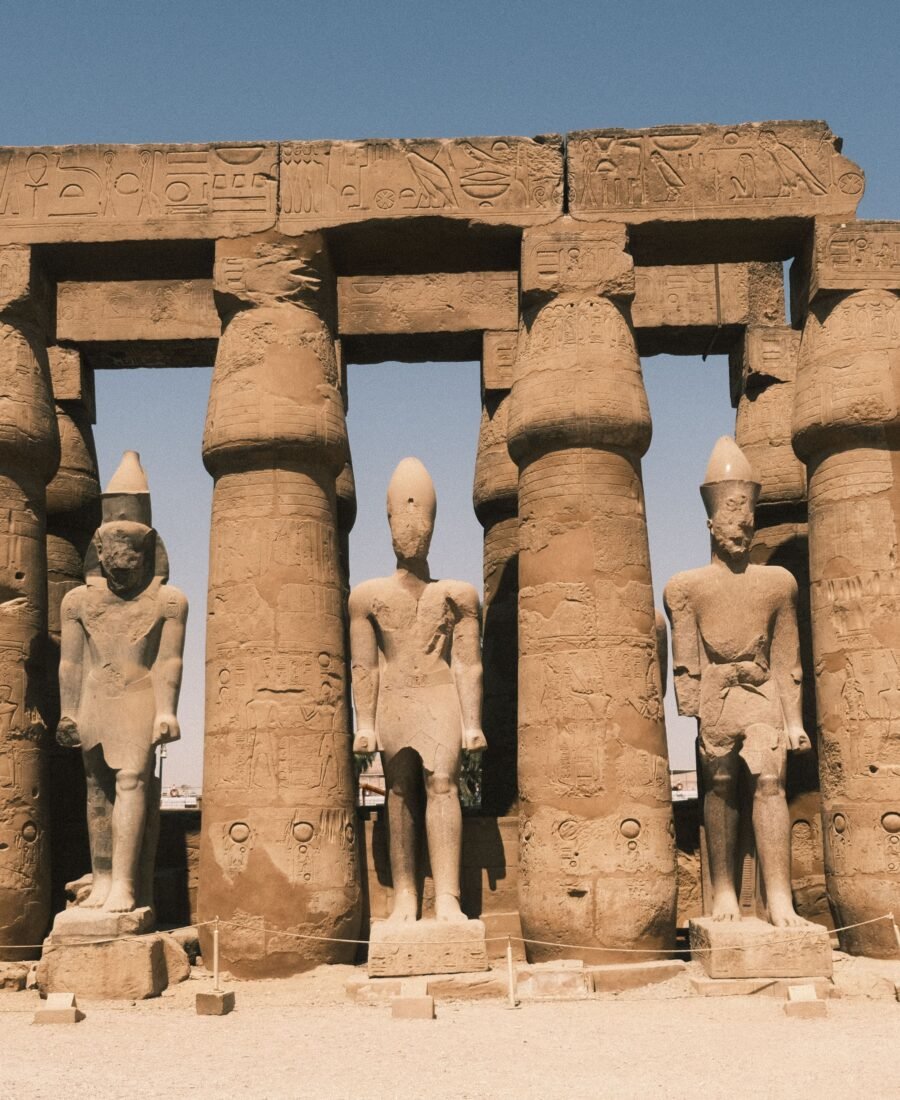
Follow Egypt’s sacred landscapes, temple ideas and Nile geography through an Egyptologist-led journey.
Request current rateExplore →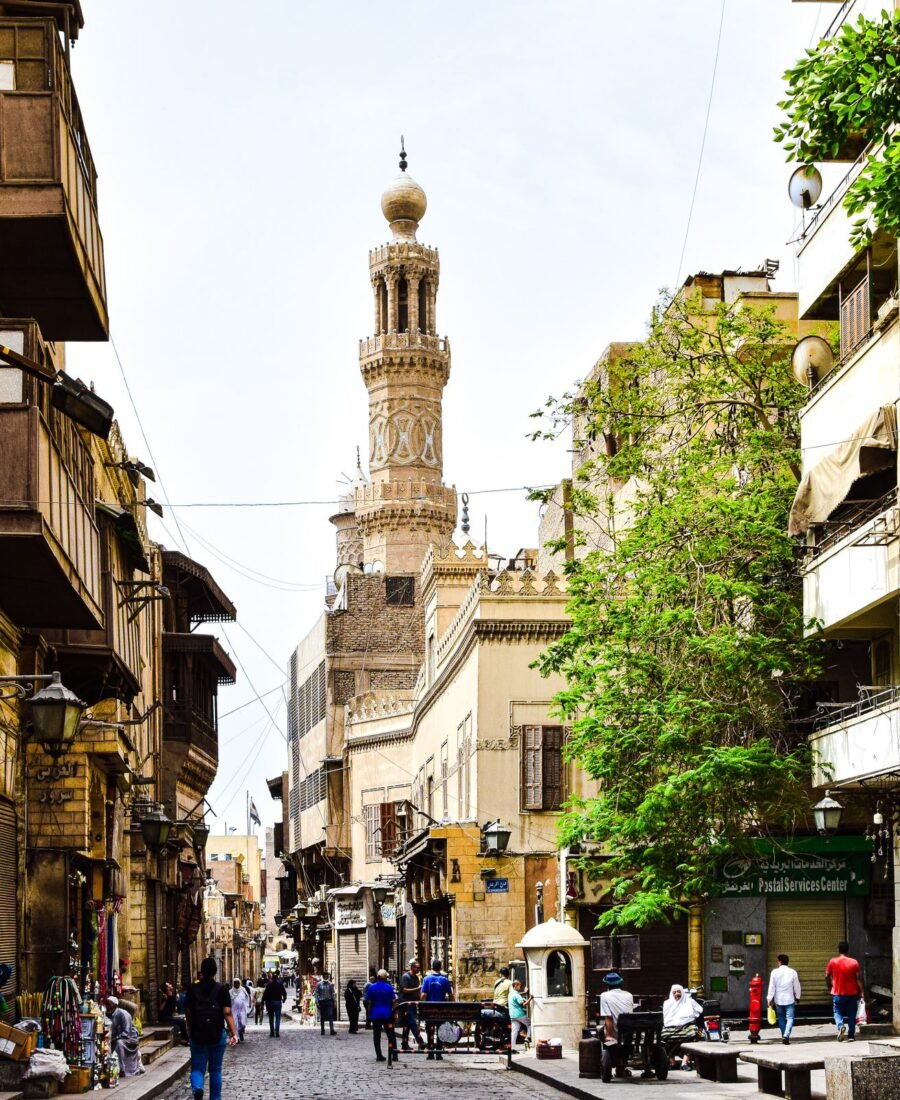
Explore the spiritual landscapes that shaped early Christianity and monasticism.
Request current rateExplore →