
Context before decoding
Ask where a symbol appears, beside which text, in which room and for what ritual purpose before assigning meaning.
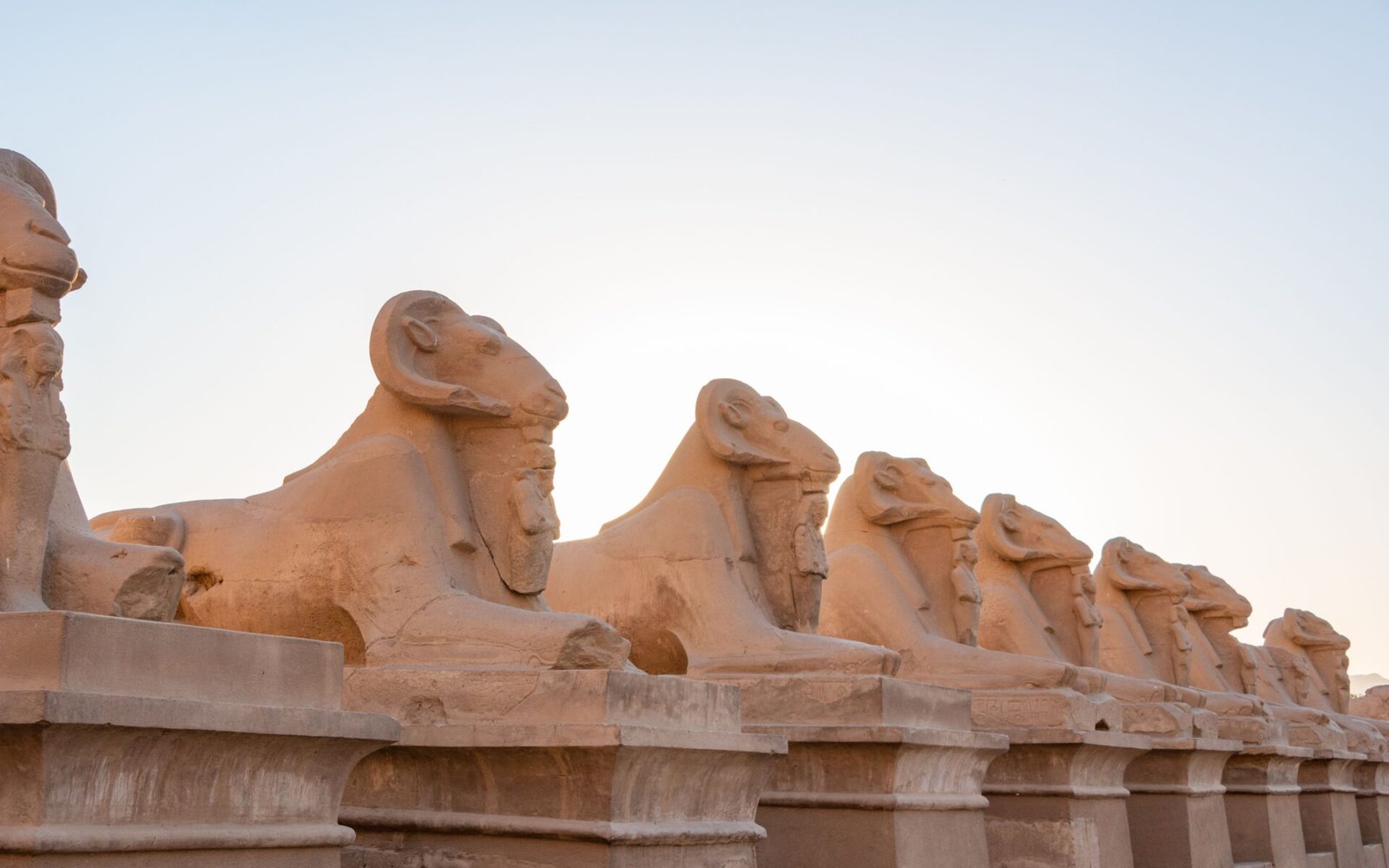
Explore the symbolic universe, beliefs and ideas that shaped ancient Egyptian civilization.
Egypt of Myth and Symbolism is the collection for travellers who want to go deeper into gods, ritual, kingship, temple imagery and sacred landscape without drifting into unsupported claims. Over seven to twelve days, selected monuments become case studies in how ancient Egyptians expressed ideas through architecture, text and ritual.
Symbolism is most meaningful when anchored to place. The journey uses temples, tombs and landscapes to ask what an image or ritual did in its original context rather than treating symbols as a universal secret code.
The journey is organised around historical questions and landscapes, not around adding stops for their own sake.
Ancient Egyptian myth and symbolism only become historically useful when they are tied to specific texts, rituals and places. A scarab, solar disk, djed pillar or divine animal did not carry one universal secret meaning in every context. Meanings changed with temple, period, ritual and composition. This journey therefore treats symbolism as a language with grammar: architecture controls movement, images relate to neighbouring texts, myths are adapted to local cults, and royal ritual connects the king with cosmic order. Wonder is encouraged, but certainty is never manufactured where the evidence is ambiguous.
Ask where a symbol appears, beside which text, in which room and for what ritual purpose before assigning meaning.
Osiris, Horus, Ra, Hathor and other deities entered different theological systems; variation is normal, not contradiction.
Temple axes, darkness, elevation and thresholds shaped ritual experience as much as carved imagery.
Scenes of the king offering to gods express reciprocal ritual relationships and political order, not merely historical portraits of events.
Start with the defining experiences, then explore the journey frame and confirmed detail at the pace that suits you.
Trace major divine narratives through the monuments and local cults where they carried meaning.
Use temple and funerary spaces to understand how belief was enacted rather than only described.
Read selected images and texts within their architectural and historical context.
Connect religious ideas with river, desert, city and pilgrimage geography.
The defining places and themes are established; your final sequence is prepared around your dates, pace and confirmed logistics.
Symbolism is most meaningful when anchored to place. The journey uses temples, tombs and landscapes to ask what an image or ritual did in its original context rather than treating symbols as a universal secret code.
These are thematic chapters, not an invented operating sequence. Your confirmed itinerary determines the actual day-by-day order.
Begin with divine narratives as place-specific religious systems rather than universal stories detached from cult centres.
Use temples and tombs to connect image, text, architecture and performed ritual.
Relate river, desert, orientation and procession to religious meaning.
Finish by comparing ancient sources with later interpretations so curiosity remains disciplined by what the evidence supports.
Your proposal confirms the exact version that applies to your dates and chosen accommodation.
The journey keeps its 7–12 Days identity and core experiences. Your complete day-by-day plan, stays and timings are prepared personally once your dates, pace and accommodation preferences are confirmed.
Stories gain specific meaning when attached to local cult centres and landscapes.
Images were often part of enacted ritual systems, so symbolism must be read through what priests and kings were understood to do.
The journey leaves room for personal response while clearly separating ancient sources from later esoteric interpretation.
Ancient Egyptian religious texts and monuments are complex, local and historically changing. An Egyptologist-led approach distinguishes evidence, scholarly interpretation and later speculation so wonder is supported by precision.
Begin with a coherent journey, then adjust the pace, stays and experiences around the way you like to travel.
We will advise whether it strengthens the route for your dates and interests.
We will advise whether it strengthens the route for your dates and interests.
We will advise whether it strengthens the route for your dates and interests.
We will advise whether it strengthens the route for your dates and interests.
Customisation should strengthen the journey, not turn it into an exhausting list of additions.
Tell us how you like to travel →Photograph symbols together with architectural context whenever possible. A tight crop may be visually beautiful but can remove the clues needed to interpret the scene. Record room, wall and neighbouring inscriptions so images remain useful after the journey.
This journey is not designed to validate modern mystery-school, alien, lost-technology or universal-symbol claims. It is ideal for travellers who find evidence-based interpretation more fascinating than easy certainty.
The exact route remains flexible because special access, opening conditions and regional logistics vary. Your final programme is confirmed for your dates; no hidden chambers, exclusive rituals or extraordinary access are implied unless explicitly stated in writing.
Experienced travellers, mythology enthusiasts, Sacred Egypt guests and anyone who wants evidence-led interpretation of ancient belief and symbolism.
No. The journey can explore symbolism and myth in depth, but interpretation remains grounded in archaeological, textual and historical evidence rather than presenting modern esoteric claims as ancient fact.
The defining places and historical focus are established, while the operating order is confirmed around current access, opening conditions, local logistics and your pace. Your final programme states the sequence clearly before travel.
Rarely. Meaning depends on context, period, deity, ritual and neighbouring texts. The journey teaches how to read that context instead of using a universal symbol dictionary.
They can be discussed as later ideas, but they are clearly separated from what ancient texts, archaeology and Egyptological scholarship support.
Because ritual movement, light, access and spatial hierarchy shaped how images and texts were experienced. Meaning was built into space, not only carved on walls.
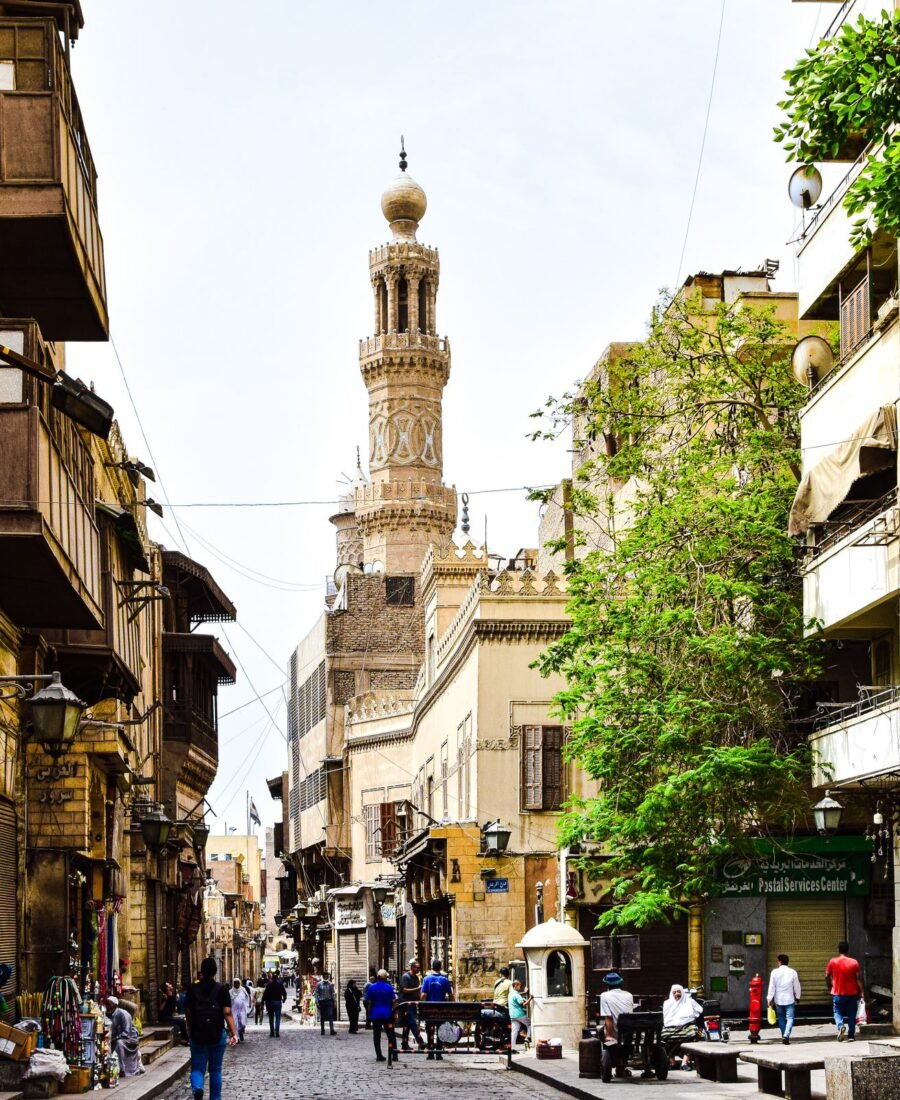
Explore the spiritual landscapes that shaped early Christianity and monasticism.
Request current rateExplore →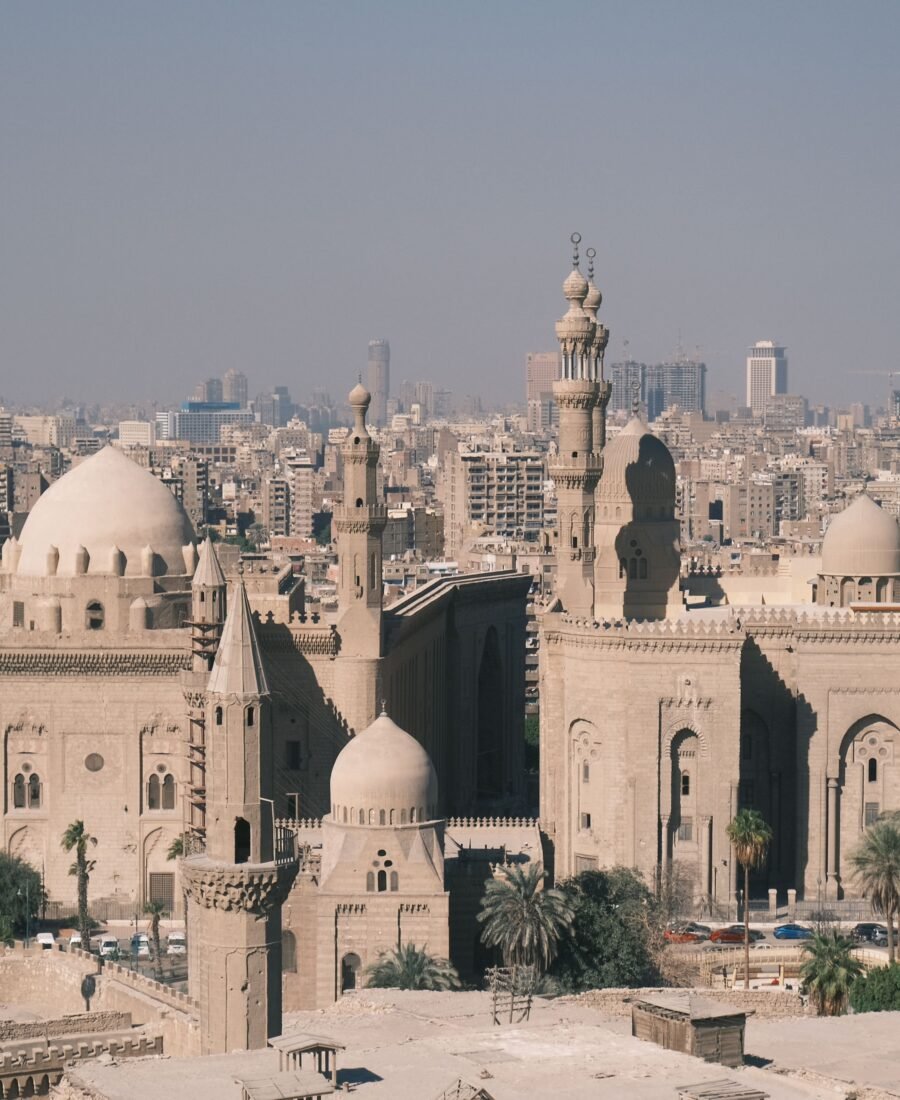
Discover the artistic, intellectual and spiritual heritage of Islamic Egypt.
Request current rateExplore →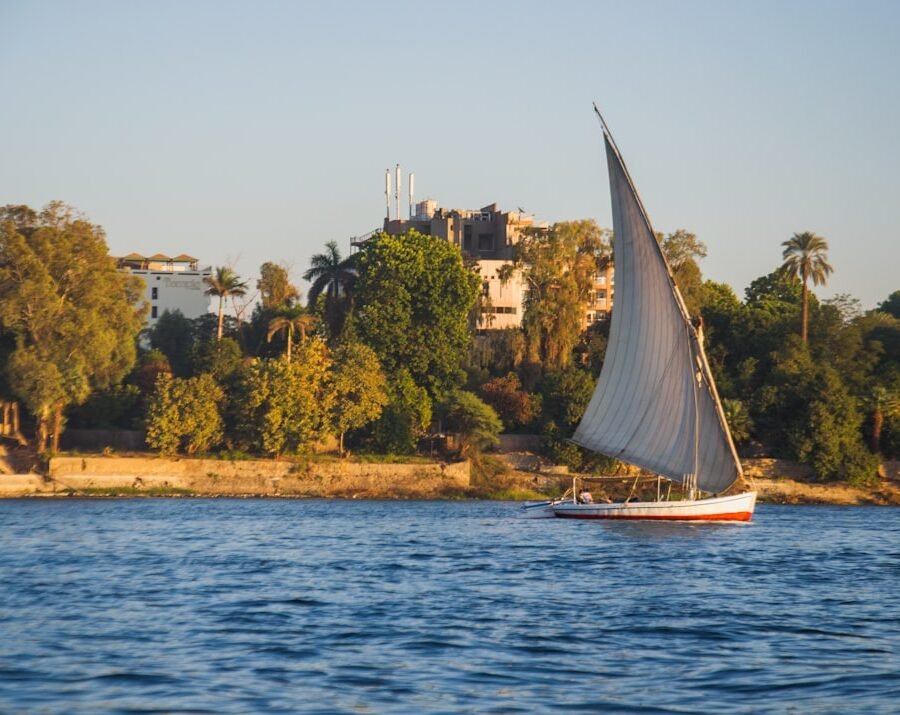
A focused first journey through Cairo and the Nile, designed to make Egypt feel connected rather than fragmented.
Request current rateExplore →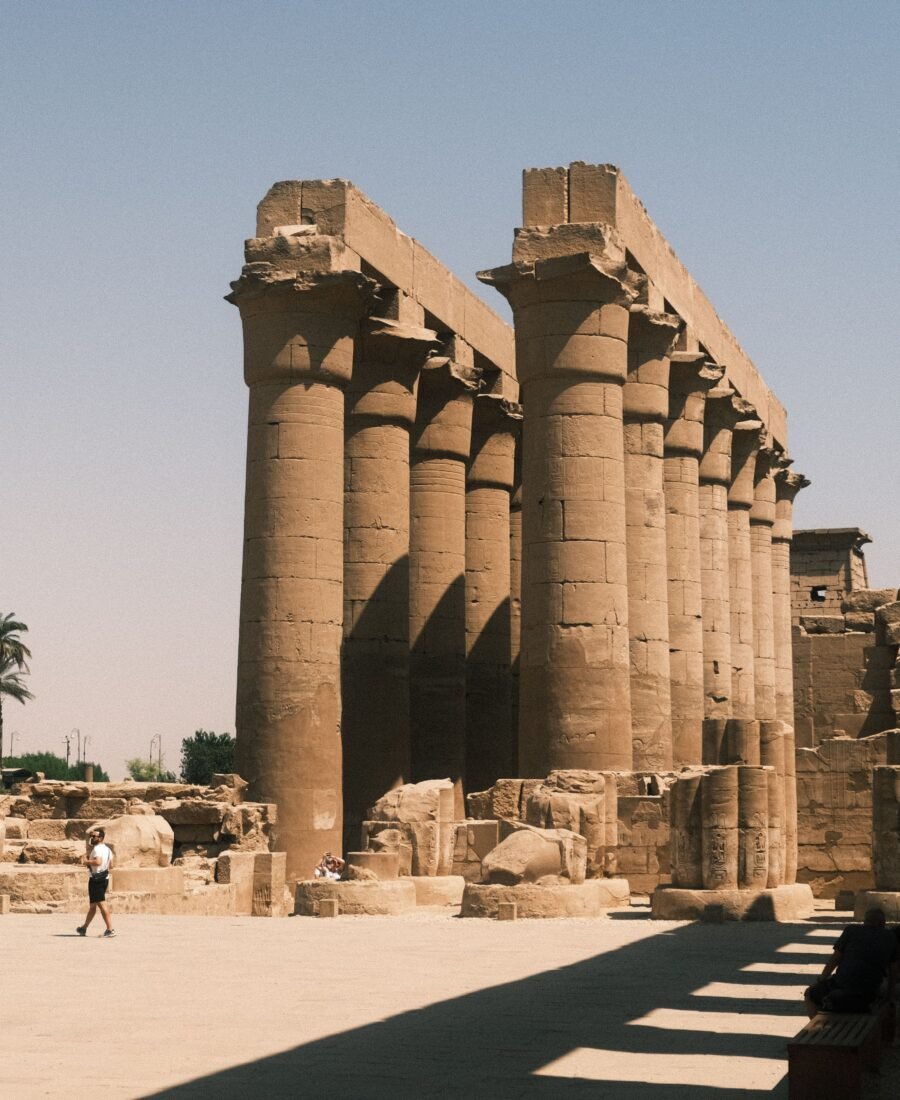
Experience Egypt not as a tourist, but through the history, culture and people who know it as home.
Request current rateExplore →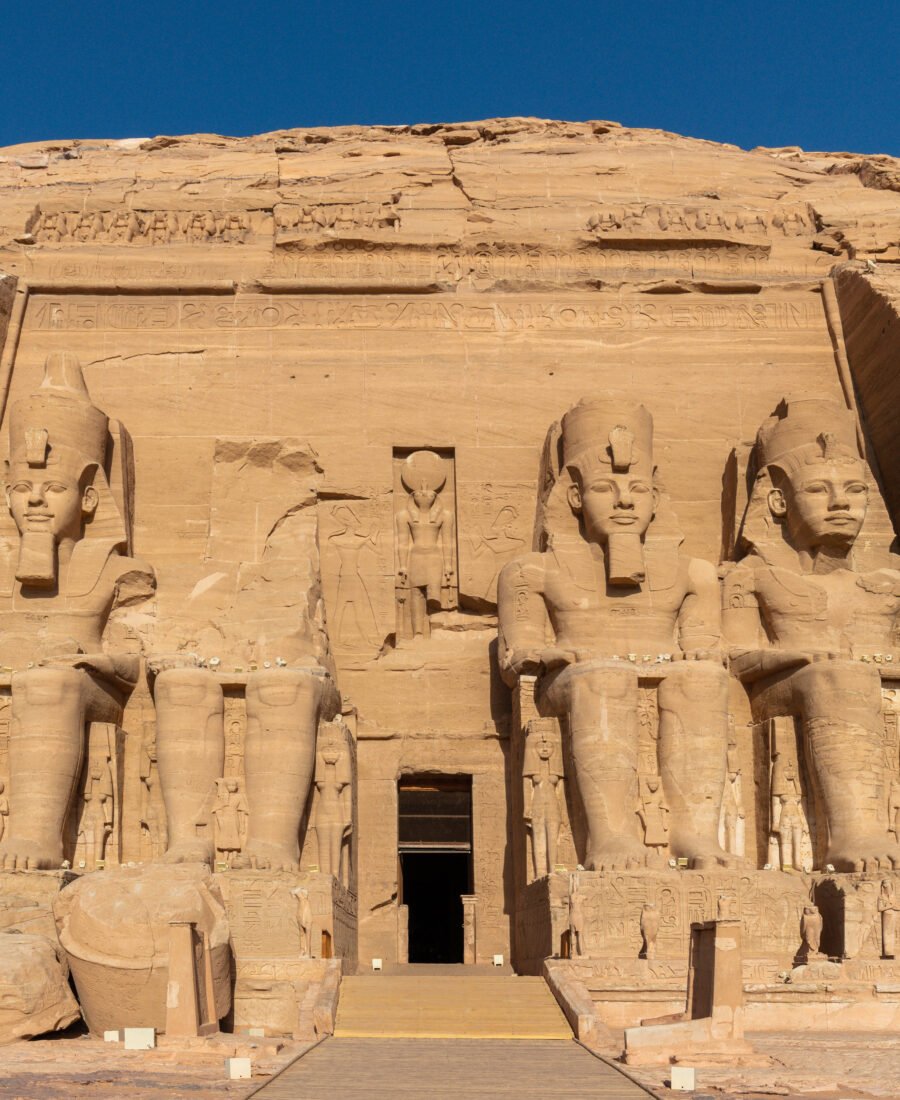
A broader, slower journey for travellers who want the major historical landscapes and enough time to understand how they fit together.
Request current rateExplore →