
Read inscriptions as patronage
Foundation texts and calligraphy can identify patrons, dates and religious intentions rather than functioning only as decoration.
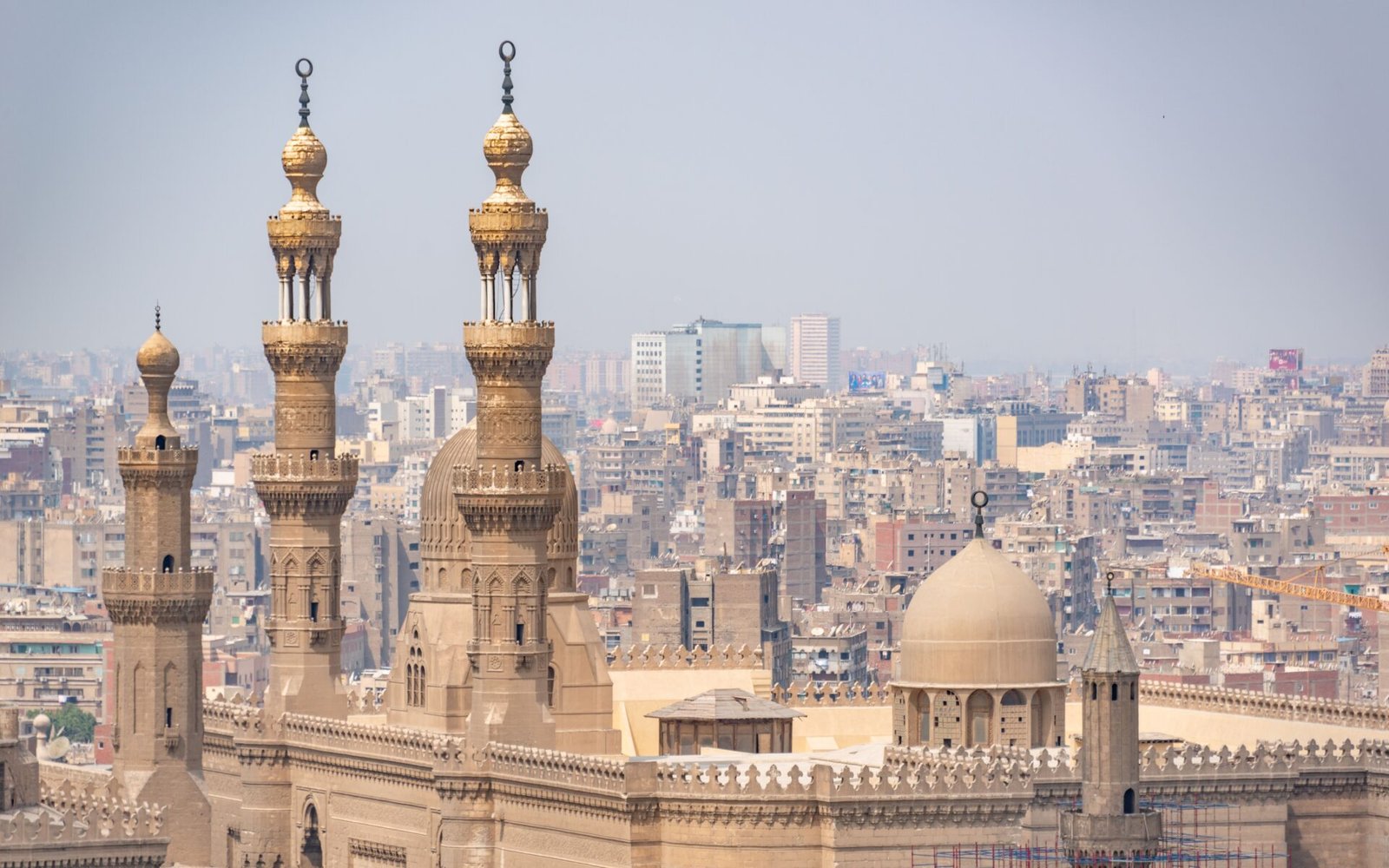
Discover the artistic, intellectual and spiritual heritage of Islamic Egypt.
Islamic Egypt is built around architecture, urban history, scholarship, worship and the changing life of Egyptian cities over four to seven days. Cairo is central; additional regions are included only when they add a meaningful historical chapter rather than simply lengthening the itinerary.
The multi-day format makes it possible to move beyond a single 'Islamic Cairo' walk and compare periods, patrons, neighbourhoods and institutions without reducing Islamic history to decorative architecture.
The journey is organised around historical questions and landscapes, not around adding stops for their own sake.
Islamic Egypt can be read through the city as much as through individual monuments. Mosques, madrasas, khanqahs, sabils, houses, gates and markets record changing dynasties, systems of patronage, charitable endowment and urban life. Cairo preserves particularly dense layers from Fatimid, Ayyubid, Mamluk, Ottoman and modern periods, but the journey remains broader than a catalogue of architectural styles. It asks how religious practice, education, trade, political legitimacy and public welfare were built into the fabric of the city. Street width, monument placement and the relationship between sacred, commercial and residential space are treated as evidence too, because urban history survives between monuments as well as inside them.
Foundation texts and calligraphy can identify patrons, dates and religious intentions rather than functioning only as decoration.
Charitable endowment helped fund mosques, schools, fountains and other institutions, linking piety with long-term urban infrastructure.
Different complexes use domes, minarets, stone carving and street frontage to compete visually within dense urban space.
Prayer rhythm, shoe removal and community use are part of understanding a mosque as a living institution.
Start with the defining experiences, then explore the journey frame and confirmed detail at the pace that suits you.
Use historic districts to connect architecture, worship, trade and urban development.
Compare monuments through the rulers and institutions that commissioned them.
Keep active worship and contemporary neighbourhood life visible beside heritage interpretation.
The defining places and themes are established; your final sequence is prepared around your dates, pace and confirmed logistics.
The multi-day format makes it possible to move beyond a single 'Islamic Cairo' walk and compare periods, patrons, neighbourhoods and institutions without reducing Islamic history to decorative architecture.
These are thematic chapters, not an invented operating sequence. Your confirmed itinerary determines the actual day-by-day order.
Use early and medieval Cairo to establish how political power, worship and urban growth became interwoven.
Compare later monuments through rulers, waqf, education, charity and architectural competition.
Keep markets, worship and neighbourhood use visible so Islamic heritage remains more than a sequence of façades.
Your proposal confirms the exact version that applies to your dates and chosen accommodation.
These are approved places in the experience. The cards are intentionally unnumbered because their display order does not imply an operating sequence.
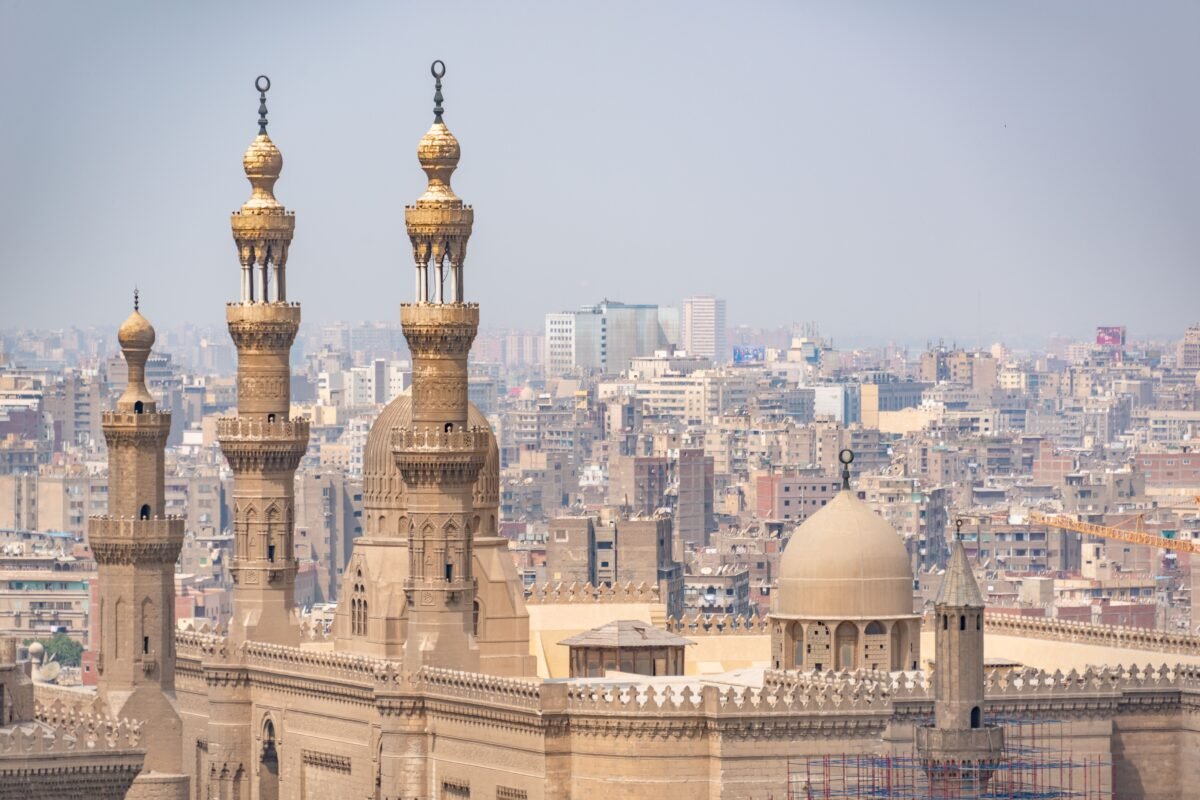
Use historic districts to connect architecture, worship, trade and urban development.
Read the site guide →The journey keeps its 4–7 Days identity and core experiences. Your complete day-by-day plan, stays and timings are prepared personally once your dates, pace and accommodation preferences are confirmed.
Religious foundations often combined worship with education, water provision, burial and charity.
Political change can be read in the cityscape because successive rulers inserted new monuments into older urban fabric.
Mosques, madrasas, streets and citadels reveal political and social history as well as religion. Because many sites remain sacred spaces, interpretation must sit beside respectful visiting practice.
Begin with a coherent journey, then adjust the pace, stays and experiences around the way you like to travel.
We will advise whether it strengthens the route for your dates and interests.
We will advise whether it strengthens the route for your dates and interests.
We will advise whether it strengthens the route for your dates and interests.
We will advise whether it strengthens the route for your dates and interests.
Customisation should strengthen the journey, not turn it into an exhausting list of additions.
Tell us how you like to travel →Historic Cairo rewards both façade detail and long street perspectives. Ask before portraits and avoid photographing prayer without clear permission. Interior low light can be beautiful, but flash may be inappropriate even where technically allowed.
This is urban, architecture-rich travel with significant walking. Guests interested only in ancient Egypt may underestimate how intellectually different—and rewarding—the Islamic periods are.
Prayer times, services, restoration and local access affect what can be visited. Modest dress and photography guidance are confirmed for the route, and the city-by-city order is planned around your dates and the places that can be responsibly visited.
Travellers interested in Islamic architecture, urban history, religion, art and the living historic fabric of Cairo and Egypt.
Many mosques welcome respectful visitors, but access varies by site, prayer time and current conditions. The confirmed programme explains what is appropriate for each planned visit.
The defining places and historical focus are established, while the operating order is confirmed around current access, opening conditions, local logistics and your pace. Your final programme states the sequence clearly before travel.
No. The district contains monuments from many dynasties and centuries. The journey uses comparison to show change rather than treating it as one style.
A charitable endowment could fund religious, educational and public institutions, making it fundamental to understanding how many historic complexes functioned over time.
Yes. Scale, location, inscriptions and patronage often reveal how rulers and elites used building to express legitimacy and public benefaction.
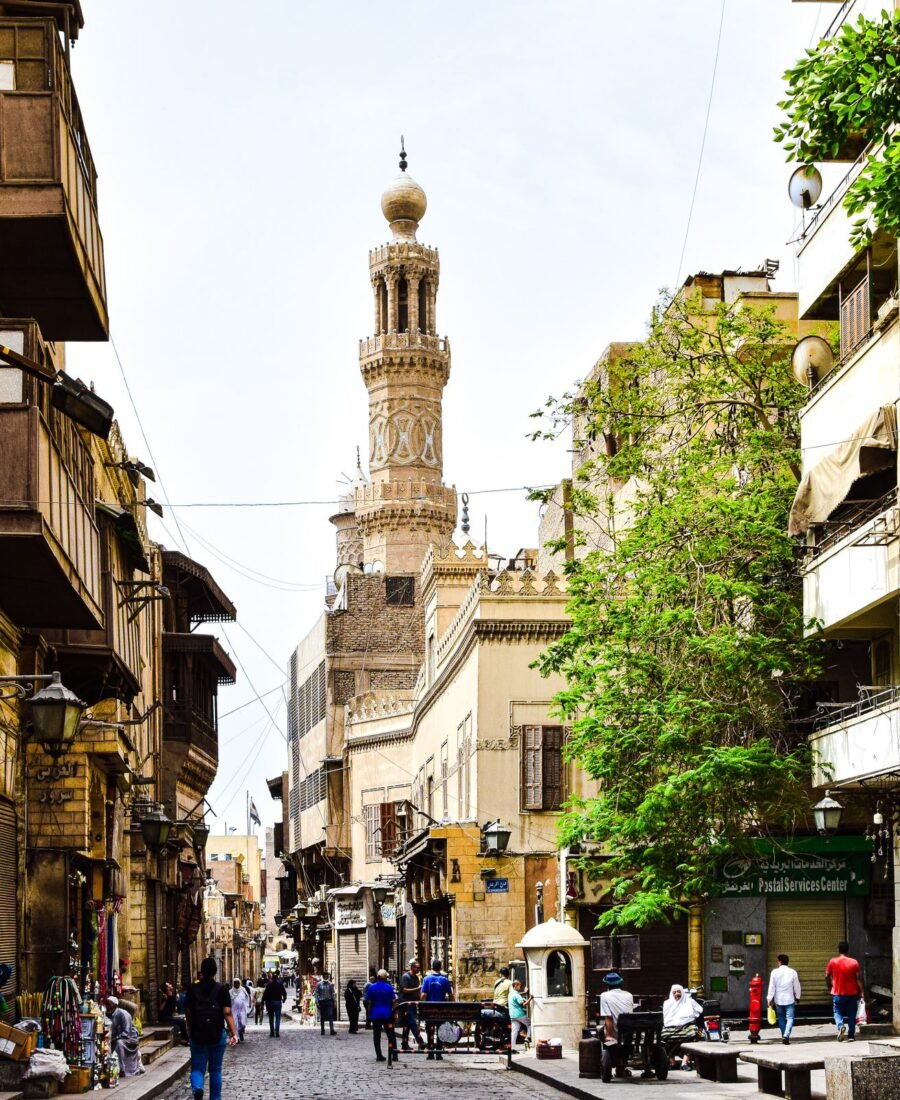
Explore the spiritual landscapes that shaped early Christianity and monasticism.
Request current rateExplore →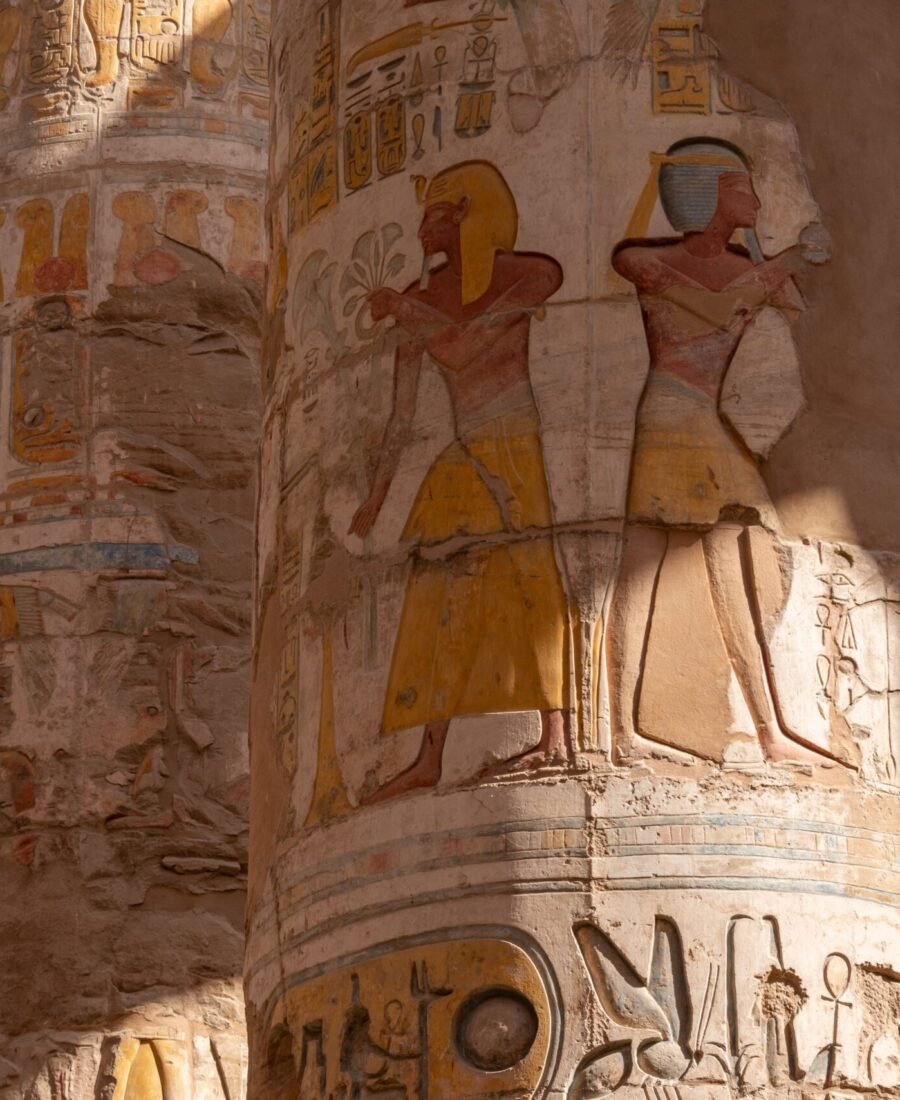
Explore the symbolic universe, beliefs and ideas that shaped ancient Egyptian civilization.
Request current rateExplore →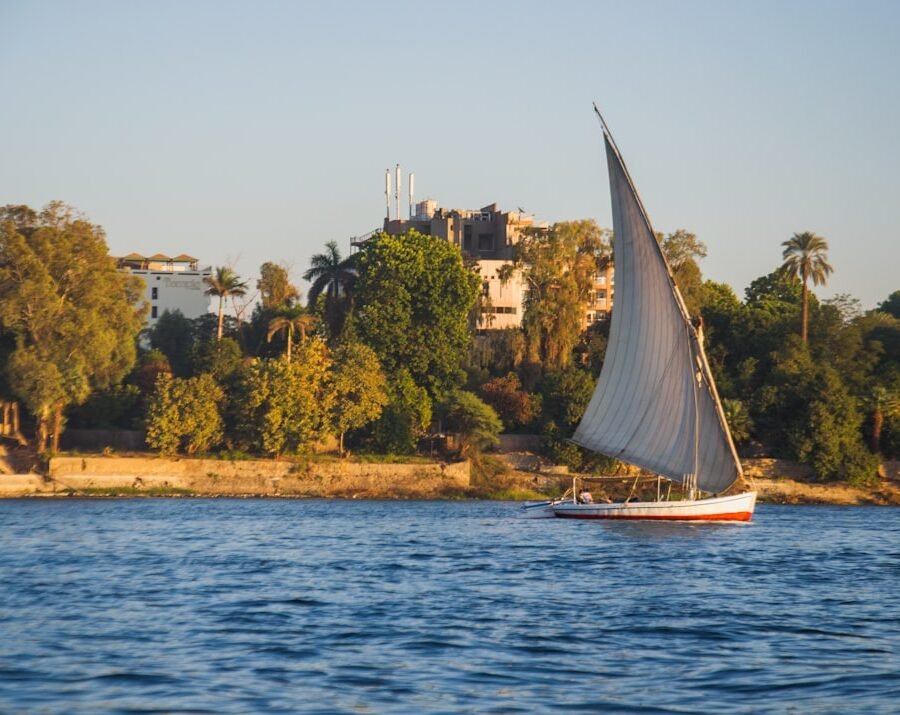
A focused first journey through Cairo and the Nile, designed to make Egypt feel connected rather than fragmented.
Request current rateExplore →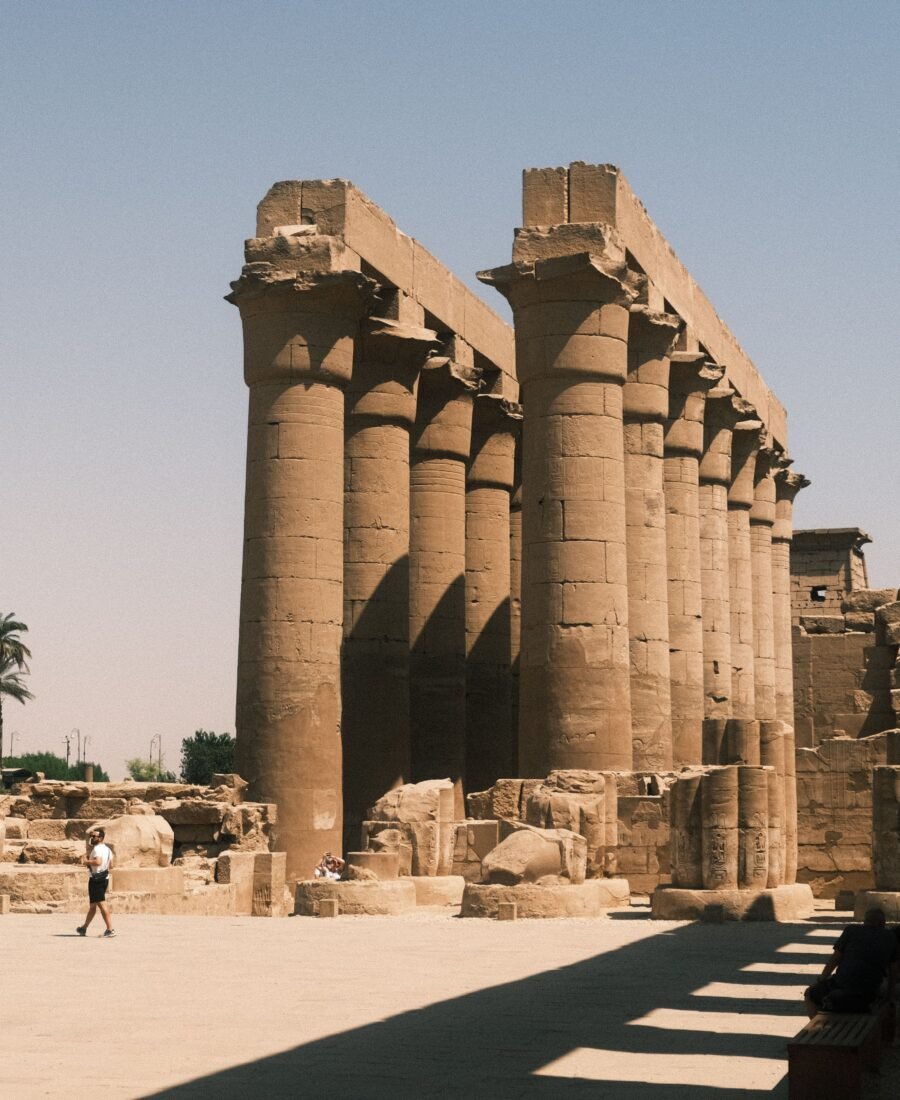
Experience Egypt not as a tourist, but through the history, culture and people who know it as home.
Request current rateExplore →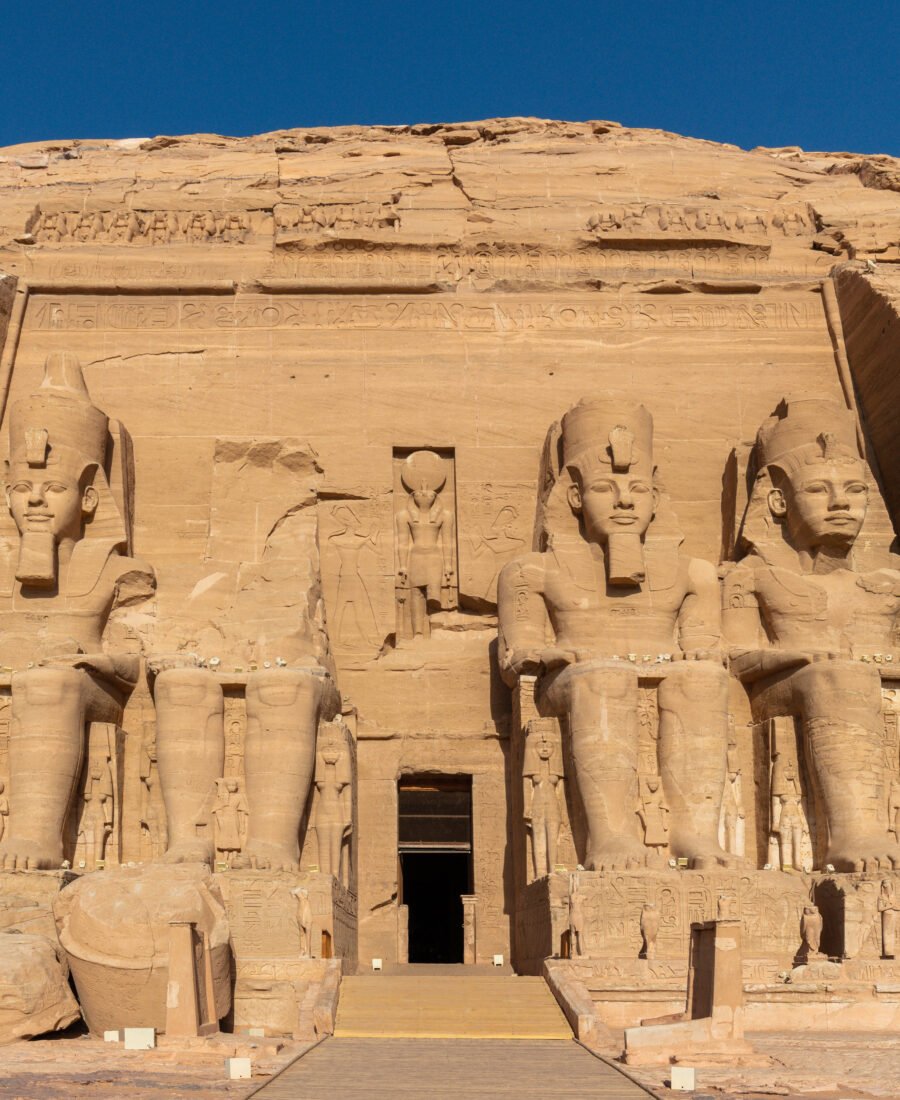
A broader, slower journey for travellers who want the major historical landscapes and enough time to understand how they fit together.
Request current rateExplore →