
City planned in a moment
Unlike many Egyptian settlements that grew slowly, Amarna was created rapidly, making royal intention unusually visible in urban layout.
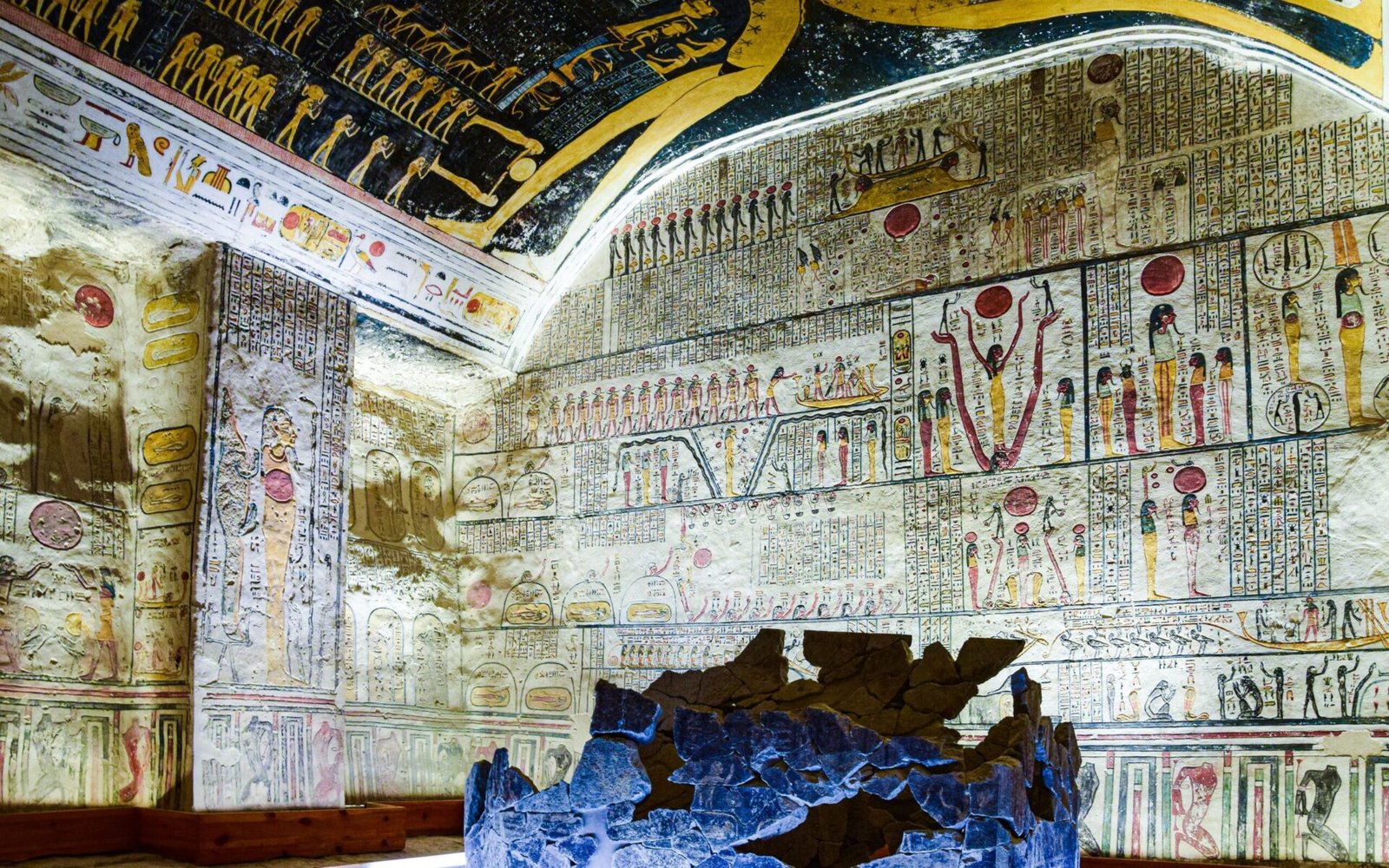
Explore the city that challenged thousands of years of Egyptian religious tradition.
Amarna is one of the clearest places to study a radical break in Egyptian royal and religious tradition. A two- to three-day specialist journey gives enough time to approach the city as an archaeological landscape rather than a single Akhenaten story told from museum objects alone.
The value lies in place. City plan, desert setting, boundary, tomb and settlement evidence allow the Amarna period to be discussed through what was built and abandoned rather than only through the personalities of Akhenaten and Nefertiti.
The journey is organised around historical questions and landscapes, not around adding stops for their own sake.
Akhetaten, modern Amarna, was founded by Akhenaten as a new royal capital devoted to the Aten and abandoned not long after his reign. Its relatively short occupation makes the site unusually valuable for studying deliberate urban planning, royal ideology and the practical life of a city created for a religious-political experiment. Boundary stelae, elite tombs, palace and temple remains, domestic areas and the desert setting all contribute to the story even when individual access varies. Amarna should be approached neither as a heroic revolution nor as a historical curiosity; it is evidence for how kingship, religion and state institutions could be radically reorganised—and how quickly those changes could be reversed.
Unlike many Egyptian settlements that grew slowly, Amarna was created rapidly, making royal intention unusually visible in urban layout.
Official art emphasises the solar disk and royal household in ways that differ sharply from earlier and later state art.
Elite tomb scenes can preserve idealised views of palaces, temples and court ceremony as well as funerary material.
The city’s relationship with the cliffs and boundary inscriptions makes landscape part of Akhenaten’s ideological project.
Start with the defining experiences, then explore the journey frame and confirmed detail at the pace that suits you.
Read the city's desert setting and planned geography as part of the royal experiment.
Explore the Aten-focused programme through monuments and inscriptions rather than simplified labels.
Use archaeological remains to discuss court, administration, settlement and the rapid life of the capital.
The defining places and themes are established; your final sequence is prepared around your dates, pace and confirmed logistics.
The value lies in place. City plan, desert setting, boundary, tomb and settlement evidence allow the Amarna period to be discussed through what was built and abandoned rather than only through the personalities of Akhenaten and Nefertiti.
These are thematic chapters, not an invented operating sequence. Your confirmed itinerary determines the actual day-by-day order.
Begin with the political and religious decision to create Akhetaten as the centre of Akhenaten’s Aten-focused programme.
Use urban archaeology, tomb imagery and settlement evidence to ask how ideology had to function as a real capital.
Follow the rapid abandonment and later rejection of the Amarna experiment as part of the same historical story.
Your proposal confirms the exact version that applies to your dates and chosen accommodation.
These are approved places in the experience. The cards are intentionally unnumbered because their display order does not imply an operating sequence.
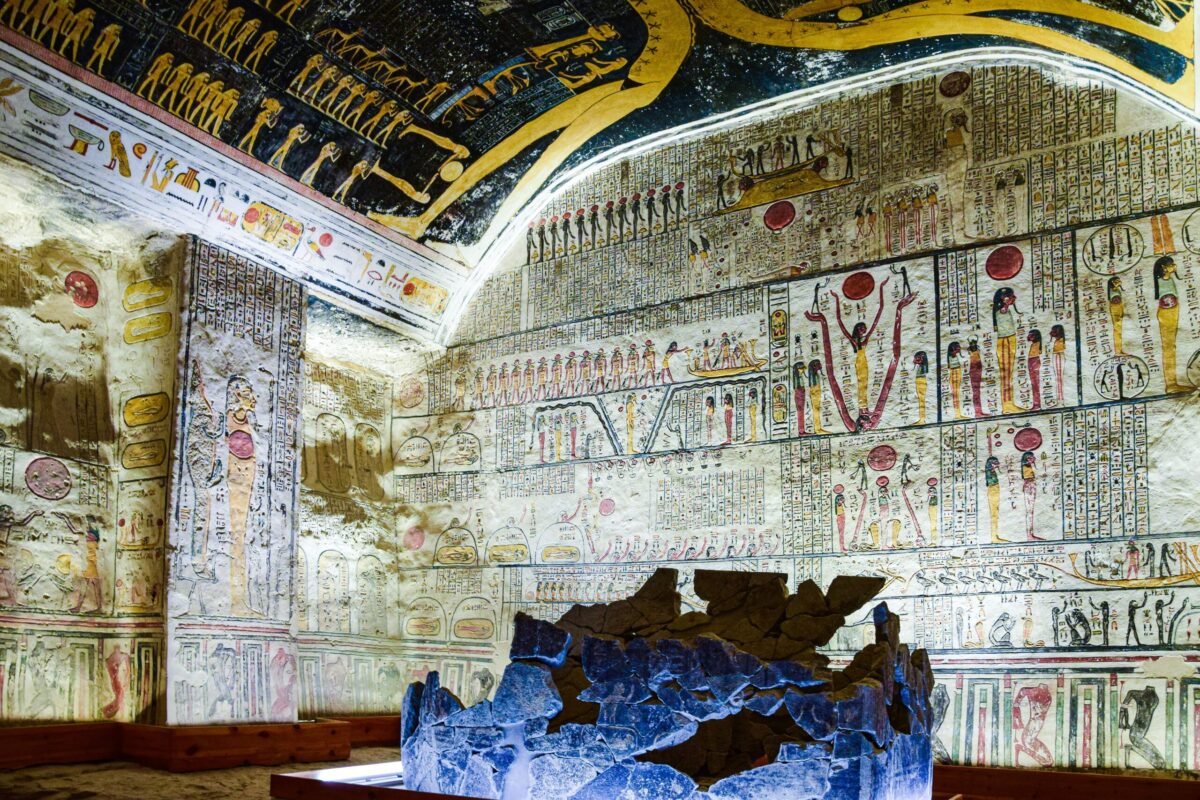
Read the city's desert setting and planned geography as part of the royal experiment.
Read the site guide →The journey keeps its 2–3 Days identity and core experiences. Your complete day-by-day plan, stays and timings are prepared personally once your dates, pace and accommodation preferences are confirmed.
A new cult still required housing, food supply, bureaucracy, artisans and international administration; ideology and practical city life had to coexist.
The rapid rejection of Amarna policy after Akhenaten is as important as the experiment itself for understanding Egyptian political resilience.
Amarna invites strong interpretations, so evidence matters. A specialist approach separates what inscriptions and archaeology show from modern fascination with the period's art, theology and royal family.
Begin with a coherent journey, then adjust the pace, stays and experiences around the way you like to travel.
We will advise whether it strengthens the route for your dates and interests.
We will advise whether it strengthens the route for your dates and interests.
We will advise whether it strengthens the route for your dates and interests.
We will advise whether it strengthens the route for your dates and interests.
Customisation should strengthen the journey, not turn it into an exhausting list of additions.
Tell us how you like to travel →Amarna is an open archaeological landscape rather than a polished monumental park. Wide views of desert, cliffs and settlement traces communicate the site better than searching only for dramatic façades. Tomb photography and access follow current local regulations.
This is a specialist journey with long road distances, open desert and archaeological remains that can look visually subtle. It is not ideal for travellers who need monumental spectacle at every stop.
Middle Egypt access, roads, site openings and accommodation require date-specific planning. The public page does not invent a fixed sequence or promise access to every area of the archaeological zone.
Archaeology enthusiasts, repeat visitors and travellers fascinated by Akhenaten, Amarna art and religious change.
Distance, site spread and the amount of historical context make a two- to three-day framework more realistic for a specialist journey. The exact route depends on current access and accommodation.
The defining places and historical focus are established, while the operating order is confirmed around current access, opening conditions, local logistics and your pace. Your final programme states the sequence clearly before travel.
The city was created as the centre of his new royal and religious programme focused on the Aten, allowing court, cult and administration to be reorganised around the new ideology.
That label is debated and can oversimplify the evidence. The journey explains what changed in official religion without forcing it into a modern category.
After Akhenaten’s reign, royal policy shifted back toward earlier cult centres and institutions. The short life of the city is part of what makes its archaeology so informative.
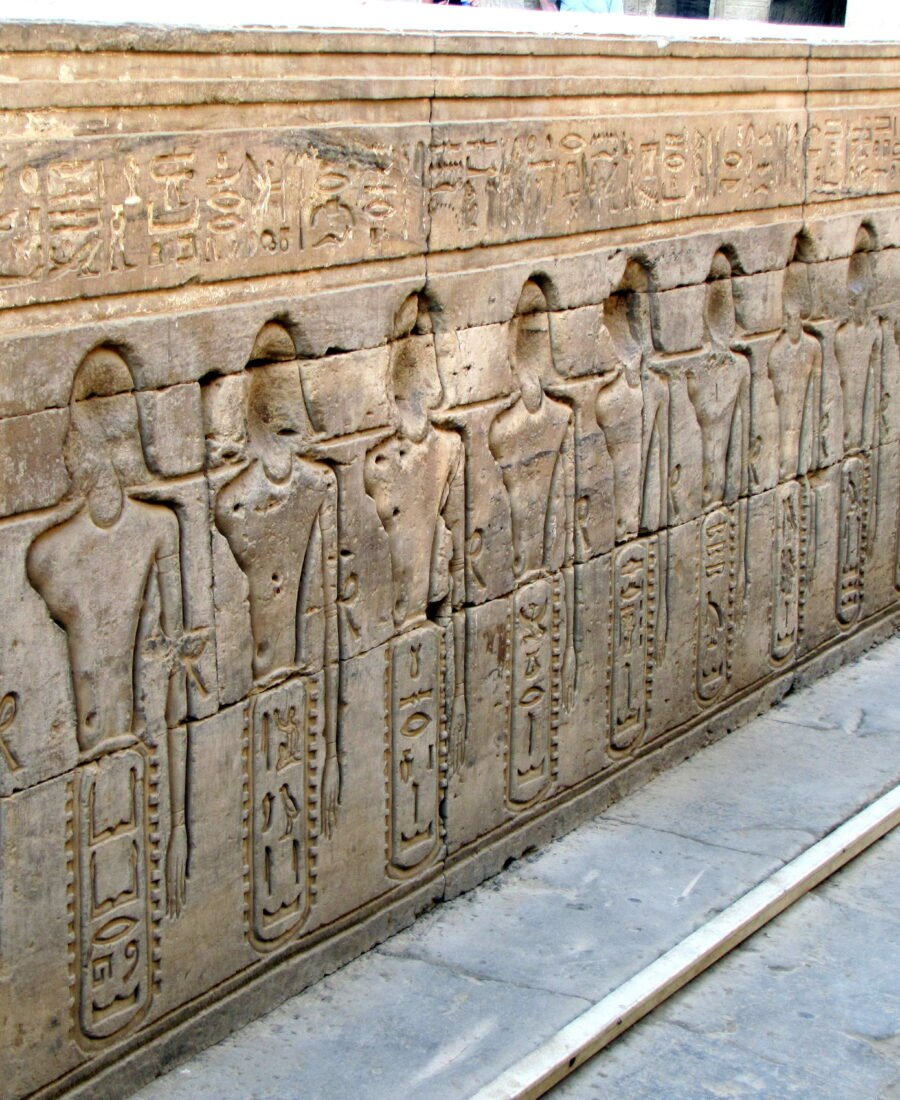
Travel through one of Egypt’s most overlooked historical landscapes.
Request current rateExplore →
Walk through the sacred landscapes where ancient Egyptians sought eternity.
Request current rateExplore →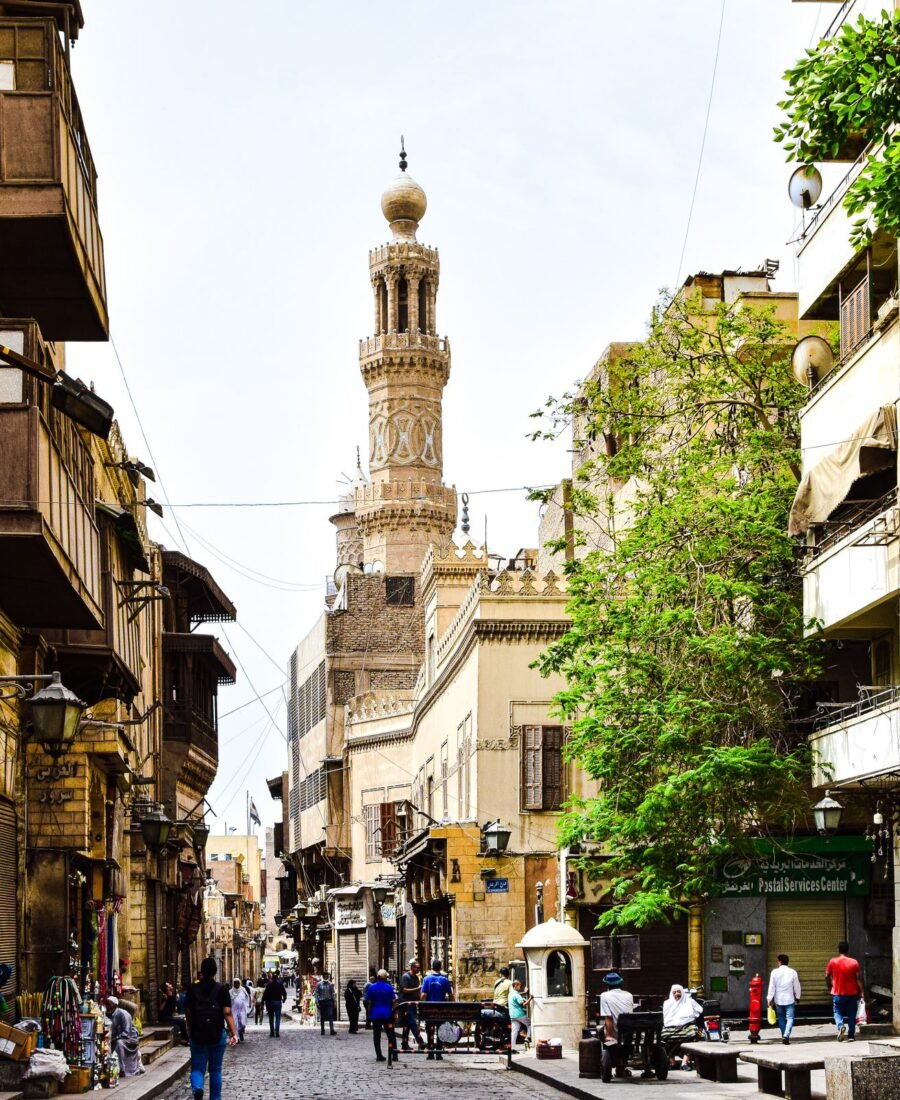
Explore the spiritual landscapes that shaped early Christianity and monasticism.
Request current rateExplore →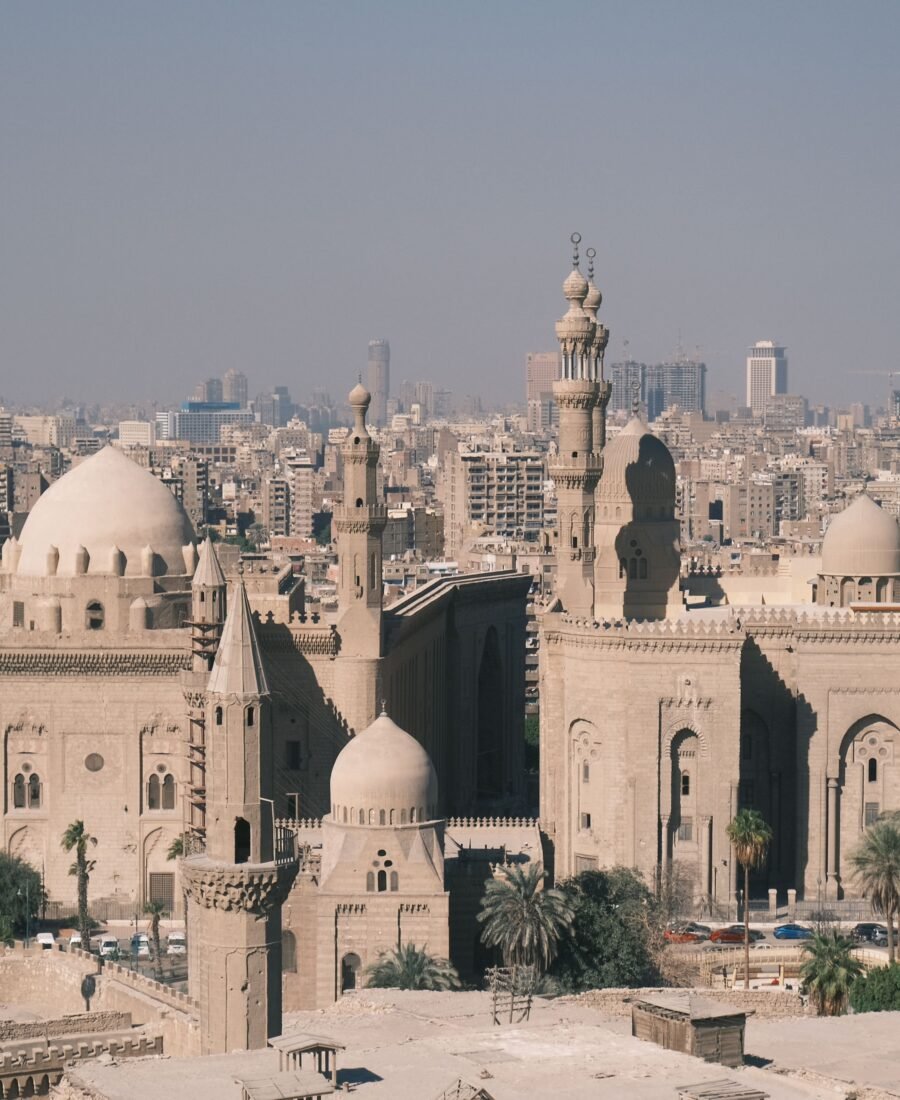
Discover the artistic, intellectual and spiritual heritage of Islamic Egypt.
Request current rateExplore →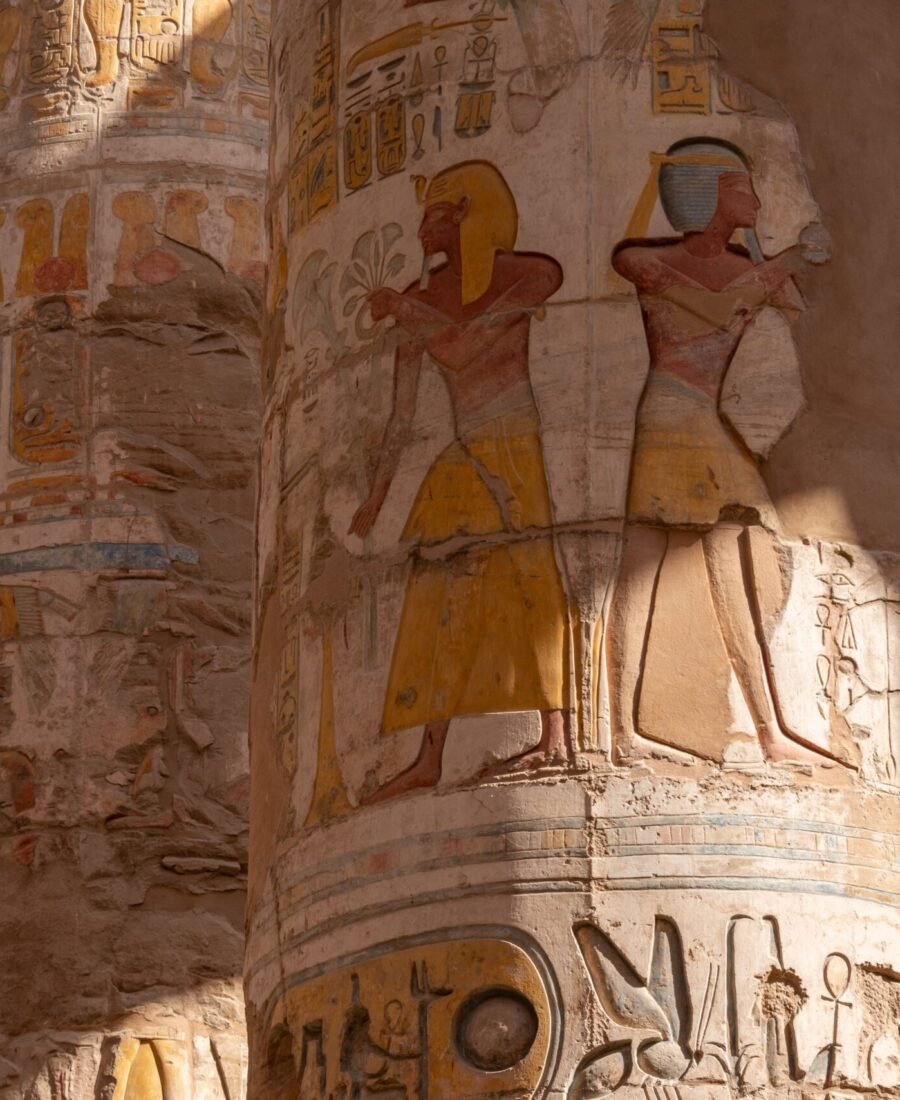
Explore the symbolic universe, beliefs and ideas that shaped ancient Egyptian civilization.
Request current rateExplore →