
Market as infrastructure
Look at what is traded, how goods are moved and who the market serves rather than treating it simply as colourful spectacle.
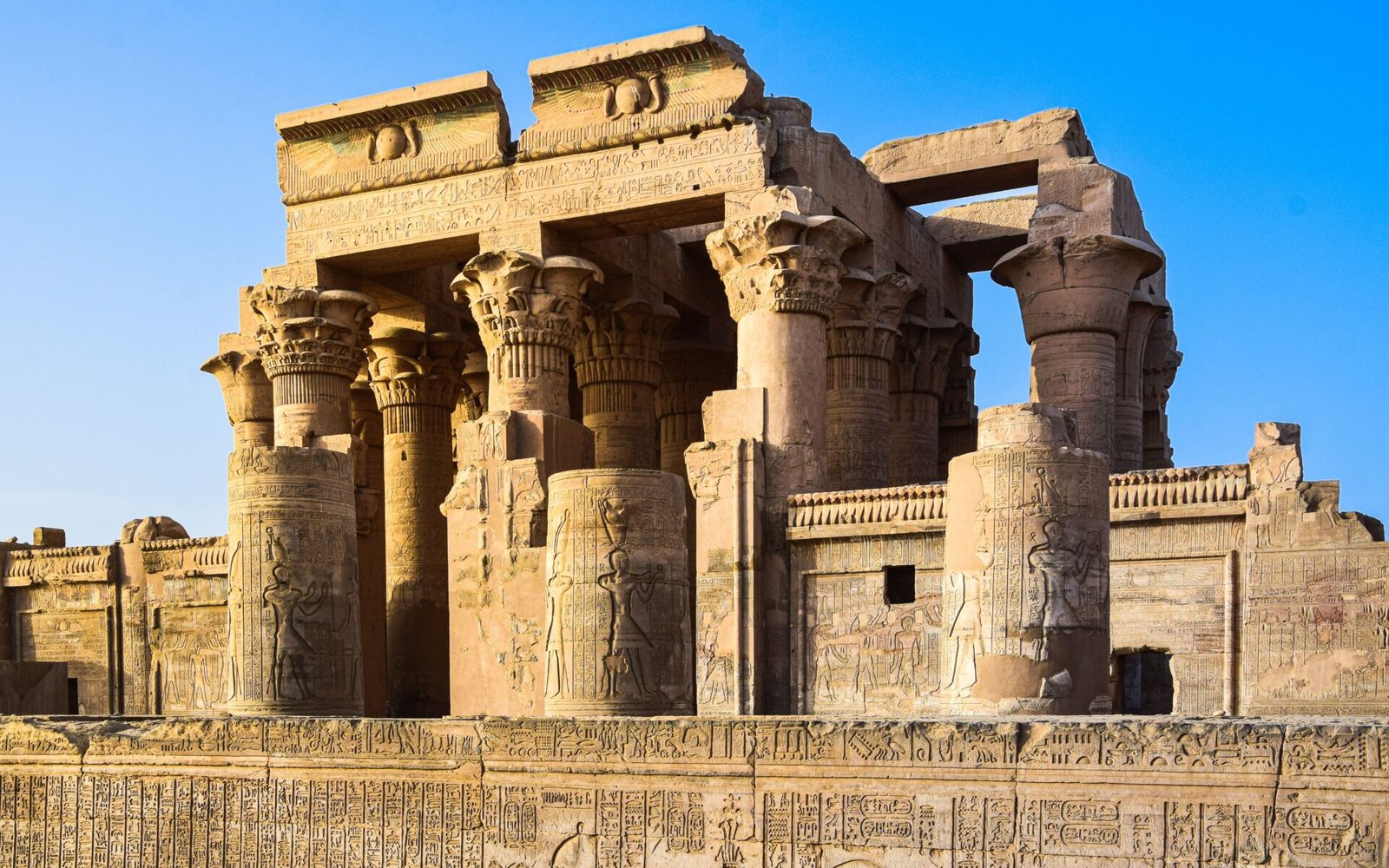
Connect river trade, local life and temple history beyond central Aswan.
Daraw and Kom Ombo connect a living river town with one of Upper Egypt's distinctive temple landscapes. The day is designed around trade, agriculture, market conditions and temple history, making the journey north from Aswan part of the interpretation rather than only road time.
Daraw adds contemporary economic and social context; Kom Ombo adds sacred and archaeological context. Together they show two very different ways the Nile continues to organise life along the valley.
Interpretation stays close to archaeology, text, landscape and what the evidence can actually support.
Daraw and Kom Ombo reveal two different ways the Nile Valley organised exchange. Daraw’s commercial life reflects movement between agricultural communities, desert routes and regional markets, while Kom Ombo preserves a formal sacred complex built in an unusual double-temple arrangement associated principally with Sobek and Haroeris. Placing market and temple in one journey prevents the landscape from becoming purely archaeological: ancient cult, river agriculture, trade and contemporary town life occupy the same corridor.
Look at what is traded, how goods are moved and who the market serves rather than treating it simply as colourful spectacle.
The temple’s paired layout makes its two cult focuses architecturally visible.
The crocodile god’s importance can be discussed in relation to the Nile without reducing the cult to “animal worship”.
Selected inscriptions and ritual scenes show how priestly knowledge, medicine, calendar and cult were embedded within a larger sacred programme—avoid sensationalising isolated panels.
These are approved places in the experience. The cards are intentionally unnumbered because their display order does not imply an operating sequence.
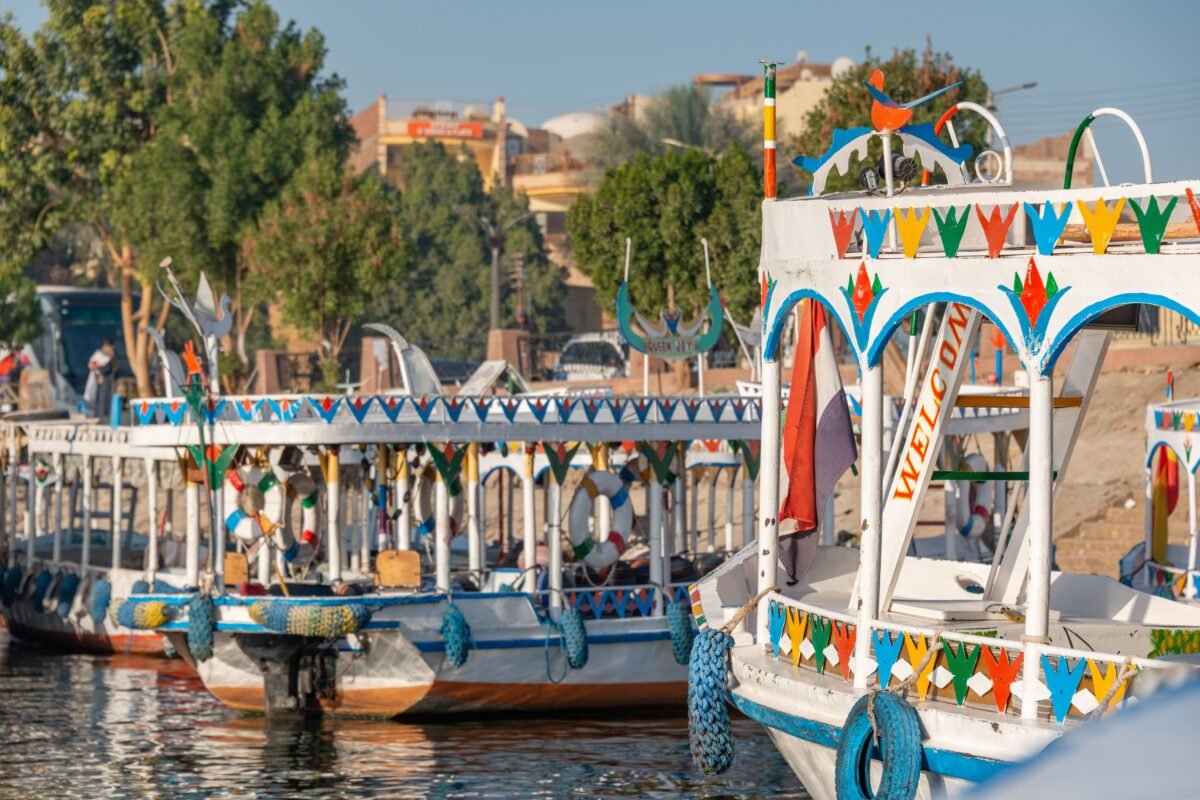
Experience a working town through current market and trading conditions rather than a staged tourist stop.
Read the site guide →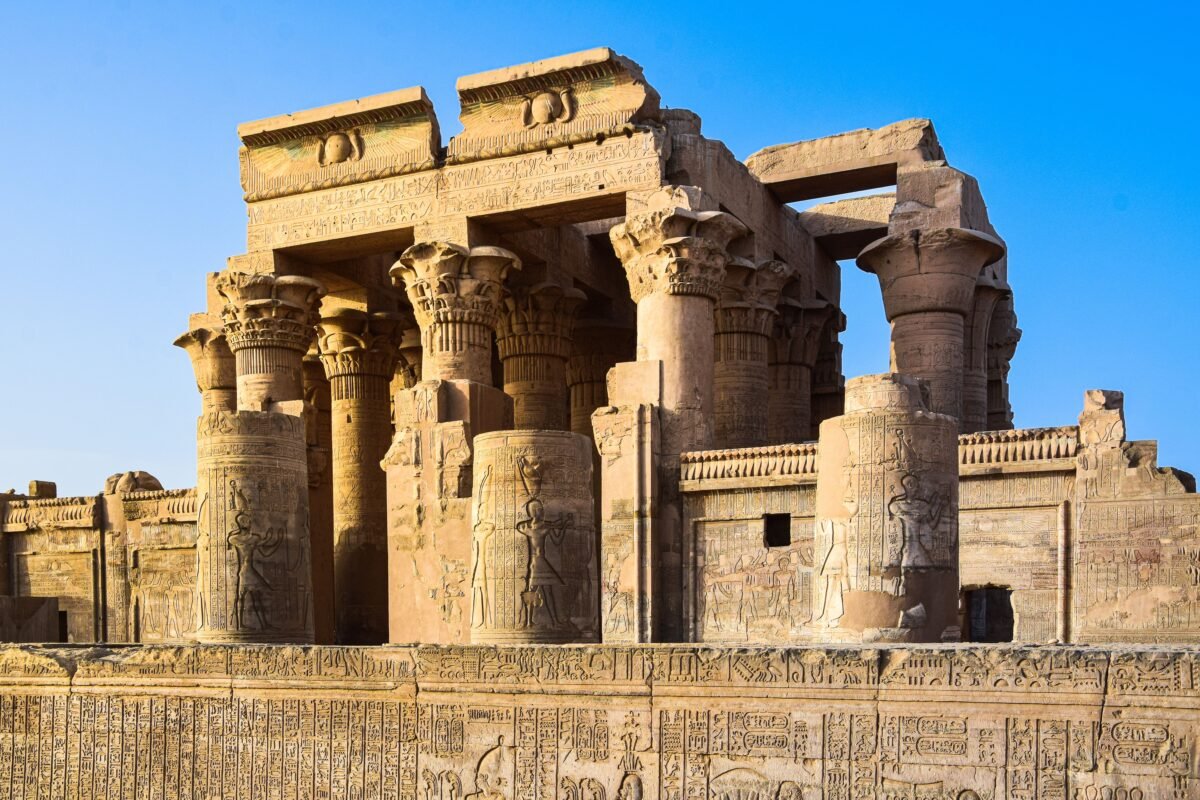
Kom Ombo’s riverside temple is unusual for its paired architectural arrangement and cults associated with Sobek and Haroeris.
Read the site guide →Both sites make sense because of the river corridor that supported movement, agriculture and settlement.
The journey deliberately shifts from everyday economic life to formal sacred architecture, showing two different historical scales.
A market town should be read as a working place, not staged authenticity. At Kom Ombo, the temple can then shift the discussion toward ritual, local cult and the archaeological history of the river corridor.
Your Egyptologist can spend more time where your curiosity is strongest and move more lightly through what matters less, while keeping the day coherent and well paced.
Tell us how you like to travel →Ask us whether this addition fits your date, pace and route.
Ask us whether this addition fits your date, pace and route.
Ask us whether this addition fits your date, pace and route.
Ask us whether this addition fits your date, pace and route.
When an approved public rate is available, the calculator shows the relevant private-party basis. Otherwise, we prepare a personal quotation after checking the date, party and operating arrangements.
Markets require especially respectful photography: ask before portraits and do not obstruct work. Kom Ombo’s riverside setting is best shown with wider context, while interior relief details benefit from side light and careful framing.
This day suits travellers comfortable moving between contemporary local life and archaeology. Anyone wanting only temples may prefer a direct archaeological route, while anyone sensitive to busy market environments should discuss the Daraw component in advance.
Daraw's market character depends on the day and current conditions, so no permanent livestock-market spectacle is promised. Road timing and Crocodile Museum access, where included, are confirmed for the date.
Travellers interested in living Nile communities, local trade and temple archaeology beyond central Aswan.
Market activity depends on the day and current local conditions. Daraw is presented as a working town, and no particular market spectacle is guaranteed unless confirmed for your date.
The defining places and historical focus are established, while the operating order is confirmed around current access, opening conditions, local logistics and your pace. Your final programme states the sequence clearly before travel.
They reveal different forms of Nile Valley organisation: a living regional market and an ancient sacred complex, both dependent on the same corridor of movement and settlement.
Its double-temple arrangement expresses two principal cult focuses in a paired architectural plan, making religious organisation unusually visible.
It is a working local market environment. That is why respectful behaviour and photography are more important than trying to create a staged experience.
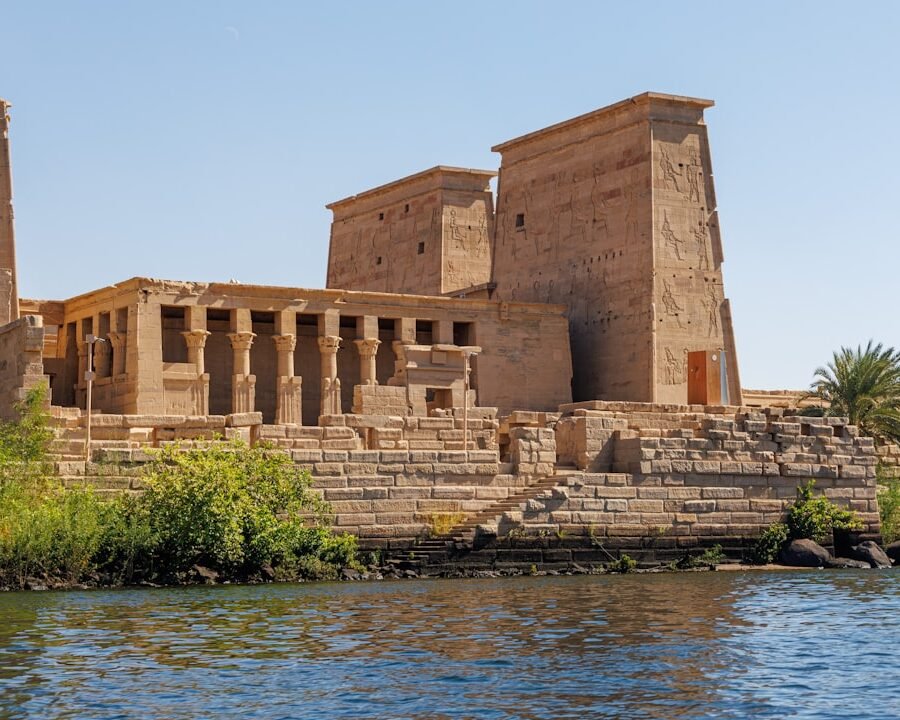
A clear first encounter with Aswan’s archaeology, river landscape and southern character.
Request current rateExplore →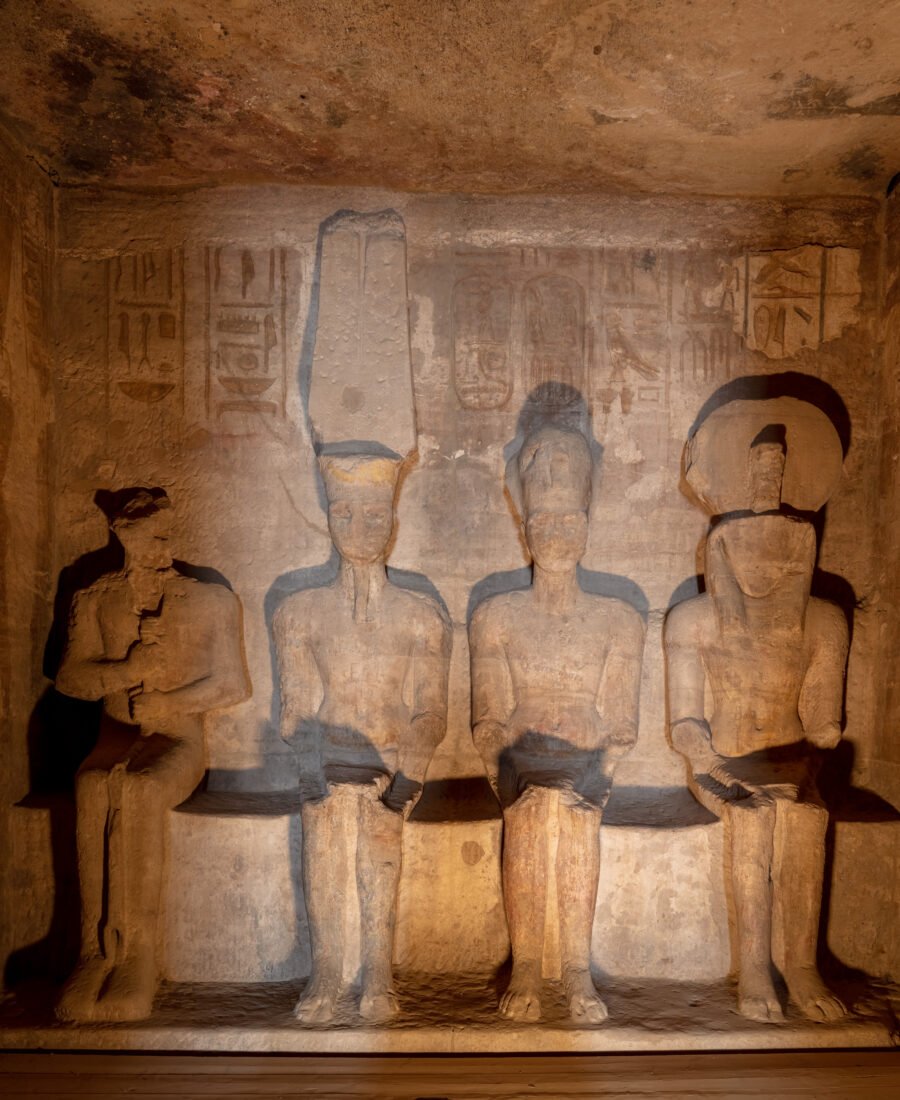
Travel south to one of Egypt’s most extraordinary monumental landscapes.
Request current rateExplore →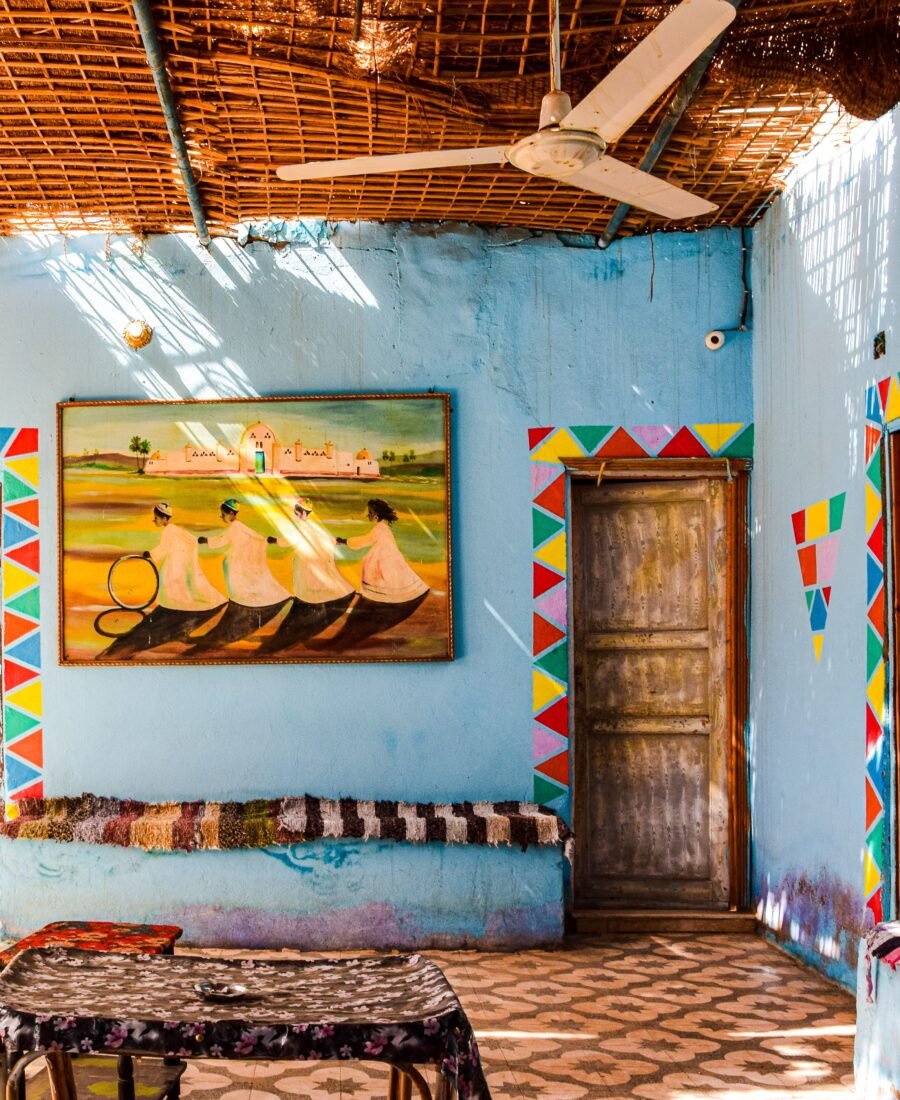
Connect sacred Philae with contemporary Nubian life in one carefully paced day.
Request current rateExplore →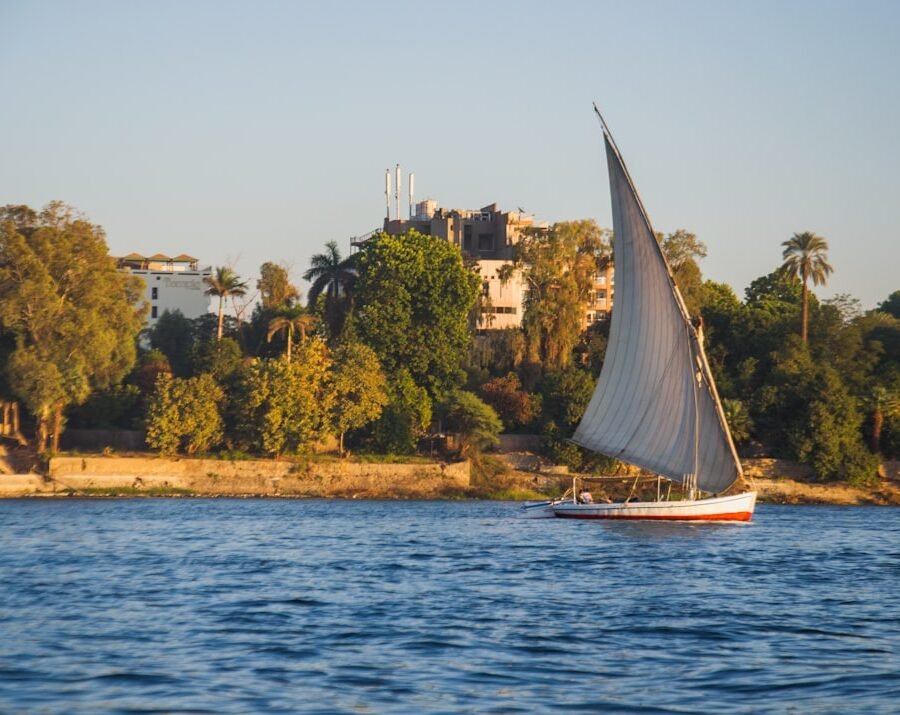
Slow the pace on the Nile around Aswan’s islands and granite river landscape.
Request current rateExplore →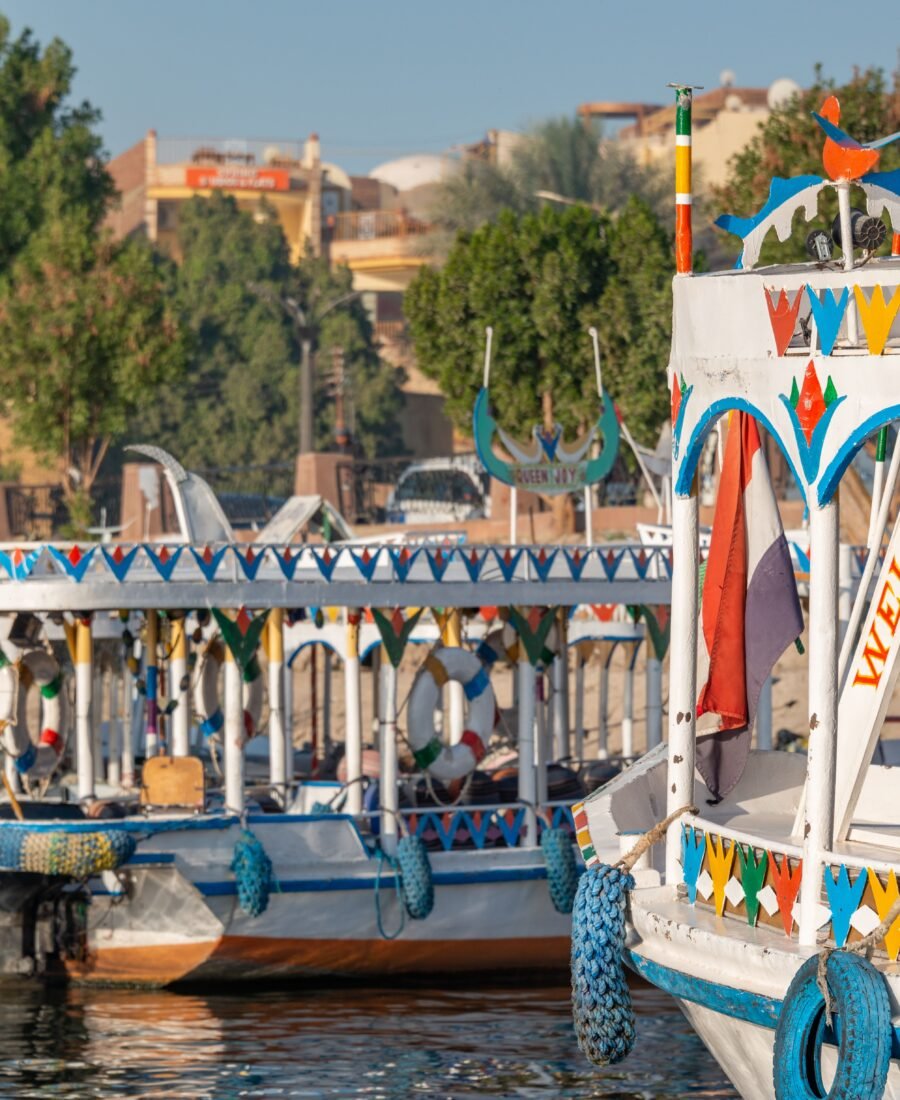
Meet Nubian life through place, conversation and a hosted family meal.
Request current rateExplore →