
Approach by water
The boat journey helps preserve the sense that Philae belongs to a river landscape rather than to a road network.
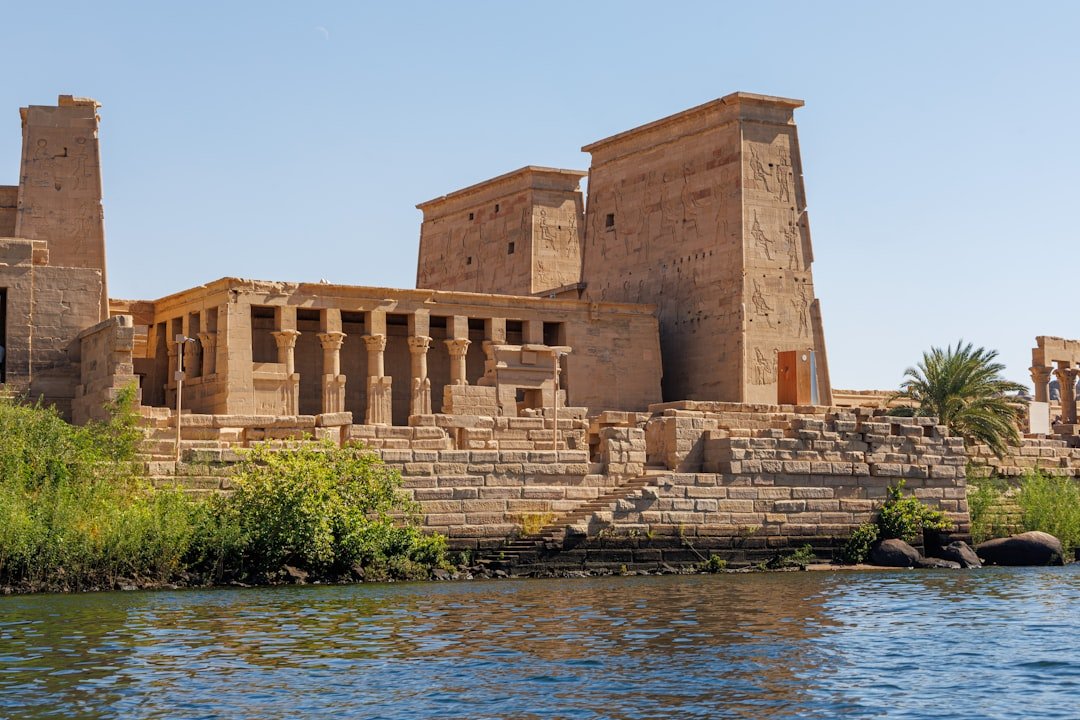
Connect sacred Philae with contemporary Nubian life in one carefully paced day.
Philae and a hosted Nubian lunch belong together when the day is built around the southern Nile rather than around unrelated stops. Sacred island archaeology introduces one chapter of the region; a respectful Nubian visit and meal bring the story into living culture without turning the community encounter into a shopping exercise.
The day connects ancient sacred geography with modern Nubian identity through the river that links them. A motorboat is not merely transport—it makes the island setting and the changing relationship between water, monuments and communities visible.
Interpretation stays close to archaeology, text, landscape and what the evidence can actually support.
Philae was one of the great cult centres of Isis, especially in the Ptolemaic and Roman periods, and its island setting was integral to the sacred experience. The temple complex was later dismantled and reassembled on Agilkia Island to protect it from rising water. Pairing Philae with a Nubian village and hosted lunch moves the day from ancient religious landscape to contemporary community life. The two parts should not be forced into one timeless “Nubian” story; instead, they allow discussion of how the southern Nile has supported changing identities, sacred traditions and communities over very long periods.
The boat journey helps preserve the sense that Philae belongs to a river landscape rather than to a road network.
Look at how Ptolemaic and Roman rulers used traditional Egyptian temple forms to participate in an already ancient religious culture.
Philae preserves traces of visitors and communities from different periods, reminding us that temples had long afterlives.
During the Nubian visit, notice language, architecture, family life and displacement history without treating residents as performers.
A few defining moments reveal the character of the experience before you explore the full experience.
Explore a sacred island complex through temple architecture, Isis traditions and the site's modern relocation story.
Visit living Nubian context through a controlled relationship rather than a shopping circuit.
Share a meal that gives the encounter time for conversation and hospitality.
These are approved places in the experience. The cards are intentionally unnumbered because their display order does not imply an operating sequence.
Explore a sacred island complex through temple architecture, Isis traditions and the site's modern relocation story.
Read the site guide →The day deliberately changes from archaeology to contemporary life, showing that southern Egypt cannot be understood only through monuments.
Ancient cult and modern Nubian culture are historically different; the value lies in respecting both within the same river geography.
Philae offers a late but powerful expression of Egyptian temple tradition, while contemporary Nubian life belongs to a different historical world. Good guiding makes the distinction clear and allows continuity, displacement and cultural resilience to be discussed responsibly.
Your Egyptologist can spend more time where your curiosity is strongest and move more lightly through what matters less, while keeping the day coherent and well paced.
Tell us how you like to travel →Ask us whether this addition fits your date, pace and route.
Ask us whether this addition fits your date, pace and route.
Ask us whether this addition fits your date, pace and route.
Ask us whether this addition fits your date, pace and route.
When an approved public rate is available, the calculator shows the relevant private-party basis. Otherwise, we prepare a personal quotation after checking the date, party and operating arrangements.
Philae is especially photogenic from the water, where temple, island and granite setting can share one frame. In the village, ask before portraits and prioritise architecture, food preparation and shared spaces rather than intrusive close-ups of residents.
Travellers seeking a purely archaeological day may prefer Philae paired with other monuments. This experience is intentionally cultural and requires respect for a hosted community encounter rather than a staged “village attraction”.
Boat transfers and the order of the day depend on current conditions. The hosted meal is arranged through a trusted local relationship; respectful household interaction and no forced shopping are part of the experience standard.
Travellers who want archaeology and living Nubian culture in the same day, including families and culturally curious first-time visitors.
The experience is intended to avoid staged performance, forced shopping and commercial house-hopping. The exact host arrangement is confirmed through the controlled local programme.
The defining places and historical focus are established, while the operating order is confirmed around current access, opening conditions, local logistics and your pace. Your final programme states the sequence clearly before travel.
No. The monuments were dismantled and reassembled on nearby Agilkia Island as part of the rescue of Nubian heritage from rising water.
Philae became one of the major centres of her cult, and the temple’s inscriptions, chapels and ritual landscape preserve that religious importance across later periods.
As a contemporary community encounter. Ask questions respectfully, avoid treating homes or people as displays, and follow your host’s guidance about photography.
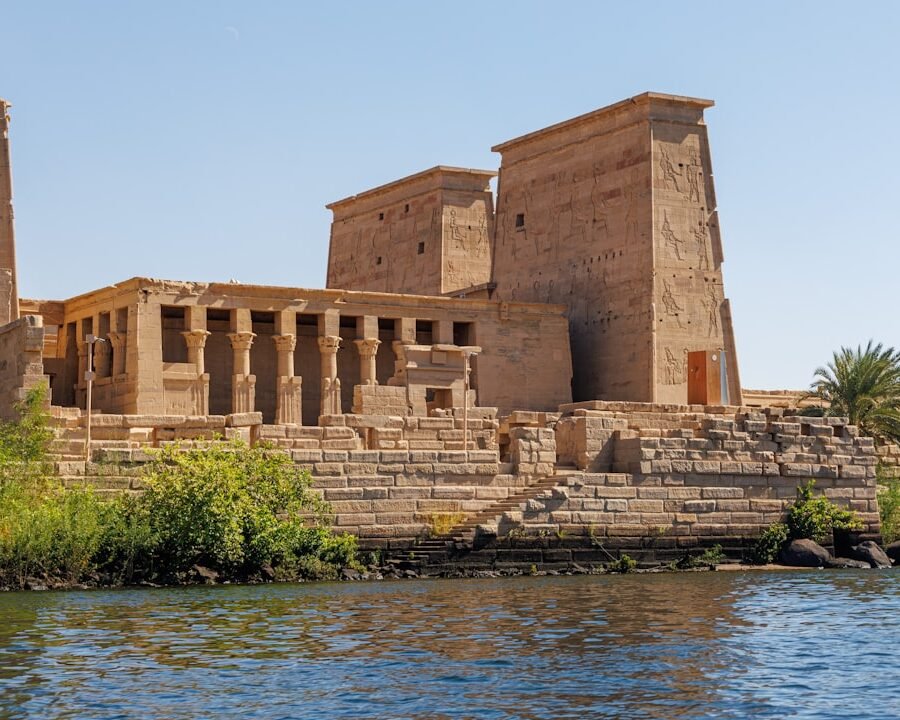
A clear first encounter with Aswan’s archaeology, river landscape and southern character.
Request current rateExplore →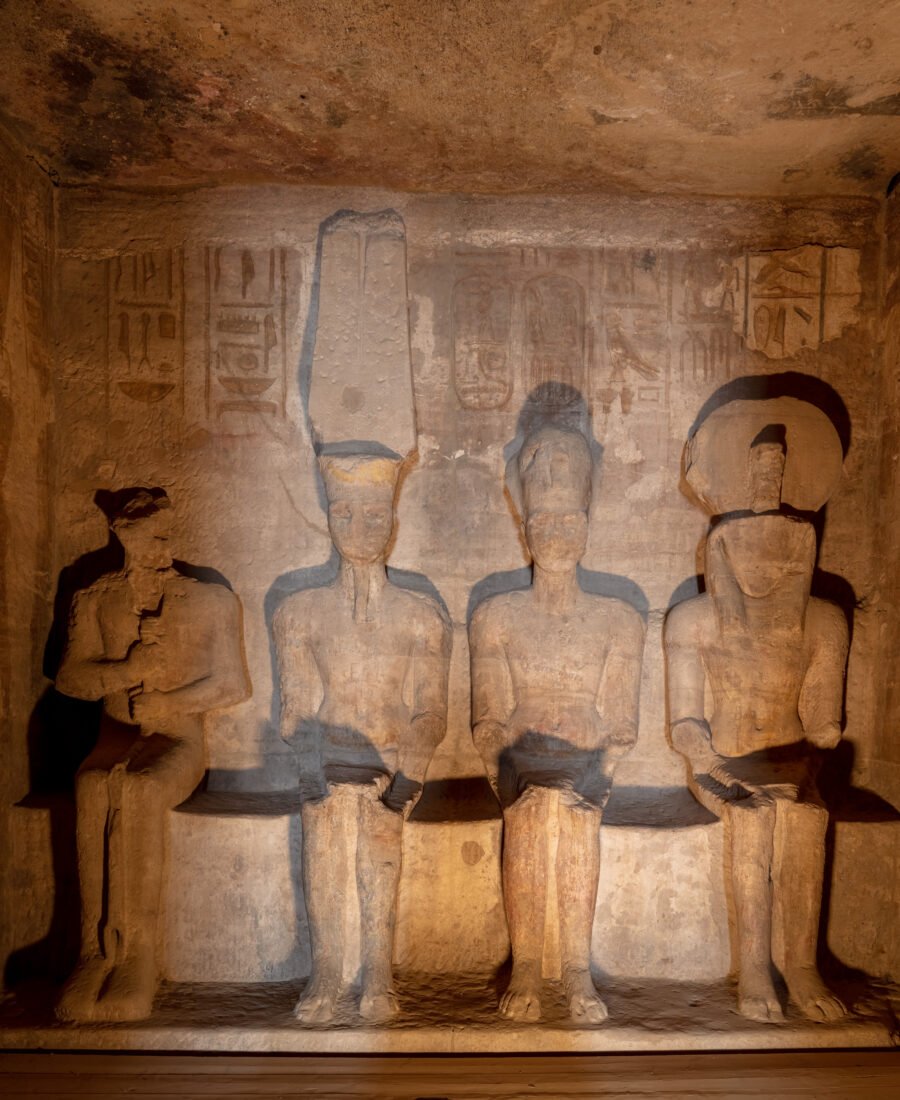
Travel south to one of Egypt’s most extraordinary monumental landscapes.
Request current rateExplore →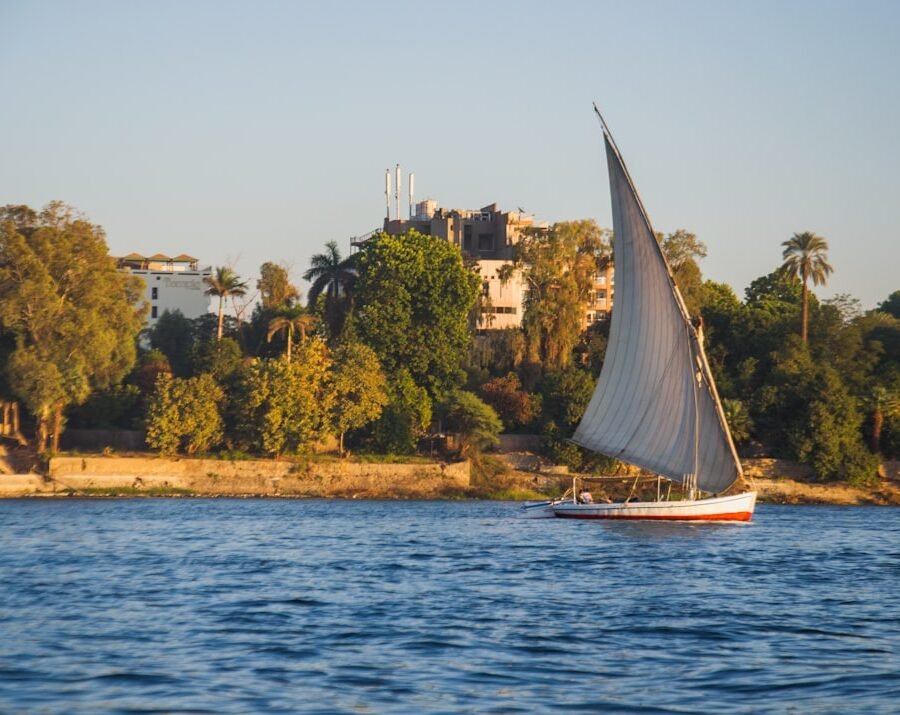
Slow the pace on the Nile around Aswan’s islands and granite river landscape.
Request current rateExplore →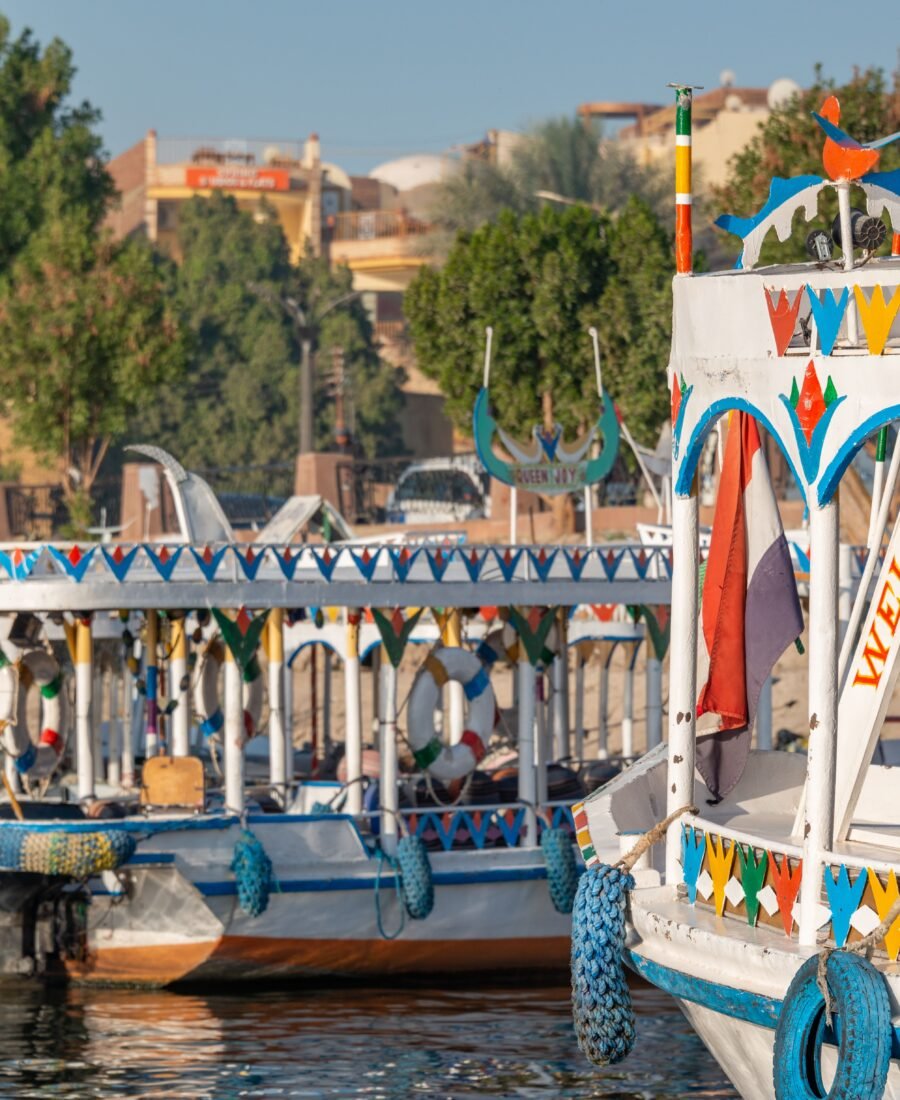
Meet Nubian life through place, conversation and a hosted family meal.
Request current rateExplore →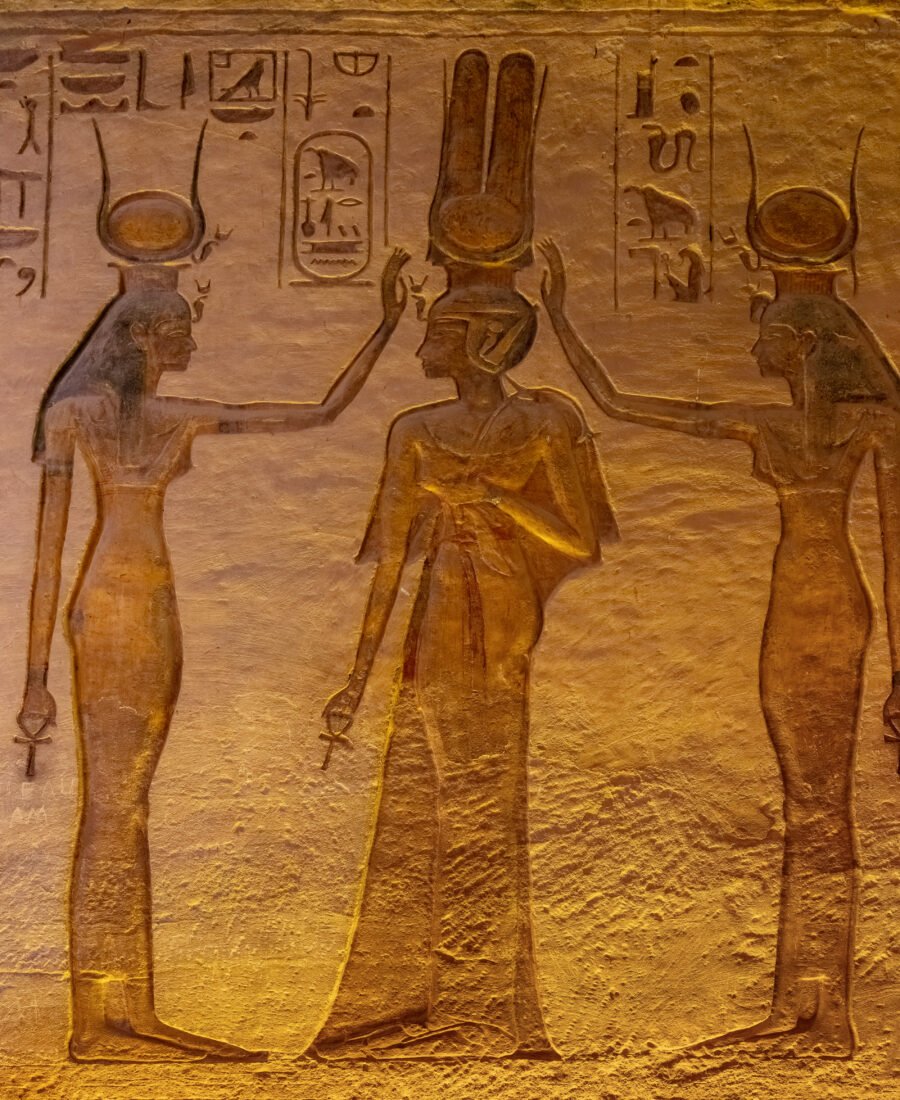
Reach Abu Simbel by air when flight schedules and availability make it the right fit.
Request current rateExplore →