
Architecture responds to climate
Colour is visually striking, but also notice courtyards, shade and how domestic spaces respond to heat and family use.
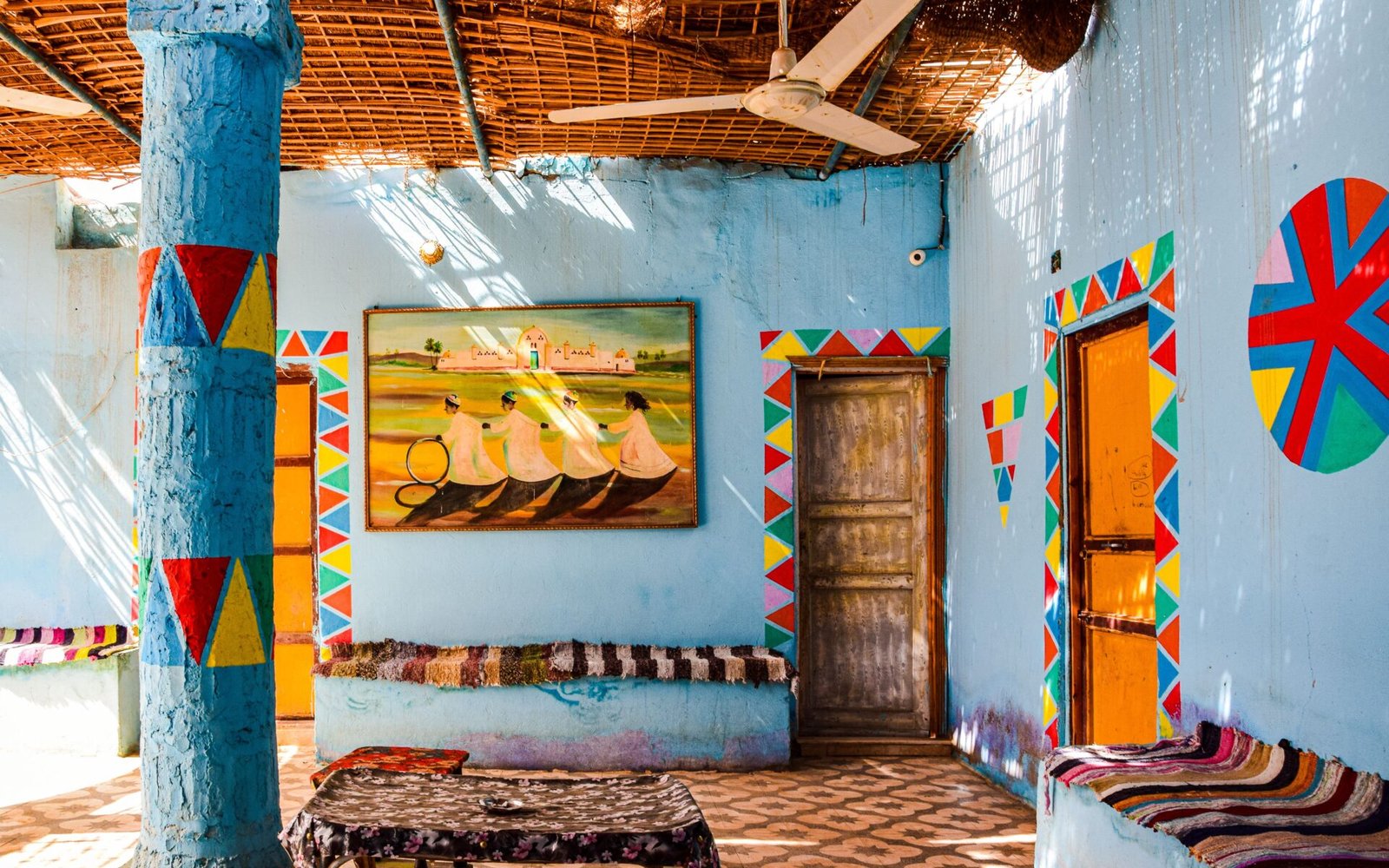
Meet Nubian life through place, conversation and a hosted family meal.
This is a small-scale Nubian cultural experience built around a responsible host relationship and a family meal. The purpose is conversation, hospitality and a better understanding of present-day Nubian identity—not staged entertainment, forced shopping or moving from one commercial house to another.
A hosted meal creates time. Instead of a quick village photo stop, the encounter can focus on family life, migration, language, food and the ways Nubian identity continues to adapt around modern Aswan.
Interpretation stays close to archaeology, text, landscape and what the evidence can actually support.
Nubian communities have histories that extend far beyond the modern Egyptian-Sudanese border. Language, architecture, music, food and family memory developed through centuries of interaction with the Nile, while twentieth-century dam projects caused major displacement and resettlement. A hosted family meal can open a more responsible conversation about contemporary Nubian identity because the encounter takes place through hospitality rather than through a staged performance. The purpose is not to present one household as representative of all Nubian culture, but to create space for personal experience and local perspective.
Colour is visually striking, but also notice courtyards, shade and how domestic spaces respond to heat and family use.
Nubian languages remain important cultural markers even though Arabic is widely used.
Modern settlement patterns are connected to the construction of dams and the loss of older villages.
A shared meal can reveal ingredients, household preferences and hospitality traditions without turning cuisine into a performance.
A few defining moments reveal the character of the experience before you explore the full experience.
Enter the community through a controlled host relationship rather than a commercial circuit.
Use conversation to understand present-day Nubian identity and everyday life.
Make hospitality and food the natural setting for a slower cultural exchange.
These are the places and themes that define the experience. Your confirmed programme arranges them in the best order for your date, pace and current access.
Enter the community through a controlled host relationship rather than a commercial circuit.
Use conversation to understand present-day Nubian identity and everyday life.
Make hospitality and food the natural setting for a slower cultural exchange.
Nubian identity is inseparable from the Nile and from histories of movement and resettlement.
One host family offers a personal perspective; your Egyptologist helps place that story within broader Nubian history without generalising from one household.
Living culture should not be treated as an extension of archaeology. Your host and guide can discuss contemporary Nubian identity on its own terms while historical context explains the larger regional story.
Your Egyptologist can spend more time where your curiosity is strongest and move more lightly through what matters less, while keeping the day coherent and well paced.
Tell us how you like to travel →Ask us whether this addition fits your date, pace and route.
Ask us whether this addition fits your date, pace and route.
Ask us whether this addition fits your date, pace and route.
Ask us whether this addition fits your date, pace and route.
When an approved public rate is available, the calculator shows the relevant private-party basis. Otherwise, we prepare a personal quotation after checking the date, party and operating arrangements.
Ask before photographing inside a home or making portraits. Food, architectural details and shared table scenes can tell the story without intrusive photography. Avoid posing children or residents simply to create an “exotic” image.
This is a relationship-led cultural experience. Travellers wanting a museum-style, fact-dense presentation may prefer Nubian Heritage or Nubia Through Time, which provide stronger formal historical context.
The experience is arranged through a trusted host relationship with fair payment and small-group interaction. Household expectations, food requirements and transport are confirmed in advance; shopping is optional and never the organising purpose.
Families, couples and travellers who value respectful local encounters and hosted food experiences.
No. Shopping is not required and the experience is specifically designed to avoid forced shopping or commercial house-hopping.
The defining places and historical focus are established, while the operating order is confirmed around current access, opening conditions, local logistics and your pace. Your final programme states the sequence clearly before travel.
It should not be. The value is a respectful hosted encounter and conversation, not a performance of “traditional life” for visitors.
Modern dam projects transformed the river landscape and required many communities to relocate, making memory of lost villages central to contemporary Nubian identity.
No. The family meal offers one lived perspective. Your guide provides wider historical context and avoids presenting a single household as universally representative.
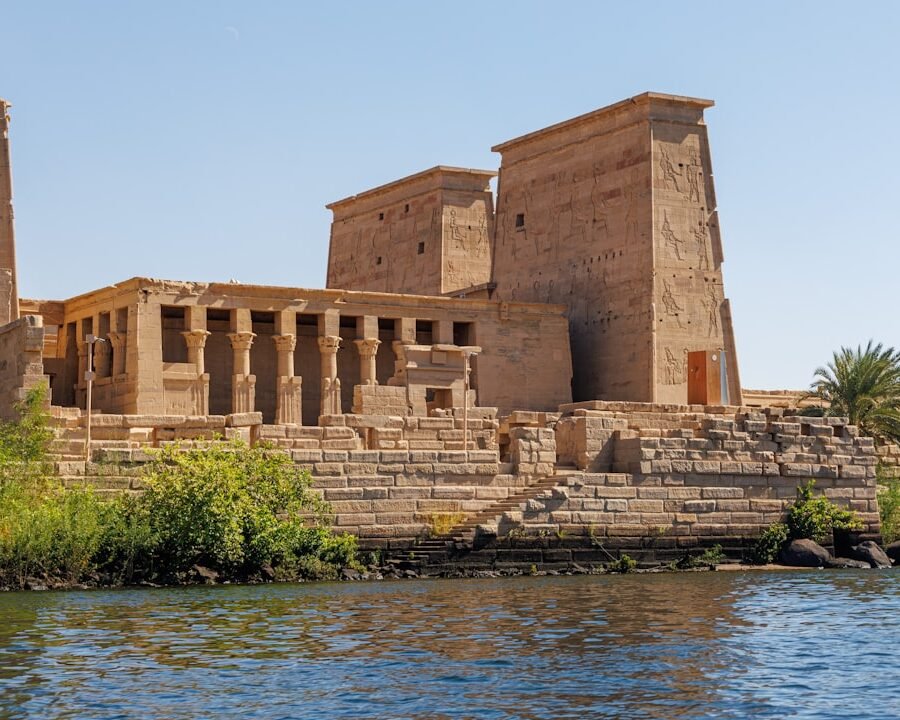
A clear first encounter with Aswan’s archaeology, river landscape and southern character.
Request current rateExplore →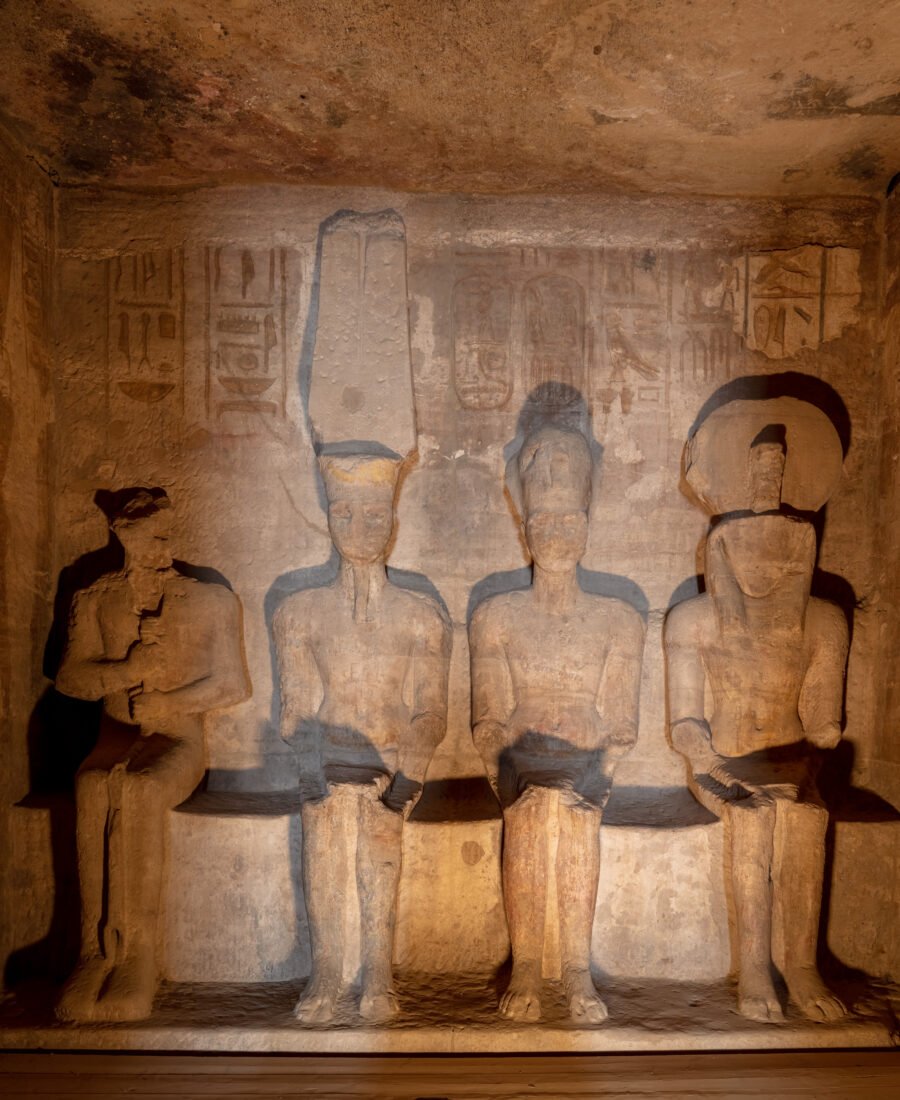
Travel south to one of Egypt’s most extraordinary monumental landscapes.
Request current rateExplore →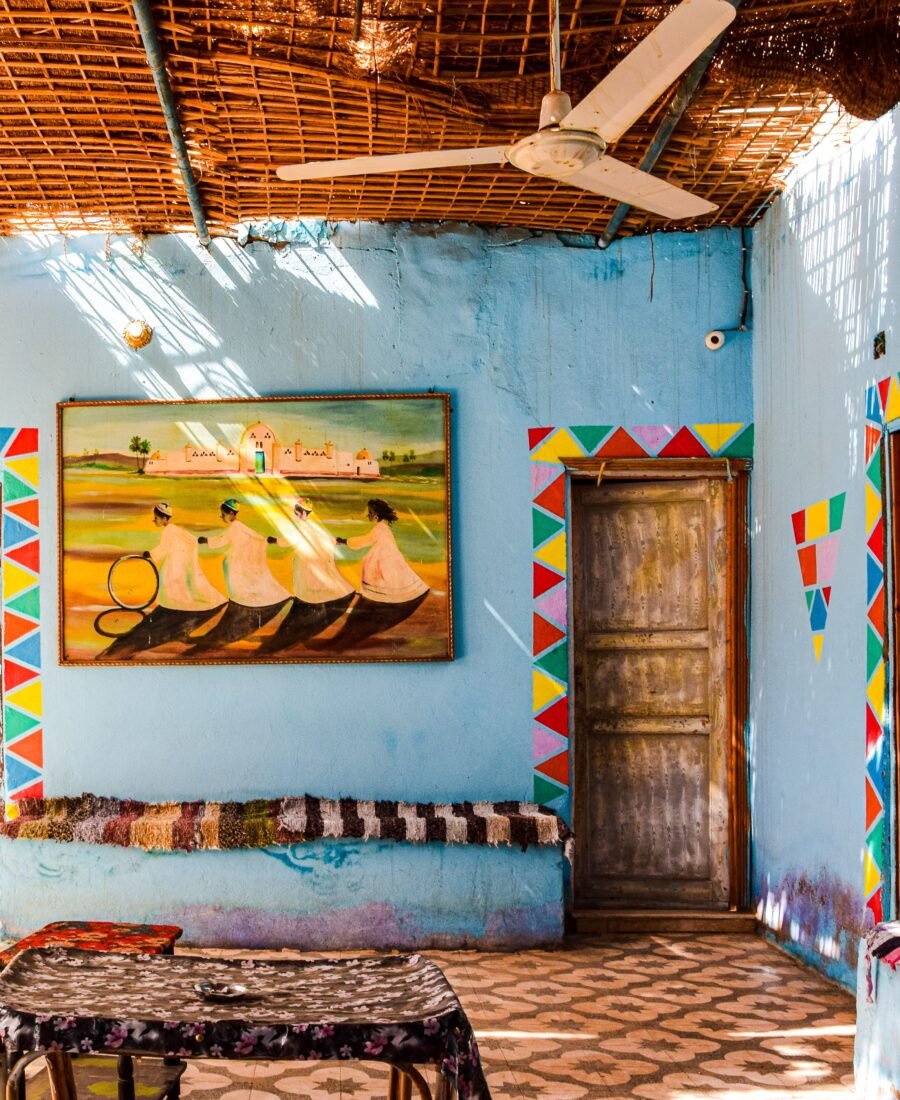
Connect sacred Philae with contemporary Nubian life in one carefully paced day.
Request current rateExplore →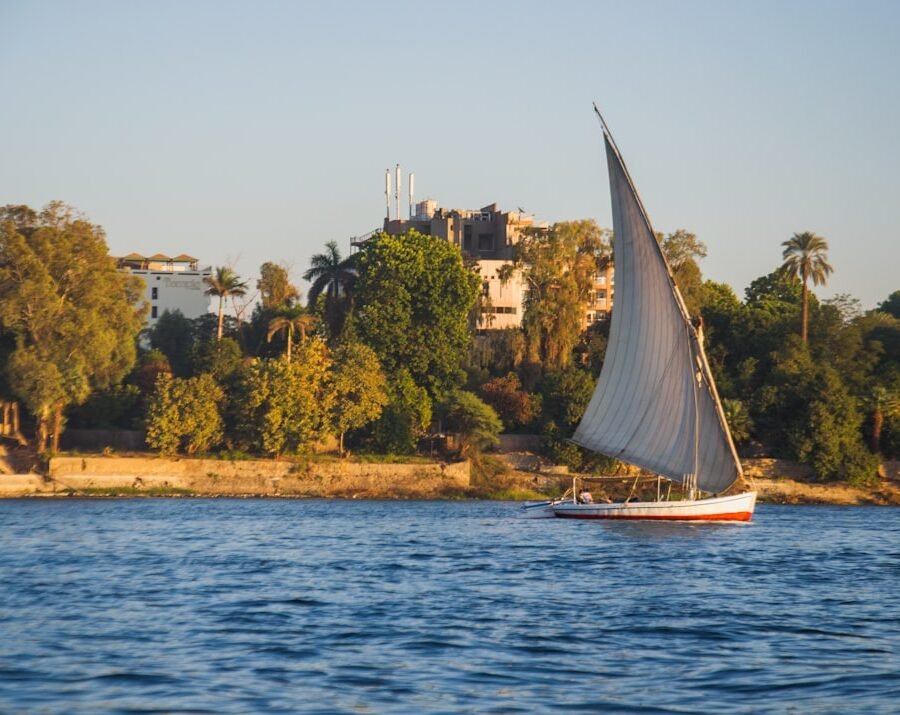
Slow the pace on the Nile around Aswan’s islands and granite river landscape.
Request current rateExplore →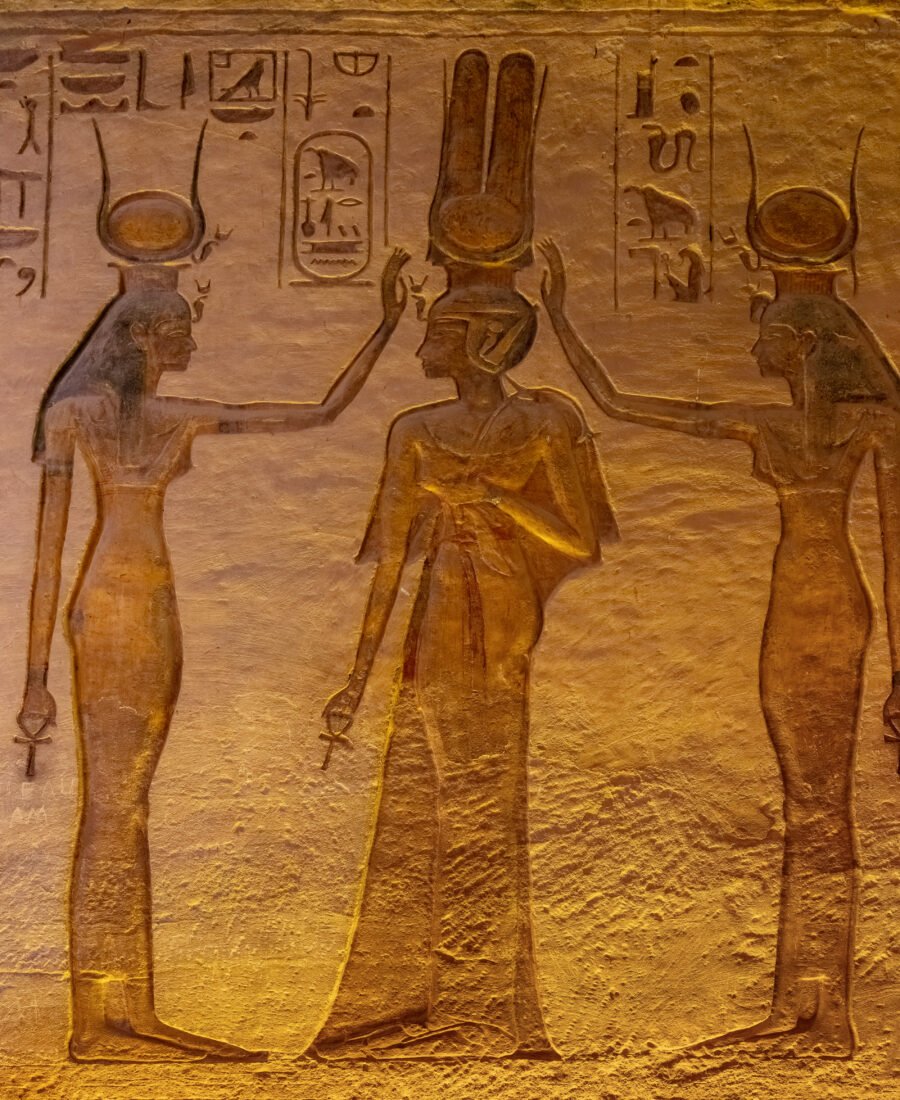
Reach Abu Simbel by air when flight schedules and availability make it the right fit.
Request current rateExplore →