
Colossal image and politics
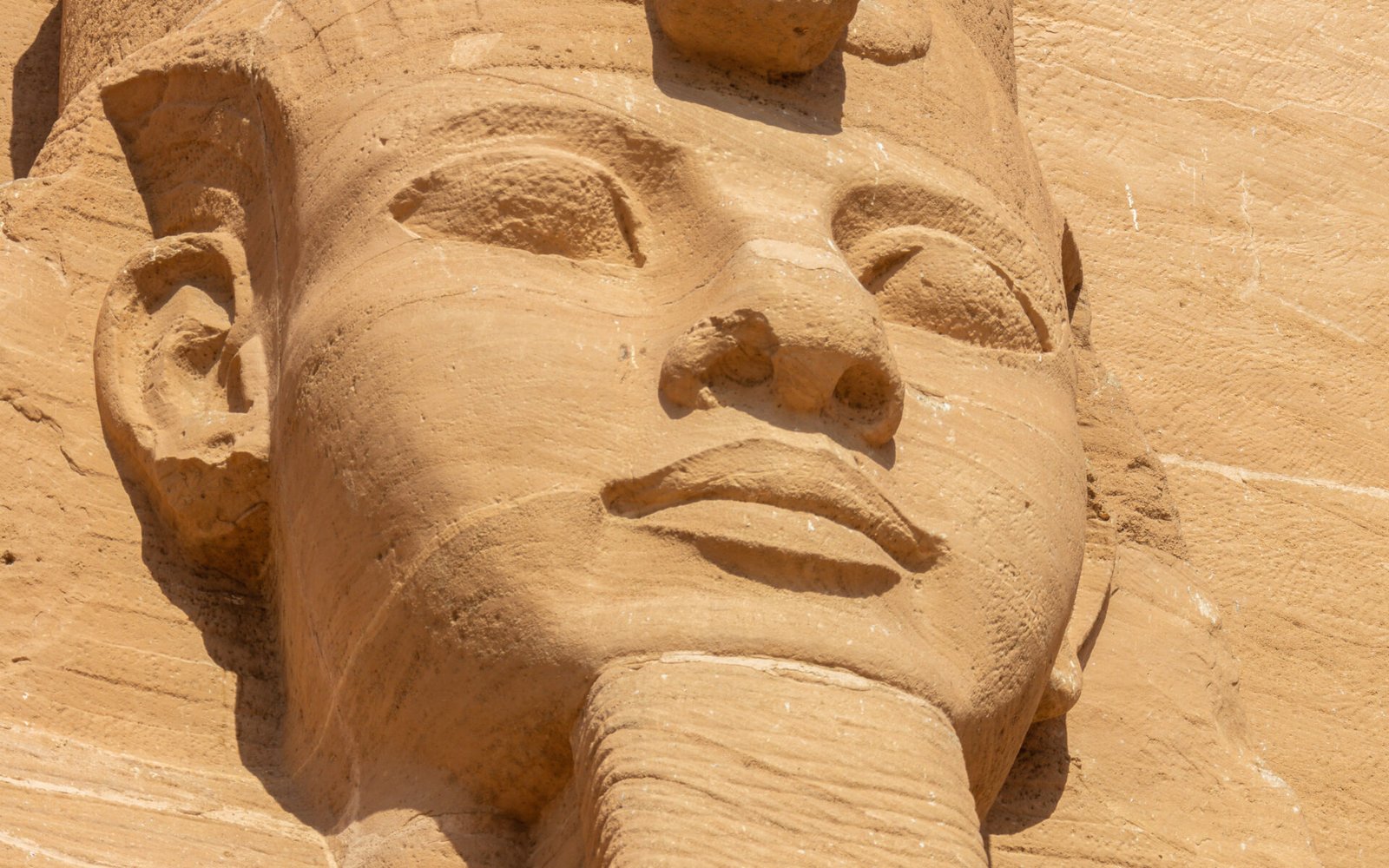
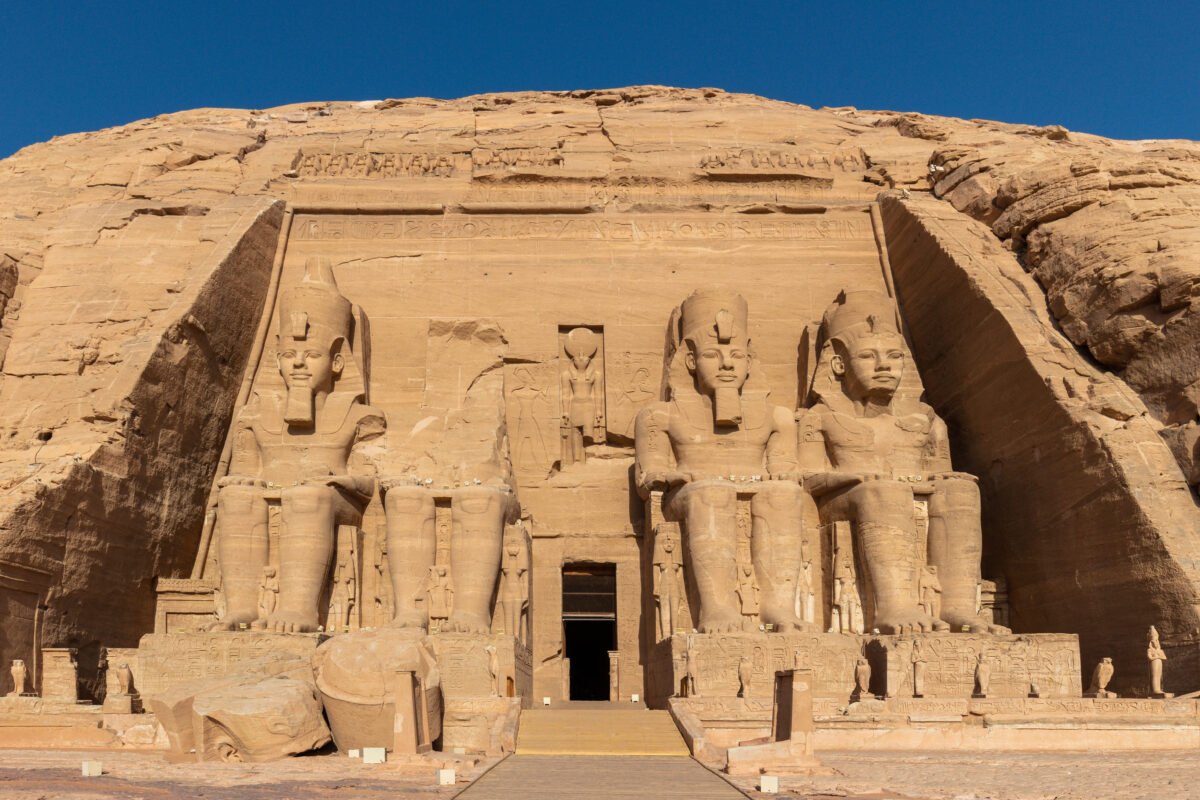
The seated figures of Ramesses II communicate royal presence long before the visitor reaches the sanctuary.
Travel south to one of Egypt’s most extraordinary monumental landscapes.
Abu Simbel by road is a deliberate journey into Egypt's far south. The early departure and substantial driving are part of the reality, so the experience is planned honestly around the road, rest, temple visit and return rather than being presented as an effortless add-on from Aswan.
Private road travel gives control over your party's pace and creates a direct sense of the distance between Aswan and the monumental landscape of Abu Simbel. The journey is worthwhile when enough time and energy are protected for the temples themselves.
Interpretation stays close to archaeology, text, landscape and what the evidence can actually support.
Abu Simbel was created under Ramesses II as a monumental statement in Nubia. The Great Temple presents the king on a colossal scale and integrates solar, royal and divine imagery into a rock-cut sanctuary. The smaller temple, associated with Queen Nefertari and Hathor, gives unusual prominence to a royal woman in the façade composition. In the twentieth century the monuments were cut into blocks and reassembled on higher ground as part of the international campaign to rescue Nubian heritage threatened by the rising waters associated with the Aswan High Dam. The modern relocation is therefore part of the site’s history, not merely a footnote.
The seated figures of Ramesses II communicate royal presence long before the visitor reaches the sanctuary.
Compare the scale and arrangement of royal figures on the smaller temple and discuss why it is exceptional.
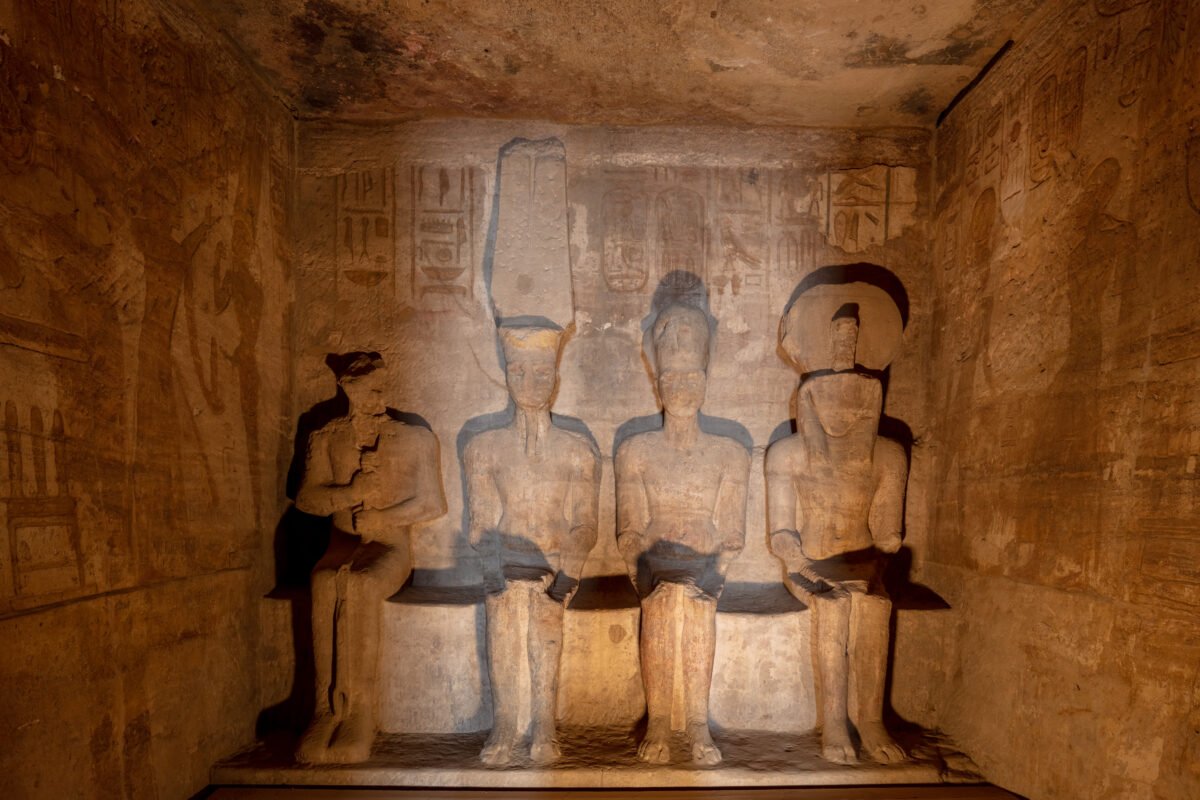
Inside, notice how the reconstructed setting preserves the experience of a temple cut into living rock even though the entire complex was moved.
Look for the engineered landscape and ask how an ancient monument can remain authentic after one of the largest heritage-rescue projects ever attempted.
A few defining moments reveal the character of the experience before you explore the full experience.
Spend the core of the day with the monumental temples and their historical setting.
Understand that the journey south is substantial and part of the practical character of the day.
Place monumentality, kingship and Nubian context at the centre of the visit rather than only photography.
These are approved places in the experience. The cards are intentionally unnumbered because their display order does not imply an operating sequence.
Spend the core of the day with the monumental temples and their historical setting.
Read the site guide →The monuments belong to a political landscape in which royal ideology, military power and sacred presence were projected southward.
Abu Simbel tells two extraordinary stories: New Kingdom kingship and twentieth-century international heritage engineering.
Abu Simbel can be read through royal ideology, monumentality and Egypt's relationship with Nubia. Its modern relocation also adds a second story about archaeological rescue and the changing landscape of the far south.
Your Egyptologist can spend more time where your curiosity is strongest and move more lightly through what matters less, while keeping the day coherent and well paced.
Tell us how you like to travel →Ask us whether this addition fits your date, pace and route.
Ask us whether this addition fits your date, pace and route.
Ask us whether this addition fits your date, pace and route.
Ask us whether this addition fits your date, pace and route.
When an approved public rate is available, the calculator shows the relevant private-party basis. Otherwise, we prepare a personal quotation after checking the date, party and operating arrangements.
A wide lens is useful for the façades, while interior rules are usually more restrictive and can change. Desert light is extremely strong. Because the road journey starts early and is long, keep equipment simple and protect batteries and cameras from heat and dust.
This is a substantial road day. Travellers who dislike long overland transfers may prefer the air option when flights are genuinely available, while those wanting a slower experience should consider the overnight journey.
Expect a very early start and several hours of road travel each way. Access, road procedures and return timing depend on current conditions. Breaks and pacing are planned around your party, but the distance should not be understated.
Travellers who want Abu Simbel in one day and are comfortable with an early start and significant private-road travel.
It is normally an early departure, but the exact time depends on current road procedures and your confirmed arrangements. We provide the real pickup time before travel rather than publishing a permanent schedule.
The defining places and historical focus are established, while the operating order is confirmed around current access, opening conditions, local logistics and your pace. Your final programme states the sequence clearly before travel.
The temples were cut into large blocks, relocated and carefully reassembled within a new artificial setting above the rising waters. The rescue project is central to understanding the site today.
The Great Temple centres on Ramesses II and major deities; the smaller temple is associated with Nefertari and Hathor, adding a distinct royal and divine emphasis.
They projected royal and sacred authority into Nubia, a region of major strategic and economic importance to New Kingdom Egypt.
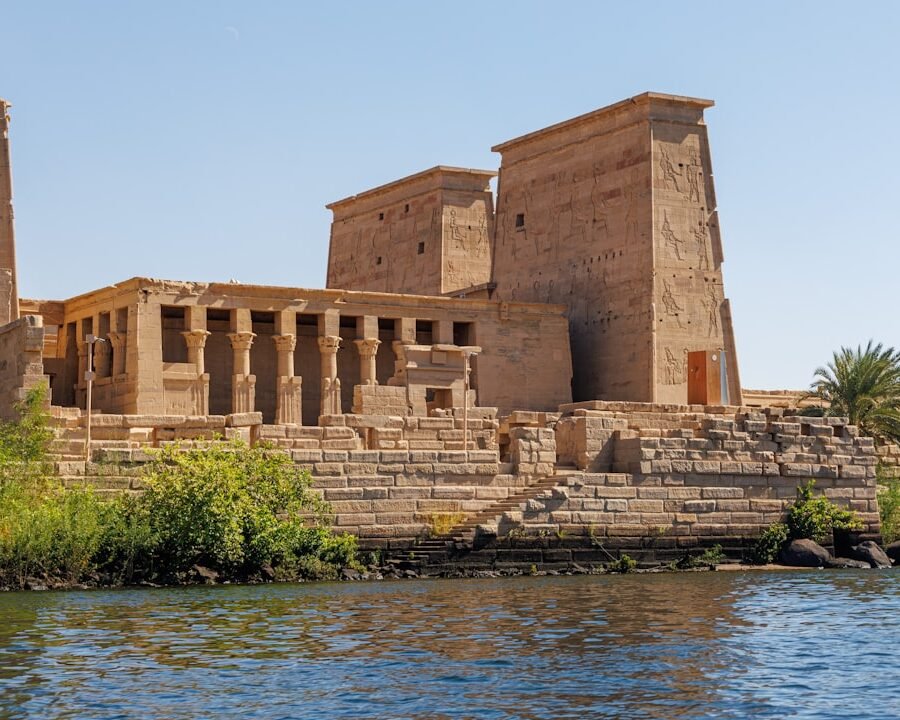
A clear first encounter with Aswan’s archaeology, river landscape and southern character.
Request current rateExplore →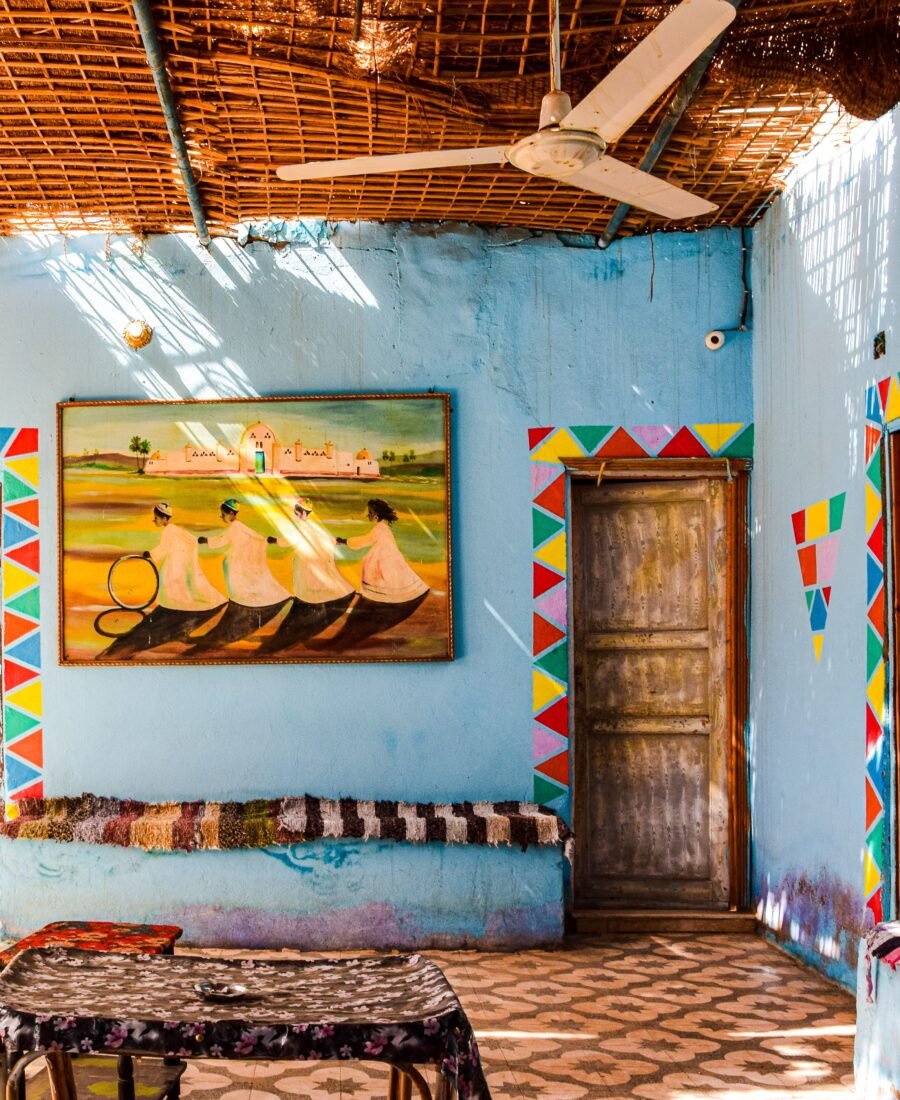
Connect sacred Philae with contemporary Nubian life in one carefully paced day.
Request current rateExplore →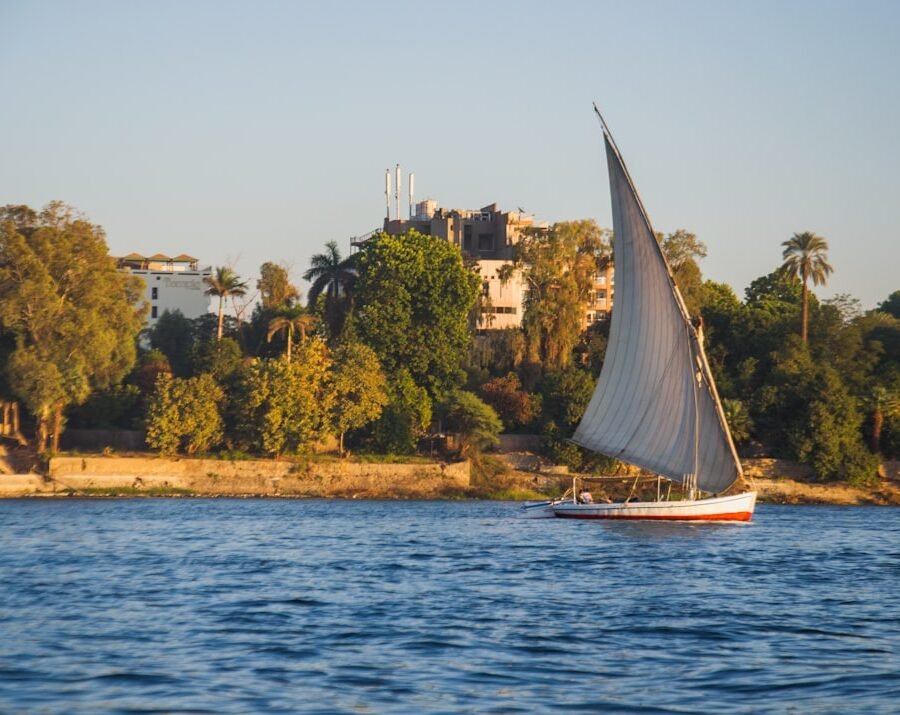
Slow the pace on the Nile around Aswan’s islands and granite river landscape.
Request current rateExplore →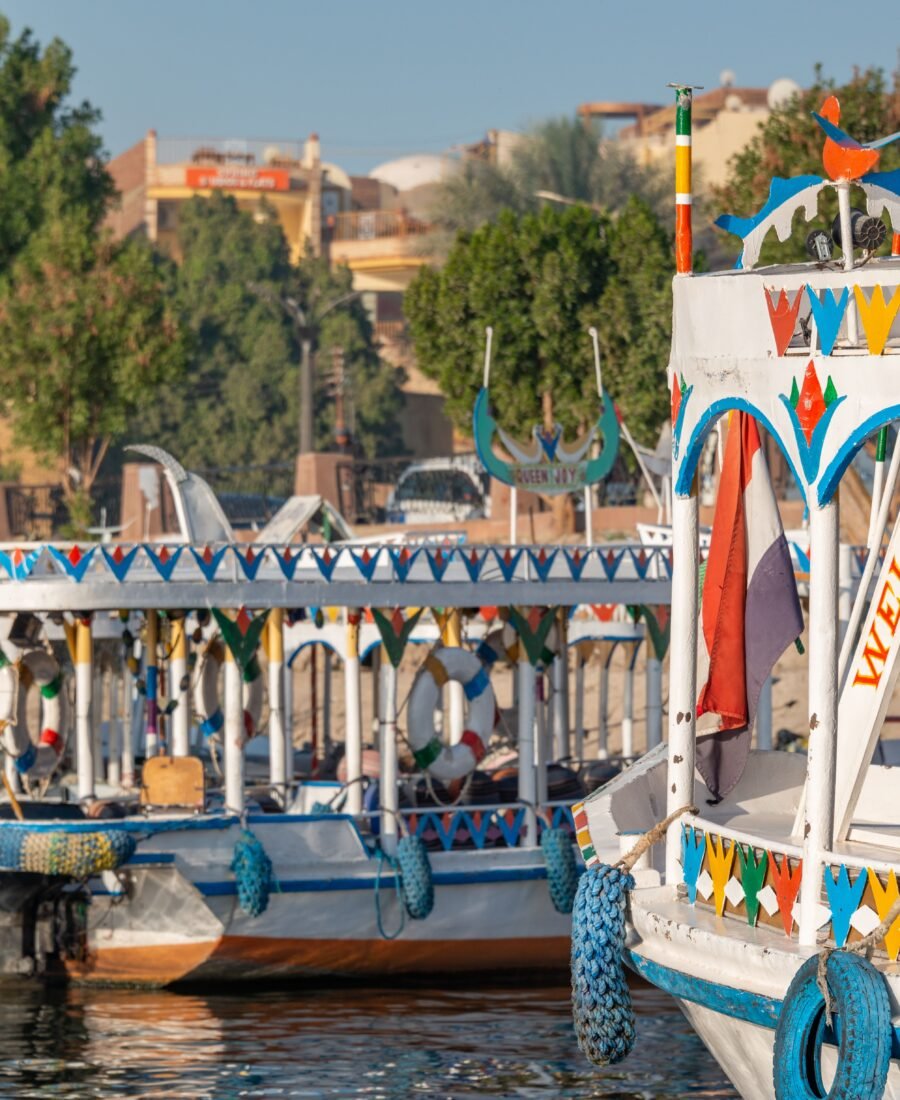
Meet Nubian life through place, conversation and a hosted family meal.
Request current rateExplore →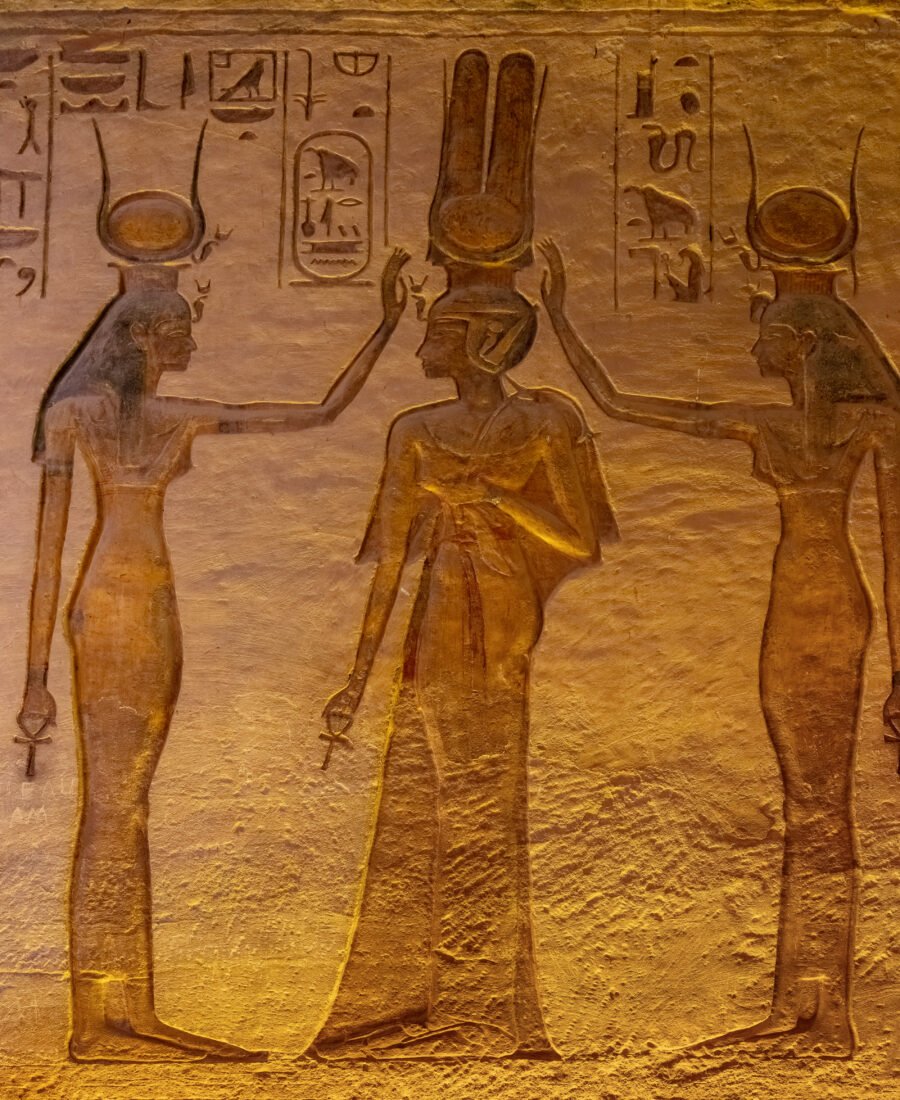
Reach Abu Simbel by air when flight schedules and availability make it the right fit.
Request current rateExplore →