
Monument versus community
Ask who quarried, transported, carved, administered and supplied the institutions behind royal architecture.
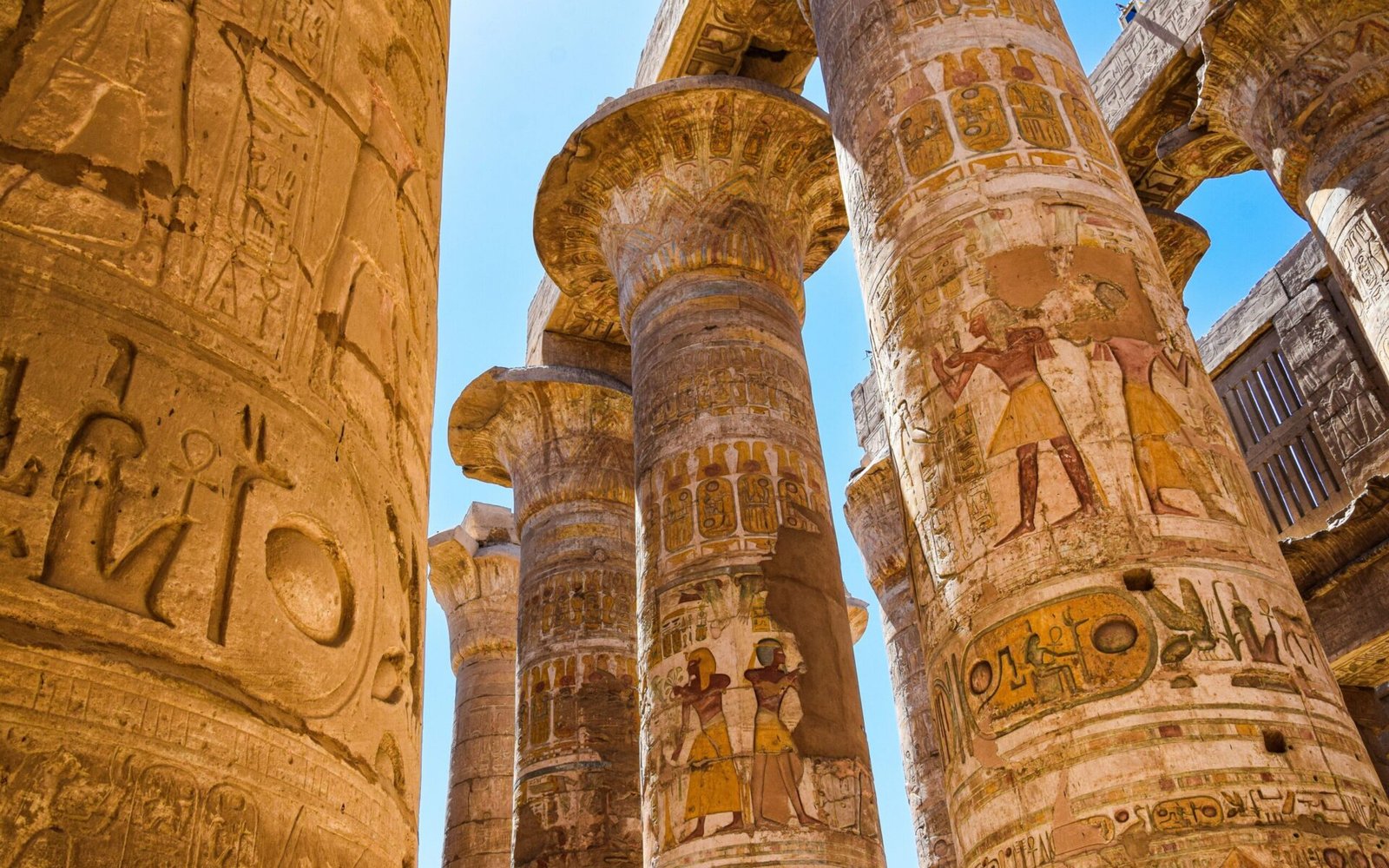
Experience Thebes beyond the highlights, with time to connect its royal, sacred and human landscapes.
Two days allow ancient Thebes to breathe. Instead of compressing the East Bank, royal West Bank and quieter archaeological layers into one exhausting circuit, Complete Thebes Experience creates room to connect state temples, tombs, workers’ communities and local landscape. The detailed order is confirmed for your dates so the two days can respond to current access, heat and the sites most worth spending time in.
Time is the differentiator. A second day makes it possible to move beyond the headline sites and understand how royal, religious and human worlds fitted together without sacrificing interpretation to speed.
Interpretation stays close to archaeology, text, landscape and what the evidence can actually support.
Two days make it possible to read Thebes as a city with institutions, communities and changing sacred landscapes rather than as a sequence of famous monuments. The monumental temples and royal tombs remain central, but a deeper visit can also bring in evidence for officials, craftsmen, settlement, local cult and the practical organisation of a city whose religious economy supported enormous building programmes. The exact order can remain flexible without weakening the historical structure: the purpose is deeper understanding, not a rigid checklist.
Ask who quarried, transported, carved, administered and supplied the institutions behind royal architecture.
Royal and private tombs communicate different social positions, professions and afterlife expectations.
Large temples controlled land, labour, workshops and ritual resources; they were major economic as well as sacred centres.
Modern roads divide sites that once belonged to a connected river-and-desert landscape.
A few defining moments reveal the character of the experience before you explore the full experience.
Explore the ceremonial temples as one part of the larger ancient capital.
Connect royal burial and memorial architecture with the western landscape.
Use carefully selected additional sites to reveal workers, officials and less-visited layers of Theban history.
Keep the river, villages and modern geography visible so the ancient city remains anchored in place.
These are the places and themes that define the experience. Your confirmed programme arranges them in the best order for your date, pace and current access.
Explore the ceremonial temples as one part of the larger ancient capital.
Connect royal burial and memorial architecture with the western landscape.
Use carefully selected additional sites to reveal workers, officials and less-visited layers of Theban history.
Keep the river, villages and modern geography visible so the ancient city remains anchored in place.
The complete experience deliberately moves between royal ideology, divine cult and the lives of people who sustained both.
A second day allows comparison—between tomb types, temple phases and social groups—rather than simply adding more monuments.
Thebes was sustained by institutions and people as well as kings. A deeper visit can connect monumental ideology with the communities who built, decorated and serviced the sacred and funerary landscape.
Your Egyptologist can spend more time where your curiosity is strongest and move more lightly through what matters less, while keeping the day coherent and well paced.
Tell us how you like to travel →Ask us whether this addition fits your date, pace and route.
Ask us whether this addition fits your date, pace and route.
Ask us whether this addition fits your date, pace and route.
Ask us whether this addition fits your date, pace and route.
When an approved public rate is available, the calculator shows the relevant private-party basis. Otherwise, we prepare a personal quotation after checking the date, party and operating arrangements.
Use the first day to learn the broad visual language, then photograph more selectively on the second: masonry joins, unfinished relief, surviving colour, village/desert relationships and quieter architectural details often become more interesting than another wide façade.
This is designed for travellers who enjoy interpretation and comparison. If you prefer a concise first overview, Thebes Essential is more efficient and leaves more time for other destinations.
The detailed two-day order is confirmed for your travel dates rather than fixed for every departure. Expect substantial walking, heat and varied terrain; hotel accommodation is separate unless your written programme states otherwise.
History lovers, repeat visitors and first-time travellers who want Luxor in depth rather than as a compressed stop.
The two-day historical scope is defined, while the detailed order is confirmed for your dates. That lets us respond to current tomb access, heat and your interests without reducing the experience to a rigid checklist.
The defining places and historical focus are established, while the operating order is confirmed around current access, opening conditions, local logistics and your pace. Your final programme states the sequence clearly before travel.
Time for comparison and less-visited archaeological layers. Instead of only seeing more, you can connect royal monuments with officials, workers, institutions and the functioning of the ancient city.
Because current tomb rotations, access, heat and your interests can change the best order. Your final programme states the two-day sequence clearly before travel.
Yes, especially for travellers who value depth. It is also ideal for repeat visitors who want to move beyond the standard highlights.
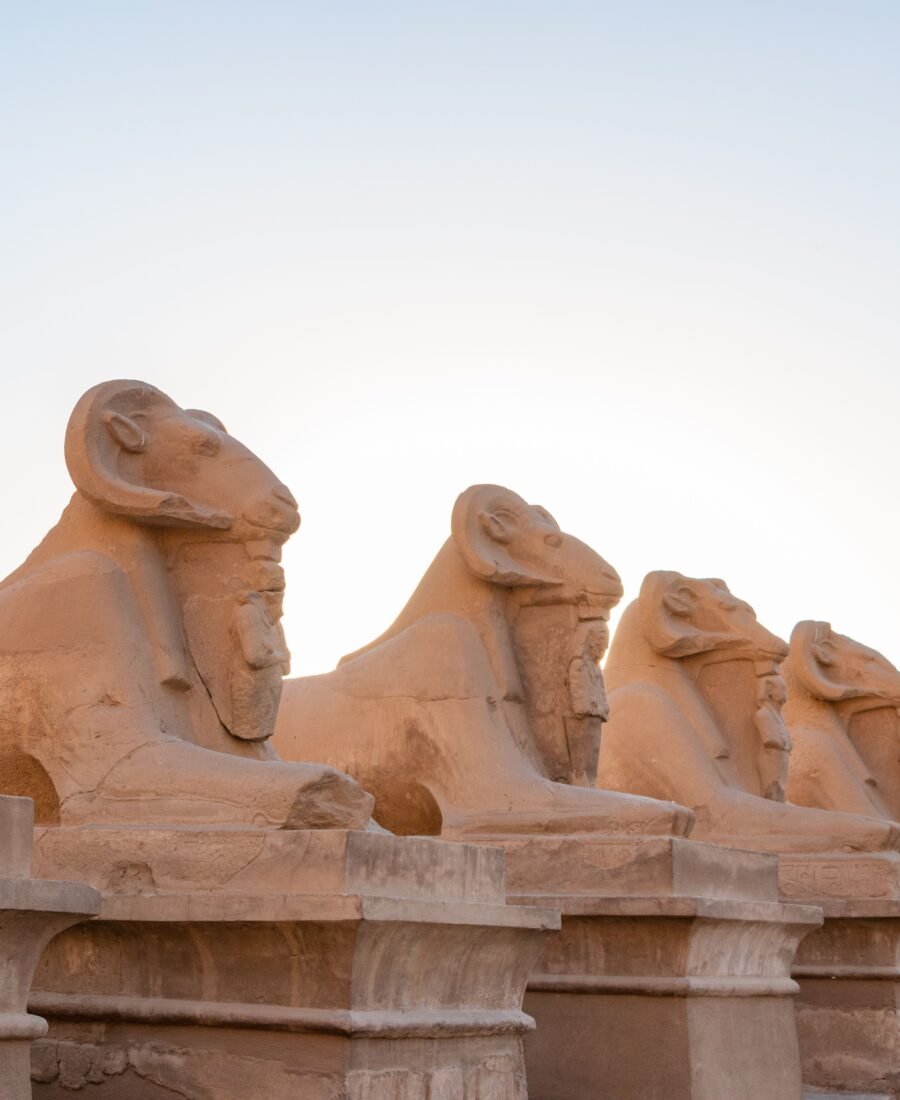
Walk through the ceremonial heart of ancient Egypt.
Request current rateExplore →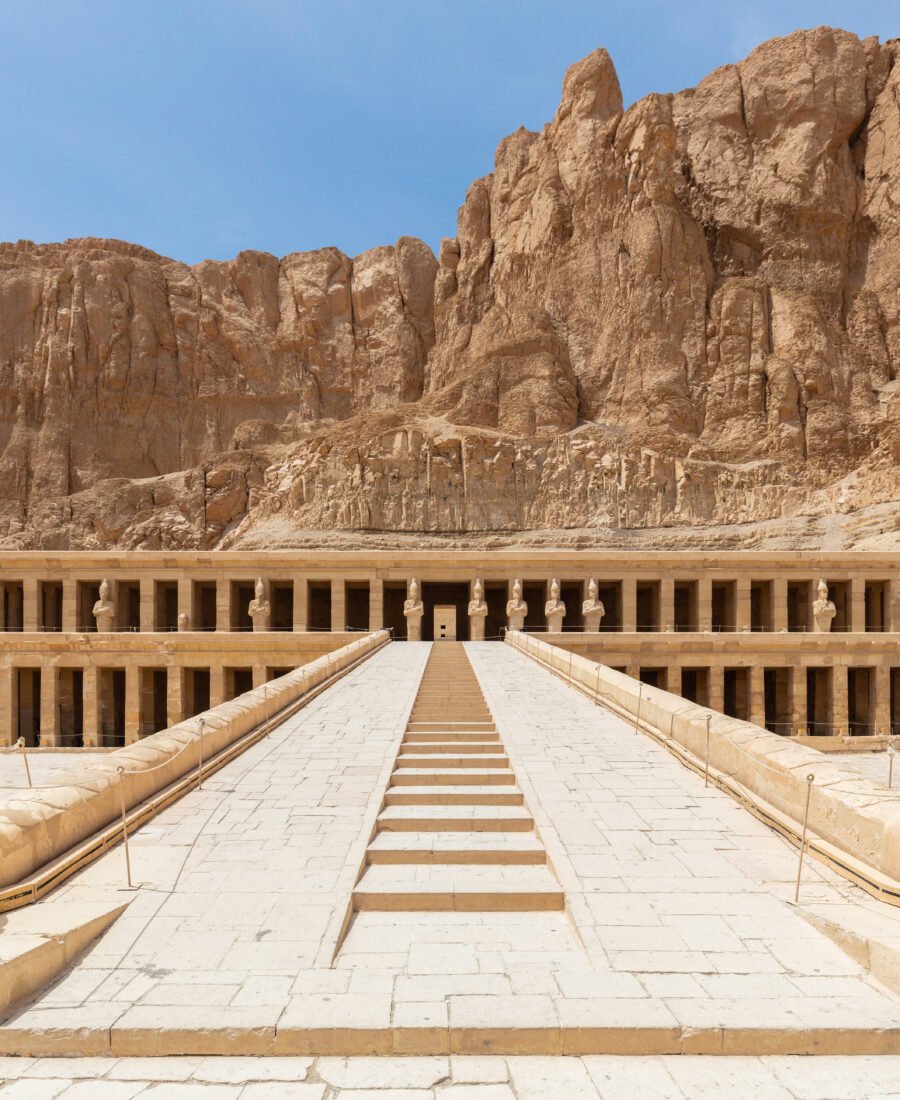
Enter the royal and funerary landscape of ancient Egypt.
Request current rateExplore →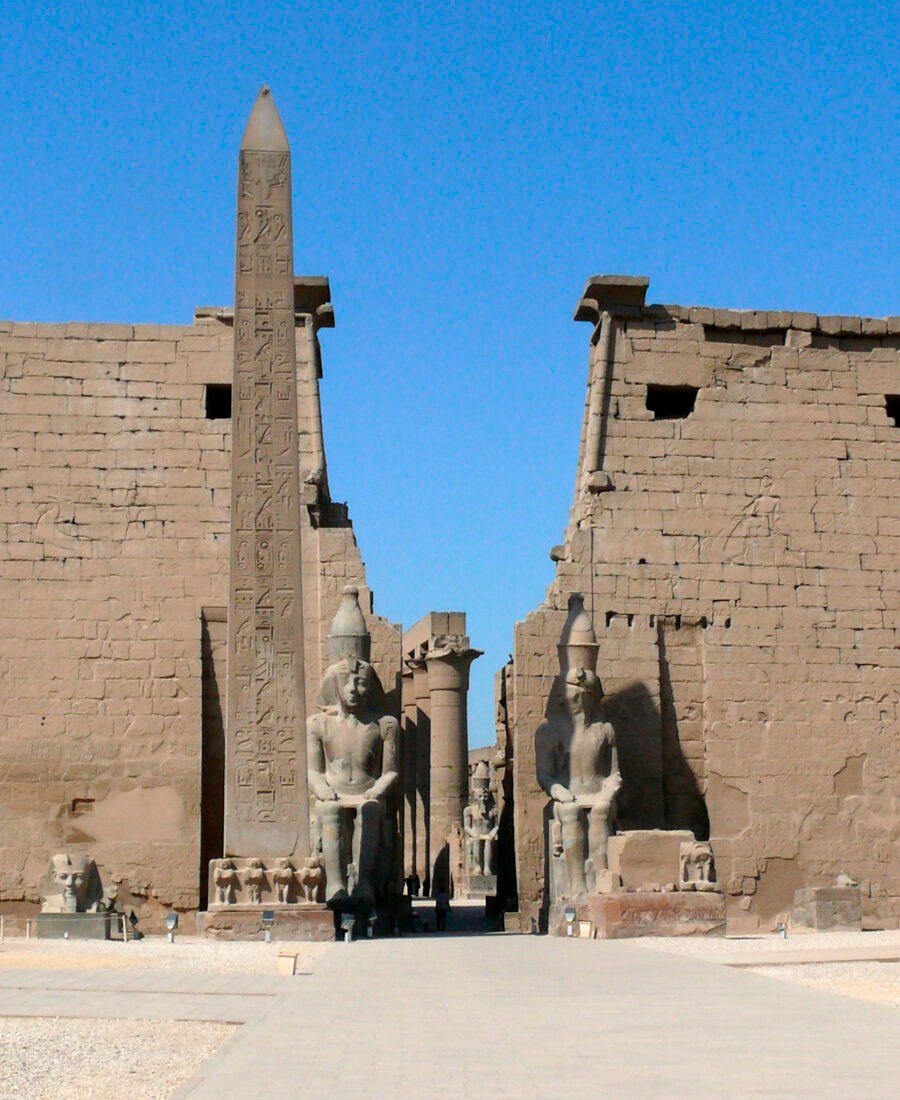
Explore the monumental and ritual heart of ancient Thebes on the East Bank.
Request current rateExplore →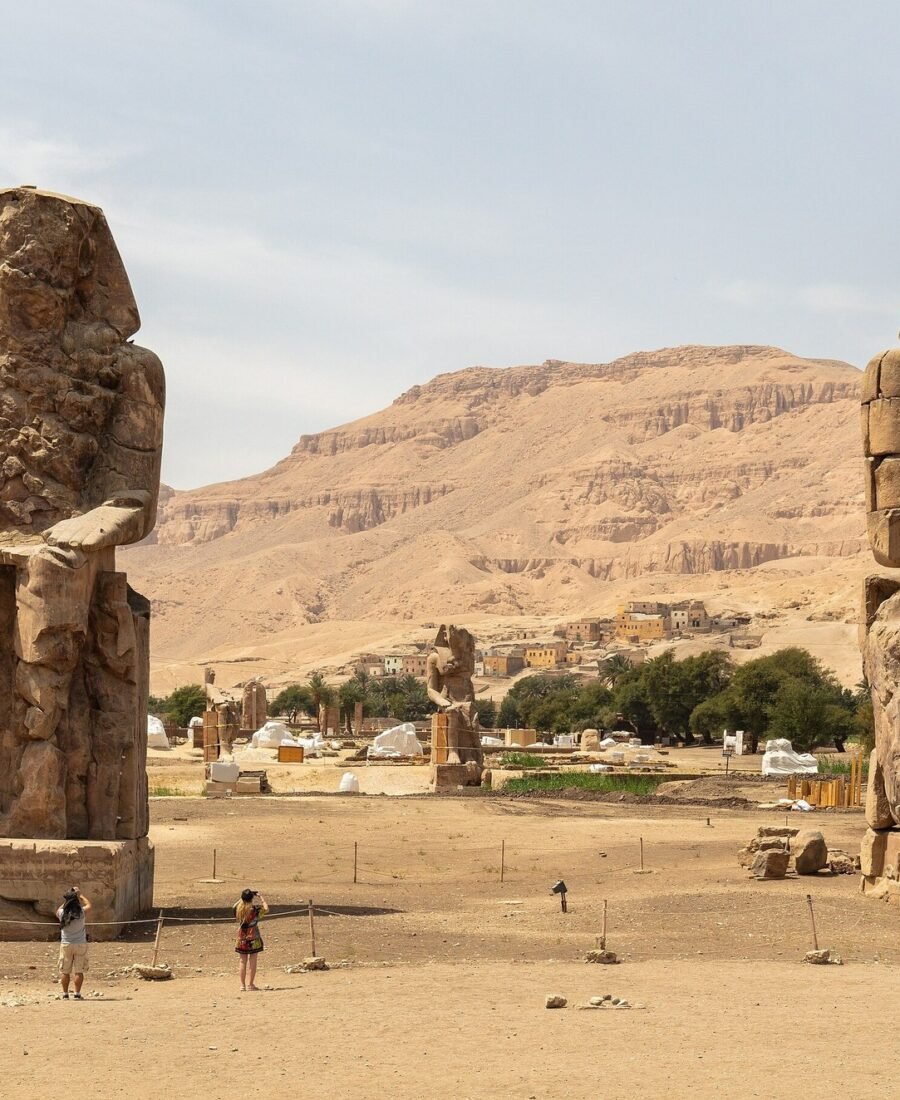
Step beyond the best-known monuments into the quieter archaeological landscape of western Thebes.
Request current rateExplore →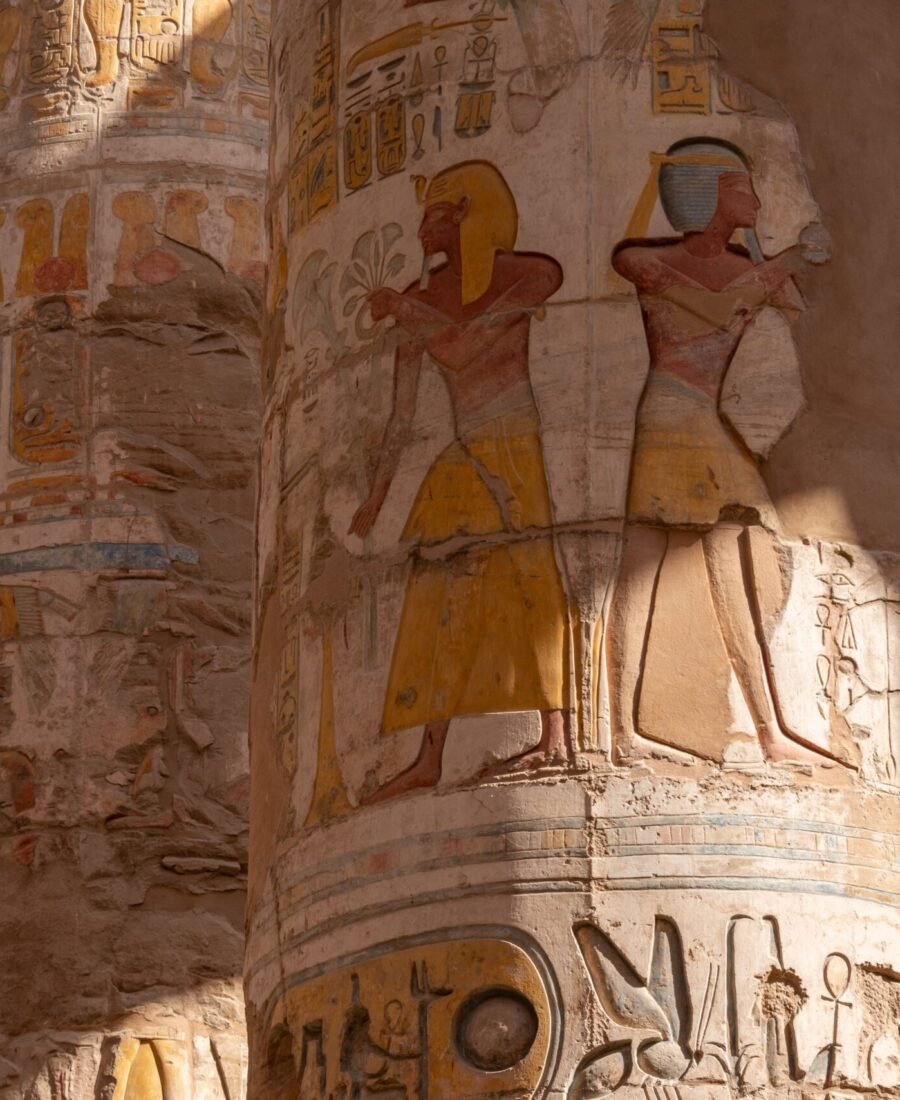
Travel into the spiritual heart of ancient Egyptian religion.
Request current rateExplore →