
Building for community
Look for spaces connected with worship, residence, storage and daily organisation; monasteries were functioning settlements.
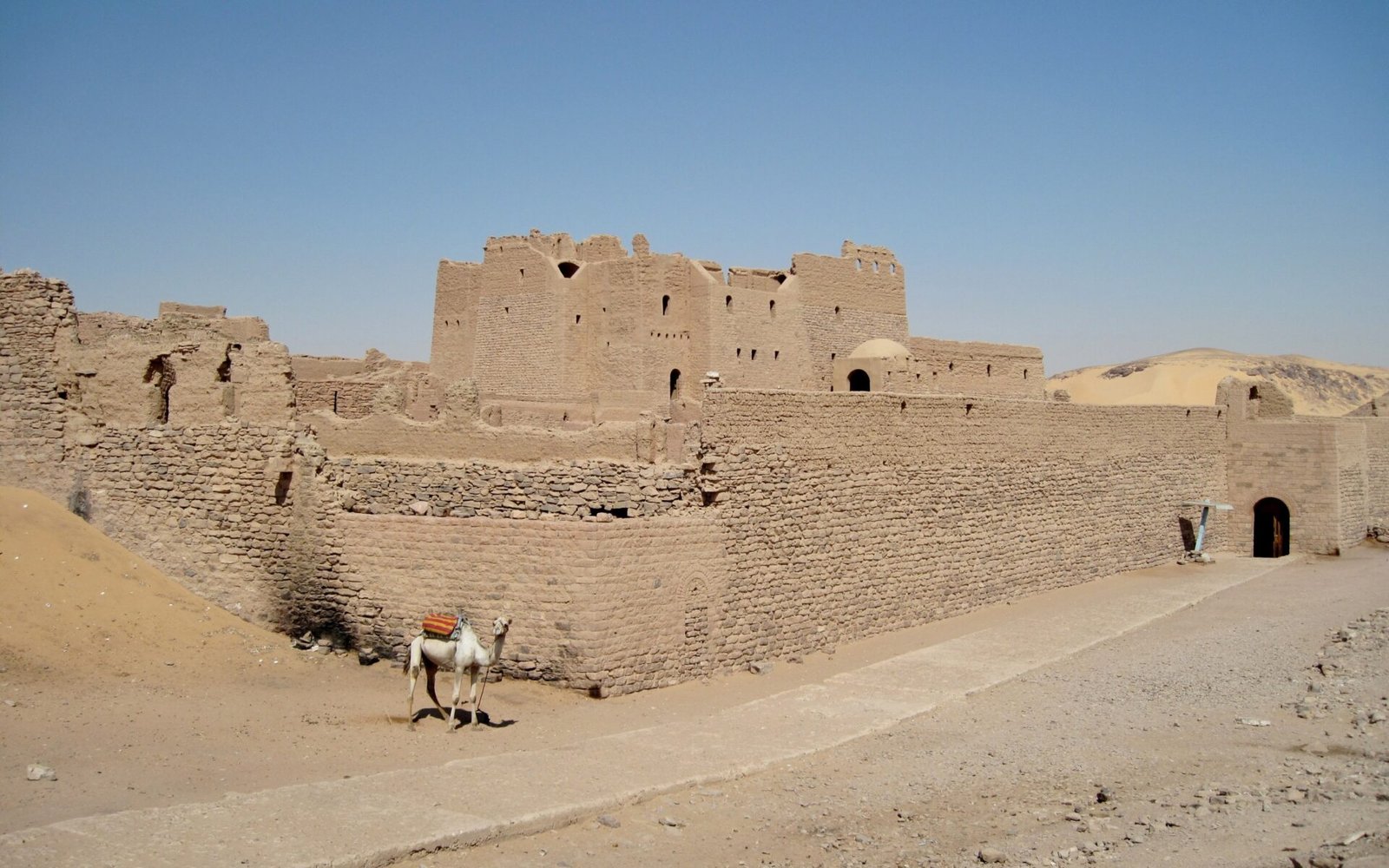
Cross into Aswan’s western desert landscape to explore the monastery of Anba Hadra.
Across the Desert to Anba Hadra Monastery begins with the Nile, crosses to Aswan's western bank and then approaches the monastery through the desert. That geography is essential: the changing distance from river to desert helps explain the isolation and setting of the historic monastic complex.
The monastery—not the camel—is the focus. The approach is designed to make the landscape meaningful, with a camel option where appropriate and local ground transport as an alternative before returning to the Nile by the same broad western-bank logic.
Interpretation stays close to archaeology, text, landscape and what the evidence can actually support.
The monastery of Anba Hadra, often called St Simeon Monastery, belongs to the history of Egyptian monasticism in a landscape very different from the Nile-side temples of Aswan. Crossing the river and moving into the western desert makes physical withdrawal from the city part of the experience. The surviving mud-brick and stone complex preserves church, domestic and communal spaces that help explain monastic life as an organised community rather than as solitary asceticism alone. Its desert position also invites discussion of why early Christian religious life repeatedly sought landscapes of distance, discipline and retreat.
Look for spaces connected with worship, residence, storage and daily organisation; monasteries were functioning settlements.
The material is fragile but historically important, preserving construction traditions often overlooked beside monumental stone temples.
The approach helps explain why remoteness could carry spiritual meaning while still requiring practical supply networks.
The monastery reminds visitors that the region’s history did not end with pharaonic or Greco-Roman temples.
A few defining moments reveal the character of the experience before you explore the full experience.
Keep the archaeological and spiritual history of the monastery at the centre of the visit.
A defining part of Across the Desert to Anba Hadra Monastery, interpreted within the historical and geographical purpose of the experience.
A defining part of Across the Desert to Anba Hadra Monastery, interpreted within the historical and geographical purpose of the experience.
These are approved places in the experience. The cards are intentionally unnumbered because their display order does not imply an operating sequence.
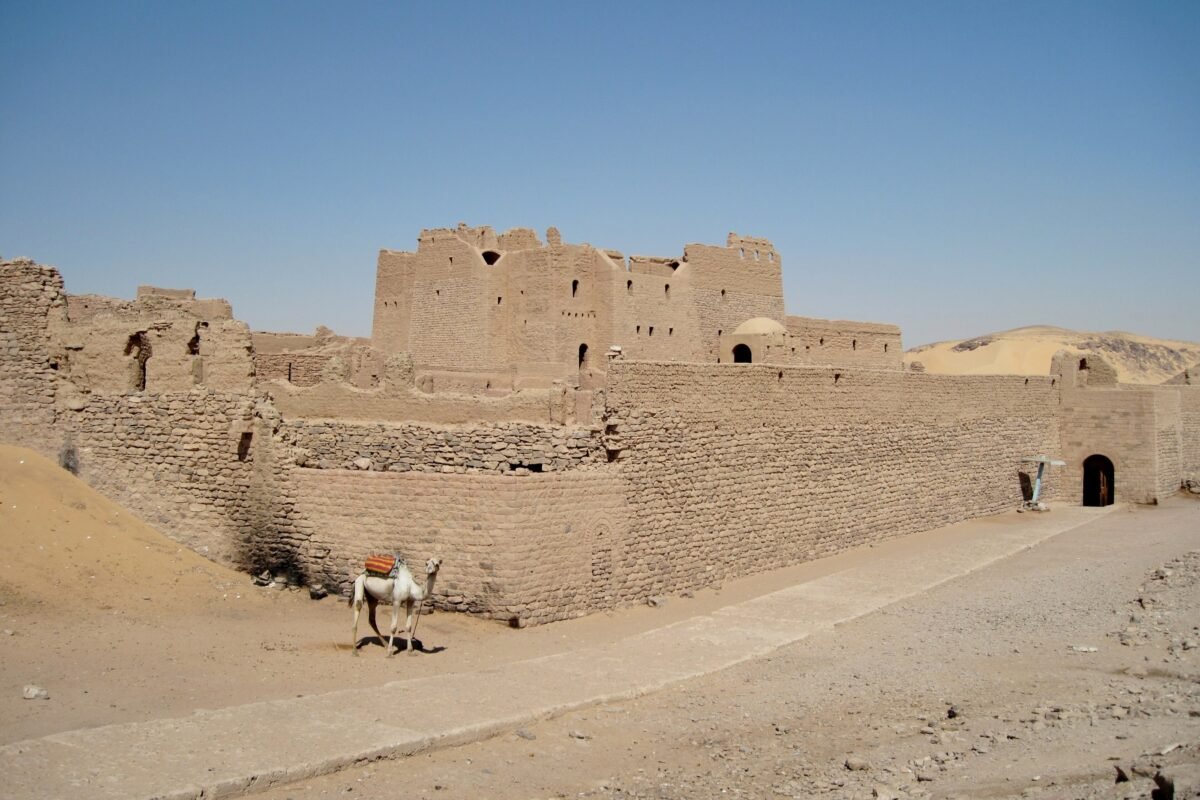
Keep the archaeological and spiritual history of the monastery at the centre of the visit.
Read the site guide →The route creates a deliberate transition from Aswan’s inhabited river edge to a monastic landscape of withdrawal.
Different religions used the same wider Aswan environment in very different ways, making the region’s sacred history genuinely multi-period.
Early monastic communities used distance, landscape and organised communal space in deliberate ways. Seeing the monastery after crossing from the city helps its desert-edge position become part of the historical interpretation.
Your Egyptologist can spend more time where your curiosity is strongest and move more lightly through what matters less, while keeping the day coherent and well paced.
Tell us how you like to travel →Ask us whether this addition fits your date, pace and route.
Ask us whether this addition fits your date, pace and route.
Ask us whether this addition fits your date, pace and route.
Ask us whether this addition fits your date, pace and route.
When an approved public rate is available, the calculator shows the relevant private-party basis. Otherwise, we prepare a personal quotation after checking the date, party and operating arrangements.
The desert approach and ruined architecture are strongest in wide contextual photographs. Mud-brick walls and interior remains benefit from side light. Avoid climbing fragile fabric for a better viewpoint; archaeological preservation takes priority over photography.
The route includes river crossing, desert terrain and potentially uneven walking. It is not ideal for guests wanting an easy paved heritage stop or those uncomfortable with open sun and rough ground.
The route is motorboat crossing → western bank → desert approach → Anba Hadra Monastery → return to the Nile → motorboat back to Aswan. Camel use is optional and subject to suitability; ground transport can be arranged where appropriate. Expect desert heat and uneven archaeological terrain.
Sacred Egypt travellers, photographers, repeat visitors and anyone interested in early Christian history and desert landscape.
No. A camel can be an appropriate traditional means of approaching the monastery, but it is not the attraction and a local ground-transport alternative can be arranged where suitable.
Yes. The route follows the river crossing, western bank, desert approach and Anba Hadra Monastery before returning to Aswan. Local ground arrangements and timing are confirmed for your date.
It adds an early Christian and monastic chapter to a region usually presented only through pharaonic temples and Nubian culture.
No. The surviving complex shows organised communal life, with spaces serving worship, residence and practical needs.
The approach makes landscape part of the interpretation. Moving from river settlement toward desert retreat helps explain why the monastery’s setting matters historically.
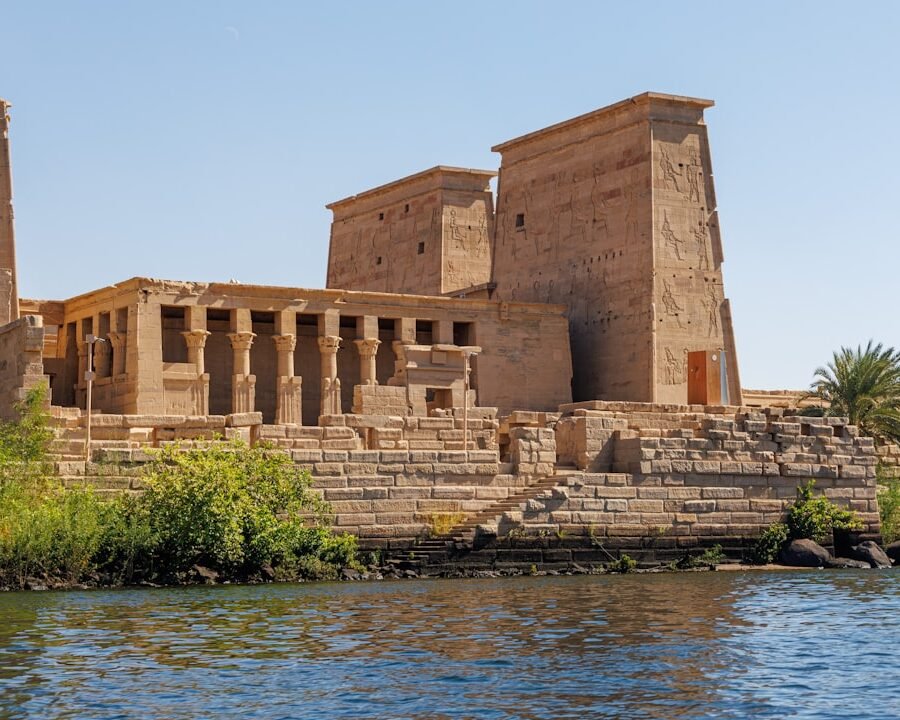
A clear first encounter with Aswan’s archaeology, river landscape and southern character.
Request current rateExplore →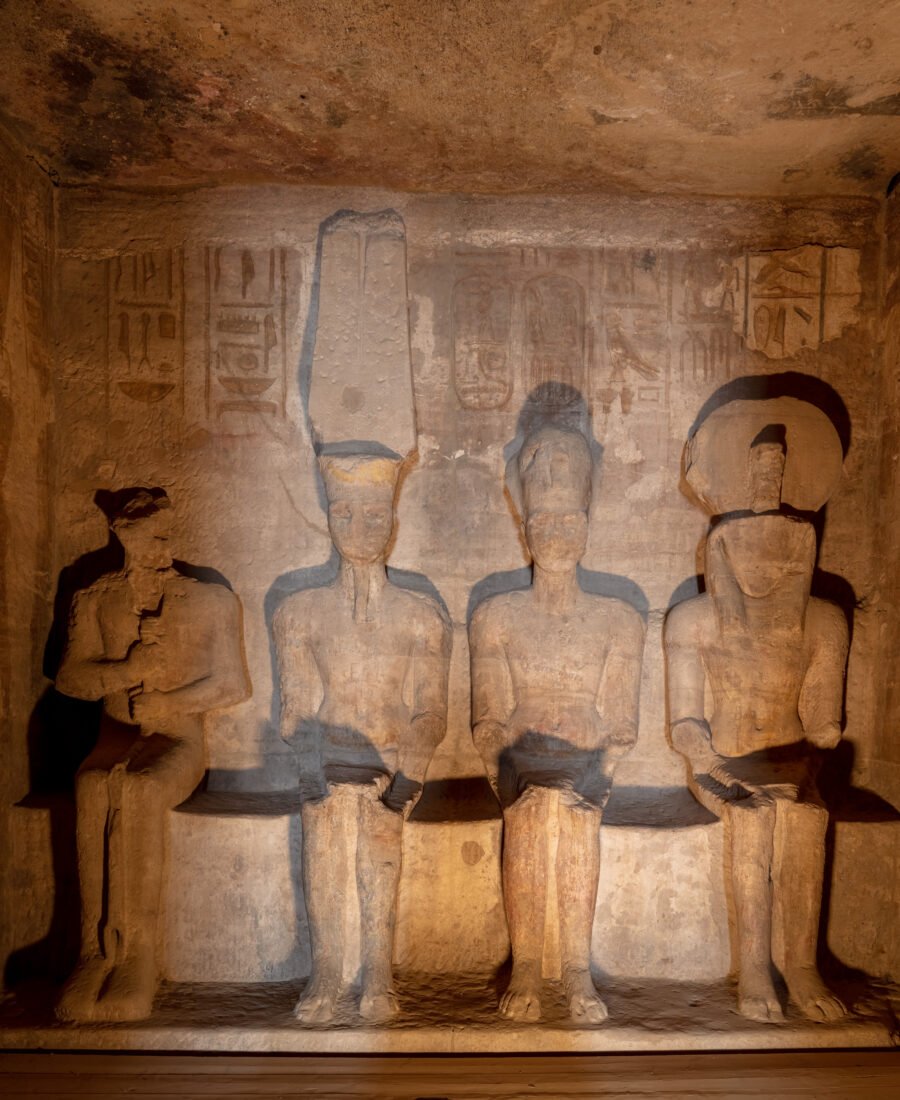
Travel south to one of Egypt’s most extraordinary monumental landscapes.
Request current rateExplore →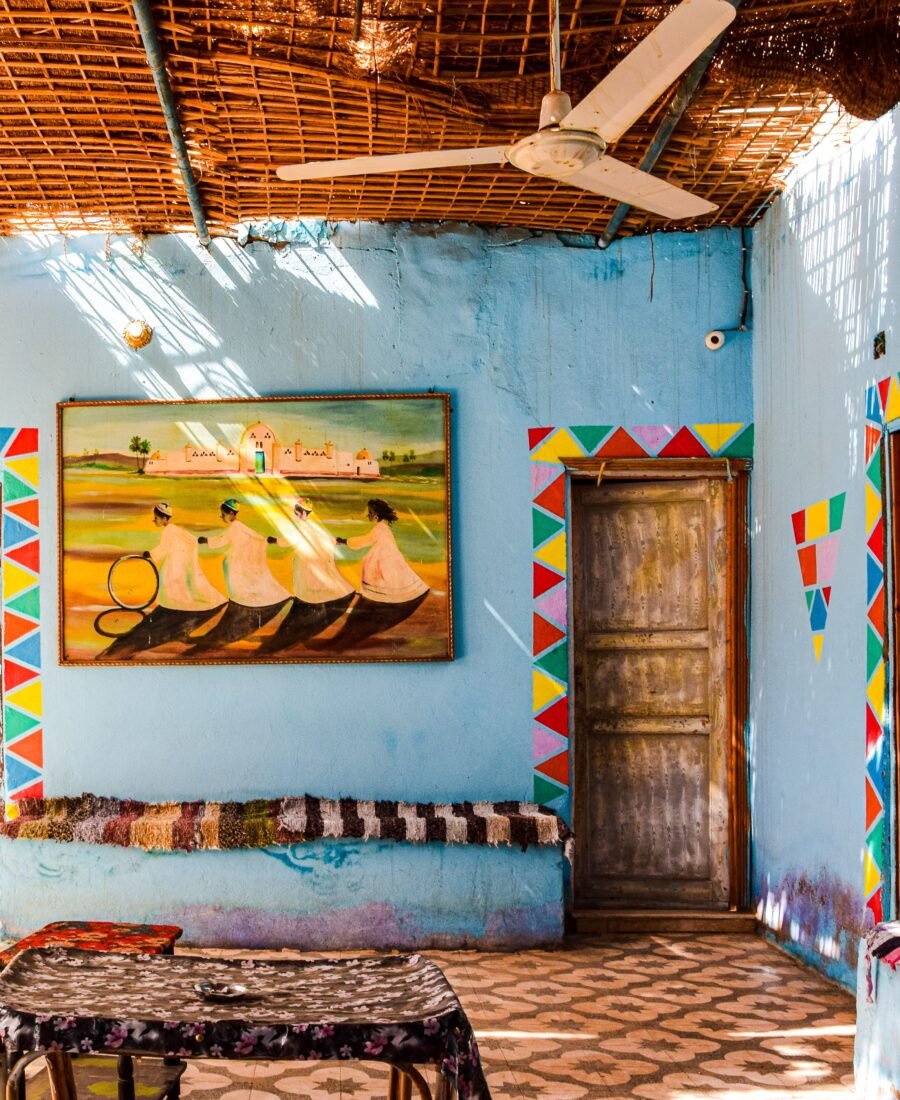
Connect sacred Philae with contemporary Nubian life in one carefully paced day.
Request current rateExplore →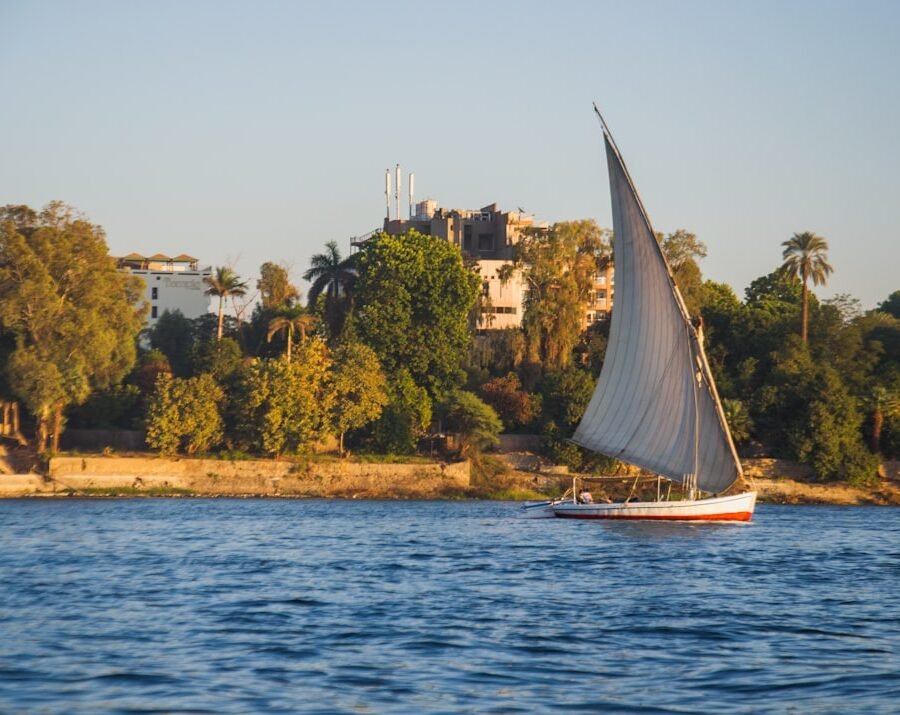
Slow the pace on the Nile around Aswan’s islands and granite river landscape.
Request current rateExplore →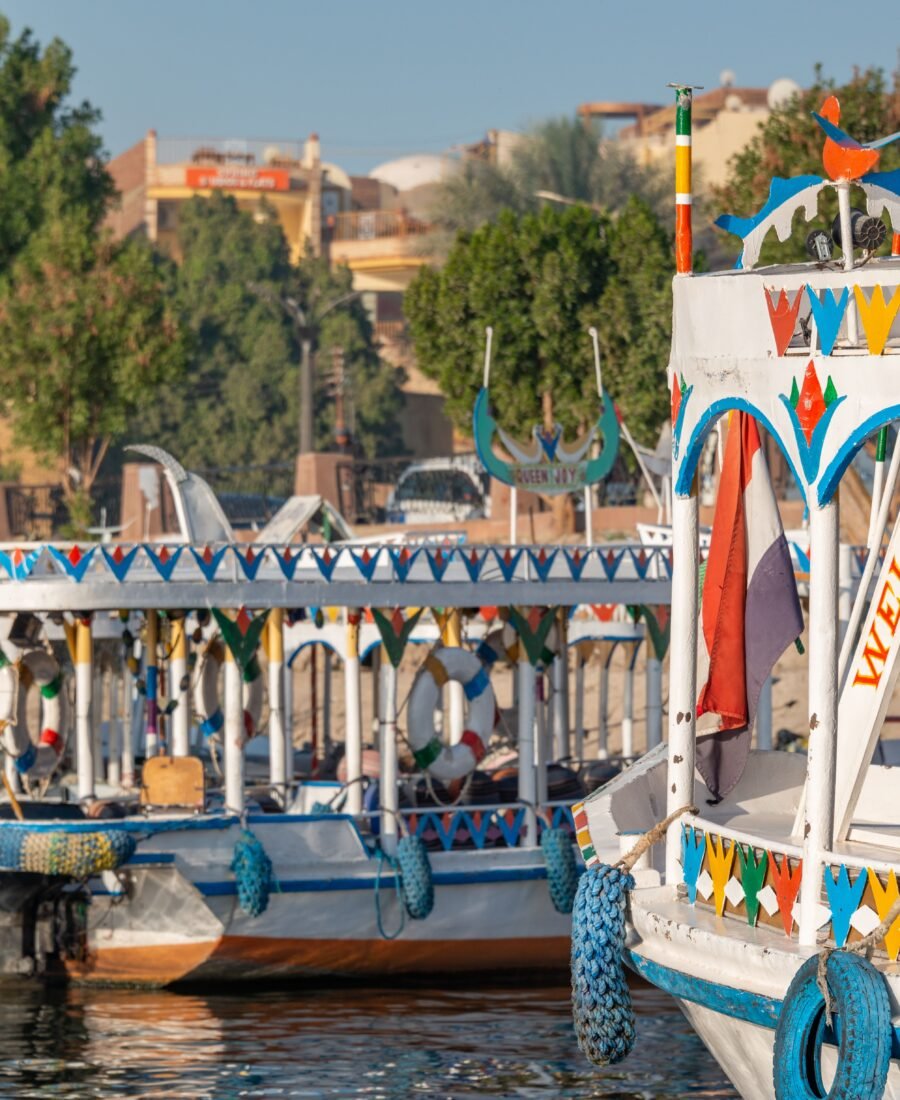
Meet Nubian life through place, conversation and a hosted family meal.
Request current rateExplore →