
Mandulis and Nubian religion
Use the temple to discuss a local deity within the wider Egyptian religious world rather than assuming every temple served the same gods.
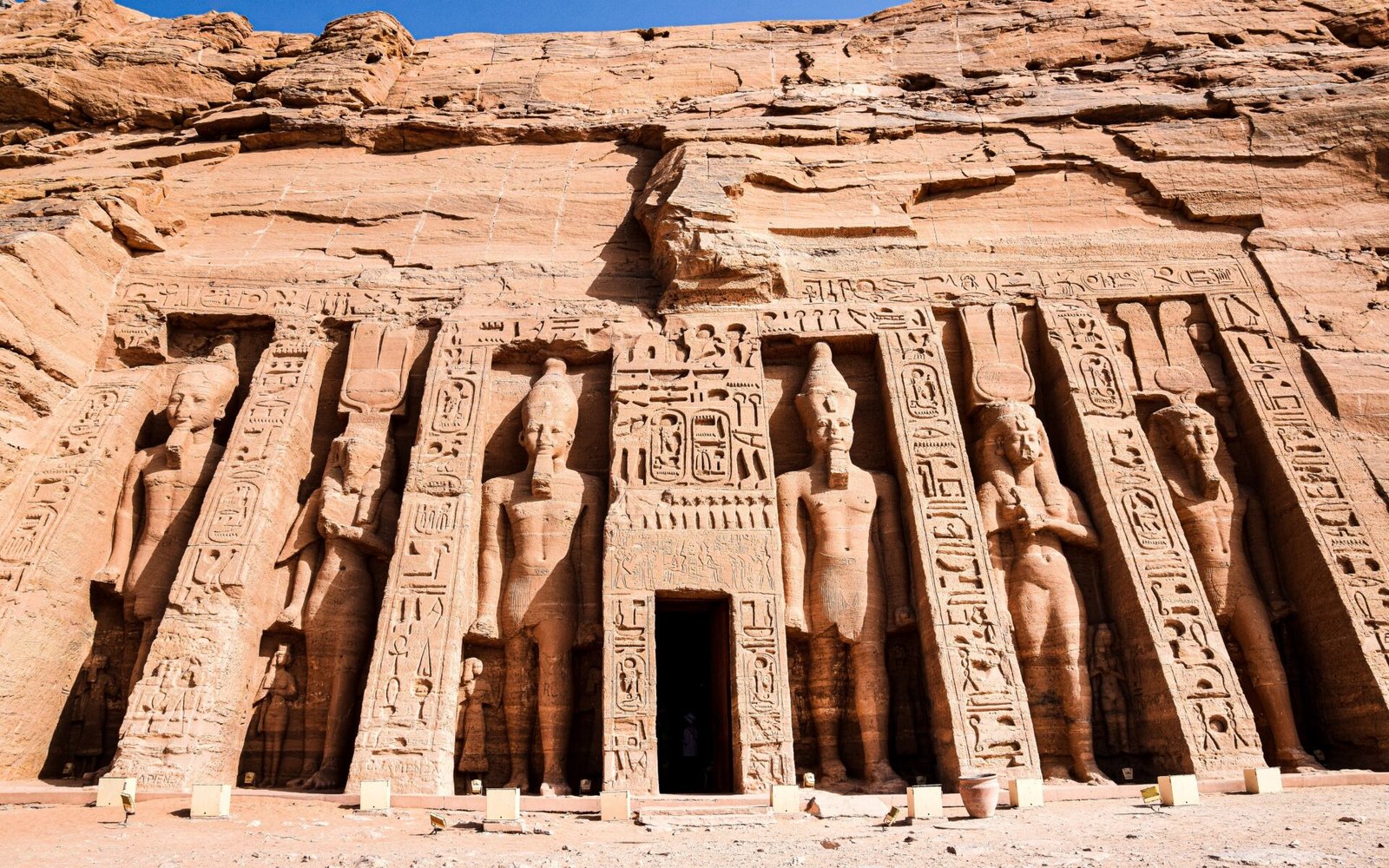
Explore the relocated temples and open landscapes around Lake Nasser.
Kalabsha and Lake Nasser tell two stories at once: an ancient sacred landscape and the modern rescue and relocation of monuments as the Nile environment changed. The quieter setting gives the visit a very different character from central Aswan's busier temple circuits.
The experience is valuable for travellers interested in Nubian monuments and conservation history. Lake Nasser becomes part of the explanation because the modern water landscape is inseparable from why the monuments stand where they do today.
Interpretation stays close to archaeology, text, landscape and what the evidence can actually support.
Kalabsha is a powerful place to discuss both ancient religion and modern heritage rescue. The main temple, dedicated to the Nubian god Mandulis in its later form, was relocated from its original site as the waters of Lake Nasser transformed Lower Nubia. The reconstructed setting creates a striking but modern relationship between sandstone architecture, open water and desert. Understanding that relocation is essential: the site is authentic ancient fabric in a new landscape, and the tension between preservation and lost context is part of what makes the visit intellectually interesting.
Use the temple to discuss a local deity within the wider Egyptian religious world rather than assuming every temple served the same gods.
Look closely at masonry and reconstructed setting to understand how large monuments were documented, dismantled and rebuilt.
The vast water landscape is a twentieth-century creation, so ancient and modern geography must be kept distinct.
Ask what is preserved when a monument moves and what is inevitably lost when original orientation and surroundings change.
These are approved places in the experience. The cards are intentionally unnumbered because their display order does not imply an operating sequence.
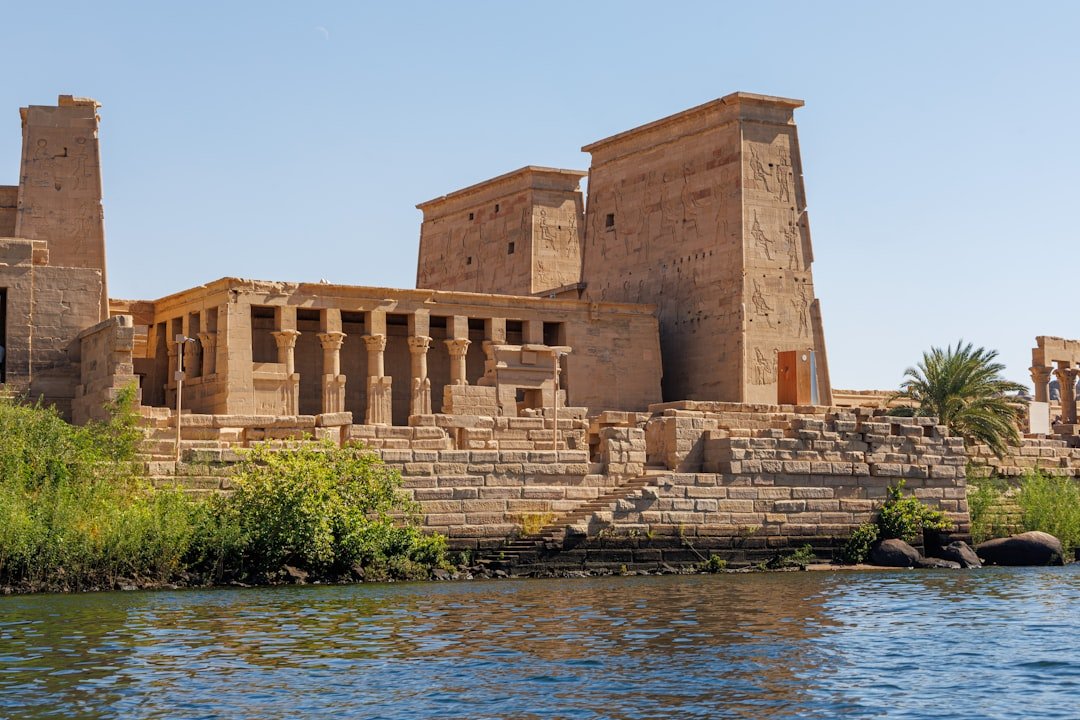
Explore a major Nubian temple complex in its present setting.
Read the site guide →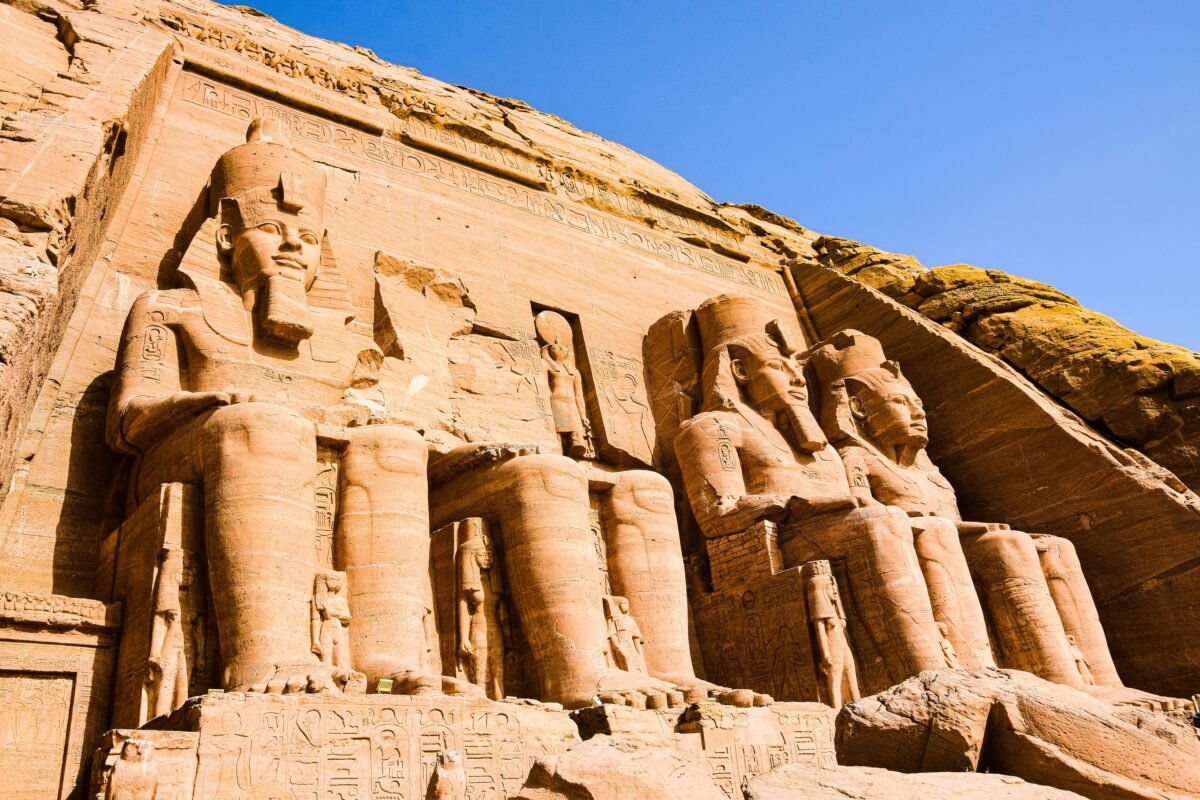
Use the modern reservoir landscape to frame the story of relocation and rescue.
Read the site guide →Saving temples was an extraordinary achievement, but it accompanied the submergence and displacement of much of historic Nubia.
Kalabsha shows how Nubian divine traditions could be expressed through Egyptian-style monumental architecture.
Relocated temples challenge the idea that archaeology is fixed in place. Kalabsha opens a conversation about ancient religion, modern engineering, documentation and the choices involved in preserving heritage.
Your Egyptologist can spend more time where your curiosity is strongest and move more lightly through what matters less, while keeping the day coherent and well paced.
Tell us how you like to travel →Ask us whether this addition fits your date, pace and route.
Ask us whether this addition fits your date, pace and route.
Ask us whether this addition fits your date, pace and route.
Ask us whether this addition fits your date, pace and route.
When an approved public rate is available, the calculator shows the relevant private-party basis. Otherwise, we prepare a personal quotation after checking the date, party and operating arrangements.
The relocated temple works especially well in wide compositions with Lake Nasser, because the modern setting is part of the story. Detail images of relief and masonry help document the ancient fabric. Heat, glare and open exposure can be severe.
Travellers interested only in monuments in their original archaeological setting may find the relocated context challenging; that challenge is precisely part of the interpretation rather than something to hide.
Access involves transport beyond central Aswan and may include boat or vehicle arrangements depending on the confirmed route. Heat, open sun and current site access should be considered when setting the pace.
Repeat visitors, archaeology enthusiasts and travellers interested in Nubian monuments, conservation and Lake Nasser.
The historical setting and modern rescue story are different. Kalabsha is especially rewarding for travellers interested in Nubian monuments and the consequences of the transformed Lake Nasser landscape.
The defining places and historical focus are established, while the operating order is confirmed around current access, opening conditions, local logistics and your pace. Your final programme states the sequence clearly before travel.
No. The temple was relocated to protect it from rising water associated with the creation of Lake Nasser.
A Nubian deity worshipped in the region. His temple helps show that Nubian religious traditions interacted with Egyptian monumental and ritual forms.
The ancient stone and decoration remain genuine, but the geographical context is reconstructed. A responsible visit discusses both preservation and the loss of original setting.
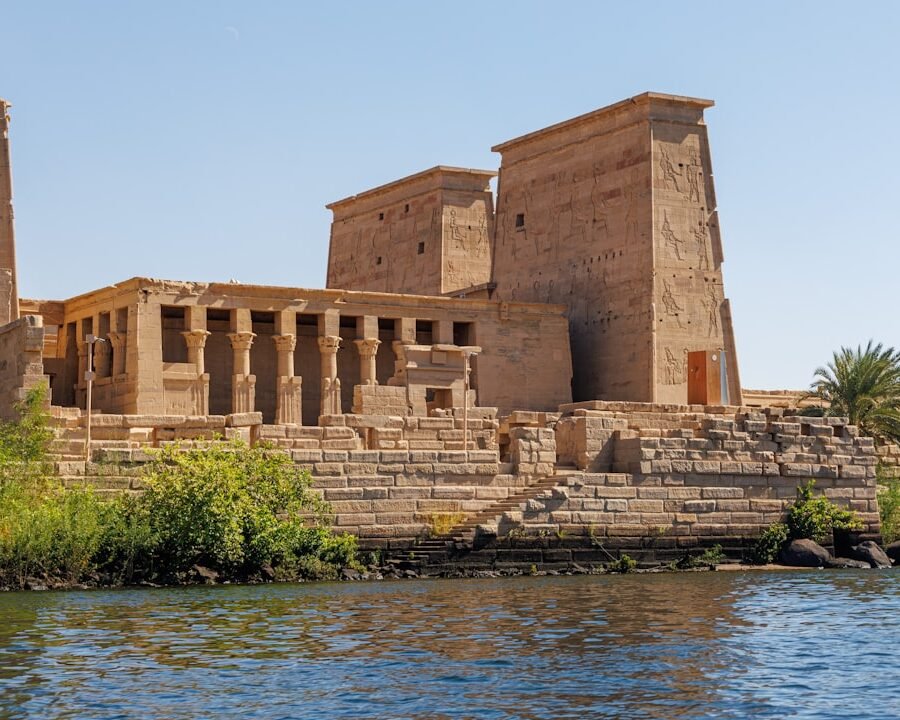
A clear first encounter with Aswan’s archaeology, river landscape and southern character.
Request current rateExplore →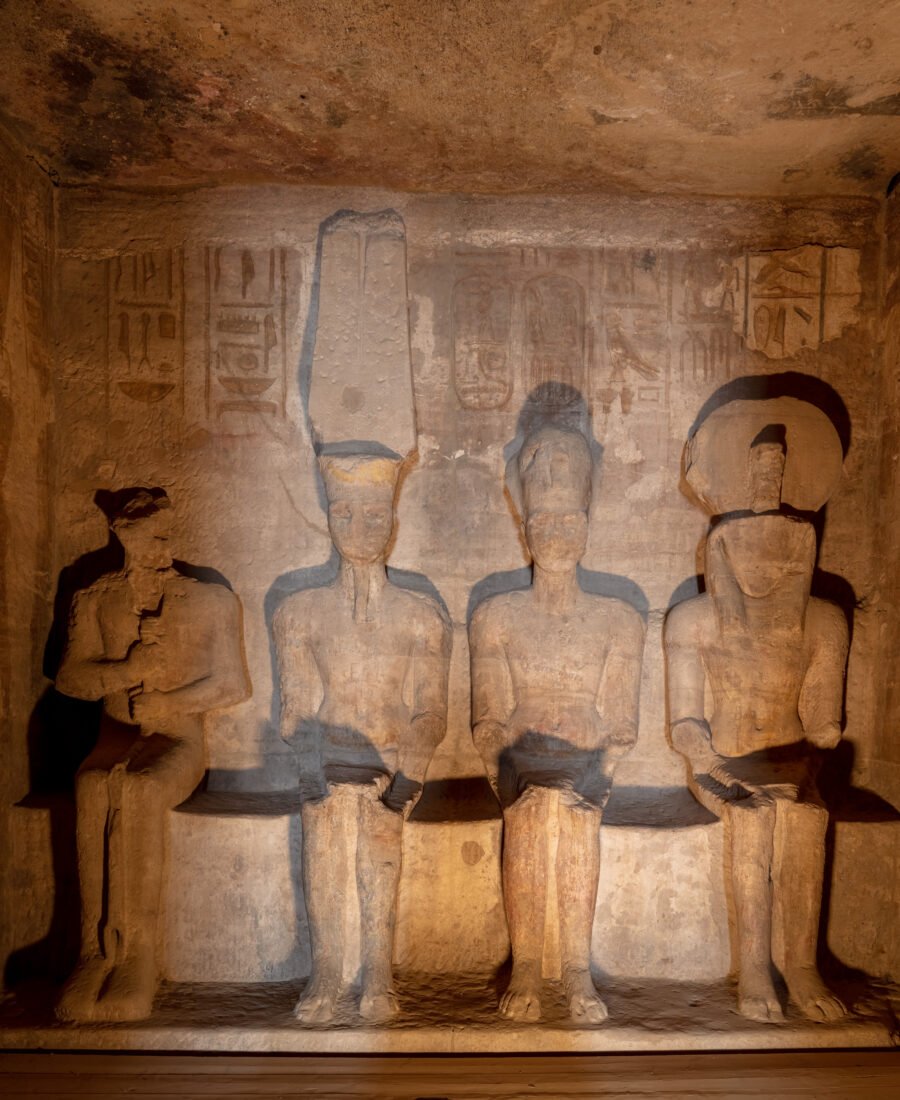
Travel south to one of Egypt’s most extraordinary monumental landscapes.
Request current rateExplore →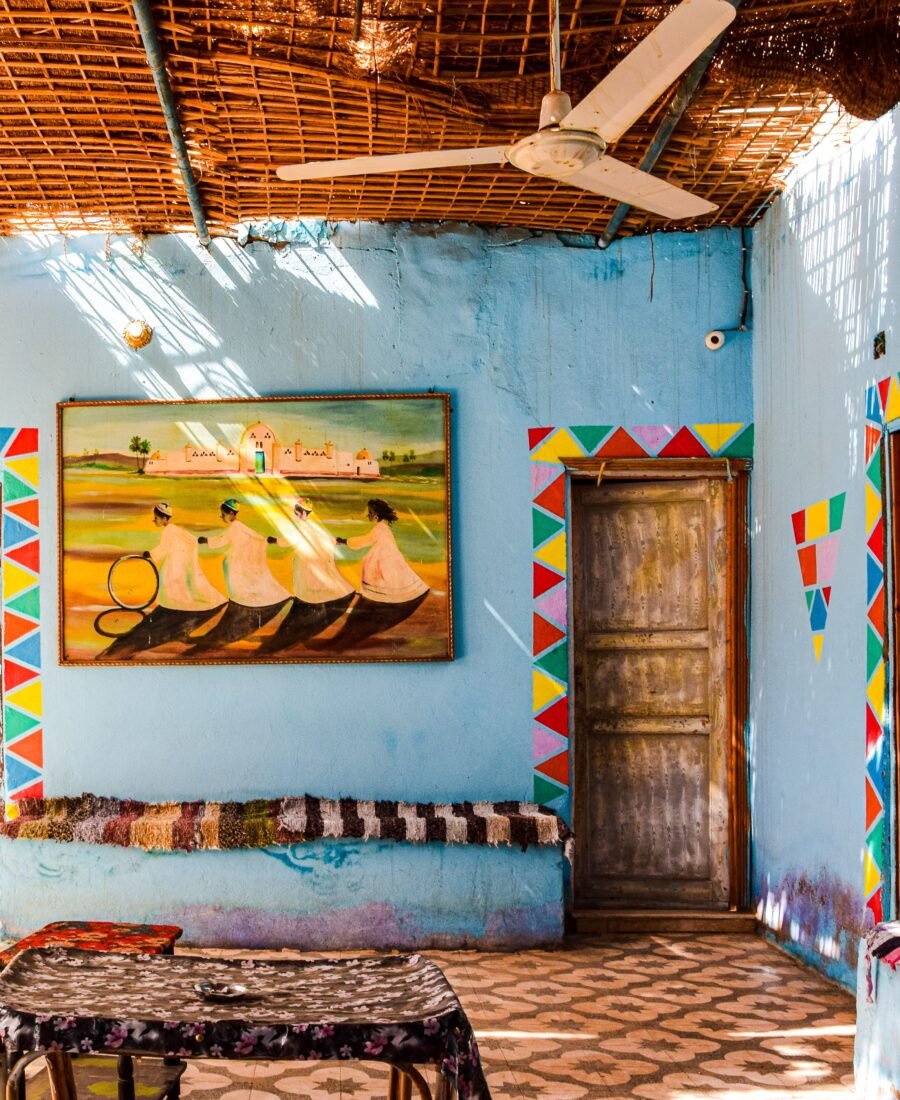
Connect sacred Philae with contemporary Nubian life in one carefully paced day.
Request current rateExplore →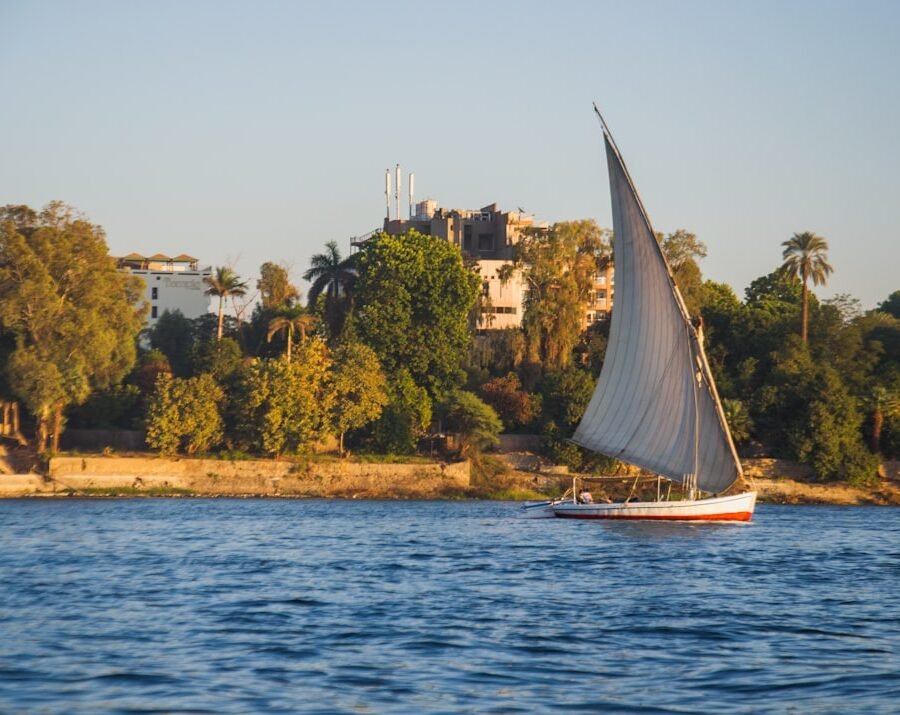
Slow the pace on the Nile around Aswan’s islands and granite river landscape.
Request current rateExplore →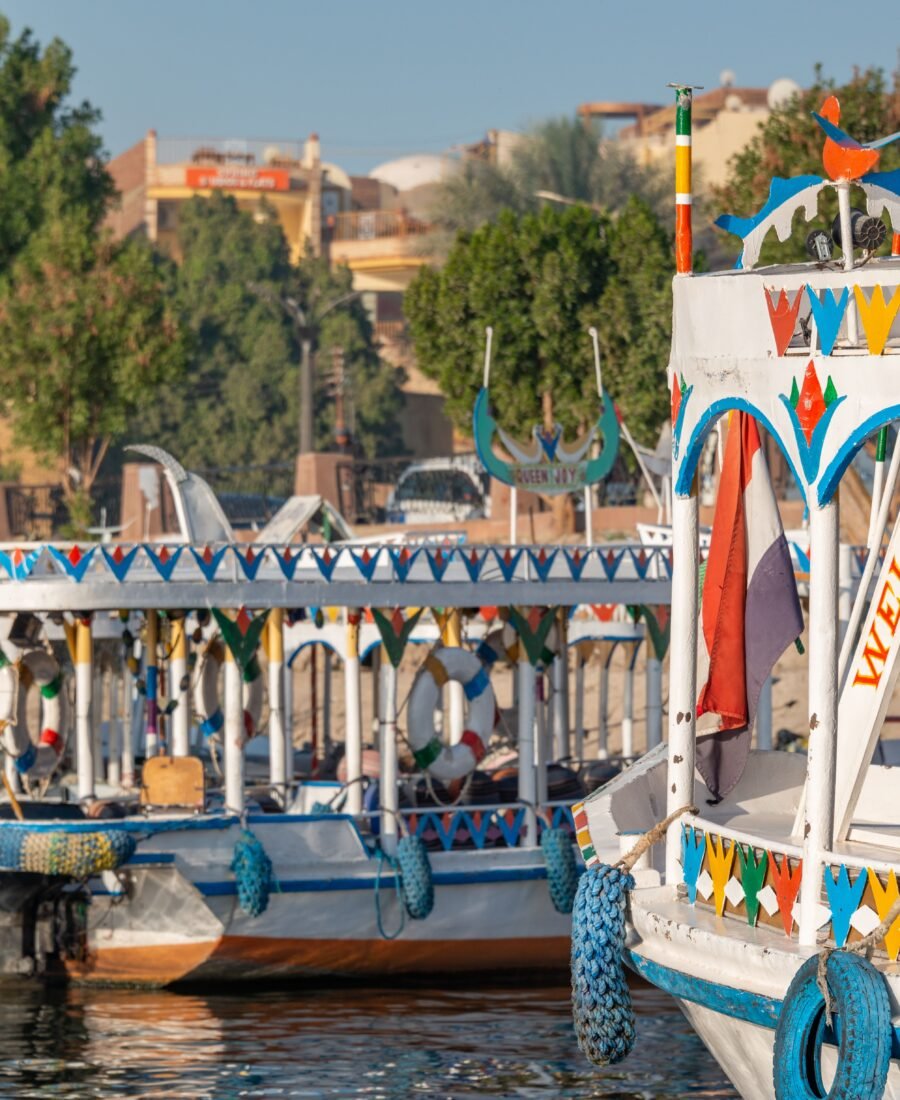
Meet Nubian life through place, conversation and a hosted family meal.
Request current rateExplore →