
What locals buy
Distinguish everyday household trade from products aimed mainly at visitors.
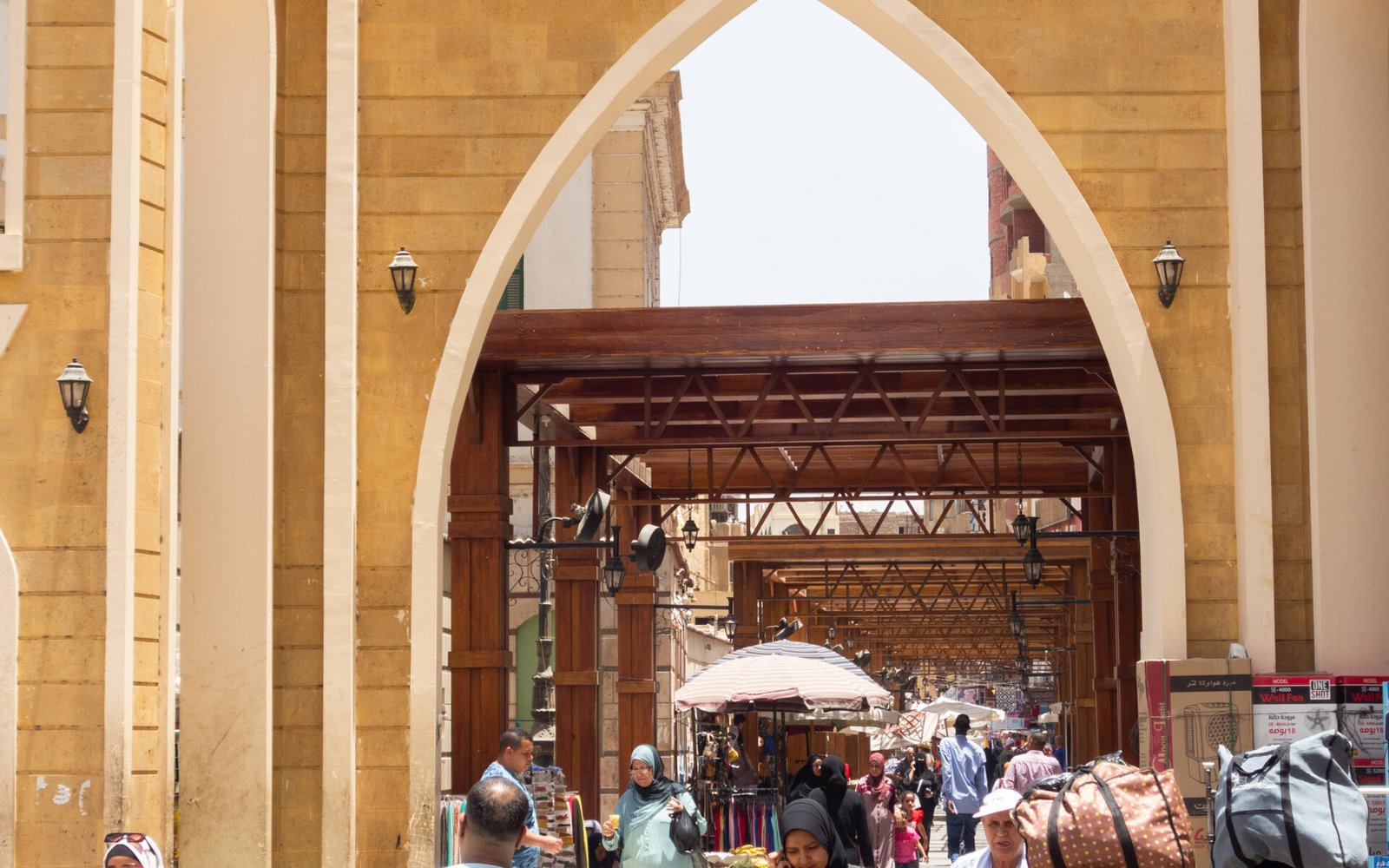
Experience Aswan’s everyday energy after sunset.
Aswan's souq is most rewarding when treated as an everyday evening space rather than as an exotic backdrop. This walk focuses on spices, local trade, street rhythm and conversation, with tea or another local pause included only when it forms part of the confirmed programme.
The experience gives travellers a city chapter after archaeology and river touring. It is intentionally simple: walk, observe, taste where appropriate and understand how Aswan moves after sunset.
Interpretation stays close to archaeology, text, landscape and what the evidence can actually support.
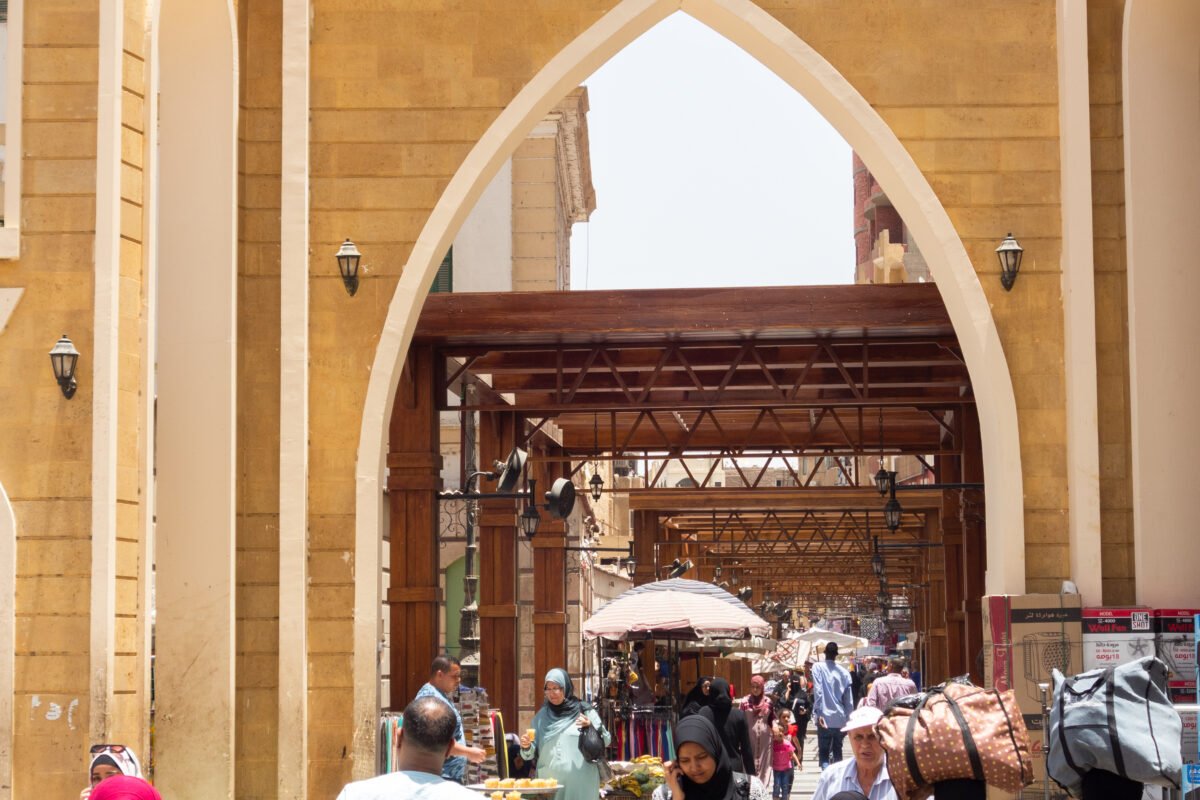
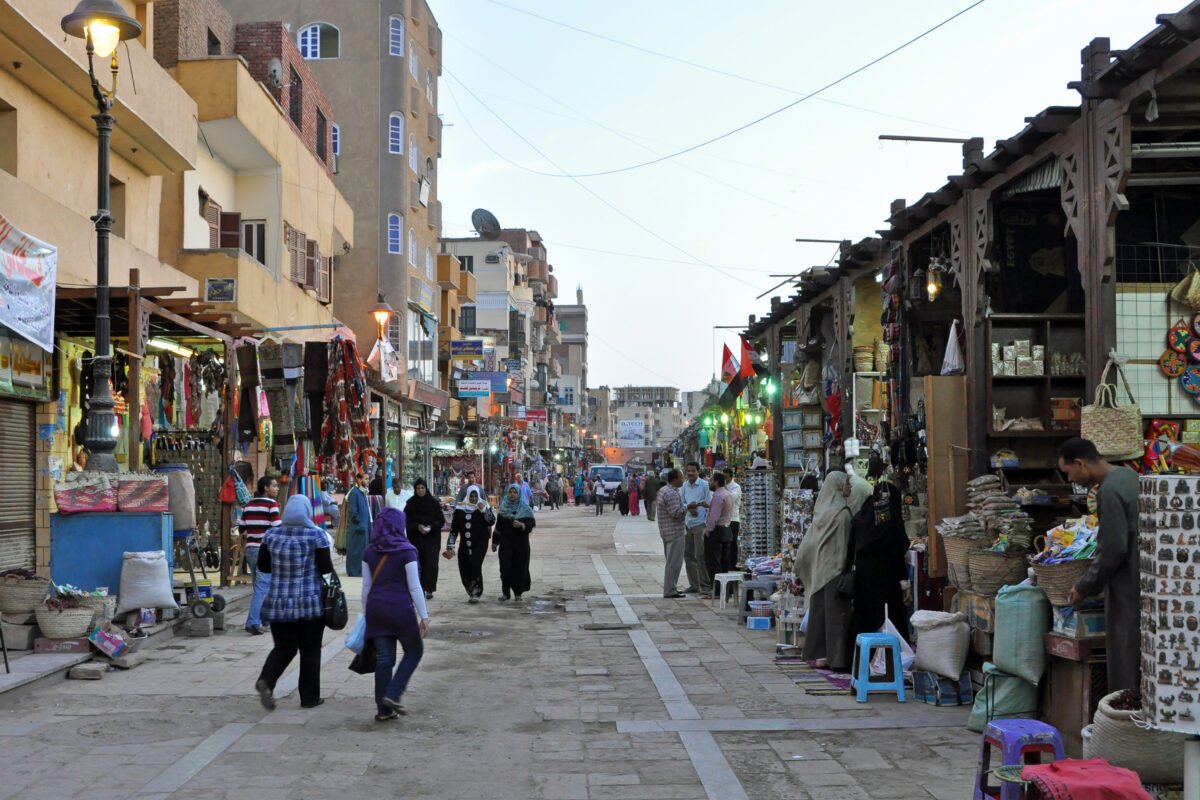
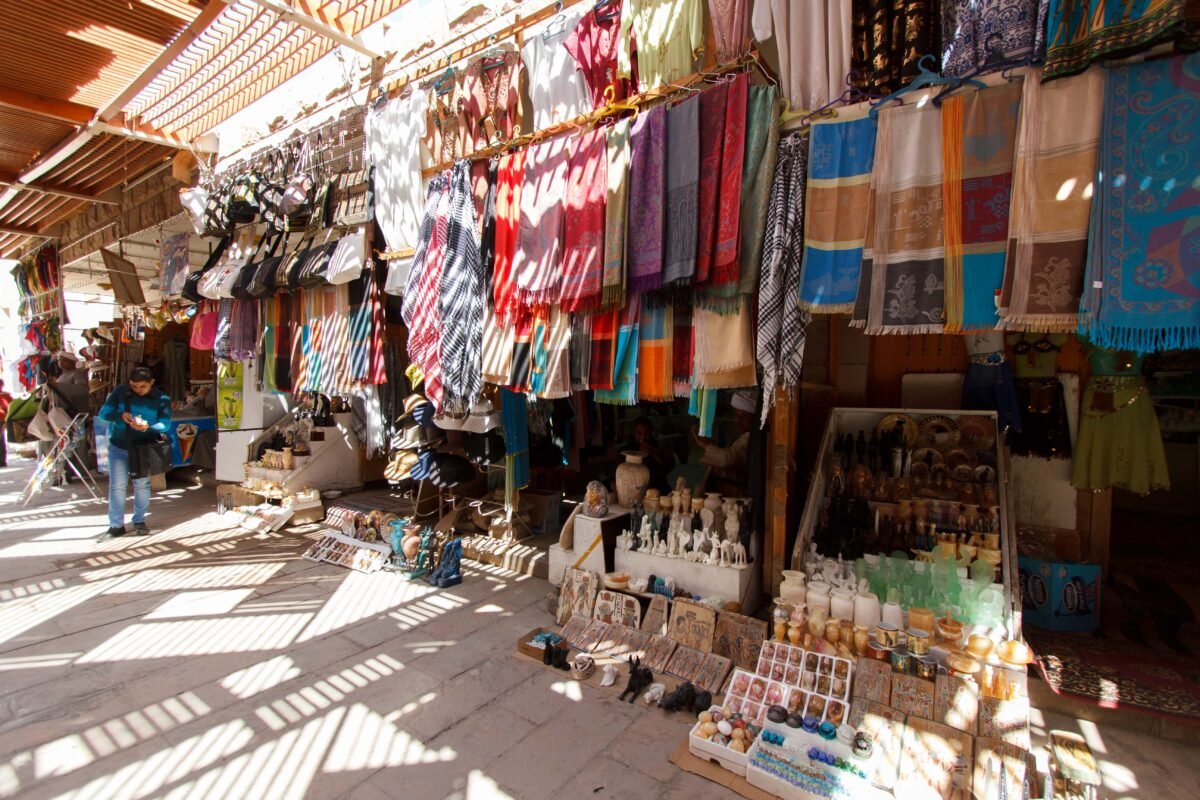
Aswan’s souq is a working urban market shaped by the city’s position between Upper Egypt, Nubia and long-distance trade routes. Spices, dried goods, textiles and household items reflect both tourism and everyday local demand. The evening is best approached as an exercise in urban observation: how shops occupy the street, how social life changes after sunset, and how regional products circulate through a modern market whose history is connected to Aswan’s older role as a trading threshold.
Distinguish everyday household trade from products aimed mainly at visitors.
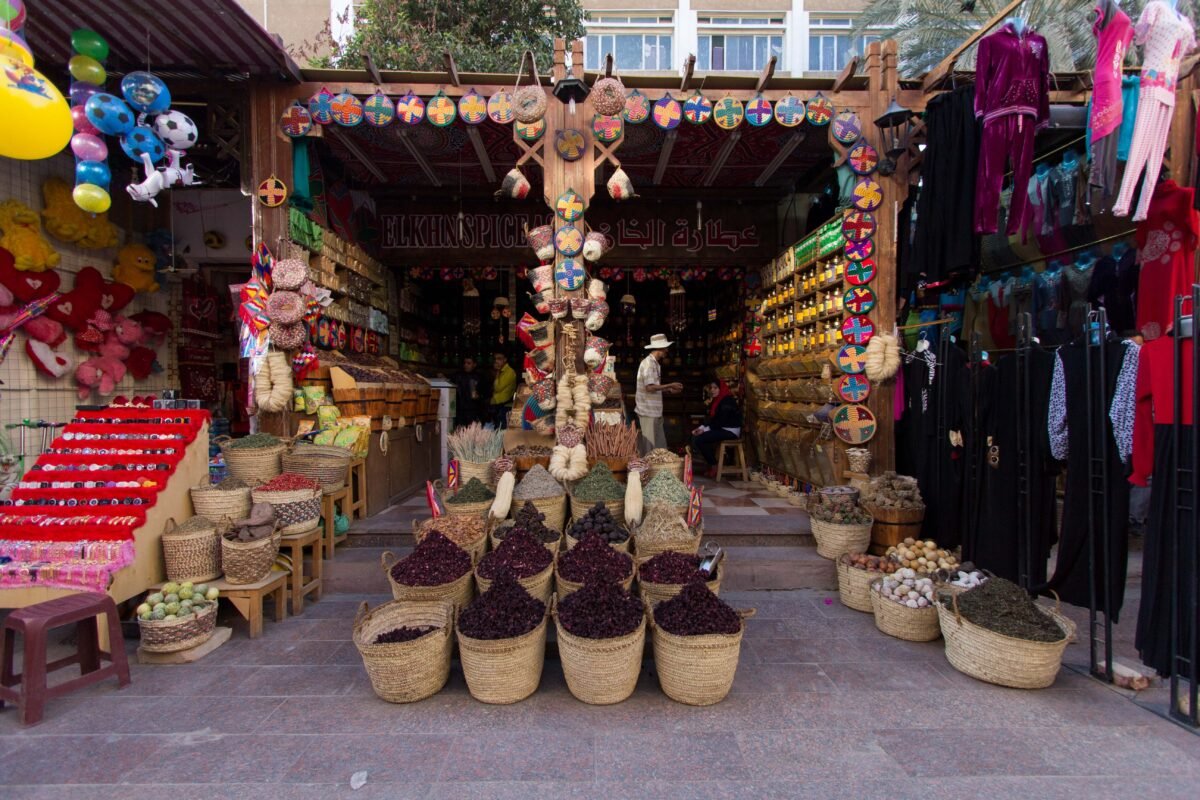
Spices and dried botanicals are part of the sensory identity of the market, but ask what they are used for rather than treating them as decoration.
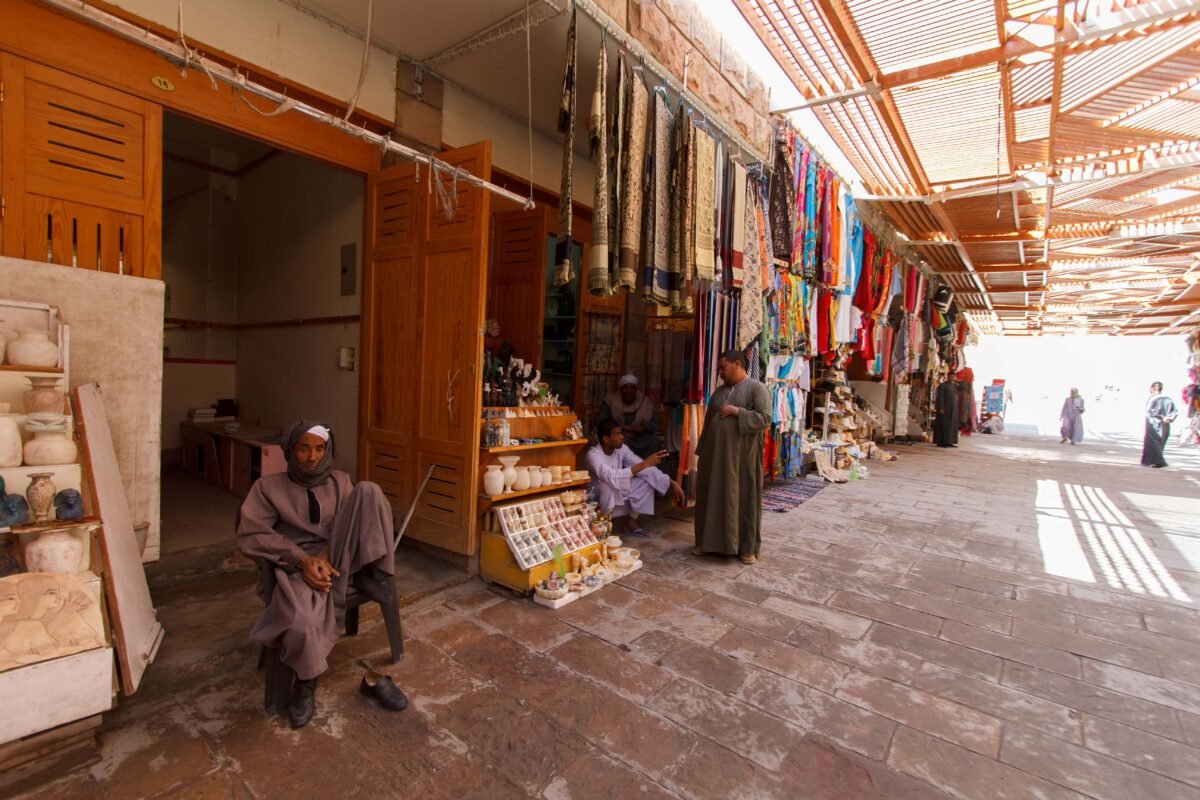
Notice how goods spill into the street and how pedestrian movement reorganises after dark.
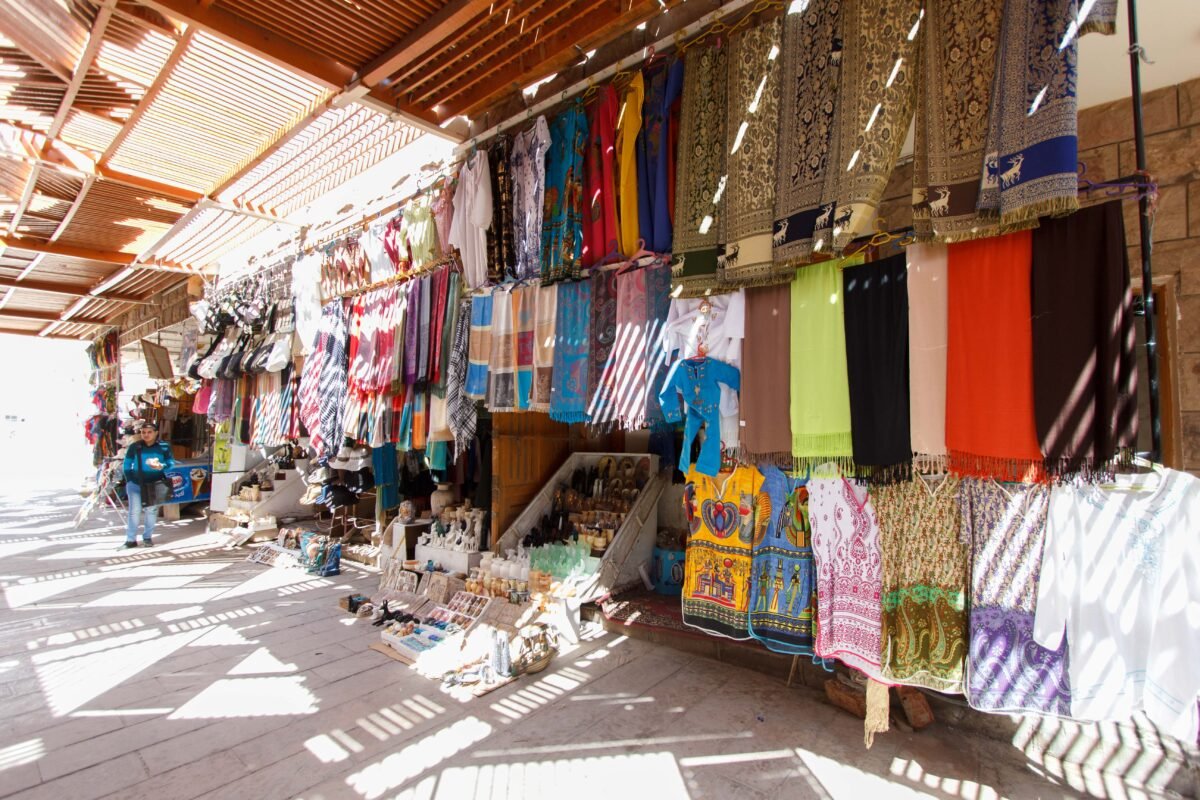
Look for regional textiles, foods and languages without assuming every colourful item is “traditional Nubian”.
A few defining moments reveal the character of the experience before you explore the full experience.
A defining part of Aswan After Dark: Souq, Spices and Local Life, interpreted within the historical and geographical purpose of the experience.
Use colour, scent and local products to open conversations about trade and food.
Notice how the city changes pace after sunset and where residents gather.
A defining part of Aswan After Dark: Souq, Spices and Local Life, interpreted within the historical and geographical purpose of the experience.
These are approved places in the experience. The cards are intentionally unnumbered because their display order does not imply an operating sequence.
A defining part of Aswan After Dark: Souq, Spices and Local Life, interpreted within the historical and geographical purpose of the experience.
Read the site guide →Aswan’s commercial identity has changed, but its geography still makes it a meeting point for goods and people.
The souq serves both visitors and residents; learning to see the difference makes the experience more honest.
Markets are economic and social spaces before they are visitor attractions. A local guide can explain products, trading habits and neighbourhood context without turning ordinary life into a performance.
Your Egyptologist can spend more time where your curiosity is strongest and move more lightly through what matters less, while keeping the day coherent and well paced.
Tell us how you like to travel →Ask us whether this addition fits your date, pace and route.
Ask us whether this addition fits your date, pace and route.
Ask us whether this addition fits your date, pace and route.
Ask us whether this addition fits your date, pace and route.
When an approved public rate is available, the calculator shows the relevant private-party basis. Otherwise, we prepare a personal quotation after checking the date, party and operating arrangements.
Markets are rich visually but require restraint. Ask before close portraits, avoid flash into shopkeepers’ faces and use wider scenes that show trade in context. Evening mixed lighting can produce strong colour without any need to stage vendors or products.
This is a busy walking experience. Travellers uncomfortable with crowds, bargaining or uneven pavements may prefer a quieter riverside evening.
Expect walking in busy public streets. Market activity, individual vendors and any food or tea stop vary with current conditions; exact pickup and finish are confirmed for the evening.
Travellers interested in local life, food, photography and an easy evening after daytime touring.
No. You are free to browse, but the purpose is walking, atmosphere, local trade and city life. There is no required shopping.
The defining places and historical focus are established, while the operating order is confirmed around current access, opening conditions, local logistics and your pace. Your final programme states the sequence clearly before travel.
No. Tourism is visible, but many sections also serve local daily needs. Part of the experience is learning to distinguish the two.
No. Shopping is optional. The market is valuable as an urban and cultural experience even if you purchase nothing.
Scale, regional products and Nubian/Upper Egyptian connections give it a different character from the larger historic commercial districts of Cairo.
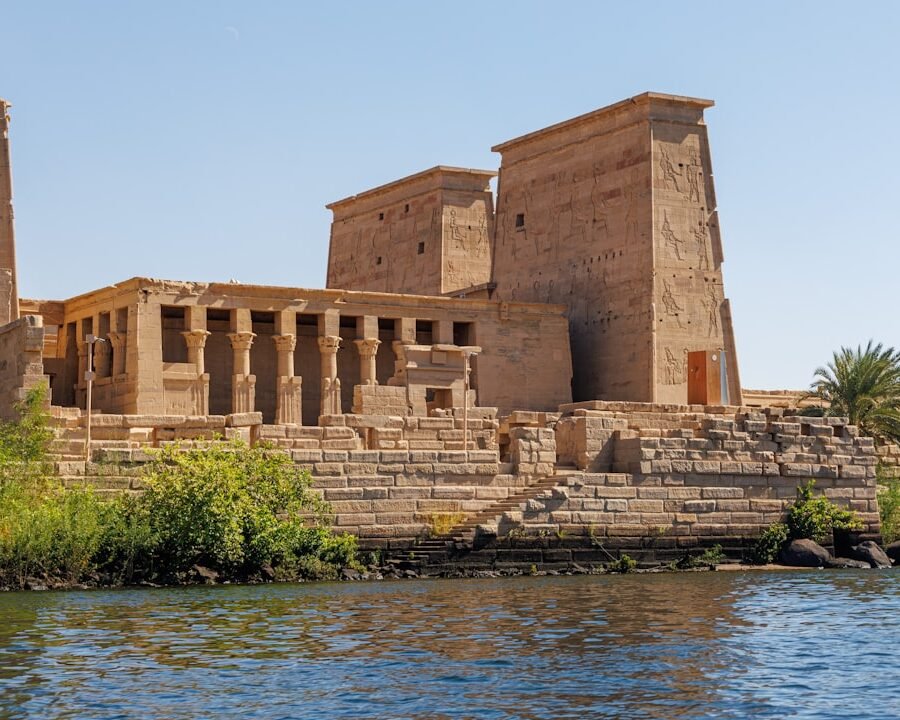
A clear first encounter with Aswan’s archaeology, river landscape and southern character.
Request current rateExplore →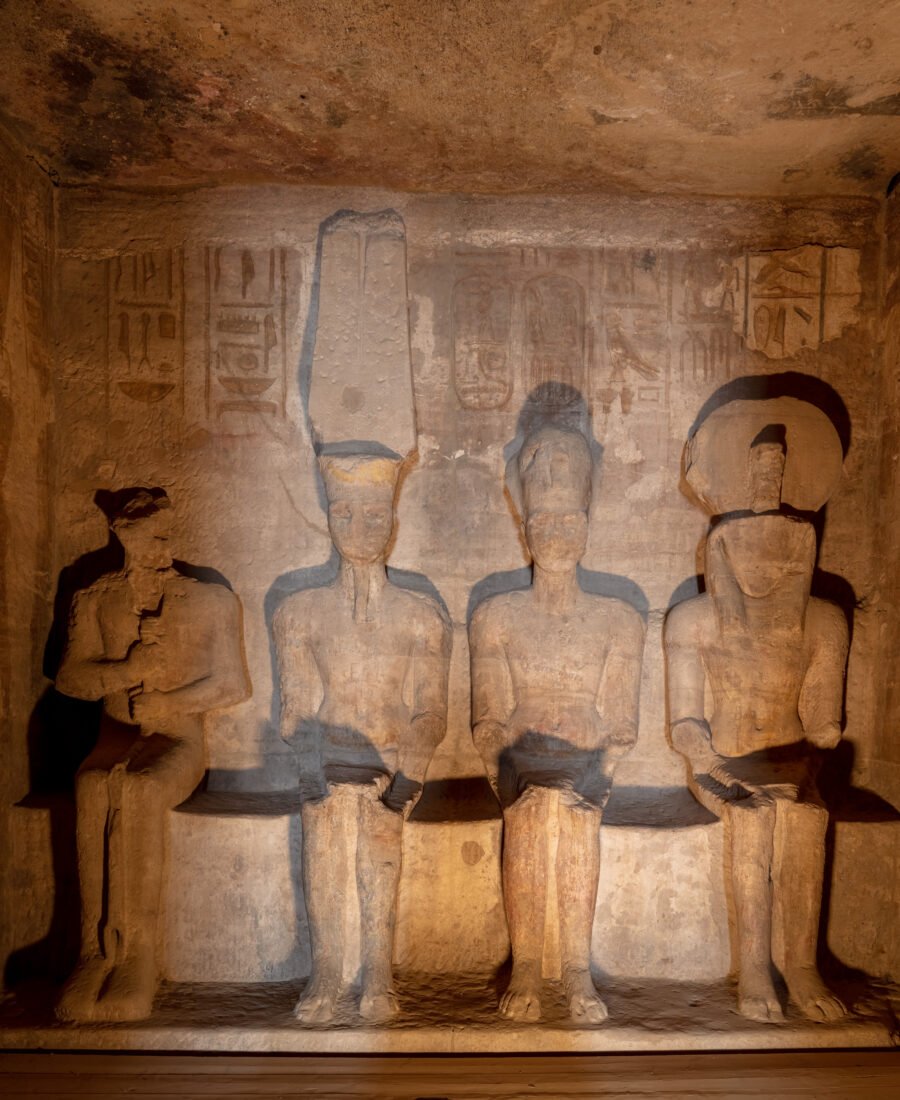
Travel south to one of Egypt’s most extraordinary monumental landscapes.
Request current rateExplore →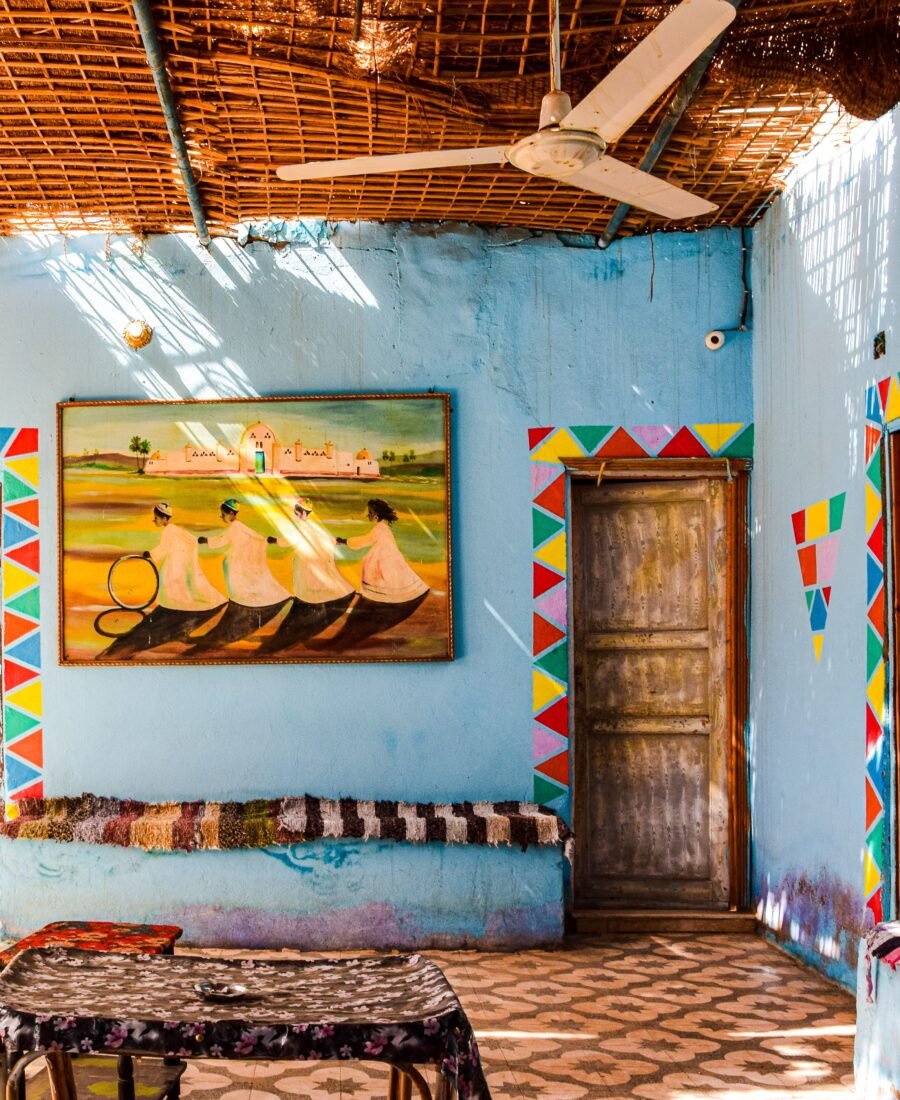
Connect sacred Philae with contemporary Nubian life in one carefully paced day.
Request current rateExplore →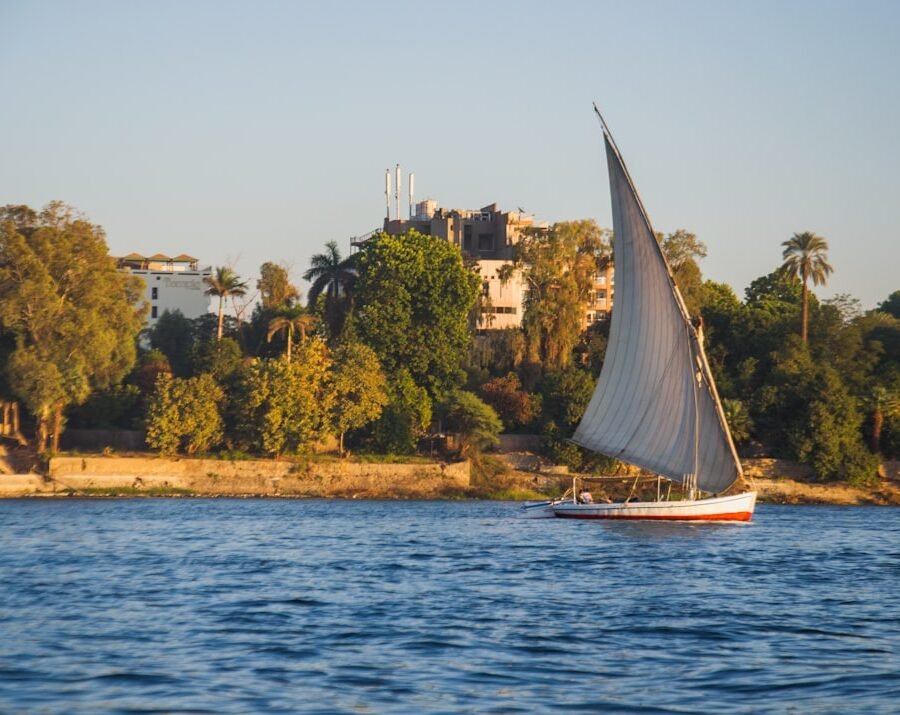
Slow the pace on the Nile around Aswan’s islands and granite river landscape.
Request current rateExplore →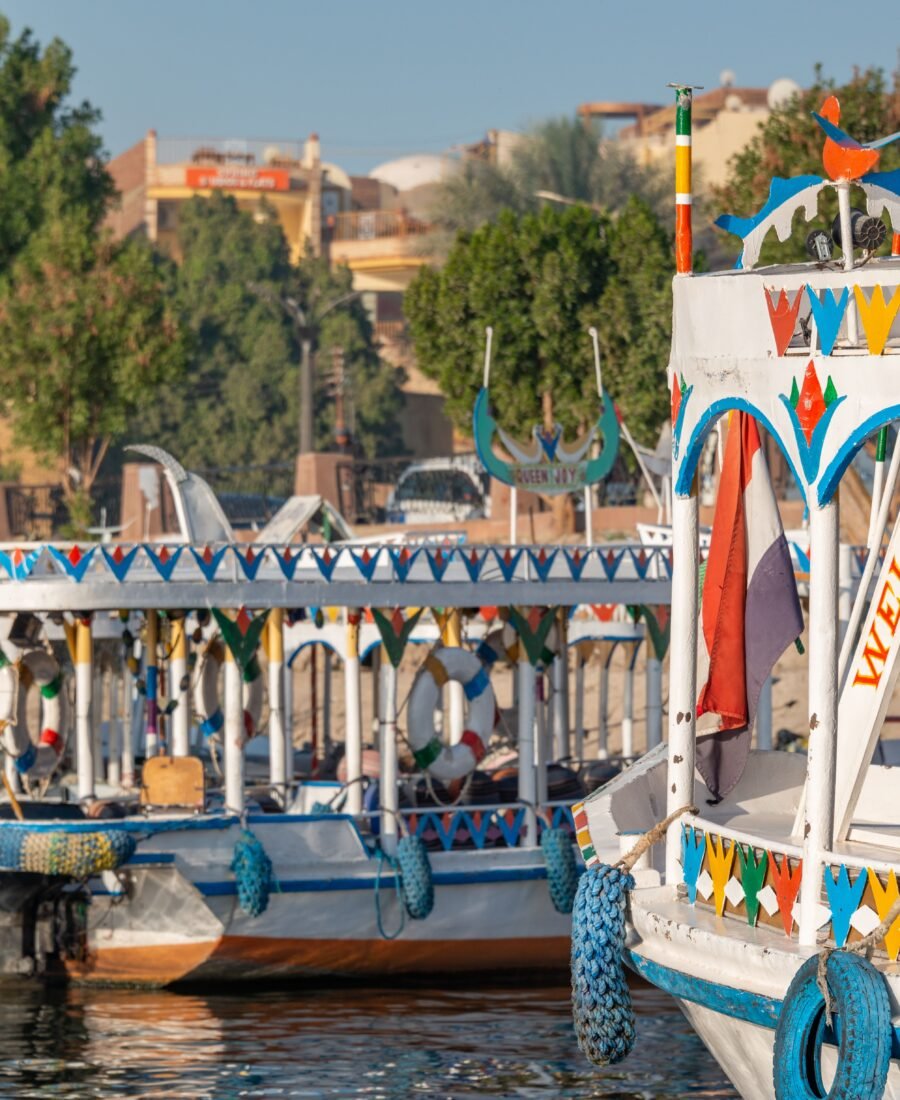
Meet Nubian life through place, conversation and a hosted family meal.
Request current rateExplore →