
Chronology before stereotypes
Use museum collections to see how Nubian societies changed across long periods instead of searching for one timeless “Nubian style”.
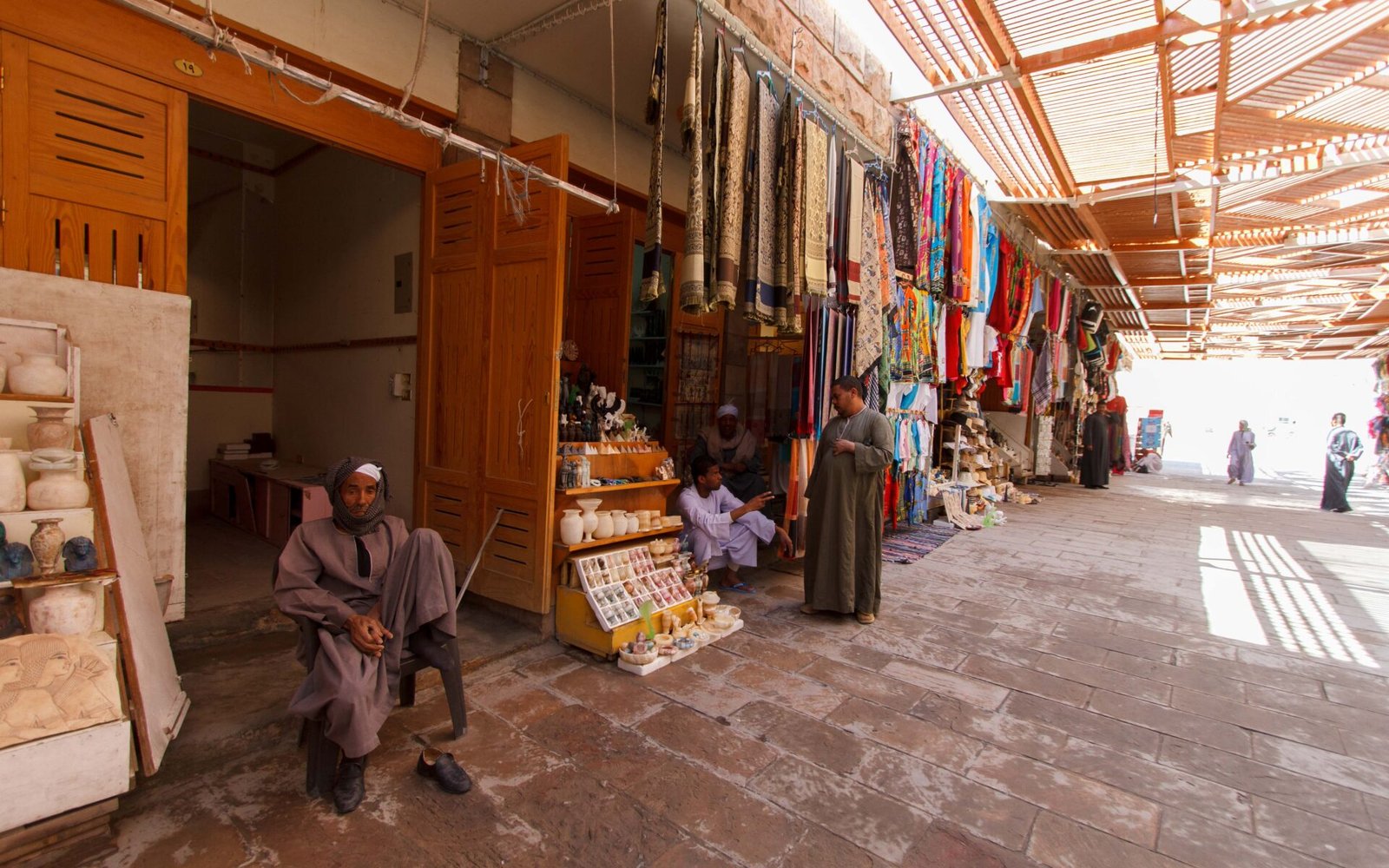
Trace Nubia through museum collections and the archaeology of Elephantine.
Nubia Through Time is the historical and archaeological Nubian experience. The Nubian Museum and Elephantine are used together to trace long-term regional history, material culture and the relationship between Egypt, Nubia and the First Cataract without relying on a village encounter as the main focus.
The two sites complement one another: museum collections provide chronology and themes, while Elephantine anchors those ideas in a real frontier settlement and river landscape.
Interpretation stays close to archaeology, text, landscape and what the evidence can actually support.
Nubia Through Time is deliberately more historical than picturesque. The Nubian Museum provides regional chronology, material culture and the modern story of rescue archaeology; Elephantine supplies an archaeological landscape where Egypt and Nubia interacted for millennia. Together they allow discussion of trade, administration, religion, language and shifting political frontiers without reducing Nubian history to one period or one modern village image. The pairing is especially useful because museum objects can be tested against a real river landscape, while the island gives physical scale to ideas of frontier, settlement and exchange that can otherwise remain abstract.
Use museum collections to see how Nubian societies changed across long periods instead of searching for one timeless “Nubian style”.
Its location at the cataract explains why settlement, customs, trade and military interests repeatedly concentrated there.
Religious traditions connected local deities with the Nile’s sources and fertility, showing how geography could shape cult.
The museum also helps explain how dams, archaeology and heritage relocation changed the way Nubian history is preserved today.
These are approved places in the experience. The cards are intentionally unnumbered because their display order does not imply an operating sequence.
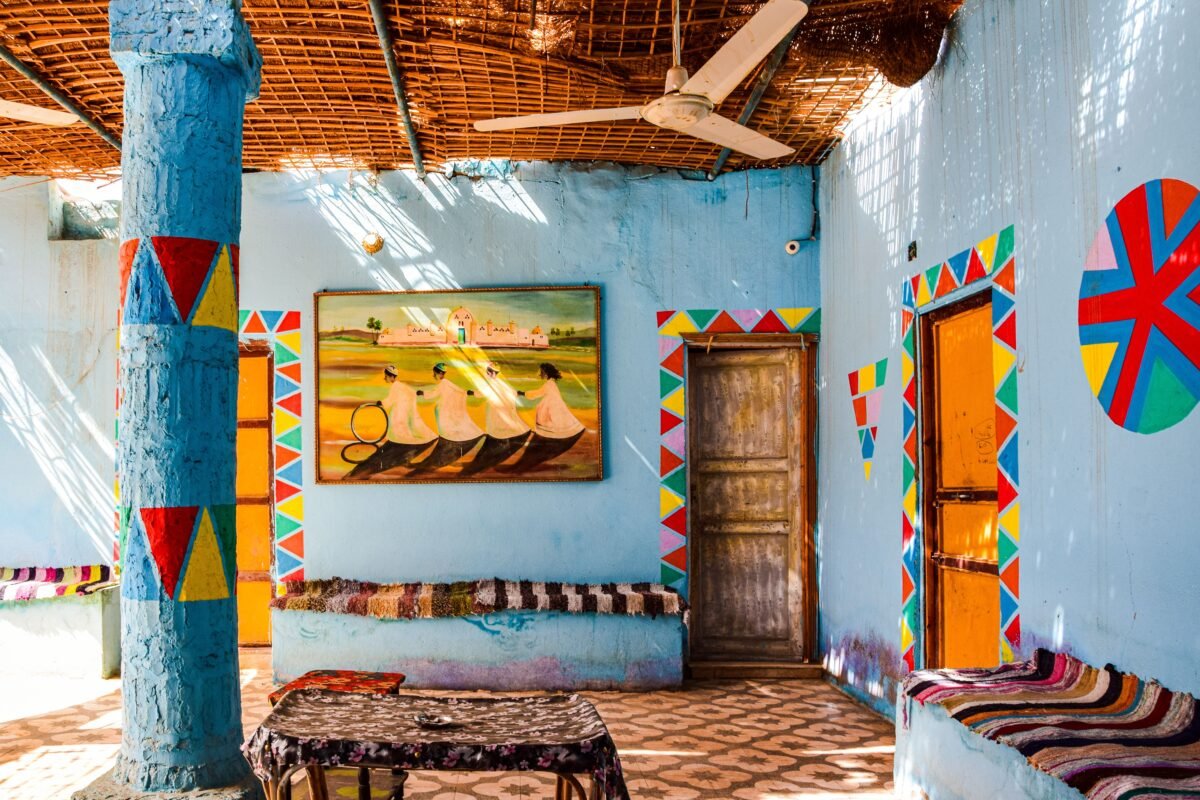
Build chronology and thematic context through a major collection devoted to Nubian history and heritage.
Read the site guide →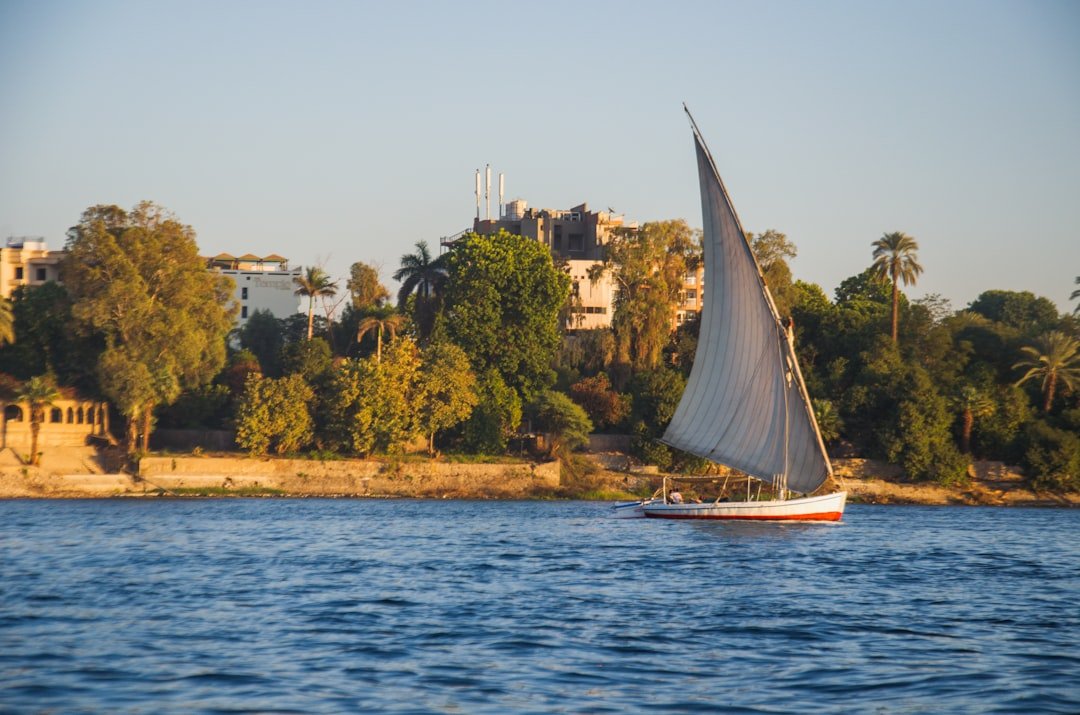
Move from museum interpretation into an archaeological landscape at the First Cataract.
Read the site guide →Objects gain geography at Elephantine; ruins gain chronology through the museum.
The region is best understood as a zone of exchange and shifting power, not as a permanent hard border between two isolated cultures.
Nubia's history stretches across changing kingdoms, borders, languages and landscapes. This day is designed for travellers who want that complexity rather than a brief cultural introduction.
Your Egyptologist can spend more time where your curiosity is strongest and move more lightly through what matters less, while keeping the day coherent and well paced.
Tell us how you like to travel →Ask us whether this addition fits your date, pace and route.
Ask us whether this addition fits your date, pace and route.
Ask us whether this addition fits your date, pace and route.
Ask us whether this addition fits your date, pace and route.
When an approved public rate is available, the calculator shows the relevant private-party basis. Otherwise, we prepare a personal quotation after checking the date, party and operating arrangements.
Museum photography should follow current gallery rules. On Elephantine, use wide photographs to show settlement and river geography, then details of masonry, inscriptions or water-related structures where accessible.
This experience is best for historically curious travellers. Guests primarily seeking a social encounter and hosted meal may prefer Nubian Heritage or Nubian Village & Family Meal.
The experience includes museum walking and archaeological terrain on Elephantine. Boat transfers and site order depend on current conditions; exact access is confirmed for your date.
History-focused travellers, repeat visitors, archaeology enthusiasts and anyone wanting deeper Nubian context.
Not as the defining element. This product is deliberately the deeper historical and archaeological Nubian option; a hosted village experience belongs to other products in the Aswan collection.
The defining places and historical focus are established, while the operating order is confirmed around current access, opening conditions, local logistics and your pace. Your final programme states the sequence clearly before travel.
Nubia Through Time concentrates on museum and archaeological evidence. Nubian Heritage adds a stronger contemporary village and hosted-lunch component.
Its political and cultural relationships changed over time. That complexity is exactly why it is useful for discussing frontier interaction rather than imposing one permanent identity.
Modern dam projects transformed the region and led to major documentation and relocation campaigns, profoundly shaping what survives and how it is presented today.
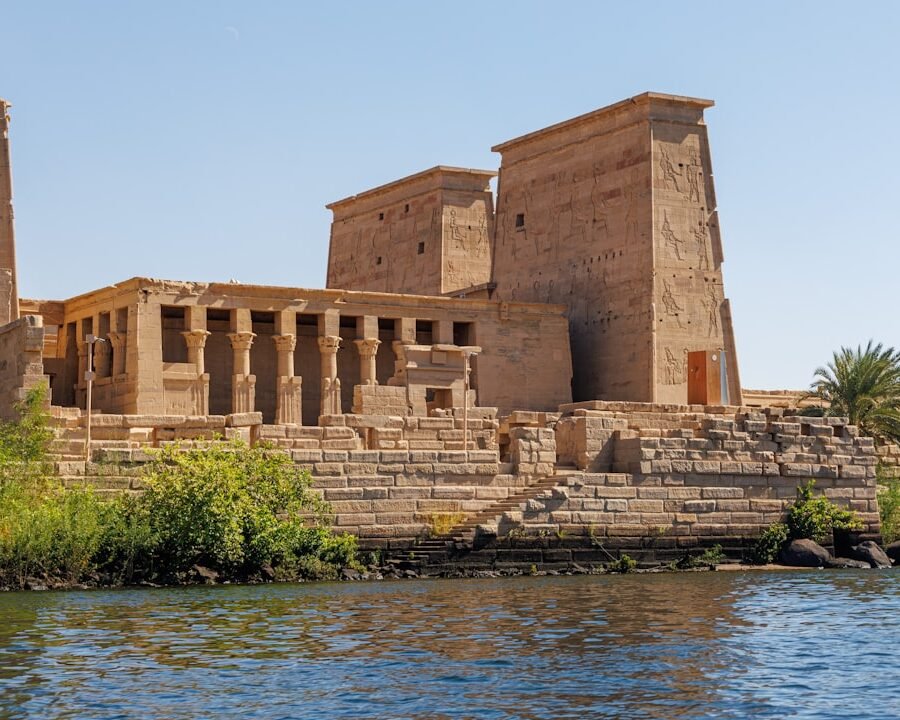
A clear first encounter with Aswan’s archaeology, river landscape and southern character.
Request current rateExplore →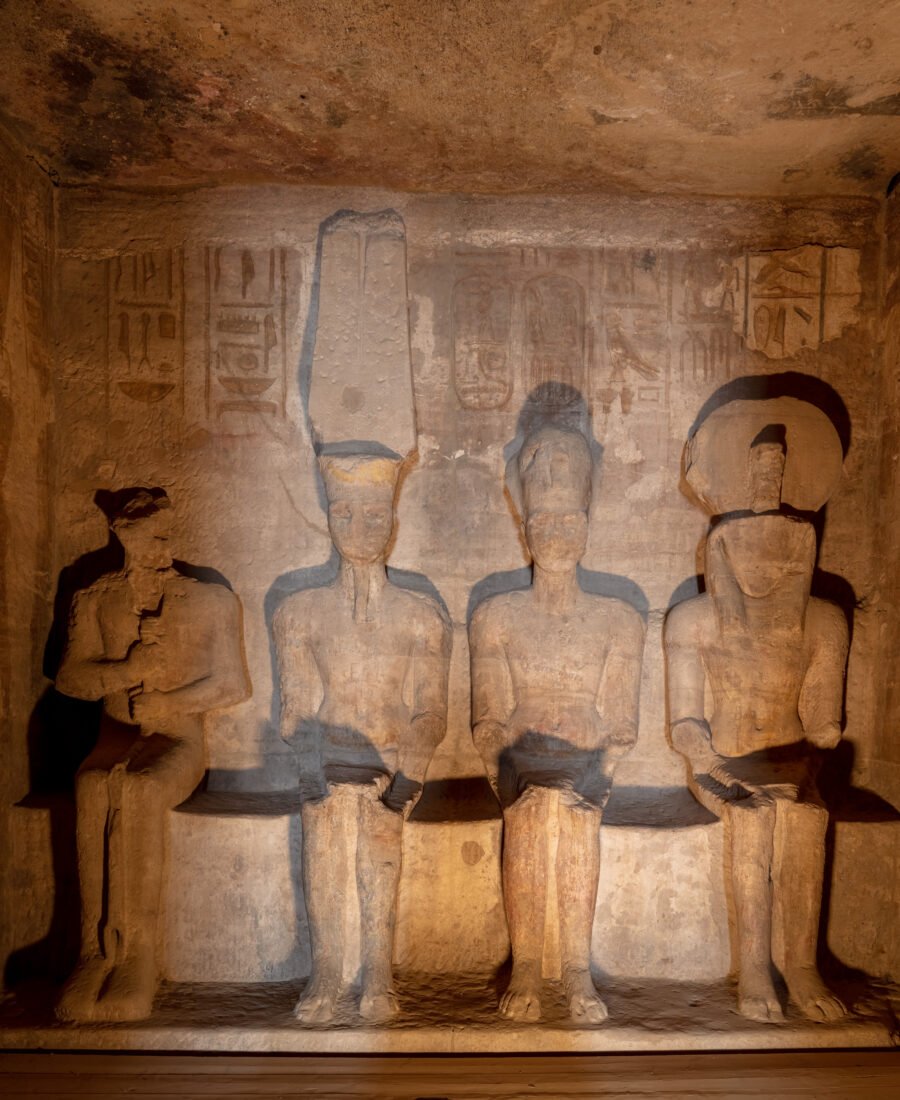
Travel south to one of Egypt’s most extraordinary monumental landscapes.
Request current rateExplore →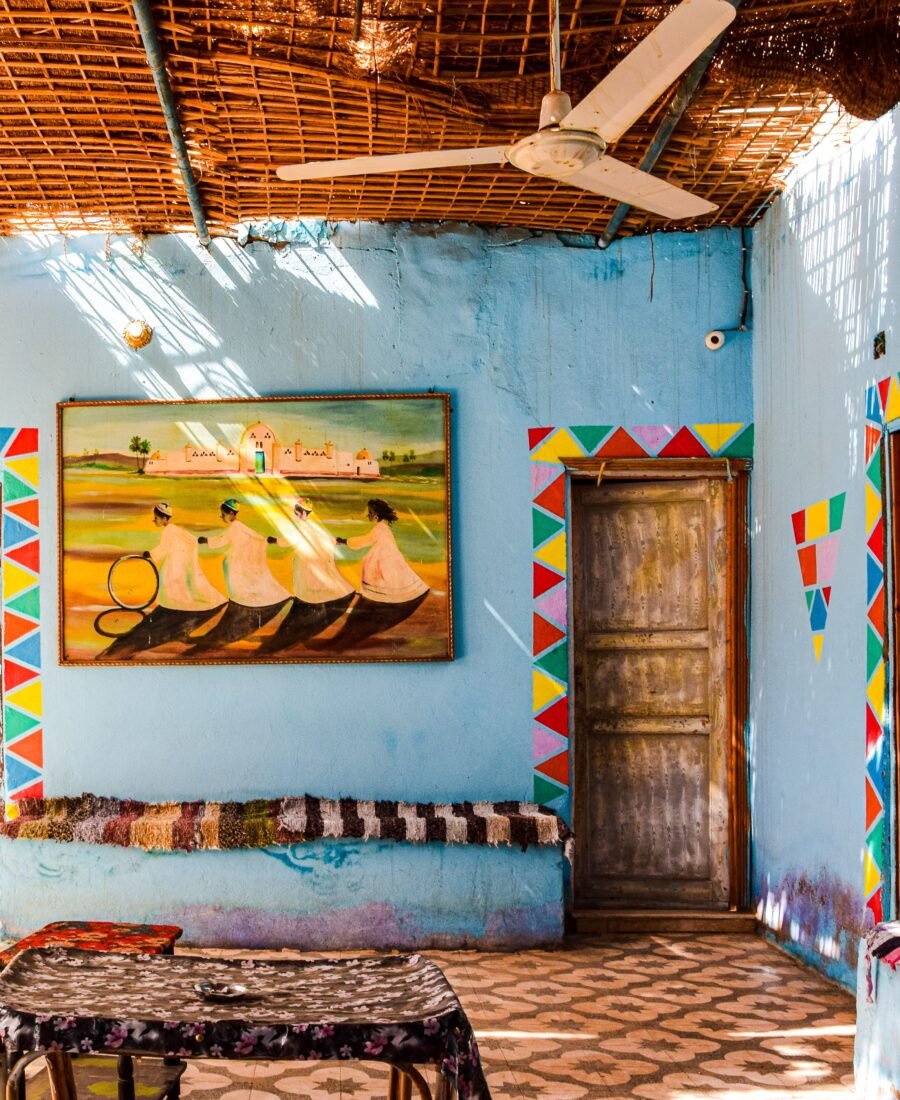
Connect sacred Philae with contemporary Nubian life in one carefully paced day.
Request current rateExplore →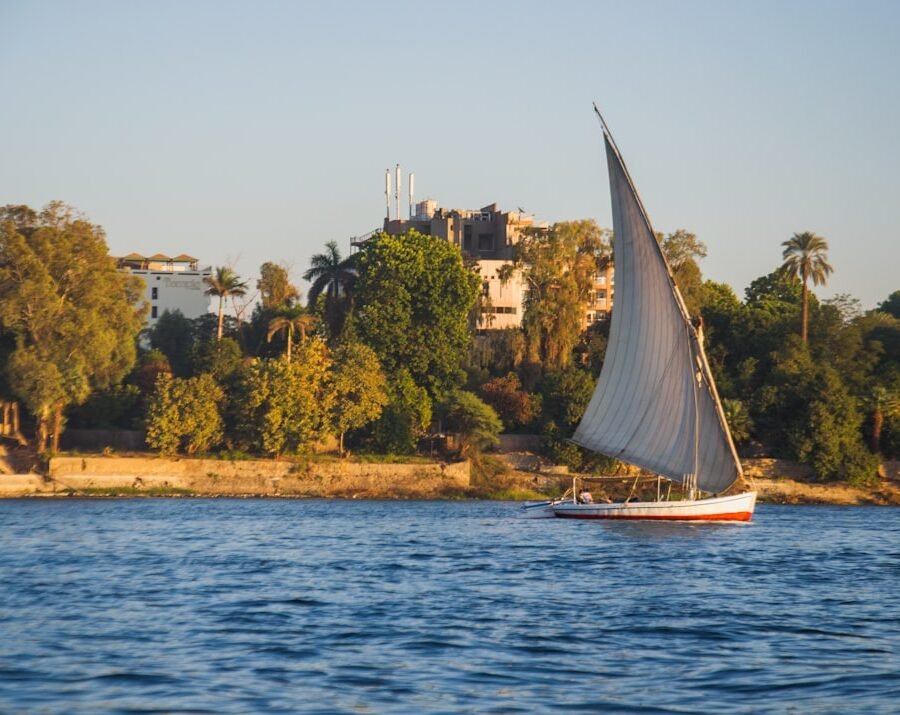
Slow the pace on the Nile around Aswan’s islands and granite river landscape.
Request current rateExplore →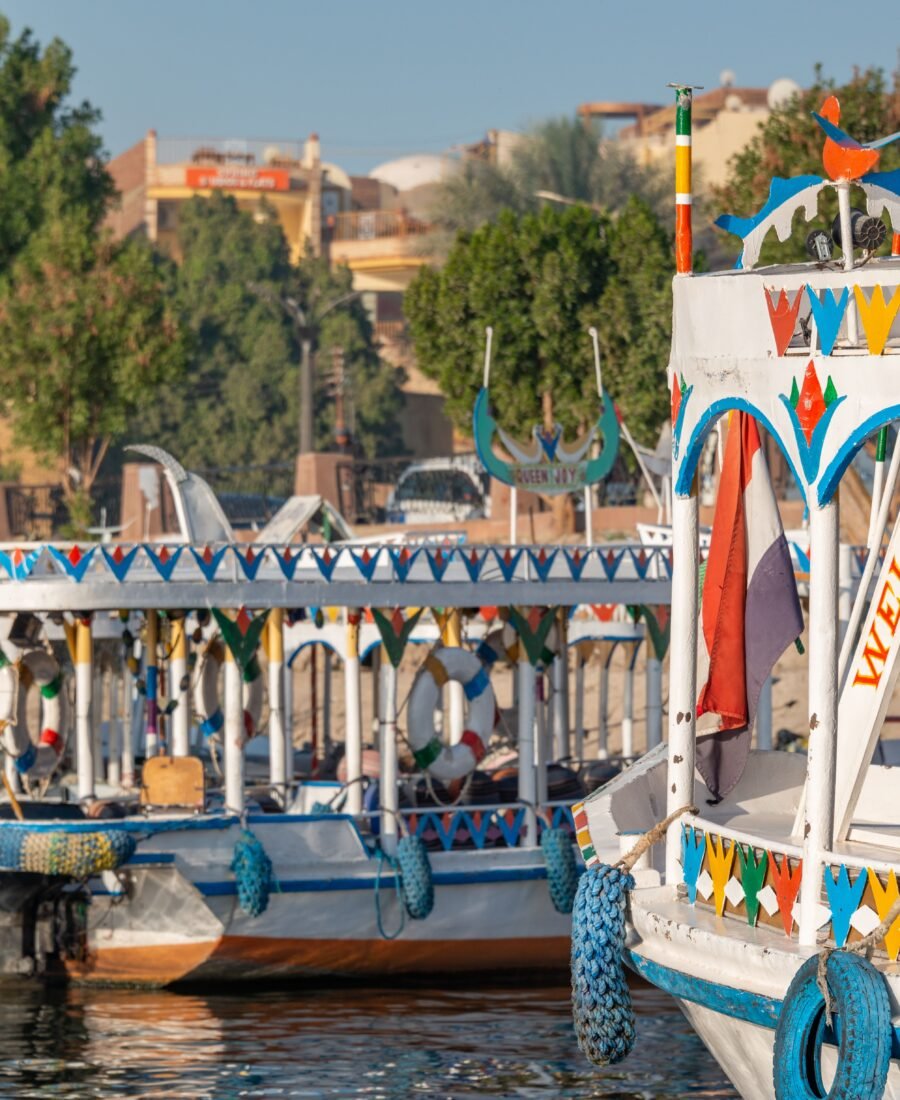
Meet Nubian life through place, conversation and a hosted family meal.
Request current rateExplore →