
Elephantine as a real settlement
Look beyond isolated ruins and imagine houses, administration, cult and trade functioning on a strategic island.
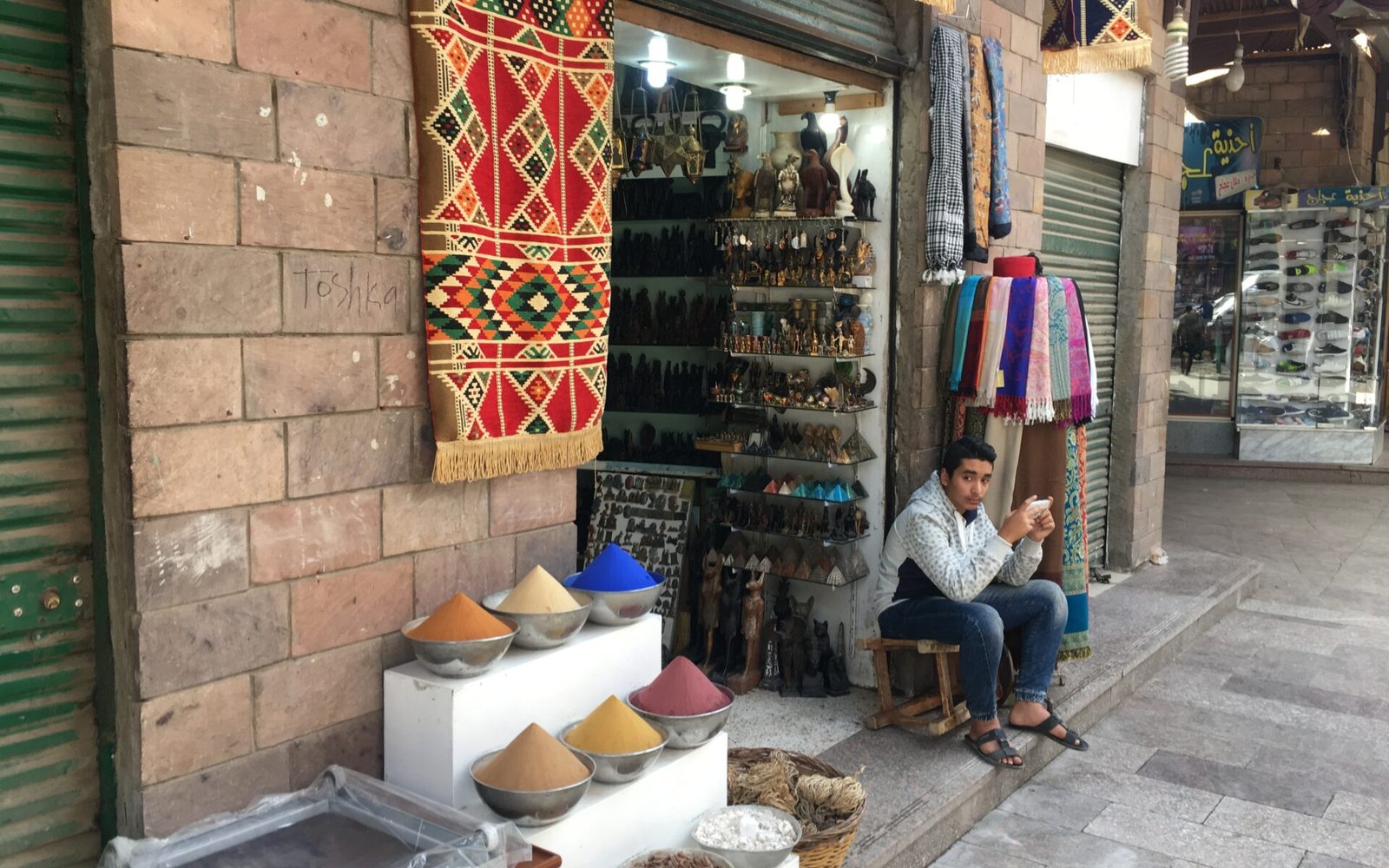
Use Aswan’s islands to connect landscape, archaeology and living Nubian culture.
Aswan's islands are the route and the subject of this day. Botanical landscapes, Elephantine archaeology and Nubian life are connected by boat so the First Cataract region can be understood through river geography rather than as three unrelated stops.
The island logic prevents the experience from becoming another generic Nubian village tour. Each stop contributes a different layer—landscape, ancient settlement and living culture—while the Nile physically connects them.
Interpretation stays close to archaeology, text, landscape and what the evidence can actually support.
Aswan’s islands condense several histories into a small river landscape. Elephantine was an important ancient settlement and frontier centre connected with trade, administration and the cult of Khnum. Nearby gardens and inhabited islands show how fertile soil, water channels and human settlement transformed granite outcrops into distinctive river environments. A full island day is therefore not just a sequence of boat stops: it is a study of how archaeology, colonial-era landscape making, Nubian residence and the Nile’s physical geography overlap.
Look beyond isolated ruins and imagine houses, administration, cult and trade functioning on a strategic island.
Where seen, water-measurement installations help explain why monitoring Nile levels mattered to agriculture and administration.
Botanical planting is a human intervention in an island environment, creating a very different visual world from nearby granite and desert.
The water journey makes the islands’ proximity and differing uses easier to understand than viewing them separately from roads.
These are approved places in the experience. The cards are intentionally unnumbered because their display order does not imply an operating sequence.
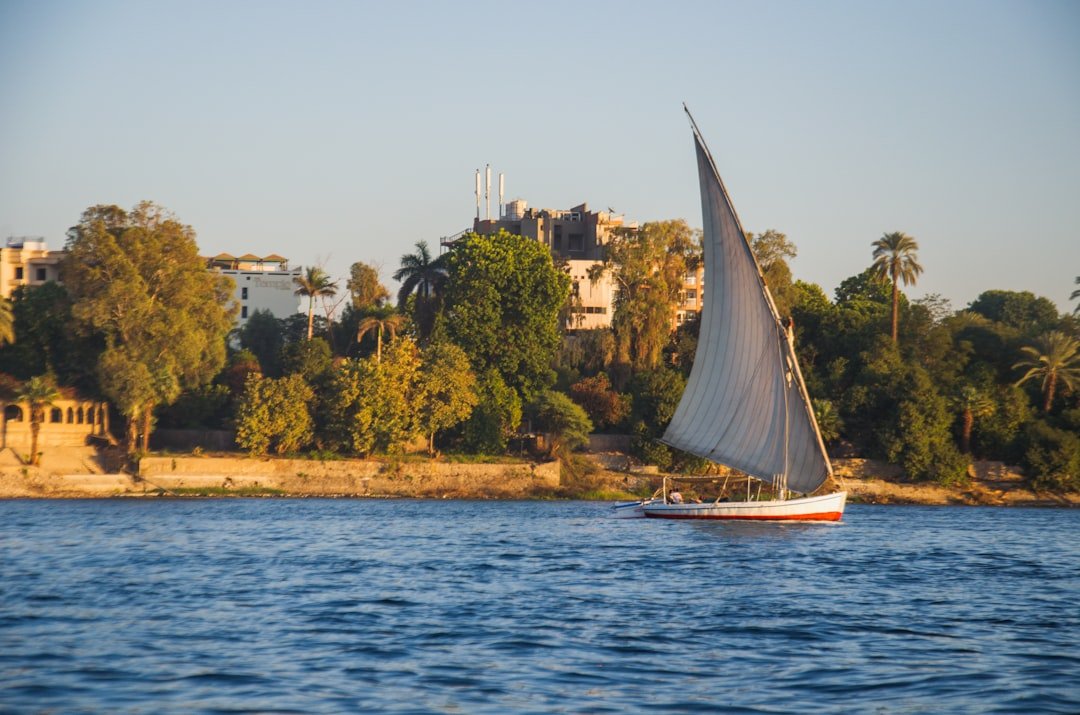
Use the garden island as a landscape chapter within the river journey.
Read the site guide →Explore one of Aswan's key archaeological settings and its relationship with the First Cataract.
Read the site guide →Ancient strategic settlement and later curated landscape show how the same river islands could be valued for very different reasons.
Elephantine’s ancient remains sit beside contemporary settlement, making continuity of place more visible than at many fenced archaeological sites.
Elephantine's long history reflects Aswan's strategic position, while island communities and gardens show how people continue to inhabit a river environment shaped by channels, granite and seasonal change.
Your Egyptologist can spend more time where your curiosity is strongest and move more lightly through what matters less, while keeping the day coherent and well paced.
Tell us how you like to travel →Ask us whether this addition fits your date, pace and route.
Ask us whether this addition fits your date, pace and route.
Ask us whether this addition fits your date, pace and route.
Ask us whether this addition fits your date, pace and route.
When an approved public rate is available, the calculator shows the relevant private-party basis. Otherwise, we prepare a personal quotation after checking the date, party and operating arrangements.
The river approach is essential visually: photograph islands from the water before focusing on ruins or garden detail. On inhabited areas, avoid intrusive portraits. Light reflected from water and pale granite can be intense, so exposure control matters.
This day involves repeated boat transfers and walking on varied surfaces. Travellers interested only in formal archaeology may prefer Nubia Through Time, which places more emphasis on museum and ancient settlement evidence.
Boat conditions and landing access affect the exact order. Expect walking on island paths and archaeological ground; the confirmed programme identifies the specific community and garden components for your date.
Travellers interested in river geography, archaeology, gardens and living Nubian context in one coherent day.
No. The defining structure is the islands themselves, with Botanical Garden, Elephantine archaeology and living Nubian context connected by the Nile.
The defining places and historical focus are established, while the operating order is confirmed around current access, opening conditions, local logistics and your pace. Your final programme states the sequence clearly before travel.
Its position at the First Cataract made it strategically important for trade, administration, military control and religious life connected with the southern Nile.
No. Its interest is later landscape history and the contrast it creates with the surrounding granite islands, river channels and settlements.
Because moving between them by water makes Aswan’s geography intelligible and lets archaeology, cultivated landscape and living communities be compared directly.
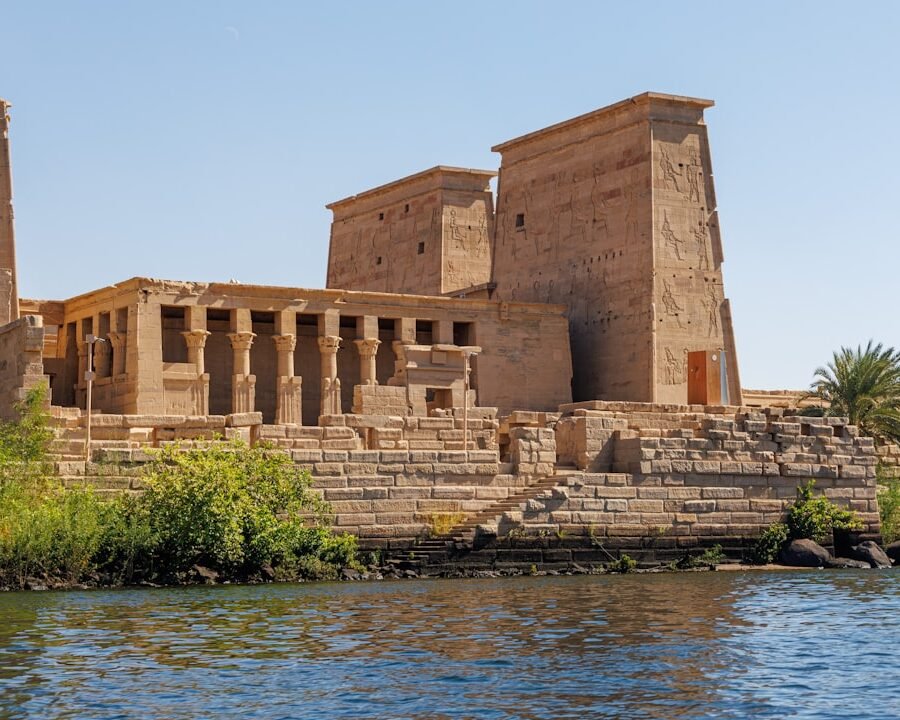
A clear first encounter with Aswan’s archaeology, river landscape and southern character.
Request current rateExplore →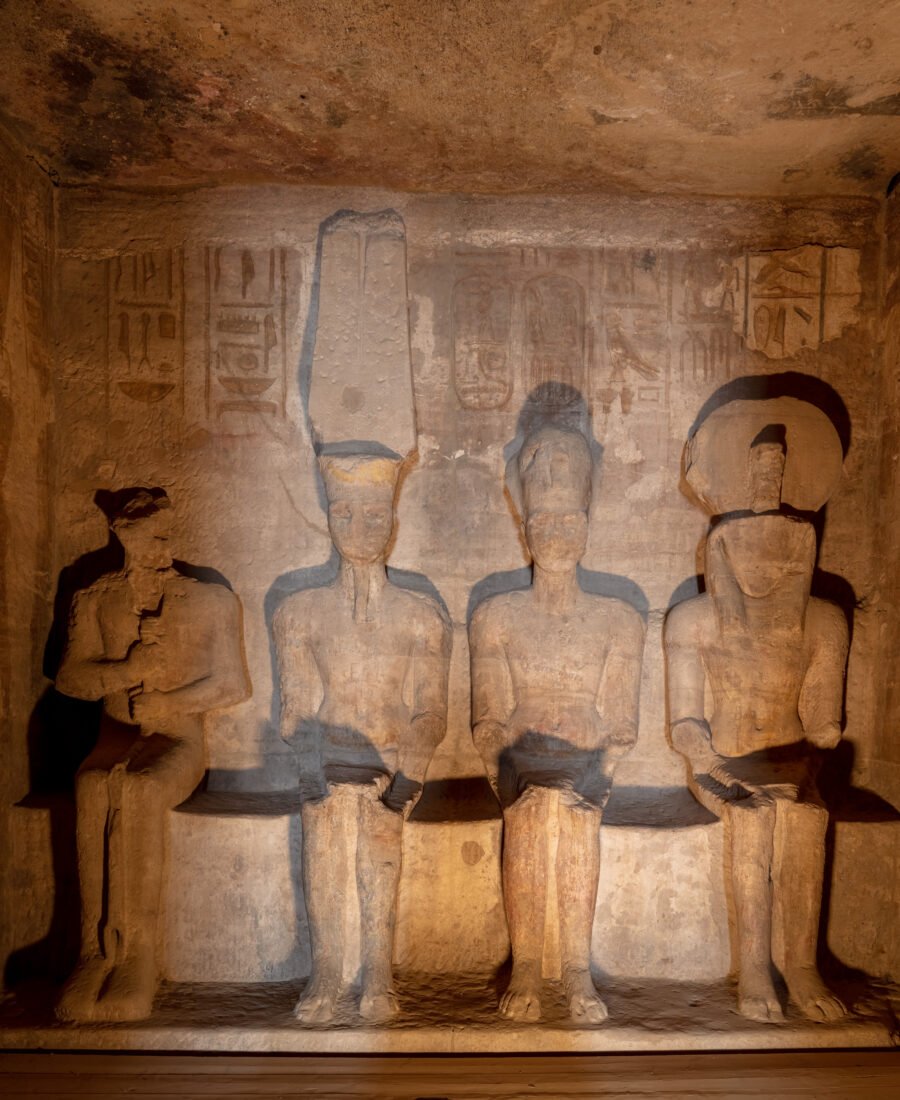
Travel south to one of Egypt’s most extraordinary monumental landscapes.
Request current rateExplore →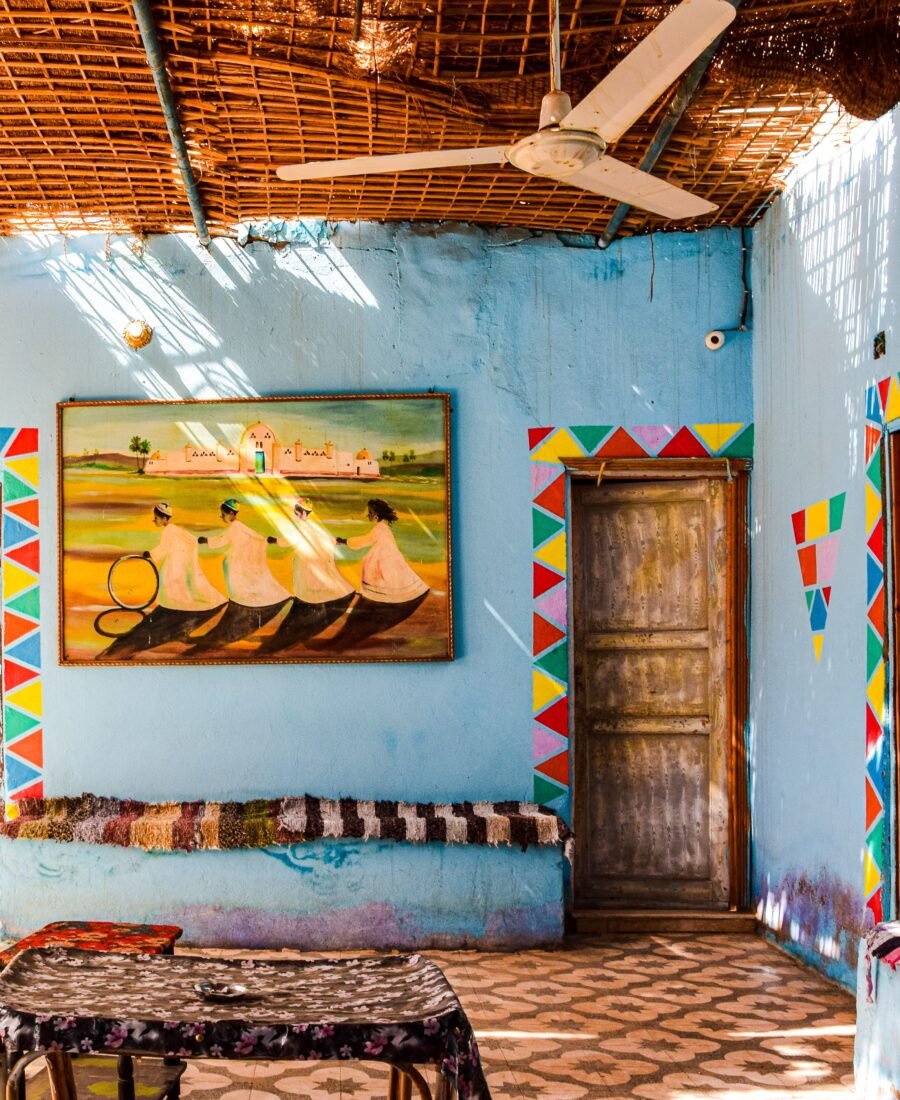
Connect sacred Philae with contemporary Nubian life in one carefully paced day.
Request current rateExplore →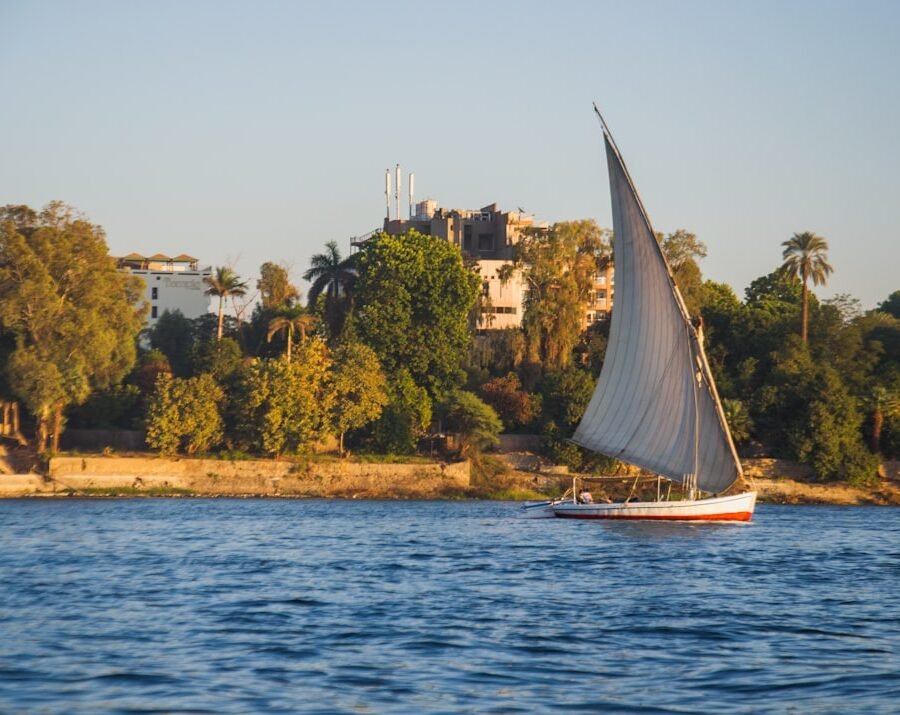
Slow the pace on the Nile around Aswan’s islands and granite river landscape.
Request current rateExplore →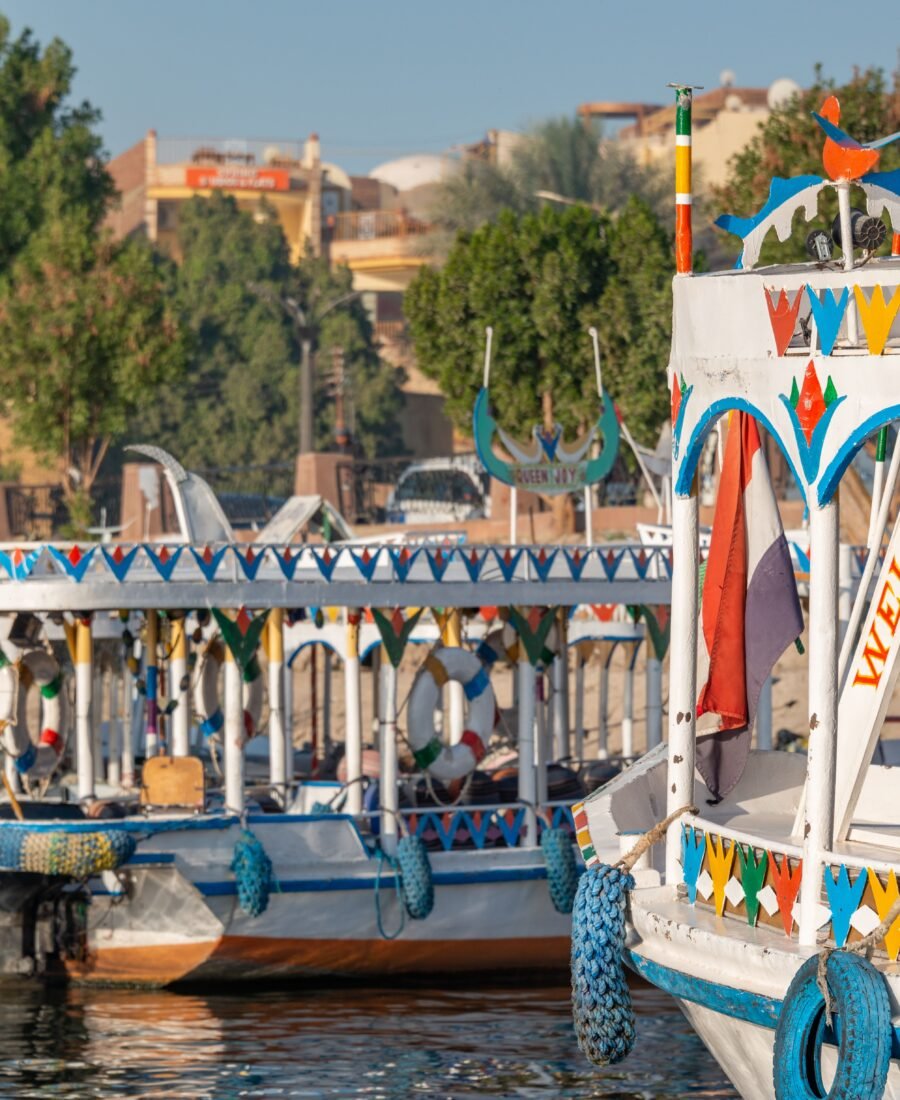
Meet Nubian life through place, conversation and a hosted family meal.
Request current rateExplore →