
Nubia is plural
Look for evidence of changing political centres, artistic traditions and cultural interactions rather than imagining one static Nubian identity.
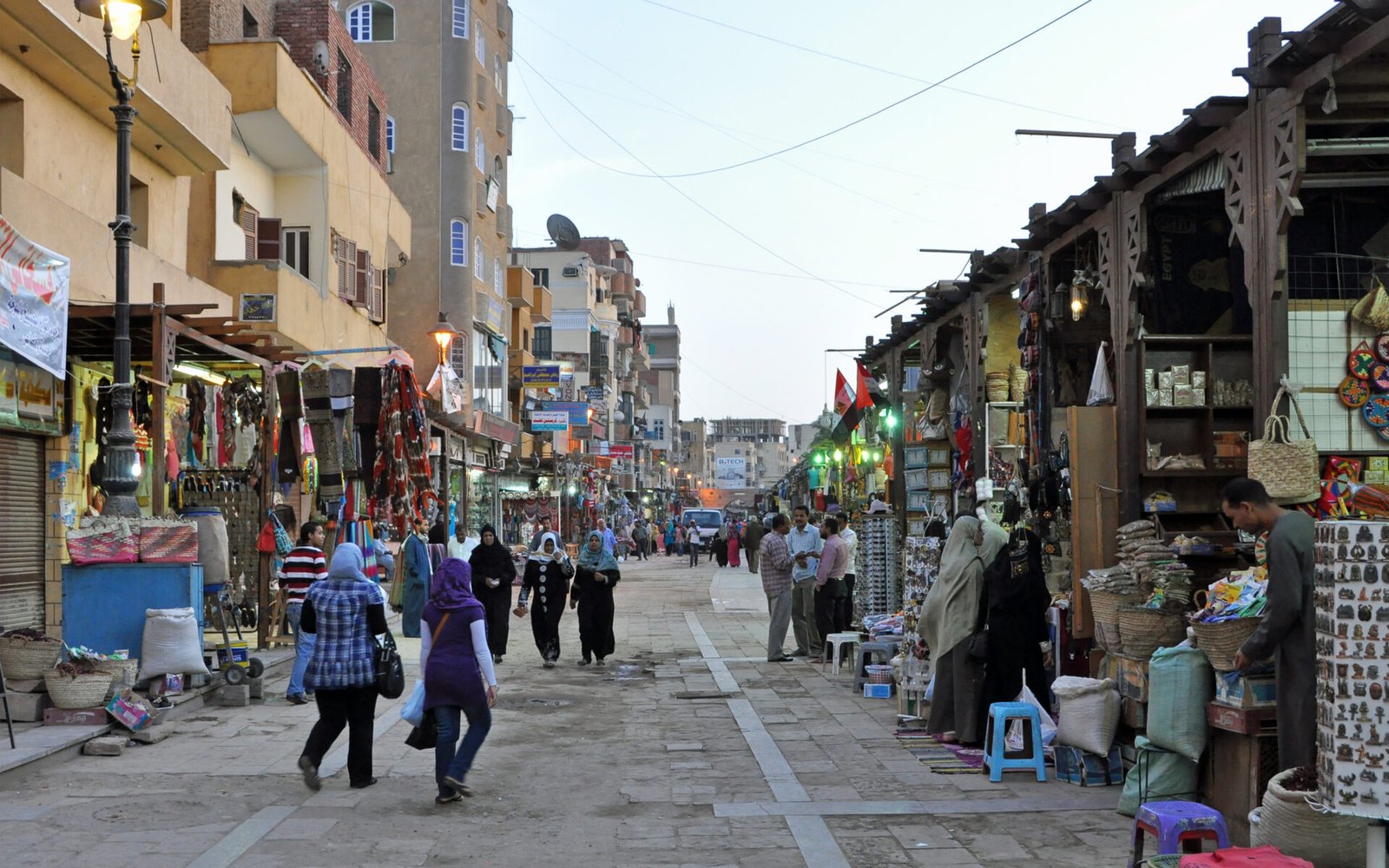
Explore Nubian history through museum context, living culture and a hosted meal.
The Nubian Museum provides the historical frame; a village visit and hosted lunch bring the conversation into present-day identity. Keeping those elements together allows Nubia to be understood across archaeology, displacement, memory, language and hospitality rather than as a colourful village stereotype.
The museum and living encounter answer different questions. One provides chronological and material context; the other allows contemporary Nubian voices and everyday culture to stand on their own.
Interpretation stays close to archaeology, text, landscape and what the evidence can actually support.
The Nubian Museum gives a chronological and archaeological framework for a culture too often reduced in tourism to colourful villages. Its collections help trace Nubian societies, kingdoms, languages and the major heritage-rescue work associated with the modern transformation of the Nile. A village visit and hosted lunch then shift from formal museum interpretation to contemporary life. The strength of the day is this movement between evidence and lived experience, provided the two are not confused: museum objects explain long histories; a family meal offers one present-day perspective.
Look for evidence of changing political centres, artistic traditions and cultural interactions rather than imagining one static Nubian identity.
Modern dam construction triggered enormous documentation and relocation efforts; museum displays can help explain what was saved and what was lost.
Historical context makes the later community visit more respectful because you arrive with a sense of depth rather than stereotypes.
Use the meal to discuss daily life, memory and family traditions, not to recreate an imagined ancient Nubia.
A few defining moments reveal the character of the experience before you explore the full experience.
Build the historical and archaeological framework before moving into living community context.
Meet contemporary Nubian identity without presenting the community as a museum display.
Use shared food and conversation to slow the pace and deepen the cultural encounter.
These are approved places in the experience. The cards are intentionally unnumbered because their display order does not imply an operating sequence.
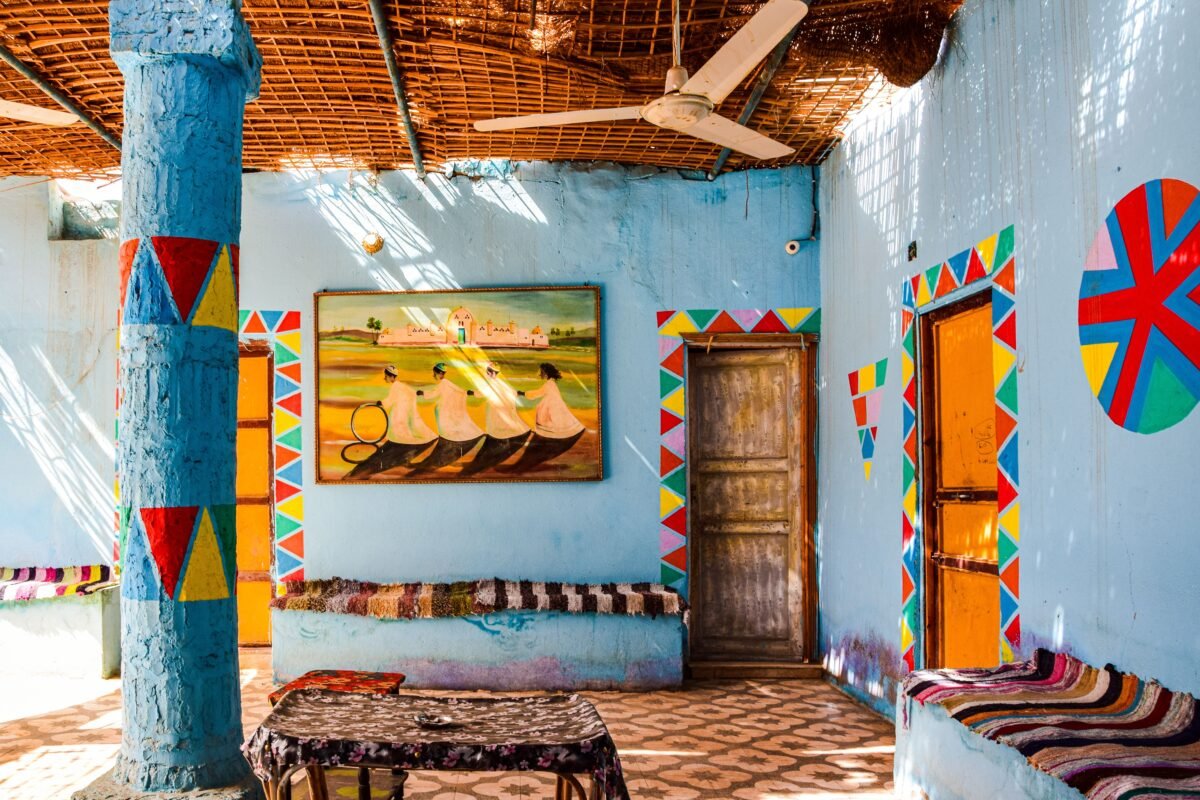
Build the historical and archaeological framework before moving into living community context.
Read the site guide →The museum establishes historical depth; the hosted visit gives a present-day human voice.
Preservation, tourism and modern Nubian identity are all shaped by the twentieth-century transformation of the river.
Nubian history cannot be reduced to one period or one border. Archaeological collections, the transformation of the Nile landscape and modern community experience all contribute to understanding the region.
Your Egyptologist can spend more time where your curiosity is strongest and move more lightly through what matters less, while keeping the day coherent and well paced.
Tell us how you like to travel →Ask us whether this addition fits your date, pace and route.
Ask us whether this addition fits your date, pace and route.
Ask us whether this addition fits your date, pace and route.
Ask us whether this addition fits your date, pace and route.
When an approved public rate is available, the calculator shows the relevant private-party basis. Otherwise, we prepare a personal quotation after checking the date, party and operating arrangements.
Museum displays may have object-specific photography rules. In the village, photography should be permission-based. Strong visual storytelling comes from combining artefact details, landscape, architecture and food rather than relying on posed portraits.
Travellers wanting only a relaxed village visit may find the museum component too academic; those wanting purely archaeological study may prefer Nubia Through Time.
The hosted component uses a controlled local relationship. Exact transport and meal arrangements are confirmed in advance; respectful interaction, fair payment and no forced shopping remain core standards.
Travellers who want a deeper Nubian day combining history, museum context and responsible local hospitality.
This is the deeper heritage version: the Nubian Museum is a central part of the day, so historical and archaeological context is deliberately connected with the hosted living-culture experience.
The defining places and historical focus are established, while the operating order is confirmed around current access, opening conditions, local logistics and your pace. Your final programme states the sequence clearly before travel.
Because it provides the historical depth needed to understand contemporary Nubian identity beyond surface-level colour and tourism imagery.
Its purpose is broader Nubian heritage, including the long cultural history of the Nile south of Aswan and the impact of modern rescue archaeology.
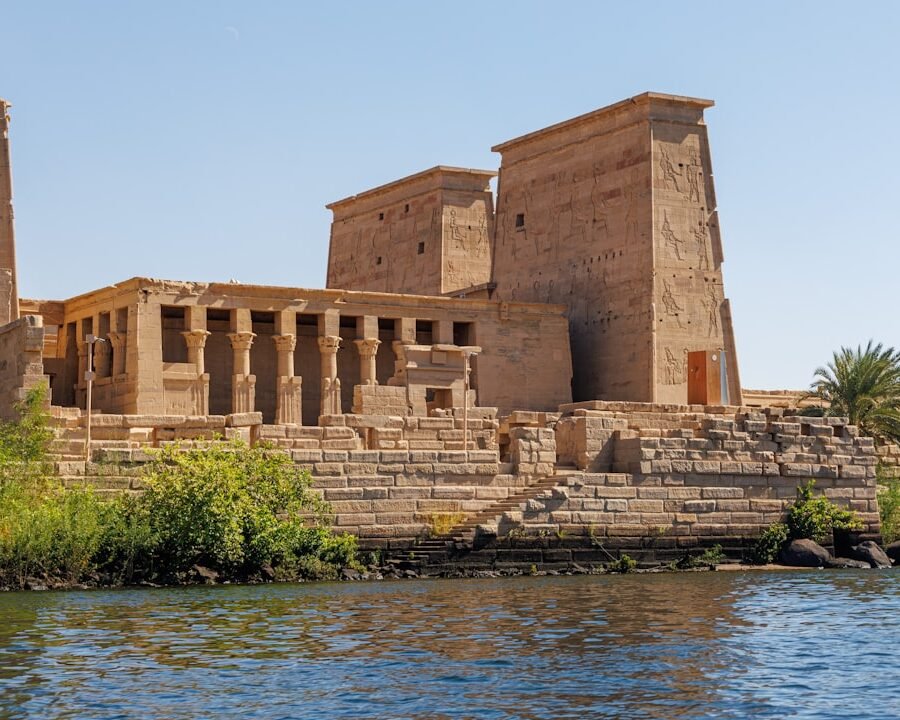
A clear first encounter with Aswan’s archaeology, river landscape and southern character.
Request current rateExplore →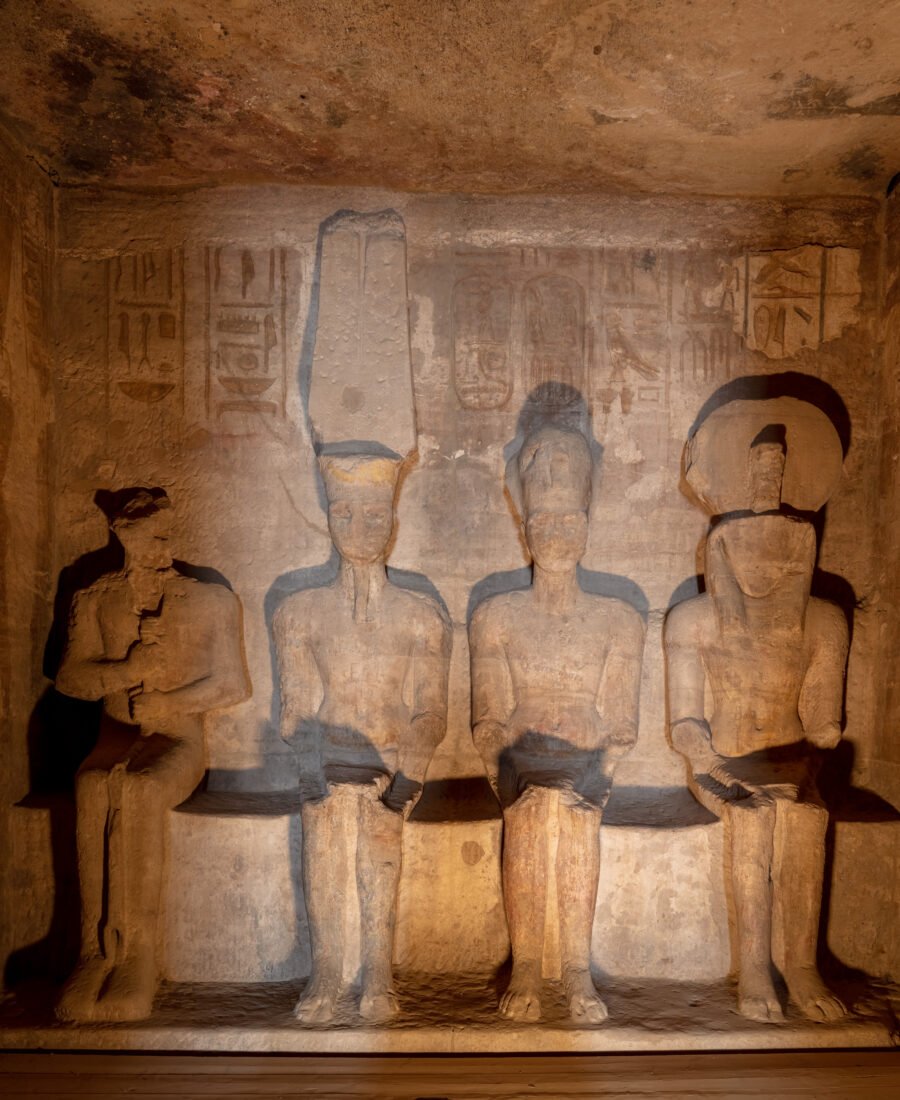
Travel south to one of Egypt’s most extraordinary monumental landscapes.
Request current rateExplore →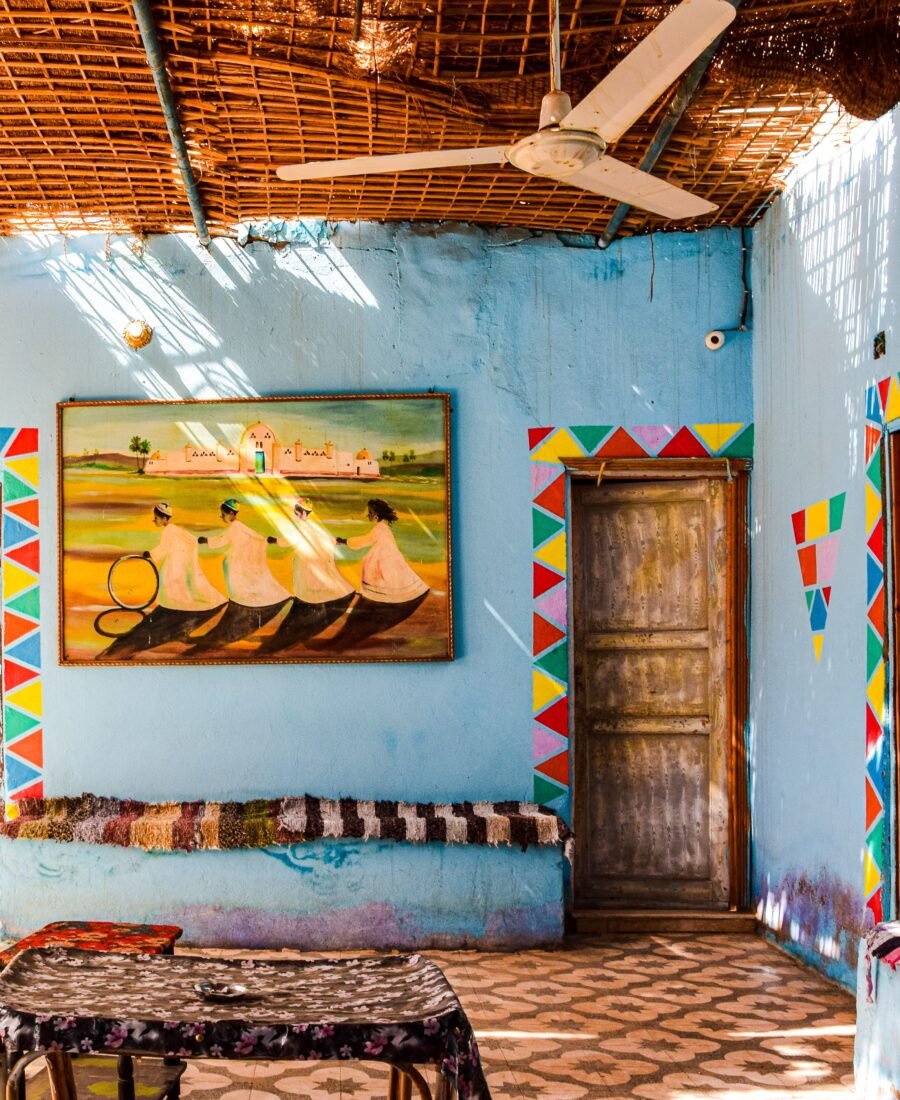
Connect sacred Philae with contemporary Nubian life in one carefully paced day.
Request current rateExplore →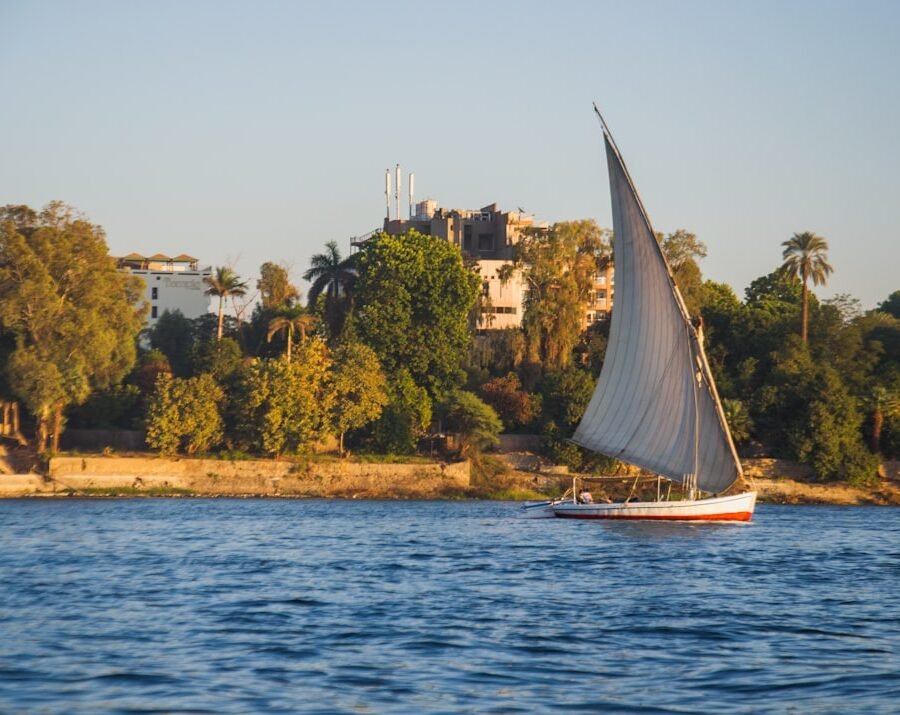
Slow the pace on the Nile around Aswan’s islands and granite river landscape.
Request current rateExplore →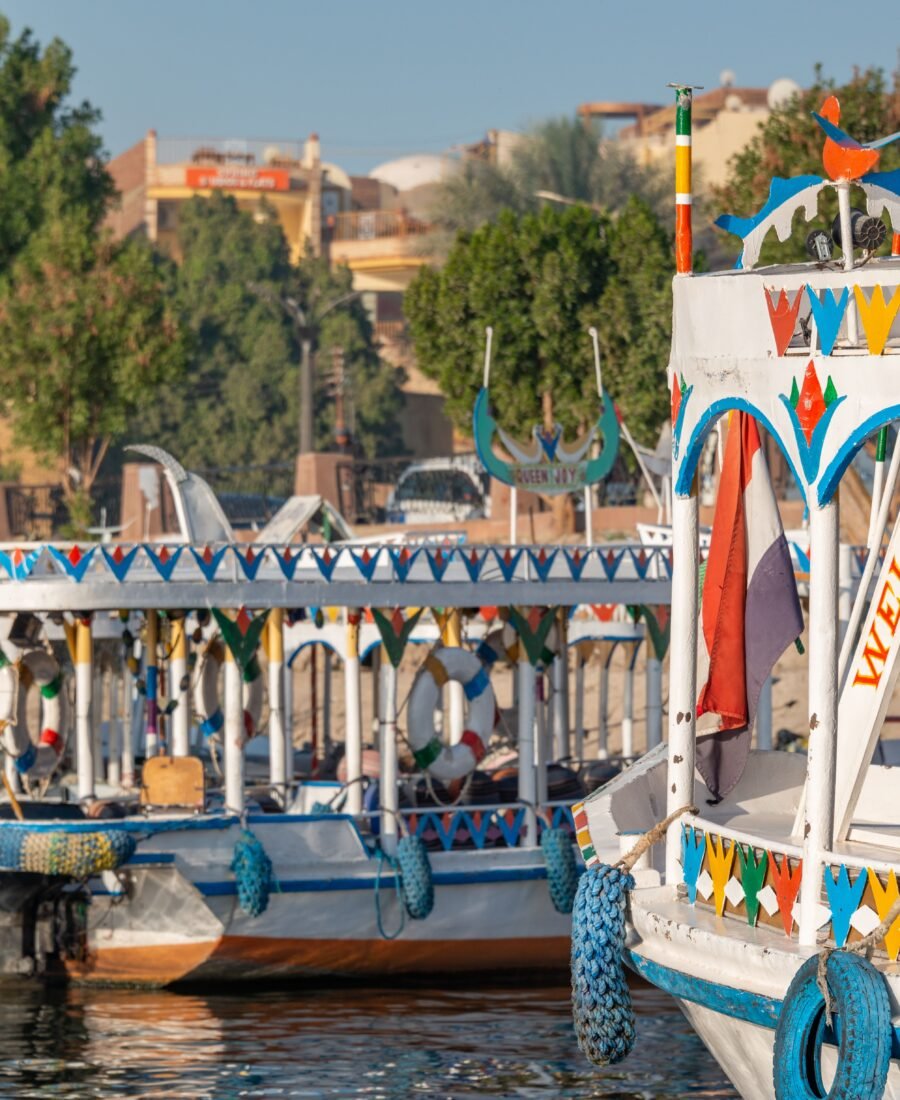
Meet Nubian life through place, conversation and a hosted family meal.
Request current rateExplore →