
Read the wind
Watch how sail angle and river current determine movement; the route is a negotiation with conditions, not a scripted track.
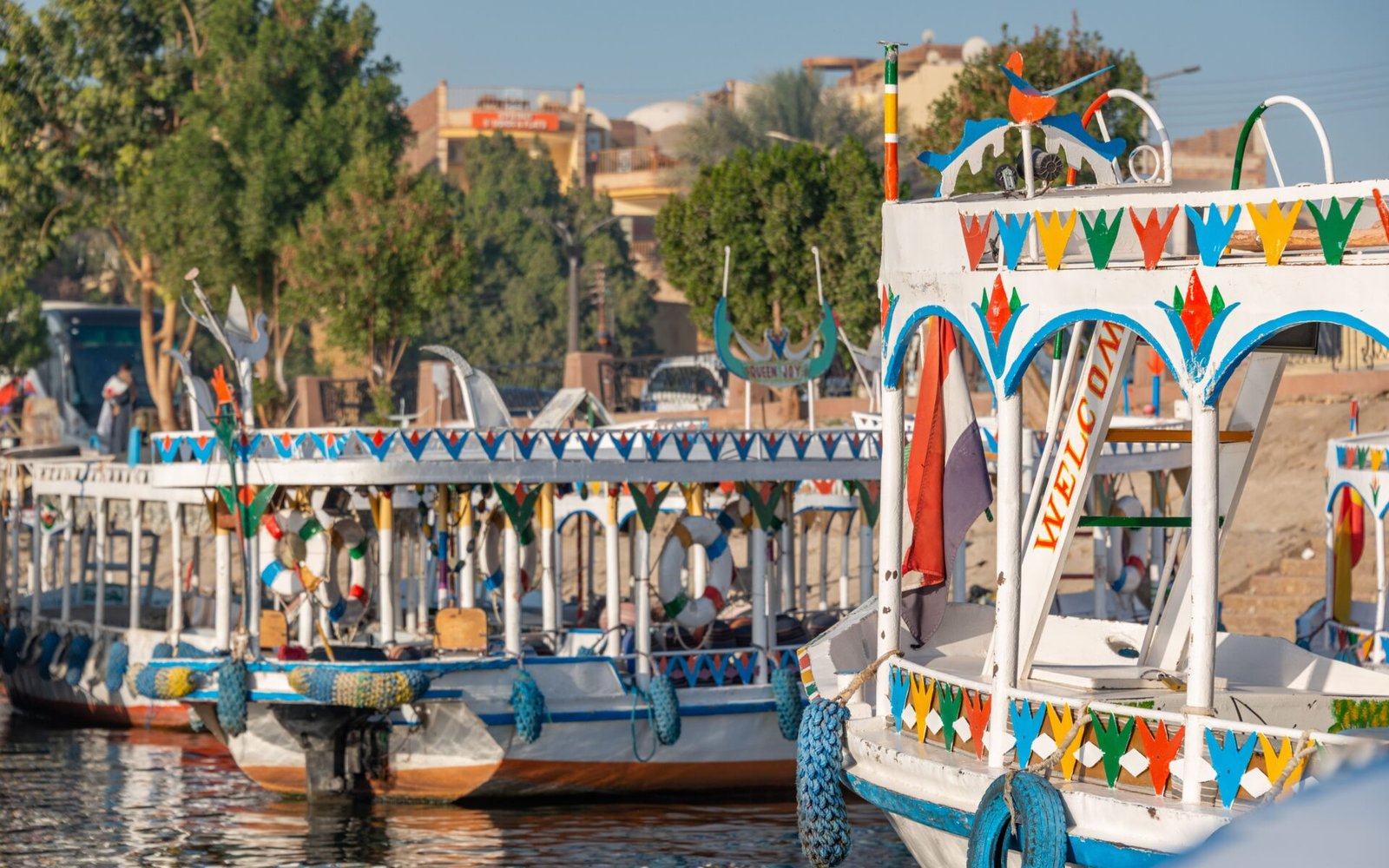
Slow the pace on the Nile around Aswan’s islands and granite river landscape.
A felucca reveals Aswan at the pace of wind and water. This half day is less about collecting attractions and more about reading islands, granite, birdlife and changing light from the river, with the Botanical Garden included only when it forms part of the confirmed programme.
Sailing changes the viewpoint. From the Nile, Aswan's geography becomes the subject: islands, First Cataract landscape and the relationship between city, desert and cultivated banks.
Interpretation stays close to archaeology, text, landscape and what the evidence can actually support.
A felucca is one of the simplest ways to understand why Aswan developed around islands, channels and wind. Without an engine dictating a fixed rhythm, the experience makes river current, sail handling and the granite shoreline more noticeable. Historically, river transport connected communities, quarries, markets and agricultural land throughout the Nile Valley. This half day does not try to turn sailing into a monument checklist; its value is geographical and sensory, giving the landscape time to become the subject.
Watch how sail angle and river current determine movement; the route is a negotiation with conditions, not a scripted track.
The rounded dark rocks around Aswan make the local geology visible in a way that is easy to miss from roads.
See how close settlements, gardens and desert banks are to one another when viewed from the water.
Without constant road noise, smaller sounds—sail, water, birds and river traffic—become part of the experience.
A few defining moments reveal the character of the experience before you explore the full experience.
Sail at an unhurried pace when wind conditions permit.
Use the river route to understand the island geography of the First Cataract region.
Time the river experience around changing light where the confirmed programme allows.
Notice granite, vegetation, birdlife and settlement from the Nile rather than from a road.
These are the places and themes that define the experience. Your confirmed programme arranges them in the best order for your date, pace and current access.
Sail at an unhurried pace when wind conditions permit.
Use the river route to understand the island geography of the First Cataract region.
Time the river experience around changing light where the confirmed programme allows.
Notice granite, vegetation, birdlife and settlement from the Nile rather than from a road.
The Nile was infrastructure. Sailing helps make that practical reality easier to imagine.
Reduced speed is not only relaxing; it creates time to notice geography and human activity that disappear from a fast transfer.
The river has always shaped movement and settlement around Aswan. A slower boat experience makes that geography tangible and provides a useful counterpoint to more demanding archaeological days.
Your Egyptologist can spend more time where your curiosity is strongest and move more lightly through what matters less, while keeping the day coherent and well paced.
Tell us how you like to travel →Ask us whether this addition fits your date, pace and route.
Ask us whether this addition fits your date, pace and route.
Ask us whether this addition fits your date, pace and route.
Ask us whether this addition fits your date, pace and route.
When an approved public rate is available, the calculator shows the relevant private-party basis. Otherwise, we prepare a personal quotation after checking the date, party and operating arrangements.
Keep the horizon and sail in some frames to communicate motion and place. Wide shots of granite islands and desert banks work well near sunset. Protect cameras from spray and avoid leaning equipment outside the boat. Route and sunset position vary with wind and season.
Anyone needing a guaranteed exact route or fixed sunset viewpoint should choose another experience. Felucca sailing is inherently dependent on wind, current and local operating conditions.
Felucca movement depends on wind. Motorboat support or adjustment may be required when conditions do not allow the intended sailing plan, so pure sailing is never guaranteed. Sunset timing also shifts seasonally.
Couples, families, photographers and travellers looking for a slower river experience between archaeological days.
Not necessarily. Felucca sailing depends on wind, and motorboat support can be required for safety or timing. The confirmed programme explains the operating plan for your date.
The defining places and historical focus are established, while the operating order is confirmed around current access, opening conditions, local logistics and your pace. Your final programme states the sequence clearly before travel.
No. Wind and river conditions influence the route. The experience is designed around sailing itself rather than promising a precise track.
Traditional sailboats have long been part of Nile transport, although modern feluccas are contemporary working craft rather than museum reconstructions.
Only if the confirmed version of the experience specifically includes them. The core product is the river landscape, islands and sailing rhythm.
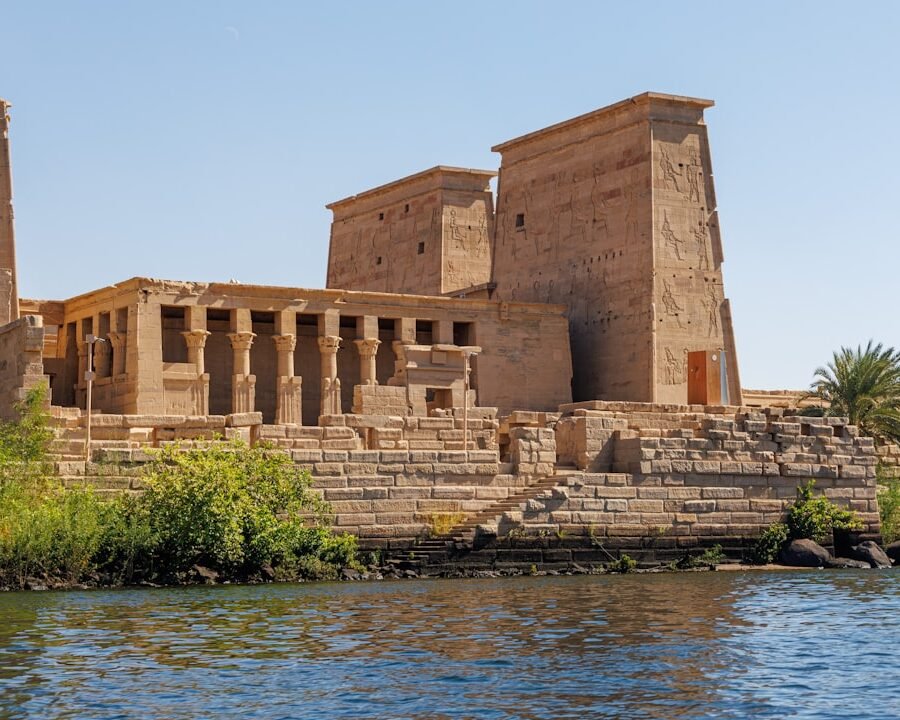
A clear first encounter with Aswan’s archaeology, river landscape and southern character.
Request current rateExplore →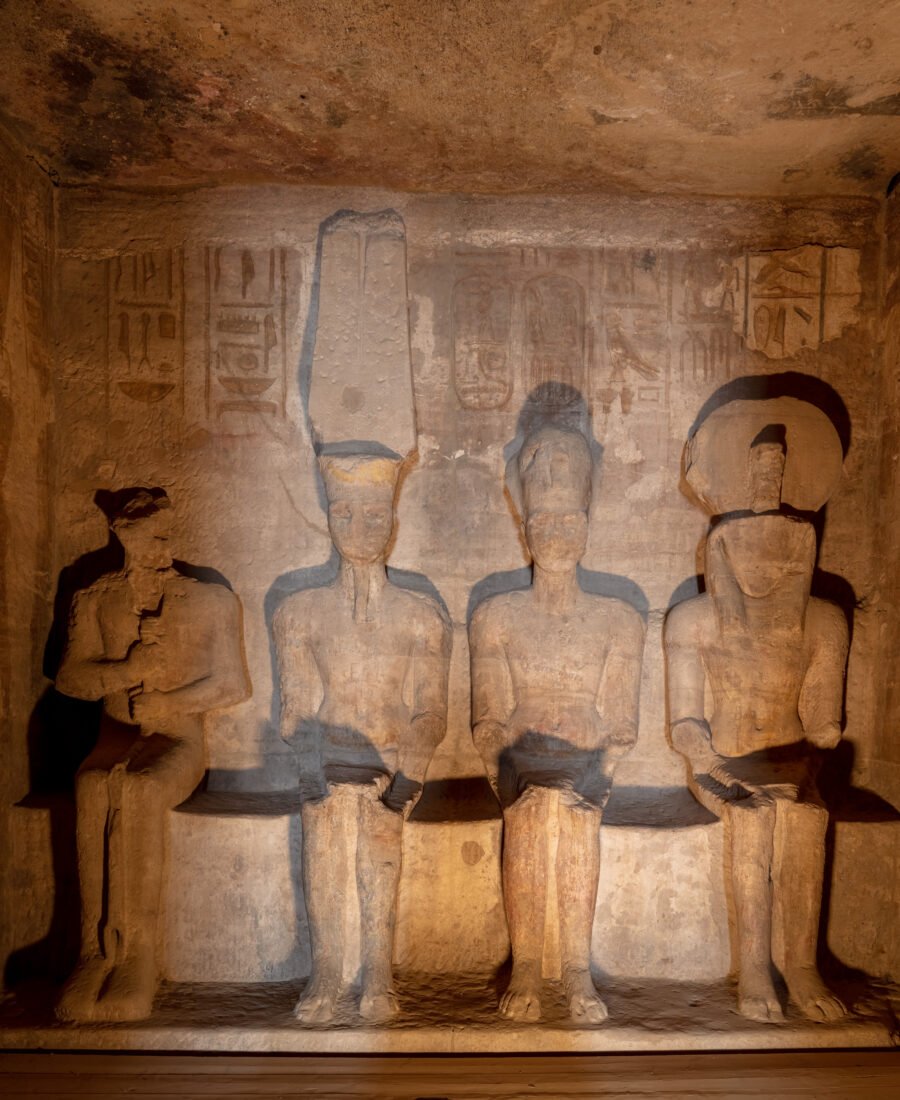
Travel south to one of Egypt’s most extraordinary monumental landscapes.
Request current rateExplore →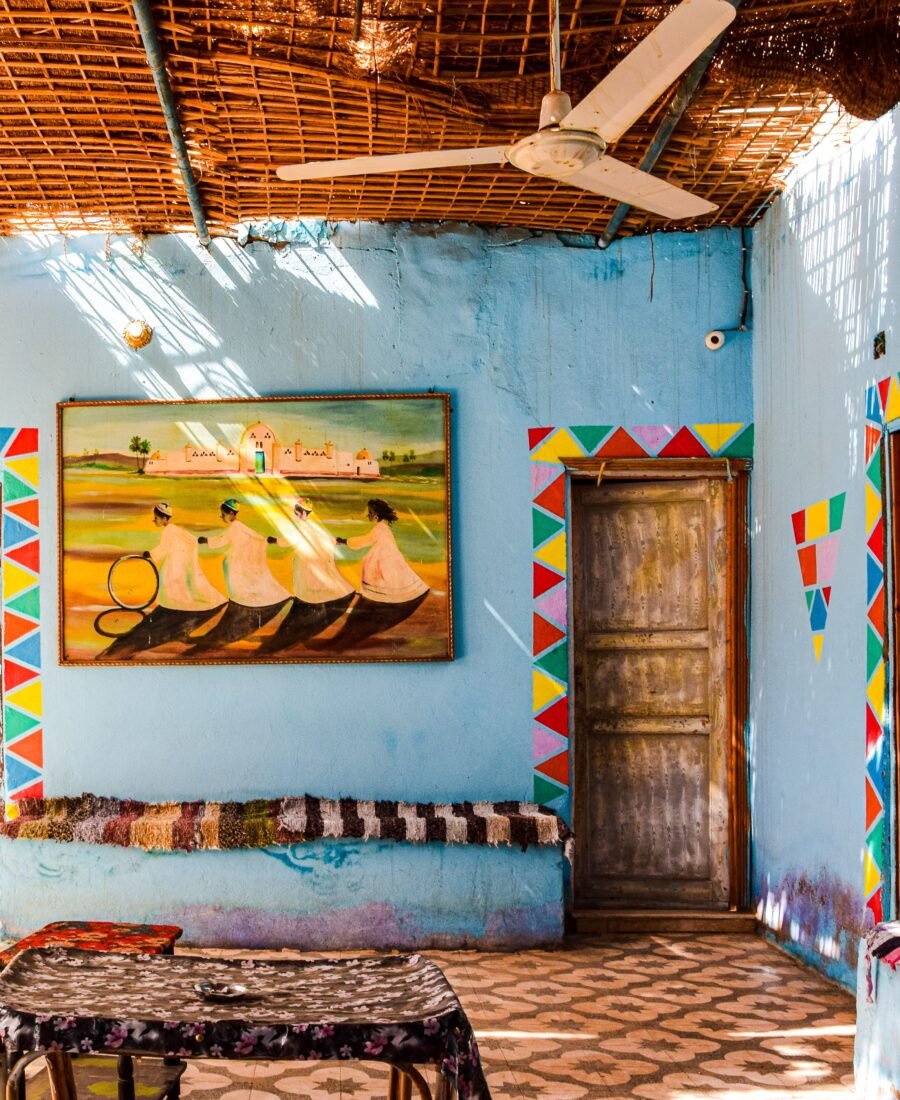
Connect sacred Philae with contemporary Nubian life in one carefully paced day.
Request current rateExplore →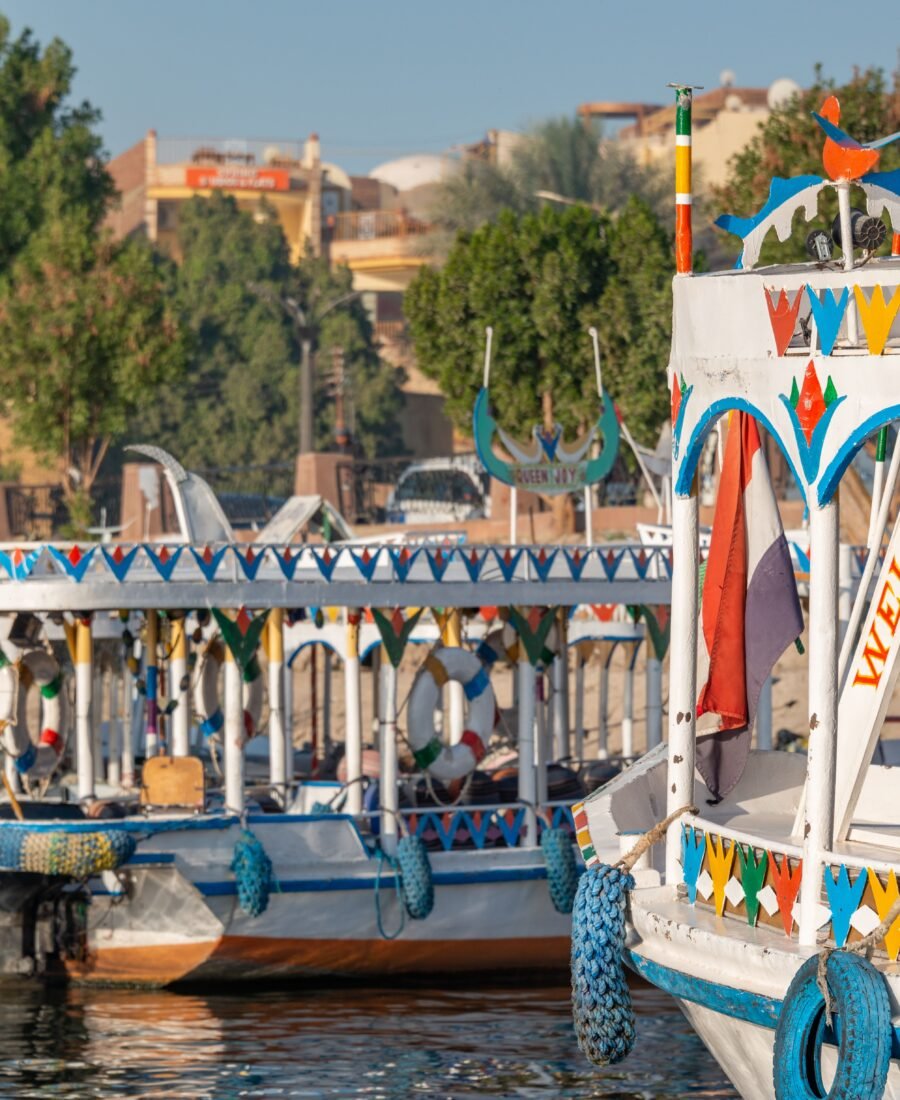
Meet Nubian life through place, conversation and a hosted family meal.
Request current rateExplore →
Reach Abu Simbel by air when flight schedules and availability make it the right fit.
Request current rateExplore →