
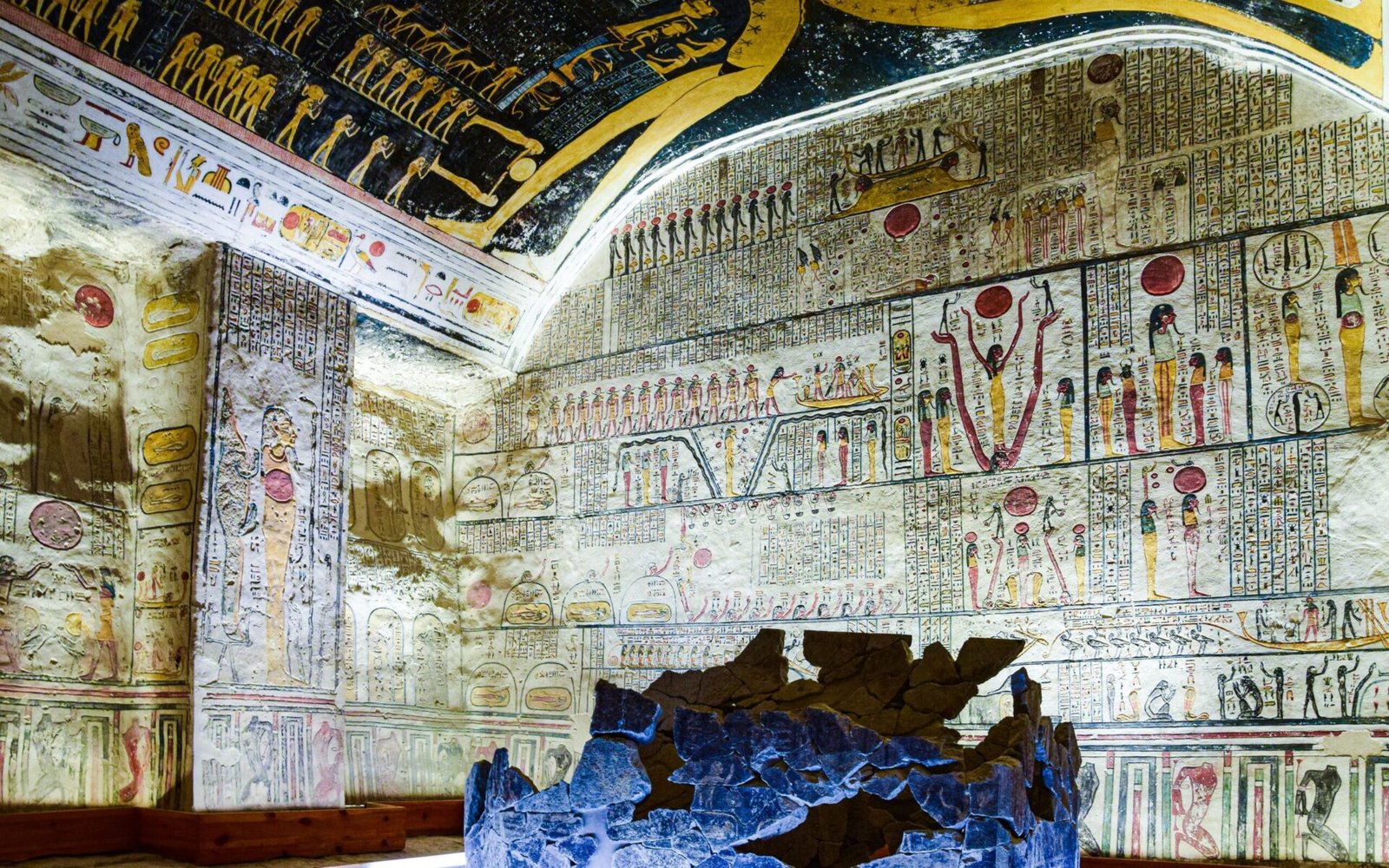
Hermopolis Magna
Hermopolis Magna was a major centre of the god Thoth and a regional capital whose archaeology helps connect religion, administration and the wider sacred landscape of Middle Egypt.
Read the monument as part of a larger Egyptian story
The surviving site is fragmentary compared with Luxor’s monumental temples, but historically it was one of Egypt’s important urban and religious centres. Its relationship with Tuna el-Gebel is particularly valuable for understanding city and necropolis together.
Historical context
Ancient Khmun, later called Hermopolis Magna, was the principal cult centre of Thoth and an important capital of the Hare nome. Egyptian, Greek and Roman periods all left traces in the city and surrounding region.
Details that help the site make sense
These are interpretive features to notice, not a promise of a fixed walking order or permanent access to every area.
Thoth cult
The ibis- and baboon-associated god shaped the identity of the city and its necropolis.
Urban archaeology
Fragmentary remains require reconstruction through context rather than spectacle.
Regional relationship
Tuna el-Gebel and nearby sites show how sacred, funerary and civic landscapes connected.
The detail that changes how you see the place
Hermopolis is a specialist site where historical imagination must be disciplined by archaeology. The reward is understanding a major ancient city that does not survive as one intact monumental set-piece.
What an expert eye notices
Scale of scattered remains
Use distance between remains to imagine the size of the ancient centre.
Later reuse
Stone movement and settlement history explain why urban sites survive differently from desert temples.
Regional map
Middle Egypt makes more sense when Hermopolis, Tuna el-Gebel and Amarna are placed together geographically.
Questions travellers ask about Hermopolis Magna
Historical context stays stable; operating details are confirmed for your date because access and visitor rules can change.
Who was Thoth?
A major deity associated with writing, knowledge, reckoning, the moon and other roles; Hermopolis was his principal cult centre.
Why is less standing than at Luxor?
Ancient cities were heavily reused and rebuilt, while desert-edge temples and tombs often survived differently.
How does Hermopolis connect to Tuna el-Gebel?
Tuna el-Gebel functioned as a major necropolis and sacred landscape associated with the city.
Tours and journeys that include Hermopolis Magna
The same canonical site guide can belong to several experiences. Each tour explains why the place matters to that particular story.
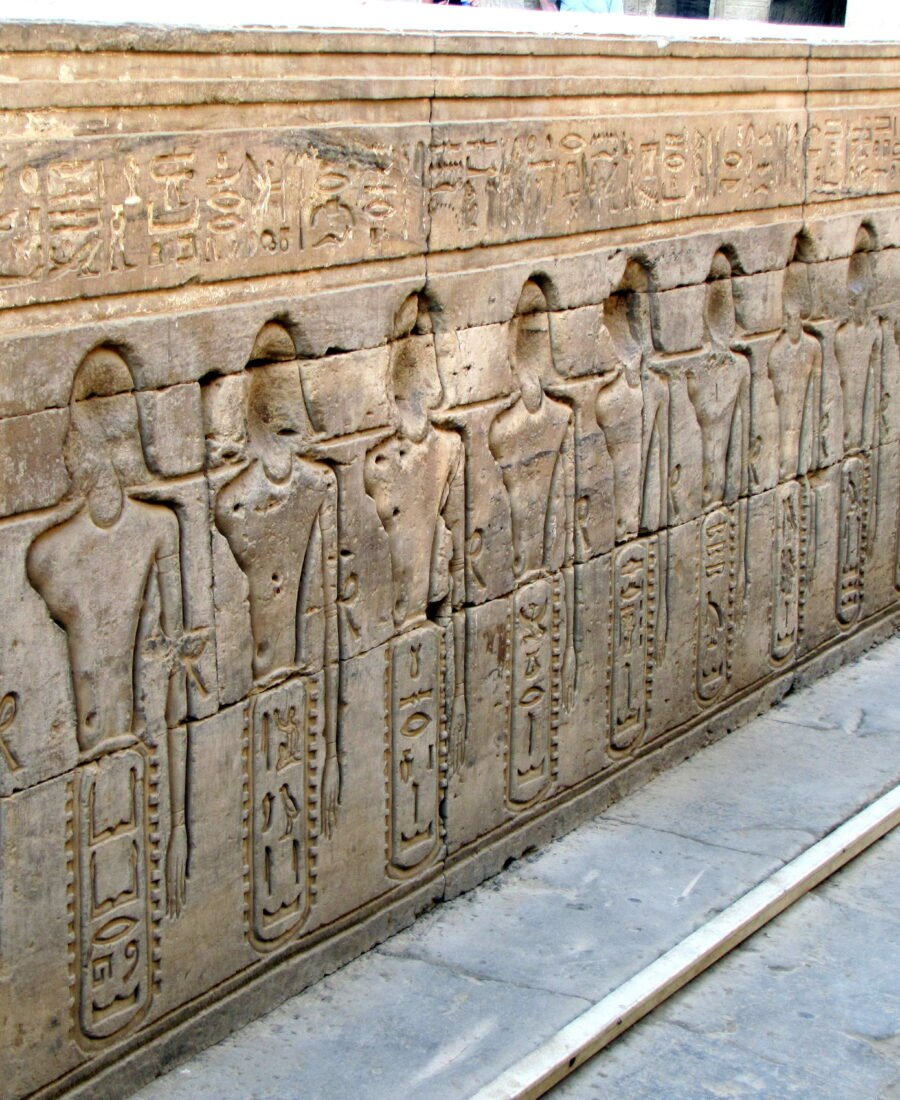
The Sacred Middle Egypt Journey
Travel through one of Egypt’s most overlooked historical landscapes.
Request current rateExplore →This field guide is maintained against authoritative heritage and institutional references where available. Current operations are verified separately.
See Hermopolis Magna with context, not as another checklist stop
Tell us the places and historical themes that interest you. We will build the touring day around a coherent story and the conditions for your travel date.
Start Planning