
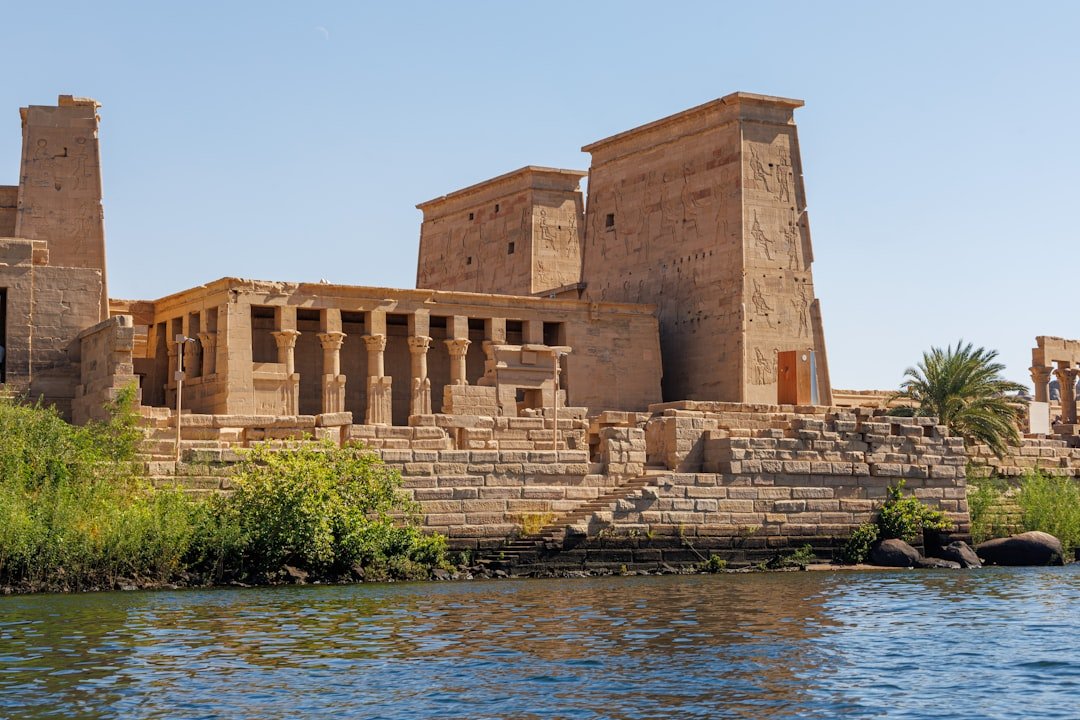
Philae Temple Complex
Philae is a sacred island temple complex centred on Isis, combining late Egyptian religion, dramatic Nile setting and the modern story of monument relocation.
Read the monument as part of a larger Egyptian story
The boat approach matters. Water, island and architecture reinforce one another, making Philae a powerful example of sacred landscape. The standing complex preserves Ptolemaic and Roman additions, ritual spaces and some of the latest inscriptions associated with traditional Egyptian religion.
Historical context
The monuments were moved from Philae Island to nearby Agilkia during the UNESCO-led Nubian rescue campaign. The sanctuary of Isis became famous throughout the Mediterranean world and remained an important religious centre into late antiquity.
Details that help the site make sense
These are interpretive features to notice, not a promise of a fixed walking order or permanent access to every area.
Temple of Isis
Main courts, pylons and sanctuaries trace movement toward the heart of the cult.
Trajan’s Kiosk
An elegant riverside monument that emphasises the relationship between architecture and water.
Relocation story
The modern setting recreates an island experience while preserving monuments threatened by changing water levels.
The detail that changes how you see the place
Philae is one of the clearest places to discuss continuity and change in Egyptian religion. Ptolemaic and Roman rulers adopted pharaonic visual language while the cult of Isis reached far beyond Egypt.
What an expert eye notices
Boat approach
The first view establishes the island as part of the sacred experience.
Later rulers in pharaonic style
Roman emperors appear within traditional temple conventions.
Christian traces
Later marks and adaptations show religious transformation rather than a sudden historical break.
Questions travellers ask about Philae Temple Complex
Historical context stays stable; operating details are confirmed for your date because access and visitor rules can change.
Is Philae on its original island?
No. The temple complex was relocated to Agilkia Island during the Nubian rescue campaign.
Who was Isis?
A major Egyptian goddess whose roles included kingship, protection, motherhood and funerary power; her cult later spread widely in the Mediterranean.
Is a boat required?
The temple complex is reached by boat; operational arrangements are confirmed locally.
Tours and journeys that include Philae Temple Complex
The same canonical site guide can belong to several experiences. Each tour explains why the place matters to that particular story.
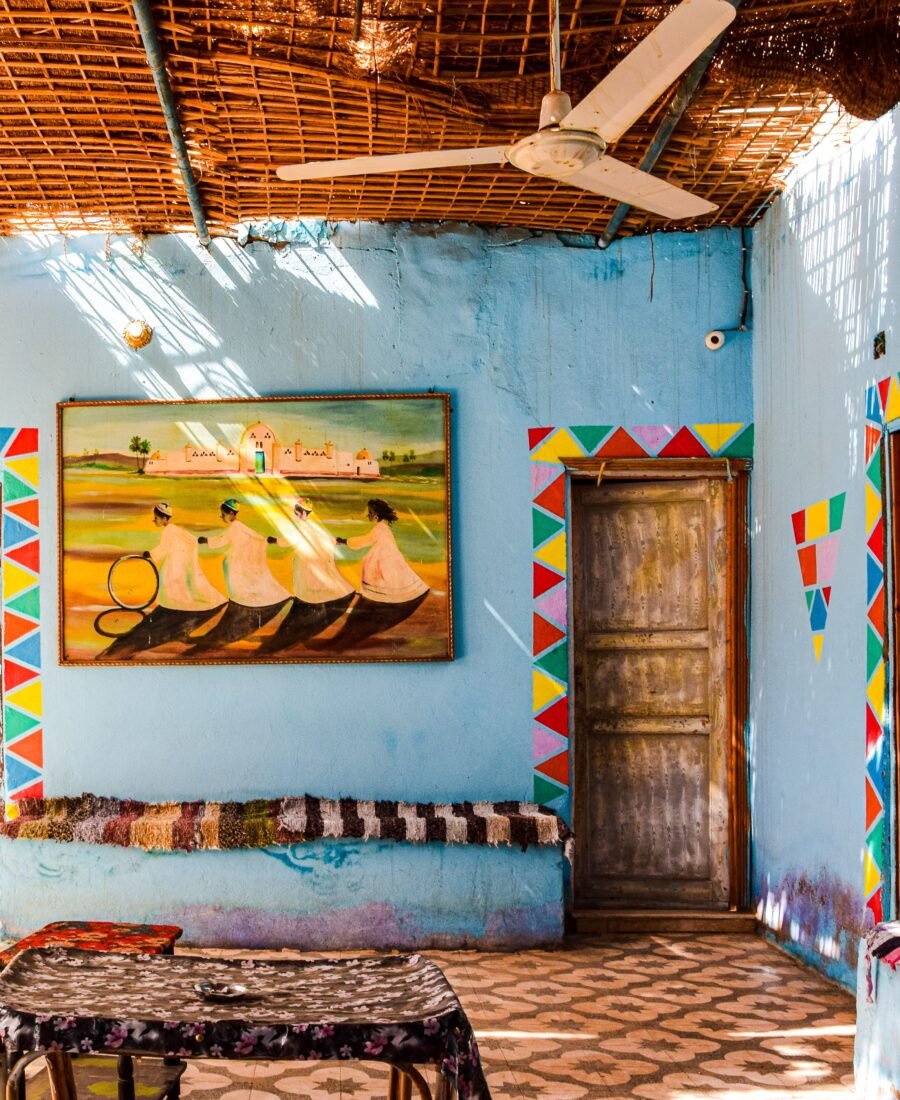
Philae Temple, Nubian Village & Hosted Nubian Lunch
Connect sacred Philae with contemporary Nubian life in one carefully paced day.
Request current rateExplore →This field guide is maintained against authoritative heritage and institutional references where available. Current operations are verified separately.
See Philae Temple Complex with context, not as another checklist stop
Tell us the places and historical themes that interest you. We will build the touring day around a coherent story and the conditions for your travel date.
Start Planning