
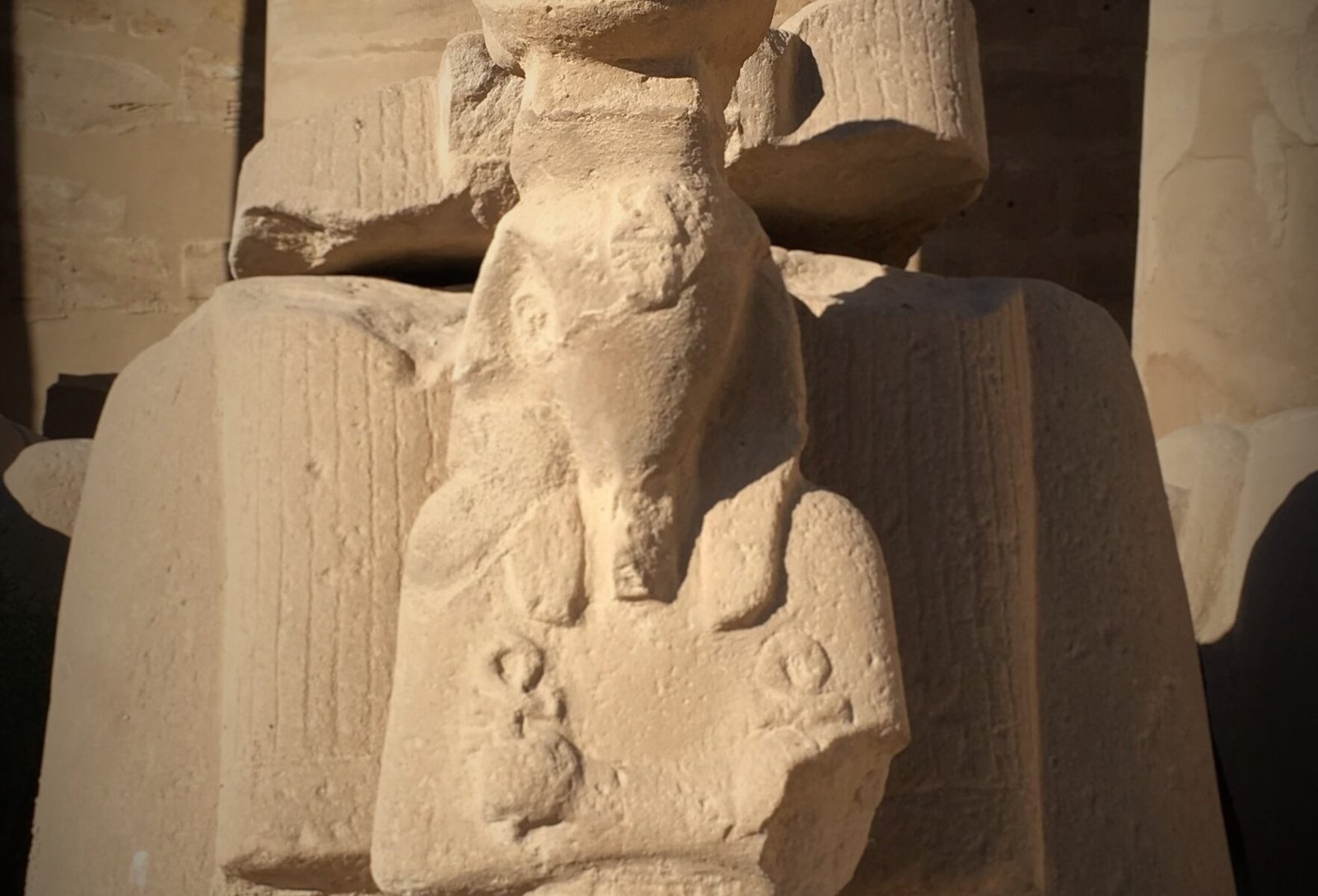
Avenue of Sphinxes
The Avenue of Sphinxes makes the ritual relationship between Karnak and Luxor Temple physically visible across the modern city.
Read the monument as part of a larger Egyptian story
The avenue should not be treated merely as a photogenic line of statues. It was a processional route within the sacred geography of Thebes, especially important for understanding the movement of divine images and festival ritual between temple complexes.
Historical context
The processional road developed over different periods and connected the Karnak and Luxor temple areas. Its excavation and restoration have re-established the visual connection between monuments that modern urban development had obscured.
Details that help the site make sense
These are interpretive features to notice, not a promise of a fixed walking order or permanent access to every area.
Processional movement
The route gives architecture a dynamic dimension: ritual moved through the city.
Statue forms
Different sections use sphinx forms associated with different phases and patronage.
Urban archaeology
The avenue survives within a living modern city, illustrating the challenge of revealing ancient routes beneath later development.
The detail that changes how you see the place
The avenue solves a common visitor problem: Karnak and Luxor Temple can feel like two separate tickets. The processional road shows that ancient Egyptians understood them as connected sacred spaces.
What an expert eye notices
Sight lines
Use long views to understand the scale of the connection.
Different statue types
Notice variation rather than assuming every sphinx is identical.
Modern city edges
Ancient ritual geography and contemporary Luxor now sit side by side.
Questions travellers ask about Avenue of Sphinxes
Historical context stays stable; operating details are confirmed for your date because access and visitor rules can change.
Did the avenue connect Karnak and Luxor Temple?
Yes, it formed the major processional link between the temple complexes.
Was it built all at once?
No. Different rulers contributed to the route and its statuary across time.
Can visitors walk the entire avenue?
Public access arrangements can change and should be checked for the travel date.
Tours and journeys that include Avenue of Sphinxes
The same canonical site guide can belong to several experiences. Each tour explains why the place matters to that particular story.
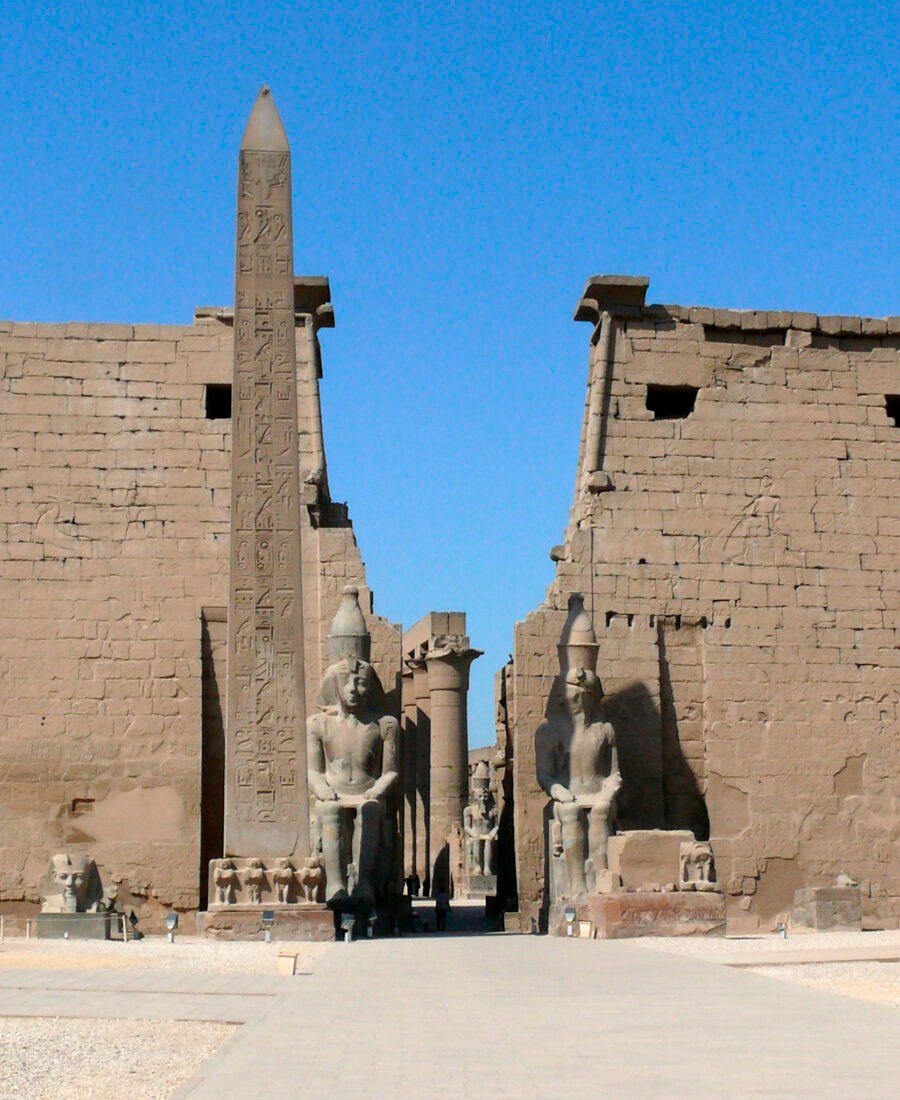
The Sacred Heart of Thebes
Explore the monumental and ritual heart of ancient Thebes on the East Bank.
Request current rateExplore →This field guide is maintained against authoritative heritage and institutional references where available. Current operations are verified separately.
See Avenue of Sphinxes with context, not as another checklist stop
Tell us the places and historical themes that interest you. We will build the touring day around a coherent story and the conditions for your travel date.
Start Planning