
Lake Nasser
Lake Nasser is a modern reservoir whose creation transformed the landscape of Nubia and triggered one of the world’s largest archaeological rescue campaigns.
Read the monument as part of a larger Egyptian story
The lake is not an ancient site, but it is essential modern historical context for Abu Simbel, Kalabsha, Philae and Nubian displacement. It makes visible the scale of twentieth-century engineering and the cultural consequences of changing the Nile.
Historical context
The reservoir formed after construction of the Aswan High Dam. Rising water threatened monuments and communities across Nubia, leading to international salvage archaeology, monument relocation and large-scale population resettlement.
Details that help the site make sense
These are interpretive features to notice, not a promise of a fixed walking order or permanent access to every area.
Modern scale
The vast water body changes the southern landscape dramatically.
Rescued monuments
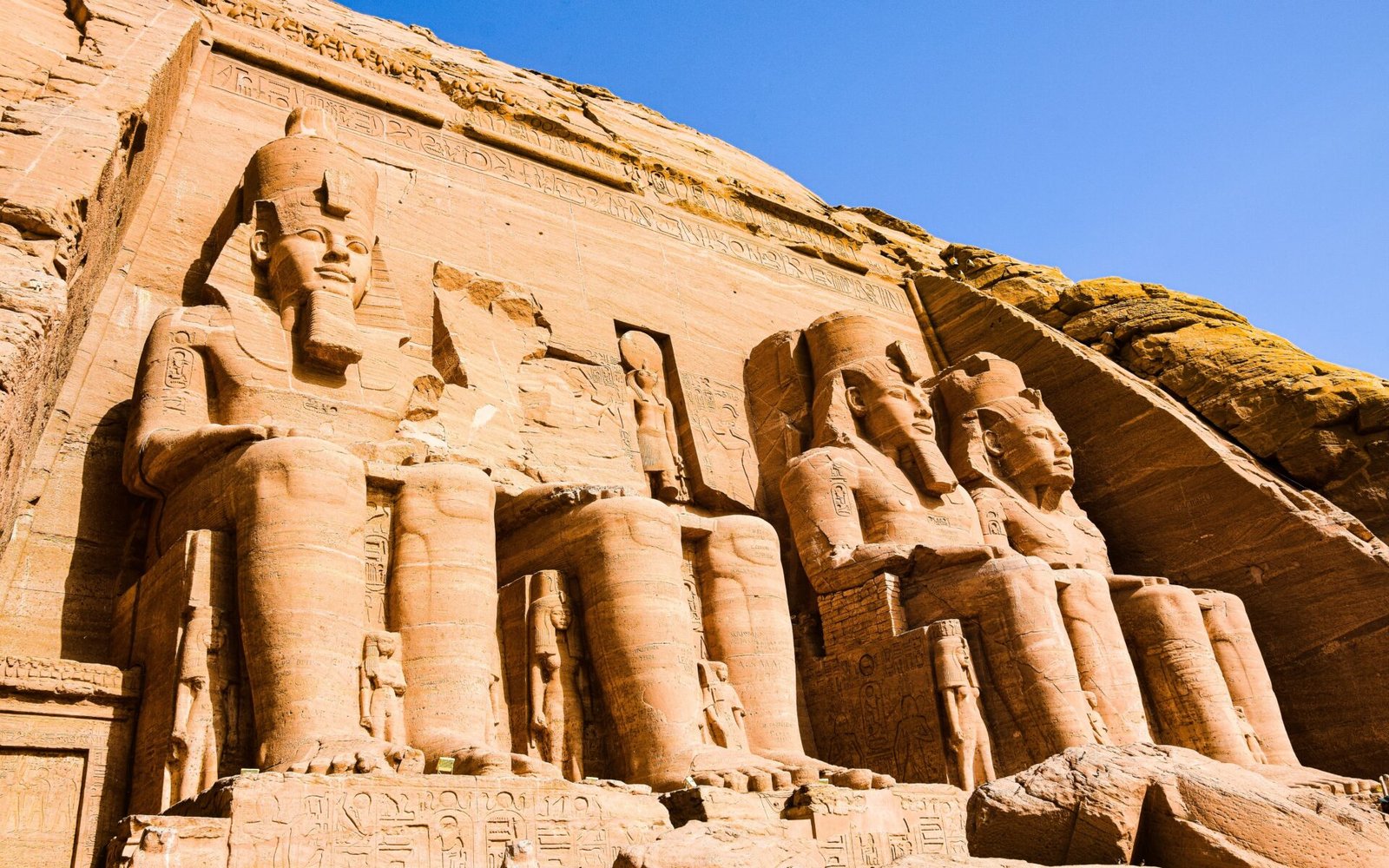
Many famous temples now stand in reconstructed settings because of the lake.
Human consequences
Nubian displacement and resettlement must remain part of the story, not an afterthought.
The detail that changes how you see the place
Lake Nasser is where heritage interpretation becomes modern history. Engineering achievement, archaeology and community loss belong in the same conversation.
What an expert eye notices
Shoreline and islands
The modern geography is radically different from the old Nile valley.
Temple settings
Compare relocated monuments with what is known of their original landscapes.
Infrastructure
The High Dam explains why this historical transformation occurred.
Questions travellers ask about Lake Nasser
Historical context stays stable; operating details are confirmed for your date because access and visitor rules can change.
Is Lake Nasser natural?
No. It is a reservoir created by the Aswan High Dam.
Why is it important to archaeology?
Its creation threatened many Nubian monuments and prompted the international rescue campaign.
Did Nubian communities have to move?
Yes. Large-scale displacement and resettlement are fundamental parts of the modern history of the region.
Tours and journeys that include Lake Nasser
The same canonical site guide can belong to several experiences. Each tour explains why the place matters to that particular story.
Kalabsha & Lake Nasser
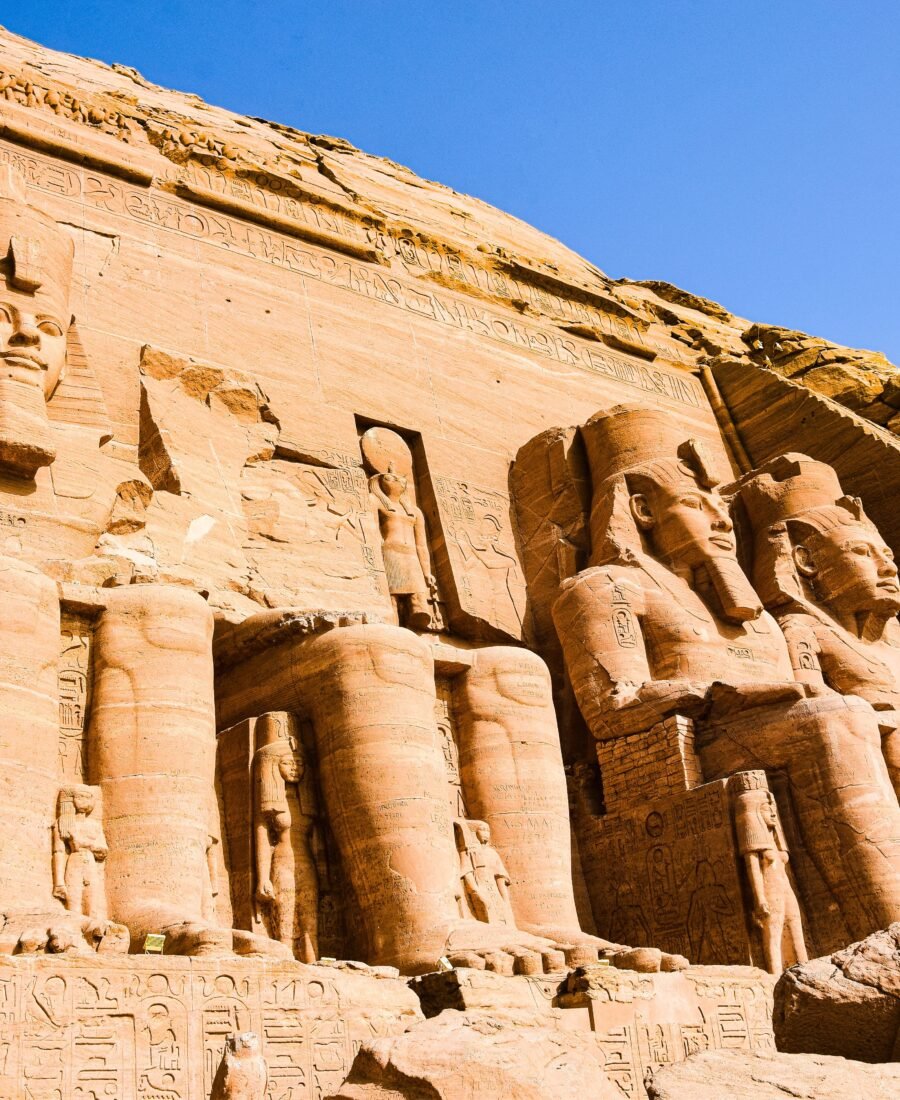
Explore the relocated temples and open landscapes around Lake Nasser.
Request current rateExplore →This field guide is maintained against authoritative heritage and institutional references where available. Current operations are verified separately.
See Lake Nasser with context, not as another checklist stop
Tell us the places and historical themes that interest you. We will build the touring day around a coherent story and the conditions for your travel date.
Start Planning