
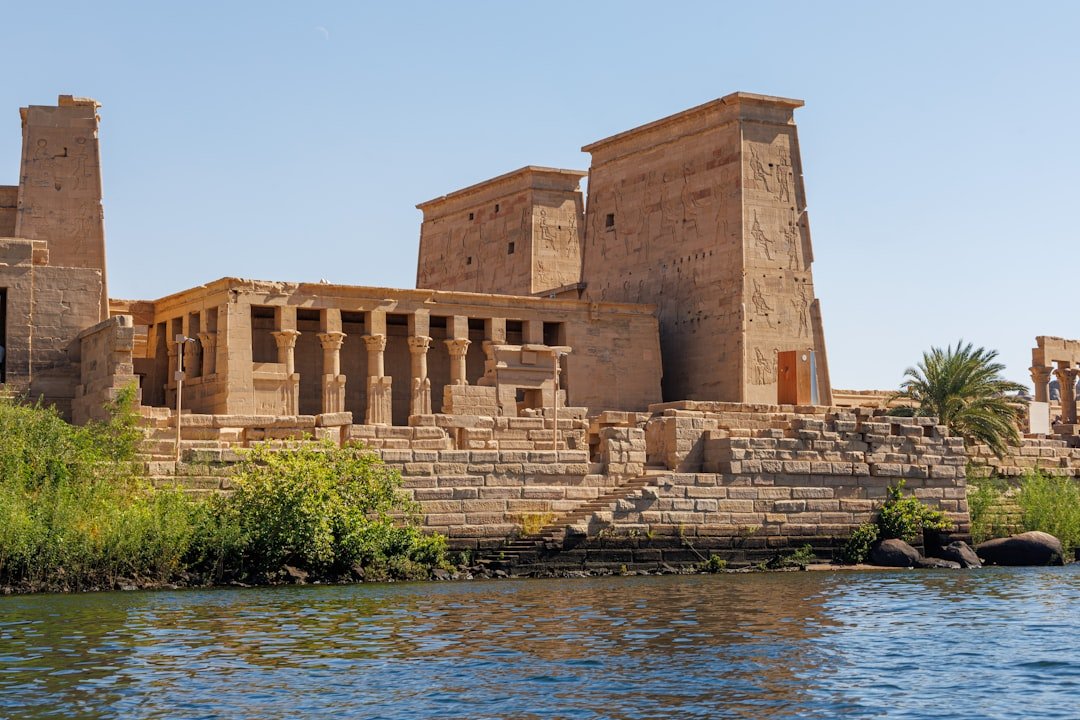
Temple of Kalabsha
Kalabsha combines a substantial Roman-period Nubian temple with the modern history of monument rescue around Lake Nasser.
Read the monument as part of a larger Egyptian story
The temple is valuable for understanding Lower Nubia before and after the High Dam. Its architecture follows Egyptian temple traditions while inscriptions and later modifications reflect the complex cultural environment of Roman Nubia.
Historical context
The Temple of Kalabsha, ancient Talmis, was moved during the UNESCO-era rescue work and reconstructed near the High Dam. It was dedicated principally to the Nubian deity Mandulis and contains Roman-period royal imagery in pharaonic style.
Details that help the site make sense
These are interpretive features to notice, not a promise of a fixed walking order or permanent access to every area.
Monumental pylon and courts
The temple’s scale is striking in its reconstructed lakeside setting.
Mandulis cult
Local Nubian religious identity is central to the site.
Relocation
Modern preservation transformed the monument’s original relationship with landscape.
The detail that changes how you see the place
Kalabsha helps broaden Nubia beyond Abu Simbel and Philae. It shows how Egyptian, Nubian and Roman political worlds overlapped in the same sacred architecture.
What an expert eye notices
Roman rulers in pharaonic form
Political power continued to use traditional Egyptian temple language.
Christian inscriptions
Later religious use adds another historical layer.
Lake Nasser setting
The modern reservoir is inseparable from the story of why the temple stands here today.
Questions travellers ask about Temple of Kalabsha
Historical context stays stable; operating details are confirmed for your date because access and visitor rules can change.
Was Kalabsha moved?
Yes. It was relocated during the Nubian monument rescue campaign associated with the High Dam.
Who was Mandulis?
A Nubian deity worshipped at Kalabsha and represented within the temple’s Roman-period sacred programme.
Is Kalabsha near Philae?
Both are in the Aswan region, but they occupy different modern sites and should be planned separately.
Tours and journeys that include Temple of Kalabsha
The same canonical site guide can belong to several experiences. Each tour explains why the place matters to that particular story.
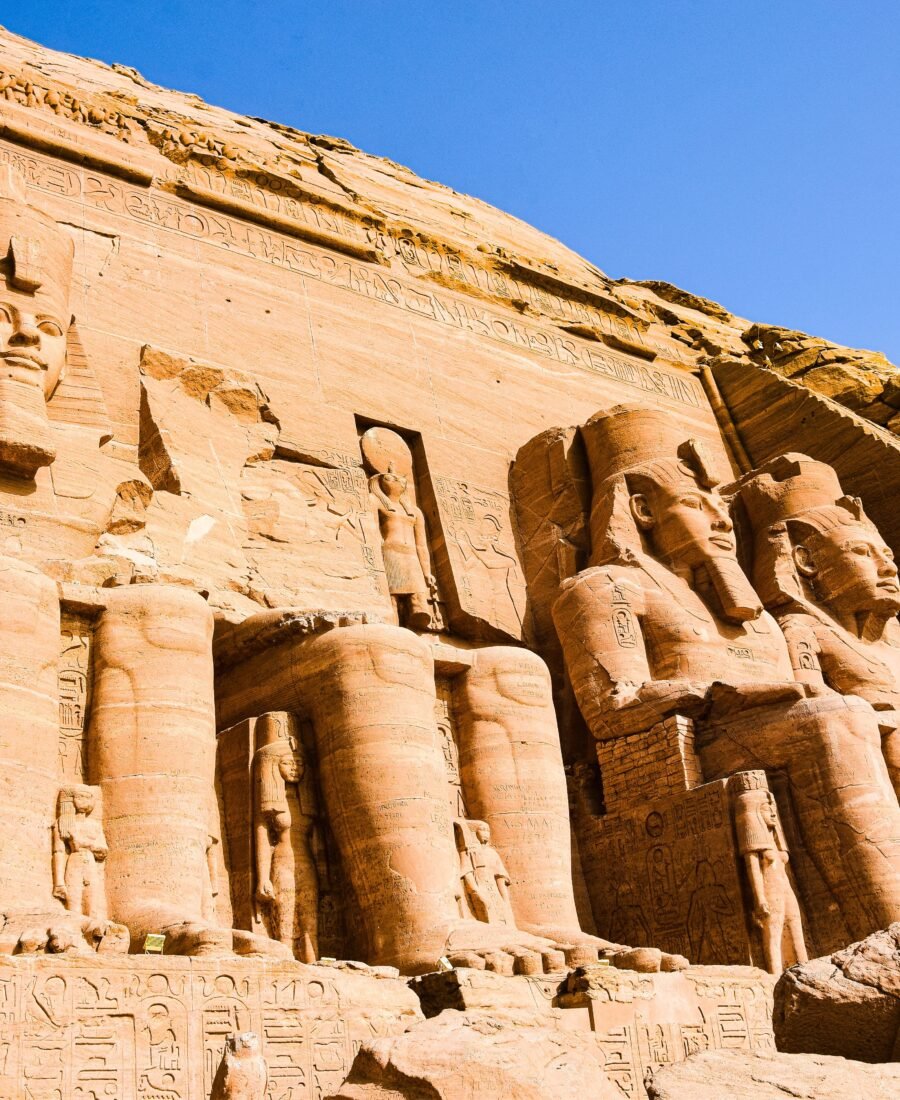
Kalabsha & Lake Nasser
Explore the relocated temples and open landscapes around Lake Nasser.
Request current rateExplore →This field guide is maintained against authoritative heritage and institutional references where available. Current operations are verified separately.
See Temple of Kalabsha with context, not as another checklist stop
Tell us the places and historical themes that interest you. We will build the touring day around a coherent story and the conditions for your travel date.
Start Planning