
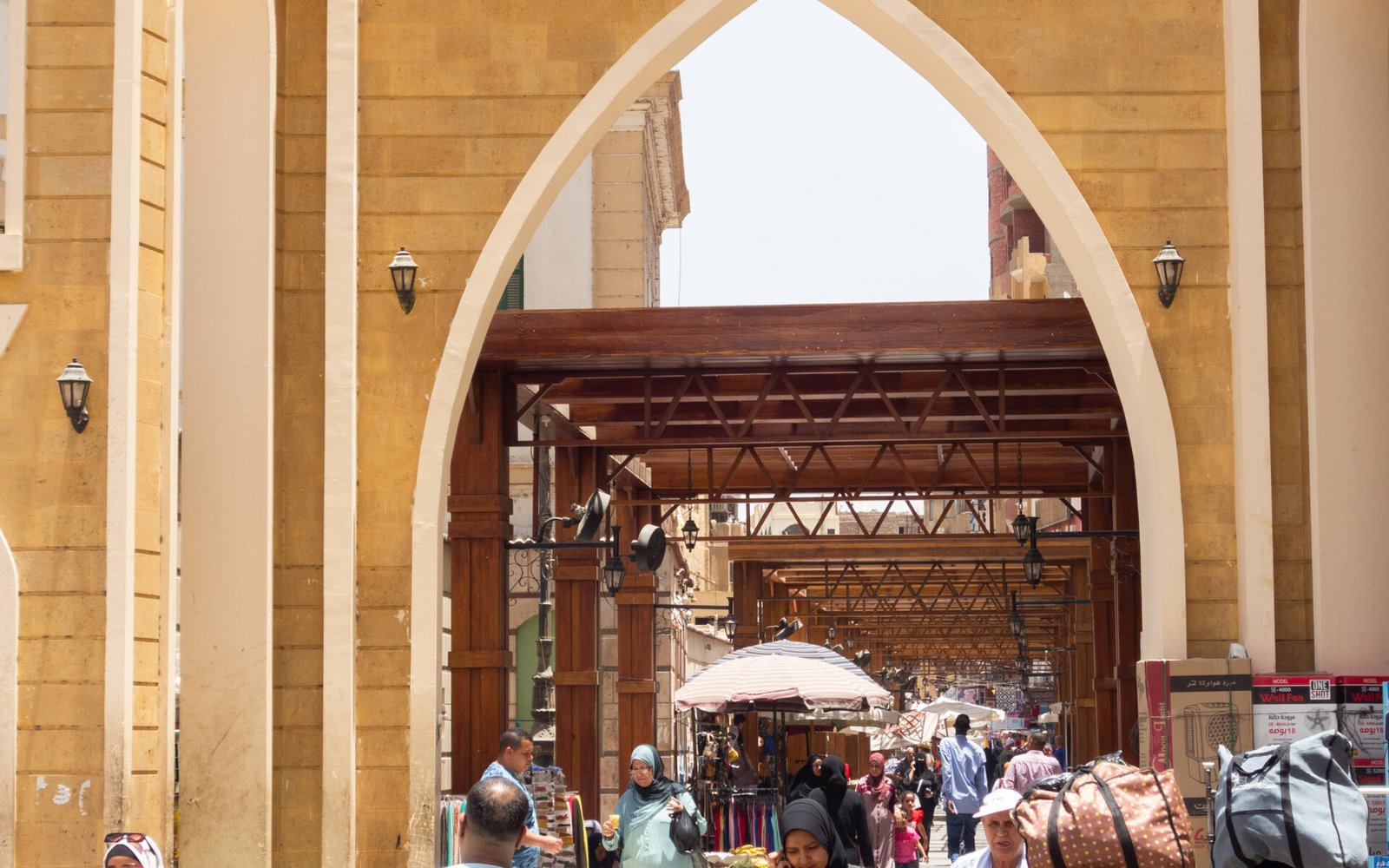
Aswan Souq
Aswan’s souq is a living commercial street where spices, household goods, textiles and local rhythms make the modern southern city visible beyond archaeology.
Read the monument as part of a larger Egyptian story
The market should be approached as an urban experience rather than a shopping obligation. Colour and scent are immediate, but the richer story is trade: Aswan has long been a gateway linking the Nile Valley with Nubia and regions farther south.
Historical context
Today’s souq belongs to modern Aswan, yet its location and commercial character fit the city’s much older role as a southern trading centre. Contemporary goods and tourist products coexist with everyday local commerce.
Details that help the site make sense
These are interpretive features to notice, not a promise of a fixed walking order or permanent access to every area.
Spice stalls
Smell and colour open conversations about food, trade and regional products.
Everyday goods
Practical local shopping distinguishes a functioning market from a purpose-built tourist bazaar.
Evening rhythm
The street often feels different after sunset as residents shop and socialise.
The detail that changes how you see the place
Aswan’s market is best when it remains unscripted. The guide’s role is to explain, translate where useful and protect the experience from becoming a commission-driven shopping circuit.
What an expert eye notices
Labels and origins
Ask where products come from rather than assuming everything is locally produced.
Street width and movement
The souq is an urban corridor as much as a retail space.
Human pace
A pause for conversation can reveal more than rushing stall to stall.
Questions travellers ask about Aswan Souq
Historical context stays stable; operating details are confirmed for your date because access and visitor rules can change.
Do I have to shop?
No. The market can be enjoyed as a cultural and urban walk without purchasing anything.
Is the souq better at night?
Evening can be atmospheric, but the best timing depends on the rest of the programme and current conditions.
What is Aswan known for trading?
Spices, textiles and regional goods are prominent today, while historically Aswan’s southern position connected wider trade networks.
Tours and journeys that include Aswan Souq
The same canonical site guide can belong to several experiences. Each tour explains why the place matters to that particular story.
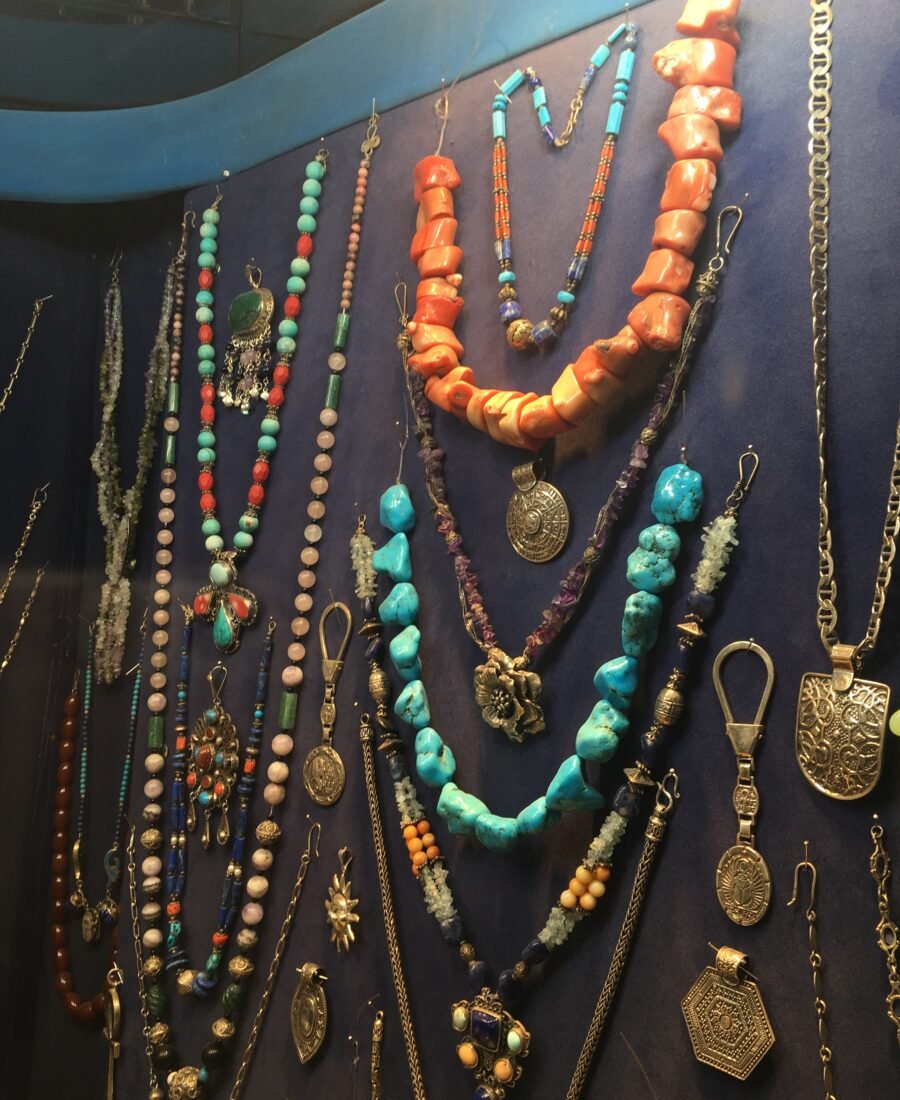
Aswan After Dark: Souq, Spices and Local Life
Experience Aswan’s everyday energy after sunset.
Request current rateExplore →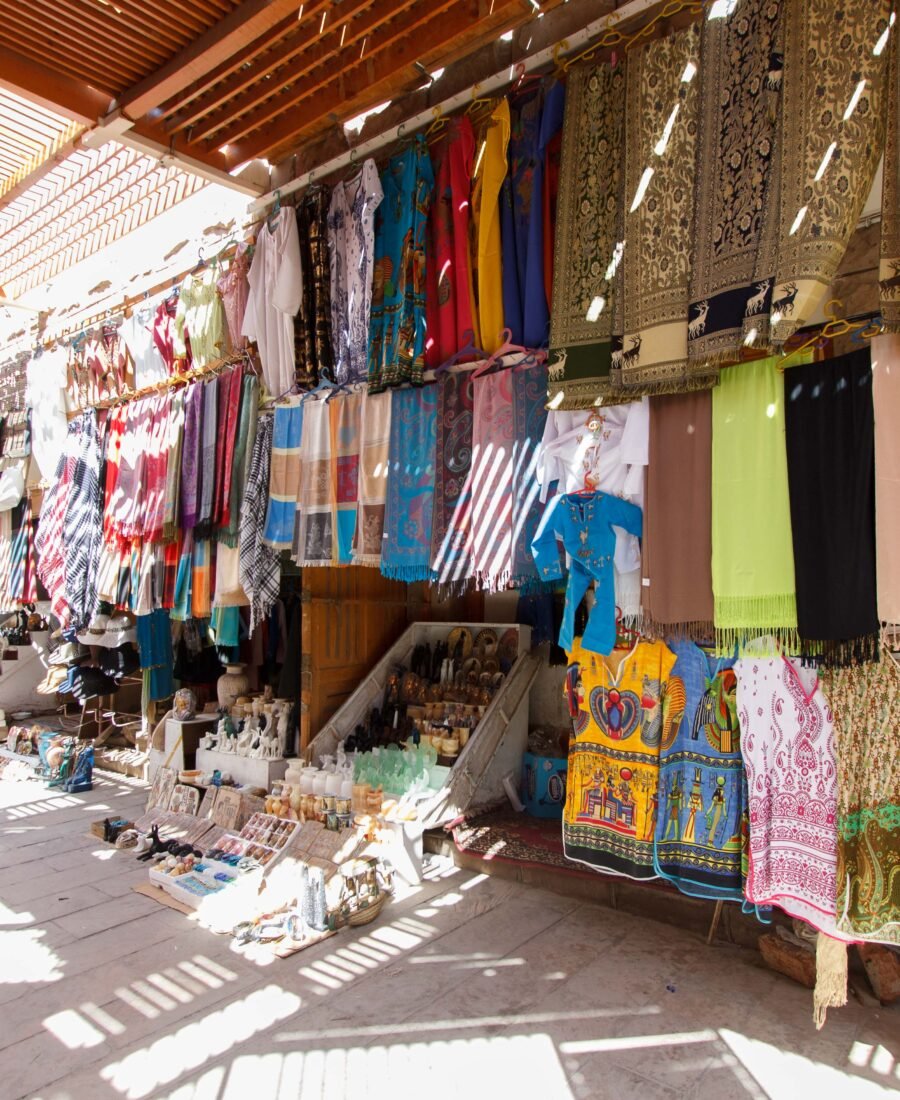
Aswan by Horse-Drawn Carriage: City, Corniche and Souq
A relaxed orientation through Aswan’s city streets, corniche and souq.
Request current rateExplore →This field guide is maintained against authoritative heritage and institutional references where available. Current operations are verified separately.
See Aswan Souq with context, not as another checklist stop
Tell us the places and historical themes that interest you. We will build the touring day around a coherent story and the conditions for your travel date.
Start Planning