
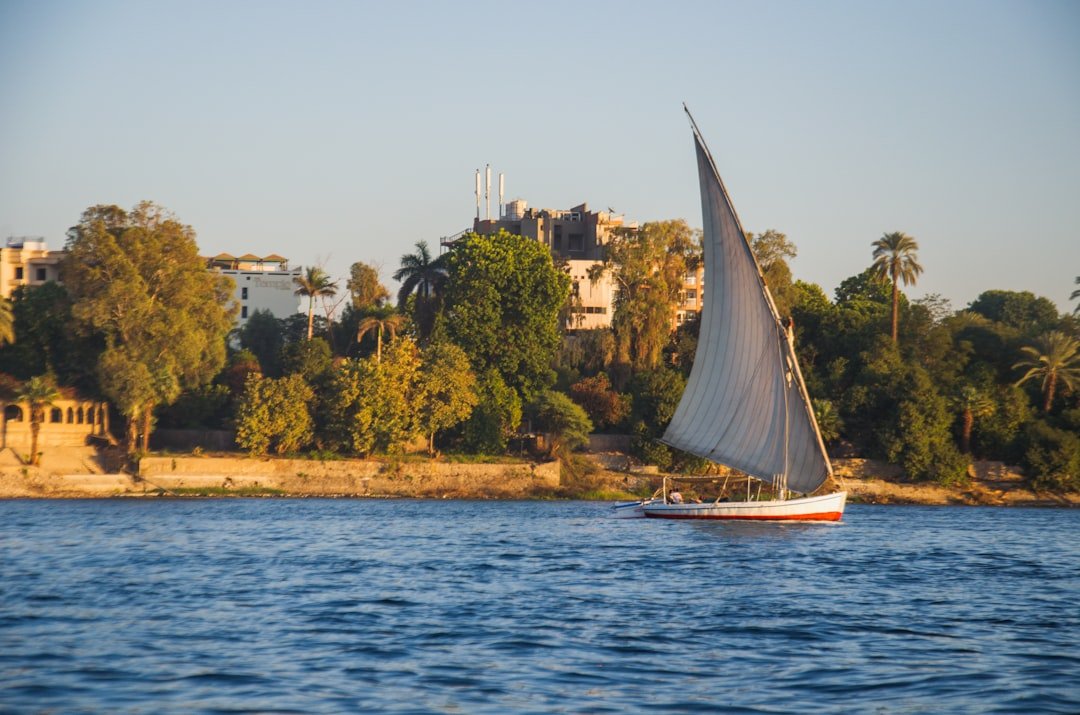
Elephantine Island
Elephantine Island is one of Aswan’s most important archaeological landscapes, revealing settlement, frontier administration and sacred life at the First Cataract.
Read the monument as part of a larger Egyptian story
The island’s position made it strategically important for trade and movement toward Nubia. Archaeology preserves multiple phases of settlement and sacred architecture, allowing visitors to connect river geography with political and economic history.
Historical context
Known to the ancient Egyptians as Abu or Yebu, Elephantine developed at Egypt’s southern frontier. Excavations have revealed temples, houses and administrative evidence spanning long periods of Egyptian history.
Details that help the site make sense
These are interpretive features to notice, not a promise of a fixed walking order or permanent access to every area.
Settlement layers
Domestic and administrative remains show the island as a lived city, not only a sacred site.
First Cataract geography
Granite channels and islands explain why this location mattered strategically.
Sacred traditions
Local cults, especially associated with Khnum and the cataract region, shaped the island’s religious life.
The detail that changes how you see the place
Elephantine is where Aswan’s geography becomes historical evidence. The island explains why the city existed where it did and why the southern frontier mattered.
What an expert eye notices
Granite terrain
Natural geology shapes movement and settlement.
Mudbrick and stone
Different building materials preserve different kinds of evidence.
Views south and north
Use the river to orient trade, frontier and transport.
Questions travellers ask about Elephantine Island
Historical context stays stable; operating details are confirmed for your date because access and visitor rules can change.
Why is Elephantine important?
Its First Cataract position made it a key settlement, trading point and southern frontier centre.
Is it only an archaeological site?
No. Modern communities also live on and around Aswan’s islands, so archaeological and contemporary landscapes coexist.
How does it relate to Nubia?
The island sat at a major gateway between Egypt and regions to the south.
Tours and journeys that include Elephantine Island
The same canonical site guide can belong to several experiences. Each tour explains why the place matters to that particular story.
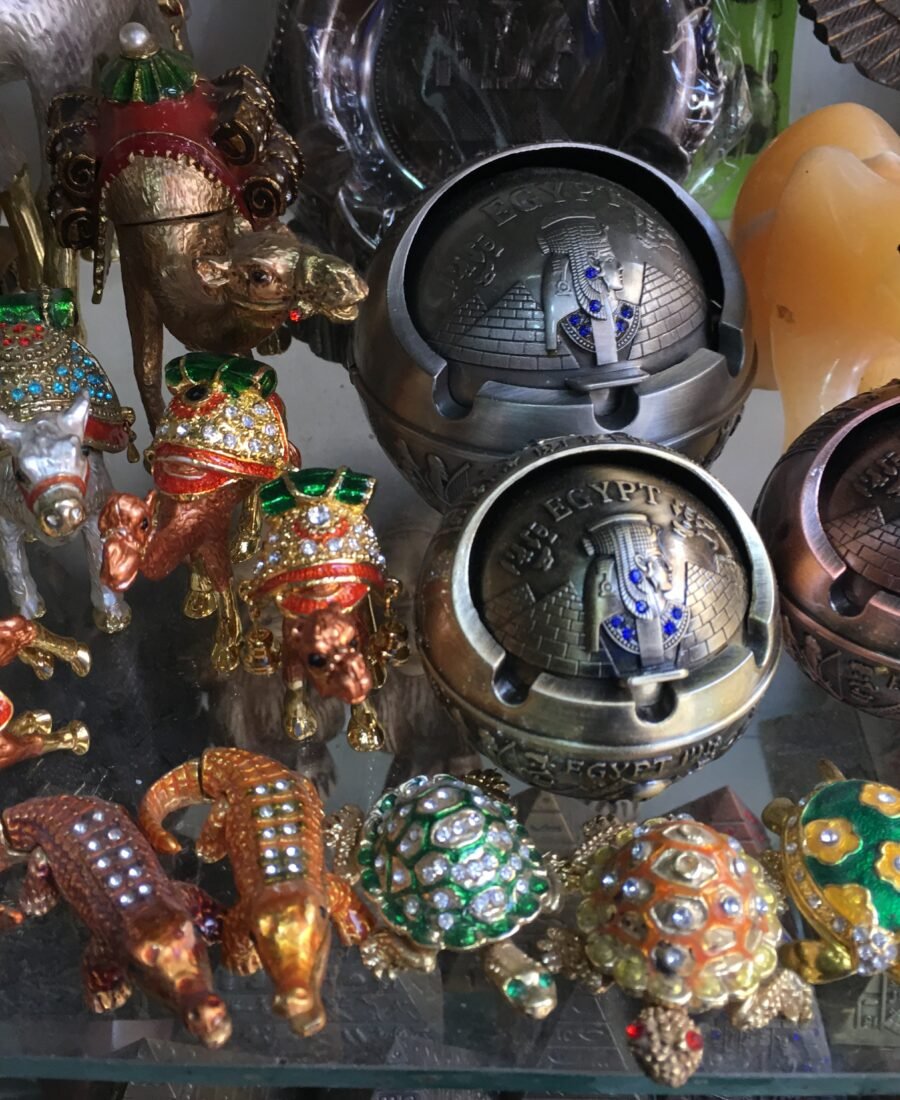
Islands of Aswan: Botanical Garden, Elephantine and Nubian Life
Use Aswan’s islands to connect landscape, archaeology and living Nubian culture.
Request current rateExplore →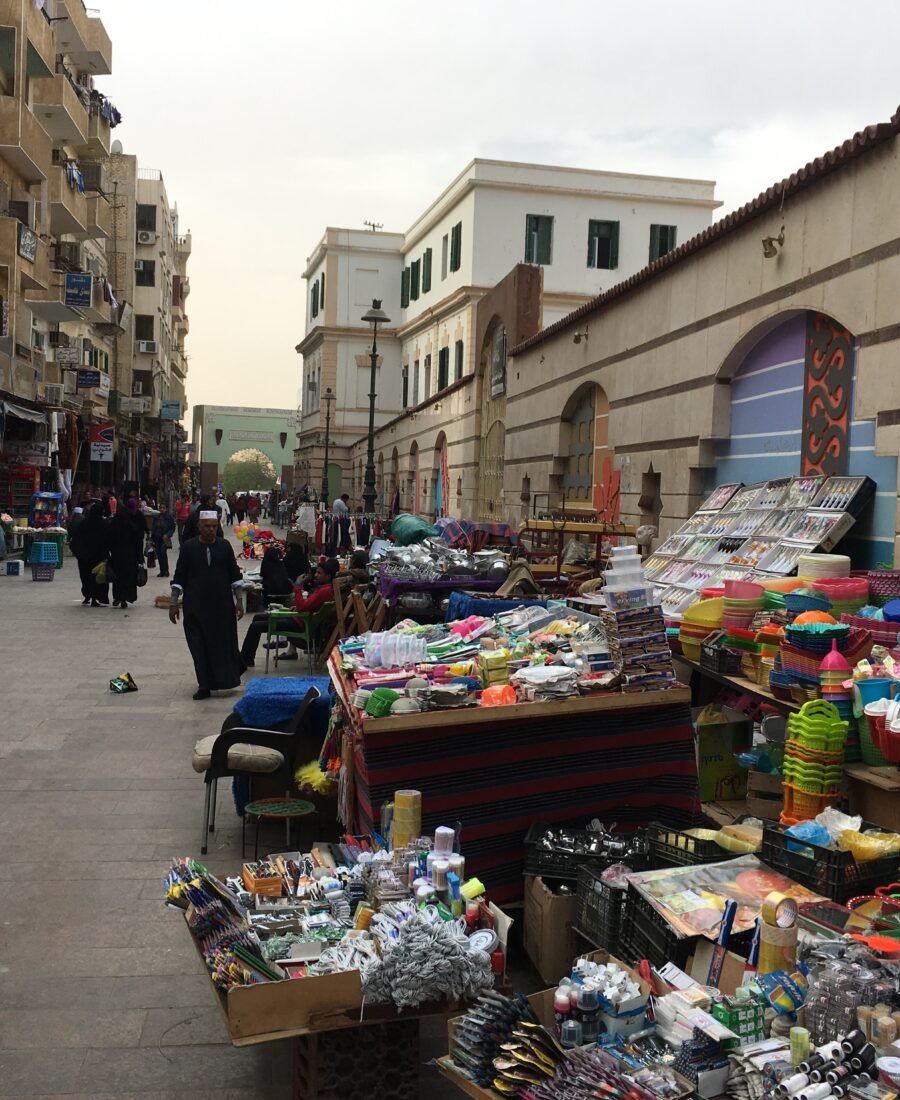
Nubia Through Time: Museum & Elephantine
Trace Nubia through museum collections and the archaeology of Elephantine.
Request current rateExplore →This field guide is maintained against authoritative heritage and institutional references where available. Current operations are verified separately.
See Elephantine Island with context, not as another checklist stop
Tell us the places and historical themes that interest you. We will build the touring day around a coherent story and the conditions for your travel date.
Start Planning